Preventing Pet Obesity: 2026 Nutritional Strategies for Ideal Weight

Preventing Pet Obesity: A 2026 Nutritional Strategy to Maintain Ideal Weight (PRACTICAL SOLUTIONS)
Pet obesity has reached epidemic proportions globally, posing significant health risks to our beloved companions. As we move further into 2026, understanding and implementing effective nutritional strategies to maintain ideal weight for our pets is more crucial than ever. This comprehensive guide will delve into practical, actionable solutions designed to combat and prevent pet obesity, ensuring a longer, healthier, and happier life for your furry family members.
The statistics are stark: a large percentage of dogs and cats are overweight or obese, leading to a myriad of health complications. These include diabetes, arthritis, heart disease, respiratory problems, certain types of cancer, and a reduced quality of life. The good news is that pet obesity prevention is largely within our control, primarily through thoughtful dietary management and appropriate physical activity. This article focuses on the nutritional pillars of preventing pet obesity, offering a 2026 perspective on best practices.
Understanding the Root Causes of Pet Obesity
Before we can effectively implement pet obesity prevention strategies, it’s essential to understand why pets become overweight in the first place. The primary culprits are often a combination of overfeeding, inappropriate diet, lack of exercise, and sometimes underlying medical conditions or genetic predispositions. However, for most pets, the equation is simple: too many calories in, not enough calories out.
Caloric Imbalance: The Core Issue
Just like humans, pets gain weight when they consume more calories than they burn. This caloric imbalance is frequently due to:
- Excessive Portions: Many pet owners inadvertently overfeed their pets, either by not measuring food accurately or by free-feeding (leaving food out all day).
- High-Calorie Treats and Table Scraps: Treats are often high in calories and fat, and table scraps can quickly add up, disrupting a balanced diet.
- Sedentary Lifestyle: A lack of regular exercise means fewer calories are expended, contributing to weight gain.
- Inappropriate Diet Choices: Some commercial pet foods are calorie-dense or contain fillers that don’t provide adequate nutrition, leading pets to eat more to feel satiated.
Beyond Calories: Other Contributing Factors
- Age and Metabolism: As pets age, their metabolism slows down, and their activity levels may decrease, requiring fewer calories.
- Breed Predisposition: Certain breeds are genetically predisposed to weight gain, such as Labradors, Beagles, and Dachshunds for dogs, and Maine Coons and British Shorthairs for cats.
- Neutering/Spaying: Sterilization can lead to hormonal changes that reduce metabolic rate and increase appetite, making pet obesity prevention even more important.
- Medical Conditions: Hypothyroidism, Cushing’s disease, and insulinoma can all contribute to weight gain, though these are less common than dietary and lifestyle factors.
- Medications: Some medications, like corticosteroids, can increase appetite and lead to weight gain.
2026 Nutritional Strategies for Pet Obesity Prevention
The year 2026 brings with it advancements in pet nutrition science and a greater understanding of individualized pet care. Our focus on pet obesity prevention centers on a holistic approach, starting with precise nutritional management.
1. Precision Feeding: Tailoring Caloric Intake
One of the most impactful strategies for preventing pet obesity is precision feeding. This involves calculating your pet’s ideal caloric intake based on their age, breed, activity level, and current body condition. Gone are the days of generic feeding guidelines on pet food bags. Consult your veterinarian to determine your pet’s ideal weight and the precise number of calories needed to maintain it.
- Use a Digital Scale: Invest in a digital kitchen scale to accurately measure your pet’s food. Scoops can vary significantly in their actual volume.
- Divide Meals: Instead of one large meal, divide your pet’s daily caloric allowance into two or three smaller meals. This can help manage hunger and stabilize blood sugar.
- Consider Automatic Feeders: Programmable feeders can ensure consistent portion sizes and meal times, which is especially helpful for busy owners.
2. High-Quality, Nutrient-Dense Diets
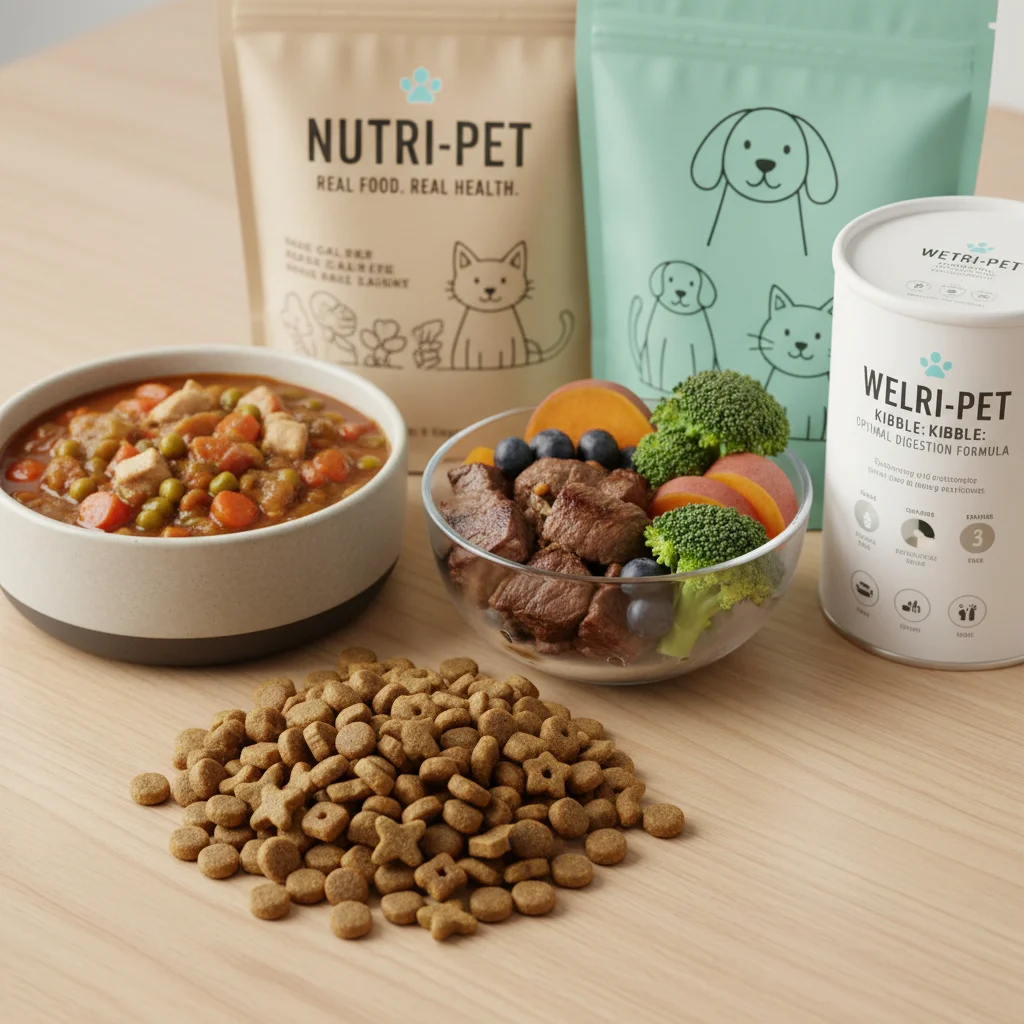
The type of food you feed your pet plays a critical role in pet obesity prevention. Opt for high-quality, nutrient-dense diets that provide essential proteins, healthy fats, vitamins, and minerals without excessive calories or unhealthy fillers.
- Protein-Rich Formulas: Higher protein content can help pets feel fuller for longer, support lean muscle mass, and has a higher thermic effect (meaning more calories are burned during digestion).
- Fiber-Rich Options: Fiber adds bulk to food without adding significant calories, promoting satiety and healthy digestion. Look for ingredients like beet pulp, peas, or sweet potatoes.
- Avoid Excessive Carbs: While carbohydrates provide energy, an excess can contribute to weight gain. Prioritize complex carbohydrates over simple sugars.
- Read Labels Carefully: Understand the guaranteed analysis and ingredient list. Look for whole, identifiable ingredients as the first few items.
3. Smart Snacking: Healthier Treat Choices
Treats are an integral part of bonding and training, but they are also a major contributor to pet obesity. Implementing smart snacking habits is crucial for pet obesity prevention.
- Calorie-Controlled Treats: Choose treats specifically designed to be low in calories. Many brands now offer ‘light’ or ‘diet’ versions.
- Vegetable and Fruit Options: Many pets enjoy small pieces of raw carrots, green beans, apple slices (without seeds), or blueberries. Always research which human foods are safe for pets.
- Use kibble as treats: Dedicate a portion of their daily kibble allowance to use as rewards throughout the day. This eliminates extra calories.
- The 10% Rule: Treats should make up no more than 10% of your pet’s daily caloric intake.
4. Hydration and Water Intake
Adequate water intake is often overlooked in pet obesity prevention, but it plays a vital role. Water helps with metabolism, digestion, and can contribute to a feeling of fullness.
- Fresh Water Always Available: Ensure your pet always has access to clean, fresh water.
- Water Fountains: Some pets are encouraged to drink more from circulating water fountains.
- Wet Food Benefits: Incorporating wet food into their diet can increase water intake and may be more satiating due to its higher volume and moisture content.
Implementing a Holistic Pet Obesity Prevention Plan
Nutritional strategies are the cornerstone of pet obesity prevention, but they are most effective when combined with other lifestyle adjustments. A holistic approach ensures comprehensive care.
5. Regular Exercise Regimen
Physical activity is indispensable for burning calories, building muscle mass, and improving overall health. The type and intensity of exercise should be tailored to your pet’s breed, age, and health status.
- Dogs: Daily walks, runs, fetch, swimming, or dog park visits are excellent. Aim for at least 30-60 minutes of moderate-intensity exercise most days of the week.
- Cats: Engage in interactive play with toys, laser pointers (but always end with a tangible toy to ‘catch’), or climbing structures. Aim for multiple short play sessions throughout the day.
- Consider Professional Help: If your pet is severely obese or has mobility issues, consult your vet for a safe exercise plan or consider hydrotherapy.
6. Regular Veterinary Check-ups and Monitoring
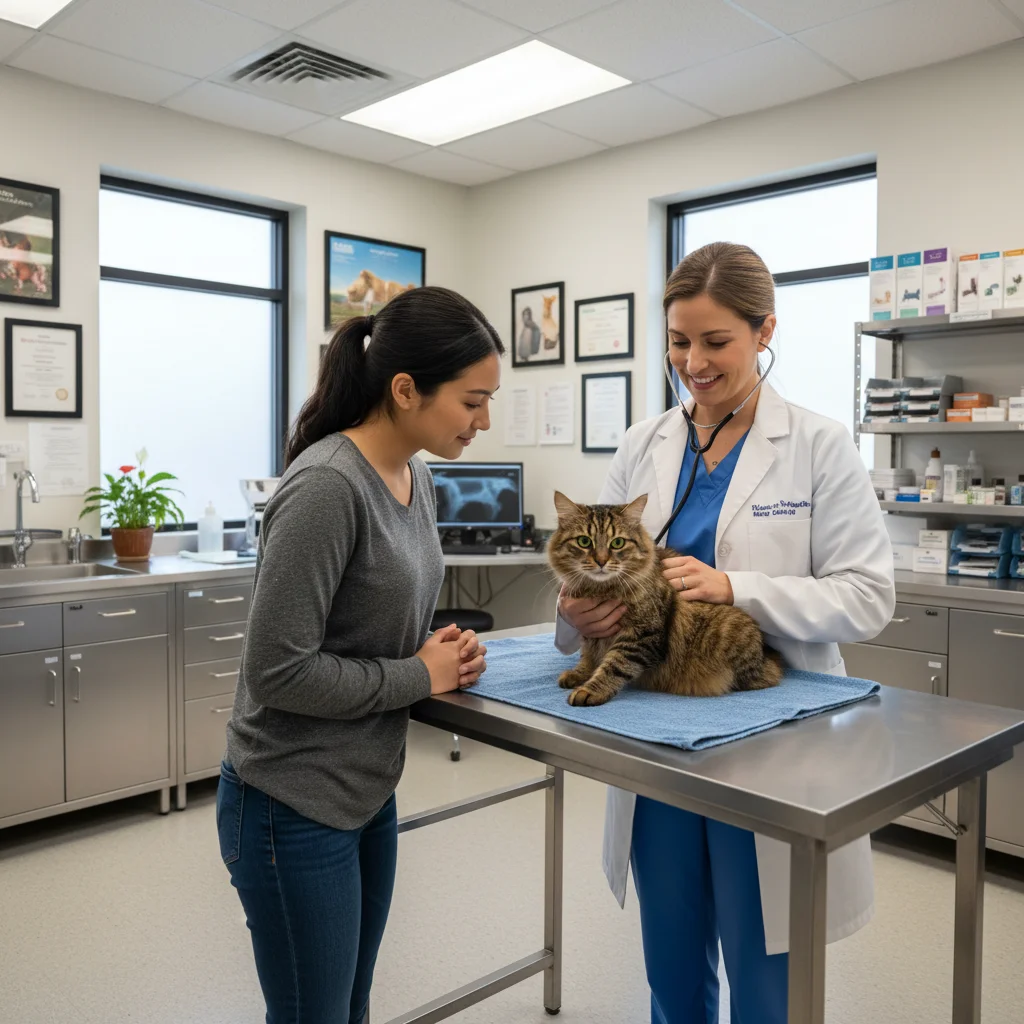
Your veterinarian is your best partner in pet obesity prevention. Regular check-ups allow for early detection of weight gain and provide opportunities to adjust feeding plans and exercise routines.
- Body Condition Scoring (BCS): Your vet will use a BCS system (typically a 1-9 scale) to assess your pet’s fat reserves. This is more accurate than just looking at weight on a scale.
- Health Screenings: Regular blood tests can rule out underlying medical conditions that contribute to weight gain.
- Personalized Advice: Vets can provide tailored recommendations for diet and exercise based on your pet’s unique needs.
7. Environmental Enrichment and Mental Stimulation
Boredom can sometimes lead to overeating or destructive behaviors. Providing mental stimulation and environmental enrichment can redirect your pet’s energy positively.
- Puzzle Feeders: These toys dispense food slowly, making mealtime a challenging and engaging activity, slowing down eating, and making your pet work for their food.
- Interactive Toys: Toys that require problem-solving or provide varied textures and sounds can keep pets entertained.
- Training: Regular training sessions, even short ones, provide mental stimulation and strengthen your bond.
Advanced Nutritional Considerations for 2026
As nutritional science evolves, new approaches to pet obesity prevention are emerging. Staying informed about these advancements can give you an edge in maintaining your pet’s ideal weight.
8. Understanding Macronutrient Ratios
While calorie count is paramount, the ratio of macronutrients (protein, fat, carbohydrates) in your pet’s diet also influences satiety and metabolism. For pet obesity prevention, diets with higher protein and moderate fat, and lower digestible carbohydrates are often recommended.
- Protein: Essential for muscle maintenance and repair, and has a high satiety effect.
- Fats: Provide concentrated energy, but too much can lead to rapid weight gain. Healthy fats (like omega-3s) are crucial for overall health.
- Carbohydrates: Provide energy but can lead to excess calorie intake if not balanced. Focus on complex carbohydrates with fiber.
9. The Role of the Gut Microbiome
Emerging research highlights the significant impact of the gut microbiome on weight management. A healthy balance of gut bacteria can influence metabolism, nutrient absorption, and even appetite regulation. Probiotics and prebiotics are gaining traction in pet nutrition for their potential benefits in pet obesity prevention.
- Probiotics: Live beneficial bacteria that can be supplemented to improve gut health.
- Prebiotics: Non-digestible fibers that feed beneficial gut bacteria.
- Fermented Foods: Some pet owners explore adding small amounts of pet-safe fermented foods, under veterinary guidance.
10. Personalized Nutrition Plans
The future of pet obesity prevention lies in increasingly personalized nutrition. Advances in genetic testing and metabolic profiling may soon allow for diets tailored precisely to an individual pet’s genetic makeup and metabolic needs.
- Genetic Testing: Identifying predispositions to weight gain or specific nutrient requirements.
- Metabolic Profiling: Assessing how an individual pet processes different nutrients.
- Veterinary Nutritionists: Consulting with board-certified veterinary nutritionists for highly customized diet plans is becoming more accessible.
Practical Solutions for Common Pet Obesity Challenges
Even with the best intentions, pet owners often face challenges in pet obesity prevention. Here are practical solutions to common hurdles:
Challenge 1: My Pet Always Acts Hungry!
- Solution: Ensure you’re feeding a high-fiber, protein-rich diet that promotes satiety. Split meals into smaller, more frequent servings. Use puzzle feeders to slow down eating. Offer safe, low-calorie vegetable snacks like green beans.
- Veterinary Check: Rule out medical conditions that increase appetite, such as hyperthyroidism in cats or certain medications.
Challenge 2: My Pet Doesn’t Like Exercise.
- Solution: Start slowly and make exercise fun. For dogs, try different routes, play hide-and-seek with treats, or consider doggy daycare. For cats, experiment with various toys, laser pointers (with a tangible reward), or teach them to walk on a leash (some cats enjoy this!).
- Consult Your Vet: Ensure there are no underlying pain or mobility issues making exercise uncomfortable.
Challenge 3: My Family Members Keep Giving Treats/Table Scraps.
- Solution: Educate all family members on the dangers of pet obesity. Establish clear rules about feeding and treats. Provide approved, low-calorie treats or kibble portions for family members to give.
- Communicate: Explain that giving extra food, while seemingly an act of love, is actually detrimental to the pet’s health.
Challenge 4: My Pet is a Picky Eater, and I Struggle to Find Healthy Options.
- Solution: Work with your veterinarian to find a high-quality, palatable diet that meets their nutritional needs. Sometimes, mixing a small amount of wet food with kibble can increase appeal.
- Gradual Transition: Introduce new foods slowly over several days to avoid digestive upset.
The Long-Term Benefits of Pet Obesity Prevention
Investing time and effort in pet obesity prevention yields significant long-term benefits for your pet and for you as an owner:
- Increased Lifespan: Studies consistently show that pets maintained at an ideal weight live significantly longer.
- Improved Quality of Life: Leaner pets are more energetic, playful, and comfortable. They experience less pain from conditions like arthritis.
- Reduced Medical Expenses: Preventing obesity can save you money on veterinary bills for obesity-related illnesses.
- Stronger Bond: Engaging in play and exercise with your pet strengthens your relationship.
- Better Health Outcomes: A healthy weight reduces the risk of numerous serious diseases.
Pet obesity prevention is not a temporary diet; it’s a lifelong commitment to your pet’s health and well-being. By adopting the 2026 nutritional strategies and practical solutions outlined in this guide, you are empowering your pet to live their best life. Remember, consistency, patience, and regular communication with your veterinarian are key to success. Your pet relies on you to make these crucial decisions for their health, and the rewards of a vibrant, healthy companion are immeasurable.
Conclusion
As we navigate 2026 and beyond, the fight against pet obesity remains a top priority for responsible pet ownership. The strategies for pet obesity prevention are clear: precise caloric management, high-quality nutrition, smart snacking, regular exercise, and consistent veterinary oversight. By integrating these practical solutions into your pet’s daily routine, you can effectively combat the rising tide of pet obesity and ensure your furry friend enjoys an optimal weight, robust health, and a joyful existence for many years to come. Start today, make informed choices, and give your pet the gift of a healthy future.