Pet Allergy Management: 2026 Dietary Solutions Guide

The 2026 Guide to Managing Pet Allergies Through Diet: Identifying and Eliminating Common Food Triggers (PRACTICAL SOLUTIONS)
As pet owners, we all want our furry companions to live happy, healthy lives. However, a growing number of pets are experiencing discomfort and health issues due to allergies, with pet food allergies being a significant and often overlooked culprit. Understanding and managing these allergies through diet is crucial for improving your pet’s quality of life. This 2026 guide is designed to provide you with comprehensive, practical solutions for identifying and eliminating common food triggers, ensuring your beloved pet can thrive.
The landscape of pet health is constantly evolving, and with it, our understanding of dietary sensitivities. What might have been considered a rare occurrence years ago is now a common challenge for many pet owners. The good news is that with informed choices and strategic dietary management, you can significantly alleviate your pet’s allergic reactions. This article will delve deep into the signs of pet food allergies, guide you through the process of diagnosis, and offer actionable steps for implementing effective dietary changes.
We will cover everything from the most common food allergens to the intricacies of elimination diets, novel protein sources, and hydrolyzed protein diets. Our goal is to empower you with the knowledge and tools needed to become your pet’s best advocate, helping them navigate a world increasingly filled with potential dietary challenges. By the end of this guide, you will be well-equipped to make informed decisions about your pet’s diet, leading to a happier, healthier future for them.
Understanding Pet Food Allergies: A 2026 Perspective
Pet food allergies, much like human food allergies, are immune system responses to specific proteins found in food. Unlike food intolerances, which are digestive issues, allergies involve the immune system mistakenly identifying a harmless food protein as a threat. This triggers a cascade of reactions that can manifest in various ways, from skin irritations to gastrointestinal upset. The prevalence of pet food allergies has been on the rise, prompting veterinary professionals and pet food manufacturers to dedicate more research and resources to understanding and addressing this complex issue.
In 2026, our understanding of the genetic predispositions and environmental factors contributing to pet allergies is more refined than ever. Certain breeds are known to be more susceptible to food allergies, including but not limited to Labrador Retrievers, Golden Retrievers, German Shepherds, and West Highland White Terriers. However, any pet, regardless of breed, can develop a food allergy at any age, even after years of consuming the same diet without issues.
The immune system’s role in pet food allergies is central. When an allergic pet ingests a trigger food, their immune system produces antibodies that attack the perceived threat. This immune response leads to the release of histamines and other inflammatory chemicals, causing the symptoms we observe. It’s important to differentiate food allergies from environmental allergies (atopy) or flea allergies, as their management strategies differ, though some symptoms may overlap.
The concept of ‘leaky gut syndrome’ is also gaining traction in veterinary discussions surrounding allergies. This theory suggests that an impaired intestinal barrier could allow undigested food particles to enter the bloodstream, triggering an immune response. While more research is needed, maintaining gut health through probiotics and prebiotics is becoming an increasingly recommended complementary approach to managing allergies.
Identifying the Signs: What to Look For
Recognizing the signs of pet food allergies is the first critical step toward effective management. Symptoms can be varied and often mimic other conditions, making accurate diagnosis challenging without veterinary guidance. However, being an observant pet owner can significantly aid in pinpointing the problem.
Common Symptoms of Pet Food Allergies:
- Chronic Itching and Skin Issues: This is perhaps the most common and frustrating symptom. Pets may incessantly scratch, lick, or chew at their paws, ears, groin, and hindquarters. This can lead to skin redness, inflammation, hot spots, hair loss, and recurrent skin infections (bacterial or yeast) due to self-trauma.
- Ear Infections: Chronic or recurrent ear infections, often accompanied by redness, discharge, and odor, are frequently linked to food allergies.
- Gastrointestinal Problems: Vomiting, diarrhea, excessive flatulence, frequent bowel movements, straining to defecate, and abdominal pain are common digestive signs. These can range from mild to severe and significantly impact your pet’s comfort and nutrient absorption.
- Paw Licking/Chewing: Persistent licking and chewing of paws, sometimes to the point of irritation and infection, is a classic sign.
- Anal Gland Issues: Chronic anal gland impactions or infections can also be a symptom of underlying food allergies.
- Respiratory Symptoms (Less Common): While less frequent, some pets may exhibit respiratory signs like coughing or wheezing.
- Behavioral Changes: Chronic discomfort can lead to irritability, restlessness, or a general decrease in activity levels.
It’s crucial to note that these symptoms are not exclusive to pet food allergies. They can also indicate environmental allergies, flea allergies, parasitic infections, or other medical conditions. Therefore, a thorough veterinary examination is essential for proper diagnosis. Keeping a detailed log of your pet’s symptoms, including when they started, their severity, and any potential triggers you’ve observed, can be incredibly helpful for your veterinarian.
The Usual Suspects: Common Food Triggers
While any food ingredient can theoretically cause an allergic reaction, certain proteins are far more likely to trigger pet food allergies. This is primarily because these ingredients have been staples in pet diets for many years, leading to repeated exposure and a higher chance of the immune system developing a sensitivity.
Top Common Food Allergens for Dogs and Cats:
- Beef: Consistently ranks as one of the most common allergens for dogs, often due to its widespread use in commercial pet foods.
- Dairy Products: Lactose intolerance is common, but true dairy allergies (to milk proteins) can also occur, leading to digestive upset and skin issues.
- Chicken: Another highly prevalent allergen for both dogs and cats, given its ubiquitous presence in pet food formulations.
- Wheat: A common grain allergen, often found in kibble as a filler or carbohydrate source.
- Soy: Used as a protein source in some pet foods, soy can also be a significant allergen.
- Corn: Similar to wheat, corn is a common grain filler that can trigger allergic reactions.
- Eggs: While a good source of protein, eggs can also be an allergen for some pets.
- Fish: Although often recommended for sensitive pets, certain fish proteins can also cause allergies in some individuals.
It’s important to remember that pet food allergies are typically to the protein component of the food, not the carbohydrate or fat. For example, a dog allergic to chicken is allergic to the chicken protein, not necessarily the fat or other components. This distinction is vital when selecting alternative diets.
Understanding these common triggers helps pet owners and veterinarians narrow down the potential culprits when an allergy is suspected. However, it’s crucial not to assume an allergy without proper diagnostic steps, as eliminating too many ingredients unnecessarily can lead to nutritional imbalances.
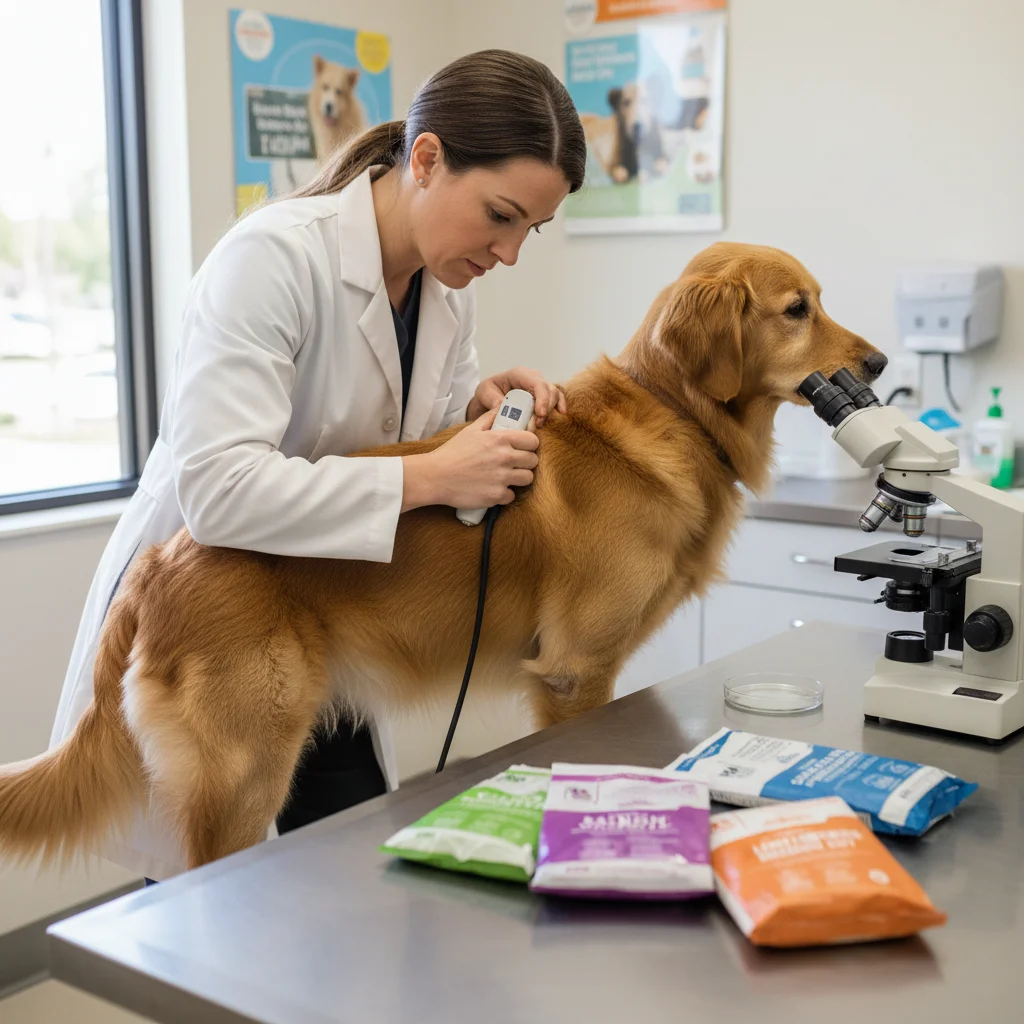
The Gold Standard: The Elimination Diet
When pet food allergies are suspected, the elimination diet remains the most reliable method for diagnosis. Unlike blood or saliva tests, which can have varying degrees of accuracy and often yield false positives, an elimination diet directly tests the pet’s reaction to specific food proteins by removing and then reintroducing them.
How to Conduct an Elimination Diet:
- Consult Your Veterinarian: This is non-negotiable. Your vet will help you choose an appropriate novel or hydrolyzed protein diet and guide you through the process, ensuring your pet receives balanced nutrition.
- Choose a Novel Protein or Hydrolyzed Diet:
- Novel Protein Diet: This diet contains a protein source your pet has never encountered before (e.g., duck, venison, rabbit, kangaroo, alligator). The idea is that if the pet hasn’t eaten it, they can’t be allergic to it.
- Hydrolyzed Protein Diet: In these diets, the proteins are broken down into such small molecules that the immune system doesn’t recognize them as allergens. This is often an excellent choice for pets with severe allergies or multiple sensitivities.
- Strict Adherence (6-12 Weeks): This is the most challenging part. For 6 to 12 weeks (your vet will advise on the duration), your pet must eat ONLY the chosen elimination diet. No treats, no table scraps, no flavored medications, no flavored toys – absolutely nothing else. Even a tiny bite of an old food can contaminate the trial and invalidate the results.
- Observe and Document: Keep a detailed journal of your pet’s symptoms. Note any improvements in itching, skin condition, or digestive issues.
- Reintroduction (Challenge Phase): If symptoms resolve or significantly improve during the elimination phase, your vet will guide you through reintroducing old food ingredients one by one. Introduce a single ingredient (e.g., chicken) for a week or two and monitor for the return of symptoms. If symptoms reappear, that ingredient is likely a trigger. If no symptoms, move on to the next ingredient.
The reintroduction phase is crucial for confirming specific allergens. Without it, you’ll know your pet is allergic, but not to what, making future diet choices more difficult. While it can be a lengthy process, the elimination diet offers the most definitive answers regarding pet food allergies.
Beyond Elimination: Long-Term Dietary Management
Once you’ve identified your pet’s specific food triggers through the elimination diet, the next step is to implement a long-term dietary management plan. This involves selecting a diet that completely avoids the identified allergens while providing complete and balanced nutrition.
Options for Long-Term Management:
- Commercial Novel Protein Diets: Many brands offer limited ingredient diets (LID) featuring novel proteins. Always read labels carefully to ensure no hidden allergens.
- Commercial Hydrolyzed Protein Diets: These prescription diets are excellent for pets with severe or multiple allergies, as the protein is essentially ‘invisible’ to the immune system.
- Homemade Diets: If you choose to prepare a homemade diet, it is absolutely essential to work with a board-certified veterinary nutritionist. Formulating a nutritionally complete and balanced homemade diet is complex and requires expert guidance to prevent deficiencies or excesses.
- Rotation Diets: For pets with sensitivities rather than true allergies, or to prevent new allergies from developing, some vets recommend rotating between a few different novel protein diets. This strategy is debated and should be discussed thoroughly with your veterinarian.
When selecting a commercial diet, look for brands that have undergone feeding trials and meet AAFCO (Association of American Feed Control Officials) standards for complete and balanced nutrition for your pet’s life stage. Be wary of marketing claims and always scrutinize the ingredient list.
Remember that even treats, dental chews, and medications can contain hidden allergens. Opt for single-ingredient treats (e.g., freeze-dried novel protein) or make your own from approved ingredients. Always inform your veterinarian and groomer about your pet’s allergies to prevent accidental exposure.
The Role of Novel Proteins in Allergy Management
Novel proteins have become a cornerstone in the dietary management of pet food allergies. The concept is simple: if a pet has never been exposed to a particular protein, their immune system is unlikely to have developed an allergic response to it. This makes novel proteins an ideal choice for elimination diets and long-term management.
Popular Novel Protein Sources:
- Duck: A widely available novel protein, often used in limited ingredient diets.
- Venison: A lean and palatable option for many pets.
- Rabbit: Another excellent choice, particularly for smaller breeds.
- Kangaroo: Increasingly popular, especially in Australia, due to its unique protein profile.
- Alligator: A less common but effective novel protein for highly sensitive pets.
- Insect Proteins: Emerging as a sustainable and highly novel protein source, insect-based pet foods are gaining traction. They are often highly digestible and have a very low allergenicity profile.
When choosing a novel protein diet, it’s crucial to ensure that the food genuinely contains only the stated novel protein and no cross-contamination from common allergens. Some manufacturers produce multiple lines of food in the same facility, which can lead to trace amounts of common allergens in novel protein diets. Look for brands that specifically state strict ingredient control and use dedicated production lines for their hypoallergenic formulas.
The benefits of novel proteins extend beyond allergy management. Many are highly digestible and can support overall gut health. However, it’s vital to ensure that the chosen novel protein diet is nutritionally complete and balanced for your pet’s specific needs, as some unique proteins might require careful formulation to meet all essential nutrient requirements.
Hydrolyzed Protein Diets: A Scientific Approach
For pets with severe or multiple pet food allergies, or those who have failed to respond to novel protein diets, hydrolyzed protein diets offer a highly effective solution. These diets represent a more scientifically advanced approach to allergy management.
What are Hydrolyzed Proteins?
Hydrolysis is a process where proteins are broken down into very small peptides (chains of amino acids). These peptides are so tiny that the pet’s immune system doesn’t recognize them as allergens. Essentially, the immune system ‘sees through’ the protein, preventing an allergic reaction.
Benefits of Hydrolyzed Protein Diets:
- High Efficacy: Often successful in resolving symptoms even when novel protein diets have failed.
- Reduced Allergenicity: Minimizes the risk of immune system recognition and reaction.
- Highly Digestible: The pre-digested nature of hydrolyzed proteins makes them very easy for the pet’s digestive system to process, which is beneficial for pets with concurrent gastrointestinal sensitivities.
- Controlled Formulation: These are typically prescription diets formulated by veterinary nutritionists, ensuring complete and balanced nutrition.
Hydrolyzed protein diets are usually prescribed by a veterinarian and are available through veterinary clinics. They are an excellent option for diagnostic elimination trials as well, providing a ‘clean slate’ to assess allergic reactions. While they can be more expensive than conventional pet foods, the relief they offer to pets suffering from severe allergies is often invaluable.
It’s important to continue monitoring your pet even on a hydrolyzed diet, as rare cases of sensitivity to the hydrolyzed components can occur. However, for the vast majority of pets with persistent pet food allergies, these diets offer a path to significant improvement and comfort.

The Importance of Reading Labels and Avoiding Cross-Contamination
Successfully managing pet food allergies hinges on meticulous attention to detail, especially when it comes to reading labels and preventing cross-contamination. Even the smallest exposure to an allergen can trigger a reaction, undoing weeks of careful dietary management.
Key Considerations for Label Reading:
- Full Ingredient List: Always read the complete ingredient list, not just the marketing claims on the front of the package. Look for hidden sources of common allergens.
- ‘May Contain’ Warnings: Some labels include warnings about potential cross-contamination during manufacturing. While not always a deal-breaker, it’s something to be aware of, especially for highly sensitive pets.
- Ingredient Changes: Pet food manufacturers occasionally change their formulas. Periodically check the ingredient list, even for a food you’ve been using successfully.
- Treats and Chews: These are notorious hidden sources of allergens. Opt for single-ingredient treats (e.g., freeze-dried novel protein) or make your own from approved ingredients. Avoid rawhides, flavored bones, and many commercial dental chews unless specifically verified.
- Supplements and Medications: Some supplements, vitamins, and even medications can contain flavoring agents or fillers derived from common allergens. Always discuss your pet’s allergies with your veterinarian and pharmacist when getting prescriptions.
Preventing Cross-Contamination:
- Dedicated Bowls and Utensils: Use separate food and water bowls for your allergic pet, and dedicated serving spoons.
- Storage: Store your allergic pet’s food in a separate, sealed container to prevent airborne cross-contamination from other pet foods in the household.
- Feeding Areas: If you have multiple pets, feed the allergic pet in a separate room or at a different time to prevent them from accessing other pets’ food.
- Human Food: Be extremely vigilant about not sharing human food, even small crumbs. Many human foods contain common pet allergens.
- Outdoor Scavenging: Try to prevent your pet from scavenging for food outdoors, as this can expose them to unknown allergens.
This level of strictness might seem daunting at first, but with practice, it becomes second nature. Your pet’s improved health and comfort will be ample reward for your diligence in managing their pet food allergies.
Beyond Diet: Complementary Strategies for Allergy Relief
While diet is the cornerstone of managing pet food allergies, a holistic approach often yields the best results. Several complementary strategies can help alleviate symptoms, support skin health, and improve your pet’s overall well-being.
Supportive Therapies and Products:
- Omega-3 Fatty Acids: Fish oil supplements (EPA and DHA) have potent anti-inflammatory properties that can help reduce skin inflammation and itching associated with allergies. Always choose high-quality, veterinarian-approved supplements.
- Probiotics and Prebiotics: A healthy gut microbiome plays a crucial role in immune function. Probiotic supplements can help rebalance gut flora, potentially reducing the severity of allergic reactions and improving digestion. Prebiotics, which are food for beneficial gut bacteria, also support gut health.
- Topical Treatments: Medicated shampoos, conditioners, and sprays can provide immediate relief from itchy skin, reduce inflammation, and help manage secondary skin infections. Your vet can recommend appropriate products.
- Antihistamines and Steroids (Veterinarian Prescribed): In some cases, especially during severe flare-ups, your vet may prescribe antihistamines or corticosteroids to provide temporary relief from itching and inflammation. These are generally used as short-term solutions while dietary management takes effect.
- Allergy Shots (Immunotherapy): While primarily used for environmental allergies, some forms of immunotherapy are being explored for food allergies, though this is less common.
- Regular Grooming: Keeping your pet’s coat clean and free of debris can help reduce skin irritation, especially if they also have environmental allergies.
- Environmental Control: Even if the primary issue is food, minimizing exposure to environmental allergens (dust mites, pollen) can help reduce the overall allergic burden on your pet’s immune system.
It’s important to discuss any complementary therapies with your veterinarian to ensure they are safe and appropriate for your pet, and that they won’t interfere with the dietary management plan. A multi-modal approach, combining a strict hypoallergenic diet with supportive treatments, often provides the most comprehensive relief for pets suffering from pet food allergies.
Future Trends in Pet Allergy Management (2026 and Beyond)
The field of veterinary dermatology and nutrition is constantly advancing, bringing new hope for pets with pet food allergies. Looking to 2026 and beyond, several exciting trends are emerging that promise even more precise and effective management strategies.
Emerging Trends:
- Advanced Diagnostic Tools: While elimination diets remain the gold standard, research into more accurate and reliable blood or genetic tests for food allergies continues. These could potentially reduce the need for lengthy dietary trials in the future.
- Personalized Nutrition: The concept of tailoring diets based on an individual pet’s genetic profile, microbiome, and specific allergen sensitivities is gaining traction. This could lead to highly customized food formulations designed for optimal health and allergy prevention.
- Insect-Based Proteins: As mentioned earlier, insect proteins (e.g., black soldier fly larvae) are becoming more prevalent. They are highly sustainable, novel, and often very digestible, making them an excellent option for allergy-prone pets.
- Microbiome Modulation: A deeper understanding of the gut microbiome’s role in immune health and allergies is leading to novel probiotic and prebiotic formulations specifically designed to rebalance the gut and potentially reduce allergic responses.
- Nutrigenomics: This field explores how diet interacts with a pet’s genes. Understanding these interactions could lead to diets that specifically target inflammatory pathways associated with allergies.
- Enhanced Ingredient Transparency: Consumers are demanding more transparency from pet food manufacturers. This trend will likely lead to stricter labeling, better ingredient sourcing, and more rigorous testing to prevent cross-contamination.
These advancements offer exciting prospects for pets suffering from pet food allergies. As research continues and technology evolves, we can anticipate even more targeted and effective solutions, making it easier for pet owners to provide their companions with a life free from allergic discomfort.
Conclusion: Empowering Your Pet’s Health Through Diet
Managing pet food allergies can feel overwhelming, but with the right knowledge and a proactive approach, it is entirely achievable. This 2026 guide has provided a comprehensive roadmap, from understanding the nature of these allergies and identifying their symptoms to implementing the gold standard elimination diet and exploring long-term dietary solutions.
Remember, the journey to managing your pet’s allergies is a partnership with your veterinarian. Their expertise is invaluable in diagnosing the condition, guiding you through the elimination diet, and recommending the most appropriate long-term dietary plan and complementary therapies. Your role as a vigilant and dedicated pet owner is equally crucial, especially in adhering strictly to dietary protocols and observing your pet’s responses.
By understanding common food triggers like beef, chicken, dairy, and wheat, and by meticulously reading labels to avoid hidden allergens and cross-contamination, you can create a safe and healthy dietary environment for your pet. Novel protein and hydrolyzed protein diets offer excellent avenues for both diagnosis and sustained management, providing relief for countless pets.
As we look to the future, emerging trends in personalized nutrition, advanced diagnostics, and sustainable novel proteins promise even more refined solutions. The commitment to understanding and adapting to these advancements will continue to enhance the lives of our allergic pets.
Ultimately, successfully managing pet food allergies is a testament to the deep bond we share with our animals. The effort you invest in carefully managing their diet will be repaid tenfold in their improved health, comfort, and the joy they bring to your life. Empower yourself with this knowledge, work closely with your vet, and give your beloved companion the gift of a life free from the discomfort of food allergies.