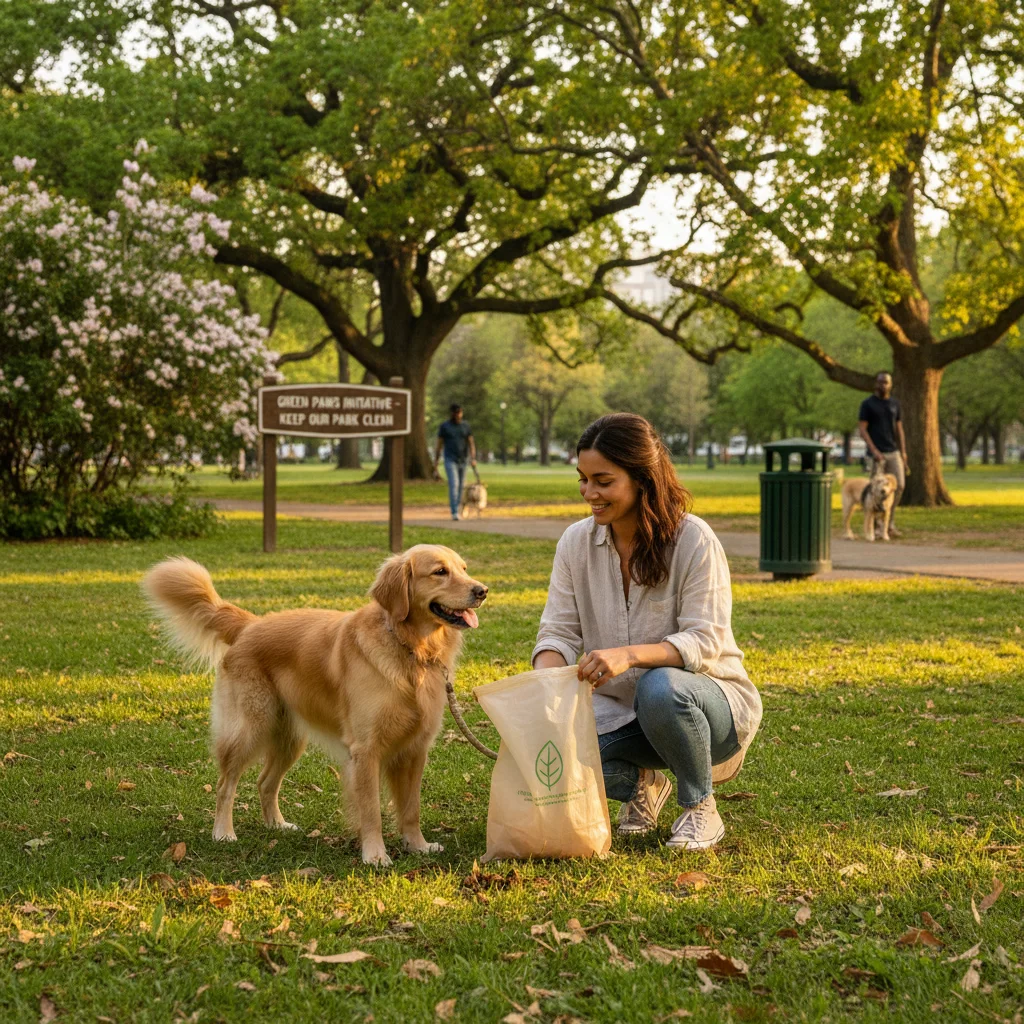
The 2026 Guide to Eco-Friendly Pet Waste Solutions: Reducing Environmental Impact by 15% in U.S. Homes.
As pet ownership continues to soar across the United States, so does the often-overlooked environmental challenge of pet waste. With an estimated 85 million dog owners and 45 million cat owners, the sheer volume of pet waste generated daily is staggering. This isn’t just an aesthetic issue; improperly disposed of pet waste poses significant health risks and environmental damage, contributing to water pollution, disease spread, and greenhouse gas emissions. The good news? We’re on the cusp of a revolution in eco-friendly pet waste solutions. This comprehensive 2026 guide is designed to empower U.S. pet owners to adopt sustainable practices, with the ambitious goal of reducing the environmental impact of pet waste by a measurable 15% in homes nationwide.
For too long, the default has been plastic bags and landfill. However, as environmental consciousness grows and innovative technologies emerge, a plethora of viable, sustainable alternatives are becoming mainstream. From advanced composting techniques to biodegradable products and community-driven initiatives, the landscape of pet waste management is rapidly evolving. This article will delve into the latest and most effective strategies, providing you with actionable insights and practical tips to make a real difference.
Understanding the problem is the first step toward finding a solution. Pet waste contains harmful bacteria like E. coli and salmonella, as well as parasites such as giardia and roundworms. When left on the ground, rain washes these contaminants into storm drains, rivers, and ultimately, our oceans, polluting water sources and endangering aquatic life. Furthermore, pet waste contributes to nutrient pollution, leading to algal blooms that deplete oxygen and harm ecosystems. The plastic bags traditionally used for disposal can take hundreds of years to decompose, clogging landfills and polluting our planet for generations. Our collective effort to embrace eco-friendly pet waste solutions is not just about cleanliness; it’s about safeguarding public health, protecting our natural resources, and fostering a healthier planet for all.
The Environmental Impact of Traditional Pet Waste Disposal
Before we dive into solutions, it’s crucial to fully grasp the magnitude of the problem. The conventional method of scooping pet waste into a plastic bag and tossing it in the trash has far-reaching environmental consequences. Let’s break down the key areas of impact:
Water Contamination
One of the most significant threats posed by pet waste is its contribution to water pollution. Animal feces contain high levels of nitrogen and phosphorus, which act as fertilizers. When these nutrients enter water bodies, they can lead to eutrophication, a process where excessive plant and algal growth depletes oxygen, creating ‘dead zones’ where aquatic life cannot survive. Beyond nutrients, pet waste carries a cocktail of pathogens, including bacteria (E. coli, fecal coliforms), viruses, and parasites. These can make recreational waters unsafe for swimming and fishing, and can contaminate drinking water sources, posing serious health risks to humans and wildlife. Studies have shown that pet waste can be a major contributor to bacterial contamination in urban and suburban waterways, often rivaling or even exceeding human sources in certain areas. This makes finding effective eco-friendly pet waste strategies paramount for water quality.
Landfill Overload and Plastic Pollution
The sheer volume of pet waste generated daily, coupled with the use of conventional plastic bags, creates a substantial burden on our landfills. A single dog can produce hundreds of pounds of waste annually. Multiply that by millions of pets, and you have a mountain of waste. Traditional plastic bags are made from petroleum, a non-renewable resource, and can take anywhere from 10 to 1,000 years to decompose. During this prolonged decomposition period, they leach harmful chemicals into the soil and groundwater. Even when they do break down, they often turn into microplastics, which infiltrate our ecosystems, food chain, and even our bodies. Shifting away from these non-biodegradable options is a cornerstone of eco-friendly pet waste management.
Greenhouse Gas Emissions
While often overshadowed by other sources, the decomposition of organic matter, including pet waste, in anaerobic (oxygen-free) landfill environments produces methane, a potent greenhouse gas. Methane is significantly more effective at trapping heat in the atmosphere than carbon dioxide over a 20-year period, contributing directly to climate change. Although individual contributions may seem small, the cumulative effect of millions of pets’ waste decomposing in landfills adds up. Exploring alternatives like composting or specialized disposal systems can help mitigate these emissions, aligning with broader goals for eco-friendly pet waste practices.
Disease Transmission
Pet waste is a known vector for various diseases. Parasites like roundworms, hookworms, and giardia can survive in soil for extended periods and be transmitted to other animals and humans, especially children who play outdoors. Bacterial infections such as salmonella and E. coli are also easily spread. Proper and timely disposal of pet waste is not just an environmental concern; it’s a public health imperative. Adopting eco-friendly pet waste methods often means more effective containment and breakdown of these harmful pathogens.
Recognizing these profound impacts underscores the urgency and importance of adopting more sustainable and responsible pet waste management practices. The good news is that viable solutions are within reach for every pet owner.
Biodegradable and Compostable Pet Waste Bags: A Greener Scoop
The first and most accessible step for many pet owners towards eco-friendly pet waste disposal is switching from traditional plastic bags to biodegradable or compostable alternatives. But what’s the difference, and which one is truly better?
Understanding the Terms: Biodegradable vs. Compostable
- Biodegradable: A product is biodegradable if it can be broken down by microorganisms into natural elements like water, carbon dioxide, and biomass. However, the term ‘biodegradable’ can be a bit of a gray area. There are no strict regulations on how quickly something must biodegrade to earn this label, and many ‘biodegradable’ plastics only break down under very specific industrial conditions, often requiring high heat and moisture not found in typical landfills or home composts. They might just break into smaller plastic pieces (microplastics) rather than fully disappearing.
- Compostable: This term implies a more rigorous standard. A product labeled ‘compostable’ is designed to break down completely into nutrient-rich humus, water, and carbon dioxide within a specific timeframe (usually 90-180 days) in a composting environment. For pet waste bags, this often means meeting certifications like ASTM D6400 (for industrial composting) or EN 13432 (European standard). Compostable bags are typically made from plant-based materials like cornstarch, vegetable oils, or polylactic acid (PLA).
For true eco-friendly pet waste management, compostable bags are generally the superior choice, as they offer a clearer path to complete breakdown without leaving harmful residues.
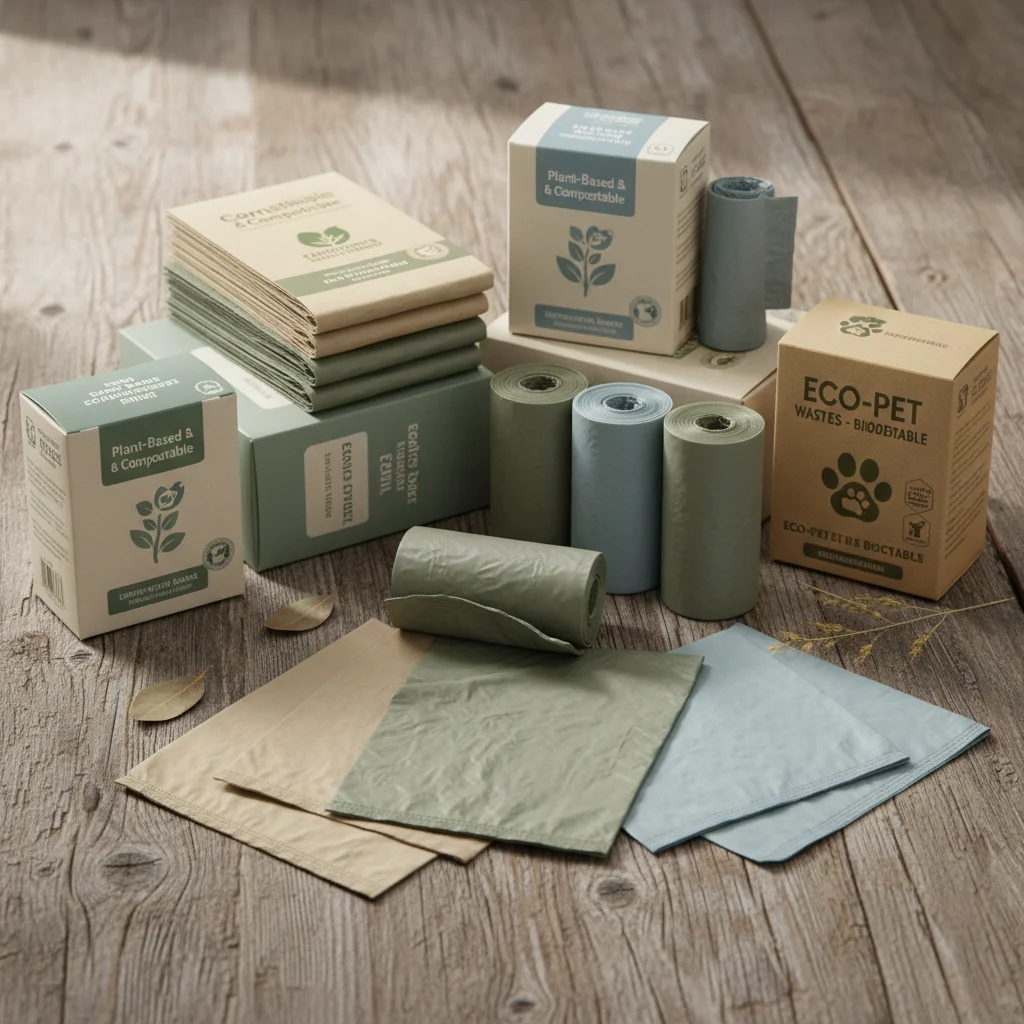
Top Picks for 2026: Sustainable Bag Options
The market for eco-friendly pet waste bags has expanded significantly. Here are some categories and examples to look for:
- Cornstarch-Based Bags: These are a popular choice, often certified compostable. They are durable, leak-proof, and break down effectively in industrial composting facilities. Many brands, like Earth Rated and BioBag, offer excellent cornstarch-based options.
- Plant-Based (PLA) Bags: Made from renewable plant resources, PLA bags are also designed for composting. They offer a good balance of strength and environmental friendliness.
- Recycled Content Bags: While not biodegradable, bags made from post-consumer recycled plastic reduce the demand for virgin plastic and divert waste from landfills. These are a step up from virgin plastic bags, but still not ideal for eco-friendly pet waste if not paired with proper disposal.
Where Do They Go? Proper Disposal of Compostable Bags
Simply using a compostable bag isn’t enough; proper disposal is key to realizing its environmental benefits. Many compostable bags require industrial composting facilities to break down effectively due to the specific temperature and microbial conditions needed. Check with your local waste management services to see if they accept pet waste in compostable bags. Some communities have dedicated pet waste composting programs. If industrial composting isn’t an option, some robust home composting systems (designed specifically for pet waste) can handle them, but general backyard compost piles are often not hot enough to kill pathogens in pet waste or break down the bags efficiently.
Making the switch to certified compostable bags is a relatively small change that can have a significant positive impact, especially when combined with appropriate disposal methods. It’s a crucial first step in your journey toward truly eco-friendly pet waste management.
Advanced Pet Waste Composting: Turning Waste into Resource
Beyond simply using compostable bags, actively composting pet waste at home or through community programs represents one of the most impactful eco-friendly pet waste solutions. Composting transforms potentially harmful waste into a valuable soil amendment, diverting it from landfills and reducing its environmental footprint.
Home Composting Systems for Pet Waste
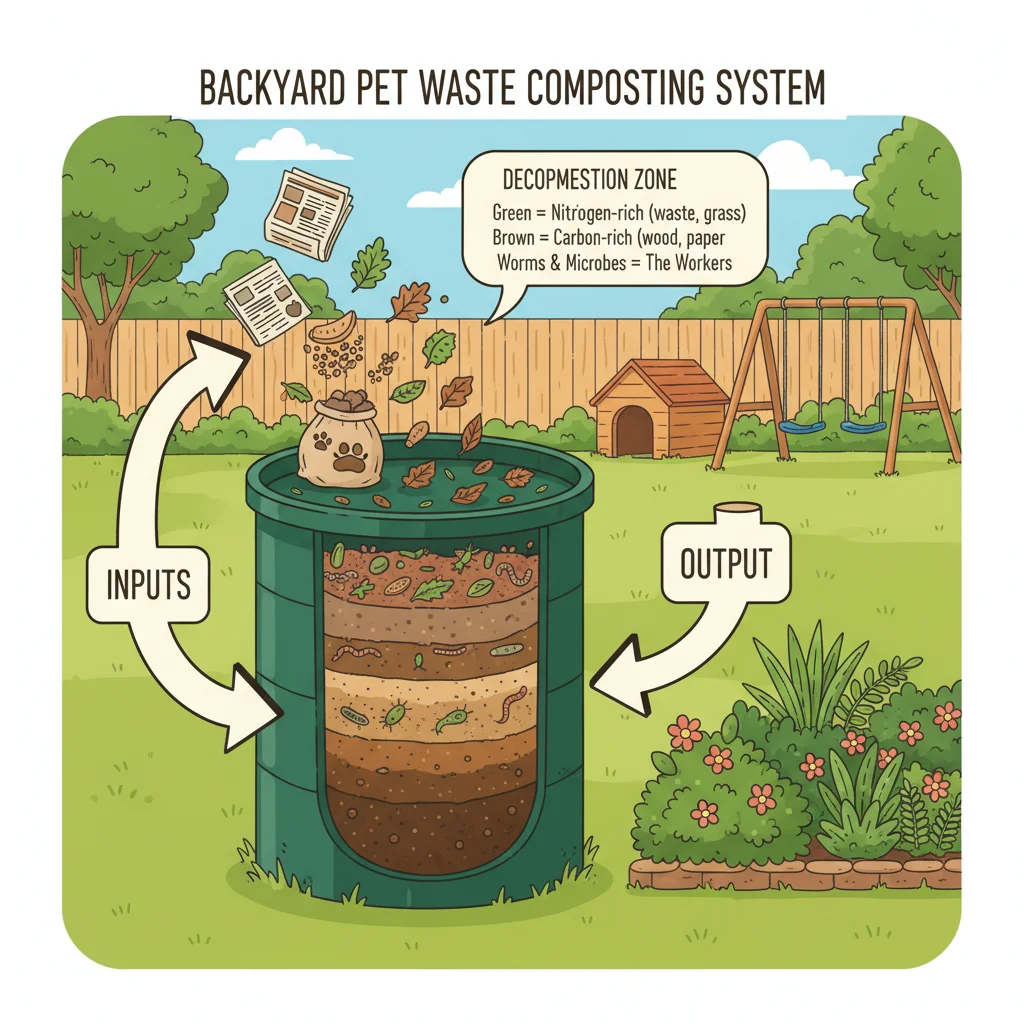
Traditional backyard compost piles are generally not recommended for pet waste due to the risk of pathogen transmission and the difficulty in achieving temperatures high enough to kill harmful bacteria and parasites. However, specialized pet waste composting systems are designed to address these concerns:
- In-Ground Digesters: These systems are essentially small, buried composting units. You dig a hole, place the digester, and add pet waste along with a specialized enzyme powder and water. The enzymes accelerate decomposition, breaking down the waste into a liquid that safely leaches into the soil. They are discreet, low-maintenance, and excellent for small to medium-sized yards. Brands like Doggie Dooley are popular choices. This is a highly effective way to manage eco-friendly pet waste on your own property.
- Dedicated Composting Bins: Some robust, enclosed composting bins are specifically designed for pet waste. These are often larger and require a more active management approach, including layering pet waste with carbon-rich materials (like sawdust, wood chips, or straw) and ensuring adequate moisture and aeration. The key is to maintain high temperatures within the pile through proper layering and turning, which helps kill pathogens. However, the resulting compost should generally only be used on non-edible plants or ornamental gardens, not vegetable patches.
When setting up a home composting system for pet waste, always choose a location away from vegetable gardens, water sources, and children’s play areas. Follow the manufacturer’s instructions carefully, especially regarding the use of accelerators or specific layering techniques, to ensure safe and effective decomposition. This commitment to home composting is a significant stride towards truly eco-friendly pet waste management.
Community Composting and Collection Programs
For those without the space or desire for a home system, community-level initiatives are gaining traction:
- Dedicated Pet Waste Bins: More and more parks and public spaces are installing specialized pet waste bins that collect waste for industrial composting. These bins are often clearly marked and may require specific compostable bags. Participating in these programs is a simple yet effective way to contribute to eco-friendly pet waste disposal.
- Curbside Collection Services: In some progressive municipalities, pet waste collection services are emerging. These services may pick up bagged pet waste (often requiring specific types of compostable bags) for processing at industrial composting facilities. Check if such a service is available in your area.
- Private Composting Services: A growing number of private companies offer subscription-based pet waste removal and composting services. They provide you with special bins or bags, collect the waste regularly, and ensure it’s processed in an environmentally responsible manner. This can be a convenient and highly effective eco-friendly pet waste solution for busy pet owners.
The success of pet waste composting, whether at home or community-wide, relies on proper separation and processing. By diverting pet waste from landfills and transforming it into a beneficial resource, we significantly reduce its environmental impact. This is a key pillar of achieving our 15% reduction goal in U.S. homes.
Innovative Technologies and Future Trends in Pet Waste Management
The field of eco-friendly pet waste solutions is not static; it’s constantly evolving with new technologies and approaches. Looking ahead to 2026 and beyond, several exciting innovations promise to make pet waste management even more sustainable.
Biodigester Technology
Large-scale biodigesters are emerging as a powerful solution for processing organic waste, including pet waste, from entire communities or large facilities (like dog parks or kennels). These systems use anaerobic digestion to break down organic matter in an oxygen-free environment, producing biogas (a renewable energy source primarily composed of methane) and a nutrient-rich digestate that can be used as fertilizer. By capturing methane, biodigesters prevent its release into the atmosphere, offering a dual benefit of waste reduction and renewable energy generation. Imagine a future where your community’s pet waste helps power homes! This technology represents a significant leap for eco-friendly pet waste management on a municipal scale.
Worm Composting (Vermicomposting)
While generally not suitable for large volumes of fresh pet waste due to pathogen concerns, vermicomposting (using worms to break down organic matter) is being explored for pre-treated or smaller quantities of pet waste, particularly from herbivores or very small animals. Research is ongoing to safely integrate certain types of pet waste into vermicomposting systems, potentially offering a highly efficient and natural decomposition method. This could be a niche but effective eco-friendly pet waste option for some.
Smart Pet Waste Bins
The Internet of Things (IoT) is even making its way into pet waste management. Smart pet waste bins, equipped with sensors, could monitor fill levels, optimize collection routes for waste management companies, and even provide real-time data on pet waste generation. Some concepts include integrated compactors to maximize capacity and reduce collection frequency, further lowering carbon emissions from transport. While still in early stages, smart bins could streamline the collection process for eco-friendly pet waste programs.
Water-Soluble and Flushable Alternatives
A more controversial area, but one that continues to see innovation, is water-soluble or flushable pet waste bags. The primary concern with ‘flushable’ products is whether they truly break down in wastewater treatment systems and don’t contribute to blockages or microplastic pollution. While some products claim to be flushable, many wastewater treatment facilities advise against flushing anything other than human waste and toilet paper. However, ongoing research aims to develop truly dispersible materials that are safe for modern plumbing and municipal treatment plants, potentially offering a convenient eco-friendly pet waste solution for urban dwellers.
Algae-Based Bioplastics
Beyond cornstarch, scientists are exploring algae as a sustainable feedstock for bioplastics. Algae grows rapidly, requires minimal land, and can even consume CO2, making it a highly promising material for future compostable pet waste bags and other packaging. This could lead to even more sustainable and truly eco-friendly pet waste products down the line.
These emerging technologies highlight a future where pet waste is not just managed, but transformed into a resource or safely returned to the environment. Staying informed about these advancements will be key to continuing our progress towards a 15% reduction in environmental impact from pet waste.
Practical Steps for Every Pet Owner: Achieving the 15% Reduction Goal
Achieving a 15% reduction in the environmental impact of pet waste in U.S. homes by 2026 is an ambitious but entirely achievable goal if every pet owner commits to making conscious choices. Here’s a practical roadmap:
1. Make the Switch to Certified Compostable Bags
This is arguably the easiest and most immediate step. Ditch the traditional plastic bags. Invest in certified compostable bags (look for ASTM D6400 or EN 13432 certifications). While they might be slightly more expensive upfront, the environmental benefits far outweigh the cost. Always check local regulations for disposal, as many require industrial composting for these bags to fully break down. This simple swap is a powerful first step towards eco-friendly pet waste management.
2. Explore Home Composting or Digester Systems
If you have a yard, consider installing an in-ground pet waste digester or a dedicated pet waste composting bin. These systems are designed to safely break down pet waste on your property, turning it into a soil amendment (for non-edible plants) or a liquid that harmlessly leaches into the ground. This eliminates the need for bags and diverts waste entirely from landfills. It’s a significant commitment to eco-friendly pet waste practices.
3. Advocate for and Utilize Community Programs
Be an active participant in your community’s eco-friendly pet waste initiatives. Use designated pet waste composting bins in parks. If your community doesn’t have such programs, advocate for them! Contact your local waste management services, park authorities, or city council members to express interest in pet waste composting or specialized collection services. Your voice can drive change.
4. Proper Litter Box Management for Cats
For cat owners, the focus shifts to litter. Avoid traditional clay litters, which are strip-mined and do not decompose well. Instead, opt for natural, biodegradable litters made from materials like:
- Pine: Made from kiln-dried pine, these litters are highly absorbent and naturally deodorizing.
- Corn: A renewable resource, corn-based litters are often clumping and flushable (check local regulations).
- Wheat: Similar to corn, wheat litters are biodegradable and often clumping.
- Paper: Recycled paper litters are a great way to repurpose waste.
- Walnut Shells: An increasingly popular option, walnut shell litter is highly absorbent and sustainable.
When using biodegradable litter, you can often compost the waste (again, in a dedicated pet waste system) or flush small amounts if the litter is certified flushable and your local wastewater system can handle it. This significantly reduces the environmental burden of cat eco-friendly pet waste.
5. Educate Others and Lead by Example
Spread the word! Talk to fellow pet owners, friends, and family about the importance of eco-friendly pet waste solutions. Share what you’ve learned and your own positive experiences with sustainable practices. The more people who adopt these methods, the closer we get to our collective goal. Organize neighborhood clean-ups or awareness campaigns. Every conversation and every action contributes to a larger movement.
6. Support Eco-Conscious Pet Product Companies
When purchasing pet supplies, choose brands that prioritize sustainability. Look for companies that use recycled materials, offer biodegradable products, have transparent manufacturing processes, and contribute to environmental causes. Your purchasing power can influence the market and drive further innovation in eco-friendly pet waste products.
By implementing these practical steps, individual pet owners can collectively make a monumental difference. The 15% reduction target is not just a number; it represents cleaner water, healthier land, and a more sustainable future for both humans and our beloved animal companions.
Addressing Common Concerns and Misconceptions
As with any shift in practice, there are often questions and misconceptions surrounding eco-friendly pet waste solutions. Let’s address some of the most common ones:
“Isn’t it just natural to leave pet waste in nature?”
This is a common misconception. While wildlife waste is part of natural ecosystems, domesticated pet waste is different. Pets often consume commercial diets, which can alter the composition of their waste. More importantly, the concentrated volume of pet waste in urban and suburban areas, where pet populations are dense, overwhelms natural decomposition processes. Our parks and backyards are not designed to handle such a concentrated load of pathogens and nutrients. Leaving pet waste behind contributes to water pollution, spreads disease, and harms local ecosystems. Proper disposal is essential for public health and environmental integrity, making eco-friendly pet waste solutions a necessity, not an option.
“Are biodegradable bags truly better if they still go to a landfill?”
This is a valid point and highlights the importance of understanding the difference between ‘biodegradable’ and ‘compostable.’ Many products labeled simply ‘biodegradable’ may not break down effectively in a landfill’s anaerobic environment. They might require specific conditions (heat, moisture, microbes) found only in industrial composting facilities. If a ‘biodegradable’ bag ends up in a conventional landfill, it might take a very long time to decompose, or it might just fragment into microplastics. This is why certified ‘compostable’ bags (which meet standards like ASTM D6400) are generally preferred, as they are designed to break down completely in industrial composting. Always check for certifications and ideally, ensure your municipality has a composting program that accepts them for true eco-friendly pet waste benefits.
“Is home composting pet waste safe?”
When done correctly with a specialized system, yes. Traditional backyard compost piles are not recommended due to the risk of pathogens. However, dedicated pet waste digesters or hot composting bins designed for pet waste can safely break down pathogens. The key is to achieve sufficiently high temperatures (for composting bins) or use specific enzyme accelerators (for digesters) to neutralize harmful bacteria and parasites. The resulting compost or liquid should generally be used only on ornamental plants, shrubs, or lawns, not on edible gardens. Always follow manufacturer guidelines and best practices for safe eco-friendly pet waste composting.
“Isn’t flushing pet waste an eco-friendly option?”
This is a contentious issue. While some pet waste (especially cat litter) is marketed as ‘flushable,’ many wastewater treatment plants advise against it. Pet waste can contain pathogens that standard wastewater treatment may not fully eliminate, potentially contaminating waterways. Furthermore, many ‘flushable’ products don’t break down quickly enough and can contribute to clogs in household plumbing or municipal sewer systems. Unless a product is explicitly certified safe for flushing and your local municipality specifically approves it, it’s generally best to avoid flushing pet waste. Focus on other proven eco-friendly pet waste methods instead.
“It’s too expensive to go eco-friendly.”
While some eco-friendly pet waste products might have a slightly higher upfront cost, many options are becoming increasingly affordable and accessible. For instance, while compostable bags might cost a bit more than plastic, the long-term environmental savings are invaluable. Furthermore, investing in a home digester is a one-time cost that eliminates ongoing bag expenses. The true cost of not addressing pet waste’s environmental impact (e.g., contaminated water, health issues) is far greater in the long run. Many sustainable choices are now competitive with conventional products.
By addressing these concerns, pet owners can move forward with confidence, knowing that their efforts towards eco-friendly pet waste management are well-founded and impactful.
The Future is Green: A Call to Action for Pet Owners
The journey towards a more sustainable future for pet ownership is a collective one. The goal of reducing the environmental impact of pet waste by 15% in U.S. homes by 2026 is ambitious, but entirely within our reach. It requires a shift in mindset, a willingness to embrace new technologies, and a commitment from every pet owner to make responsible choices.
Imagine a world where our parks are truly clean, our waterways are free from pet waste pathogens, and landfills are no longer burdened by millions of plastic bags filled with animal waste. This vision is not a distant dream; it’s an attainable reality that begins with the choices we make today regarding eco-friendly pet waste solutions.
From the simple act of choosing certified compostable bags to investing in a home composting system or advocating for community-wide initiatives, every step counts. Educating ourselves and others about the environmental consequences of traditional disposal methods, and the benefits of sustainable alternatives, is crucial. Supporting companies that innovate in this space further accelerates progress.
The health of our planet, our communities, and our pets depends on our actions. Let’s work together to make 2026 the year we significantly transform pet waste management in the U.S. Embrace the eco-friendly pet waste revolution, and be a part of the solution for a cleaner, greener future.