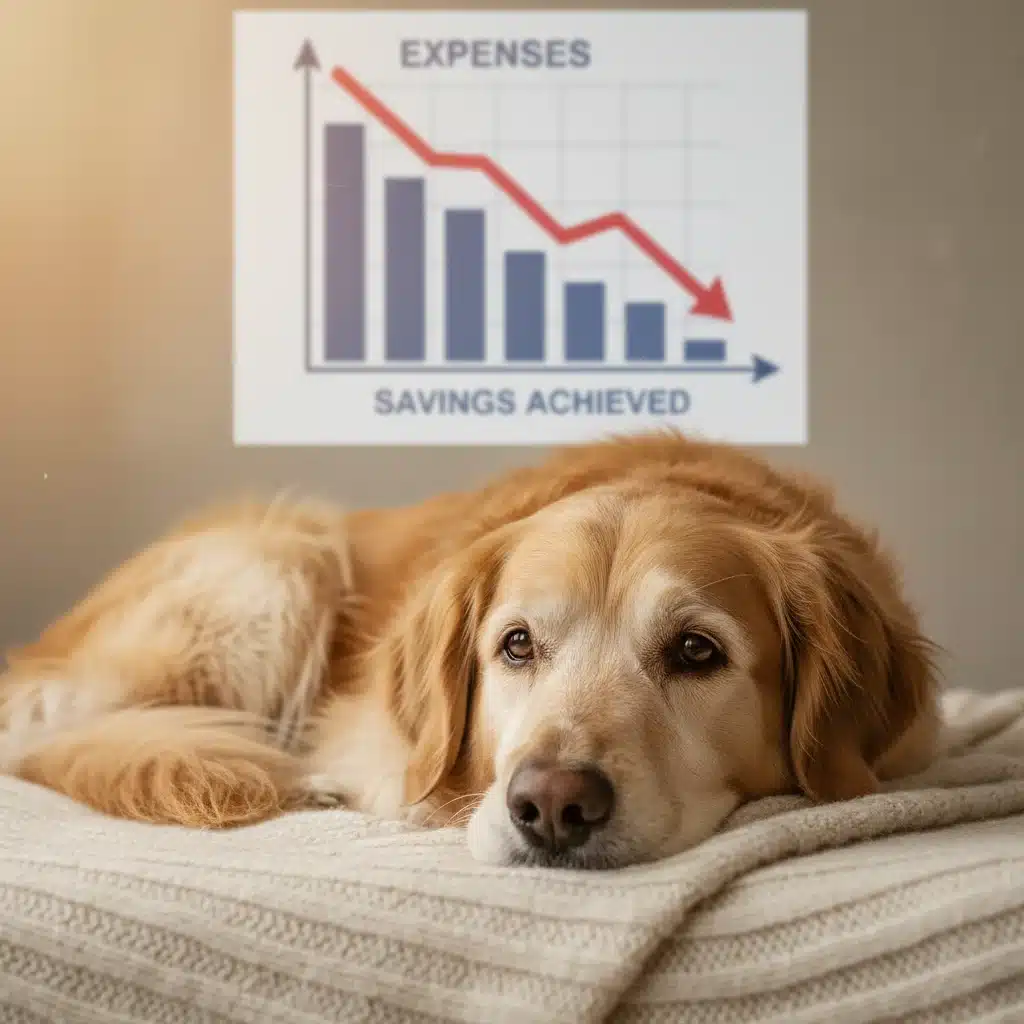
Financial Impact: How Choosing the Right Senior Pet Care Plan Can Reduce Monthly Expenses by $50 in 2026
As our beloved pets age, their needs evolve. Just like humans, senior pets often require more specialized care, which can, understandably, come with increased costs. However, what if we told you that with strategic planning and the right approach to senior pet care savings, you could not only maintain but even improve your pet’s quality of life while simultaneously reducing your monthly veterinary and care expenses by a significant margin, potentially up to $50 by 2026? This isn’t wishful thinking; it’s a tangible goal achievable through informed decisions and proactive management. Understanding the financial impact of various senior pet care choices is crucial for every pet owner.
The journey of pet ownership is filled with joy, companionship, and, inevitably, responsibility. As our furry companions transition into their golden years, this responsibility deepens. Senior pets, typically those aged seven or older (though this varies by breed and size), often face a higher risk of developing chronic conditions such as arthritis, dental disease, kidney disease, heart problems, and even cognitive dysfunction. These conditions necessitate regular veterinary check-ups, potential medications, specialized diets, and sometimes, advanced treatments. Without proper planning, these accumulating costs can quickly become overwhelming, creating a significant financial burden for pet owners.
This comprehensive guide delves into the specifics of how you can achieve substantial senior pet care savings. We will explore various avenues, from preventative care and smart dietary choices to understanding pet insurance and leveraging community resources. Our goal is to empower you with the knowledge and tools to make financially sound decisions that benefit both your wallet and your cherished senior companion. By implementing the strategies outlined here, you can confidently navigate the challenges of senior pet care, ensuring your pet enjoys a comfortable, healthy, and happy life without compromising your financial stability. Let’s embark on this journey to optimize your senior pet care plan and unlock those valuable monthly savings.
Understanding the Landscape of Senior Pet Care Costs
Before we can strategize for senior pet care savings, it’s essential to understand where the costs typically stem from. The financial impact of an aging pet can be multifaceted, encompassing a range of expenses that often increase with age. A clear understanding of these categories will allow us to pinpoint areas for potential cost reduction and smart investment.
Routine Veterinary Visits and Diagnostics
For senior pets, annual or even bi-annual veterinary check-ups become even more critical than for younger animals. These visits often include comprehensive physical examinations, blood work (to monitor organ function, especially kidneys and liver), urine analysis, and sometimes blood pressure measurements or thyroid screenings. Early detection of diseases like diabetes, kidney failure, or hyperthyroidism can lead to more effective and less expensive management in the long run. The cost of these routine diagnostics can add up, but they are an investment in preventative care, which ultimately contributes to senior pet care savings by avoiding more severe, costly emergencies.
Medications and Supplements
Chronic conditions are common in senior pets, and many require ongoing medication. Arthritis, for instance, often necessitates anti-inflammatory drugs or joint supplements. Heart conditions may require diuretics or cardiac medications. Cognitive dysfunction syndrome might be managed with specific supplements or prescription diets. These recurring medication costs can be a significant portion of a pet owner’s monthly budget. Exploring generic alternatives, bulk purchases, or reputable online pharmacies can be initial steps towards mitigating these expenses.
Specialized Diets
Many senior pets benefit from, or even require, specialized diets. These might be formulated for kidney disease, joint health, weight management, or to support cognitive function. While often more expensive than standard pet food, these diets are therapeutic and can play a crucial role in managing health conditions, potentially reducing the need for other interventions. The long-term health benefits can translate into senior pet care savings by preventing disease progression.
Emergency Care and Advanced Treatments
Perhaps the most unpredictable and potentially highest cost category is emergency care or advanced treatments. A sudden illness, an injury, or the need for surgery can lead to bills running into thousands of dollars. While these are difficult to predict, having a financial safety net or making informed decisions about pet insurance can significantly cushion the financial blow and contribute to overall senior pet care savings.
Quality of Life Enhancements
Beyond medical needs, senior pets often benefit from adaptations to their environment to improve their quality of life. This can include orthopedic beds, ramps to help them access furniture or vehicles, non-slip mats, or even specialized grooming tools. While not strictly medical, these contribute to their comfort and can prevent injuries that might lead to costly vet visits. Investing in these items wisely can be a form of preventative senior pet care savings.
Understanding these cost categories is the first step toward developing a robust strategy for managing your senior pet’s health and your finances effectively. In the following sections, we will delve into actionable strategies to reduce these costs without compromising on the quality of care.
Proactive Preventative Care: Your Best Investment for Senior Pet Care Savings
The adage "an ounce of prevention is worth a pound of cure" holds particularly true for senior pets. Proactive preventative care is the single most effective strategy for achieving significant senior pet care savings. By addressing potential health issues before they become severe, you can avoid costly emergency treatments, extensive diagnostics, and long-term medication regimens. This section will outline key preventative measures that not only enhance your pet’s well-being but also protect your wallet.
Regular Veterinary Check-ups and Screenings
As mentioned, routine vet visits for senior pets should be more frequent. These aren’t just for vaccinations; they are critical for early detection. Many chronic diseases, like kidney disease or diabetes, show subtle symptoms in their early stages. Regular blood work, urine tests, and physical exams can catch these conditions when they are most manageable. For example, catching kidney disease early might mean a simple dietary change and a specific supplement, rather than extensive fluid therapy and hospitalization later on. This proactive approach directly translates into substantial senior pet care savings.
Maintaining Optimal Weight and Nutrition
Obesity is a significant health risk for pets of all ages, but it’s particularly detrimental for seniors, exacerbating conditions like arthritis, heart disease, and diabetes. Maintaining an ideal body weight through appropriate portion control and a balanced diet can prevent or alleviate these issues. Consulting with your veterinarian about a senior-specific diet tailored to your pet’s needs can make a huge difference. High-quality senior pet foods often contain ingredients that support joint health, cognitive function, and easy digestion, reducing the need for additional supplements or medications. While these foods might seem pricier upfront, the long-term health benefits contribute significantly to senior pet care savings by preventing costly obesity-related illnesses.
Dental Hygiene: More Than Just a Pretty Smile
Dental disease is rampant in older pets and is far more serious than just bad breath. Untreated dental issues can lead to pain, difficulty eating, and, critically, can allow bacteria to enter the bloodstream, affecting vital organs like the heart, kidneys, and liver. Regular dental check-ups, professional cleanings (which may require anesthesia), and at-home dental care (brushing, dental chews, water additives) are crucial. While a professional dental cleaning can be an investment, it pales in comparison to the cost of treating systemic infections or extractions of multiple diseased teeth, which can result from neglecting dental health. Prioritizing dental care is a key strategy for senior pet care savings.
Regular Exercise and Mental Stimulation
Appropriate exercise helps senior pets maintain muscle mass, joint flexibility, and a healthy weight. While intense activities might be out, gentle walks, swimming (if appropriate), and play sessions adapted to their mobility are vital. Mental stimulation through puzzle toys, new scents on walks, or learning new, simple commands can help prevent cognitive decline. A physically and mentally active senior pet is less prone to injuries and behavioral issues that might require veterinary intervention, thereby contributing to senior pet care savings.
Environmental Adaptations
Making your home senior-pet-friendly can prevent accidents and injuries. Non-slip rugs on slick floors, ramps for beds or cars, and easily accessible food and water bowls can make a significant difference. Preventing a fall that leads to a fracture or ligament tear can save thousands in emergency vet bills. These simple adaptations are a proactive step towards ensuring your pet’s safety and your senior pet care savings.
By diligently implementing these preventative measures, you’re not just providing exceptional care for your senior pet; you’re also making smart financial choices. The initial investments in preventative care are often dwarfed by the potential costs of treating advanced diseases, making prevention the cornerstone of effective senior pet care savings.
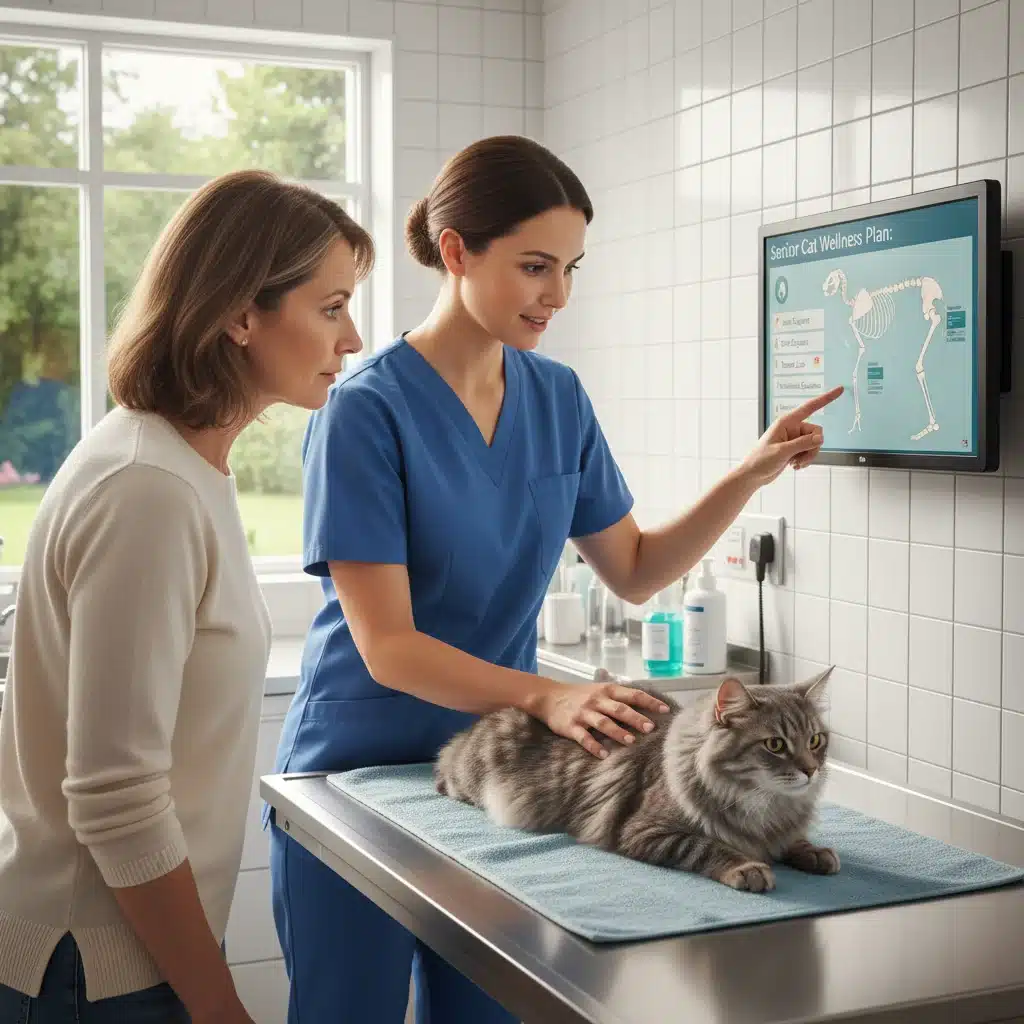
Pet Insurance: A Shield Against Unexpected Costs and a Path to Senior Pet Care Savings
One of the most significant financial drains for senior pet owners can be unexpected illnesses or accidents. While preventative care goes a long way, it cannot eliminate all risks. This is where pet insurance can play a pivotal role in achieving substantial senior pet care savings, especially as your pet ages and becomes more susceptible to health issues. However, choosing the right policy requires careful consideration.
Understanding Pet Insurance for Senior Pets
Pet insurance works similarly to human health insurance, covering a portion of veterinary costs in exchange for a monthly premium. For senior pets, it’s crucial to understand the nuances. Many policies have age limits for new enrollments, or they might exclude pre-existing conditions. This means if your pet has already been diagnosed with a chronic condition (like arthritis or diabetes) before you purchase insurance, that specific condition likely won’t be covered. Therefore, the best time to get pet insurance is when your pet is young, but even for seniors without major pre-existing conditions, it can still be a valuable investment in senior pet care savings.
Types of Coverage
- Accident-Only Plans: These are generally the most affordable and cover injuries from accidents (e.g., broken bones, cuts, swallowed objects). While limited, they can still provide significant senior pet care savings in an emergency.
- Accident & Illness Plans: These are the most common and comprehensive, covering accidents, illnesses (e.g., infections, cancer, kidney disease), diagnostic tests, surgeries, and medications. This type of plan is often the most beneficial for senior pets due to their increased susceptibility to various ailments.
- Wellness Plans/Riders: Some insurers offer optional wellness add-ons that cover routine care like annual exams, vaccinations, and dental cleanings. While these can help budget for preventative care, they often don’t provide the same level of senior pet care savings as accident and illness coverage for unexpected events.
Factors to Consider When Choosing a Policy for Senior Pet Care Savings
- Deductibles: The amount you pay out-of-pocket before your insurance kicks in. Higher deductibles usually mean lower monthly premiums.
- Reimbursement Level: The percentage of covered costs the insurer will pay (e.g., 70%, 80%, 90%).
- Annual Limits: The maximum amount the policy will pay out in a year. For senior pets, higher limits are often advisable.
- Pre-existing Conditions: Confirm the insurer’s policy on pre-existing conditions. Some might cover curable conditions after a waiting period, while others won’t cover them at all.
- Waiting Periods: The time between purchasing a policy and when coverage begins.
- Provider Reputation: Research reviews and financial stability of the insurance company.
How Pet Insurance Leads to Senior Pet Care Savings
Imagine your senior dog suddenly develops a severe ear infection requiring multiple vet visits, diagnostic tests, and expensive medication. Without insurance, this could easily be several hundred dollars. With an accident and illness plan, after your deductible, you might only pay 10-30% of that cost. Over time, especially with chronic conditions that require ongoing management, these savings accumulate. For example, if your pet develops diabetes, the monthly cost of insulin and regular monitoring can be significant. Insurance can cover a large portion of these recurring expenses, directly contributing to your goal of $50 monthly senior pet care savings by 2026.
While pet insurance is an additional monthly expense, it provides peace of mind and, more importantly, allows you to make medical decisions based on your pet’s needs rather than solely on your financial limitations. It acts as a crucial safety net, preventing catastrophic veterinary bills from derailing your budget and ensuring your senior companion receives the best possible care, thus maximizing your long-term senior pet care savings.
Smart Budgeting and Resource Utilization for Enhanced Senior Pet Care Savings
Beyond preventative care and insurance, there are numerous practical strategies for daily management and resource utilization that can significantly contribute to your senior pet care savings. These involve smart shopping, leveraging community resources, and making informed choices about pet products and services.
Comparison Shopping for Medications and Supplies
The cost of medications can vary widely between veterinary clinics, local pharmacies, and online pet pharmacies. Always ask your vet for a written prescription so you can shop around. Generic versions of medications are often available and just as effective as their brand-name counterparts, but at a fraction of the cost. Buying in bulk (if appropriate and with vet approval) for long-term medications can also lead to significant discounts. The same applies to specialized diets; compare prices from different retailers, both online and brick-and-mortar. A few minutes of research can yield substantial monthly senior pet care savings.
DIY Grooming and Basic Care
While professional grooming is sometimes necessary, many aspects of senior pet care can be handled at home. Regular brushing, nail trims, and ear cleaning can prevent matting, infections, and discomfort, thereby avoiding professional grooming fees or even vet visits for related issues. Investing in a good quality brush, nail clippers, and ear cleaning solution (with vet guidance) can pay for itself quickly and contribute to your senior pet care savings. This also provides an opportunity for bonding and allows you to routinely check your pet for any lumps, bumps, or changes that might require veterinary attention.
Leveraging Community and Veterinary Resources
- Low-Cost Clinics: Some areas have low-cost vaccination clinics or spay/neuter services that might also offer basic senior screenings at reduced rates. While not a substitute for your primary vet, they can be useful for specific preventative services.
- Veterinary Payment Plans: Don’t be afraid to discuss payment options with your veterinarian. Many clinics offer payment plans for expensive treatments or accept third-party financing options like CareCredit, which can help manage large bills without interest if paid within a certain timeframe.
- Pet Food Banks/Assistance Programs: If you’re facing financial hardship, look into local pet food banks or assistance programs. These resources can alleviate the burden of food costs, freeing up funds for medical expenses and contributing to your overall senior pet care savings.
- Discount Programs: Some veterinary practices offer senior pet discount days or wellness packages that bundle services at a reduced price. Inquire about these options.
Smart Toy and Accessory Choices
Senior pets still need mental and physical stimulation, but their needs change. Instead of buying expensive, complex toys, focus on durable, comfortable, and stimulating options. Puzzle feeders can slow down eating and provide mental engagement. Orthopedic beds, while an initial investment, can prevent joint pain and improve sleep quality, potentially reducing the need for pain medication in the long run. Choosing quality over quantity in accessories can lead to long-term senior pet care savings.
Monitoring and Record Keeping
Keeping detailed records of your pet’s health, medications, and vet visits can be invaluable. This helps you track symptoms, medication effectiveness, and ensures you don’t duplicate tests or treatments unnecessarily. Being an informed advocate for your pet can also help you ask targeted questions to your vet, potentially streamlining care and reducing costs. This meticulous approach is a subtle yet powerful contributor to senior pet care savings.
By integrating these smart budgeting and resource utilization strategies into your senior pet care plan, you create a comprehensive approach to managing expenses. Each small saving, whether from comparing medication prices or utilizing a community program, adds up, bringing you closer to your goal of reducing monthly pet care costs by $50 or more by 2026. These efforts ensure that financial constraints do not compromise the love and care your senior companion deserves.

Case Studies and Projections: Achieving $50 Monthly Senior Pet Care Savings by 2026
To truly understand the financial impact and the potential for senior pet care savings, let’s look at some hypothetical scenarios and project how these strategies can lead to a $50 monthly reduction by 2026. These examples will illustrate the compounding effect of informed decisions over time.
Case Study 1: "Bella" – The Proactive Canine Companion
Bella, an 8-year-old Labrador Retriever, starts showing early signs of arthritis. Her owner, Sarah, implements several strategies:
- Preventative Care: Bella has always had annual senior check-ups (cost: $150/year). Early detection of arthritis leads to a recommendation for a joint supplement and a specific diet.
- Smart Shopping: Instead of buying the joint supplement directly from the vet at $40/month, Sarah finds a reputable online pharmacy offering the same product for $25/month. (Monthly saving: $15). She also compares prices for Bella’s senior diet, saving $10/month by purchasing from a different retailer. (Monthly saving: $10).
- DIY Care: Sarah learns to trim Bella’s nails and brush her teeth regularly, avoiding $30/month in professional grooming fees. (Monthly saving: $30).
- Pet Insurance: Sarah enrolled Bella in an accident & illness plan when she was 3 years old. A sudden ear infection requiring multiple vet visits and medication costs $400. With an 80% reimbursement and a $250 deductible, Sarah pays $250 + (20% of $150) = $280. Without insurance, it would have been $400. This is a one-off saving, but illustrates the buffer. If Bella develops a chronic condition costing $100/month in medication, insurance might cover $80/month after deductible.
Total Monthly Savings for Bella (excluding insurance reimbursement for unexpected events): $15 + $10 + $30 = $55. This easily surpasses the $50 target.
Case Study 2: "Whiskers" – The Feline with a Chronic Condition
Whiskers, a 10-year-old domestic shorthair, is diagnosed with early-stage kidney disease. His owner, David, takes action:
- Specialized Diet: Whiskers requires a prescription kidney diet. David initially buys it from the vet for $70/month. After research, he finds an authorized online vendor selling it for $55/month. (Monthly saving: $15).
- Medication Cost Reduction: Whiskers needs a phosphate binder. David asks for a generic prescription and finds it at a human pharmacy for $20/month, instead of the vet’s $35/month. (Monthly saving: $15).
- Payment Plan for Diagnostics: Whiskers requires quarterly blood work to monitor his kidney function, costing $100 per visit. David arranges a payment plan with his vet, spreading the cost over three months, making it $33/month instead of a lump sum of $100. While not a direct saving, it significantly improves cash flow.
- Preventative Dental Care: David invests in dental treats and water additives ($10/month) to maintain Whiskers’ oral health, hoping to delay or reduce the frequency of professional cleanings (which cost $500). If this delays a cleaning by 1 year, that’s effectively $41/month saving over that year. (Projected monthly saving: $41).
Total Monthly Savings for Whiskers (combining direct and projected savings): $15 + $15 + $41 = $71. Again, exceeding the $50 target by leveraging various senior pet care savings strategies.
Projecting to 2026
These case studies demonstrate that achieving $50 in monthly senior pet care savings is not only feasible but often surpassable. By 2026, consistent application of these strategies will have a cumulative effect. For an average pet owner, this could mean:
- $10-$15/month from comparing medication prices.
- $10-$15/month from smarter food/supplement purchasing.
- $10-$20/month from DIY grooming and basic home care.
- Variable but significant savings from preventing emergencies through proactive care (e.g., avoiding one $500 emergency visit spreads out to over $40/month in savings over a year).
- Mitigating large, unexpected costs through pet insurance, which, while a premium, prevents financial strain that could far exceed $50/month in the event of a major illness.
The key is consistency and a multi-faceted approach. Each small adjustment contributes to the larger goal, creating a sustainable and affordable senior pet care plan that prioritizes your pet’s health and your financial well-being. The financial impact of these choices is profound, ensuring that loving your senior pet doesn’t have to mean financial stress.
The Emotional and Health Benefits of Smart Senior Pet Care
While the focus of this article has been on the financial impact and senior pet care savings, it’s crucial to acknowledge that the benefits extend far beyond your bank account. A well-managed senior pet care plan profoundly impacts your pet’s quality of life and your emotional well-being as an owner.
Enhanced Quality of Life for Your Pet
When you actively engage in preventative care, provide appropriate nutrition, and manage chronic conditions effectively, your senior pet experiences less pain, more comfort, and greater mobility. This translates into more joyful interactions, better sleep, and a generally happier demeanor. They can continue to engage in activities they love, albeit perhaps at a slower pace, for longer. This improved quality of life is the ultimate reward for your efforts in securing optimal senior pet care savings.
Reduced Stress for Pet Owners
Financial worries are a significant source of stress for many pet owners, especially when faced with the escalating costs of senior pet care. By implementing the strategies for senior pet care savings discussed, you alleviate much of this stress. Knowing you have a plan in place, whether it’s through insurance, a savings fund, or smart budgeting, allows you to focus on loving and caring for your pet, rather than constantly worrying about the next vet bill. This peace of mind is invaluable.
Stronger Bond Between Pet and Owner
The time and attention you invest in your senior pet’s health and well-being, from regular grooming sessions to adapting your home for their comfort, deepens the bond you share. These acts of care reinforce the love and companionship that define the pet-owner relationship. A healthy, comfortable senior pet is also more likely to be engaged and interactive, further strengthening that bond. The efforts made for senior pet care savings become an expression of deep affection.
Extended Healthy Lifespan
Proactive and consistent senior pet care can genuinely extend your pet’s healthy lifespan. Early detection and management of diseases can prevent them from becoming life-threatening. Proper nutrition and exercise keep their bodies strong. While we all wish our pets could live forever, providing them with more years of healthy, happy life is one of the greatest gifts we can give. The senior pet care savings achieved allow you to invest more consistently in this goal.
Informed Decision Making
By becoming knowledgeable about senior pet care and its financial aspects, you become a more empowered and informed decision-maker. You can have more productive conversations with your veterinarian, understand treatment options better, and make choices that align with both your pet’s needs and your financial reality. This confidence in your decisions contributes to a more positive pet ownership experience.
Ultimately, the pursuit of senior pet care savings is not about cutting corners on your pet’s health. It’s about optimizing resources, making intelligent choices, and planning proactively to ensure that your beloved senior companion receives the best possible care throughout their golden years, without placing undue strain on your finances. The holistic benefits – financial, emotional, and health-related – make this endeavor incredibly worthwhile.
Conclusion: A Brighter Financial Future for Senior Pet Care
The journey of caring for a senior pet is one of immense love and dedication. As we’ve explored throughout this guide, it doesn’t have to be a journey fraught with financial anxiety. By strategically approaching senior pet care savings, pet owners can significantly reduce their monthly expenses, potentially by $50 or more by 2026, without ever compromising the quality of care their beloved companions receive.
The key lies in a multi-pronged approach:
- Prioritizing Proactive Preventative Care: Regular vet check-ups, appropriate nutrition, dental hygiene, and environmental adaptations are your first line of defense against costly illnesses and injuries. Early detection and prevention are the cornerstones of long-term senior pet care savings.
- Leveraging Pet Insurance Wisely: While an upfront cost, the right pet insurance policy acts as a crucial safety net, protecting you from unexpected, high-cost medical emergencies and chronic disease management, thereby securing significant senior pet care savings in the long run.
- Implementing Smart Budgeting and Resource Utilization: From comparison shopping for medications and food to utilizing community resources and performing basic DIY care, intelligent financial management plays a vital role in cutting down recurring expenses.
The financial impact of these strategies is clear: small, consistent savings in various areas accumulate over time, creating a substantial reduction in overall pet care expenditures. More importantly, these financial decisions pave the way for a healthier, happier life for your senior pet, fostering a stronger bond and providing you with invaluable peace of mind.
As we move towards 2026, consider this not just as a financial goal, but as a commitment to sustainable, compassionate pet ownership. By being informed, proactive, and resourceful, you can navigate the unique challenges of senior pet care with confidence, ensuring that your golden-aged companion continues to thrive while keeping your budget in check. Start implementing these strategies today, and witness the positive financial and emotional transformation in your senior pet’s life and your own.