Water Filtration Systems for Pet Bowls: A 2026 Guide to Ensuring Clean Hydration and Health
Water Filtration Systems for Pet Bowls: A 2026 Guide to Ensuring Clean Hydration and Health
As pet owners, we are constantly seeking ways to enhance the health and well-being of our beloved companions. One often- overlooked yet critically important aspect of pet care is the quality of their drinking water. Just as clean, pure water is essential for human health, it plays a vital role in keeping our furry friends hydrated, energetic, and free from waterborne illnesses. In 2026, the market for pet water filtration systems has evolved significantly, offering advanced solutions to ensure your pets receive the best possible hydration. This comprehensive guide will delve into everything you need to know about pet water filtration, from understanding its importance to choosing the perfect system for your household.
Why Pet Water Filtration is Non-Negotiable for 2026
The water that flows from our taps, while often deemed safe for human consumption, can still contain impurities that are detrimental to our pets. These can include chlorine, heavy metals like lead and mercury, pesticides, herbicides, and even microscopic organisms such as bacteria and parasites. Over time, consistent exposure to these contaminants can lead to a range of health issues in pets, from digestive upset and skin problems to more severe conditions affecting their kidneys, liver, and urinary tract. This is where dedicated pet water filtration becomes indispensable.
Moreover, pets, especially cats, are notoriously finicky about their water. Stagnant, unfiltered water can develop an unpleasant taste and odor, discouraging them from drinking enough. Dehydration can lead to serious health complications, including urinary tract infections, kidney disease, and heatstroke. A high-quality pet water filtration system ensures that the water is not only clean but also fresh-tasting and appealing, encouraging your pets to drink more and stay adequately hydrated.
Understanding the Contaminants in Your Pet’s Water
To truly appreciate the value of pet water filtration, it’s crucial to understand what we’re filtering out. Here’s a breakdown of common contaminants and their potential impact on pet health:
- Chlorine and Chloramines: These disinfectants are added to municipal water supplies to kill bacteria. While effective, they can give water an off-putting taste and odor. For sensitive pets, chlorine can cause gastrointestinal irritation.
- Heavy Metals (Lead, Copper, Mercury): These can leach into water from old pipes or industrial runoff. Chronic exposure to heavy metals can lead to neurological damage, kidney failure, and developmental issues in pets.
- Pesticides and Herbicides: Runoff from agricultural areas or even residential lawns can introduce these chemicals into water sources. They are endocrine disruptors and carcinogens, posing significant long-term health risks.
- Bacteria and Parasites (Giardia, Cryptosporidium): While municipal water is treated, contamination can occur during distribution or if your pet drinks from outdoor sources. These microorganisms cause severe gastrointestinal distress, vomiting, and diarrhea.
- Sediment and Rust: Visible particles in water can indicate pipe corrosion or environmental contamination, affecting water clarity and taste.
- Volatile Organic Compounds (VOCs): These chemicals can enter water through various sources, including industrial discharges and leaking underground storage tanks. Some VOCs are known carcinogens.
Given the array of potential threats, investing in effective pet water filtration is a proactive step towards safeguarding your pet’s health.
Types of Pet Water Filtration Systems in 2026
The market for pet water filtration has expanded to include several innovative options. Choosing the right system depends on your pet’s needs, your household setup, and your budget.
1. Filtered Pet Water Fountains
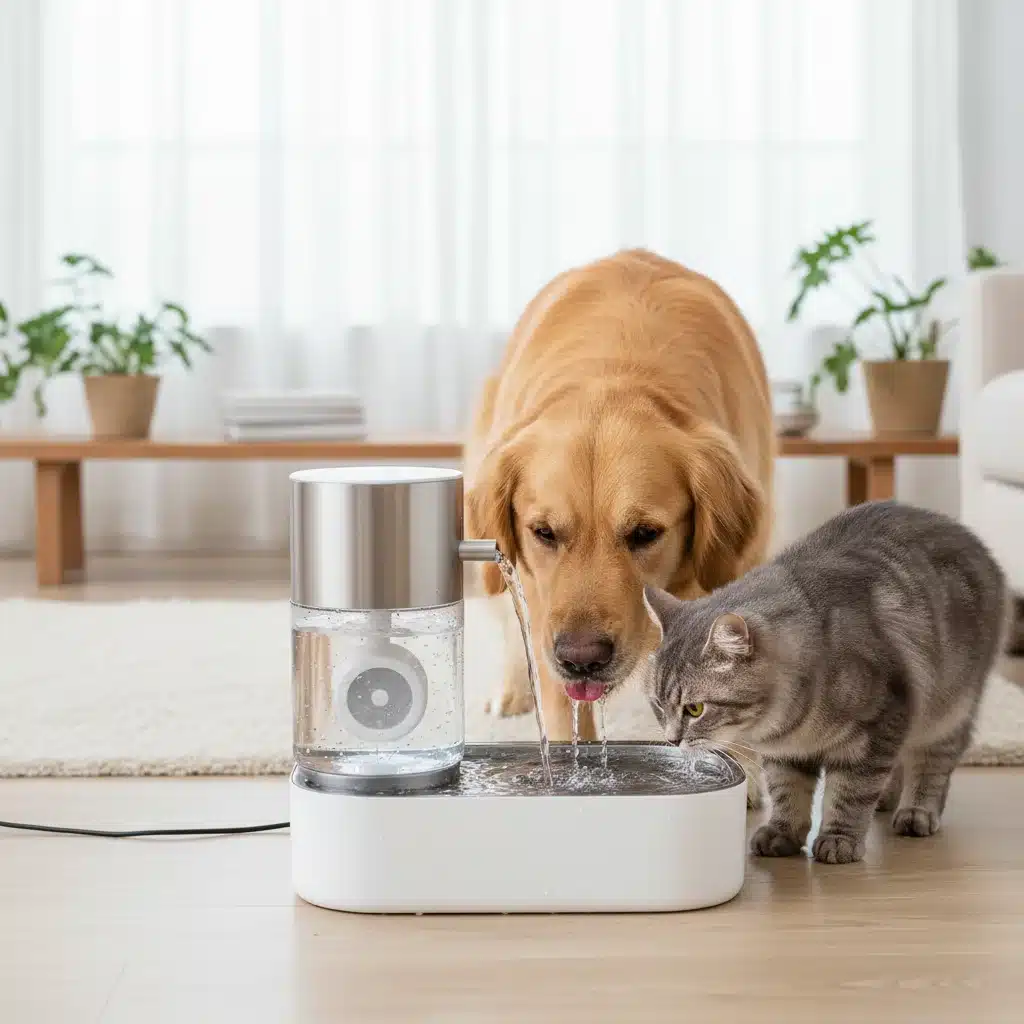
These are perhaps the most popular and widely available type of pet water filtration system. Pet water fountains are designed to continually circulate and filter water, providing a fresh, flowing stream that many pets find more appealing than still water in a bowl. This encourages increased water intake, which is vital for kidney health, especially in cats.
Key Features to Look for:
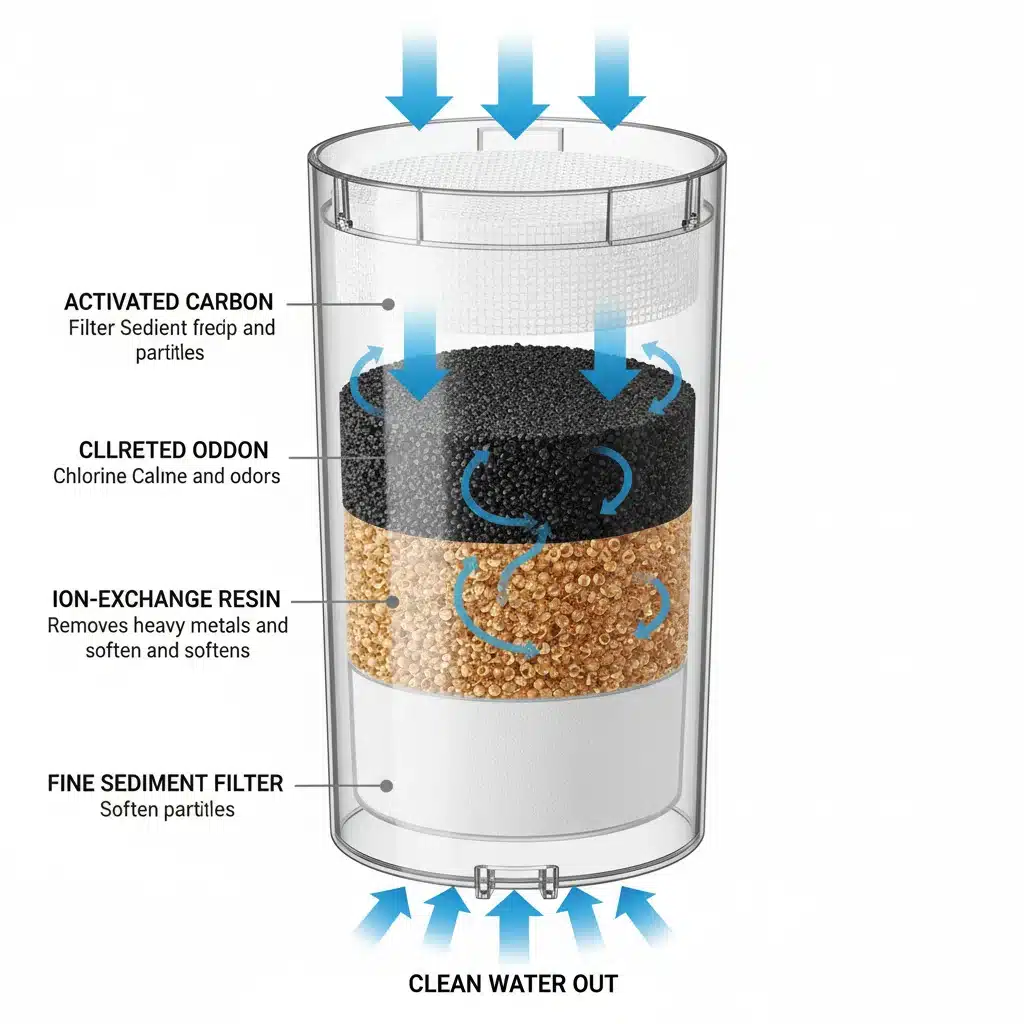
- Multi-Stage Filtration: Most modern fountains feature filters with activated carbon to remove chlorine, odors, and tastes, along with a foam filter to trap hair and debris. Advanced models in 2026 often include ion-exchange resin to soften water and remove heavy metals.
- Capacity: Fountains come in various sizes, from small individual units to large multi-pet systems. Consider how many pets you have and how often you want to refill the fountain.
- Materials: Stainless steel, ceramic, and BPA-free plastic are common. Stainless steel and ceramic are generally more hygienic and durable.
- Noise Level: Some pumps can be noisy. Look for models with quiet pump technology.
- Ease of Cleaning: Fountains require regular cleaning to prevent slime buildup. Opt for models with easily disassembled parts.
Many 2026 models also integrate smart features, such as low-water level alerts, filter change reminders, and even UV sterilization to kill bacteria and viruses, making pet water filtration more convenient and effective than ever.
2. Filtered Water Bowls
For pet owners who prefer a simpler approach, filtered water bowls offer a less elaborate but still effective pet water filtration solution. These bowls typically incorporate a replaceable filter cartridge within the bowl itself.
Key Features to Look for:
- Filter Type: Most use activated carbon filters. Some advanced bowls may include additional filtration layers.
- Filter Lifespan: Check how often the filter needs to be replaced.
- Design: Look for stable, non-slip designs and durable materials.
Filtered bowls are a good entry-level option for pet water filtration, especially for single-pet households or those with limited space. They are generally more affordable and require less maintenance than fountains, though they don’t offer the same level of constant circulation.
3. Whole-House Filtration Systems with Pet-Specific Considerations
While not exclusively for pets, a whole-house water filtration system can significantly improve the quality of water for your entire household, including your pets. This ensures that all water, whether from the tap, shower, or pet bowl, is filtered.
Key Features to Look for:
- Comprehensive Filtration: These systems typically remove a wide range of contaminants, including chlorine, sediment, heavy metals, and VOCs.
- Installation: Requires professional installation and is a more significant investment.
- Maintenance: Filters need to be replaced periodically, but less frequently than individual pet bowl filters.
If you’re already considering a whole-house system for your family’s health, it’s an excellent way to provide superior pet water filtration simultaneously.
4. Tap-Mounted or Faucet Filters
These filters attach directly to your kitchen faucet, allowing you to dispense filtered water on demand. While primarily designed for humans, they can be a convenient way to fill your pet’s bowl with filtered water.
Key Features to Look for:
- Filtration Effectiveness: Ensure it removes contaminants relevant to pet health.
- Flow Rate: A good flow rate is important for convenience.
- Filter Indicator: Many models have indicators to tell you when to change the filter.
This is a cost-effective solution if you only need filtered water for occasional refills, but it doesn’t offer the continuous circulation or appeal of a pet fountain for encouraging drinking.
Key Considerations When Choosing a Pet Water Filtration System in 2026
With so many options available, making the right choice for pet water filtration can seem daunting. Here are the crucial factors to weigh:
A. Type of Pet(s) and Their Needs
- Cats: Often prefer moving water and are prone to urinary tract issues, making fountains an excellent choice to encourage hydration.
- Dogs: May be less particular, but larger breeds require higher capacity systems. Active dogs benefit immensely from constant access to fresh water.
- Multiple Pets: Opt for larger capacity fountains or multiple filtered bowls to ensure all pets have access without competition.
B. Filtration Technology and Effectiveness
Not all filters are created equal. In 2026, look for systems that offer:
- Activated Carbon: Essential for removing chlorine, odors, and improving taste.
- Ion-Exchange Resin: Crucial for removing heavy metals like lead and copper, and for softening hard water, which can be beneficial for pets with sensitive digestive systems.
- Mechanical Filtration (Foam/Mesh): To trap hair, debris, and larger particles.
- UV Sterilization: An advanced feature in some 2026 models that uses ultraviolet light to kill bacteria, viruses, and other microorganisms without chemicals.
Always check the product specifications to understand what contaminants the filter is certified to remove. Reputable brands will provide this information transparently.
C. Material and Durability
- Stainless Steel: Highly durable, hygienic, rust-resistant, and easy to clean. Often a premium choice.
- Ceramic: Heavy, stable, and aesthetically pleasing. Also easy to clean and hygienic.
- BPA-Free Plastic: Lighter and often more affordable. Ensure it’s high-quality, food-grade, and free of harmful chemicals.
Durability is key for a product that will be in constant use and exposed to water. Consider how well the materials will stand up to regular cleaning and potential pet chewing.
D. Capacity and Refill Frequency
Consider the volume of water the system holds and how often you’re willing to refill it. A larger capacity means less frequent refilling, which is convenient for busy owners or multiple-pet households. For pet fountains, also consider the pump’s lifespan and energy efficiency.
E. Ease of Cleaning and Maintenance
Regular cleaning is paramount to prevent bacterial growth and slime buildup, even with pet water filtration. Choose systems that are easy to disassemble and clean, preferably with dishwasher-safe components (for non-electrical parts). Factor in the cost and availability of replacement filters, as these will be an ongoing expense.
F. Noise Level
Some pet fountains can be noisy due to the pump. If your pets or household are sensitive to noise, look for models advertised as ‘ultra-quiet’ or with magnetic drive pumps.
G. Smart Features and Connectivity (2026 Innovations)
Many 2026 pet water filtration systems now come with smart features:
- App Control: Monitor water levels, filter life, and even activate UV sterilization from your smartphone.
- Low Water Alerts: Notifications when the water level is getting low.
- Filter Change Indicators: Reminders for when it’s time to replace the filter.
- Automatic Shut-off: Prevents pump damage if the water level gets too low.
These features add convenience and ensure optimal performance of your pet water filtration system.
Installation and Maintenance of Your Pet Water Filtration System
Once you’ve chosen your ideal pet water filtration system, proper installation and consistent maintenance are crucial for its effectiveness and longevity.
Installation:
Most pet water fountains and filtered bowls are straightforward to set up. Follow the manufacturer’s instructions carefully. Ensure the unit is placed on a stable, level surface away from direct sunlight (to prevent algae growth) and easily accessible for your pet.
Routine Cleaning:
This is perhaps the most critical aspect of maintaining any pet water filtration system. Even with filtration, biofilm (a slimy layer of bacteria) can build up on surfaces. Aim to clean the entire unit:
- Fountains: At least once a week. Disassemble all parts, wash them with warm, soapy water (use a pet-safe detergent or vinegar solution), and rinse thoroughly. Pay special attention to the pump, which can accumulate debris and mineral deposits.
- Filtered Bowls: Clean the bowl daily or every other day, and clean the filter housing thoroughly when replacing the filter.
Filter Replacement:
Filters have a finite lifespan. Adhere strictly to the manufacturer’s recommended replacement schedule, typically every 2-4 weeks for carbon filters, and every 1-2 months for ion-exchange filters. Failing to replace filters on time renders the pet water filtration system ineffective, and old filters can even release trapped contaminants back into the water.
Troubleshooting Common Issues:
- Reduced Water Flow: Often indicates a clogged filter or a dirty pump. Clean or replace as needed.
- Noisy Pump: Usually due to a dirty pump, low water level, or mineral buildup. Clean the pump thoroughly and ensure the water level is adequate.
- Algae Growth: Place the fountain out of direct sunlight and clean it more frequently.
Regular attention to these maintenance tasks will ensure your pet water filtration system consistently provides clean, fresh water.
The Health Benefits of Filtered Water for Your Pets
The benefits of providing your pets with filtered water extend far beyond just taste. Consistent access to clean, pure water through effective pet water filtration can significantly impact their overall health and longevity.
1. Enhanced Hydration
Pets are more likely to drink adequately when the water tastes good and is fresh. Proper hydration is fundamental for:
- Organ Function: Supports kidney and liver function, crucial for flushing toxins from the body.
- Circulation: Helps maintain blood volume and nutrient transport.
- Temperature Regulation: Prevents overheating.
- Digestion: Aids in the breakdown of food and absorption of nutrients.
2. Prevention of Urinary Tract and Kidney Issues
This is particularly critical for cats, who are prone to Feline Lower Urinary Tract Disease (FLUTD) and kidney disease. Increased water intake, encouraged by fresh, filtered water, helps to:
- Flush out bacteria from the urinary tract.
- Dilute urine, reducing the concentration of minerals that can form crystals and stones.
- Support overall kidney health, especially important as pets age.
3. Reduction of Exposure to Harmful Contaminants
By removing chlorine, heavy metals, pesticides, and microbial contaminants, pet water filtration drastically reduces your pet’s exposure to substances that can cause:
- Gastrointestinal upset (vomiting, diarrhea).
- Long-term organ damage.
- Allergies and skin irritations.
- Neurological problems.
- Increased risk of certain cancers.
4. Improved Coat and Skin Health
Good hydration reflects in a pet’s external appearance. Pets drinking filtered water often exhibit healthier, shinier coats and fewer dry skin issues, partly due to the removal of irritating chemicals like chlorine.
5. Better Dental Hygiene
While not a direct dental solution, the absence of certain minerals in filtered water can slightly reduce the buildup of plaque and tartar compared to hard, unfiltered water, contributing to better oral health over time.
Top Pet Water Filtration Systems to Consider in 2026
Based on filtration effectiveness, user reviews, durability, and innovative features, here are some of the leading pet water filtration systems on the market in 2026:
1. PetSafe Drinkwell Platinum Pet Fountain
- Key Features: Free-falling stream encourages drinking, activated carbon and foam filters, submersible pump for quiet operation, dishwasher-safe components.
- Why it’s great: A long-standing favorite, known for reliability and effective multi-stage filtration.
2. Catit PIXI Smart Fountain
- Key Features: UV-C sterilization, triple action filter (mesh, activated carbon, ion-exchange resin), app control for monitoring water levels and filter changes, quiet pump.
- Why it’s great: Excellent for tech-savvy owners and those prioritizing advanced sterilization.
3. Veken Pet Fountain (Stainless Steel)
- Key Features: Stainless steel construction, triple filtration system, quiet pump, large capacity.
- Why it’s great: Durable, hygienic, and a great value for a stainless steel option with effective filtration.
4. Aqua-Pure Filtered Pet Bowl
- Key Features: Simple design, activated carbon filter integrated into the bowl, non-skid base.
- Why it’s great: An affordable and straightforward option for basic pet water filtration without the complexity of a fountain.
5. APEC Water Systems RO-90 (Whole House Reverse Osmosis)
- Key Features: Provides exceptionally pure water for the entire home, removes up to 99% of contaminants, including heavy metals, chlorine, fluoride, and bacteria.
- Why it’s great: The ultimate solution for superior water quality for both pets and humans, though it’s a significant investment.
Remember to read recent reviews and compare features to find the best fit for your specific needs and budget.
The Future of Pet Water Filtration: What’s Next?
The innovation in pet water filtration is continuous. As we look beyond 2026, we can anticipate even more sophisticated technologies:
- AI-Powered Water Quality Monitoring: Sensors that analyze water composition in real-time, alerting owners to specific contaminants or filter degradation.
- Self-Cleaning Systems: Fountains with automated cleaning cycles to reduce manual maintenance.
- Personalized Filtration: Filters tailored to specific regional water quality issues or even a pet’s individual health needs.
- Sustainable Materials: A greater emphasis on eco-friendly, biodegradable filter media and fountain materials.
- Integrated Health Tracking: Systems that not only filter water but also track a pet’s drinking habits and integrate with smart pet health ecosystems.
These advancements promise to make pet water filtration even more effective, convenient, and seamlessly integrated into our pets’ lives.
Conclusion: Invest in Your Pet’s Hydration, Invest in Their Health
Providing clean, filtered water is one of the simplest yet most impactful ways to contribute to your pet’s long-term health and happiness. With the diverse and advanced pet water filtration systems available in 2026, there’s no reason to compromise on water quality. From encouraging better hydration to protecting against harmful contaminants, a good filtration system is an investment that pays dividends in vitality and peace of mind.
Take the time to research, choose a system that meets your pet’s unique needs, and commit to regular maintenance. Your furry family members will thank you with years of healthy, happy companionship. Make clean water a cornerstone of your pet care routine, and watch them thrive.