Essential Pet Vitamins: Are You Missing These 2 Key Nutrients?
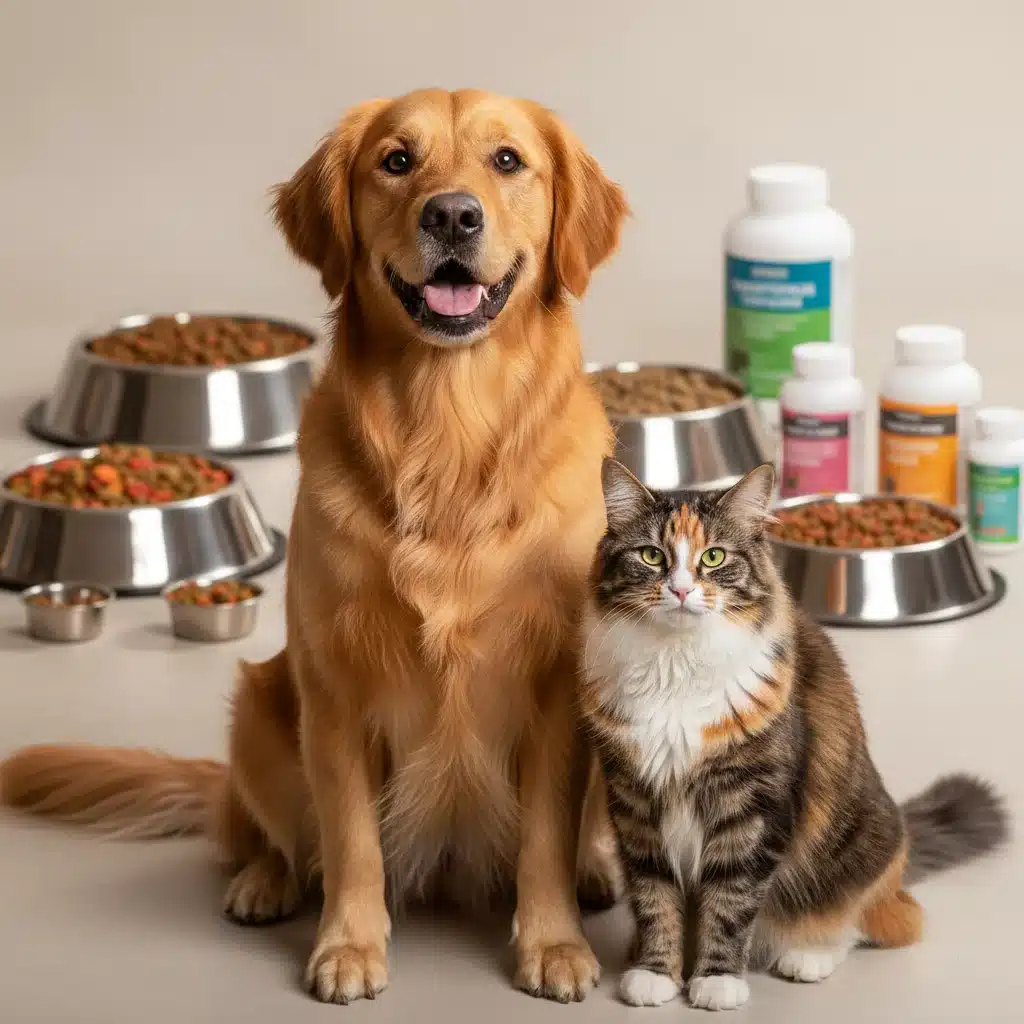
In the ever-evolving landscape of pet care, ensuring our beloved companions receive optimal nutrition is a top priority for pet owners worldwide. While commercial pet foods are formulated to be nutritionally complete, various factors, including age, breed, lifestyle, and underlying health conditions, can lead to deficiencies in certain essential pet vitamins and minerals. Understanding these potential gaps is crucial for maintaining your pet’s long-term health and vitality. This comprehensive guide will delve into the world of pet nutrition, highlighting two specific essential pet vitamins that are often overlooked but play a pivotal role in your pet’s overall well-being. We’ll explore why these nutrients are vital, the signs of deficiency, and how you can ensure your furry friend is getting everything they need to thrive in 2026 and beyond.
The market for pet supplements has grown exponentially, reflecting a heightened awareness among pet parents about the importance of preventive care. However, navigating this vast array of products can be daunting. It’s not just about adding ‘extra’ nutrients; it’s about identifying specific needs and addressing them with targeted supplementation. Our focus today is on two powerhouse nutrients that, despite their importance, are frequently deficient in pets: Vitamin D and Omega-3 Fatty Acids. While not strictly a vitamin, Omega-3s are often discussed in the context of essential micronutrients due to their profound impact on health and their common deficiency. Let’s uncover why these are considered essential pet vitamins and how their adequate intake can transform your pet’s health.
The Unsung Hero: Vitamin D – More Than Just for Bones
When we think of Vitamin D, we often associate it with bone health in humans. However, its role in pets is far more expansive and equally critical. Vitamin D, often dubbed the ‘sunshine vitamin,’ is a fat-soluble secosteroid responsible for enhancing intestinal absorption of calcium, magnesium, and phosphate, and numerous other biological effects. In pets, particularly dogs and cats, the primary source of Vitamin D is dietary, as their skin doesn’t synthesize it efficiently from sun exposure like humans do. This makes dietary intake of this essential pet vitamin absolutely paramount.
Why is Vitamin D an Essential Pet Vitamin?
- Bone Health and Calcium Regulation: As in humans, Vitamin D is fundamental for regulating calcium and phosphorus levels in the body. It ensures proper bone mineralization, preventing conditions like rickets in young animals and osteomalacia in adults. Without sufficient Vitamin D, calcium cannot be effectively absorbed, leading to weak bones and skeletal deformities.
- Immune System Support: Emerging research highlights Vitamin D’s crucial role in modulating the immune system. It helps regulate immune responses, potentially reducing the risk of autoimmune diseases and enhancing the body’s ability to fight off infections. A deficiency can leave your pet vulnerable to various pathogens.
- Cell Growth and Differentiation: Vitamin D influences cell growth and differentiation, playing a role in preventing uncontrolled cell proliferation. This aspect is particularly relevant in the context of cancer prevention, an area of increasing research interest in veterinary medicine.
- Cardiovascular Health: Some studies suggest a link between Vitamin D deficiency and cardiovascular issues in pets, although more research is needed. Maintaining adequate levels may contribute to a healthier heart and circulatory system.
- Hormonal Balance: Vitamin D also acts as a prohormone, influencing various endocrine functions. Its impact on hormonal balance can affect everything from metabolism to mood, underscoring its broad systemic importance as an essential pet vitamin.
Signs of Vitamin D Deficiency in Pets
Detecting a Vitamin D deficiency can be challenging as the symptoms can be subtle and mimic other conditions. However, some red flags to watch for include:
- Skeletal Abnormalities: Soft bones, lameness, reluctance to move, or bone pain, especially in growing animals.
- Muscle Weakness: Generalized weakness or lethargy.
- Dental Problems: Poor tooth development or increased susceptibility to dental issues.
- Compromised Immune Function: Frequent infections or a prolonged recovery from illness.
- Gastrointestinal Issues: Chronic digestive problems can sometimes impair nutrient absorption, including Vitamin D.
If you suspect your pet might be deficient, a veterinary consultation is essential. A veterinarian can perform blood tests to measure Vitamin D levels and recommend appropriate supplementation or dietary adjustments.
The Powerhouse Duo: Omega-3 Fatty Acids – Beyond a Shiny Coat
While not a vitamin in the traditional sense, Omega-3 fatty acids, particularly Eicosapentaenoic Acid (EPA) and Docosahexaenoic Acid (DHA), are absolutely indispensable for pet health and are frequently deficient in commercial pet diets. These polyunsaturated fats are ‘essential’ because pets cannot synthesize them in sufficient quantities and must obtain them through their diet. Their impact extends far beyond just a glossy coat, influencing nearly every physiological system as a crucial component of essential pet vitamins and nutrients.
Why are Omega-3 Fatty Acids Essential for Pets?
- Anti-inflammatory Properties: This is arguably their most well-known benefit. Omega-3s are powerful natural anti-inflammatories, crucial for managing conditions like arthritis, allergies, inflammatory bowel disease (IBD), and skin conditions. They help reduce pain and swelling, improving your pet’s quality of life.
- Skin and Coat Health: While we said ‘beyond a shiny coat,’ it’s still a significant benefit! Omega-3s support the skin barrier function, reducing dryness, flakiness, and itching, and promoting a healthy, lustrous coat. They can be particularly helpful for pets with chronic skin allergies.
- Brain and Cognitive Function: DHA is a major structural component of the brain and retina. Adequate Omega-3 intake, especially during development, is vital for cognitive function, learning, and vision. In adult and senior pets, Omega-3s can help maintain brain health and potentially slow cognitive decline.
- Cardiovascular Health: Omega-3s contribute to heart health by helping to regulate blood pressure, reduce triglyceride levels, and improve overall cardiovascular function. This is particularly important for breeds prone to heart conditions.
- Joint Health: By reducing inflammation, Omega-3s provide significant support for joint health, easing discomfort associated with osteoarthritis and improving mobility, making them a key component of essential pet vitamins for senior animals.
- Kidney Function: Some studies suggest that Omega-3 supplementation can help support kidney function and slow the progression of kidney disease in pets.
Signs of Omega-3 Deficiency in Pets
An Omega-3 deficiency can manifest in several ways, often impacting visible aspects of your pet’s health:
- Dry, Flaky Skin and Dull Coat: One of the most common and noticeable signs.
- Excessive Itching and Scratching: Often related to skin inflammation or allergies.
- Poor Wound Healing: Slower recovery from injuries or skin lesions.
- Stiff Joints or Difficulty Moving: Especially in older pets, indicating increased inflammation.
- Behavioral Changes: Some pets may show signs of cognitive decline or increased anxiety.
- Frequent Infections: A weakened immune response can be a subtle indicator.
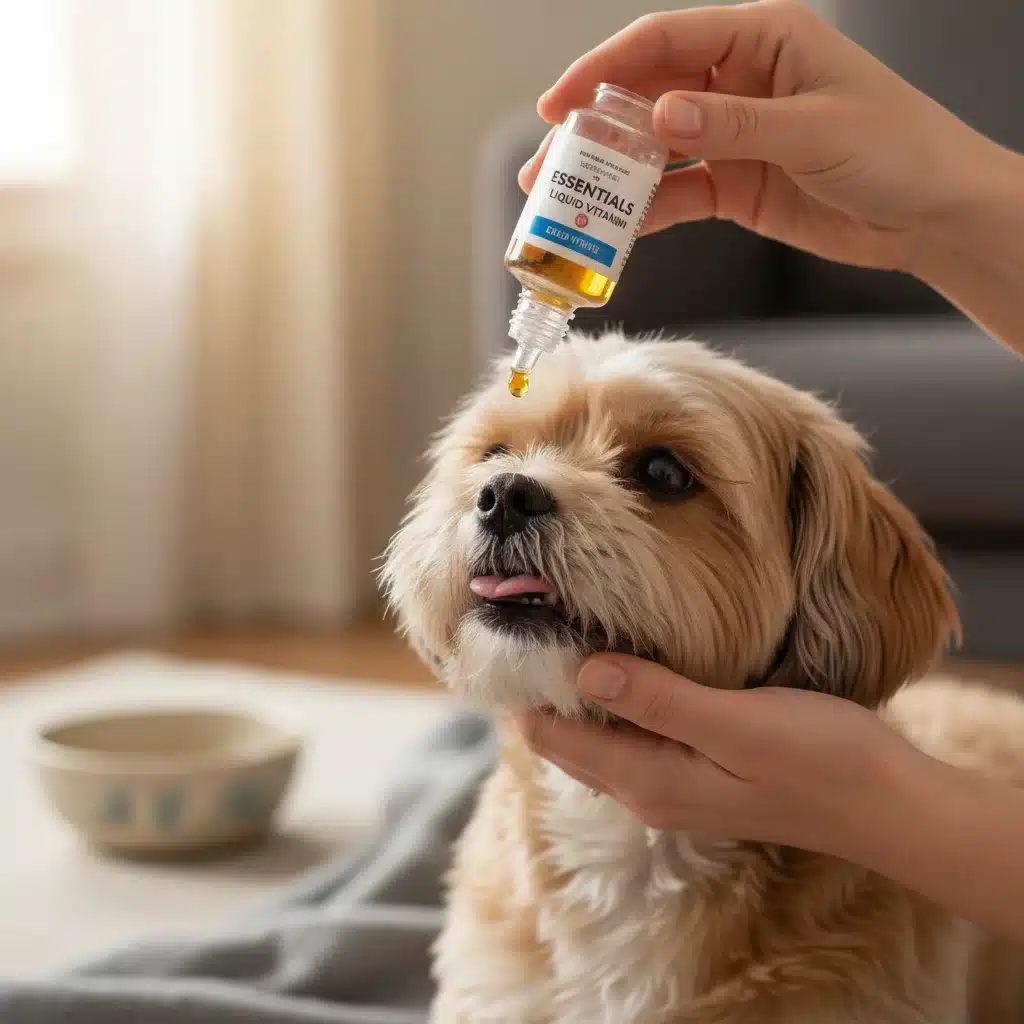
If these symptoms sound familiar, discussing Omega-3 supplementation with your vet is a wise step. They can help you choose a high-quality product and determine the correct dosage.
Ensuring Adequate Intake of Essential Pet Vitamins
Now that we’ve highlighted the critical roles of Vitamin D and Omega-3 fatty acids, the question remains: how do you ensure your pet is getting enough of these essential pet vitamins? The answer often lies in a combination of diet and targeted supplementation, always under veterinary guidance.
Dietary Sources
-
For Vitamin D:
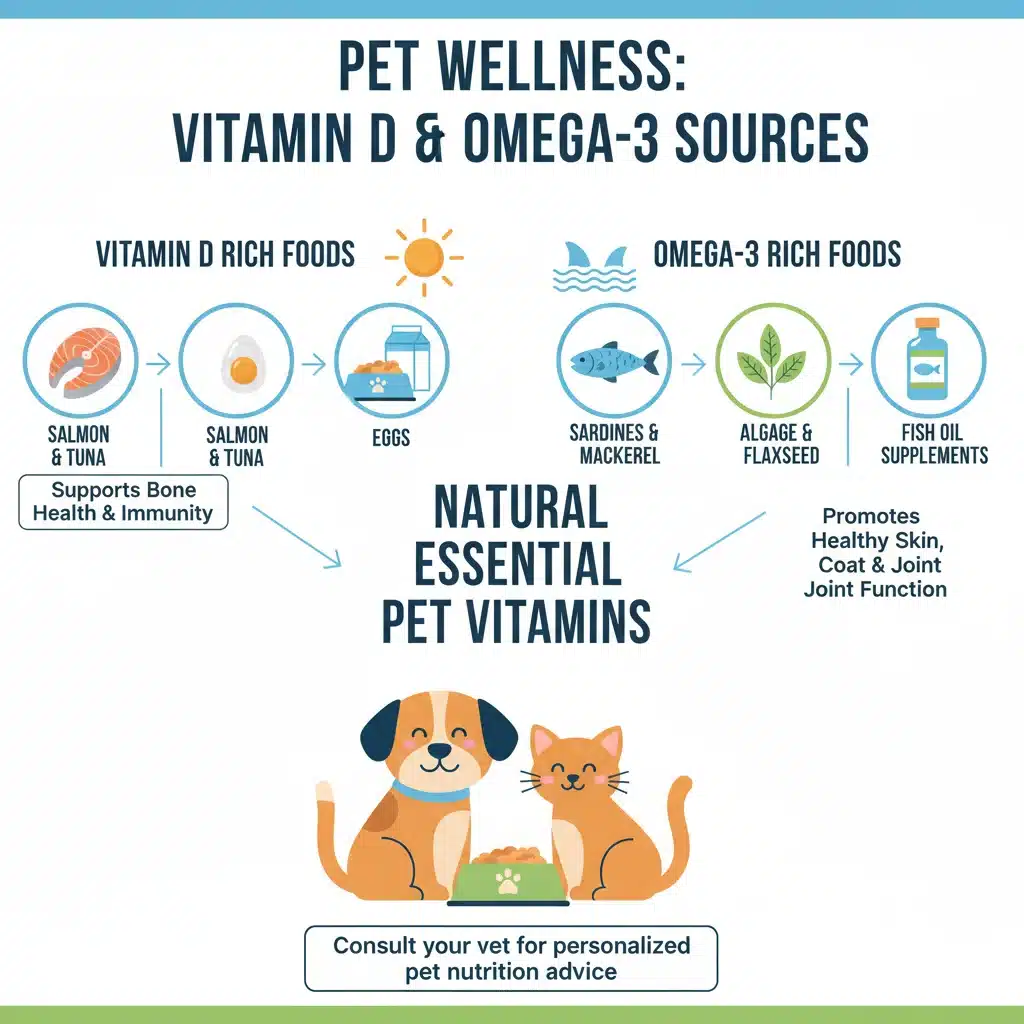
- Fortified Pet Foods: Many high-quality commercial pet foods are fortified with Vitamin D. Always check the ingredient list and nutritional analysis.
- Certain Fish: Fatty fish like salmon, mackerel, and sardines contain Vitamin D, but should be given sparingly and cooked, never raw, due to potential thiaminase content and bones.
- Egg Yolks: A small amount of cooked egg yolk can provide some Vitamin D.
-
For Omega-3 Fatty Acids (EPA & DHA):
- Fatty Fish: The best natural sources are cold-water fatty fish such as salmon, mackerel, sardines, and anchovies.
- Fish Oil Supplements: High-quality fish oil is a concentrated source of EPA and DHA. Look for products that are molecularly distilled to remove toxins like mercury.
- Algae-based Supplements: For pets with fish allergies or owners preferring plant-based options, algae oil can be a good source of DHA.
- Flaxseed Oil: While flaxseed oil contains Alpha-Linolenic Acid (ALA), which is an Omega-3, pets (especially cats) are not efficient at converting ALA to EPA and DHA. Therefore, it’s not a primary source for these specific essential fatty acids.
The Role of Supplements
Even with a high-quality diet, supplementation might be necessary, especially for pets with specific health concerns, seniors, or those on restrictive diets. When choosing supplements for these essential pet vitamins, consider the following:
- Veterinary Consultation: Always consult your veterinarian before starting any new supplement. They can assess your pet’s individual needs, recommend appropriate dosages, and check for potential interactions with existing medications.
- Quality and Purity: Not all supplements are created equal. Look for reputable brands that conduct third-party testing for purity and potency. For fish oils, ensure they are tested for heavy metals and other contaminants.
- Formulation: Supplements come in various forms – oils, capsules, chews, and powders. Choose a form that is easy to administer to your pet.
- Balanced Approach: Remember that too much of a good thing can be harmful. Over-supplementation of fat-soluble vitamins like Vitamin D can lead to toxicity. This underscores the importance of professional guidance.
Understanding Pet Supplement Trends in 2026
As we look towards 2026, the pet supplement industry continues to innovate, driven by a deeper understanding of pet physiology and increasing demand for specialized nutritional support. Here are some trends impacting how pet owners will approach essential pet vitamins:
- Personalized Nutrition: Advances in genetic testing and microbiome analysis are paving the way for highly personalized pet nutrition plans. This means supplements will be tailored not just to breed and age, but to an individual pet’s unique genetic predispositions and gut health.
- Sustainable and Ethical Sourcing: There’s a growing emphasis on sustainability in supplement production. Pet owners are increasingly seeking products with ethically sourced ingredients, particularly for Omega-3s from fish, leading to a rise in algae-based alternatives.
- Transparency and Traceability: Consumers demand greater transparency regarding ingredient sourcing, manufacturing processes, and third-party testing. Brands that offer clear, verifiable information will gain trust.
- Synergistic Formulations: Instead of single-nutrient supplements, we’ll see more products combining essential pet vitamins and other beneficial compounds that work synergistically to address specific health concerns (e.g., joint health formulas combining Omega-3s with glucosamine and chondroitin).
- Focus on Gut Health: The gut microbiome’s profound impact on overall health, including nutrient absorption and immune function, is gaining recognition. Supplements combining probiotics, prebiotics, and essential vitamins will become more common.
- Preventive Care Emphasis: The shift from reactive to proactive pet healthcare means more owners will use supplements as a preventive measure to maintain health and prevent deficiencies before they arise.
Common Misconceptions About Pet Vitamins
Despite the growing awareness, several misconceptions persist regarding essential pet vitamins and supplements. Addressing these can help pet owners make more informed decisions.
- ‘All commercial pet foods are complete and balanced, so supplements aren’t needed.’ While premium pet foods are formulated to meet AAFCO standards, individual needs vary. Factors like stress, illness, age, and activity level can increase nutrient requirements. Also, processing can sometimes reduce nutrient bioavailability.
- ‘More is always better when it comes to vitamins.’ This is a dangerous misconception, especially for fat-soluble vitamins like Vitamin D, which can accumulate to toxic levels in the body. Water-soluble vitamins are generally safer but still require appropriate dosing. Always stick to recommended dosages.
- ‘Human supplements are fine for pets.’ Human supplements often contain different concentrations of nutrients, as well as ingredients that can be toxic to pets (e.g., xylitol in some chewable vitamins). Always use pet-specific formulations.
- ‘Supplements are a cure-all for health problems.’ Supplements are meant to complement a healthy diet and lifestyle, not replace veterinary treatment for existing medical conditions. They can support healing and well-being but are not magic bullets.
Consulting Your Veterinarian: The Cornerstone of Pet Health
The most crucial piece of advice when considering any aspect of your pet’s nutrition, especially supplementation with essential pet vitamins, is to consult with your veterinarian. Your vet has a holistic understanding of your pet’s health history, breed-specific predispositions, and current medical conditions. They can:
- Perform Diagnostics: Blood tests can reveal specific nutrient deficiencies.
- Assess Dietary Needs: Evaluate your pet’s current diet and identify potential gaps.
- Recommend Specific Products: Guide you towards high-quality, vet-approved supplements.
- Determine Correct Dosages: Ensure your pet receives an effective yet safe amount of any supplement.
- Monitor Progress: Help you track the effectiveness of supplementation and make adjustments as needed.
A collaborative approach with your veterinarian ensures that any supplementation plan is safe, effective, and tailored to your pet’s unique requirements, ultimately contributing to their overall health and longevity.
Conclusion: Prioritizing Essential Pet Vitamins for a Thriving Future
In conclusion, while the world of pet nutrition can seem complex, focusing on fundamental components like essential pet vitamins can make a significant difference in your pet’s life. Vitamin D and Omega-3 fatty acids stand out as two crucial nutrients that are often deficient and profoundly impact various aspects of health, from bone density and immune function to brain health and inflammation control. By understanding their importance, recognizing signs of deficiency, and working closely with your veterinarian, you can proactively address these nutritional needs.
Investing in your pet’s nutritional well-being through a balanced diet and appropriate, vet-guided supplementation is one of the most impactful ways to express your love and ensure they live a long, healthy, and vibrant life. As we move forward into 2026, let’s prioritize these essential nutrients, empowering our furry family members to thrive in every stage of their lives.