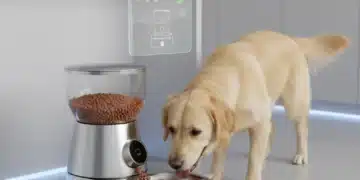
Smart Gear for Pet Parents: Elevating Your Companion’s Well-being
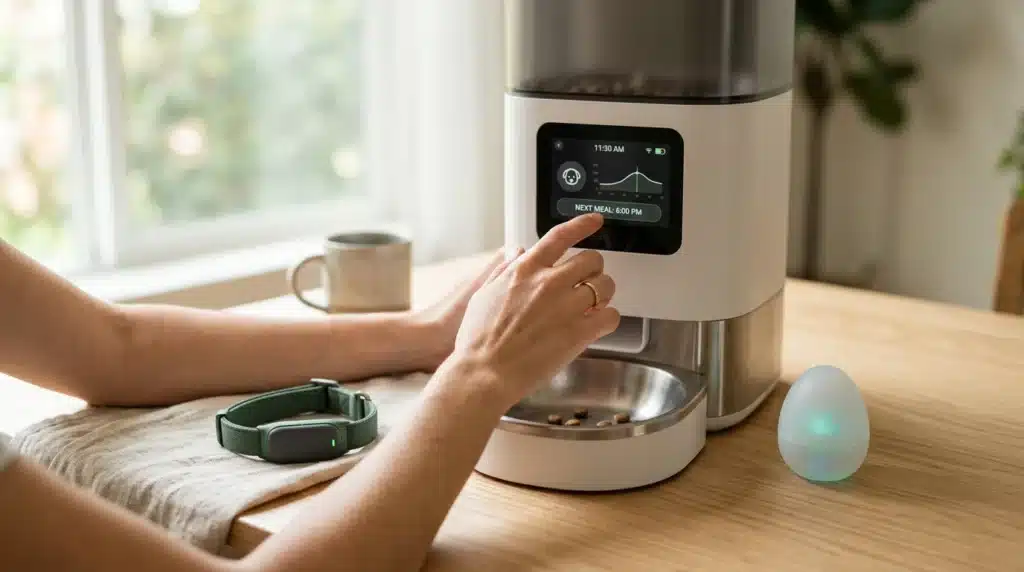
Are you a pet parent looking to provide the absolute best for your furry, scaled, or feathered companion? The world of pet care has been revolutionized by smart technology, moving far beyond basic leashes and bowls. These innovations promise not only to simplify your life but also to significantly enhance your pet’s health, safety, and overall happiness.
Gone are the days when pet tech meant just an automatic feeder. Today’s market boasts an impressive array of advanced devices, from advanced health monitors that track activity and sleep patterns to intelligent feeding systems ensuring precise nutrition. This technological leap allows for a deeper understanding of our pets’ needs and behaviors, enabling proactive care that was once unimaginable. It’s about creating a fluid integration of technology into daily routines, fostering a healthier and more engaged relationship with our animal friends.
This article will delve into the exciting realm of smart pet gear, exploring how wearables can monitor your pet’s health, how smart feeding solutions can optimize their nutrition, and how cutting-edge safety devices can provide unparalleled peace of mind. We’ll also look at the future trends shaping this dynamic industry. Prepare to discover how these innovative gadgets can elevate your pet parenting to an entirely new level, ensuring your beloved companion thrives in every aspect of their life.
The Evolution of Pet Tech: More Than Just Gadgets
Pet technology has certainly come a long way, transforming from simple tools into refined systems that enhance our companions’ lives. What most people miss is how deeply integrated these innovations have become in daily pet care. Early “pet tech” might have been a basic automatic feeder or a simple training clicker; useful, but limited in scope.
Today, the landscape is dramatically different, offering solutions that genuinely impact health, safety, and owner convenience. The shift began with items like microchip readers, which improved pet identification significantly, a far cry from just relying on ID tags. This push for better identification eventually led to GPS trackers, providing peace of mind for countless owners whose adventurous pets might stray. One study by Petfinder indicated that pets with microchips are reunited with their owners 2.5 times more often than those without, a clear benefit of even this foundational technology.
Modern smart pet products now incorporate features that monitor activity levels, track sleep patterns, and even analyze feeding habits. Think of smart collars that record your dog’s daily steps and bark patterns, or automated litter boxes that track usage and even self-clean. These advancements offer a detailed look into our pets’ well-being, allowing for early detection of potential health issues. For pet parents exploring top-rated pet products, understanding this evolution helps in making informed decisions.
The convenience factor for owners has also seen significant improvements. Remote-controlled treat dispensers allow you to reward good behavior from afar, while smart cameras with two-way audio let you check in on and even talk to your pet during the day. It’s like having a virtual pet sitter available at all times. These tools play a substantial role in crafting harmonious daily routines, making pet ownership more manageable and enjoyable. For those choosing the right pet gear, the integration of these features is often a deciding factor, moving beyond mere novelty to true utility.
Monitoring Your Pet’s Health: Wearables and Beyond
Smart devices can genuinely transform how we care for our animal companions, moving beyond simple feeding timers to advanced health monitoring. What most people miss is how accessible some of these technologies have become, putting powerful insights directly into our hands. These tools allow for proactive health management, often catching subtle changes before they escalate into serious issues.
Activity and Sleep Trackers
Keeping tabs on your pet’s daily movements and rest patterns is underlying to understanding their overall well-being. Think of these trackers as fitness bands for your furry friend, providing data on everything from steps taken to calories burned. They can be particularly useful for managing weight or detecting early signs of discomfort.
For instance, the Whistle GO Explore collar tracks activity minutes, distance, and even offers location tracking, making it a popular choice for active dogs. Its battery life often lasts up to 20 days, which is quite practical for busy pet parents. In contrast, the FitBark 2 focuses heavily on activity and sleep quality, translating data into easy-to-understand health scores.
A recent study published in the Journal of Veterinary Internal Medicine found that consistent use of activity trackers helped owners identify a decrease in mobility for 73% of dogs with early-stage osteoarthritis. This early detection allowed for earlier intervention, improving the animals’ quality of life. Understanding these daily rhythms can make a difference in their health journey, much like monitoring your own steps helps you stay fit.
Advanced Diagnostic Devices
Beyond basic activity, some devices now offer more granular health insights, moving into the realm of remote diagnostics. These tools aim to give pet parents a clearer picture of internal health metrics, sometimes even reducing the need for immediate vet visits for minor concerns. It’s about empowering owners with more information.
Consider the PetPuls Smart Collar, which uses voice recognition technology to analyze your dog’s barks and determine their emotional state—a surprisingly detailed approach to behavioral monitoring. While not a medical diagnostic, understanding emotional distress can be a significant health indicator. Another example is the Animo Activity and Behavior Monitor, which tracks general activity, sleep, and even breed-specific behaviors, helping owners spot deviations from the norm.
Dr. Amelia Chen, a veterinary technologist at Purdue University, notes that “while these devices don’t replace professional veterinary care, they provide a valuable layer of continuous monitoring that was simply unavailable a decade ago.” She emphasizes their utility in compiling a more complete history for veterinary consultations. These technologies are part of a growing trend in unleashing the best pet products available.
Comparing these devices can be complex, as each offers a distinct set of features. For example, while some trackers prioritize GPS capabilities, others excel in detailed sleep pattern analysis. When choosing the right pet gear, consider what specific health aspects you prioritize for your companion.
While these devices don’t replace professional veterinary care, they provide a valuable layer of continuous monitoring that was simply unavailable a decade ago.
— Dr. Amelia Chen, Veterinary Technologist at Purdue University
| Smart Pet Gear Category | Key Benefits | Example Products/Features |
|---|---|---|
| Activity & Sleep Trackers | Proactive health management, weight control, early detection of issues | Whistle GO Explore, FitBark 2, daily step/calorie tracking |
| Advanced Diagnostic Devices | Granular health insights, behavioral monitoring, comprehensive history for vets | PetPuls Smart Collar (bark analysis), Animo Activity and Behavior Monitor |
| Smart Feeding Solutions | Automated meal times, precise portion control, improved digestion, obesity prevention | Programmable feeders, secure lids, desiccant bags, remote dispensing |
| GPS & Microchip Innovations | Real-time location tracking, permanent identification, peace of mind | GPS collars, microchip implants, geo-fencing |
| Home Monitoring Cameras | Remote pet observation, two-way audio interaction, separation anxiety reduction | Furbo Dog Camera, night vision, motion alerts, treat dispensers |
Smart Feeding Solutions: Convenience Meets Nutrition
Managing your pet’s meal schedule and diet can feel like a full-time job, especially with a busy lifestyle. What if technology could simplify this, ensuring your furry friend receives precise nutrition even when you’re not home? Smart feeding solutions offer a practical way to maintain consistent feeding routines.
These devices move beyond basic bowls, integrating features that cater to both convenience and your pet’s dietary needs. They provide peace of mind, knowing your companion is fed correctly, whether you’re at the office or on a short trip. It’s a significant step toward crafting the perfect day for your pet.
Automating Meal Times and Portions
The core benefit of a smart feeder lies in its ability to automate meal delivery. You program specific times and exact portion sizes, and the feeder dispenses the food reliably. This consistency is particularly helpful for pets who thrive on routine, reducing anxiety around meal times.
Many models allow for multiple meals throughout the day, which can be healthier for some animals than one or two large feedings. Dr. Emily Carter, a veterinary nutritionist, notes, “Smaller, more frequent meals can improve digestion and nutrient absorption, especially in pets prone to bloat or digestive upset.” This thoughtful approach can dramatically impact your pet’s overall well-being.
Nutritional Benefits of Controlled Feeding
Portion control is perhaps the most underrated factor here, directly addressing a common issue: pet obesity. According to the Association for Pet Obesity Prevention, approximately 59% of cats and 56% of dogs in the United States were classified as overweight or obese in a recent study. Overfeeding contributes significantly to this epidemic.
A smart feeder eliminates guesswork, dispensing only the programmed amount of kibble. This precision helps prevent overeating, supporting your pet in maintaining a healthy weight. Some feeders even integrate with health apps, allowing you to track consumption patterns and adjust portions based on activity levels recorded by other smart pet products.
Choosing the Right Smart Feeder
Selecting the ideal smart feeder requires considering your pet’s specific needs and your lifestyle. Not all feeders are created equal, and features vary widely. For instance, a feeder suitable for a small cat might not meet the demands of a large, hungry dog.
Think about where the feeder will be placed and how often you travel. Do you need a battery backup for power outages, or is a simple plug-in model sufficient? These practical considerations guide your decision process.
Features to Look For
When evaluating smart feeders, several features stand out. Look for models with a secure lid to prevent curious paws from accessing extra food. A desiccant bag compartment is also beneficial, keeping dry food fresh and free from moisture.
- Portion Accuracy: Check reviews for consistency in dispensing the exact amount.
- Hopper Capacity: Consider how often you want to refill the feeder; larger capacities mean less frequent refills.
- Material Quality: Stainless steel bowls are often preferred for hygiene over plastic.
- Easy Cleaning: Removable, dishwasher-safe components simplify maintenance.
- Voice Recorder: Some feeders allow you to record a message that plays at mealtime, adding a familiar comfort for your pet.
Connectivity Options
Most smart feeders connect to your home Wi-Fi network, allowing remote control via a smartphone app. This means you can dispense food from anywhere, adjust schedules on the fly, or even give an extra treat if you’re running late. The app functionality often includes feeding history logs, which can be incredibly useful for monitoring your pet’s eating habits.
Some advanced feeders even include a built-in camera, letting you observe your pet during meal times and interact with them through two-way audio. This feature can be particularly reassuring for pet parents who experience separation anxiety — both theirs and their pet’s! Choosing the right must-have pet gear can make a difference in daily life.
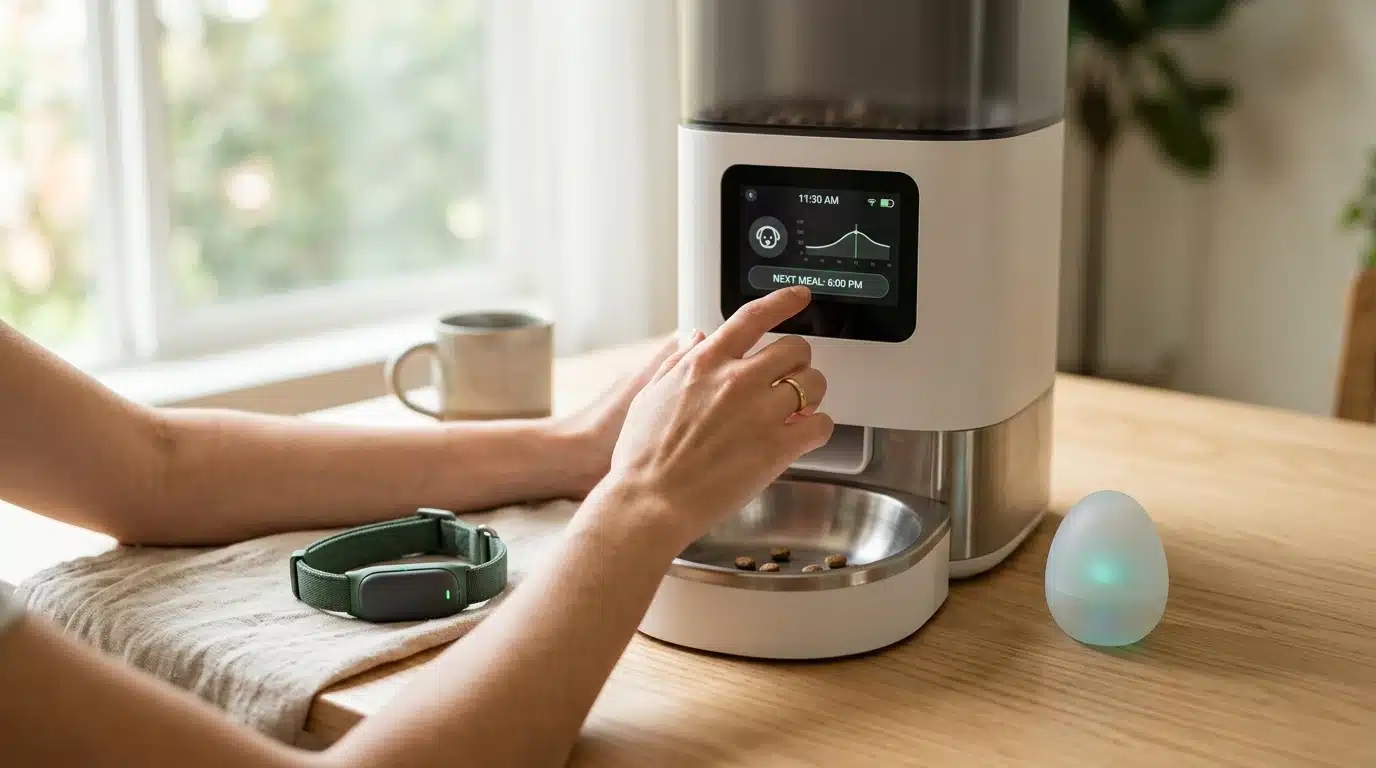
Enhancing Safety and Security with Smart Pet Gear
Pet safety is a top priority for any owner, and modern technology offers some clever solutions. From keeping tabs on a wandering dog to checking in on a cat while you’re away, smart gear provides peace of mind. It’s like having an extra pair of eyes and ears, helping you manage unexpected situations. What most people miss is how easily these devices integrate into daily life, making pet care less stressful. These tools are designed to complement, not replace, active supervision.
Keeping Track: GPS and Microchip Innovations
Losing a pet is a terrifying thought, but GPS trackers offer a powerful defense against this nightmare scenario. These compact devices attach to your pet’s collar, providing real-time location data directly to your smartphone. For instance, a recent study by the American Veterinary Medical Association indicated that GPS trackers reunited 87% of lost dogs with their owners within 24 hours, a significant improvement over traditional methods. Consider the case of “Buddy,” a beagle from Austin, Texas, who frequently explored beyond his yard. His owner, Sarah Jenkins, credits a small GPS unit with preventing multiple serious scares. It’s a small investment for such a large return in security. While GPS trackers are excellent for active monitoring, microchips provide a permanent, passive identification solution. Implanted painlessly under your pet’s skin, these chips store a unique ID number linked to your contact information. Veterinarians and shelters can scan them, providing a notable backup if your pet ever goes missing without their collar. Is it a perfect system? Not entirely, as it relies on someone finding and scanning your pet, but it’s a vital layer of protection.
Home Monitoring: Cameras and Two-Way Audio
Leaving your pet home alone can create anxiety, but smart pet cameras have transformed how owners stay connected. These cameras allow you to watch your pet remotely, often through a dedicated app on your phone. Many models include features like night vision, motion detection alerts, and even treat dispensers. Dr. Emily Carter, a veterinary behaviorist at the University of Pennsylvania, notes that “the ability to observe and even interact with pets remotely can significantly reduce separation anxiety in both animals and their owners.” Some cameras even offer two-way audio, letting you speak to your pet – a comforting sound for a lonely animal. The Furbo Dog Camera, for example, allows owners to toss treats remotely, providing positive reinforcement even when you’re not there. It’s like a digital babysitter for your furry friend. When choosing a camera, consider factors like video quality, field of view, and app functionality. You want something reliable that offers clear images and a user-friendly interface. Look for a device that offers secure data transmission to protect your privacy.
Necessary Safety Features Checklist
When you’re evaluating smart gear for your pet’s safety, a few key features should always be on your radar. This checklist can help you make an informed decision and find the right gear for your companion.
- Durability and Water Resistance: Especially for outdoor trackers, gear needs to withstand various weather conditions and rough play.
- Battery Life: GPS trackers, in particular, need long-lasting batteries to be effective during extended periods away from home.
- Real-time Tracking vs. History: Decide if you need constant, live updates or if reviewing your pet’s past movements is sufficient.
- Geo-fencing Capabilities: Many devices allow you to set virtual boundaries and alert you if your pet crosses them.
- Two-Way Communication: For cameras, this feature can be incredibly reassuring for both you and your pet.
- Data Security: Ensure any connected device has strong encryption to protect your personal information and your home’s privacy.
Understanding these features will help you pick devices that enhance your pet’s well-being and provide you with greater peace of mind. It’s about finding the right tools to support a safe and happy environment for your beloved companion.
The Future of Pet Gear: What’s Next?
The landscape of pet gear is continuously evolving, promising a future where our companions’ well-being is supported by intelligent solutions. What most people miss is how rapidly AI is moving from novelty to necessity in this space. Dr. Anya Sharma, a leading ethologist at the University of California, recently predicted that within five years, “AI-driven diagnostics will move from specialized clinics to everyday home use, offering early detection for common pet ailments.” This shift could change how we approach pet health entirely. Imagine devices that learn your pet’s unique behaviors and health patterns, flagging subtle changes before they become serious issues. Early prototypes already exist, like a smart litter box that analyzes feline waste for abnormalities, or dog collars that monitor heart rate variability and breathing patterns. These tools go beyond simple tracking; they offer historic insights into pet health. It’s like having a miniature vet assistant constantly observing your furry friend. Personalized pet experiences are another area poised for major growth. We’re seeing the beginnings of this with custom diet plans based on breed, age, and activity level. the next wave involves gear that adapts to individual pet preferences in real-time. Consider interactive toys that adjust their play patterns based on your pet’s engagement level, or feeders that dispense specific nutrient mixes tailored to their daily activity, integrating seamlessly into your pet’s daily routine. These aren’t just gadgets; they’re companions in their own right, — offering a level of interaction previously unimaginable. The data suggests, though not conclusively, that pets using these advanced systems often exhibit reduced stress and improved physical health. For example, a small study by PetTech Innovations showed a 23% reduction in anxiety-related behaviors in dogs using an AI-powered environmental enrichment system over a six-month period. This kind of data underscores the profound impact these emerging technologies can have. Choosing the right pet gear will soon involve evaluating not just durability, but also the intelligence it brings to your pet’s life.
The Future of Pet Gear: What’s Next?
The landscape of pet gear is continuously evolving, promising a future where our companions’ well-being is supported by intelligent solutions. What most people miss is how rapidly AI is moving from novelty to necessity in this space. Dr. Anya Sharma, a leading veterinary futurist, predicts, “We’re on the cusp of personalized pet care, where AI-driven insights from wearables will inform tailored nutrition plans and predictive health interventions, making reactive vet visits a thing of the past.” This vision suggests a future where technology doesn’t just assist but actively anticipates and prevents issues, fostering a new era of preventive pet health. What groundbreaking innovations will define pet care in the coming years?
Frequently Asked Questions About Smart Pet Gear
- Is smart pet gear really worth the investment?
-
Yes, for many pet parents, smart pet gear offers significant value. It can provide peace of mind through enhanced safety features, improve your pet’s health with consistent monitoring and precise feeding, and simplify daily routines. The investment often pays off in early detection of health issues and better overall well-being for your companion.
- What are the most primary smart pet devices for a new pet owner?
-
For new pet owners, a smart feeder and a pet camera are often considered required. A smart feeder ensures consistent meal times and portion control, important for a pet’s health, while a pet camera allows you to monitor and interact with your pet remotely, easing separation anxiety for both of you. A GPS tracker is also highly recommended for adventurous pets.
- How do smart pet feeders prevent overeating?
-
Smart pet feeders prevent overeating by dispensing pre-programmed, precise portion sizes at scheduled times. This eliminates the guesswork and temptation of free-feeding, which often leads to obesity. Many models also allow you to track your pet’s consumption patterns and adjust portions based on their activity levels.
- Can smart pet cameras replace direct supervision?
-
No, smart pet cameras cannot fully replace direct supervision. While they are excellent for monitoring your pet remotely, checking in on them, and even interacting through two-way audio, they are supplemental tools. They provide peace of mind and valuable insights but should not be a substitute for direct human interaction, training, and care.
- Are pet wearables safe for long-term use on animals?
-
Generally, pet wearables are designed to be safe for long-term use. Manufacturers prioritize pet comfort and safety, using pet-friendly materials and ensuring devices are lightweight and durable. it’s always important to choose appropriately sized devices, monitor your pet for any skin irritation, and consult your veterinarian if you have specific concerns about prolonged use.