Is Your Pet Getting Enough Sleep? Practical Solutions for Establishing a Consistent Pet Sleep Schedule
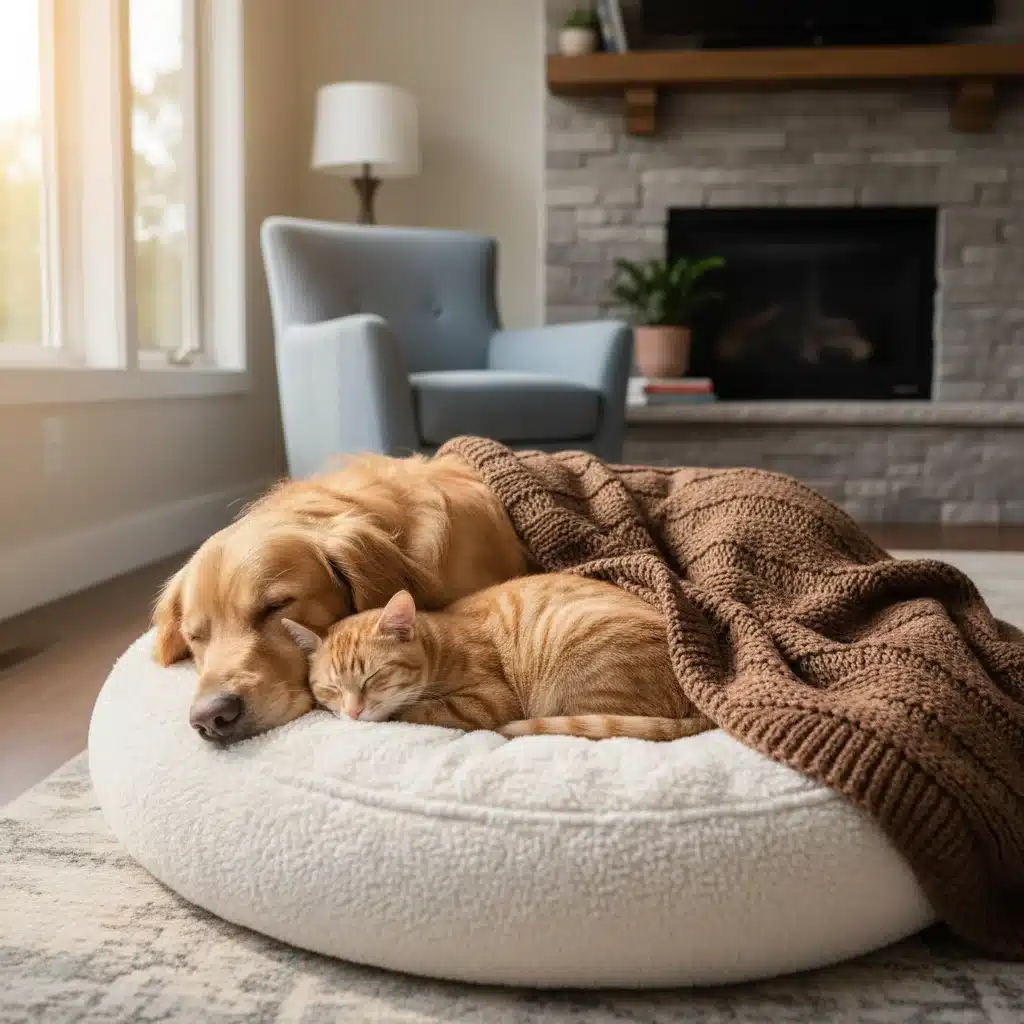
As pet parents, we often focus on nutrition, exercise, and playtime, but how much thought do we give to our furry friends’ sleep patterns? Just like humans, pets require adequate and consistent sleep for their overall health, well-being, and even their behavior. A well-established pet sleep schedule is not a luxury; it’s a fundamental pillar of their health. Inconsistent sleep can lead to a myriad of issues, from irritability and anxiety to weakened immune systems and behavioral problems. This comprehensive guide will delve into the critical importance of a consistent pet sleep schedule and provide practical, actionable solutions to help you establish and maintain one for your beloved companion.
Understanding your pet’s natural sleep cycles is the first step. Dogs, for example, tend to sleep in shorter bursts throughout the day and night, often totaling 12-14 hours within a 24-hour period, though puppies and senior dogs may need more. Cats, notorious nappers, can sleep anywhere from 12 to 16 hours a day, sometimes even more. Recognizing these natural rhythms is crucial for developing a schedule that works for both you and your pet. This article will equip you with the knowledge and tools to create an optimal sleep environment, identify signs of sleep deprivation, and implement strategies that promote healthy sleep habits, ultimately leading to a happier, healthier pet.
The Crucial Role of a Consistent Pet Sleep Schedule
Why is a consistent pet sleep schedule so important? The answer lies in the physiological and psychological benefits that regular sleep provides. Think of it as a cornerstone for their entire well-being. When pets don’t get enough quality sleep, their bodies and minds simply cannot function optimally. Let’s explore some of the key reasons why prioritizing your pet’s sleep is non-negotiable.
Physical Health Benefits
- Immune System Boost: During sleep, the body undergoes essential restorative processes, including the production of cytokines, proteins that combat infection and inflammation. A lack of sleep can suppress the immune system, making your pet more susceptible to illnesses. A regular pet sleep schedule helps keep their defenses strong.
- Physical Repair and Growth: Just like human children, puppies and kittens need ample sleep for proper growth and development. For adult pets, sleep is vital for tissue repair, muscle recovery, and overall physical maintenance. This is particularly true for active dogs who spend a lot of time running and playing.
- Hormonal Regulation: Sleep plays a significant role in regulating various hormones, including those related to appetite, stress, and growth. Disruptions in sleep can lead to hormonal imbalances, which can manifest as weight gain, increased stress levels, or other health issues.
- Cognitive Function: While pets don’t solve complex equations in their sleep, their brains are still active, consolidating memories and processing information from the day. Adequate sleep improves their ability to learn, remember commands, and adapt to new situations. This directly impacts their trainability and overall cognitive health.
Behavioral and Emotional Well-being
- Reduced Stress and Anxiety: A tired pet is often a stressed pet. Lack of sleep can exacerbate anxiety, leading to behaviors like excessive barking, destructive chewing, or aggression. A consistent pet sleep schedule provides a sense of security and predictability, reducing stress and promoting a calmer demeanor.
- Improved Mood and Temperament: Well-rested pets are generally happier and more content. They are less prone to irritability and are more likely to engage positively with their owners and other animals. This contributes significantly to a harmonious household.
- Better Behavior: When pets are well-rested, they have better impulse control and are more likely to follow commands. Many behavioral problems can be directly linked to insufficient sleep, as a tired pet might be overstimulated, frustrated, or simply unable to cope with their environment. Establishing a clear pet sleep schedule can be a powerful tool in managing and improving behavior.
- Enhanced Bonding: A calm, well-behaved pet is easier to bond with. When your pet is comfortable and secure in their routine, including their sleep, the interactions you share become more positive and rewarding for both of you.
Understanding Your Pet’s Natural Sleep Rhythms
Before you can implement an effective pet sleep schedule, it’s essential to understand how your specific pet sleeps. Different species, breeds, and even individual animals have unique sleep requirements and patterns. Observing your pet’s natural tendencies is key to creating a schedule that feels natural and beneficial rather than forced.
Dogs: Polyphasic Sleepers with Varies Needs
Dogs are polyphasic sleepers, meaning they sleep in multiple short bursts throughout the day and night, rather than one long stretch like humans. However, their largest block of sleep usually occurs at night. On average, adult dogs need 12-14 hours of sleep per day, but this can vary significantly:
- Puppies: Young puppies can sleep 18-20 hours a day. Their bodies and brains are developing rapidly, requiring extensive rest.
- Senior Dogs: Older dogs often need more sleep, sometimes up to 16-18 hours, as their bodies take longer to recover and they may have underlying health conditions that increase their need for rest.
- Large Breeds: Larger dog breeds, such as Great Danes or Mastiffs, tend to sleep more than smaller breeds.
- Active Breeds: Highly active breeds like Border Collies or German Shepherds might seem to sleep less during the day due to their high energy, but they still require their total sleep quota, often making up for it with deeper, longer sleep periods.
Key indicators of a dog’s sleep cycle include frequent napping, twitching during deep sleep (REM), and often preferring to sleep near their human companions or in a secure, den-like space.
Cats: Masters of the Nap
Cats are renowned for their prodigious napping abilities, often sleeping 12-16 hours a day, and sometimes even up to 20 hours. Their sleep is often broken into short, frequent naps, interspersed with periods of activity, especially at dawn and dusk (crepuscular activity). This is a remnant of their predatory instincts. About 70% of a cat’s life is spent sleeping!
- Kittens: Similar to puppies, kittens need extensive sleep for development, often sleeping 18-20 hours.
- Senior Cats: Older cats may also increase their sleep duration as they age and become less active.
- Deep Sleep vs. Light Sleep: Cats cycle between light dozing and deep sleep. During light sleep, they are easily roused, often just resting with their eyes partially open. Deep sleep is characterized by relaxed muscles and sometimes twitching.
Understanding these natural patterns will help you tailor a pet sleep schedule that complements your pet’s inherent needs rather than fighting against them.
Creating the Ideal Sleep Environment
A crucial component of establishing a consistent pet sleep schedule is providing an optimal sleep environment. Just as humans sleep better in a comfortable, quiet, and dark room, pets thrive in similar conditions. Consider the following factors when preparing your pet’s sleeping area.
Comfort and Security
- Dedicated Sleep Space: Every pet should have their own designated sleeping area. This could be a crate, a pet bed, or even a specific blanket in a quiet corner. This space should be exclusively theirs, offering a sense of security and retreat.
- Comfortable Bedding: Invest in a high-quality, comfortable bed that is appropriate for your pet’s size and breed. Orthopedic beds are excellent for older pets or those with joint issues. Ensure the bedding is clean and soft.
- Temperature Control: Pets are sensitive to temperature extremes. Ensure their sleeping area is neither too hot nor too cold. A moderate room temperature is usually ideal. Avoid drafts or direct sunlight that could cause overheating.
- Safety and Enclosure: For puppies or anxious pets, a crate can provide a safe, den-like environment that promotes sleep. The enclosed space can reduce anxiety and prevent them from wandering or getting into trouble during the night. Always introduce a crate positively and never use it for punishment.
Minimizing Disturbances
- Quiet Location: Place your pet’s bed in a quiet part of the house, away from high-traffic areas, loud noises, or excessive human activity. This helps prevent interruptions during their sleep cycles.
- Darkness: Just like us, pets sleep better in the dark. Use blackout curtains if necessary to block out streetlights or early morning sun. This helps regulate their circadian rhythm.
- Consistency: Once you’ve chosen a sleep spot, try to keep it consistent. Moving their bed around frequently can disrupt their sense of security and make it harder for them to settle down.
- Separation from Other Pets/Children: While some pets enjoy cuddling, ensure that their primary sleep space allows for undisturbed rest, especially if you have multiple pets or young children who might accidentally wake them.
Establishing a Predictable Daily Routine
Consistency is the golden rule when it comes to a pet sleep schedule. Pets thrive on routine and predictability. A structured daily schedule helps regulate their internal clock, making it easier for them to know when it’s time to be active and when it’s time to wind down. Here’s how to build a robust daily routine.
Feeding Schedule
- Regular Meal Times: Feed your pet at consistent times each day. This not only aids digestion but also helps regulate their bowel movements, which directly impacts their ability to sleep through the night without needing to go outside.
- Last Meal Timing: Avoid feeding your pet a large meal right before bedtime. This can lead to digestive discomfort and a need for a potty break in the middle of the night. Aim for their last meal to be a few hours before their designated bedtime.
Exercise and Playtime
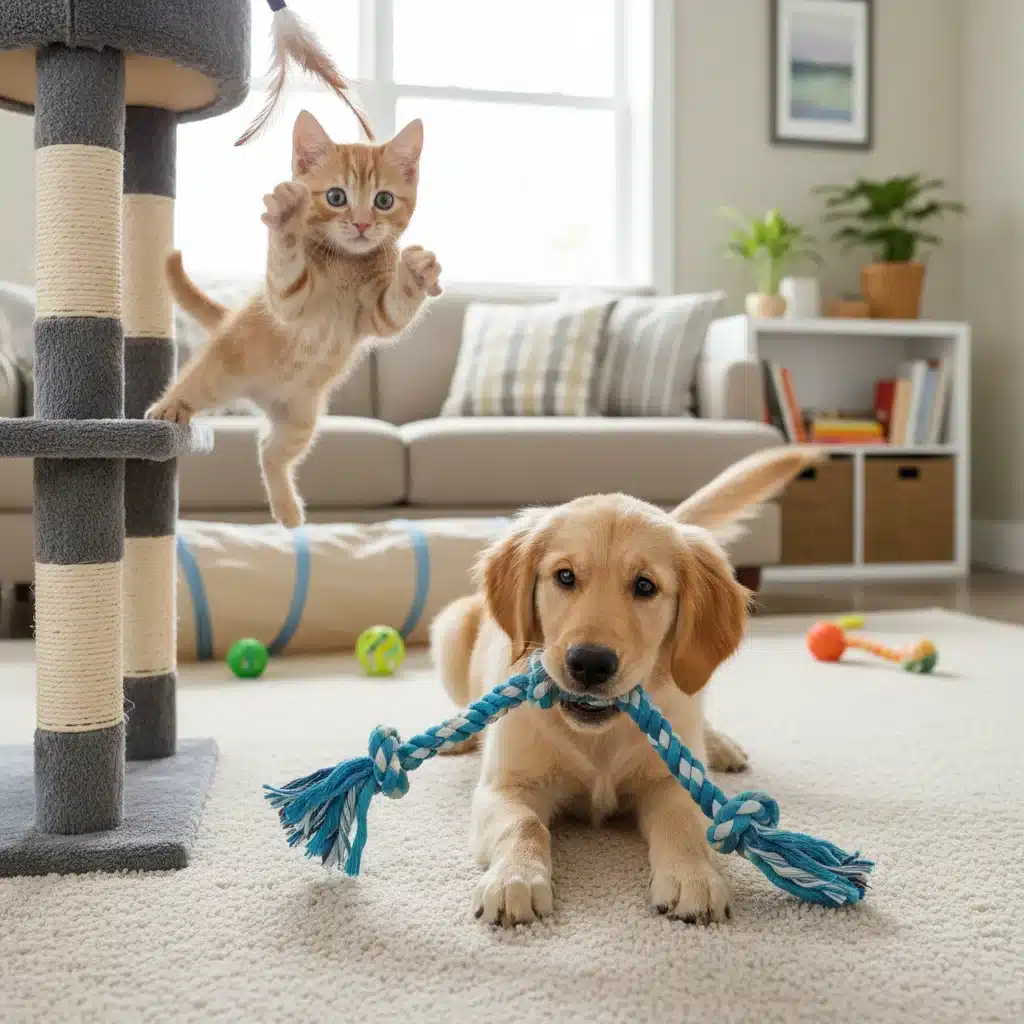
- Consistent Exercise: Ensure your pet gets adequate physical exercise tailored to their breed and age. Regular walks, playtime, and mental stimulation during the day will help them burn off excess energy, making them more likely to settle down for sleep at night.
- Timing of Exercise: Schedule vigorous exercise earlier in the day. A long walk or intense play session too close to bedtime can actually energize your pet, making it harder for them to relax. A calm, short walk or a gentle play session can be fine closer to bedtime, but nothing that gets their heart racing too much.
- Mental Stimulation: Don’t forget mental exercise! Puzzle toys, training sessions, or interactive games can tire out a pet just as much as physical activity, contributing to a good night’s sleep.
Potty Breaks and Bedtime Rituals
- Last Potty Break: Always take your pet out for a final potty break right before bedtime, even if they don’t seem to need it. This significantly reduces the chances of accidents during the night and allows them to sleep soundly.
- Consistent Bedtime: Establish a fixed bedtime and stick to it as much as possible, even on weekends. This signals to your pet that it’s time to wind down.
- Bedtime Routine: Create a calming bedtime ritual. This could include a quiet cuddle session, a gentle brush, a soft massage, or a final treat. These routines act as powerful cues that it’s time to sleep.
- Morning Routine: Just as important as bedtime is a consistent wake-up time. This reinforces the 24-hour cycle and helps regulate their circadian rhythm.
Addressing Common Sleep Disruptors and Behavioral Issues
Even with a perfect routine, sometimes pets still struggle with their pet sleep schedule. Identifying and addressing common disruptors is crucial for success.
Environmental Factors
- Noise: Sudden loud noises (traffic, neighbors, household appliances) can startle and wake pets. Consider white noise machines or pet-friendly calming music if your environment is particularly noisy.
- Light: As mentioned, excessive light can confuse a pet’s internal clock. Ensure their sleeping area is dark.
- Temperature: Pay attention to your pet’s comfort. Some pets prefer cooler temperatures, while others seek warmth. Provide blankets or cooling mats as needed.
Anxiety and Stress
- Separation Anxiety: Pets with separation anxiety may struggle to sleep alone. Solutions can range from crate training, leaving a worn piece of your clothing with your scent, to professional behavioral training or vet-prescribed calming aids.
- General Anxiety: Other forms of anxiety can also impact sleep. Identify triggers (storms, fireworks, new environments) and work to mitigate them. Calming supplements, pheromone diffusers, or thunder shirts can be helpful.
Undesirable Behaviors
- Night Waking: If your pet consistently wakes you up at night, first rule out medical reasons (potty needs, pain). If it’s behavioral, avoid reinforcing the waking behavior. Don’t immediately respond to every whine or scratch. Gradually extend the time before you respond, teaching them that night is for sleeping.
- Nocturnal Activity (especially cats): Cats are naturally crepuscular. If your cat is too active at night, ensure they receive plenty of playtime and mental stimulation during the day, especially in the evening. A substantial meal before bed can also help them settle.
- Destructive Behavior at Night: This often stems from boredom or anxiety. Ensure they have appropriate chew toys or puzzle feeders available if they are in a crate, and that they are adequately exercised during the day.
When to Seek Veterinary Advice
While many sleep issues can be resolved with routine adjustments and environmental changes, it’s important to recognize when a problem might be medical. If you observe any of the following, a visit to your veterinarian is warranted:
- Sudden Changes in Sleep Patterns: A pet that suddenly starts sleeping significantly more or less than usual, or whose sleep-wake cycle completely flips, could be experiencing an underlying health issue.
- Restlessness or Discomfort: If your pet seems unable to get comfortable, paces, whines, or frequently changes positions during the night, they might be in pain or discomfort. Conditions like arthritis, dental pain, or gastrointestinal upset can severely disrupt sleep.
- Excessive Panting or Drooling during Sleep: These can be signs of pain, overheating, or respiratory issues.
- Frequent Urination or Defecation at Night: While some older pets may need more frequent potty breaks, a sudden increase could indicate urinary tract infections, kidney disease, or diabetes.
- Sleep Apnea or Snoring: While some snoring is normal, excessively loud, labored snoring, or pauses in breathing, could indicate respiratory problems or conditions like sleep apnea, especially in brachycephalic (flat-faced) breeds.
- Cognitive Dysfunction Syndrome (CDS): Older pets, particularly dogs, can develop CDS, which is similar to Alzheimer’s in humans. Symptoms include disorientation, changes in interaction, house soiling, and significant alterations in sleep-wake cycles (e.g., waking up confused in the middle of the night).
- Persistent Anxiety or Destructive Behavior: If behavioral interventions aren’t working, and your pet’s anxiety or destructive tendencies are severe and disrupting sleep, a vet can assess for underlying medical causes or suggest appropriate medications or referrals to a veterinary behaviorist.
Your veterinarian can perform a thorough examination, run diagnostic tests, and recommend appropriate treatment plans or lifestyle adjustments to ensure your pet’s health and comfort, which are paramount for a good pet sleep schedule.

Advanced Tips for Optimizing Your Pet’s Sleep
Beyond the basics, there are several advanced strategies you can employ to further refine your pet’s pet sleep schedule and ensure they are getting the best possible rest.
Dietary Considerations
- Balanced Nutrition: A high-quality, balanced diet is fundamental to overall health, including sleep. Ensure your pet is receiving all necessary nutrients.
- Avoid Stimulants: Just like humans, pets can be sensitive to certain ingredients. While rare, some pet foods or treats might contain stimulating ingredients that could interfere with sleep. Always check ingredient lists.
- Hydration: Ensure your pet has access to fresh water throughout the day, but limit water intake an hour or two before bedtime to reduce the need for nighttime potty breaks.
Supplements and Calming Aids
For pets with mild anxiety or difficulty settling, certain supplements and aids can be beneficial. Always consult your veterinarian before introducing any new supplement.
- Pheromone Diffusers/Sprays: Products like Adaptil (for dogs) and Feliway (for cats) release synthetic pheromones that mimic natural calming signals, creating a more relaxed environment.
- Calming Chews/Supplements: Many products contain natural ingredients like L-Theanine, Chamomile, or Valerian root, known for their calming properties.
- CBD Oil: Some pet owners report success with CBD oil for anxiety and pain, which can indirectly improve sleep. Ensure you use a reputable, pet-specific product and discuss dosage with your vet.
- ThunderShirts/Anxiety Wraps: These garments apply gentle, constant pressure, similar to swaddling a baby, which can have a calming effect on anxious pets.
Managing Daytime Napping
While naps are natural for pets, excessive or poorly timed napping can interfere with nighttime sleep. For pets struggling to sleep through the night, consider:
- Encouraging Activity: Gently rouse your pet from long daytime naps to engage them in play or a walk.
- Strategic Nap Times: Allow for naps, but try to ensure they are not taking their longest, deepest naps right before their designated bedtime.
Enrichment and Mental Stimulation
A tired mind leads to a tired body. Mental enrichment is just as important as physical exercise for a good pet sleep schedule.
- Puzzle Toys: These engage your pet’s brain as they work to get treats.
- Training Sessions: Even short, daily training sessions can be mentally tiring.
- Scent Work: Allowing dogs to use their powerful sense of smell can be incredibly enriching and tiring.
- New Experiences: Safely exposing your pet to new sights, sounds, and smells (e.g., a new walking route, a visit to a pet-friendly store) can provide valuable mental stimulation.
Conclusion: The Path to a Well-Rested Pet
Establishing and maintaining a consistent pet sleep schedule is a profound act of care that contributes significantly to your pet’s physical health, emotional well-being, and overall happiness. It’s not just about ensuring they get enough hours of sleep; it’s about providing a predictable, secure, and comfortable environment that allows their bodies and minds to fully rest and rejuvenate.
By understanding your pet’s natural sleep rhythms, creating an ideal sleep environment, and implementing a predictable daily routine, you lay the groundwork for optimal sleep. Remember to address common disruptors like anxiety or environmental factors, and don’t hesitate to seek veterinary advice if you notice persistent or concerning changes in their sleep patterns. With patience, consistency, and a little observation, you can guide your furry friend towards a lifetime of healthy, restful sleep, leading to a more vibrant, well-behaved, and deeply cherished companion. A well-rested pet is a happy pet, and a happy pet makes for a happy home.