Pet Bathroom Habits: When to See a Vet
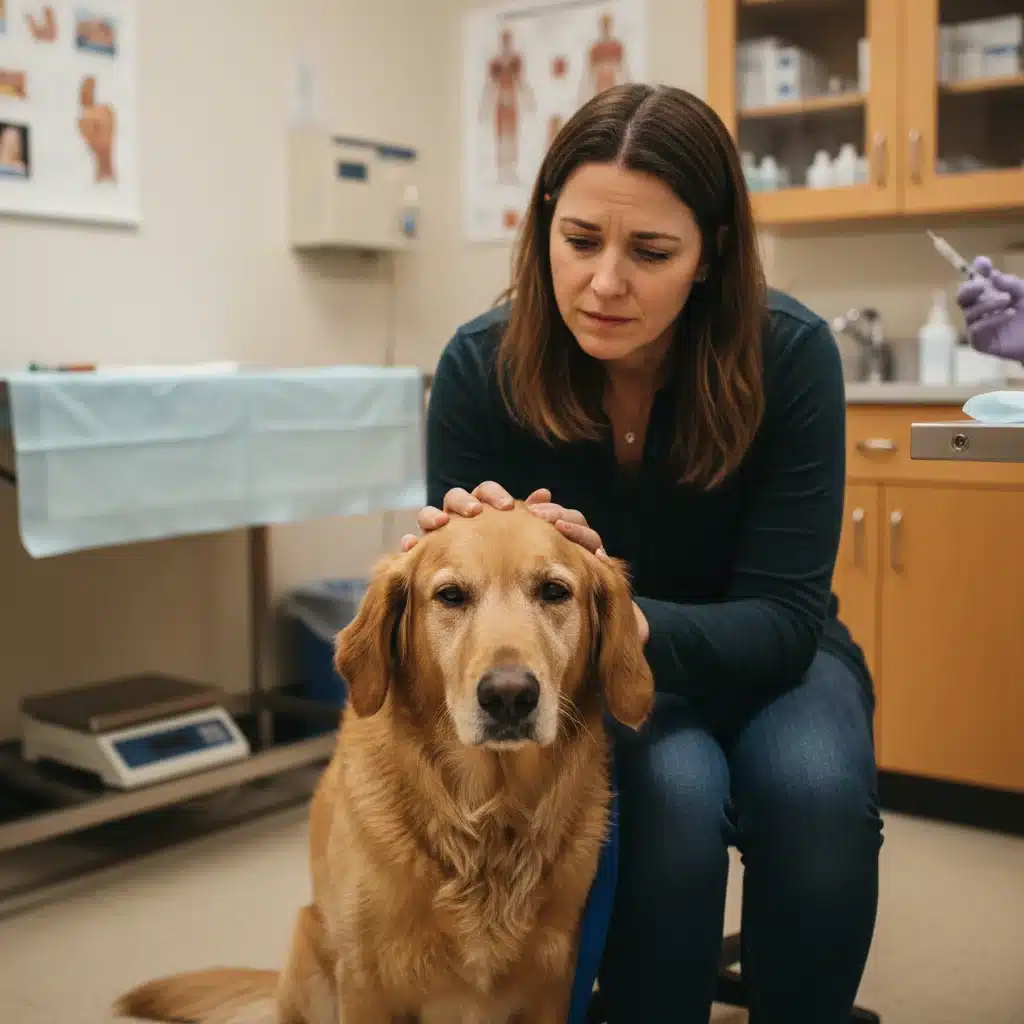
As devoted pet parents, we strive to ensure our furry, feathered, or scaled companions live their happiest, healthiest lives. A significant, yet often overlooked, indicator of a pet’s overall well-being lies in their daily routines, particularly their bathroom habits. These seemingly mundane activities can provide invaluable insights into their internal health. Understanding your pet’s normal patterns – how often they urinate, the consistency of their stools, and any associated behaviors – is the first crucial step in identifying potential health issues. Any deviation from these established norms, no matter how subtle, could be a red flag signaling an underlying problem that requires attention. This comprehensive guide aims to equip you with the knowledge to recognize these critical changes in your pet bathroom changes and understand when it’s time to seek professional veterinary advice.
Understanding Your Pet’s Daily Bathroom Habits: When to Seek Veterinary Advice for Changes
Our pets communicate with us in many ways, and while they can’t speak our language, their bodies often send clear signals about their health. Among the most telling of these signals are their bathroom habits. A healthy pet typically maintains a consistent routine when it comes to urination and defecation. Disruptions to this routine, whether in frequency, volume, color, or consistency, can be early indicators of a wide range of health concerns, from minor dietary upsets to serious medical conditions. Being observant and knowing what to look for can make a significant difference in catching problems early, potentially leading to more effective and less invasive treatments.
This article will delve into the specifics of what constitutes ‘normal’ for various pets, detail the types of changes you should be vigilant about, explore common causes behind these alterations, and most importantly, provide clear guidance on when to consult your veterinarian. Remember, early detection is key to successful treatment, and your attentiveness to your pet’s bathroom habits is a powerful tool in safeguarding their health.
What’s ‘Normal’ for Pet Bathroom Habits?
Before you can identify what’s abnormal, you need to understand what’s normal for your specific pet. This baseline varies significantly based on species, age, diet, activity level, and even individual temperament. Keeping a mental (or even written) log of your pet’s typical routine can be incredibly helpful.
Dogs:
- Urination Frequency: Most adult dogs need to urinate 3-5 times a day, though this can vary. Puppies and senior dogs often need to go out more frequently.
- Urine Volume and Color: A healthy dog’s urine is typically a clear to light yellow color. The volume should be consistent with their water intake.
- Defecation Frequency: Most adult dogs defecate 1-3 times a day.
- Stool Consistency: Healthy dog stool should be firm, moist, and log-shaped, easy to pick up without leaving much residue.
- Effort: Urination and defecation should occur without noticeable straining or discomfort.
Cats:
- Urination Frequency: Adult cats typically urinate 2-4 times a day.
- Urine Volume and Color: Urine is usually pale to yellow. Cats tend to produce smaller, more concentrated urine due to their desert ancestors.
- Defecation Frequency: Most adult cats defecate 1-2 times a day.
- Stool Consistency: Healthy cat stool is firm, well-formed, and brown.
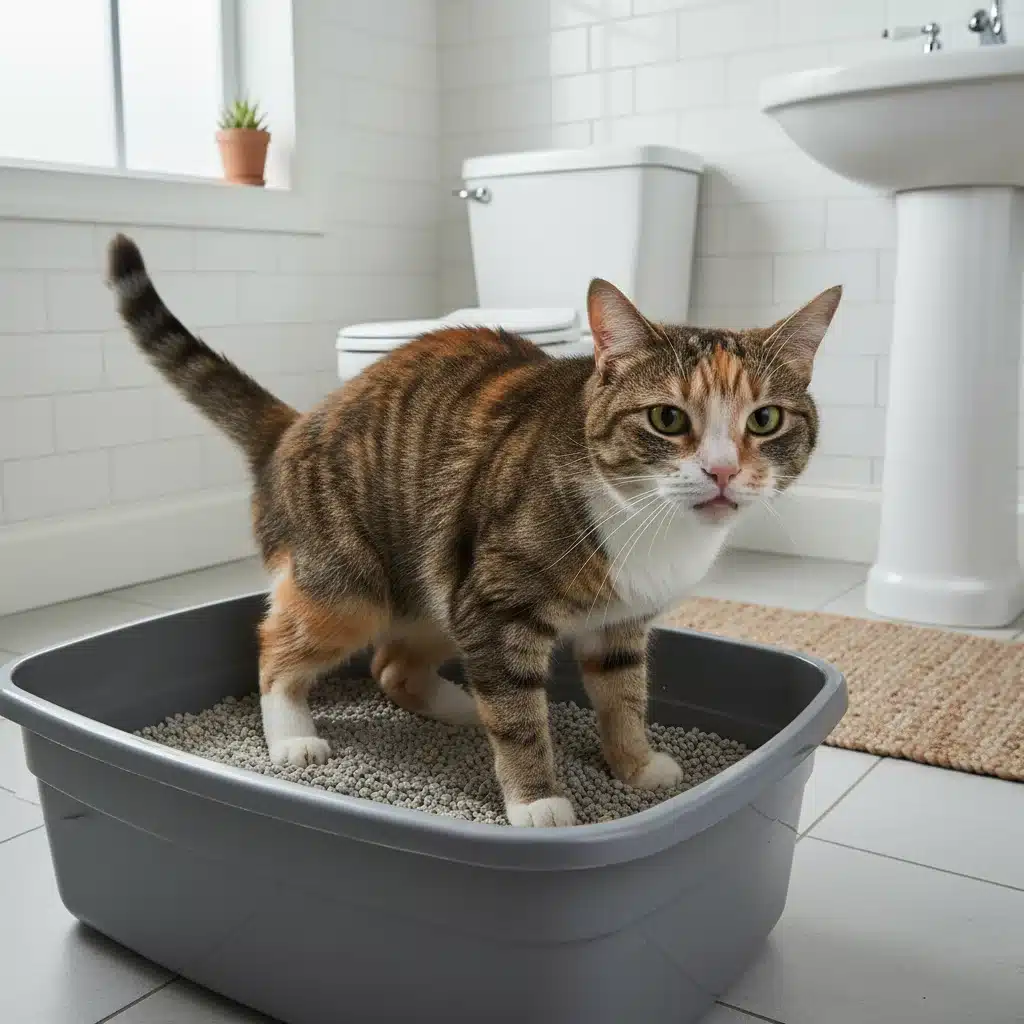
- Litter Box Behavior: Cats should enter the litter box, dig, eliminate, and cover their waste without hesitation or signs of pain.
Other Pets (General Observations):
For smaller mammals like rabbits, guinea pigs, and hamsters, observe their droppings and urine. Droppings should be consistent in size, shape, and quantity. Urine should be appropriate for their species (e.g., rabbit urine can be cloudy or reddish due to diet). Any significant change is a cause for concern.
Key Changes in Pet Bathroom Habits to Watch For
Once you have a baseline, you’re better equipped to spot deviations. Here are the critical pet bathroom changes that warrant your attention:
Changes in Urination:
- Increased Frequency (Polyuria): Your pet is asking to go out more often, or you notice more frequent litter box visits. This could indicate kidney disease, diabetes, hyperthyroidism (cats), or a urinary tract infection (UTI).
- Decreased Frequency or Difficulty Urinating (Oliguria/Dysuria): Your pet is urinating less often, straining, making multiple attempts, or producing only small amounts. This is a medical emergency, especially in male cats and dogs, as it could signal a urinary blockage, which can be fatal if not addressed promptly.
- Increased Volume (Polydipsia/Polyuria): Your pet is drinking significantly more water and consequently urinating larger volumes. This often goes hand-in-hand with increased frequency and can point to diabetes, kidney disease, or Cushing’s disease.
- Incontinence: Leaking urine, especially while sleeping or unaware. This can be due to weakened bladder muscles, UTIs, neurological issues, or cognitive dysfunction in older pets.
- Changes in Urine Color or Odor:
- Red or Pink Urine (Hematuria): Indicates blood in the urine, often a sign of UTIs, bladder stones, trauma, or tumors.
- Dark Yellow/Orange Urine: Could suggest dehydration or liver issues.
- Cloudy Urine: Often associated with UTIs or crystals.
- Strong, Foul Odor: A common sign of bacterial infection.
- Urination in Inappropriate Places: A house-trained dog suddenly having accidents indoors, or a cat urinating outside the litter box. This is rarely a behavioral issue alone; it often has an underlying medical cause (e.g., UTI, arthritis making litter box access difficult, anxiety).
Changes in Defecation:
- Diarrhea: Loose, watery, or unformed stools. This can range from mild, temporary upset to a sign of serious gastrointestinal disease, parasites, dietary indiscretion, or stress. Persistent diarrhea leads to dehydration and nutrient loss.
- Constipation: Straining to defecate, producing hard, dry, or no stools. Common causes include dehydration, insufficient fiber, hairballs (cats), pain, or an obstruction.
- Increased Frequency: Defecating much more often than usual, especially if stools are loose.
- Decreased Frequency: Going less often than normal.
- Changes in Stool Color or Content:
- Black, Tarry Stools (Melena): Indicates digested blood, usually from the upper gastrointestinal tract. This is a serious sign.
- Red Streaks of Blood (Hematochezia): Fresh blood, often from the lower GI tract, common with colitis or anal gland issues.
- Mucus in Stool: Can indicate inflammation of the colon.
- White or Gray Stools: May suggest issues with the liver, gallbladder, or pancreas.
- Visible Worms: A clear sign of parasitic infection.
- Undigested Food: Could point to maldigestion or malabsorption issues.
- Straining or Pain During Defecation (Tenesmus): Often confused with constipation, but can occur with diarrhea or inflammation. Your pet may cry out or hunch.
- Defecation in Inappropriate Places: Similar to urination, this can be a medical or behavioral issue.
Common Causes Behind Pet Bathroom Changes
The reasons behind pet bathroom changes are numerous and varied. Here’s a breakdown of common culprits:
Urinary System Issues:
- Urinary Tract Infections (UTIs): Bacterial infections are common, causing frequent, painful urination, and sometimes blood in the urine.
- Bladder Stones (Urolithiasis): Mineral deposits that form in the bladder, causing irritation, pain, blockages, and blood in the urine.
- Kidney Disease: Impaired kidney function can lead to increased thirst and urination, as kidneys struggle to concentrate urine.
- Diabetes Mellitus: High blood sugar levels lead to increased thirst and urination as the body tries to flush out excess glucose.
- Feline Lower Urinary Tract Disease (FLUTD): A complex of conditions in cats, including idiopathic cystitis, stones, and blockages, causing straining, frequent urination, and sometimes inappropriate urination.
- Prostate Issues (Male Dogs): Enlarged prostate can press on the urethra, causing difficulty urinating.
Gastrointestinal System Issues:
- Dietary Indiscretion: Eating something they shouldn’t (e.g., garbage, human food) is a very common cause of sudden diarrhea or vomiting.
- Dietary Changes: Abrupt changes in food can upset the digestive system.
- Food Allergies or Intolerances: Certain ingredients can cause chronic diarrhea or vomiting.
- Parasites: Intestinal worms (roundworms, hookworms, whipworms, tapeworms) or protozoa (Giardia, Coccidia) can cause diarrhea, weight loss, and other GI symptoms.
- Inflammatory Bowel Disease (IBD): Chronic inflammation of the digestive tract, leading to persistent diarrhea, vomiting, and weight loss.
- Pancreatitis: Inflammation of the pancreas, often causing severe vomiting, diarrhea, abdominal pain, and lethargy.
- Obstructions: Blockages in the GI tract (e.g., foreign bodies, tumors) can cause vomiting, lack of appetite, and inability to defecate.
- Anal Gland Issues: Impacted or infected anal glands can cause discomfort, scooting, and sometimes straining to defecate.
Other Systemic Diseases:
- Hyperthyroidism (Cats): An overactive thyroid gland often leads to increased appetite, weight loss, and sometimes increased thirst and urination, and diarrhea.
- Cushing’s Disease (Dogs): Overproduction of cortisol can cause increased thirst and urination, panting, and a pot-bellied appearance.
- Addison’s Disease (Dogs): Underproduction of adrenal hormones can cause lethargy, vomiting, diarrhea, and weakness.
- Neurological Conditions: Spinal cord injuries or nerve damage can affect bladder and bowel control.
- Pain or Arthritis: Pets experiencing pain, especially in their joints, might struggle to get into position to eliminate, leading to accidents or reluctance to go.
- Stress and Anxiety: Emotional distress can manifest as inappropriate urination or defecation, or changes in stool consistency.
When to Seek Veterinary Advice: The Critical Juncture
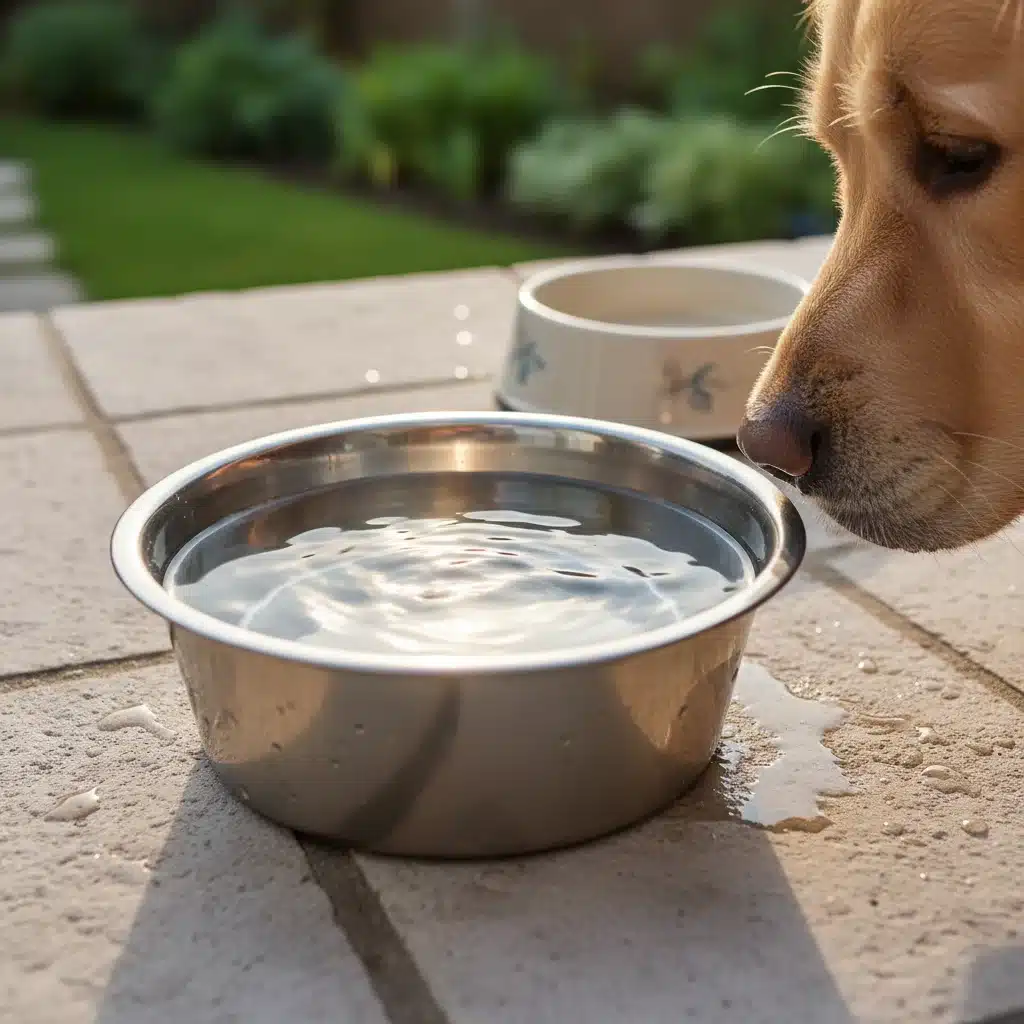
This is arguably the most important section. While some minor, transient changes might resolve on their own, many require prompt professional attention. When in doubt, it’s always best to err on the side of caution and consult your vet. Here are clear guidelines for when to seek veterinary advice regarding pet bathroom changes:
Immediate Veterinary Attention (Emergency!):
These situations require an emergency visit to your veterinarian or an emergency animal hospital immediately, as they can be life-threatening:
- Inability to Urinate or Defecate: If your pet is straining repeatedly with no production, or hasn’t urinated/defecated in over 24 hours, especially if they appear distressed. This is critical for male cats and dogs, as urinary blockages are medical emergencies.
- Severe or Persistent Vomiting and Diarrhea: If your pet is vomiting repeatedly, has profuse watery diarrhea, or both, particularly if they are lethargic, weak, or showing signs of dehydration (sunken eyes, dry gums, skin tenting).
- Black, Tarry Stools (Melena): This indicates bleeding high in the digestive tract and is a serious sign.
- Significant Blood in Urine or Stool: Large amounts of fresh blood or blood clots.
- Extreme Pain or Distress: Crying out, hunching, trembling, or severe lethargy associated with elimination attempts.
- Collapse or Weakness: If your pet collapses or becomes extremely weak in conjunction with bathroom changes.
Veterinary Visit Within 24-48 Hours (Urgent, but not always emergency):
These situations warrant a visit to your regular veterinarian as soon as possible, ideally within a day or two:
- Persistent Diarrhea (without severe symptoms): If diarrhea lasts more than 24-48 hours, even if your pet seems otherwise well.
- Persistent Constipation: If your pet has been straining or unable to defecate for more than 48 hours.
- Increased Thirst and Urination: If you notice a significant and sustained increase in water intake and urination frequency/volume over a few days.
- Frequent, Small Urinations: Especially if accompanied by straining or licking the genital area, suggesting a UTI or bladder irritation.
- Any Blood in Urine or Stool (even small amounts): Even small streaks of blood should be investigated.
- Foul-Smelling or Cloudy Urine: Potential signs of infection.
- Inappropriate Urination/Defecation: If a previously house-trained pet starts having accidents, especially if there are no obvious environmental triggers.
- Changes in Appetite or Energy Levels: If these accompany bathroom changes, it’s a stronger indication of an underlying problem.
Monitor Closely and Consult if Worsens (Non-urgent, but requires attention):
These changes might be minor and temporary, but monitor your pet closely. If they worsen, persist, or if your pet develops other symptoms, contact your vet:
- Single Episode of Loose Stool: If your pet is otherwise acting normal and the stool quickly returns to normal.
- Slightly Increased Urination: If it seems related to increased exercise or water intake on a hot day and quickly normalizes.
- Minor Change in Stool Color: If it’s not black/red and quickly returns to normal.
- Mild, Temporary Decrease in Appetite: If it resolves within a few hours and your pet is otherwise well.
Preparing for Your Vet Visit
When you call or visit the vet, providing detailed information can help them make an accurate diagnosis quickly. Be prepared to answer questions about:
- When did the changes start?
- What exactly are the changes (frequency, consistency, color, volume)?
- Have there been any other symptoms? (Vomiting, lethargy, loss of appetite, weight loss, pain, behavioral changes)
- Has your pet’s diet changed recently?
- Has your pet had access to anything unusual? (Garbage, toxins, new plants)
- Is your pet on any medications or supplements?
- When was their last vet visit and what vaccinations/preventatives are they on?
- For urination issues: Are they straining? Licking the area? Having accidents?
- For defecation issues: Is there blood or mucus? Are they straining? Scooting?
It can also be helpful to bring a fresh sample of urine or stool if possible, or at least take photos of abnormal eliminations. This visual evidence can be very informative for your veterinarian.
Preventative Measures and Maintaining Healthy Habits
While some health issues are unavoidable, many pet bathroom changes can be mitigated or prevented with good care:
- Consistent, High-Quality Diet: Feed a balanced, appropriate diet for your pet’s age, breed, and activity level. Avoid frequent, sudden changes in food.
- Adequate Hydration: Always provide fresh, clean water. Consider multiple water bowls, water fountains (especially for cats), or adding a little water to food if your pet doesn’t drink enough.
- Regular Exercise: Promotes healthy digestion and overall well-being.
- Parasite Control: Regular deworming and flea/tick prevention as recommended by your vet.
- Stress Reduction: Provide a stable, enriching environment. Address sources of anxiety for your pet.
- Clean Litter Boxes (Cats): Scoop daily and completely change litter regularly. Many issues stem from a cat’s aversion to a dirty box.
- Prevent Access to Toxins/Garbage: Keep harmful substances and tempting trash out of reach.
- Regular Veterinary Check-ups: Annual or bi-annual exams allow your vet to catch potential issues early and perform routine screenings.
- Monitor Your Pet: Daily observation of their eating, drinking, activity, and bathroom habits is your best defense.
Conclusion
Your pet’s bathroom habits are a vital window into their health. By understanding what’s normal, recognizing significant pet bathroom changes, and knowing when to seek veterinary advice, you become an even more effective advocate for their well-being. Don’t dismiss subtle shifts; trust your instincts as a pet owner. A quick call to your veterinarian can often provide reassurance or lead to a timely diagnosis and treatment that could save your beloved companion’s life or significantly improve their quality of life. Be observant, be proactive, and always prioritize your pet’s health.