The 2026 Guide to Daily Pet Wellness Checks: 5 Signs to Watch For to Catch Issues Early
As pet parents, our furry, feathered, or scaled companions are more than just animals; they are cherished family members. Their well-being is a top priority, and just like with human family members, early detection of health issues can make all the difference in treatment outcomes and quality of life. In 2026, the emphasis on proactive pet care is stronger than ever, and a fundamental aspect of this is incorporating daily pet wellness checks into your routine. These aren’t meant to replace veterinary visits, but rather to act as your first line of defense, empowering you to notice subtle changes that might indicate a problem before it escalates.
This comprehensive guide will walk you through the importance of daily pet wellness, what to look for, and five crucial signs that warrant immediate attention. By dedicating a few minutes each day to observing and interacting with your pet, you’ll not only strengthen your bond but also become an expert at understanding their normal state, making it easier to spot deviations. Let’s embark on this journey to ensure our beloved pets lead the healthiest, happiest lives possible.
Why Daily Pet Wellness Checks Are Non-Negotiable in 2026
The landscape of pet care is continually evolving, with advancements in veterinary medicine offering more solutions than ever before. However, the cornerstone of effective care remains early diagnosis. Many common pet ailments, from dental disease and skin infections to more serious conditions like cancer or organ failure, often present with subtle signs in their initial stages. If these signs are overlooked, the condition can progress, leading to more complex, costly, and sometimes less effective treatments.
Regular veterinary check-ups, typically once or twice a year, are essential. But a lot can happen in six or twelve months. Daily pet wellness checks bridge this gap. They allow you to catch issues when they are small and manageable, potentially saving your pet from discomfort, prolonged illness, and you from significant emotional and financial strain. Think of it as preventative maintenance for your pet’s health, a consistent vigilance that pays dividends in their longevity and vitality.
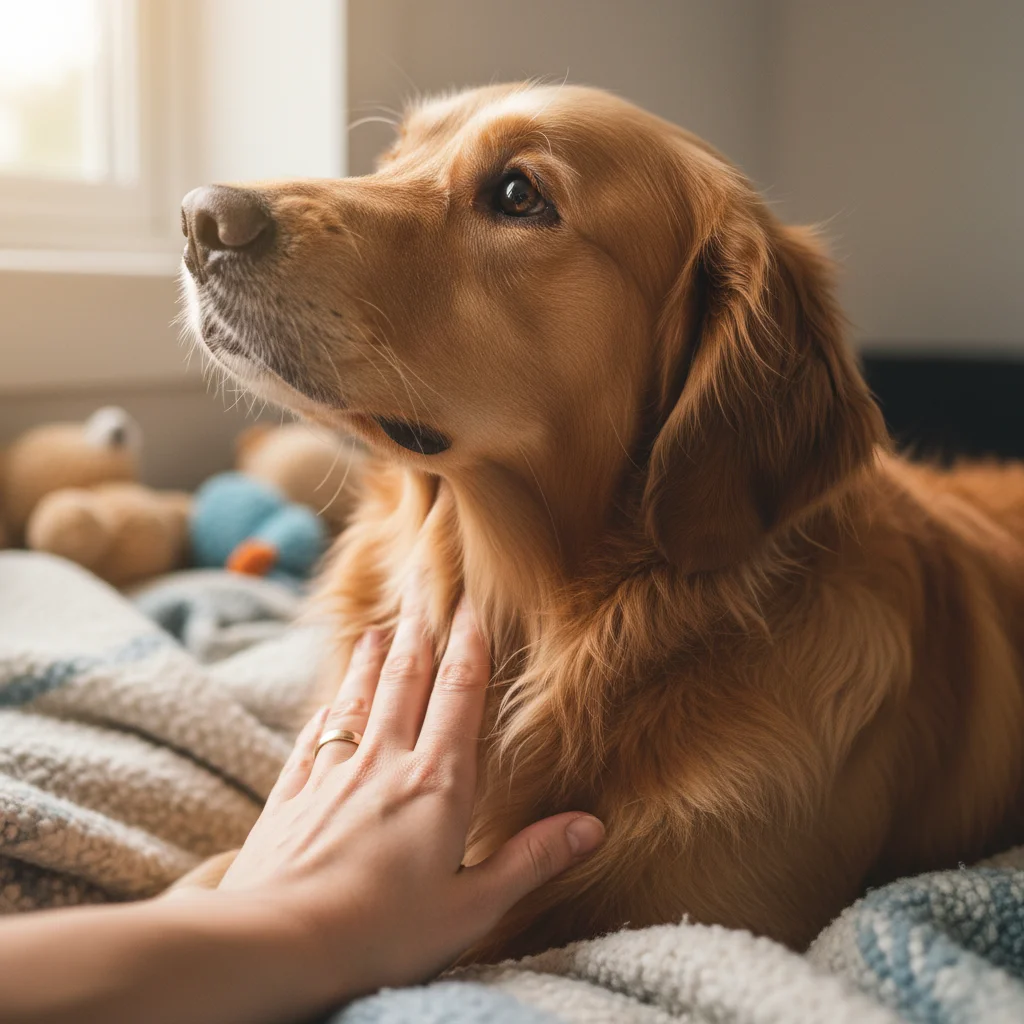
Moreover, these daily interactions foster a deeper connection between you and your pet. As you gently examine them, you’re not just looking for problems; you’re engaging with them, providing comfort, and reinforcing trust. This positive interaction makes future examinations, whether by you or a vet, less stressful for your pet.
Establishing Your Daily Pet Wellness Routine
Integrating daily pet wellness checks into your routine doesn’t have to be a daunting task. It can be a natural extension of your existing interactions. The key is consistency and observation. Here’s how you can establish an effective routine:
- Morning Cuddles & Quick Scan: Start your day with a gentle pat-down during morning cuddles. Feel for any new lumps or bumps, check their coat for dullness or excessive shedding, and glance at their eyes and nose.
- Mealtime Observation: Pay attention to your pet’s appetite and thirst. Is there any change in how enthusiastically they eat? Are they drinking more or less water? Observe their posture and demeanor while eating.
- Playtime & Movement Assessment: During playtime, observe their energy levels, gait, and coordination. Are they moving freely? Any limping or stiffness?
- Evening Wind-Down: Before bed, a more thorough, but still brief, examination can be performed. This is a good time to check their paws, ears, and mouth.
- Bathroom Breaks: Always observe your pet’s urination and defecation habits. Changes in frequency, consistency, or color can be significant indicators.
The entire process might only take 5-10 minutes, but these small, consistent efforts accumulate into a powerful tool for maintaining your pet’s health. Remember, the goal is not to diagnose, but to notice changes that warrant professional veterinary attention. Keeping a small journal or a note on your phone to track any observations can also be incredibly helpful, especially when communicating with your vet.
The 5 Crucial Signs to Watch For During Daily Pet Wellness Checks
While every pet is unique, there are universal indicators that can signal a potential health problem. These five areas are critical focal points for your daily pet wellness checks. Learning to recognize what’s normal for your pet in these categories will empower you to detect issues early.
1. Changes in Appetite, Thirst, and Elimination Habits
One of the most immediate and telling indicators of a pet’s health is their intake and output. A sudden increase or decrease in appetite, or a complete refusal to eat, can signal a range of issues from dental pain to gastrointestinal upset, or even more serious systemic diseases. Similarly, changes in thirst levels – excessive drinking (polydipsia) or noticeable reduction – can be indicative of kidney problems, diabetes, or other metabolic disorders.
Equally important are their elimination habits. Monitor the frequency, volume, and consistency of your pet’s urine and feces. Diarrhea, constipation, straining to urinate or defecate, blood in the urine or stool, or changes in color (e.g., very dark stool) are all red flags. For cats, any change in litter box habits, such as urinating outside the box, can indicate a urinary tract infection or behavioral stress. For dogs, increased frequency of urination or difficulty holding it can also be concerning. These observations are fundamental to effective daily pet wellness monitoring.
What to look for:
- Appetite: Eating significantly more or less, refusing favorite treats, difficulty chewing.
- Thirst: Drinking noticeably more or less water than usual.
- Urination: Increased frequency, straining, accidents inside, changes in urine color (dark, bloody).
- Defecation: Diarrhea, constipation, straining, blood or mucus in stool, changes in color or consistency.
Any persistent change in these areas, even if subtle, warrants a call to your veterinarian.
2. Alterations in Skin and Coat Health
Your pet’s skin and coat are mirrors of their internal health. A healthy pet typically has a shiny, smooth coat free of excessive shedding, dandruff, or dry patches. Their skin should be supple and clear, without redness, scabs, or parasites. During your daily pet wellness check, spend a few moments running your hands over their entire body, paying close attention to these aspects.
Look for any areas of hair loss, which could indicate allergies, parasites, hormonal imbalances, or stress. Excessive scratching, licking, or biting at certain spots often points to skin irritation, fleas, mites, or an allergic reaction. Redness, inflammation, or the presence of pustules can suggest bacterial or fungal infections. Don’t forget to check for any new lumps, bumps, or masses under the skin. While not all lumps are cancerous, any new growth should be examined by a vet. A dull, dry, or greasy coat can also signal nutritional deficiencies or underlying health issues. These skin and coat observations are integral to your daily pet wellness assessment.
What to look for:
- Coat: Dullness, excessive shedding, dandruff, greasy texture, matted fur.
- Skin: Redness, inflammation, scabs, sores, pimples, dry patches, parasites (fleas, ticks).
- Lumps/Bumps: Any new growths, regardless of size or location.
- Behavior: Excessive scratching, licking, chewing, or rubbing.
3. Changes in Gums, Teeth, and Oral Health
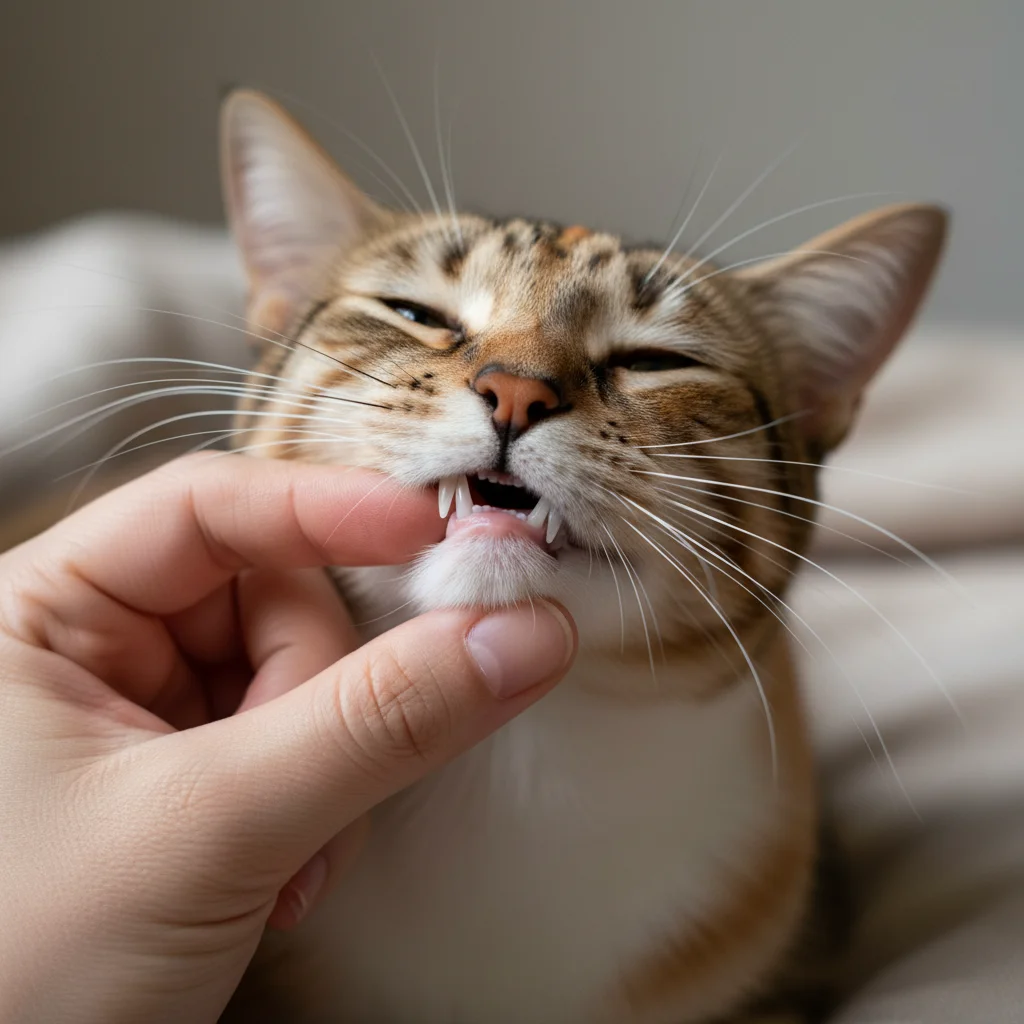
Oral health is often overlooked but is profoundly connected to overall daily pet wellness. Periodontal disease is rampant in pets, affecting a vast majority by age three. Untreated dental issues can lead to pain, difficulty eating, and even systemic infections affecting the heart, kidneys, and liver. During your daily pet wellness routine, a quick check of your pet’s mouth can provide vital clues.
Healthy gums should be a pale pink color (though some pets have naturally pigmented gums), moist, and firm. Press lightly on the gum with your finger; the color should return quickly (capillary refill time). Red, swollen, or bleeding gums are signs of gingivitis or more advanced periodontal disease. Examine their teeth for excessive tartar buildup (yellow or brown accumulation), broken or missing teeth, and any unusual growths on the gums or tongue. Bad breath (halitosis) is often the first sign of dental problems and should never be ignored. While not all bad breath indicates severe disease, it’s a strong indicator that an oral examination is needed. Incorporating oral hygiene, like brushing, into your daily pet wellness routine can significantly reduce these risks.
What to look for:
- Gums: Redness, swelling, bleeding, pale or bluish discoloration, slow capillary refill time.
- Teeth: Heavy tartar buildup, broken, loose, or missing teeth.
- Breath: Persistent bad breath (halitosis).
- Oral Growths: Any unusual lumps or masses in the mouth or on the tongue.
- Behavior: Difficulty eating, dropping food, pawing at the mouth.
4. Alterations in Mobility and Energy Levels
Your pet’s normal activity level and how they move are powerful indicators of their well-being. A sudden decrease in energy, reluctance to play, or an unwillingness to go for walks can signal pain, illness, or depression. Conversely, unusual restlessness or agitation can also be a sign of discomfort or anxiety. During your daily pet wellness check, observe their gait and posture.
Watch for limping, stiffness, difficulty getting up or lying down, or an abnormal stance. These can point to orthopedic issues like arthritis, hip dysplasia, or injuries. Observe how they climb stairs, jump onto furniture, or move after resting. Any signs of pain, such as whining, panting excessively, or guarding a particular area of their body, should be taken seriously. Even subtle changes in their enthusiasm for activities they once loved can be a significant indicator that something is amiss. Consistent monitoring of mobility and energy is crucial for daily pet wellness.
What to look for:
- Energy: Lethargy, decreased interest in play, excessive sleeping, unusual restlessness.
- Mobility: Limping, stiffness, difficulty standing or lying down, reluctance to jump or climb.
- Pain Signs: Whining, growling, panting, guarding a body part, changes in temperament when touched.
- Coordination: Stumbling, disorientation, head tilting, circling.
5. Changes in Eyes, Ears, and Nose
The eyes, ears, and nose are sensory organs that are also highly susceptible to infections, injuries, and other health problems. A quick daily inspection of these areas is a vital part of your daily pet wellness routine.
Eyes:
Healthy eyes should be bright, clear, and free of discharge. Look for redness, swelling, cloudiness, or excessive tearing. Any changes in pupil size, squinting, or pawing at the eyes can indicate irritation, infection, or injury. A sudden appearance of a third eyelid (nictitating membrane) can also be a sign of illness or pain. Pay attention to the color of the whites of the eyes; yellowing can suggest liver issues.
Ears:
Ears should be clean, free of odor, and have minimal wax buildup. Check for redness, swelling, or any discharge (waxy, black, yellow, or bloody). Excessive head shaking, scratching at the ears, or holding one ear down can signal an ear infection, mites, or foreign objects. If your pet flinches or vocalizes when you touch their ears, it’s a strong sign of discomfort.
Nose:
A pet’s nose should generally be moist and free of excessive discharge. While a little clear discharge can be normal, thick, colored (yellow, green, bloody) discharge, crusting, or excessive dryness with cracking can indicate respiratory infections, allergies, or other issues. Observe if your pet is sneezing excessively or has difficulty breathing through their nose. Any changes in the texture or color of the nose pad itself can also be relevant.
These sensory organ checks are fundamental to comprehensive daily pet wellness monitoring.
What to look for:
- Eyes: Redness, swelling, discharge (pus, excessive tears), cloudiness, squinting, pawing, changes in pupil size, yellowing of whites.
- Ears: Redness, swelling, odor, discharge, excessive scratching or head shaking, pain when touched.
- Nose: Thick or colored discharge, crusting, excessive dryness, sneezing, difficulty breathing.
When to Contact Your Veterinarian
The purpose of daily pet wellness checks is not to replace professional veterinary care, but to empower you to act quickly when needed. If you observe any of the five crucial signs mentioned above, or any other significant deviation from your pet’s normal behavior or physical state, it’s always best to contact your veterinarian. Trust your instincts; you know your pet best.
Don’t wait for symptoms to worsen. Early intervention can often prevent a minor issue from becoming a major health crisis. Be prepared to provide your vet with specific details, including when you first noticed the change, how long it has been ongoing, and any other associated symptoms. A concise record of your daily observations can be incredibly valuable for a quick and accurate diagnosis. Remember, your vet is your partner in your pet’s health journey, and open communication is key to optimal daily pet wellness.
Beyond the 5 Signs: Holistic Daily Pet Wellness
While focusing on these five critical areas provides a strong foundation for daily pet wellness, a truly holistic approach encompasses several other factors that contribute to your pet’s overall health and happiness.
Nutrition: The Fuel for Life
Proper nutrition is paramount. Ensure your pet is on a high-quality, species-appropriate diet recommended by your veterinarian. Pay attention to portion control to prevent obesity, which is a significant health risk factor for many conditions, including diabetes, arthritis, and heart disease. Regular monitoring of your pet’s body condition score (BCS) – feeling their ribs, spine, and waistline – is a simple yet effective daily pet wellness practice. Any sudden weight loss or gain should be investigated.
Regular Exercise and Mental Stimulation
Physical activity tailored to your pet’s breed, age, and health status is essential for maintaining a healthy weight, strong muscles, and good cardiovascular health. Equally important is mental stimulation. Boredom can lead to behavioral issues and stress, impacting overall daily pet wellness. Incorporate puzzle toys, training sessions, and new experiences to keep their minds sharp and engaged. Observe their enthusiasm for these activities as part of your daily pet wellness routine.
Stress Management and Environmental Enrichment
Pets, like humans, can experience stress. Changes in routine, new environments, loud noises, or separation anxiety can all take a toll. Observe for signs of stress such as excessive panting, pacing, destructive behavior, withdrawal, or changes in eating habits. Providing a safe, predictable, and enriching environment can significantly reduce stress levels. This includes comfortable resting spots, opportunities for appropriate social interaction, and access to outdoor spaces if applicable. A calm pet is often a healthy pet, underscoring the importance of emotional well-being in daily pet wellness.
Preventative Medications and Parasite Control
Staying up-to-date on vaccinations, flea, tick, and heartworm prevention is a non-negotiable aspect of preventative daily pet wellness. These measures protect your pet from potentially life-threatening diseases and parasites. Discuss with your vet the best preventative schedule and products for your pet’s lifestyle and geographic location.
Regular Grooming
Beyond checking the coat for issues, regular grooming itself contributes to daily pet wellness. Brushing helps distribute natural oils, removes loose hair, and prevents matting. For long-haired breeds, professional grooming might be necessary. Nail trims are also crucial to prevent discomfort, ingrown nails, and gait issues. If you’re uncomfortable doing these yourself, your vet or a professional groomer can assist.
The Future of Daily Pet Wellness: Technology and Beyond
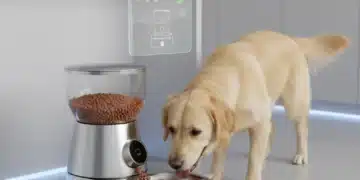
As we move further into 2026, technology is playing an increasingly significant role in daily pet wellness. Wearable devices for pets can track activity levels, sleep patterns, and even heart rate, providing data that complements your manual observations. Smart feeders can monitor food intake, and smart litter boxes can track elimination habits. While these tools are fantastic aids, they are meant to supplement, not replace, the hands-on, observational daily pet wellness checks you perform.
The human element – your touch, your observation, your intuition – remains irreplaceable. The bond you share with your pet is the most powerful diagnostic tool you possess. By combining your keen observations with the insights from your veterinarian and leveraging appropriate technologies, you create a robust, proactive health management system for your beloved companion.
Conclusion: Your Role as a Pet Health Advocate
Embracing daily pet wellness checks is one of the most profound ways you can demonstrate your love and commitment to your pet. It transforms you from just an owner into an active participant in their healthcare team. By becoming attuned to the subtle nuances of your pet’s health and behavior, you gain the power to detect issues early, often before they become severe. This proactive approach not only improves the chances of successful treatment but also reduces suffering and enhances their overall quality of life.
Remember, a few minutes of attentive observation each day can add years of happy, healthy companionship. The five crucial signs – changes in appetite/thirst/elimination, alterations in skin/coat, oral health issues, mobility/energy shifts, and problems with eyes/ears/nose – serve as your primary guide. But always listen to your intuition. If something feels off, it probably is. Invest in your pet’s daily pet wellness today, and enjoy the rewards of a long, joyful life together.
Stay informed, stay vigilant, and cherish every moment with your extraordinary companion. Their health and happiness are in your hands, and with these daily wellness checks, you are well-equipped to protect it.