Optimal Daily Pet Playtime: 2026 Guide for Engagement & Health

The 2026 Guide to Daily Pet Playtime: Maximizing Engagement and Physical Health in 30-Minute Sessions
As pet owners, we constantly strive to provide the best possible life for our beloved companions. Beyond food, shelter, and veterinary care, one of the most crucial, yet often overlooked, aspects of pet well-being is consistent and effective daily pet playtime. In 2026, with increasing awareness of animal psychology and advanced pet care research, understanding how to maximize engagement and physical health through targeted play sessions has become more important than ever. This comprehensive guide will delve into the science, strategies, and benefits of incorporating optimal daily pet playtime into your routine, proving that even just 30 minutes a day can make a profound difference.
Why Daily Pet Playtime is Non-Negotiable for 2026 Pet Owners
The concept of daily pet playtime isn’t just about burning off excess energy; it’s a holistic approach to pet care that addresses physical, mental, and emotional needs. In an increasingly busy world, it’s easy to assume that a quick walk or access to toys is enough. However, dedicated, interactive playtime offers benefits that passive entertainment simply cannot replicate.
Physical Health Benefits: More Than Just Exercise
Regular physical activity is fundamental for preventing obesity, a widespread issue among pets that leads to a myriad of health problems, including diabetes, joint issues, and heart disease. Daily pet playtime ensures your pet maintains a healthy weight and strengthens their cardiovascular system. It also builds muscle mass, improves flexibility, and enhances coordination. For dogs, this might mean a vigorous game of fetch, a brisk run, or agility training. For cats, it could involve chasing a laser pointer (with a physical ‘catch’ at the end to prevent frustration), pouncing on a feather wand, or navigating an obstacle course. The key is to tailor the activity to your pet’s species, breed, age, and individual fitness level.
Beyond general fitness, targeted play can help manage specific physical conditions. For instance, low-impact games can be beneficial for older pets with arthritis, keeping their joints mobile without excessive strain. For younger, highly energetic pets, sufficient physical exertion during daily pet playtime can prevent destructive behaviors that stem from pent-up energy.
Mental Stimulation: Keeping Their Minds Sharp
Pets, much like humans, require mental stimulation to thrive. Boredom can lead to anxiety, depression, and behavioral issues. Daily pet playtime provides an excellent opportunity for cognitive engagement. Games that involve problem-solving, such as puzzle toys or hide-and-seek, challenge your pet’s intellect and keep their minds active. Learning new tricks during playtime also serves as mental exercise, reinforcing positive behaviors and strengthening your communication. Cats benefit from games that mimic hunting, engaging their natural predatory instincts and keeping them mentally sharp.
The absence of adequate mental stimulation can manifest in various ways, from excessive barking or meowing to chewing on furniture or inappropriate urination. By integrating mentally stimulating activities into your daily pet playtime routine, you can preempt these issues and foster a more content and well-behaved companion.
Emotional Well-being: Strengthening the Human-Animal Bond
One of the most profound benefits of consistent daily pet playtime is the strengthening of the human-animal bond. Dedicated play sessions are a form of positive interaction that builds trust, reinforces your leadership (in a positive way), and deepens your emotional connection. Pets thrive on attention and affection, and playtime is a perfect avenue for both. It allows you to communicate with your pet on their level, understand their preferences, and create shared joyful experiences.
For pets that suffer from separation anxiety or are prone to stress, regular, predictable playtime can provide a sense of security and routine. It assures them of your presence and affection, reducing feelings of loneliness or abandonment. The release of endorphins during play benefits both pet and owner, fostering a sense of happiness and well-being for everyone involved.
Designing Your 30-Minute Daily Pet Playtime Session: A 2026 Approach
Thirty minutes might not seem like a lot, but when structured effectively, it can be incredibly impactful. The key is intentionality and variety. Here’s how to design an optimal daily pet playtime session for 2026, considering modern insights into pet behavior and enrichment.
Understanding Your Pet’s Play Style and Needs
Before you even pick up a toy, take a moment to observe your pet. What do they naturally gravitate towards? Do they love to chase, pounce, chew, dig, or solve puzzles? Different breeds and species have different play drives. A Border Collie will likely enjoy a game of fetch or herding much more than a Bulldog, who might prefer a sturdy chew toy or a short, playful tug-of-war. Cats often prefer short bursts of intense activity followed by rest, mimicking their hunting patterns.
Consider their age and health. A puppy or kitten will have boundless energy and require multiple short play sessions throughout the day, while a senior pet might need gentler, shorter activities that focus more on mental stimulation or light movement. Always consult your vet if you have concerns about your pet’s physical capabilities.
Structuring the 30 Minutes: A Sample Framework
A well-rounded 30-minute daily pet playtime session can be broken down into segments to maximize its benefits:
- Warm-up (5 minutes): Start with low-intensity activities to get their muscles moving and mind engaged. For dogs, a slow walk or some gentle stretching. For cats, a slow-moving feather wand.
- Peak Activity (15-20 minutes): This is where the bulk of the physical and mental exertion happens. This could be vigorous fetch, a training session with new tricks, an agility course, or an intense chase with a cat wand. Rotate activities to keep things fresh and prevent boredom.
- Cool-down and Mental Engagement (5-10 minutes): Wind down with a calmer activity. This might be a puzzle toy, a scent game (like hiding treats), or a gentle grooming session followed by cuddles. For cats, a calm batting at a toy or a short petting session. This helps them transition from high energy to relaxation.
Remember, consistency is more important than duration. A consistent 30 minutes every day is far more beneficial than sporadic hour-long sessions.
Innovative Toys and Techniques for 2026 Daily Pet Playtime
The pet industry is constantly evolving, offering innovative tools to make daily pet playtime more engaging and effective. Here are some of the best:
Interactive Puzzle Toys
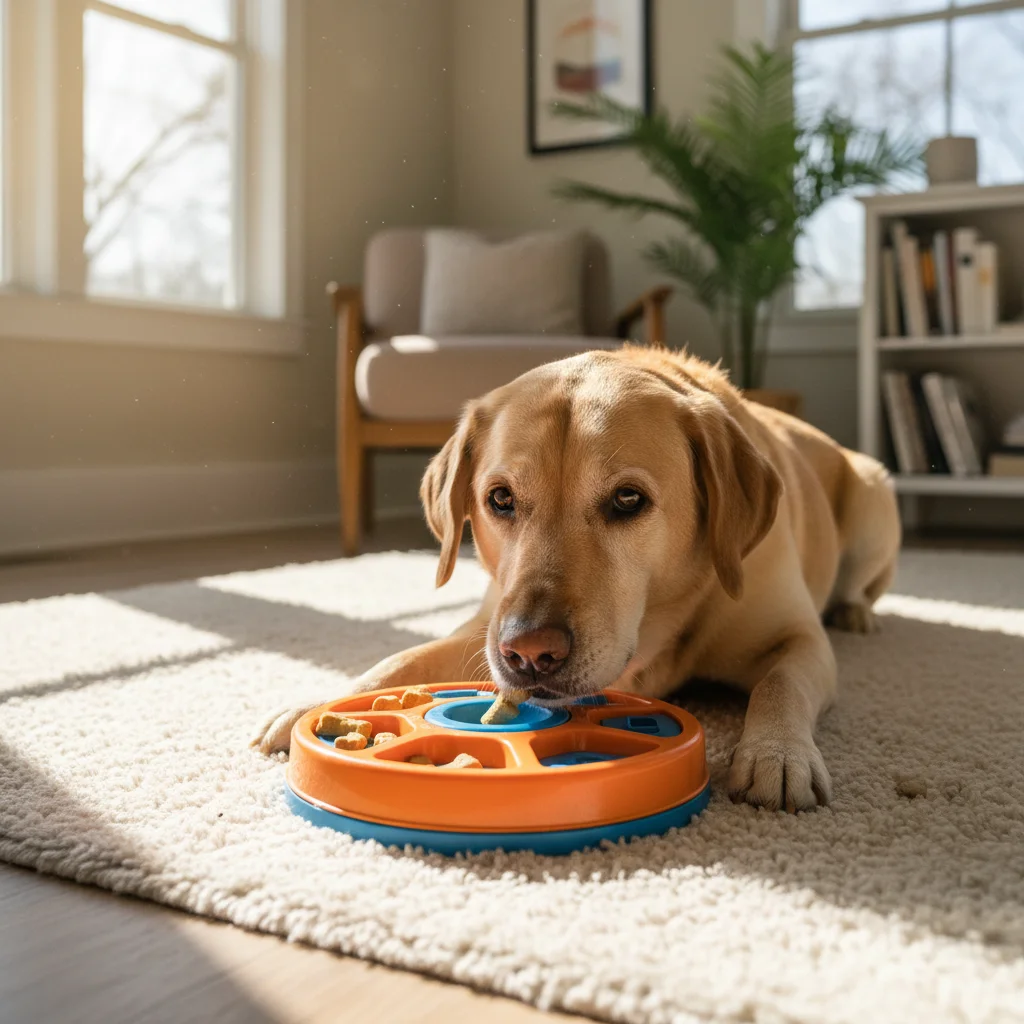
These are excellent for mental stimulation. From treat-dispensing balls that require rolling to multi-level feeders that need manipulation, puzzle toys challenge your pet’s problem-solving skills. Look for those made from durable, non-toxic materials. For cats, try treat balls or mazes that dispense kibble as they play.
Smart Toys and Gadgets
The year 2026 brings an array of smart toys. Automatic ball launchers for dogs can be programmed for specific intervals, providing independent play. Remote-controlled laser pointers or treat dispensers allow you to interact with your pet even when you’re not physically present (though these should supplement, not replace, direct interaction). There are even pet cameras with built-in treat dispensers and two-way audio, making it easier to engage during your lunch break.
Enrichment Feeder Toys
Beyond traditional puzzle toys, enrichment feeders turn mealtime into playtime. Snuffle mats, slow feeders, and LickiMats can prolong feeding, stimulate foraging instincts, and reduce boredom. This is a great way to incorporate mental engagement into a routine activity.
DIY Playtime Solutions
You don’t always need expensive gadgets. Simple items can be transformed into engaging toys. A cardboard box can become a cat fort or a tunnel for a small dog. A knotted old t-shirt makes a great tug toy. Hide treats around the house for a scent-based scavenger hunt. Creativity is key to making daily pet playtime exciting and budget-friendly.
Tailoring Daily Pet Playtime for Different Species and Breeds
While the core principles of daily pet playtime remain universal, the execution must be tailored to your pet’s unique characteristics.
Dogs: Energy, Breed, and Age Considerations
Dogs are incredibly diverse, and their play needs vary significantly. High-energy breeds like Border Collies, Jack Russell Terriers, and Australian Shepherds require intense physical activity and mental challenges. Agility courses, long-distance fetch, or advanced obedience training integrated into playtime are ideal. For these breeds, 30 minutes might be a minimum, and they may benefit from multiple sessions.
Medium-energy breeds such as Labradors, Golden Retrievers, and Beagles often enjoy a good balance of physical play (fetch, swimming) and mental stimulation (puzzle toys, scent work). Brachycephalic breeds (flat-faced dogs like Pugs and Bulldogs) need less strenuous activities due to potential breathing issues. Short, frequent play sessions with less intense games like gentle tug-of-war or rolling a treat ball are more appropriate.
Senior dogs benefit from gentler exercises that maintain mobility without overexertion. Short walks, light retrieve games, and plenty of mental stimulation through puzzle toys or ‘find the treat’ games are perfect. Always monitor their comfort levels and adjust accordingly.
Puppies, with their developing bodies and minds, need frequent, short bursts of play. Socialization during playtime with other vaccinated, friendly dogs is also crucial for their development. Focus on positive reinforcement and teaching appropriate play behaviors.
Cats: Instincts and Enrichment
Cats are natural hunters, and their daily pet playtime should tap into these instincts. They prefer short, intense sessions (5-10 minutes each, several times a day) rather than one long one. The ‘hunt, catch, kill, eat’ sequence is vital for their satisfaction.
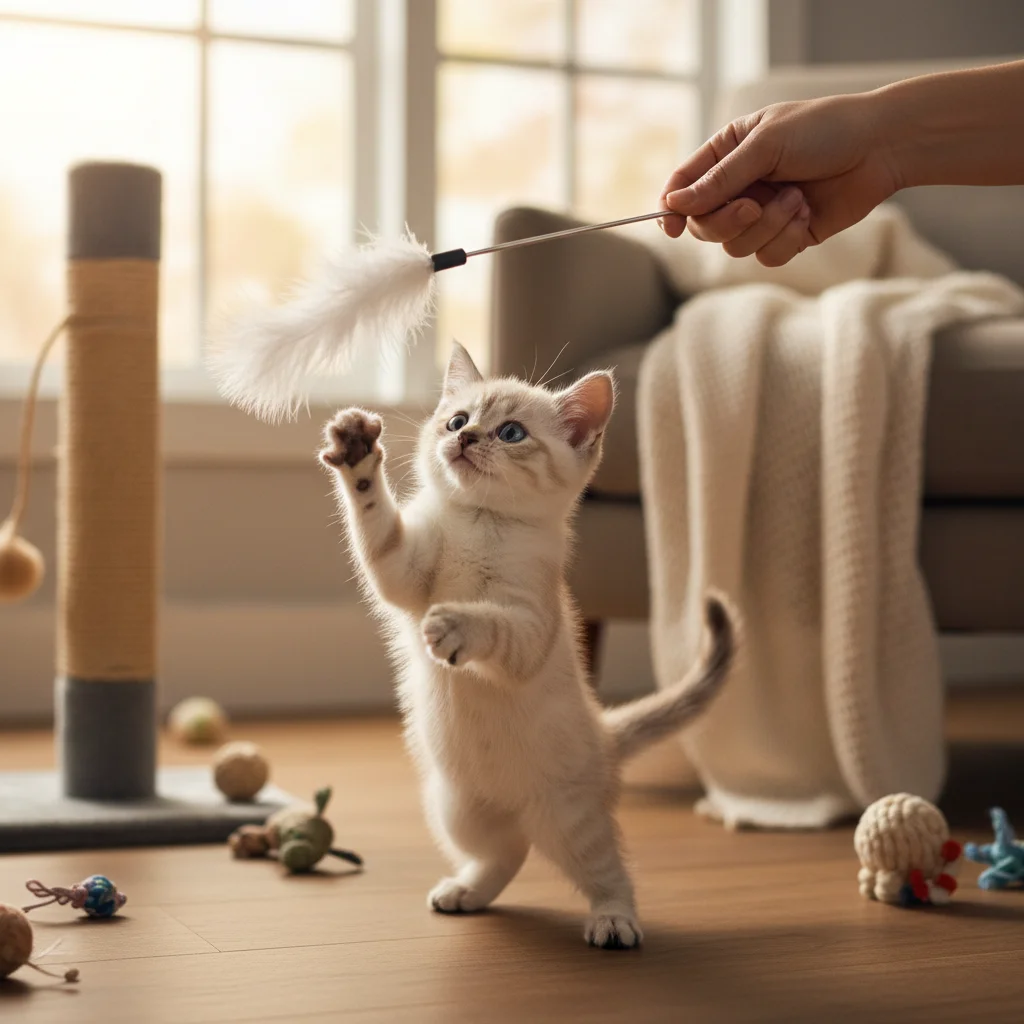
- Wand Toys: Feather wands, string toys, or fishing pole-style toys are excellent for mimicking prey. Remember to let them ‘catch’ the toy at the end of the session to prevent frustration.
- Laser Pointers: Use with caution. While they encourage chasing, cats need a physical catch. Always end a laser session by directing the beam onto a physical toy they can pounce on and ‘kill.’
- Puzzle Feeders: Encourage foraging behavior, which is mentally stimulating and slows down eating.
- Climbing and Scratching: Cat trees, shelves, and scratching posts are crucial for their physical health and mental well-being, allowing them to survey their territory and express natural behaviors.
- Interactive Toys: Toys that move on their own, like robotic mice or rolling balls, can provide entertainment when you’re busy, but don’t replace direct interaction.
For shy or older cats, gentle play that involves less intense movement but still engages their curiosity can be very effective. Scent enrichment, like catnip or silvervine toys, can also be a great addition.
Small Animals: Beyond the Cage
Even smaller pets like rabbits, guinea pigs, and ferrets require dedicated daily pet playtime outside their enclosures. This provides essential exercise and prevents boredom.
- Rabbits: Love to binky (a joyful jump and twist), zoom, and explore. Provide safe, supervised out-of-cage time in a rabbit-proofed area with tunnels, cardboard boxes, and chew toys.
- Guinea Pigs: Enjoy ‘zoomies’ and popcorning (happy jumps). A secure playpen with tunnels, hiding spots, and safe chew toys (like hay-based toys) is ideal.
- Ferrets: Highly intelligent and curious, ferrets need lots of interactive play. Tunnels, tubes, ball pits, and supervised exploration are excellent. They also enjoy chasing toys and wrestling gently with their owners.
For all small animals, ensure their play area is safe, free from hazards, and provides opportunities for natural behaviors like digging, chewing, and exploring.
Common Pitfalls to Avoid in Daily Pet Playtime
Even with the best intentions, certain mistakes can diminish the effectiveness or safety of daily pet playtime. Be aware of these common pitfalls:
Over-exercising or Under-exercising
Finding the right balance is crucial. Over-exercising can lead to injuries, heatstroke, or exhaustion, especially in young, old, or brachycephalic pets. Under-exercising, as discussed, leads to boredom, obesity, and behavioral problems. Pay close attention to your pet’s cues: heavy panting, lagging behind, or reluctance to play are signs to stop. Consult your vet to determine the appropriate exercise level for your pet.
Repetitive Play
Doing the same activity every single day can lead to boredom and a decrease in engagement. Just like humans, pets enjoy novelty. Rotate toys, introduce new games, change play locations, and teach new tricks to keep daily pet playtime fresh and exciting. This also ensures a broader range of muscles and cognitive functions are engaged.
Ignoring Mental Stimulation
Focusing solely on physical exercise neglects a huge part of your pet’s well-being. A physically exhausted but mentally bored pet is not truly enriched. Always integrate activities that challenge their minds, whether it’s through training, puzzle toys, or scent games.
Using Inappropriate Toys
Toys that are too small can be choking hazards. Toys that are too flimsy can break apart and be ingested. Toys with sharp edges can cause injuries. Always choose durable, pet-safe toys appropriate for your pet’s size and chewing habits. Regularly inspect toys for damage and replace them when necessary.
Lack of Consistency
Sporadic playtime is far less effective than consistent daily pet playtime. Pets thrive on routine and predictability. Try to schedule play sessions around the same time each day, making it a non-negotiable part of your daily routine. This builds anticipation and reinforces good habits.
The Future of Daily Pet Playtime: Trends for 2026 and Beyond
As we move further into 2026, several trends are shaping the way we approach daily pet playtime:
Gamified Pet Fitness Apps
Expect more apps that track your pet’s activity, suggest personalized play routines, and even connect you with other pet owners for group play sessions. These apps often incorporate gamification elements to motivate owners and make exercise more fun.
Virtual Reality (VR) for Pets
While still nascent, VR experiences designed for pets are emerging, offering simulated environments for exploration and interaction, particularly useful for indoor-only pets or those with mobility issues. This technology aims to provide novel sensory experiences, but it’s crucial to ensure it’s used ethically and safely.
Personalized Enrichment Plans
Veterinarians and certified animal behaviorists are increasingly offering personalized enrichment plans, including detailed daily pet playtime schedules tailored to an individual pet’s breed, age, personality, and health status. This bespoke approach ensures maximum benefit.
Focus on Scent Work and Foraging
The importance of engaging a pet’s most powerful sense – smell – is gaining traction. Scent work games, snuffle mats, and foraging toys are becoming mainstream, offering profound mental stimulation that taps into natural instincts.
Sustainable and Eco-Friendly Toys
With a growing environmental consciousness, there’s a rise in demand for pet toys made from sustainable, recycled, or natural materials. This trend ensures that our commitment to our pets’ well-being doesn’t come at the expense of the planet.
Integrating Daily Pet Playtime into a Busy Schedule
The biggest hurdle for many pet owners is finding the time for consistent daily pet playtime. However, with a few adjustments, it’s entirely achievable.
- Morning Boost: A quick 15-minute energetic play session in the morning can set a positive tone for your pet’s day and help them burn off initial energy.
- Lunch Break Engagement: If you work from home, a 15-minute play break can be refreshing for both you and your pet. If you’re at the office, consider smart toys or a pet sitter for a midday check-in and play.
- Evening Wind-Down: A longer, more relaxing play session in the evening can help your pet wind down before bed. This could be a puzzle toy, a gentle walk, or cuddles.
- Combine Activities: Can you incorporate play into your own exercise routine? Jogging with your dog, or doing yoga while your cat bats at a toy nearby, are great ways to multi-task.
- Delegate: If your schedule is truly packed, enlist family members, friends, or professional dog walkers/pet sitters to help with play sessions.
Remember, quality over quantity. A focused, engaging 30 minutes of daily pet playtime is far more beneficial than an hour of passive interaction.
Conclusion: A Healthier, Happier Pet Through Intentional Play
In 2026, the understanding of pet well-being has advanced significantly, highlighting the critical role of consistent and intentional daily pet playtime. It’s not merely a luxury but a fundamental necessity for your pet’s physical health, mental acuity, and emotional stability. By dedicating just 30 minutes each day to structured, engaging, and varied play sessions, you can prevent common health issues, mitigate behavioral problems, and most importantly, forge an unbreakable bond with your cherished companion.
Embrace the strategies, innovative tools, and species-specific insights provided in this guide to transform your pet’s daily routine. The investment of time and effort in optimal daily pet playtime will be repaid tenfold in the form of a happier, healthier, and more well-adjusted furry family member. Start today, and witness the remarkable difference it makes in their life, and yours.