Pet Dental Care Tools 2026: Comprehensive Guide for U.S. Pet Owners
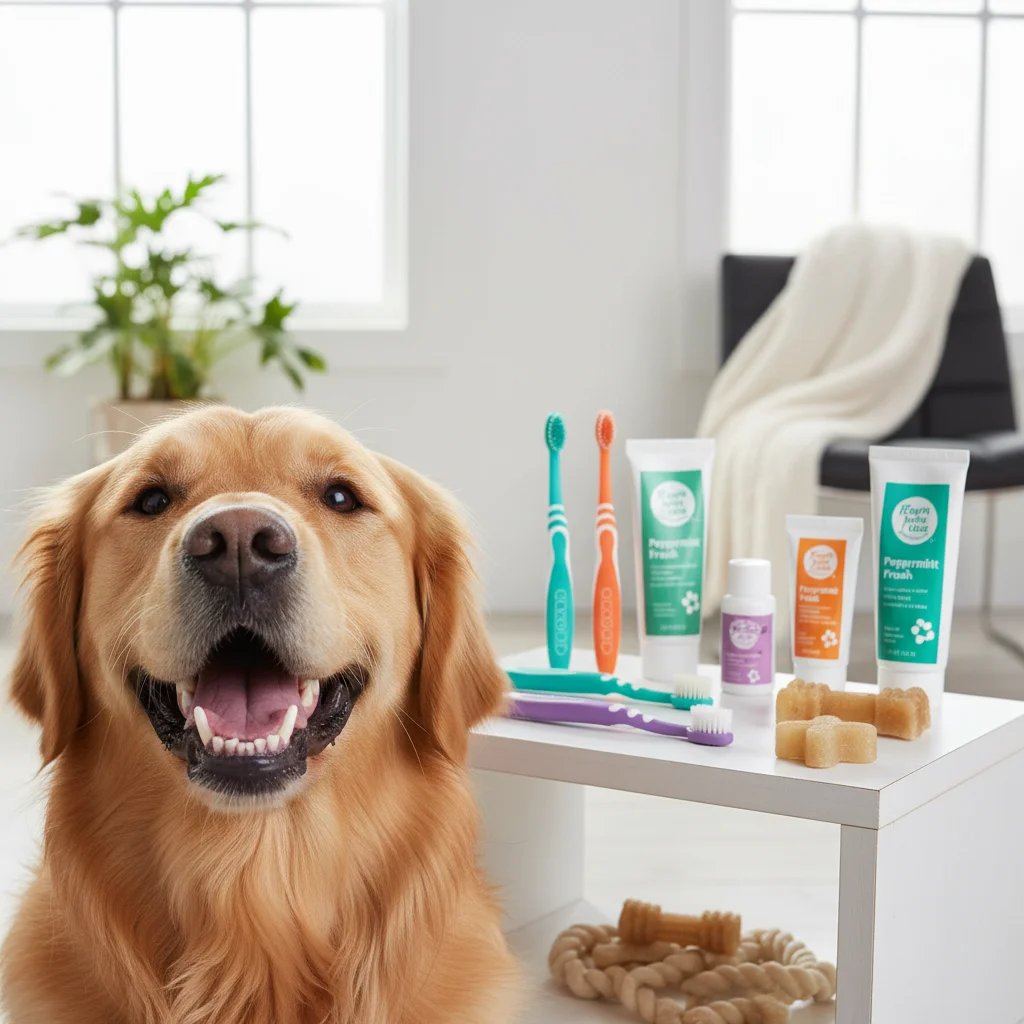
Pet Dental Care Tools 2026: A Step-by-Step Guide to Maintaining Oral Hygiene for U.S. Pets
As responsible pet owners across the U.S., we strive to provide our furry companions with the best possible care. While regular vet visits, nutritious food, and plenty of exercise are paramount, one crucial aspect often gets overlooked: dental health. Just like humans, pets can suffer from a myriad of oral health issues, including plaque buildup, tartar, gingivitis, and even periodontal disease. These conditions can lead to pain, tooth loss, and more severe systemic health problems if left unaddressed. The good news is that with the right Pet Dental Care Tools and a consistent routine, you can significantly improve your pet’s oral hygiene and overall well-being. In 2026, the market offers an even wider array of innovative and effective products to help you achieve this.
This comprehensive guide is designed to equip U.S. pet owners with the knowledge and resources needed to establish an effective dental care regimen for their pets. We’ll delve into the importance of pet dental health, explore the latest and most effective Pet Dental Care Tools available in 2026, and provide a step-by-step approach to incorporating these tools into your daily routine. By understanding the options and implementing best practices, you can ensure your beloved companion enjoys a healthier, happier life with a dazzling smile.
The Unseen Threat: Why Pet Dental Health Matters More Than You Think
Many pet owners are unaware of the silent epidemic of dental disease affecting pets nationwide. According to the American Veterinary Medical Association (AVMA), by the age of three, most dogs and cats show signs of periodontal disease. This isn’t just about bad breath; it’s a serious health concern. Periodontal disease begins with plaque, a sticky film of bacteria, food particles, and saliva that constantly forms on your pet’s teeth. If not removed, plaque hardens into tartar, which is much more difficult to remove and provides a rough surface for more plaque to accumulate.
Tartar buildup above the gum line is visible, but the real damage occurs below it. When tartar extends beneath the gums, it irritates and inflames the gum tissue, leading to gingivitis. If gingivitis is left untreated, it progresses to periodontitis, which involves the destruction of the supporting structures of the teeth. This can result in painful gum recession, bone loss, loose teeth, and ultimately, tooth loss. Beyond the mouth, the bacteria from severe periodontal disease can enter the bloodstream and affect vital organs such as the heart, kidneys, and liver, potentially leading to life-threatening conditions.
Regular dental care, including professional cleanings by a veterinarian and at-home maintenance using appropriate Pet Dental Care Tools, is crucial for preventing these serious health issues. Early intervention and consistent care can save your pet from significant pain and discomfort, extend their lifespan, and improve their overall quality of life. Understanding the gravity of these issues underscores the importance of being proactive with your pet’s oral hygiene.
Common Signs of Dental Problems in Pets
- Bad Breath (Halitosis): Often the first and most noticeable sign of dental disease.
- Red, Swollen, or Bleeding Gums: Indicates inflammation and potential gingivitis.
- Yellow or Brown Tartar Buildup: Visible accumulation on the tooth surface.
- Difficulty Eating or Dropping Food: Pain can make chewing difficult.
- Pawing at the Mouth or Rubbing Face: A sign of discomfort or pain.
- Excessive Drooling: Can be a symptom of oral pain or irritation.
- Loose or Missing Teeth: Advanced stages of periodontal disease.
- Changes in Behavior: Irritability or lethargy due to pain.
If you notice any of these signs, it’s essential to consult your veterinarian immediately. They can perform a thorough oral examination and recommend the best course of action, which often includes a professional dental cleaning under anesthesia.
Navigating the 2026 Landscape of Pet Dental Care Tools
The market for Pet Dental Care Tools is constantly evolving, with manufacturers introducing new and improved products to make at-home dental care easier and more effective. In 2026, we see a focus on innovation, convenience, and ingredients that are both safe and highly effective. Here’s a breakdown of the essential tools you should consider for your pet’s oral hygiene routine.
1. Pet Toothbrushes: The Foundation of Oral Hygiene
Just like humans, brushing is the gold standard for removing plaque and food debris. Pet toothbrushes are specifically designed for an animal’s mouth, with softer bristles and ergonomic handles. In 2026, you’ll find a variety of options:
- Finger Toothbrushes: These fit over your finger, allowing for greater control and a gentler introduction to brushing, especially for puppies and kittens. Many feature soft silicone nubs or bristles.
- Standard Pet Toothbrushes: Available in various sizes to suit different breeds, these often have angled heads and soft bristles to reach all tooth surfaces effectively. Some newer models feature multi-sided brush heads for faster cleaning.
- Electric/Sonic Pet Toothbrushes: While less common, these are gaining popularity. They use sonic vibrations to break down plaque and can be highly effective for pets that tolerate them. However, they require a patient pet and careful introduction.
- Dental Wipes: For pets that absolutely refuse a toothbrush, dental wipes offer a quick way to wipe away plaque from the tooth surface. While not as effective as brushing, they are better than nothing.
When selecting a toothbrush, consider your pet’s size, temperament, and your comfort level. The key is consistency, so choose a tool you’ll be able to use regularly.
2. Pet Toothpastes: Safe and Savory Solutions
NEVER use human toothpaste on your pet. Human toothpaste contains ingredients like fluoride and xylitol, which are toxic to animals. Pet toothpastes are specially formulated to be safe for ingestion and often come in flavors appealing to pets, such as poultry, beef, or peanut butter. These enzymatic toothpastes contain enzymes that help break down plaque and bacteria, even if your pet doesn’t get a perfect brush.
In 2026, look for toothpastes that are:
- Enzymatic: These formulations actively work to reduce plaque and tartar.
- Fluoride-Free: Essential for pet safety.
- Appealing Flavors: To make brushing a more positive experience for your pet.
- Veterinarian Recommended: Always a good indicator of quality and safety.
The combination of a good toothbrush and an effective, pet-safe toothpaste forms the cornerstone of at-home dental care.
3. Dental Chews and Treats: Functional and Fun
Dental chews and treats are an excellent supplementary tool to help reduce plaque and tartar buildup. They work by mechanically scraping the tooth surface as your pet chews, and many also contain active ingredients that help inhibit bacterial growth and reduce bad breath. In 2026, the variety of dental chews has expanded, offering options for different sizes, chewing styles, and dietary needs.
- VOHC-Approved Chews: Look for products with the Veterinary Oral Health Council (VOHC) seal of acceptance. This indicates that the product has met specific standards for reducing plaque and/or tartar.
- Textured Chews: Many chews are designed with unique shapes and textures to maximize contact with the tooth surface during chewing.
- Enzymatic Chews: Some chews incorporate enzymes or other active ingredients that help break down plaque.
- Prescription Dental Diets: Your vet might recommend specialized dental diets, which have a unique kibble design that cleans teeth as your pet eats.
Remember, dental chews are not a substitute for brushing but rather a beneficial addition to your Pet Dental Care Tools arsenal. Always supervise your pet while they are enjoying a dental chew to prevent choking.
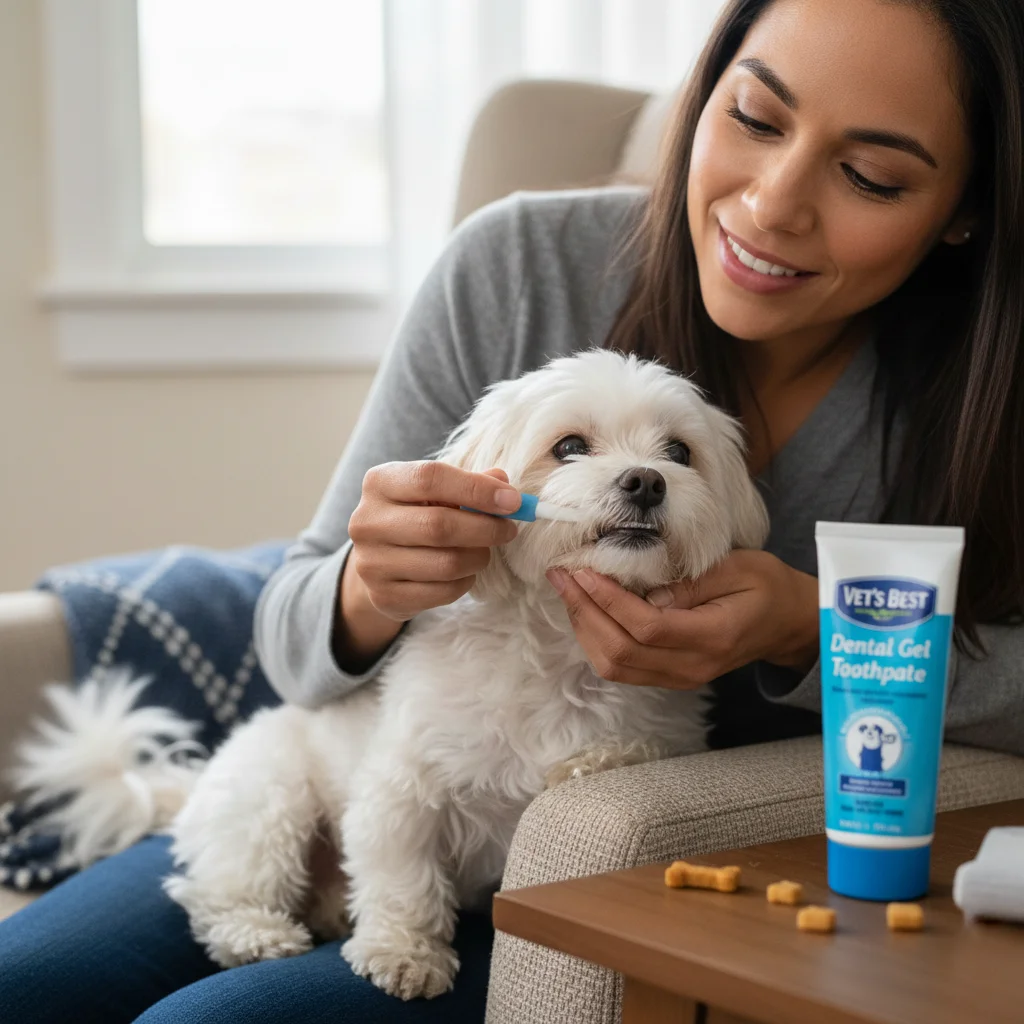
4. Water Additives and Oral Rinses: Effortless Protection
For pets that are particularly resistant to brushing, or as an extra layer of protection, water additives and oral rinses can be highly beneficial. These products contain ingredients that help reduce bacteria in the mouth, freshen breath, and inhibit plaque formation.
- Water Additives: These are flavorless solutions that you add to your pet’s drinking water daily. They work systemically to reduce oral bacteria and are one of the easiest ways to provide some level of dental care.
- Oral Rinses/Sprays: Applied directly to your pet’s teeth and gums, these can target specific areas and provide a quick burst of antibacterial action. Some pets tolerate sprays better than brushing.
While convenient, these products are generally less effective than brushing for removing existing plaque and tartar. They are best used in conjunction with other Pet Dental Care Tools or as a preventive measure.
5. Dental Gels and Wipes: Targeted Treatment
Dental gels and wipes offer a direct application method for active ingredients. Gels can be applied directly to the gums or teeth, often adhering for a longer period to provide sustained action. Wipes are great for physically removing plaque from the outer surfaces of the teeth.
- Antiseptic Gels: These often contain chlorhexidine or other antimicrobial agents to reduce bacteria and inflammation. They are particularly useful for pets with gingivitis.
- Enzymatic Gels: Similar to enzymatic toothpastes, these gels help break down plaque and can be applied without brushing for some benefit.
- Dental Wipes: Pre-moistened pads that you can use to gently wipe your pet’s teeth and gums, removing loose plaque and freshening breath.
These tools are excellent for spot treatments or for pets that are highly resistant to traditional brushing methods.
A Step-by-Step Guide to Implementing Your Pet’s Dental Care Routine
Now that you’re familiar with the key Pet Dental Care Tools for 2026, let’s outline a practical, step-by-step approach to incorporating them into your pet’s life. Consistency is paramount, so start slow and make it a positive experience.
Step 1: Start Early and Introduce Gradually
The earlier you start, the better. Puppies and kittens are more adaptable to new experiences. Even if your pet is older, it’s never too late to begin. The key is positive reinforcement and patience. Start by simply letting your pet lick a small amount of pet-safe toothpaste from your finger. Then, gently rub your finger along their gums and teeth. Do this for short periods, praising and rewarding them afterward.
Step 2: Choose the Right Tools
Based on your pet’s size and temperament, select the appropriate toothbrush (finger brush, standard, or electric) and a flavorful pet toothpaste. Have dental chews, water additives, or gels ready as supplementary tools. Having the right Pet Dental Care Tools makes a significant difference in compliance.
Step 3: Master the Brushing Technique
Once your pet is comfortable with your finger in their mouth, introduce the toothbrush. Apply a pea-sized amount of pet toothpaste. Gently lift your pet’s lip to expose the teeth and gums. Using small, circular motions, brush the outer surfaces of the teeth. Focus on the gum line, where plaque tends to accumulate most. Aim for at least 30 seconds per side, ideally two minutes total. Don’t worry too much about the inner surfaces, as your pet’s tongue usually keeps them relatively clean.
If your pet resists, stop and try again later. Never force it, as this can create a negative association. Keep sessions short and positive, always ending with praise and a reward.
Step 4: Establish a Routine
Ideally, brush your pet’s teeth daily. If daily brushing isn’t feasible, aim for at least three times a week. Consistency is more important than perfection. Incorporate brushing into a regular part of their day, perhaps after their morning walk or before bedtime. Pets thrive on routine.
Step 5: Supplement with Dental Chews, Water Additives, and Gels
On days you can’t brush, or as an added benefit, offer a VOHC-approved dental chew. Add a dental water additive to their drinking bowl daily. Use dental gels or sprays as needed, especially if you notice any localized inflammation or bad breath. These complementary Pet Dental Care Tools provide continuous protection.
Step 6: Regular Veterinary Check-ups and Professional Cleanings
Even with diligent at-home care, professional dental cleanings by a veterinarian are often necessary. Your vet can assess your pet’s oral health, identify any underlying issues, and perform a thorough cleaning under anesthesia to remove plaque and tartar below the gum line. This is a crucial part of a comprehensive dental health plan and should be done annually or as recommended by your vet.
Your veterinarian can also advise you on the best Pet Dental Care Tools specific to your pet’s needs and health condition.
Advanced Pet Dental Care Tools and Considerations for 2026
Beyond the basics, 2026 brings some more advanced options and considerations for pet dental health. These may not be for every pet owner but are worth exploring if your pet has specific needs or if you’re looking to enhance their care.
Ultrasound Tooth Cleaners (Home Use)
While professional dental cleanings use advanced ultrasonic scalers, miniaturized versions for home use are emerging. These devices use ultrasonic vibrations to break down tartar and plaque without mechanical scrubbing. They require careful handling and proper training to use effectively and safely. Always consult your vet before investing in such a device, as improper use can cause more harm than good.
Probiotic Dental Supplements
The concept of oral probiotics is gaining traction. These supplements introduce beneficial bacteria to your pet’s mouth, which can help crowd out harmful bacteria responsible for plaque and bad breath. Available in powder, chew, or water additive forms, they represent a proactive approach to maintaining a healthy oral microbiome.
Natural & Herbal Dental Solutions
For pet owners seeking more natural approaches, various herbal extracts and essential oils (diluted and pet-safe) are being incorporated into dental sprays and gels. Ingredients like peppermint, green tea extract, and clove oil are used for their antiseptic and breath-freshening properties. Always ensure any natural product is specifically formulated and safe for pets, and ideally, vet-approved.
The Role of Diet in Dental Health
While not strictly a tool, diet plays a significant role. Crunchy kibble was once thought to clean teeth, but its effect is often minimal. However, specialized dental diets with larger, fibrous kibble designed to scrub teeth can be highly effective. Discuss these options with your veterinarian, especially if your pet is prone to dental issues.
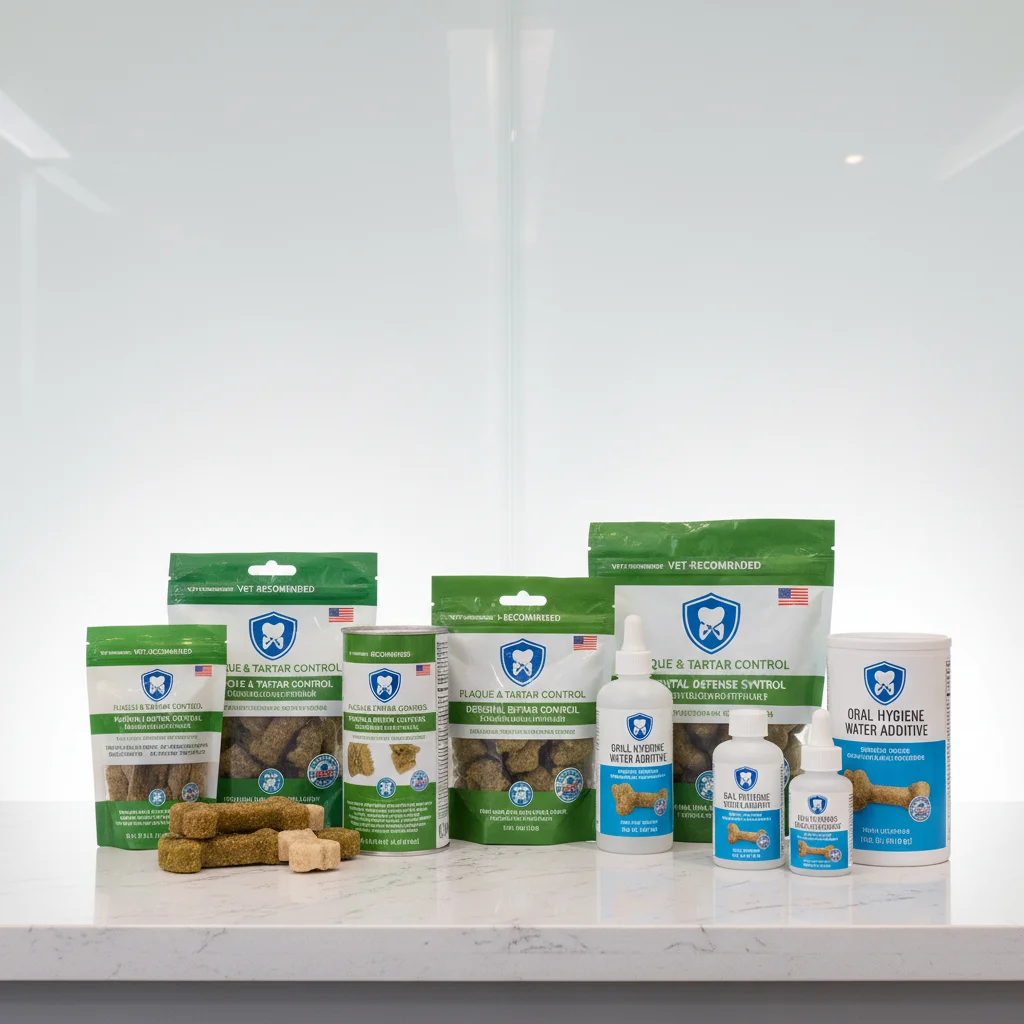
Choosing the Right Pet Dental Care Tools: What to Look For
With so many options available, how do you choose the best Pet Dental Care Tools for your furry friend? Here are some key factors to consider:
- Veterinarian Recommendation: Your vet knows your pet’s specific health needs and can offer tailored advice on products and routines.
- VOHC Seal of Acceptance: For dental chews and some diets, this seal is a strong indicator of proven efficacy in reducing plaque and/or tartar.
- Safety First: Ensure all products are specifically formulated for pets and do not contain ingredients toxic to animals (e.g., xylitol, fluoride in human toothpastes).
- Pet’s Acceptance: The most effective tool is one your pet will tolerate and that you will consistently use. Experiment with flavors and textures.
- Ingredient List: Opt for products with clear, high-quality ingredients, especially for toothpastes and water additives.
- Ease of Use: Consider your own comfort and ability to use the tools effectively. A finger brush might be easier for a nervous pet owner than a standard brush, to begin with.
- Brand Reputation: Choose reputable brands known for producing safe and effective pet products.
Addressing Common Challenges in Pet Dental Care
Even with the best Pet Dental Care Tools, you might encounter challenges. Here are some common issues and how to address them:
- Pet Refuses Brushing: Start incredibly slow. Focus on positive reinforcement. Try different toothpastes for flavor. If brushing is completely out, rely more heavily on dental chews, water additives, and professional cleanings.
- Aggression During Brushing: If your pet becomes aggressive, stop immediately. Consult your vet or a professional pet trainer. There might be underlying pain, or your approach might be too forceful.
- Bad Breath Persists: Even with brushing, persistent bad breath can indicate advanced dental disease requiring professional intervention, or other underlying health issues. A vet visit is crucial.
- Difficulty Accessing Back Teeth: Use a toothbrush with an angled head or a multi-sided brush. For some pets, a finger brush might allow better maneuverability. Patience and practice are key.
- Cost of Dental Care: At-home dental care is significantly less expensive than professional cleanings for advanced disease. Investing in good Pet Dental Care Tools and a routine now can save you money and your pet pain in the long run. Pet insurance plans often cover a portion of dental procedures.
The Future of Pet Dental Care: What’s Next Beyond 2026?
Looking beyond 2026, the field of pet dental care is likely to see even more innovation. We can anticipate further advancements in:
- Smart Dental Devices: Imagine toothbrushes with integrated sensors that track brushing effectiveness or provide data to your vet.
- Personalized Dental Nutrition: Diets tailored not just for general dental health but for specific oral microbiome needs.
- Advanced Imaging for Early Detection: More accessible and less invasive methods for detecting dental issues before they become severe.
- Targeted Therapeutic Agents: New medications or treatments that specifically target the bacteria responsible for periodontal disease.
- Improved Anesthesia-Free Options: While professional cleanings typically require anesthesia, research into safer and more effective anesthesia-free options for minor cleaning might continue, though currently, anesthesia remains the safest and most thorough method for subgingival cleaning.
Staying informed about these developments will allow U.S. pet owners to continually provide the best possible oral health care for their companions.
Conclusion: A Lifetime of Healthy Smiles with the Right Pet Dental Care Tools
Maintaining your pet’s oral hygiene is a lifelong commitment that significantly impacts their overall health and happiness. By understanding the importance of dental care, familiarizing yourself with the best Pet Dental Care Tools available in 2026, and implementing a consistent routine, you can prevent painful and costly dental diseases.
Remember, a proactive approach combining daily at-home care with regular veterinary check-ups and professional cleanings is the most effective strategy. Start today, be patient and persistent, and make dental care a positive experience for your pet. Your furry friend will thank you with many years of healthy smiles and wagging tails. Investing in their dental health is investing in their quality of life.