Daily Dog Dental Care: Prevent 70% Oral Issues in 10 Minutes
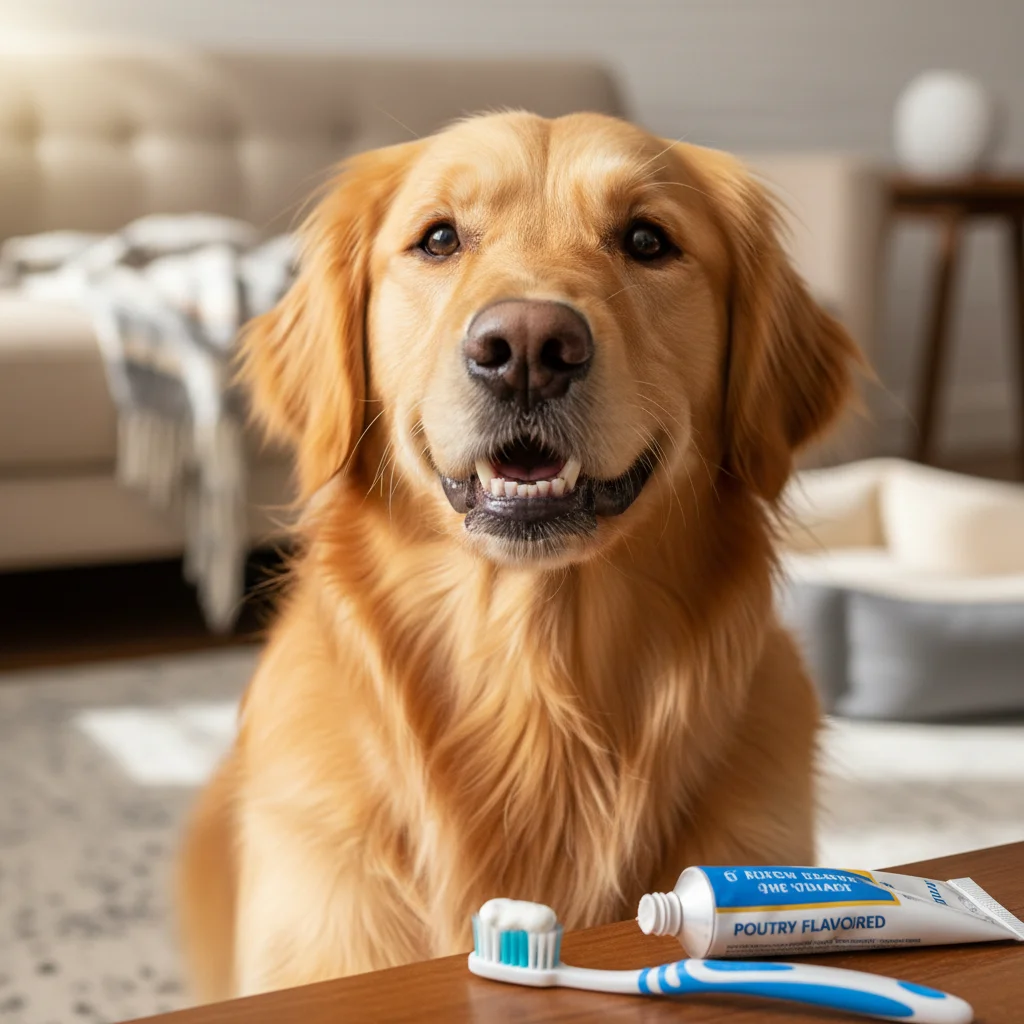
As devoted pet parents, we go to great lengths to ensure our furry companions are happy and healthy. We feed them nutritious food, provide plenty of exercise, and shower them with affection. However, one crucial aspect of their well-being often gets overlooked: their dental health. Just like humans, dogs are susceptible to a myriad of oral issues, from plaque and tartar buildup to gum disease and painful infections. The good news? A consistent, simple dog dental care routine can prevent up to 70% of these common problems, and it only takes about 10 minutes a day. Imagine the difference that small investment of time can make in your dog’s life, preventing discomfort, costly vet bills, and potentially life-threatening systemic diseases.
Many dog owners are unaware of the significant impact poor oral hygiene can have on their pet’s overall health. Dental disease is not just about bad breath; it’s a gateway for bacteria to enter the bloodstream, potentially affecting vital organs like the heart, kidneys, and liver. In fact, by the age of three, most dogs show signs of periodontal disease. This staggering statistic underscores the urgency of proactive dog dental care. This comprehensive guide will walk you through everything you need to know to establish an effective, easy-to-follow daily dental care regimen for your beloved canine, ensuring they enjoy a healthier, happier life for years to come.
The Alarming Reality of Canine Dental Disease
Before diving into solutions, it’s essential to understand the scope of the problem. Periodontal disease in dogs begins subtly. It starts with plaque, a sticky film of bacteria, food particles, and saliva that constantly forms on the teeth. If plaque isn’t removed regularly, it hardens into tartar (calculus), which is much more difficult to remove. Tartar buildup above the gum line is unsightly, but the real danger lies beneath. When plaque and tartar accumulate below the gum line, they cause inflammation of the gums, known as gingivitis. This is the first stage of periodontal disease, and it’s reversible with proper dog dental care.
However, if gingivitis is left untreated, it progresses to periodontitis. This more severe form of dental disease involves irreversible damage to the supporting structures of the teeth, including the bone and ligaments. Pockets form between the teeth and gums, providing an ideal breeding ground for bacteria. This leads to chronic pain, loose teeth, tooth loss, and severe infections. The bacteria from these oral infections can travel through the bloodstream to other organs, causing systemic health issues. Studies have shown a strong link between periodontal disease and heart disease, kidney disease, and liver problems in dogs. This highlights why consistent dog dental care is not just about fresh breath, but about holistic health.
Symptoms of dental disease in dogs can include:
- Bad breath (halitosis) – often the first noticeable sign.
- Yellow or brown tartar buildup on teeth.
- Red, swollen, or bleeding gums.
- Difficulty eating, chewing on one side of the mouth, or dropping food.
- Pawing at the mouth or excessive drooling.
- Loose or missing teeth.
- Changes in behavior, such as irritability or withdrawal, due to pain.
Recognizing these signs early is crucial, but prevention through daily dog dental care is always the best approach.
The 10-Minute Daily Dog Dental Care Routine: Your Roadmap to Oral Health
You might be thinking, “10 minutes a day? That sounds like a lot!” But when broken down, it’s incredibly manageable and highly effective. This routine combines multiple strategies to attack plaque and tartar from all angles. Consistency is key, so try to make this a regular part of your dog’s daily life, perhaps after their last meal or during a quiet evening bonding session.
Step 1: The Cornerstone – Daily Tooth Brushing (5-7 minutes)
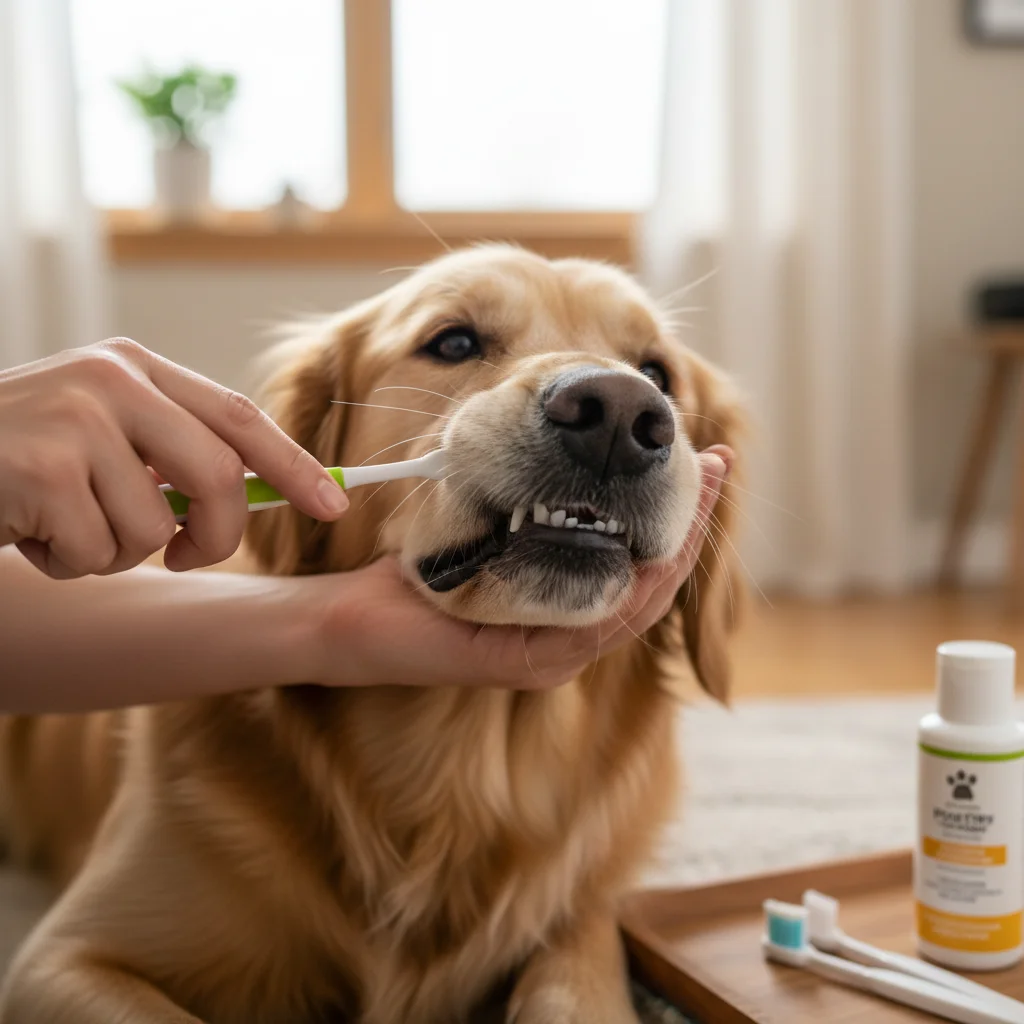
Brushing your dog’s teeth is the gold standard for dog dental care. It’s the most effective way to mechanically remove plaque before it hardens into tartar. Don’t be intimidated; with patience and positive reinforcement, most dogs can learn to tolerate, and even enjoy, tooth brushing.
Getting Started with Brushing:
- Gather Your Tools: You’ll need a dog-specific toothbrush (finger brushes, multi-headed brushes, or traditional brushes are available) and enzymatic dog toothpaste. NEVER use human toothpaste, as it contains ingredients like fluoride and xylitol that are toxic to dogs.
- Introduce Gradually: Start by letting your dog lick a small amount of toothpaste off your finger. The taste is often appealing. Do this for a few days without introducing the brush.
- Finger Brush Introduction: Once they’re comfortable with the toothpaste, put a little on a finger brush and gently rub it on their outer teeth and gums for a few seconds. Focus on the outer surfaces of the upper teeth, as these are most prone to plaque buildup. Praise and reward heavily.
- Transition to a Toothbrush: Once comfortable with the finger brush, introduce the actual toothbrush. Lift their lip to expose the teeth and gums. Use a gentle, circular motion, focusing on the gum line where plaque accumulates. Aim for 30 seconds to 1 minute per side, gradually increasing duration as your dog gets used to it.
- Positive Reinforcement is Key: Always make it a positive experience with praise, treats, and affection. If your dog resists, stop and try again later or shorten the session. The goal is to build trust and routine, not to force it.
Even if you can only brush for a minute or two initially, it’s better than nothing. Over time, you’ll likely find your dog becomes more cooperative, making this vital part of dog dental care much easier.
Step 2: Dental Chews and Treats (2-3 minutes)
While not a substitute for brushing, dental chews and treats can be an excellent adjunct to your dog dental care routine. They work by mechanically scraping plaque off the teeth as your dog chews, and some contain enzymes or other ingredients to help reduce plaque and freshen breath. Choose products that are specifically designed for dental health and are appropriate for your dog’s size and chewing style.
Tips for Choosing and Using Dental Chews:
- Look for VOHC Seal: The Veterinary Oral Health Council (VOHC) awards a seal of acceptance to products that meet specific standards for plaque and tartar reduction. This is a reliable indicator of effectiveness.
- Right Size and Hardness: Ensure the chew is appropriately sized for your dog to prevent choking hazards. Avoid chews that are too hard (like antlers or real bones) as they can fracture teeth.
- Supervise Chewing: Always supervise your dog when they are enjoying a dental chew to ensure they chew safely and don’t try to swallow large pieces.
- Calorie Content: Remember that dental treats contribute to your dog’s daily calorie intake. Adjust their meal portions accordingly to prevent weight gain.
Incorporating a VOHC-approved dental chew daily can significantly boost your overall dog dental care efforts.
Step 3: Oral Rinses or Water Additives (1 minute)
For an extra layer of protection, consider using a veterinary-approved oral rinse or water additive. These products contain antiseptic ingredients that help reduce bacteria in the mouth, further combating plaque and bad breath. They are particularly useful for dogs who are resistant to brushing or as an additional measure in a comprehensive dog dental care plan.
How to Use:
- Oral Rinses: Apply directly to your dog’s gums and teeth as directed by the product instructions. Some come with applicators, or you can use a cotton swab.
- Water Additives: Simply add the recommended amount to your dog’s drinking water daily. Ensure your dog continues to drink their water normally.
Always choose products specifically formulated for dogs and consult your veterinarian if you have any questions about their suitability for your pet. This simple step can round out your daily dog dental care routine effectively.
Beyond the Daily 10 Minutes: Other Essential Dog Dental Care Strategies
While the 10-minute daily routine is paramount, other strategies play a crucial role in maintaining optimal oral health for your dog.
Regular Veterinary Dental Check-ups (Annually)
Just like humans need professional dental cleanings, dogs benefit immensely from regular veterinary dental check-ups and professional cleanings under anesthesia. Your veterinarian can assess your dog’s overall oral health, identify any underlying issues, and recommend a professional cleaning if necessary. During a professional cleaning, your vet will scale away plaque and tartar above and below the gum line, polish the teeth, and often perform dental X-rays to check for problems not visible to the naked eye, such as bone loss or abscesses. These professional cleanings are a cornerstone of comprehensive dog dental care and cannot be replaced by at-home efforts alone.
Diet and Nutrition
The food your dog eats can also impact their dental health. Some prescription dental diets are specially formulated with a unique kibble texture and/or ingredients that help reduce plaque and tartar buildup. These diets often have a larger, fibrous kibble that mechanically scrubs the teeth as the dog chews. Discuss with your veterinarian if a dental-specific diet would be beneficial for your dog’s dog dental care plan.
Chew Toys (Non-Dental Specific)
While not specifically designed for dental cleaning, certain chew toys can contribute to good oral health by encouraging chewing, which helps scrape off soft plaque. Look for durable rubber toys or toys designed for strong chewers. Always ensure the toys are safe, non-toxic, and cannot be easily broken into pieces that could be swallowed or cause choking. Supervise your dog with new toys to ensure they are used safely.

Overcoming Challenges in Dog Dental Care
It’s common to face challenges when trying to establish a new dog dental care routine. Here are some common hurdles and how to overcome them:
- Resistance to Brushing: Patience is your best friend. Start slow, use lots of positive reinforcement, and keep sessions short. If your dog is highly resistant, consult with your vet or a professional dog trainer for guidance. Sometimes, starting with a finger brush and gradually moving to a regular brush can help.
- Aggression or Fear: If your dog shows aggression or extreme fear during dental care attempts, do not force it. This could damage your bond and make future attempts even harder. Seek professional help from your veterinarian or a certified dog behaviorist. They can help identify the root cause and suggest safe strategies.
- Time Constraints: Remember, it’s just 10 minutes! Break it down: 5-7 minutes for brushing, 2-3 minutes for a dental chew, and 1 minute for a water additive. You can even split these tasks throughout the day if it’s easier. The key is consistency.
- Choosing the Right Products: The market is flooded with dental products. Stick to those with the VOHC seal for chews and treats, and always use vet-approved toothpastes, rinses, and water additives. When in doubt, ask your veterinarian for recommendations tailored to your dog’s needs.
- Existing Dental Disease: If your dog already has significant plaque, tartar, or gum disease, at-home care alone will not be enough. They will likely need a professional dental cleaning under anesthesia first. Once their mouth is clean and healthy, then you can start with a daily preventative dog dental care routine.
The Long-Term Benefits of Consistent Dog Dental Care
Investing 10 minutes a day in your dog’s dental health yields significant long-term rewards. By preventing up to 70% of common oral issues, you are not only saving your dog from pain and discomfort but also potentially extending their lifespan and improving their quality of life. Consider these benefits:
- Reduced Risk of Systemic Diseases: As mentioned, good oral hygiene reduces the chances of bacteria spreading to vital organs, protecting against heart, kidney, and liver disease.
- Fewer Professional Cleanings: While annual vet check-ups are still recommended, consistent home dog dental care can reduce the frequency and intensity of professional dental cleanings, potentially saving you money and reducing the need for anesthesia.
- Elimination of Bad Breath: Say goodbye to “dog breath”! A clean mouth means fresher breath, making cuddle time much more enjoyable for both of you.
- Prevention of Tooth Loss: By keeping gums healthy and supporting structures intact, you help preserve your dog’s natural teeth, ensuring they can chew comfortably throughout their life.
- Improved Quality of Life: A dog free from oral pain is a happier, more energetic dog. They will eat better, play more, and generally have a better disposition.
- Stronger Bond: The daily ritual of caring for your dog’s teeth can become a bonding experience, reinforcing trust and affection.
The statistics are clear: dog dental care is not a luxury; it’s a necessity. With an estimated 80% of dogs over the age of three suffering from some form of dental disease, the need for proactive intervention is undeniable. This 10-minute daily routine is a powerful tool in your arsenal to combat these widespread issues.
Conclusion: Make Dog Dental Care a Priority Today
Good oral hygiene is a cornerstone of overall health for your canine companion. Neglecting dog dental care can lead to a cascade of painful and costly problems, impacting not just their mouth but their entire body. The good news is that with just 10 minutes of dedicated effort each day, you can dramatically reduce their risk of developing severe dental disease by up to 70%. This simple commitment translates into a healthier, happier, and longer life for your best friend.
Start today by introducing tooth brushing gradually, incorporating VOHC-approved dental chews, and considering oral rinses or water additives. Remember to schedule regular veterinary dental check-ups, as professional cleanings are an indispensable part of a complete dog dental care program. Be patient, be consistent, and always use positive reinforcement to make dental care a positive experience for your dog.
Your dog relies on you for every aspect of their care. By prioritizing their dental health, you are making a profound investment in their well-being. A clean mouth is a healthy mouth, and a healthy mouth is a happy dog. Take the pledge to protect their pearly whites and give them the gift of optimal oral health for years to come. Your dog will thank you with wagging tails and fresh-smelling kisses!