Ultimate Guide to Pet Crate Selection 2026: Size, Material, Safety & Training
Selecting the Ideal Pet Crate for 2026: Size, Material, and Safety Considerations for U.S. Training
Choosing the right pet crate is one of the most fundamental decisions a pet owner can make, especially for those in the U.S. looking to ensure their furry companion’s safety, comfort, and successful training. As we move further into 2026, the market for pet crates continues to evolve, offering an array of options that can be both exciting and overwhelming. This comprehensive Pet Crate Selection Guide aims to demystify the process, providing you with the knowledge to make an informed choice that benefits both you and your beloved pet. From understanding the critical importance of proper sizing to evaluating the myriad of materials and ensuring top-tier safety features, we’ll cover every aspect necessary to select the ideal pet crate for your specific needs.
A pet crate is far more than just a cage; it’s a personal den, a safe haven, a tool for house-training, and a secure travel compartment. Its role in a pet’s life is multifaceted and profoundly impactful. For puppies and kittens, it’s instrumental in teaching boundaries, fostering independence, and aiding in potty training. For adult pets, it can serve as a quiet retreat, a secure space during stressful situations like thunderstorms, or a safe way to transport them. The benefits extend to pet owners as well, offering peace of mind knowing their pet is safe and contained when unsupervised, preventing destructive behaviors, and simplifying travel logistics.
The landscape of pet ownership in the U.S. is continuously shifting, with a growing emphasis on pet welfare, positive reinforcement training, and integrating pets seamlessly into family life. This means that the demand for high-quality, safe, and comfortable pet crates is higher than ever. With advancements in design and materials, 2026 brings new considerations and opportunities to find the perfect match for your pet. This guide will navigate these modern options, ensuring you are well-equipped to select a crate that not only meets current standards but also anticipates future needs.
Whether you’re a first-time pet parent or a seasoned enthusiast, the journey of choosing a pet crate requires careful consideration. This article will break down the essential factors, offering practical advice and expert insights. We will delve into the nuances of sizing, explore the pros and cons of various materials, highlight crucial safety features, and discuss how to integrate the crate effectively into your pet’s training regimen. By the end of this guide, you will be confident in your ability to make the best possible decision for your pet’s well-being and your peace of mind, armed with the ultimate Pet Crate Selection Guide.
Understanding the Purpose of a Pet Crate
Before diving into the specifics of selection, it’s crucial to fully grasp why a pet crate is such a valuable asset. The primary purposes of a pet crate are often misunderstood, leading some owners to view them as restrictive rather than beneficial. In reality, a properly introduced and utilized crate can significantly enhance a pet’s quality of life and strengthen the bond with its owner.
Safety and Security
One of the most immediate benefits of a pet crate is the safety it provides. When you’re away from home or unable to supervise your pet, a crate prevents them from getting into dangerous situations, such as chewing on electrical cords, ingesting toxic substances, or damaging furniture. It also offers a secure space during times of stress, like fireworks, thunderstorms, or when unfamiliar guests are present. For pets who are prone to anxiety, a crate can become a comforting den, a place where they feel protected and at ease.
Potty Training and Housebreaking
Crates are invaluable tools for house-training puppies and even adult dogs with housebreaking issues. Dogs are naturally clean animals and instinctively avoid soiling their sleeping area. By using a crate of the appropriate size, you leverage this natural instinct. The pet learns to hold its bladder and bowels until it’s released from the crate, creating a routine that helps establish good potty habits. This method is highly effective and widely recommended by veterinarians and trainers across the U.S.
Travel and Transportation
Whether it’s a short trip to the vet, a road trip across states, or air travel, a pet crate ensures safe and compliant transportation. Airlines and many public transportation services require pets to be in an approved carrier. Even for car rides, a secured crate prevents pets from becoming a distraction to the driver or being injured during sudden stops or accidents. It provides a familiar and secure environment, reducing travel-related stress for your pet.
Behavioral Management and Training
Beyond house-training, crates play a significant role in overall behavioral management. They can help manage separation anxiety by providing a consistent, predictable space. Crates can also be used to prevent destructive chewing, excessive barking, or other undesirable behaviors when direct supervision isn’t possible. When introduced positively, a crate becomes a positive reinforcement tool, teaching your pet self-control and providing a reliable routine. It serves as a quiet space for pets to decompress and learn to be calm independently.
Personal Retreat
Lastly, for many pets, their crate becomes their personal sanctuary. It’s a place where they can retreat for uninterrupted sleep, a quiet chew on a favorite toy, or just some alone time away from the hustle and bustle of a busy household. This sense of ownership and security is vital for a pet’s mental well-being, fostering a feeling of safety and belonging. Understanding these multifaceted purposes is the first step in appreciating the value of a pet crate and making an informed decision within this Pet Crate Selection Guide.
The Golden Rule: Proper Sizing for Your Pet
The single most critical factor in selecting a pet crate is its size. An improperly sized crate can be detrimental to your pet’s comfort, training, and overall well-being. Too small, and it’s uncomfortable and restrictive; too large, and it defeats the purpose of house-training. This section of our Pet Crate Selection Guide will walk you through how to measure your pet accurately and choose the perfect crate dimensions.
Measuring Your Pet Accurately
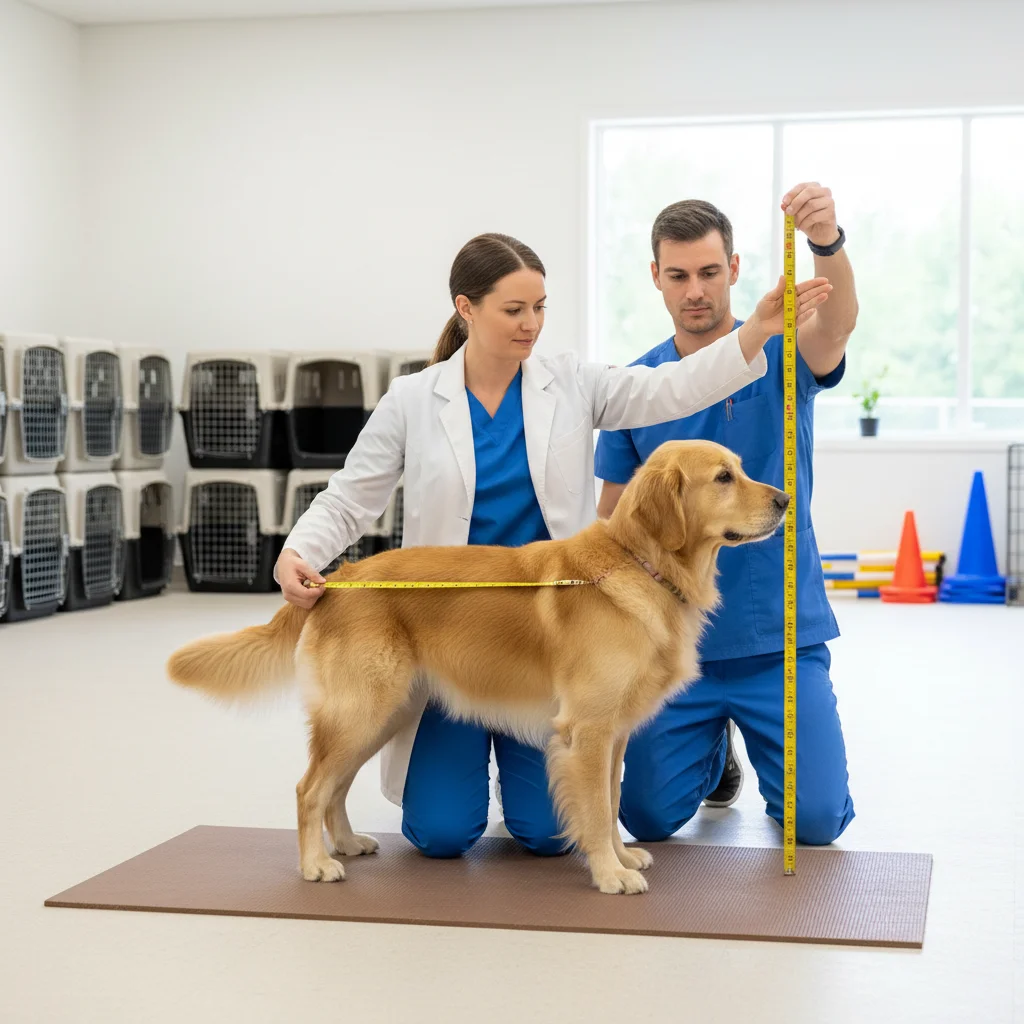
To determine the correct crate size, you’ll need two primary measurements for your pet: length and height.
- Length: Measure your pet from the tip of their nose to the base of their tail. Do not include the tail itself.
- Height: Measure your pet from the top of their head to the floor while they are standing. If your pet has erect ears, measure to the tip of the ears.
Once you have these measurements, you’ll want to add a few inches to each to ensure adequate space. For length, add 4-6 inches. For height, add 3-5 inches. This extra space allows your pet to stand up, turn around, and lie down comfortably without feeling cramped. Remember, the goal is not to give them so much space that they can designate a potty area separate from their sleeping area, which would undermine house-training efforts.
Growth Considerations for Puppies and Kittens
If you’re selecting a crate for a puppy or kitten, you’ll need to consider their adult size. Research your pet’s breed standards to estimate their full-grown dimensions. Many crates come with dividers that can be adjusted as your pet grows. This allows you to start with a smaller, appropriate space for house-training and gradually expand the crate as they mature, making it a cost-effective and practical solution. Investing in a crate with a divider is a smart move for any growing pet, ensuring the crate remains an effective training tool throughout their development.
The "Just Right" Principle
The "just right" principle for crate sizing means your pet should be able to:
- Stand up completely without their head or ears touching the top.
- Turn around in a full circle comfortably.
- Lie down in a natural position, fully stretched out if they choose.
If the crate is too large, your pet might use one end as a sleeping area and the other as a bathroom, which defeats the purpose of house-training. If it’s too small, it can cause discomfort, stress, and even physical harm, turning the crate into a negative experience. The perfect size ensures comfort, security, and effective training, making this step paramount in our Pet Crate Selection Guide.
Exploring Pet Crate Materials: Pros and Cons
Once you’ve determined the correct size, the next crucial decision in your Pet Crate Selection Guide journey is choosing the right material. Each material offers distinct advantages and disadvantages in terms of durability, portability, ventilation, and aesthetics. Understanding these differences will help you align the crate with your specific needs and your pet’s temperament.
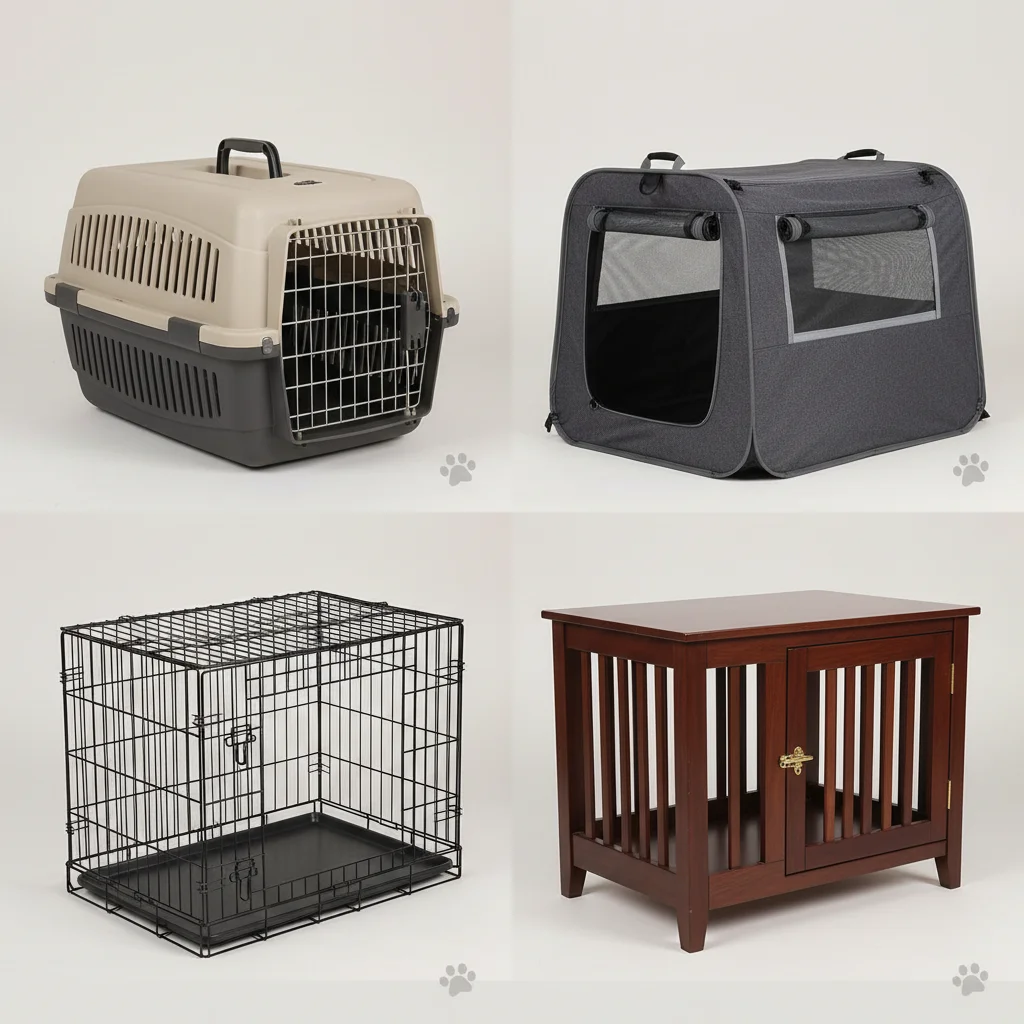
Wire Crates
Wire crates are arguably the most popular type, known for their versatility and durability.
- Pros: Excellent ventilation, easy to clean, collapsible for storage and travel, often include dividers for growing pets, and provide good visibility for your pet. They are generally very sturdy and difficult for pets to chew through.
- Cons: Can feel less den-like for some pets, and some may find the open nature less secure. They can also be heavy and clunky when moved frequently, and the wire can be cold or uncomfortable without proper bedding.
- Best For: House-training, general home use, pets that prefer good airflow, and owners who need adjustable sizing.
Plastic Crates (Kennels/Carriers)
Plastic crates are often used for travel and offer a more enclosed, den-like environment.
- Pros: Lightweight and portable, offer a sense of security and privacy, good for travel (often airline-approved), easy to clean, and provide insulation against drafts.
- Cons: Less ventilation than wire crates, which can be an issue in warmer climates. They are typically not collapsible, taking up more storage space, and visibility for your pet can be limited. Some pets might chew on the plastic, especially around the door or ventilation holes.
- Best For: Air travel, car travel, pets who prefer a cozy, den-like space, and those needing moderate privacy.
Soft-Sided Crates
Made from fabric like nylon or canvas, these crates are designed for comfort and portability.
- Pros: Extremely lightweight, highly portable, collapsible for easy storage, comfortable, and often aesthetically pleasing. They offer good ventilation through mesh windows.
- Cons: Not suitable for pets who are chewers or escape artists, as the fabric can be easily torn. Less durable than wire or plastic, and harder to clean thoroughly if accidents occur. Not airline-approved for cargo, though some smaller ones are allowed as carry-ons.
- Best For: Well-behaved pets, short-term use, car travel, indoor use, and owners prioritizing portability and aesthetics.
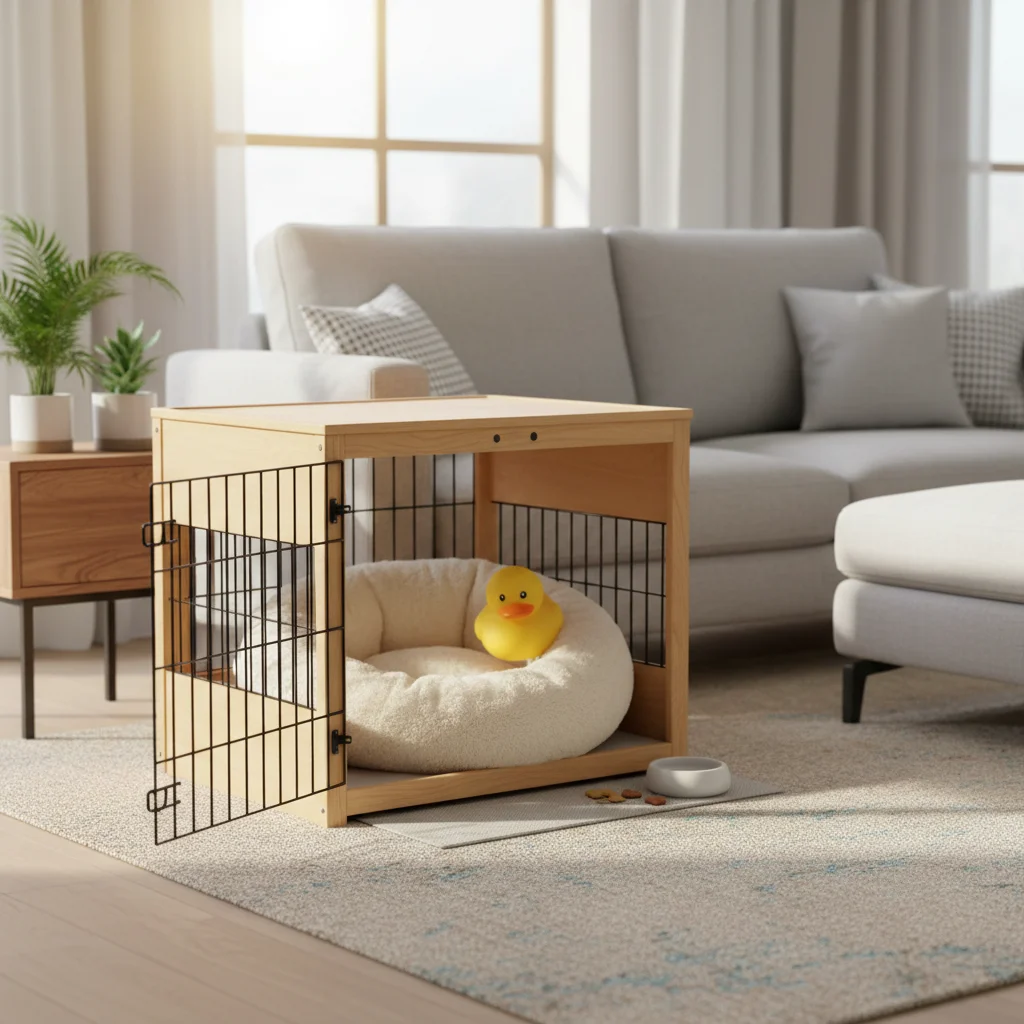
Furniture-Style Crates (Wooden Crates)
These crates are designed to blend seamlessly with home decor, doubling as end tables or decorative pieces.
- Pros: Aesthetically pleasing, can serve as functional furniture, often made from sturdy wood or metal, providing a permanent and attractive solution.
- Cons: Very heavy and not portable, generally more expensive, and may not offer the same level of ventilation as wire crates. Cleaning can be more challenging if accidents happen on wood.
- Best For: Pets who are already crate-trained, owners looking for a permanent, stylish crate solution that complements their home decor.
Hybrid Crates
Some manufacturers offer hybrid designs, combining features from different materials, such as a plastic base with wire sides or a soft-sided crate with a sturdy frame. These can offer a good balance of features, such as enhanced ventilation with added privacy or increased portability with better durability. Always evaluate the specific combination of features against your pet’s needs and your lifestyle when considering a hybrid option.
The choice of material significantly impacts the crate’s functionality and your pet’s experience. Consider your pet’s chewing habits, anxiety levels, travel frequency, and your home environment when making your decision within this Pet Crate Selection Guide.
Essential Safety Features to Look For
Safety should always be paramount when selecting any product for your pet, and crates are no exception. A safe crate protects your pet from harm and provides you with peace of mind. As part of our Pet Crate Selection Guide, here are the essential safety features you must consider for any crate you purchase in 2026.
Secure Latches and Doors
The crate’s door and latch mechanism are critical. Ensure they are robust and cannot be easily opened by a clever or determined pet. Look for latches that require a deliberate action to open, such as a spring-loaded mechanism or a double-latch system. Flimsy latches can lead to escapes, potential injury, or your pet getting stuck. For wire crates, ensure the door hinges are strong and won’t bend or break with repeated use.
Smooth Edges and Construction
Inspect the entire crate for any sharp edges, burrs, or protruding wires that could scratch or injure your pet. This is particularly important for wire and metal crates. All components should be smoothly finished and securely joined. For plastic crates, check for any rough seams. A well-constructed crate will have a polished finish, indicating attention to detail and safety.
Adequate Ventilation
Proper airflow is essential to prevent overheating, especially in warmer climates or during travel. Wire crates naturally excel in this area. For plastic or soft-sided crates, ensure there are ample ventilation holes or mesh windows. These should be strategically placed to allow air circulation from multiple directions. Never cover all ventilation openings, as this can lead to dangerously high temperatures inside the crate.
Non-Toxic Materials
Pets, especially puppies and anxious animals, may chew on their crate. It’s crucial that all materials, including paints, coatings, and plastics, are non-toxic and pet-safe. Reputable manufacturers will specify that their products meet safety standards. If you’re unsure, look for certifications or contact the manufacturer directly.
Sturdy Base and Floor
The crate’s base should be solid and stable. For wire crates, a removable plastic pan is standard. Ensure this pan fits snugly and doesn’t slide around, which could startle or injure your pet. It should also be made of durable, easy-to-clean material. For other crate types, verify the floor is robust enough to support your pet’s weight comfortably and won’t sag or break over time.
No Pinch Points or Gaps
Carefully examine the crate for any areas where a paw, tail, or even a collar could get caught or pinched. This is especially relevant for collapsible wire crates where folding mechanisms might create small gaps. Ensure all moving parts operate smoothly and safely. Avoid crates with large gaps between wires or bars that a pet could try to squeeze through, potentially getting stuck.
Airline Approval (if applicable)
If you plan to travel by air with your pet, ensure the crate is airline-approved. This typically applies to plastic crates and means it meets specific requirements for ventilation, construction, and labeling set by the International Air Transport Association (IATA). Always check with your specific airline for their current requirements, as they can vary.
Anchoring Options for Travel
For car travel, consider crates that offer options to be secured with seat belts or tie-downs. This prevents the crate from shifting during transit, protecting your pet in case of sudden stops or collisions. Even if the crate itself isn’t designed for seatbelt attachment, ensure it can be safely wedged or secured in your vehicle.
Prioritizing these safety features will ensure that the crate you choose is not only comfortable but also a truly secure environment for your pet, reinforcing the core principles of this Pet Crate Selection Guide.
Integrating the Crate into Your Pet’s Training and Life
Acquiring the perfect crate is only half the battle; the other half involves proper introduction and integration into your pet’s daily routine. A crate should be seen as a positive, safe space, not a punishment. This section of our Pet Crate Selection Guide provides strategies for successful crate training and making the crate a beloved part of your pet’s life.
Positive Crate Introduction
The key to successful crate training is positive association. Never force your pet into the crate or use it for punishment. Instead:
- Make it Inviting: Place soft bedding, a favorite toy, and a few treats inside.
- Introduce Gradually: Allow your pet to explore the crate on their own terms. Leave the door open initially.
- Mealtime in the Crate: Start feeding your pet their meals inside the crate with the door open. Gradually close the door for short periods while they eat.
- Short Stays: Begin with very short periods of crating (e.g., 5-10 minutes) while you are in the room. Gradually increase the duration as your pet becomes more comfortable.
- Positive Reinforcement: Always reward calm behavior in the crate with praise and treats.
Location, Location, Location
The placement of the crate matters. Initially, place the crate in a common area of your home, such as the living room or bedroom, where your pet can still feel part of the family. This prevents feelings of isolation. Once they are comfortable, you can move it to a quieter spot if desired, but always ensure it’s in a draft-free area, away from extreme temperatures.
Crate Accessories for Enhanced Comfort
To make the crate even more appealing and comfortable, consider these accessories:
- Comfortable Bedding: A soft, washable bed or blanket provides warmth and cushioning.
- Chew Toys: Durable chew toys can keep your pet occupied and reduce anxiety.
- Water Bottle: A crate-mounted water bottle can provide hydration without the risk of spills.
- Crate Cover: A breathable crate cover can provide a den-like feel, reducing visual distractions and promoting relaxation.
Establishing a Routine
Consistency is vital for successful crate training. Establish a routine for when your pet goes into the crate (e.g., during your work hours, at night, when guests arrive). Always take your pet out to relieve themselves immediately before and after crating. This helps them understand the expectations and reinforces house-training.
Addressing Crate Anxiety
Some pets may initially exhibit anxiety in the crate. Signs include excessive barking, whining, destructive behavior, or attempts to escape. If this occurs, revisit the positive introduction steps, shorten crate times, and ensure the crate isn’t associated with negative experiences. Consult with a professional dog trainer or veterinarian if anxiety persists, as it may indicate underlying issues. Never use the crate as a place of punishment, as this will only exacerbate anxiety.
When to Use and When Not to Use a Crate
While crates are incredibly beneficial, they should not be used excessively. Pets should not be crated for unreasonably long periods (e.g., an entire workday without a break). They need opportunities for exercise, socialization, and potty breaks. The crate should be a temporary safe space, not a permanent confinement. For young puppies, their bladder control is limited, so their crate time should reflect this. As they mature, they can tolerate longer periods.
By thoughtfully integrating the crate into your pet’s life and training, you can foster a positive relationship with this essential tool, ensuring it remains a comfortable and secure sanctuary for years to come. This proactive approach is a cornerstone of this Pet Crate Selection Guide.
Advanced Considerations and 2026 Trends
As pet ownership evolves, so do the features and types of crates available. Beyond the basics of size, material, and safety, there are advanced considerations and emerging trends for 2026 that can further enhance your pet’s crating experience. Our Pet Crate Selection Guide wouldn’t be complete without touching on these.
Smart Crates and Technology Integration
The smart home trend is extending to pet products, including crates. While not yet mainstream, some innovative crates may incorporate features like:
- Temperature Monitoring: Sensors that alert you if the crate’s internal temperature becomes too hot or cold.
- Integrated Cameras: Allowing you to monitor your pet remotely via an app.
- Automated Water/Food Dispensers: For very short periods or specific needs, though direct human interaction remains best.
- Smart Lighting: Calming lights or timers to simulate natural daylight cycles.
These technologies aim to provide pet owners with greater peace of mind and enhance monitoring capabilities. However, always prioritize fundamental safety and comfort over technological gimmicks.
Eco-Friendly and Sustainable Crates
With a growing focus on sustainability, pet product manufacturers are increasingly offering eco-friendly options. Look for crates made from:
- Recycled Plastics: Durable and environmentally conscious.
- Sustainably Sourced Wood: For furniture-style crates, ensuring responsible forestry practices.
- Biodegradable Materials: Though less common for structural components, some accessories may use them.
Choosing an eco-friendly crate is a way to support sustainable practices while still providing a quality product for your pet.
Multi-Purpose and Modular Designs
Manufacturers are innovating with crates that offer more than one function:
- Crate-and-Car-Seat Combos: For smaller pets, these provide a secure travel option that also functions as a home crate.
- Modular Systems: Some crates can connect to playpens or other enclosures, creating a larger, customizable safe space.
- Convertible Crates: Crates that can transform into pet gates or open beds as your pet’s needs change.
These designs offer greater value and adaptability, making them appealing to modern pet owners.
Enhanced Durability and Escape-Proofing
For "escape artist" pets or those with high anxiety who might chew or bend traditional crates, specialized heavy-duty crates are gaining popularity. These often feature:
- Thicker Gauge Wire or Reinforced Metal: To resist bending and breaking.
- Stronger Welds and Fasteners: To prevent components from coming apart.
- More Secure Latching Systems: Often with multiple points of closure or more complex mechanisms.
While these crates can be more expensive, they are an essential investment for pets who pose a risk to themselves in standard crates.
Aesthetic Integration and Home Decor
Beyond furniture-style crates, there’s a broader trend towards pet products that seamlessly integrate into home aesthetics. This includes:
- Stylish Color Options: Moving beyond basic black or silver.
- Designer Crate Covers: Offering decorative options to make a wire crate look more like a piece of furniture.
- Crates with Integrated Planters or Storage: Blending functionality with home decor.
For many U.S. pet owners, the visual appeal of a pet crate in their living space is an important consideration.
Staying informed about these advanced considerations and trends will help you choose a crate that not only meets your pet’s current needs but also aligns with your lifestyle and values in 2026 and beyond. This foresight is a key aspect of this comprehensive Pet Crate Selection Guide.
Conclusion: Making the Best Choice for Your Beloved Companion
Navigating the vast array of pet crates available in 2026 can seem daunting, but by following the principles outlined in this Pet Crate Selection Guide, you are now well-equipped to make an informed and confident decision. The ideal pet crate is a blend of thoughtful consideration for your pet’s individual needs, your lifestyle, and the specific purposes the crate will serve.
Remember, the journey begins with understanding the fundamental role a crate plays in a pet’s life — as a safe haven, a training aid, and a secure travel solution. From there, the golden rule of proper sizing cannot be overstated. An accurately measured crate ensures comfort, security, and the effectiveness of house-training. Always consider your pet’s adult size if you’re bringing home a puppy or kitten, utilizing adjustable dividers to accommodate growth.
The choice of material — be it wire, plastic, soft-sided, or furniture-style — depends on a careful evaluation of durability, portability, ventilation, and how it aligns with your pet’s temperament and your home environment. Each material offers unique benefits and drawbacks, and understanding these will guide you to the best fit. Crucially, never compromise on safety. Secure latches, smooth construction, adequate ventilation, and non-toxic materials are non-negotiable features that protect your pet from harm.
Finally, the successful integration of the crate into your pet’s life is as important as the selection itself. Positive introduction, consistent routine, and making the crate an inviting space through comfortable bedding and toys will transform it into a cherished den. Stay mindful of advanced considerations and emerging trends, such as smart features, eco-friendly options, and multi-purpose designs, to ensure your choice is modern and forward-thinking.
By taking the time to carefully consider each of these aspects, you are not just buying a pet accessory; you are investing in your pet’s well-being, safety, and happiness. A well-chosen and properly utilized pet crate will provide a sense of security for your companion and invaluable peace of mind for you, making it an indispensable part of responsible pet ownership in the U.S. for 2026 and beyond. May this Pet Crate Selection Guide serve as your trusted resource in creating the best possible environment for your furry family member.