Decoding Canine Body Language: 10 Key Signals Every Pet Owner Should Know by 2026
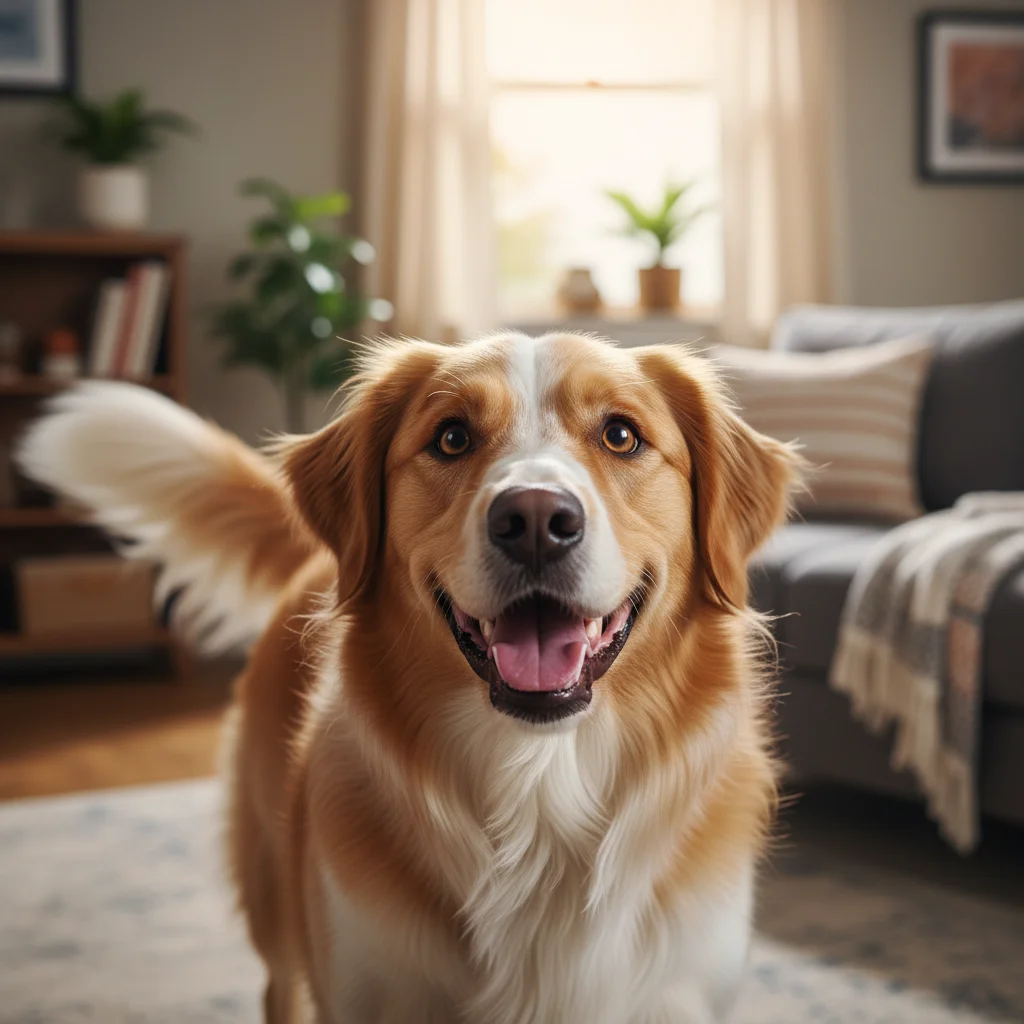
Decoding Canine Body Language: 10 Key Signals Every Pet Owner Should Know by 2026
As pet owners, we often wish our dogs could talk to us in human words, explaining their wants, needs, and feelings. While they may not use our language, dogs communicate constantly through a rich and nuanced system of canine body language. Understanding these signals is not just a fascinating endeavor; it’s a critical component of responsible pet ownership, fostering a deeper bond, preventing misunderstandings, and ensuring your furry friend’s well-being. By 2026, every pet owner should be proficient in recognizing these vital cues.
Imagine a world where you can anticipate your dog’s fear before a thunderstorm, understand their discomfort in a crowded park, or simply know when they’re truly happy and relaxed. This isn’t a fantasy; it’s the reality that unfolds when you learn to read their gestures, postures, facial expressions, and vocalizations. This comprehensive guide will delve into 10 key canine body language signals, empowering you to become a more intuitive and responsive companion.
Our dogs are masters of non-verbal communication, constantly sending us messages through their tails, ears, eyes, mouth, and overall body posture. Misinterpreting these signals can lead to frustration for both you and your dog, and in some cases, even lead to behavioral issues or dangerous situations. For instance, a dog that appears to be “smiling” might actually be displaying a submissive grin, a sign of anxiety rather than joy. Similarly, a wagging tail isn’t always a sign of happiness; its speed, height, and direction can reveal a spectrum of emotions from excitement to agitation.
The goal of this article is to equip you with the knowledge to accurately interpret your dog’s communication, enhancing your ability to meet their needs and build an unbreakable bond based on mutual understanding. We’ll explore common scenarios where these signals are displayed and provide actionable insights into how you can respond appropriately. Let’s embark on this journey to becoming fluent in canine body language.
The nuances of canine body language are subtle yet profound. It’s a language spoken through the entire body, from the tip of the nose to the end of the tail. By focusing on these 10 key signals, you’ll gain a foundational understanding that will serve you well in all your interactions with dogs, whether your own or others.
1. The Tail: More Than Just a Wag
The tail is arguably one of the most expressive parts of a dog’s anatomy, but its movements are frequently misinterpreted. A wagging tail is often universally associated with happiness, yet this is an oversimplification. The height, speed, and direction of the wag all contribute to its meaning.
- High, Fast Wag: This usually indicates excitement, happiness, and a friendly disposition. Think of a dog greeting you at the door after a long day.
- Low, Slow Wag: Often a sign of uncertainty, submission, or mild apprehension. The dog might be trying to appease or is unsure of the situation.
- Tail Tucked Between Legs: A clear signal of fear, anxiety, or submission. The dog is trying to make itself appear smaller and less threatening.
- Tail Held Horizontally or Slightly Raised, Stiff Wag: This can indicate alertness, curiosity, or even potential aggression. The dog is assessing the situation and is on guard.
- Tail Held High and Stiff: Often a sign of dominance, confidence, or a challenge. This dog is asserting itself.
Understanding the context is crucial. A fast, high wag in a relaxed dog is different from a fast, high wag in a dog that is also growling or showing teeth. Always look at the whole picture.
2. The Ears: Antennas of Emotion
A dog’s ears are incredibly mobile and provide a wealth of information about their emotional state. Their position can indicate focus, fear, aggression, or relaxation.
- Ears Relaxed/Natural Position: When a dog’s ears are in their natural, relaxed position (which varies by breed), it suggests they are calm and comfortable.
- Ears Forward/Upright: This indicates alertness, interest, and focus. The dog is paying attention to something.
- Ears Pinned Back/Flattened Against Head: A strong sign of fear, anxiety, or submission. The dog feels threatened and is trying to appear non-threatening.
- Ears Slightly Back/to the Side: Can indicate mild apprehension, curiosity, or a relaxed but attentive state.
For breeds with floppy ears, you might need to observe the base of the ear and how they are held relative to the head to discern their position.
3. The Eyes: Windows to the Soul
A dog’s eyes can convey a wide range of emotions, from affection to fear. Direct eye contact, pupils, and the whites of the eyes (sclera) all play a role.
- Soft, Relaxed Gaze: Often accompanied by slightly squinted eyes, this indicates contentment, affection, and trust.
- Direct, Hard Stare: A challenging or aggressive signal. This dog is asserting dominance or feeling threatened and may be preparing to defend itself. Avoid prolonged direct eye contact with an unfamiliar dog.
- Averted Gaze: A sign of submission, appeasement, or discomfort. The dog is trying to avoid conflict.
- “Whale Eye” (Whites of Eyes Showing): When a dog turns its head away but keeps its eyes fixed on something, revealing the whites of its eyes, it’s a clear sign of stress, fear, or discomfort. This is a critical signal to recognize.
- Dilated Pupils: Can indicate fear, excitement, or arousal.
Learning to read the eyes is one of the most powerful tools in understanding canine body language.
4. The Mouth: Smiles, Yawns, and Licks
The mouth provides many clues about a dog’s emotional state, from a relaxed pant to a warning growl.
- Relaxed, Slightly Open Mouth with a “Smile”: Often seen in happy, relaxed dogs. The corners of the mouth might be slightly turned up, resembling a smile.
- Closed Mouth: Can indicate focus, alertness, or mild tension.
- Lip Licking: Often a displacement behavior indicating stress, anxiety, or appeasement. It can also be a simple sign of hunger or thirst, so context is key.
- Yawning: Similar to lip licking, yawning can be a sign of stress or anxiety, especially when not tied to being tired.
- Growling: A clear warning sign. It’s a dog’s way of saying “I’m uncomfortable, and I need space.” Never punish a growl, as it’s a valuable communication signal.
- Showing Teeth (Snarl): A direct threat. The dog is warning that it may bite.
A relaxed pant is normal for dogs regulating their body temperature, but a pant accompanied by other stress signals warrants attention.
5. Overall Body Posture: The Big Picture
The dog’s entire body tells a story. Is it tense or relaxed? High or low? Every part contributes to the message.
- Relaxed Posture: A dog standing or lying in a relaxed manner, often with a loose, fluid body, suggests contentment. Weight is evenly distributed.
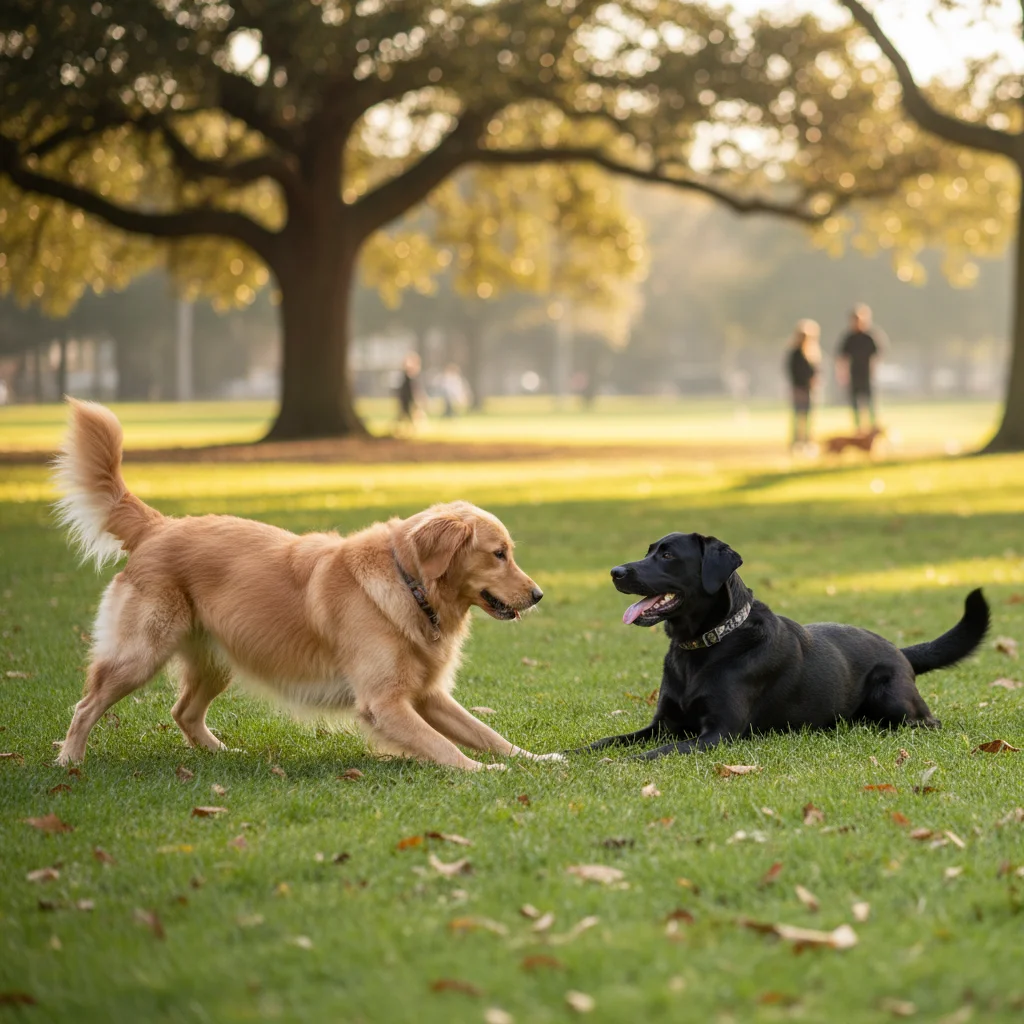
- “Play Bow”: Front legs on the ground, rear end up in the air. This is an invitation to play, a clear signal of friendly intent.
- Stiff, Tense Posture: A dog standing rigidly, perhaps with its weight shifted forward or backward, indicates tension, fear, or aggression. The muscles are taut.
- Cowering/Low to the Ground: A strong sign of fear or submission. The dog is trying to make itself as small as possible.
- Weight Shifted Forward: Often indicates a dog preparing to move forward, either in aggression, play, or investigation.
- Weight Shifted Backward: Indicates apprehension or a dog preparing to retreat.
Observing the overall posture in conjunction with other signals provides the most accurate interpretation of canine body language.
6. Paw Lifts and Freezing: Subtle Signs of Uncertainty
These are often subtle but important indicators of a dog’s emotional state, particularly uncertainty or mild apprehension.
- Paw Lift: A dog may lift one front paw slightly off the ground when feeling uncertain, a little nervous, or when anticipating something. It’s a mild signal of concern or indecision.
- Freezing: When a dog suddenly stops all movement and becomes rigid, it’s often a sign of extreme discomfort, fear, or an attempt to avoid confrontation. This is a critical pre-bite indicator that should not be ignored. The dog is signaling that it is highly stressed and may feel it has no other option but to defend itself if the perceived threat continues.
Recognizing these subtle cues can help you intervene before a situation escalates. For example, if you see your dog freeze when a child approaches, it’s a sign to create distance immediately.

7. Lip Licks and Yawns (Out of Context): Stress Signals
While a yawn can simply mean a dog is tired and a lip lick can mean they’re anticipating food, when these behaviors occur out of context, they are often clear indicators of stress or anxiety.
- Lip Licks: A quick flick of the tongue over the nose or lips, especially when no food is present or anticipated, is a common calming signal. Dogs use this to try and diffuse tension, either their own or in others. It’s a way of saying, “I’m uncomfortable.”
- Yawning: A wide-mouthed yawn when a dog isn’t sleepy or hasn’t just woken up is another calming signal. It indicates they are feeling stressed or overwhelmed by a situation.
Paying attention to these “out-of-context” behaviors can give you valuable insight into your dog’s emotional state during interactions or new environments. For example, if your dog yawns repeatedly at the vet’s office, it’s a sign they’re feeling anxious.
8. “Calming Signals” and Displacement Behaviors
Dogs use a variety of subtle signals to communicate their discomfort, fear, or to try and de-escalate tension. These are often referred to as “calming signals” (coined by Turid Rugaas) or displacement behaviors.
- Turning Head Away: A dog may turn its head to the side to avoid direct eye contact or to signal that it doesn’t want to engage.
- Turning Body Away/Arched Body: Similar to turning the head, a dog might turn its entire body away or even walk in an arc rather than directly approaching something it perceives as a threat.
- Sniffing the Ground: In a tense situation, a dog might suddenly start sniffing the ground intensely. This is a displacement behavior, an attempt to appear uninterested and avoid conflict.
- Scratching/Shaking Off: If a dog suddenly starts scratching itself or shaking its entire body (as if wet) in a non-obvious context, it can be a way to release tension or stress.
Understanding these subtle cues is paramount for effective canine body language interpretation, as they are often the first signs of discomfort.
9. Barking and Vocalizations: The Sound of Communication
While not strictly body language, vocalizations are an integral part of canine body language and communication. The type, pitch, and duration of a bark, growl, whine, or howl all carry meaning.
- High-Pitched, Short Barks: Often associated with excitement, play, or greeting.
- Low-Pitched, Repetitive Barks: Can indicate territorial warnings, alertness, or a perceived threat.
- Whining: Usually a sign of need (attention, food, bathroom), anxiety, or pain.
- Growling: A clear warning sign of discomfort or aggression. Never ignore a growl.
- Howling: Often a form of long-distance communication, used to announce presence or call the pack. Some breeds are more prone to howling.
Context is king when interpreting vocalizations. A playful bark during a game of fetch is very different from a sharp, sudden bark at a stranger approaching the house.
10. Resource Guarding Signals: Protecting Valuables
Resource guarding is a common behavior where dogs protect items they value (food, toys, space, people) from perceived threats. Recognizing these signals early is crucial for preventing escalation.
- Freezing Over Resource: The dog becomes rigid over its food bowl or toy when approached.
- Hard Stare: Direct, intense eye contact at the approaching person or animal.
- Low Growl: A warning sound when the dog feels its resource is threatened.
- Lip Curl/Snarl: Showing teeth as a direct threat.
- Body Blocking: The dog positions its body between the resource and the perceived threat.
- Quick Snap/Bite: If warnings are ignored, the dog may snap or bite.
If you observe any of these canine body language signals related to resource guarding, it’s important to seek guidance from a professional dog trainer or behaviorist to address the behavior safely and effectively.
Putting It All Together: Reading the Whole Dog
Interpreting canine body language is rarely about a single signal. Dogs communicate through a combination of cues, and the most accurate interpretations come from observing the “whole dog” in context. A wagging tail on its own means little; combined with a relaxed body, soft eyes, and a loose mouth, it speaks volumes about happiness. Conversely, a wagging tail paired with a stiff body, dilated pupils, and a low growl indicates agitation or fear.
Think of it like reading a book. You don’t just read one word; you read sentences, paragraphs, and chapters to understand the full story. Similarly, with dogs, you need to observe the entire “sentence” of their body language.
Practice and Observation: Becoming Fluent
The best way to become proficient in canine body language is through consistent practice and keen observation. Spend time simply watching your dog, both when they are interacting with you and when they are interacting with other dogs or in different environments. Pay attention to how their signals change in various situations.
- Observe in Different Contexts: How does your dog’s tail wag when they greet you versus when they see a squirrel? How do their ears change when they hear a new sound versus when they’re sleeping?
- Watch Other Dogs: Observe dogs at the park or in dog-friendly areas. Notice how they interact and communicate with each other.
- Use Video: Sometimes, filming your dog can help you catch subtle signals you might miss in real-time. You can replay and analyze their movements.
- Learn from Experts: Follow reputable dog trainers and behaviorists on social media or read their books. Many share valuable insights into canine body language.
Common Misinterpretations and How to Avoid Them
Many common human gestures are misinterpreted by dogs, and vice versa. Being aware of these can prevent misunderstandings:
- Hugging: While we see hugs as affection, many dogs perceive them as restrictive or dominant. Watch for signs of discomfort like lip licking, yawning, or turning away.
- Patting on the Head: For some dogs, a pat on the head can be startling or threatening. Many prefer scratches on the chest, behind the ears, or at the base of the tail.
- Direct Eye Contact: While a sign of trust between humans, a direct, prolonged stare can be perceived as a challenge or threat by dogs.
- Approaching a Dog Head-On: A direct approach can be intimidating. It’s often better to approach a dog in an arc, allowing them to initiate contact if they choose.
By being mindful of these differences, we can adjust our own communication to be more dog-friendly, further strengthening our bond and reducing potential stress for our pets.
The Importance of Early Intervention
Recognizing and responding to these canine body language signals early can prevent many behavioral problems. For instance, if you consistently notice your dog displaying stress signals when approached by children, you can take steps to manage those interactions, rather than waiting for the stress to escalate into a growl or snap.
Early intervention often involves:
- Creating Space: If your dog shows signs of discomfort, give them room and remove them from the situation.
- Positive Reinforcement: Reward calm and relaxed behavior in potentially stressful situations.
- Desensitization and Counter-Conditioning: For dogs with specific fears or anxieties, working with a professional to gradually expose them to the trigger in a positive way can be highly effective.
- Seeking Professional Help: If you are consistently seeing signs of fear, aggression, or chronic anxiety, consult a certified professional dog trainer or a veterinary behaviorist. They can help diagnose the underlying cause and develop a tailored behavior modification plan.
Ignoring subtle canine body language signals can lead to a dog feeling unheard and ultimately resorting to more overt, and potentially dangerous, forms of communication like biting. Our responsibility as pet owners is to listen to what our dogs are telling us and act accordingly.
Conclusion: A Deeper Bond Through Understanding
By 2026, the goal is for every pet owner to possess a solid understanding of canine body language. This isn’t just about avoiding problems; it’s about enriching the lives of our dogs and strengthening the incredible bond we share with them. When you can accurately interpret your dog’s signals, you can respond to their needs more effectively, provide comfort when they’re anxious, engage in appropriate play when they’re happy, and respect their boundaries when they need space.
Learning this “silent language” transforms your relationship with your dog from a simple companionship to a profound partnership built on mutual respect and understanding. It allows you to anticipate their moods, prevent stressful situations, and truly connect on a deeper level. So, take the time to observe, learn, and practice. Your dog is always communicating; it’s up to us to listen.
Invest in this knowledge, and you’ll unlock a world of understanding, leading to a happier, healthier, and more harmonious life for both you and your beloved canine companion. Start today, and by 2026, you’ll be a true master of canine body language.