Decoding Pet Body Language: 3 Key Signals to Understand Your Pet’s Daily Needs in Under 5 Minutes

Decoding Pet Body Language: 3 Key Signals to Understand Your Pet’s Daily Needs in Under 5 Minutes
As pet parents, we all want to understand our furry companions better. They can’t speak our language, but they communicate volumes through their actions, postures, and expressions. Learning to decode pet body language is not just a fascinating skill; it’s essential for their well-being, your peace of mind, and strengthening the incredible bond you share. Imagine knowing exactly when your dog needs comfort, your cat is feeling playful, or if either is experiencing discomfort – all without a single word being uttered. This guide will equip you with the knowledge to interpret three key categories of signals, allowing you to understand your pet’s daily needs in under 5 minutes.
Understanding pet body language goes beyond simple observations. It involves recognizing subtle cues that, when combined, paint a clear picture of your pet’s emotional and physical state. Misinterpreting these signals can lead to misunderstandings, stress for your pet, and even behavioral issues. Conversely, a keen eye for their non-verbal communication can prevent potential problems, enhance training, and deepen your relationship. We’ll delve into the universal signs that apply to many common household pets, primarily focusing on dogs and cats, as their communication styles, while different, share fundamental principles.
Our pets are constantly communicating. From the wag of a tail to the flick of an ear, every movement is a message. The challenge lies in translating these messages accurately. This article will break down the complexities of pet body language into easily digestible categories, ensuring you can quickly identify and respond to your pet’s needs. By the end, you’ll be more attuned to their subtle hints, becoming a more empathetic and effective pet owner. Let’s embark on this journey to becoming fluent in the language of our beloved animals.
The Foundation: Why Understanding Pet Body Language Matters
The importance of understanding pet body language cannot be overstated. It’s the cornerstone of responsible pet ownership. When you can accurately read your pet’s signals, you’re better equipped to provide for their physical and emotional needs, prevent potential conflicts, and foster a trusting relationship. Consider these critical aspects:
- Preventing Behavioral Issues: Many behavioral problems stem from misunderstood or ignored signals. A dog growling before biting, or a cat hissing before scratching, are often giving clear warnings that were not heeded. Recognizing early signs of stress, fear, or discomfort can help you intervene before a situation escalates.
- Enhancing Training: Effective training relies heavily on understanding your pet’s current state. If your dog is showing signs of anxiety, pushing them through a training session might be counterproductive. Conversely, recognizing enthusiasm and focus can optimize learning opportunities.
- Improving Health Monitoring: Subtle changes in posture, activity levels, or grooming habits can be early indicators of illness or pain. A pet that is hunched, lethargic, or excessively licking a particular spot is communicating distress. Being able to pick up on these cues can lead to earlier veterinary intervention and better outcomes.
- Strengthening Your Bond: When your pet feels understood and responded to appropriately, their trust in you deepens. This mutual understanding creates a more harmonious household and a stronger, more loving connection. It’s incredibly rewarding to know you’re meeting their needs effectively.
- Ensuring Safety: Not just for your pet, but for other animals and people. Understanding when your pet is uncomfortable or potentially aggressive can help you manage interactions, preventing bites or fights.
Ultimately, learning pet body language is about empathy. It’s about stepping into their world and seeing things from their perspective. It’s about building a bridge of communication that transcends species, leading to a happier, healthier, and more fulfilling life for both you and your cherished companion. Now, let’s dive into the three key signal categories that will fast-track your understanding.
Key Signal Category 1: Posture and Overall Body Stance
The way an animal holds its entire body speaks volumes. This is often the first and most obvious indicator of their emotional state. A quick glance at their posture can give you a lot of information about what your pet is feeling. Let’s break down how to read these crucial signals in pet body language.
Dogs: Reading Their Stance
- Relaxed and Happy: A dog that is relaxed and happy typically has a loose, fluid posture. Their weight is evenly distributed, their tail might be held naturally (not too high or too low) and wagging loosely, and their muscles appear relaxed. They might stand with a soft curve in their spine, ready to engage or rest.
- Playful: The classic ‘play bow’ – front end down, rear end up, tail wagging – is an unmistakable sign of playfulness. They might also exhibit bouncy movements, a high head, and an open mouth (the ‘play face’).
- Fearful or Anxious: A fearful dog will often try to make itself smaller. This can manifest as a hunched posture, tail tucked tightly between the legs, head lowered, and ears flattened back against the head. They might also tremble or lean away from perceived threats. If they are very scared, they might freeze or try to hide.
- Dominant or Threatening: A dog attempting to assert dominance or feeling threatened will often try to appear larger. They might stand tall, with stiff legs, a rigid body, and their tail held high and stiffly wagging (often a ‘flag’ wag, not a loose, happy wag). Their hackles (fur along the spine) might be raised, and their head held high.
- Submissive: A submissive dog will often lower its body, sometimes even rolling onto its back to expose its belly. This is a clear signal of deference, often accompanied by a tucked tail, averted gaze, and sometimes urinating a small amount (submissive urination).
Cats: Interpreting Their Posture
- Relaxed and Content: A content cat will often be stretched out, loafing, or sitting upright with a relaxed posture, ears forward or slightly to the side, and eyes soft. Their tail might be held high with a slight curl at the tip, or gently wrapped around their body while resting.
- Playful: Playful cats often crouch low, wiggle their rear ends, and stalk imaginary prey. They might pounce, bat at objects, or chase. Their body will be agile and ready for action.
- Fearful or Anxious: A scared cat will typically try to make itself small, similar to a dog. They might crouch low to the ground, flatten their ears, tuck their tail tightly against their body, or try to hide. Their body will be tense and rigid, ready to bolt.
- Defensive or Aggressive: When a cat feels threatened or is preparing to defend itself, it will often try to appear larger and more intimidating. This involves arching their back, fluffing up their fur (piloerection, especially the tail), turning sideways to the perceived threat, and hissing or growling. This is a clear warning sign.
- Pain or Discomfort: A cat in pain might adopt a hunched posture, hold its head low, and be reluctant to move. They might also appear withdrawn and less interested in usual activities.
Observing the entire body is key. Don’t just focus on one part, as all signals work in conjunction to convey the full message. For instance, a wagging tail on a dog might seem universally happy, but if the rest of their body is stiff and their ears are pinned back, it could indicate tension or anxiety, not joy. The context of the situation also plays a crucial role in correctly interpreting pet body language.

Key Signal Category 2: Facial Expressions and Head Position
While pets don’t have the same range of facial muscles as humans, their faces, ears, and eyes are incredibly expressive. Paying close attention to these details can provide profound insights into their emotional state and intentions. This is a nuanced aspect of pet body language that often reveals subtle shifts in mood.
Dogs: Decoding Their Face
- Eyes:
- Soft, relaxed eyes: Indicate contentment and trust.
- Wide, staring eyes: Can signal alertness, but if combined with a tense body, might indicate fear or aggression.
- “Whale eye” (whites of the eyes showing): A clear sign of stress, fear, or anxiety, often indicating a dog feels cornered or threatened.
- Squinting or blinking: Can indicate discomfort or submission.
- Ears:
- Relaxed, natural position: Contentment.
- Forward and alert: Interest or focus.
- Flattened back against the head: Fear, anxiety, or submission.
- Stiffly erect, pointed forward: High alertness, often combined with tension, potentially indicating aggression or a strong reaction to something.
- Mouth and Lips:
- Closed mouth, relaxed lips: Contentment, often seen with a soft face.
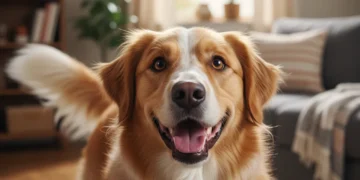
- Open mouth, tongue slightly out, ‘smiling’: Happiness, playfulness (especially during panting).
- Tight, closed mouth, drawn back lips: Stress, fear, or discomfort.
- Lip licking: Often a calming signal, indicating stress or anxiety.
- Showing teeth (growling or snarling): A clear warning sign of aggression or feeling threatened.
- Head Position:
- Lowered head: Submission, fear, or sometimes discomfort/pain.
- High head: Confidence, alertness, or dominance.
- Head turn/averted gaze: A calming signal, indicating a desire to avoid confrontation or reduce tension.
Cats: Facial Cues and Head Angles
- Eyes:
- Slow blink: A sign of trust and affection, often called a ‘kitty kiss’.
- Dilated pupils: Excitement (playful or fearful), or low light. Context is key here.
- Constricted pupils: Intense focus, aggression, or bright light.
- Staring: Can be a challenge or a sign of aggression.
- Ears:
- Forward and slightly swiveled: Alertness, interest.
- Pivoted sideways (‘airplane ears’): Irritation, anxiety, or feeling threatened.
- Flattened back against the head: Extreme fear, aggression, or preparation to attack.
- Mouth and Whiskers:
- Relaxed mouth, whiskers forward: Contentment, curiosity.
- Whiskers pulled back against the face: Fear, submission, or pain.
- Hissing or growling, baring teeth: Clear signs of aggression, fear, or defensiveness.
- Lip licking: Can indicate nausea or stress.
- Head Position:
- Rubbing their head or cheek against you: Affection, marking you with their scent.
- Head held low, averted gaze: Submission or discomfort.
- Head held high, direct stare: Confidence, challenge.
The subtlety of facial expressions makes them particularly important in understanding pet body language. A slight shift in ear position or a momentary widening of the eyes can reveal a lot about what your pet is processing. Always look at the entire picture – eyes, ears, mouth, and head position – in conjunction with their overall body stance for the most accurate interpretation.
Key Signal Category 3: Tail Movements and Vocalizations
While often misinterpreted, tail movements and the sounds your pet makes are powerful components of their communication repertoire. These signals, when understood in context with the rest of their pet body language, provide invaluable information about their mood and intentions.
Dogs: The Language of the Tail and Voice
- Tail Position:
- High and wagging: Often indicates excitement or alertness, but if stiff and rapid, it can signify arousal or even aggression.
- Mid-level and wagging: General contentment, greeting.
- Low and wagging: Can indicate submission or a slight degree of apprehension.
- Tucked between legs: Fear, anxiety, or submission.
- Stiff and still: High alert, potential threat, or intense focus.
- Tail Wagging Style:
- Loose, wide wag (often involving the whole body): Happiness, friendliness.
- Small, rapid, stiff wag (like a vibration): Often indicates tension, excitement, or a precursor to aggression.
- Wagging more to the right: Studies suggest a generally positive, relaxed state.
- Wagging more to the left: Can indicate a more negative, anxious, or cautious state.
- Vocalizations:
- Barks: Vary widely in meaning. A sharp, high-pitched bark can be excitement; a deep, sustained bark can be a warning; repetitive barking can be attention-seeking or boredom.
- Growls: Almost always a warning. Respect a growl; it means your dog is uncomfortable and needs space.
- Whines: Can indicate need (e.g., to go out, hunger), pain, anxiety, or seeking attention.
- Howls: Can be a form of communication over distance, loneliness, or a response to certain sounds.
- Yelps: Usually indicate sudden pain or extreme fear.
Cats: Tail Twitches and Meows
- Tail Position and Movement:
- High and straight up, tip slightly curled: Happy, confident, friendly greeting.
- Held low: Fear, submission, or feeling insecure.
- Tucked tightly under the body: Extreme fear or submission.
- Slow swish, side to side: Often indicates focus, contemplation, or mild irritation.
- Rapid lashing or thumping: Strong irritation, anger, or aggression. This is a clear warning sign.
- Puffed up (‘bottle brush’ tail): Extreme fear or aggression, trying to appear larger.
- Quivering tail (held high): Excitement, often seen during greetings or when anticipating food.
- Vocalizations:
- Meows: Primarily used to communicate with humans. Different pitches and lengths can indicate greetings, demands (food, attention), or distress.
- Purrs: Generally a sign of contentment and relaxation, but can also be a self-soothing mechanism when injured or stressed.
- Hisses: A clear warning sign of fear, anger, or feeling threatened. Give a hissing cat space.
- Growls: Similar to hisses, a strong warning of aggression or defensiveness.
- Chirps/Trills: Often a mother cat’s call to her kittens, or a friendly greeting to humans and other cats.
- Yowls: Can indicate distress, pain, or a territorial dispute (especially during mating season).
Just like with posture and facial expressions, context is paramount. A wagging tail doesn’t always mean a friendly dog, and a purring cat isn’t always happy. Combine these vocal and tail signals with the overall body posture and facial expressions for the most accurate interpretation of their pet body language. Learning to distinguish between a happy wag and a tense wag, or a contented purr versus a stress purr, will significantly enhance your understanding.

Putting It All Together: Real-Life Scenarios and Quick Checks
Now that you’re familiar with the three key categories of pet body language, let’s look at how to apply this knowledge in real-life situations. The goal is to perform a quick, holistic assessment of your pet’s signals to understand their needs and emotions in under 5 minutes.
Scenario 1: The New Guest Arrives
Imagine a friend walks into your home. How does your dog react? How does your cat react? Observe:
- Dog: Is their tail wagging loosely or stiffly? Are their ears forward and relaxed, or flattened? Are their eyes soft, or is the ‘whale eye’ visible? Is their body relaxed and bouncy, or stiff and leaning away? If you see a loose body, soft eyes, and a wide wag, they’re likely happy. If you see a tucked tail, flattened ears, and whale eye, they’re anxious and need space.
- Cat: Is their tail high and quivering, or low and tucked? Are their ears forward, or ‘airplane ears’? Are their pupils dilated (fear/excitement) or normal? Are they rubbing against your guest’s legs (friendly) or hiding under the couch (fearful)? A cat hiding or showing ‘airplane ears’ needs reassurance and a safe retreat.
Scenario 2: Approaching Your Pet While They’re Resting
You want to pet your dog or cat while they’re sleeping or resting. How do you know if it’s a good time?
- Dog: Are their eyes soft or squinty? Is their breathing calm or shallow? Do they lift their head and offer a soft gaze, or do they avoid eye contact and tense up? A soft gaze and relaxed posture usually mean they’re receptive. If they tense, lick their lips, or turn their head away, they might prefer to be left alone.
- Cat: Are their ears relaxed or swiveled? Are their whiskers forward or pulled back? Do they look at you with a slow blink, or do they stare intently? A slow blink is a positive sign. If their tail starts twitching rapidly or their ears go flat, they’re likely irritated and might not want to be disturbed.
Scenario 3: During Playtime
How do you know if your pet is enjoying the game, or if it’s becoming too intense?
- Dog: Look for the play bow, bouncy movements, and an open, ‘happy’ mouth. A loose, wagging tail is a good sign. If play becomes too rough, you might see stiff body language, a rigid tail, intense staring, or growling that sounds more serious than playful.
- Cat: Look for crouching, pouncing, and batting. Their pupils might be dilated with excitement. If the play turns into real aggression, you’ll see puffed fur, an arched back, hissing, and biting that isn’t inhibited.
Quick Checklist for Understanding Pet Body Language:
When you want to quickly assess your pet, run through these points:
- Overall Stance: Are they relaxed, hunched, stiff, or bouncy?
- Tail: What is its position and how is it moving? (High, low, tucked, loose wag, stiff wag, lashing, puffed?)
- Ears: Are they forward, sideways, or flattened?
- Eyes: Are they soft, wide, squinty, or showing ‘whale eye’? What are the pupils doing?
- Mouth/Whiskers: Are they relaxed, tense, pulled back, or is your pet showing teeth/hissing/lip licking?
- Vocalizations: Are they quiet, purring, whining, barking, meowing, growling, or hissing?
- Context: What is happening in the environment? Who is present? This helps make sense of the signals.
By consistently observing these elements together, you’ll develop an intuitive understanding of your pet’s communication. This holistic approach to pet body language allows for quick and accurate interpretation, leading to better responses and a more harmonious life together.
Advanced Tips for Mastering Pet Body Language
While the three key signal categories provide a solid foundation, becoming a true expert in pet body language involves continuous learning and nuanced observation. Here are some advanced tips to help you refine your interpretive skills:
1. Understand Breed-Specific Nuances
While general principles apply, some breeds have unique physical characteristics that can alter their body language. For example:
- Dogs with docked tails or curly tails: Their tail signals might be less expressive or harder to read. You’ll need to rely more heavily on other cues like ear position and overall body tension.
- Dogs with floppy ears: Their ear movements might be less obvious than those with erect ears.
- Brachycephalic breeds (e.g., Pugs, Persians): Their flattened faces can make facial expressions, like lip tension, more challenging to discern.
Research your specific breed’s common expressions and adapt your observations accordingly. This deeper understanding of breed-specific pet body language can significantly improve your accuracy.
2. Observe the Entire Body – Always
We’ve stressed this throughout, but it bears repeating: never interpret a single signal in isolation. A wagging tail on a dog might seem friendly, but if the rest of their body is stiff, their ears are pinned back, and they’re showing ‘whale eye,’ that wag is likely a sign of conflict or anxiety, not happiness. Similarly, a purring cat might be content, but if their body is tense and their ears are flattened, they could be purring to self-soothe due to stress or pain. Always synthesize all available information to get the complete picture of their pet body language.
3. Consider the Environment and Context
The situation in which the communication occurs is vital. A dog barking excitedly at the door when you arrive home is different from a dog barking frantically at a stranger approaching your fence. A cat flattening its ears during a vet visit is likely fearful, whereas the same ear posture during a playful pounce is excitement. Environmental factors (noise, presence of other animals or people, unfamiliar settings) heavily influence how a pet feels and, consequently, how they express themselves through pet body language.
4. Learn Your Pet’s Baseline Behavior
Every pet is an individual. What’s normal for one might be a sign of distress for another. Spend time simply observing your pet when they are relaxed and comfortable. What’s their typical tail carriage? How do they hold their ears when content? What do their eyes look like when they’re happy? Establishing this baseline will make it much easier to spot deviations that indicate discomfort, fear, or illness. This personalized understanding of their pet body language is incredibly powerful.
5. Recognize Calming Signals (Dogs) and Displacement Behaviors (Cats)
These are subtle signals pets use to diffuse tension, communicate discomfort, or self-soothe. For dogs, common calming signals include:
- Lip licking
- Yawning (when not tired)
- Head turns/averted gaze
- Sniffing the ground
- Slow movements
- Turning their back
For cats, displacement behaviors often include:
- Excessive grooming (when not dirty)
- Sudden interest in sniffing the ground
- Yawning
- Flicking the tail tip repeatedly
Recognizing these subtle cues is an advanced skill in pet body language that can help you intervene before your pet becomes overtly stressed or reactive.
6. Pay Attention to Changes in Behavior Over Time
A sudden change in your pet’s typical body language can be a significant indicator. If a normally outgoing dog suddenly becomes withdrawn and shows fearful postures, or a usually calm cat starts lashing its tail frequently, it warrants investigation. This could signal pain, illness, or a new source of stress in their environment. Your understanding of their pet body language can be a crucial first step in identifying health or emotional issues.
7. Practice Empathy and Patience
Learning pet body language is an ongoing process. Be patient with yourself and your pet. Take the time to observe without judgment. The more you practice interpreting their signals and responding appropriately, the more fluent you will become. Your pet will also learn that you understand them, strengthening your bond even further.
Conclusion: A Deeper Bond Through Understanding Pet Body Language
Mastering the art of decoding pet body language is one of the most rewarding journeys you can undertake as a pet owner. It transforms your relationship from one of simple cohabitation to a profound, empathetic connection. By focusing on the three key signal categories – posture, facial expressions, and tail/vocalizations – and applying the advanced tips, you’re not just observing; you’re truly listening to what your pet is trying to tell you.
Remember, every flick of an ear, every shift in posture, and every subtle vocalization is a piece of the puzzle. When you combine these pieces, you gain a comprehensive understanding of your pet’s emotions, needs, and overall well-being. This ability to quickly assess their state in under 5 minutes empowers you to respond effectively, whether that means offering comfort, initiating play, providing space, or seeking veterinary attention.
The benefits extend far beyond simply knowing what your pet wants. It leads to fewer behavioral problems, more effective training, improved health monitoring, and ultimately, a happier, more confident pet. When your pet feels understood and safe, their trust in you deepens, creating an unbreakable bond built on mutual respect and love. So, keep observing, keep learning, and enjoy the incredible, non-verbal conversations you’ll have with your beloved companion. Your efforts to understand their pet body language will be reciprocated with a lifetime of companionship and affection.