Canine Dental Health: 3 Nutritional Strategies for Plaque Reduction (2026 Update)

The Latest in Canine Dental Health: 3 Nutritional Strategies to Reduce Plaque by 30% in 3 Months (2026 Update)
As responsible pet parents, we strive to provide our beloved canine companions with the best possible care, and that undoubtedly includes their dental health. Often overlooked, a dog’s oral hygiene is a critical component of their overall well-being, directly impacting their quality of life, longevity, and susceptibility to other systemic diseases. Dental disease, particularly plaque accumulation, is one of the most common health problems in dogs, affecting over 80% of canines by the age of three. Left unaddressed, plaque hardens into tartar, leading to gingivitis, periodontal disease, pain, tooth loss, and even systemic infections affecting vital organs like the heart, kidneys, and liver.
The good news is that advancements in veterinary science and pet nutrition offer increasingly effective ways to combat this pervasive issue. This comprehensive guide, updated for 2026, delves into three cutting-edge nutritional strategies specifically designed to significantly reduce plaque build-up in dogs, with the ambitious yet achievable goal of a 30% reduction within a mere three months. We’ll explore how targeted dietary interventions, specialized dental chews, and scientifically formulated supplements can work synergistically to maintain your dog’s pearly whites and ensure a healthier, happier life.
Forget the days when a yearly professional cleaning was the sole cornerstone of canine dental care. While still vital, modern approaches emphasize proactive, daily interventions that leverage the power of nutrition. Understanding the intricate link between what your dog eats and the health of their mouth is the first step towards a brighter, plaque-free future for your furry friend. Join us as we uncover the secrets to superior canine dental health.
Understanding Plaque: The Silent Threat to Canine Dental Health
Before we dive into solutions, it’s crucial to understand the enemy: plaque. Plaque is a sticky, colorless film of bacteria, saliva, and food particles that constantly forms on your dog’s teeth. If not removed regularly, it combines with minerals in saliva to harden into tartar (calculus), which is much more difficult to remove and provides a rough surface for more plaque to adhere to. This cycle perpetuates, leading to inflammation of the gums (gingivitis) and eventually to periodontal disease, a painful and irreversible condition that destroys the supporting structures of the teeth.
The consequences of poor canine dental health extend far beyond the mouth. Bacteria from infected gums can enter the bloodstream, traveling to distant organs and potentially causing serious health problems. Therefore, preventing plaque accumulation is not just about fresh breath; it’s about safeguarding your dog’s entire systemic health.
Traditional methods of plaque control include regular brushing, professional dental cleanings under anesthesia, and various dental toys. While these are all valuable tools, nutritional strategies offer a convenient, consistent, and often highly effective way to manage plaque on a daily basis, making them an indispensable part of a holistic dental care regimen. Our focus here is on innovative nutritional approaches that have demonstrated significant efficacy in clinical trials and real-world application, aiming for that impressive 30% plaque reduction.
Strategy 1: The Power of Specialized Dental Diets and Kibble Design
The foundation of any good health plan starts with diet, and dental health is no exception. Specialized dental diets are formulated not just for general nutrition but also with specific features designed to mechanically and chemically reduce plaque and tartar. These diets are often clinically proven and carry endorsements from veterinary dental organizations.
Mechanical Action: The Crunch Factor
One of the primary ways specialized dental kibble works is through its unique texture and size. Unlike regular kibble that crumbles easily, dental kibble is often larger and has a fibrous, abrasive texture. When a dog bites into these kibbles, they fracture in a way that scrapes the tooth surface, helping to remove plaque before it hardens. This ‘scrubbing’ action is similar to how a toothbrush works, but it happens with every meal.
- Fiber Matrix Technology: Many premium dental diets incorporate a unique fiber matrix that allows the kibble to maintain its integrity longer during chewing. This maximizes contact with the tooth surface, enhancing the mechanical cleaning effect.
- Increased Size and Shape: The larger size forces the dog to chew more thoroughly, and specific shapes are designed to reach more tooth surfaces, including the molars and premolars where plaque often accumulates most.
Chemical Action: Plaque-Inhibiting Ingredients
Beyond mechanical abrasion, many dental diets contain active ingredients that chemically inhibit plaque and tartar formation. These ingredients work in various ways:
- Polyphosphates (e.g., Sodium Hexametaphosphate – SHMP): These compounds bind to calcium in the saliva, preventing it from forming the crystalline structure that hardens plaque into tartar. SHMP is a common and effective ingredient in many dental diets and chews.
- Zinc: Zinc ions have antibacterial properties and can inhibit bacterial growth, reducing plaque formation. They also help neutralize sulfur compounds, which contribute to bad breath.
- Antioxidants: Ingredients like Vitamin E and C can help reduce inflammation in the gums, which is often a precursor to more severe periodontal disease.
When selecting a dental diet, look for products that have been awarded the Veterinary Oral Health Council (VOHC) Seal of Acceptance. The VOHC is an organization that evaluates veterinary dental products for their efficacy in reducing plaque and tartar. A VOHC seal indicates that the product has met rigorous scientific standards. Incorporating such a diet as a primary food source can be a cornerstone of improving your dog’s canine dental health.
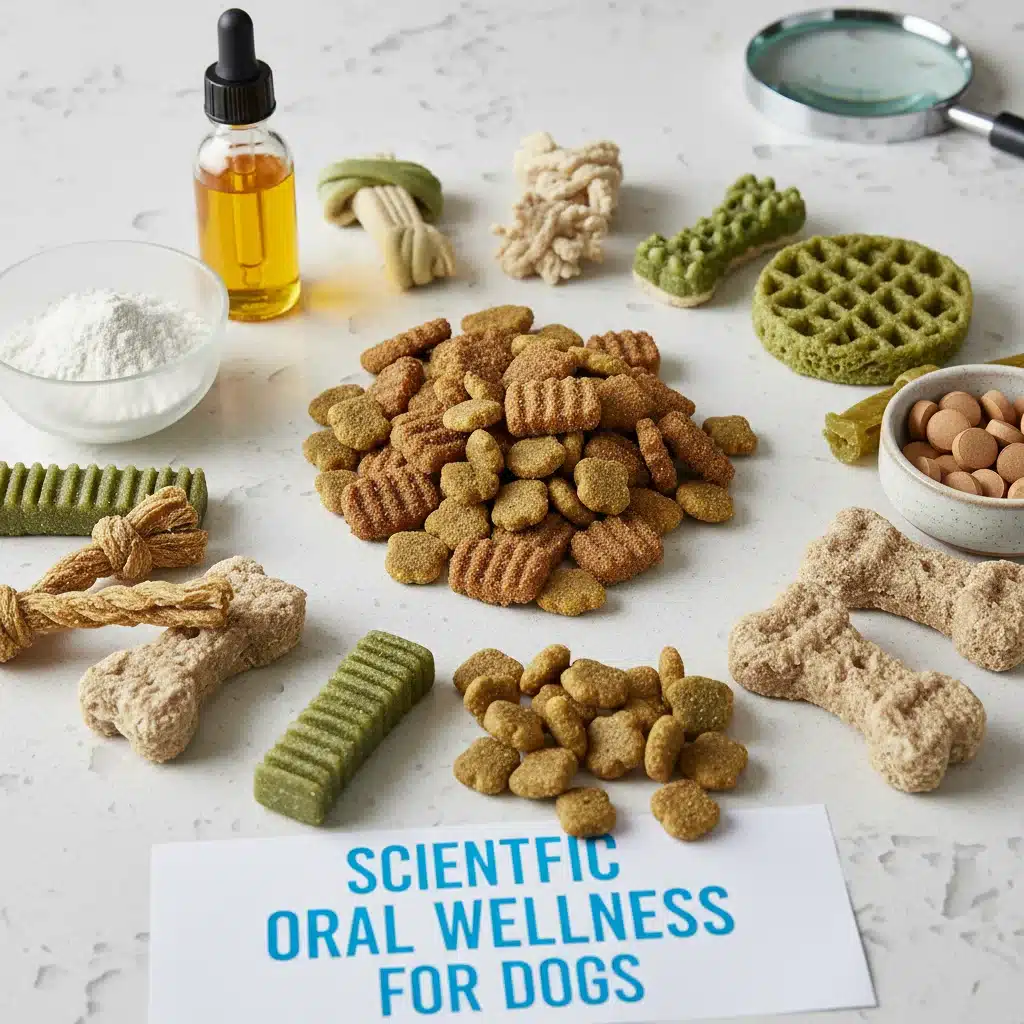
Strategy 2: Targeted Dental Chews and Treats
While specialized diets form a continuous line of defense, targeted dental chews and treats offer an additional, highly effective, and often enjoyable way to fight plaque. These aren’t just any treats; they are scientifically formulated to provide specific dental benefits.
Mechanical Cleaning via Chewing
The act of chewing itself is beneficial. It stimulates saliva production, which helps wash away food particles and neutralize acids. Dental chews are designed to maximize this mechanical action:
- Unique Shapes and Textures: Many dental chews feature ridges, nubs, or an open, porous structure that allows them to scrape and clean the tooth surface as the dog chews. The design often encourages the dog to chew with their back teeth, which are most prone to plaque and tartar buildup.
- Controlled Durability: Good dental chews are durable enough to provide a sustained chewing action but soft enough not to damage teeth. They should not splinter or break into large, sharp pieces that could pose a choking hazard or cause digestive issues.
- Enzymatic Action: Some chews are impregnated with enzymes like glucose oxidase and lactoperoxidase, which interact with saliva to create an antimicrobial effect, further reducing plaque-forming bacteria.
Active Ingredients in Dental Chews
Similar to specialized kibble, many dental chews incorporate active ingredients that chemically combat plaque:
- Chlorhexidine: A powerful antiseptic that reduces bacteria in the mouth. When incorporated into chews, it provides a sustained release of its antimicrobial properties.
- Delmopinol: This ingredient creates a barrier on the tooth surface, preventing bacteria from attaching and forming plaque.
- Algae Extracts (e.g., Ascophyllum nodosum): Certain seaweeds have been shown to reduce plaque and tartar by altering the properties of saliva, making it harder for plaque to adhere to teeth. These natural ingredients are gaining popularity for their efficacy and safety.
Again, the VOHC Seal of Acceptance is your best friend when choosing dental chews. Products carrying this seal have undergone stringent testing and are proven to be effective in reducing plaque and/or tartar. Incorporating one VOHC-accepted dental chew daily can significantly boost your dog’s canine dental health, complementing their specialized diet and contributing to that 30% plaque reduction goal.
Strategy 3: Nutritional Supplements for Optimal Oral Environment
Beyond food and chews, specific nutritional supplements can play a crucial role in creating an oral environment less conducive to plaque formation and more resilient to dental disease. These supplements often work by targeting the bacterial flora in the mouth or by strengthening the oral tissues.
Probiotics for Oral Health
We often hear about probiotics for gut health, but their role in oral health is increasingly recognized. Specific strains of beneficial bacteria can colonize the mouth, outcompeting and inhibiting the growth of harmful bacteria responsible for plaque and bad breath. This concept, known as ‘bacterial displacement therapy,’ offers a novel approach to maintaining a healthy oral microbiome.
- Targeted Strains: Look for canine-specific oral probiotics containing strains like Lactobacillus salivarius or Streptococcus salivarius K12, which have been shown to inhibit the growth of periodontal pathogens.
- Mechanism of Action: These beneficial bacteria can produce antimicrobial compounds, compete for adhesion sites on the teeth and gums, and modulate the local immune response, reducing inflammation.
Omega-3 Fatty Acids and Anti-inflammatory Support
Chronic inflammation is a hallmark of periodontal disease. Omega-3 fatty acids, particularly EPA and DHA found in fish oil, are renowned for their potent anti-inflammatory properties. By reducing systemic inflammation, they can help mitigate the inflammatory response in the gums, slowing the progression of gingivitis and periodontal disease.
- Reducing Gum Inflammation: Regular supplementation with high-quality omega-3s can lead to healthier, less inflamed gums, making them less susceptible to bacterial invasion and plaque accumulation.
- Overall Health Benefits: Beyond oral health, omega-3s support skin and coat health, joint function, and cognitive health, making them a valuable addition to any dog’s diet.
Antioxidants and Immune Support
A strong immune system is vital for fighting off infections, including those in the mouth. Antioxidants like Vitamin C, Vitamin E, and coenzyme Q10 can help protect oral tissues from oxidative damage caused by bacterial byproducts and inflammation. They also support overall immune function, enabling the body to better combat oral pathogens.
- Vitamin C: Essential for collagen production, which is crucial for healthy gum tissue. It also acts as a powerful antioxidant.
- Coenzyme Q10: A potent antioxidant that has been studied for its role in gum health and its ability to reduce inflammation.
When choosing supplements, always opt for reputable brands and consult with your veterinarian to ensure they are appropriate for your dog’s specific needs and health status. The right combination of these supplements can create a robust defense against plaque and significantly contribute to superior canine dental health.
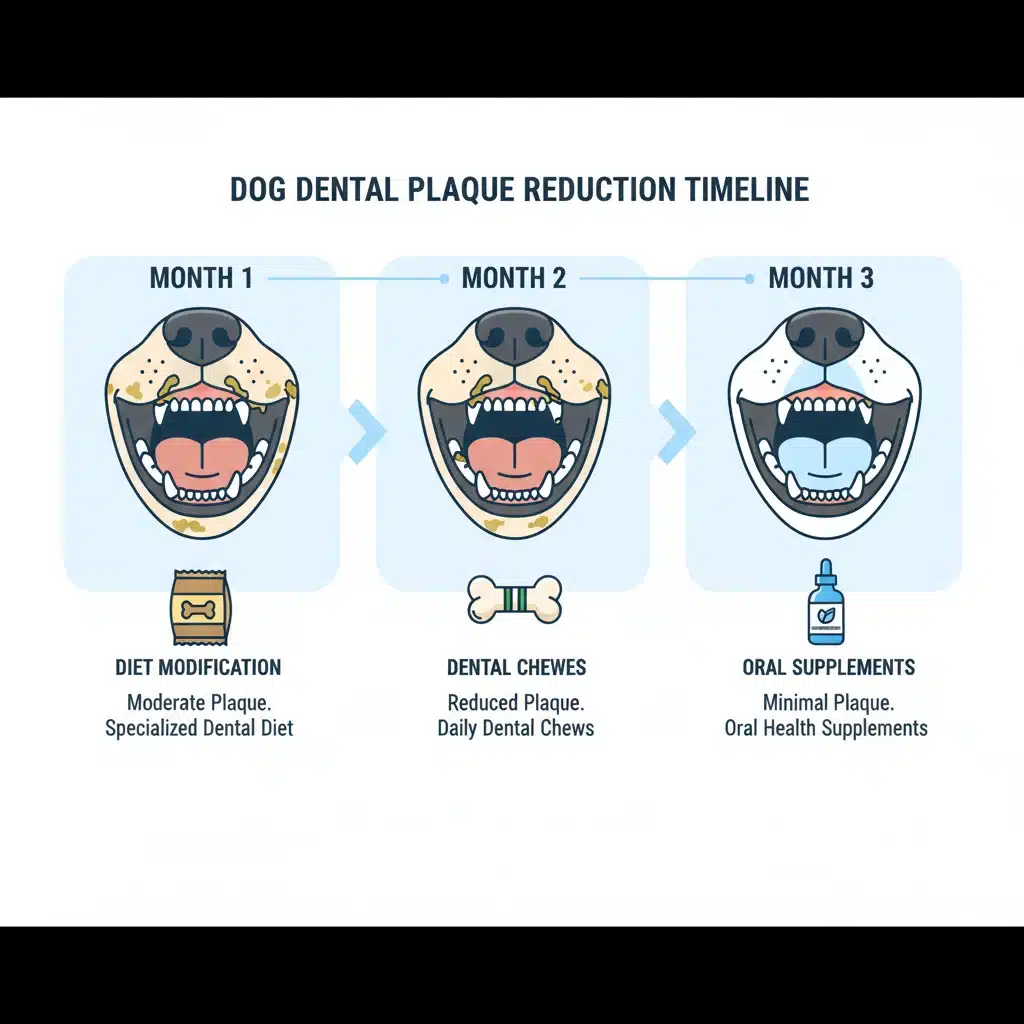
Implementing Your 3-Month Plaque Reduction Plan (2026 Update)
Achieving a 30% reduction in plaque within three months requires a consistent and integrated approach. Here’s how to put these strategies into action:
Month 1: Foundation and Introduction
- Transition to a VOHC-Accepted Dental Diet: Gradually switch your dog to a specialized dental kibble over 7-10 days to avoid digestive upset. This will be the primary source of mechanical and chemical cleaning.
- Introduce Daily Dental Chews: Begin offering one VOHC-accepted dental chew per day. Choose a size appropriate for your dog to ensure effective chewing. Supervise your dog during chewing, especially initially.
- Baseline Assessment: If possible, have your vet perform a baseline dental exam to assess current plaque levels. This will help you track progress.
Month 2: Augmentation and Consistency
- Incorporate Oral Probiotics: Start adding a canine-specific oral probiotic supplement to your dog’s food daily. Follow dosage instructions carefully.
- Add Omega-3s and Antioxidants: Begin supplementing with a high-quality fish oil and an antioxidant blend. These can be given with meals.
- Maintain Routine: Consistency is key. Ensure the dental diet, chews, and supplements are given daily without fail.
Month 3: Evaluation and Optimization
- Re-evaluation with Your Veterinarian: Schedule a follow-up dental check-up with your vet. They can visually assess the plaque reduction and provide objective feedback. Discuss any lingering concerns or areas for improvement.
- Adjustments: Based on your vet’s assessment, you may adjust the type of dental chew or supplement. For instance, if plaque remains stubborn in certain areas, your vet might recommend additional brushing in those spots or a different chew.
- Long-Term Maintenance: Once the 3-month goal is achieved, continue with these nutritional strategies as a permanent part of your dog’s routine to maintain excellent canine dental health.
It’s important to remember that while these nutritional strategies are highly effective, they are not a substitute for professional veterinary care. Regular check-ups and, when necessary, professional dental cleanings remain crucial components of a comprehensive dental health plan. However, by proactively managing plaque through diet, chews, and supplements, you can significantly reduce the frequency and intensity of professional interventions.
Beyond Nutrition: Holistic Canine Dental Health
While the focus of this article is on nutritional strategies, it’s essential to briefly mention other complementary practices that contribute to optimal canine dental health:
- Regular Brushing: Daily brushing with a dog-specific toothbrush and toothpaste is still the gold standard for plaque removal. If you can only manage a few times a week, it’s still better than nothing.
- Dental Toys: Toys designed for chewing can help stimulate gums and provide some mechanical cleaning, though they are generally less effective than VOHC-accepted chews.
- Water Additives: Some water additives contain ingredients that help reduce bacteria in the mouth and freshen breath. Look for VOHC-accepted options.
- Routine Veterinary Check-ups: Your veterinarian is your best partner in managing your dog’s dental health. They can identify problems early, recommend appropriate treatments, and perform professional cleanings when necessary.
By combining these holistic practices with the three nutritional strategies outlined, you create a multi-faceted defense against dental disease, ensuring your dog enjoys not only a beautiful smile but also the profound health benefits that come with superior oral hygiene.
Conclusion: A Brighter Smile, A Healthier Life for Your Canine Companion
The journey to superior canine dental health is an ongoing one, but with the right tools and knowledge, it’s an incredibly rewarding endeavor. By embracing the latest advancements in nutritional science, specifically through specialized dental diets, targeted dental chews, and scientifically formulated supplements, you can significantly impact your dog’s oral hygiene. Our 2026 update emphasizes that achieving a 30% reduction in plaque within three months is an attainable goal, leading to a cascade of positive health outcomes.
Remember, a healthy mouth is a gateway to a healthy body. Investing in your dog’s dental health through these proactive nutritional strategies means investing in their overall well-being, comfort, and longevity. No more silent suffering from dental pain or the systemic complications of untreated dental disease. Empower yourself with this knowledge, consult with your veterinarian, and embark on a path to a brighter, healthier smile for your cherished canine companion. Your dog will thank you with every happy wag of their tail and every slobbery kiss.