Essential Pet First Aid Kit 2026: What Every US Owner Needs
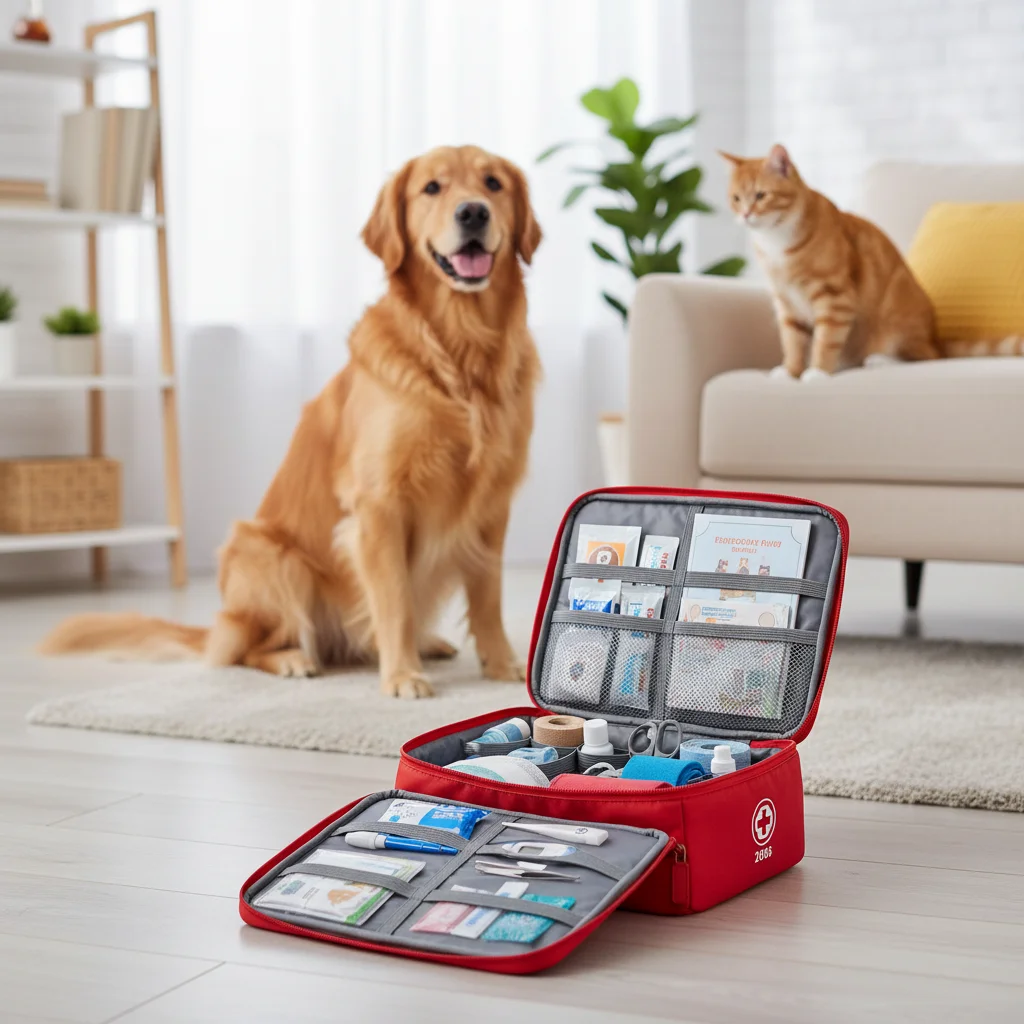
As responsible pet owners across the United States, we all want the best for our furry, feathered, or scaled companions. This commitment extends beyond daily walks and gourmet meals; it includes being prepared for the unexpected. Just as you would have a first aid kit for your human family members, a well-stocked pet first aid kit is an indispensable tool for every pet owner. In 2026, with advancements in pet care and an increasing understanding of animal health, having the right supplies and knowledge is more crucial than ever. This comprehensive guide will walk you through everything you need to assemble the ultimate pet first aid kit, ensuring you’re ready to handle minor emergencies and provide immediate care when every second counts.
Imagine this scenario: you’re enjoying a beautiful afternoon walk with your dog when suddenly they step on something sharp, resulting in a minor cut. Or perhaps your cat has an unexpected allergic reaction to a new plant. In these moments, panic can easily set in. However, with a readily accessible and properly equipped pet first aid kit, you can confidently administer initial care, alleviate your pet’s discomfort, and potentially prevent a minor issue from escalating into a major veterinary emergency. This guide isn’t just about listing items; it’s about empowering you with the knowledge to use them effectively and understand when professional veterinary intervention is absolutely necessary.
The landscape of pet care is constantly evolving. New products, better understanding of animal physiology, and improved emergency protocols mean that what was considered a basic kit a few years ago might not be sufficient today. Our focus for 2026 is on providing a practical, up-to-date list of essentials that cater to the most common pet emergencies faced by US pet owners. From cuts and scrapes to allergic reactions and digestive upsets, we’ll cover the tools and medications that can make a significant difference in your pet’s immediate welfare.
Why Every US Pet Owner Needs a Dedicated Pet First Aid Kit
The rationale behind having a dedicated pet first aid kit is simple: pets are part of our families, and their safety and well-being are paramount. Accidents and unexpected health issues don’t adhere to convenient schedules; they can happen at any time, often when your veterinarian’s office is closed or you’re far from immediate medical help. A well-prepared kit allows you to act quickly, providing crucial interim care that can stabilize your pet until you can reach professional veterinary assistance.
Consider the varied environments pets encounter. A dog might explore a thorny bush during a hike, a cat might ingest a household item, or a small pet could suffer a fall. These situations, while often minor, require immediate attention. Having the right supplies on hand means you can clean a wound, staunch bleeding, or protect an injury, preventing further contamination or damage. This proactive approach not only benefits your pet by reducing their pain and anxiety but also provides peace of mind for you, knowing you’re equipped to handle a crisis.
Furthermore, an emergency kit isn’t just for dramatic incidents. It’s equally valuable for everyday minor ailments. A mild skin irritation, a splinter, or a slight upset stomach can often be managed at home with basic first aid supplies, saving you a trip to the vet for something easily treatable. Of course, it’s vital to know the difference between a minor issue and one that warrants immediate professional attention. This guide will help you make that distinction, emphasizing that a first aid kit is a complement to, not a replacement for, veterinary care.
Understanding the ‘Golden Hour’ in Pet Emergencies
Just like in human medicine, the concept of the ‘golden hour’ applies to pet emergencies. This refers to the critical period immediately following an injury or onset of illness, during which prompt medical attention can significantly improve the outcome. While you may not be a trained veterinarian, having a pet first aid kit and basic knowledge allows you to utilize this golden hour effectively. Stopping severe bleeding, preventing shock, or stabilizing a fracture can be life-saving actions performed in those initial crucial moments. This emphasizes why your kit should be easily accessible and regularly checked for expired items and replenished supplies.
Key Components of Your 2026 Pet First Aid Kit
Building a robust pet first aid kit involves more than just tossing a few bandages into a box. It requires thoughtful consideration of potential scenarios and the specific needs of your pet. Below is a detailed list of essential items, categorized for clarity and ease of assembly. Remember to tailor this list to your pet’s size, species, and any known medical conditions.
Medical Supplies for Wounds and Injuries
- Sterile Gauze Pads (various sizes): For covering wounds, absorbing blood, and applying pressure.
- Non-Stick Dressings: To protect wounds without adhering to them.
- Adhesive Tape (medical grade): To secure bandages. Self-adhering bandages (Vet Wrap) are excellent as they don’t stick to fur.
- Antiseptic Wipes or Solution (e.g., diluted Betadine or Chlorhexidine): For cleaning wounds. Avoid alcohol or hydrogen peroxide as they can damage tissue.
- Antibiotic Ointment (e.g., Neosporin without pain relief): For minor cuts and scrapes, always consult your vet first.
- Blunt-Tipped Scissors: For cutting bandages, tape, or fur away from wounds.
- Tweezers: For removing splinters, ticks, or other foreign objects.
- Disposable Gloves: To maintain hygiene and prevent infection for both you and your pet.
- Styptic Powder or Cornstarch: To stop bleeding from minor cuts, especially toenail quicks.
- Saline Solution (e.g., sterile eyewash): For flushing wounds or irritated eyes.
Tools and Diagnostic Aids
- Digital Rectal Thermometer: To check your pet’s temperature. Know your pet’s normal temperature range (typically 100-102.5°F or 37.8-39.2°C).
- Petroleum Jelly or Water-Based Lubricant: For thermometer insertion.
- Flashlight: For examining wounds in low light or checking pupils.
- Magnifying Glass: For close examination of small injuries, splinters, or parasites.
- Pill Splitter/Crusher: If your pet takes oral medications that need to be adjusted or mixed with food.
- Syringes (without needles) or Dropper: For administering liquid medications or flushing wounds.
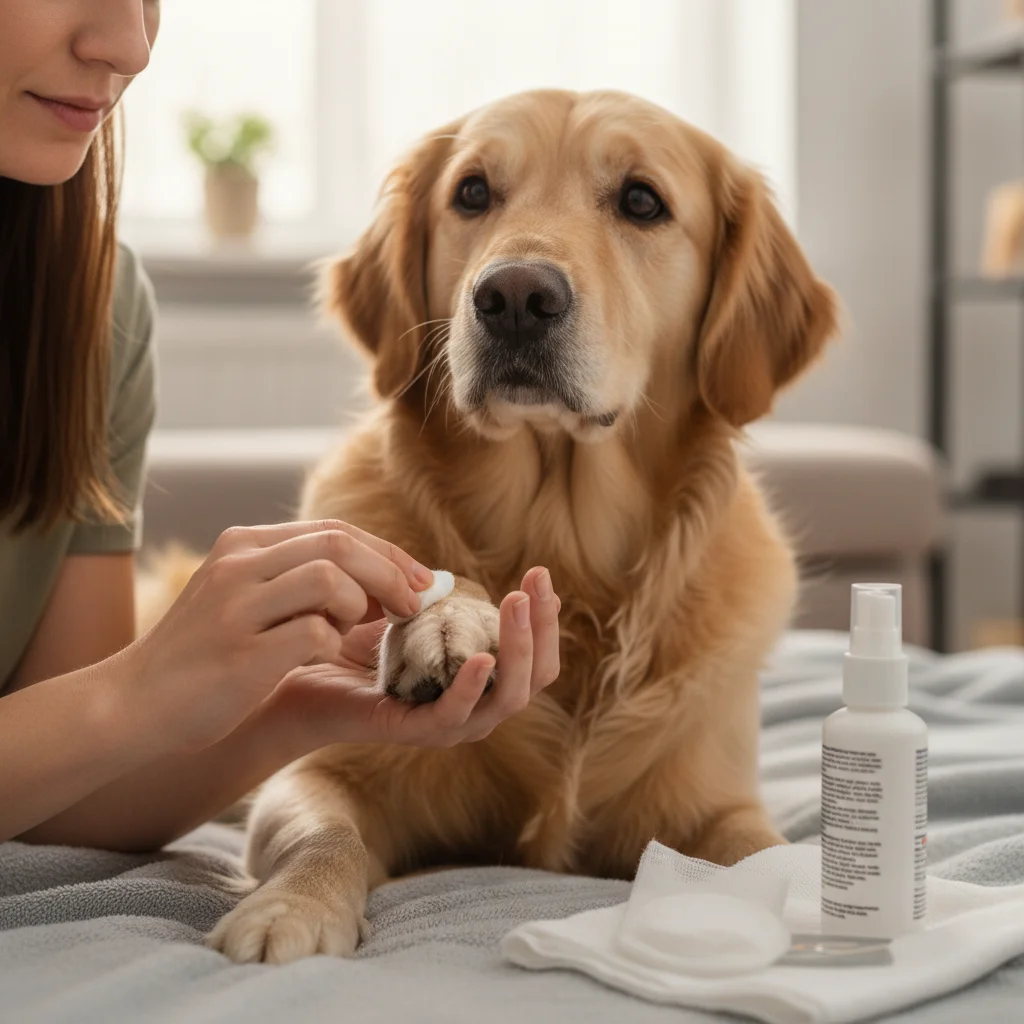
Medications and Supplements (Consult Your Vet First!)
IMPORTANT: Always consult your veterinarian before administering any medication to your pet, even over-the-counter options. Doses and suitability vary greatly by species, size, and individual health conditions.
- Activated Charcoal: Used to absorb certain toxins if ingested. Must be administered under veterinary guidance.
- Antihistamine (e.g., Diphenhydramine/Benadryl): For allergic reactions (bee stings, insect bites). Your vet will provide the correct dosage for your pet.
- Probiotic Supplement: For digestive upset (diarrhea, constipation).
- Veterinarian-Prescribed Pain Relievers: If your pet has chronic pain or a condition that might flare up. NEVER give human pain relievers like ibuprofen or acetaminophen.
- Prescription Medications: Any daily medications your pet requires, kept in a secure, clearly labeled container.
Restraint and Safety Items
- Muzzle (various sizes): Even the calmest pet can bite when in pain or scared. A muzzle can protect you while you administer care. Practice fitting it when your pet is not in distress.
- Leash and Collar/Harness: For safe transport and control.
- Towel or Small Blanket: For warmth, comfort, or to gently restrain smaller pets.
- Pet Carrier: For safe transport to the vet, especially for cats or small dogs.
Emergency Contact Information and Records
- Your Veterinarian’s Contact Information: Including after-hours emergency numbers.
- Nearest Emergency Vet Clinic Contact Information: Address, phone number, and directions.
- Poison Control Center for Animals (e.g., ASPCA Animal Poison Control Center): Phone number and website.
- Pet’s Medical Records: A brief summary of your pet’s medical history, current medications, allergies, and vaccination status.
- Photo of Your Pet: For identification in case they go missing.
Assembling Your Pet First Aid Kit: Tips for 2026
Once you have gathered all the necessary components, the next step is to organize them effectively. A well-organized kit saves precious time during an emergency. Here are some tips for assembling your pet first aid kit:
- Choose the Right Container: A waterproof, durable container with compartments is ideal. A tackle box, a small duffel bag, or a dedicated first aid box works well. It should be easy to carry and clearly labeled.
- Categorize and Label: Group similar items together (e.g., wound care, medications, tools). Use small Ziploc bags or clear pouches within the main container and label them. This makes it easy to find what you need quickly.
- Include Instructions: Print out basic instructions for common pet first aid scenarios (e.g., how to stop bleeding, how to take a temperature, how to perform CPR if trained). Keep these in a waterproof bag within your kit.
- Check Expiration Dates Regularly: Medications and sterile supplies have expiration dates. Go through your kit every 6-12 months and replace anything that has expired or been used.
- Keep it Accessible: Store your pet first aid kit in a convenient, easily accessible location that everyone in the household knows about. Consider having a smaller, portable version for travel or car trips.
- Personalize for Your Pet: If your pet has specific medical needs (e.g., diabetes, severe allergies), ensure your kit contains their prescribed medications and any specialized supplies.
Beyond the Kit: Essential Pet First Aid Knowledge
Having the right tools is only half the battle; knowing how to use them is equally important. Investing time in learning basic pet first aid can make all the difference. Many organizations offer pet first aid courses, both online and in-person. Consider taking one of these courses to build your confidence and skills.
Key First Aid Skills to Learn:
- Recognizing an Emergency: Understanding when a situation warrants immediate veterinary attention versus when home care is appropriate.
- Basic Wound Care: Cleaning and bandaging minor cuts, scrapes, and abrasions.
- Controlling Bleeding: Applying direct pressure to stop bleeding.
- Administering Oral Medications: Safely giving pills or liquid medications.
- Taking Your Pet’s Temperature, Pulse, and Respiration: Knowing their normal vital signs helps you identify when something is wrong.
- Identifying Signs of Choking: And knowing how to perform the Heimlich maneuver for pets if necessary (consult your vet for proper technique).
- Dealing with Heatstroke or Hypothermia: Recognizing symptoms and administering initial cooling or warming measures.
- Handling Allergic Reactions: Knowing when to administer antihistamines (if prescribed by your vet) and when to seek emergency care.
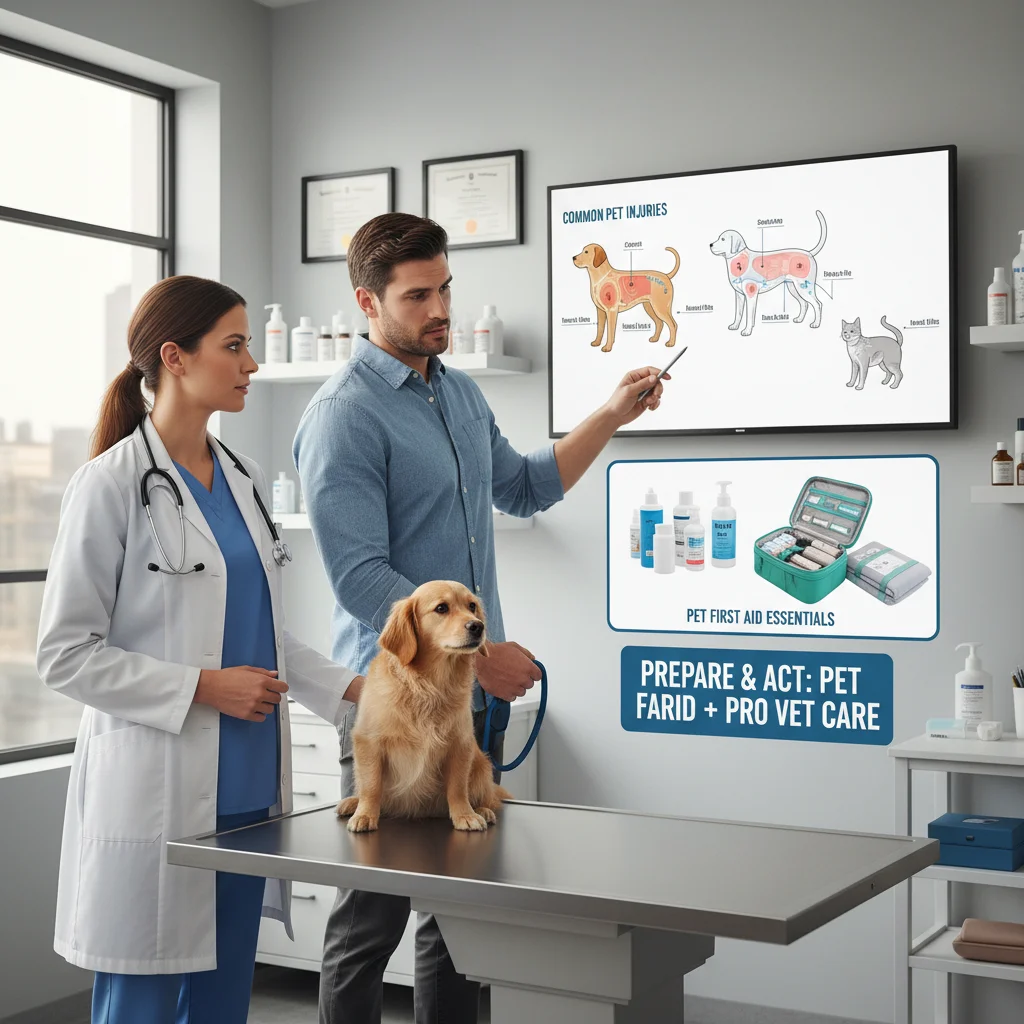
When to Seek Professional Veterinary Help
While a pet first aid kit is invaluable for minor issues, it’s crucial to understand its limitations. It is not a substitute for professional veterinary care. Always err on the side of caution and contact your veterinarian or an emergency animal hospital if you are unsure about the severity of an injury or illness.
Immediate Veterinary Attention is Required For:
- Severe Bleeding: If bleeding doesn’t stop after 5-10 minutes of direct pressure.
- Deep Wounds or Lacerations: Especially if tendons, muscles, or bones are exposed.
- Fractures or Suspected Broken Bones: Any inability to bear weight, swelling, or deformity.
- Difficulty Breathing: Labored breathing, gasping, blue gums or tongue.
- Loss of Consciousness or Collapse: Any sudden weakness or unresponsiveness.
- Seizures: Especially if they are prolonged, multiple, or your pet has never had one before.
- Ingestion of Toxins: If you suspect your pet has eaten something poisonous.
- Severe Vomiting or Diarrhea: Especially if accompanied by lethargy, blood, or lasts more than 24 hours.
- Bloated or Distended Abdomen: This can indicate a life-threatening condition like Gastric Dilatation-Volvulus (GDV).
- Eye Injuries: Any trauma, redness, discharge, or squinting of the eye.
- Burns: Chemical, thermal, or electrical burns.
- Severe Allergic Reactions: Swelling of the face, difficulty breathing, or severe hives.
- Animal Bites: Especially if the skin is broken, due to risk of infection and internal injury.
Maintaining Your Pet First Aid Kit for 2026 and Beyond
A pet first aid kit is not a ‘set it and forget it’ item. Regular maintenance is key to ensuring it’s always ready when you need it most. Here’s a checklist for keeping your kit in top condition:
- Bi-Annual Review: Schedule a reminder on your calendar every six months (e.g., with daylight saving time changes) to inspect your kit.
- Check Expiration Dates: Discard and replace any expired medications or sterile supplies.
- Replenish Used Items: If you’ve used anything, replace it immediately. Don’t wait for another emergency.
- Inspect Packaging: Ensure all items are still sealed, sterile (where applicable), and in good condition.
- Update Contact Information: Verify that all emergency contact numbers and vet information are current.
- Review Your Pet’s Health Needs: As your pet ages or if their health status changes, their first aid needs might too. Consult your vet to see if any adjustments to your kit are necessary.
- Practice and Educate: Periodically review your first aid knowledge. If you have children or other family members, ensure they also know where the kit is and how to use basic items.
Conclusion: Peace of Mind Through Preparedness
As we navigate 2026, the importance of preparedness for all aspects of life, including our pets’ health, cannot be overstated. A well-assembled and maintained pet first aid kit is a testament to your dedication as a responsible pet owner. It’s more than just a collection of supplies; it’s a critical tool that provides immediate relief, prevents worsening conditions, and offers invaluable peace of mind. By taking the time to prepare your kit and educate yourself on basic pet first aid, you are equipping yourself to be your pet’s first line of defense in an emergency.
Remember, while your first aid kit is designed for minor incidents and initial stabilization, it is never a substitute for professional veterinary care. Always have your vet’s contact information readily available and do not hesitate to seek expert help for any serious injury or illness. Your proactive approach to pet safety and health will ensure that your beloved companion receives the best possible care, no matter what challenges come your way.
Invest in your pet’s future by assembling your comprehensive pet first aid kit today. Your furry friend will thank you for it!