DIY Pet First Aid Kit: 10 Essential Items for U.S. Pet Owners
DIY Pet First Aid Kit: 10 Essential Items Every U.S. Pet Owner Needs by March 2026 (PRACTICAL SOLUTIONS)
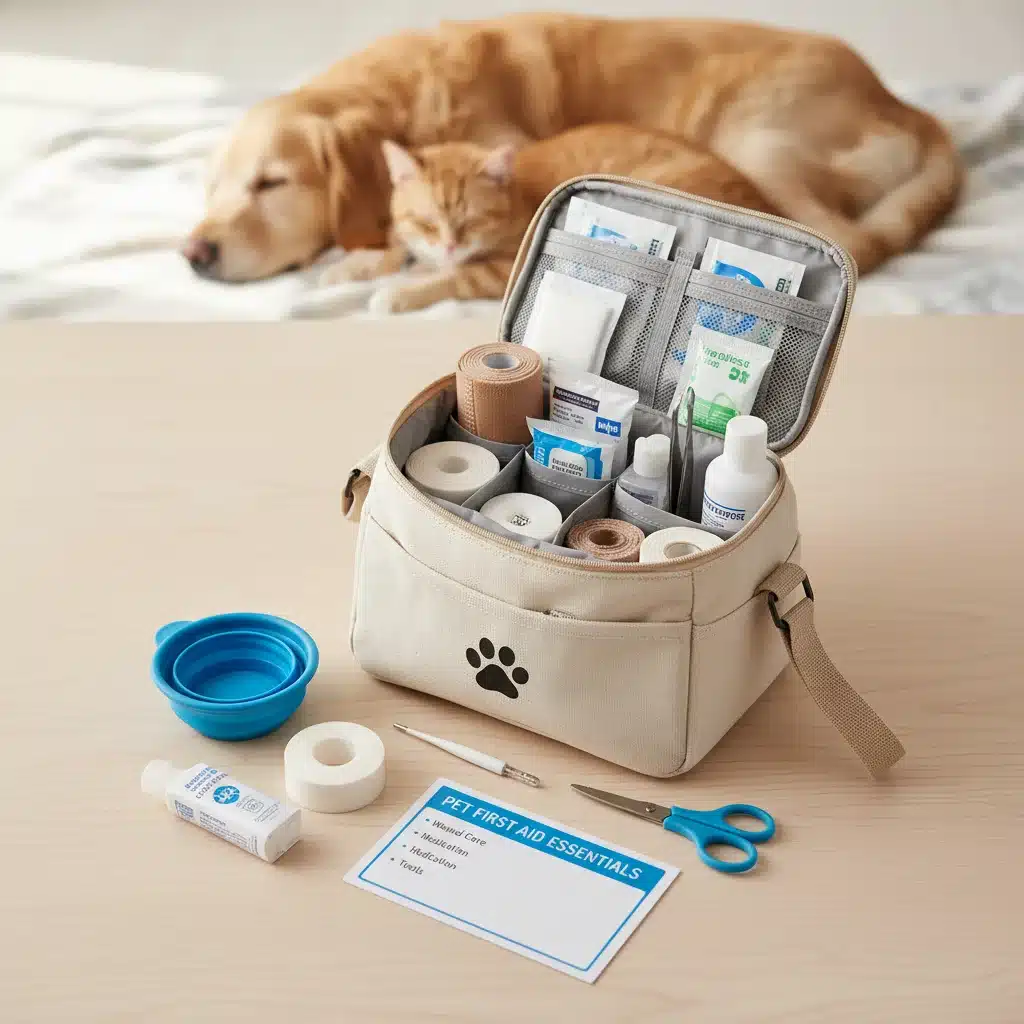
As devoted pet owners, we strive to provide the best possible care for our furry, feathered, or scaled companions. This commitment extends beyond daily walks and nutritious meals; it encompasses being prepared for the unexpected. Just like humans, pets can experience accidents, sudden illnesses, or minor injuries that require immediate attention. Having a well-stocked DIY pet first aid kit readily available can make a significant difference in these critical moments, potentially saving your pet’s life or preventing a minor issue from escalating into a severe one. This comprehensive guide will walk you through the 10 essential items every U.S. pet owner should include in their DIY pet first aid kit by March 2026, ensuring you’re equipped with practical solutions for various emergencies.
The importance of a DIY pet first aid kit cannot be overstated. While professional veterinary care is always the ultimate goal in an emergency, the time it takes to reach a clinic can be crucial. A properly assembled kit allows you to administer immediate care, stabilize your pet’s condition, alleviate pain, and prevent further complications during transport. Think of it as a bridge between the incident and professional medical attention. Moreover, understanding how to use each item effectively is just as vital as having them. This article will not only list the essentials but also provide insights into their applications, empowering you to act confidently and competently when your pet needs you most.
The Foundation: Why a DIY Pet First Aid Kit is Non-Negotiable
In the United States, millions of households cherish their pets as beloved family members. Yet, a surprising number of these households are unprepared for pet emergencies. A DIY pet first aid kit is not a luxury; it’s a fundamental aspect of responsible pet ownership. Consider the myriad scenarios where it could be invaluable: a cut paw during a hike, an allergic reaction to an insect sting, a sudden bout of diarrhea, or even a minor burn from a curious investigation. In each of these situations, having the right tools and knowledge at your fingertips can significantly impact the outcome.
Beyond the immediate physical benefits, being prepared also offers peace of mind. Knowing that you can respond effectively in a crisis reduces stress for both you and your pet. It allows for a calmer, more focused approach to managing the situation, which is beneficial for everyone involved. Furthermore, a customized DIY pet first aid kit can be tailored to your specific pet’s needs, taking into account their breed, size, age, and any pre-existing medical conditions. This personalized approach ensures that the kit is as effective as possible for your individual companion.
As we approach March 2026, the emphasis on proactive pet care continues to grow. Veterinarians and pet health organizations increasingly advocate for pet owners to take an active role in their pet’s well-being, including emergency preparedness. This guide aligns with these recommendations, providing a clear, actionable roadmap for creating a robust and reliable DIY pet first aid kit. Let’s delve into the essential items that form the backbone of such a kit.
1. Sterile Gauze Pads and Rolls: The Cornerstone of Wound Care
Wounds are among the most common pet injuries, ranging from minor scrapes to deeper lacerations. Sterile gauze pads and rolls are indispensable for cleaning, covering, and applying pressure to wounds. They are absorbent, non-stick, and come in various sizes, making them versatile for different types of injuries. When selecting gauze for your DIY pet first aid kit, opt for individually wrapped sterile pads to ensure cleanliness. Rolls of gauze are excellent for wrapping limbs or securing dressings.
Application Tips:
- Cleaning: Use gauze to gently clean wounds with an antiseptic solution (discussed later).
- Bleeding Control: Apply direct pressure to bleeding wounds with a sterile gauze pad.
- Protection: Cover cleaned wounds with a sterile gauze pad before bandaging to prevent contamination.
Always ensure your hands are clean (or gloved) before handling gauze to avoid introducing bacteria to an open wound. Remember, even a small cut can become infected if not properly cared for, so sterile gauze is a critical component of your DIY pet first aid arsenal.
2. Self-Adhering Bandage (Vet Wrap): Secure and Flexible Support
Unlike human bandages that often stick to fur, self-adhering bandage, commonly known as Vet Wrap, is designed to stick only to itself. This makes it ideal for securing gauze pads, providing support to sprains, or holding splints in place without pulling on your pet’s fur. It’s flexible, breathable, and provides light compression, which can help reduce swelling. Include several rolls in different widths in your DIY pet first aid kit.
Application Tips:
- Wrapping: Apply Vet Wrap firmly but not too tightly to avoid cutting off circulation. You should be able to slide two fingers underneath the bandage.
- Support: Use it to provide temporary support for injured joints or limbs.
- Protection: Excellent for covering and protecting wound dressings from dirt and moisture.
Regularly check any bandaged area for swelling, coldness, or discomfort, which could indicate the bandage is too tight. If in doubt, loosen or reapply. This item is a true lifesaver in a DIY pet first aid kit.
3. Antiseptic Wipes or Solution: Preventing Infection
Proper wound cleaning is paramount to preventing infection. Antiseptic wipes or a diluted antiseptic solution (such as povidone-iodine or chlorhexidine) are essential for this purpose. These agents help kill bacteria and other microorganisms on the skin around a wound. Avoid using alcohol or hydrogen peroxide, as they can be irritating and damage healthy tissue, hindering the healing process.
Application Tips:
- Cleaning Wounds: Gently clean the area around the wound with an antiseptic wipe or a gauze pad soaked in diluted antiseptic solution. Always wipe away from the wound to avoid pushing contaminants into it.
- Minor Scrapes: Can be used for superficial scrapes to prevent infection.
Consult your veterinarian for specific recommendations on antiseptic solutions and their proper dilution for your pet. This knowledge is crucial for effective DIY pet first aid.
4. Blunt-Tipped Scissors and Tweezers: Precision Tools
Blunt-tipped scissors are safer to use around fur and skin than pointed ones, making them ideal for cutting bandages, tape, or carefully trimming fur away from a wound. Tweezers are invaluable for removing splinters, ticks, thorns, or other foreign objects from your pet’s skin or paws. Ensure both are clean and sterilized before use.
Application Tips:
- Scissors: Use for cutting bandages, gauze, or carefully removing matted fur near an injury.
- Tweezers: Gently grasp and pull out foreign objects. For ticks, grasp as close to the skin as possible and pull straight up with steady pressure.
These small but mighty tools are often overlooked but are essential for precise and safe interventions in a DIY pet first aid situation.
5. Disposable Gloves: Protecting Pet and Owner
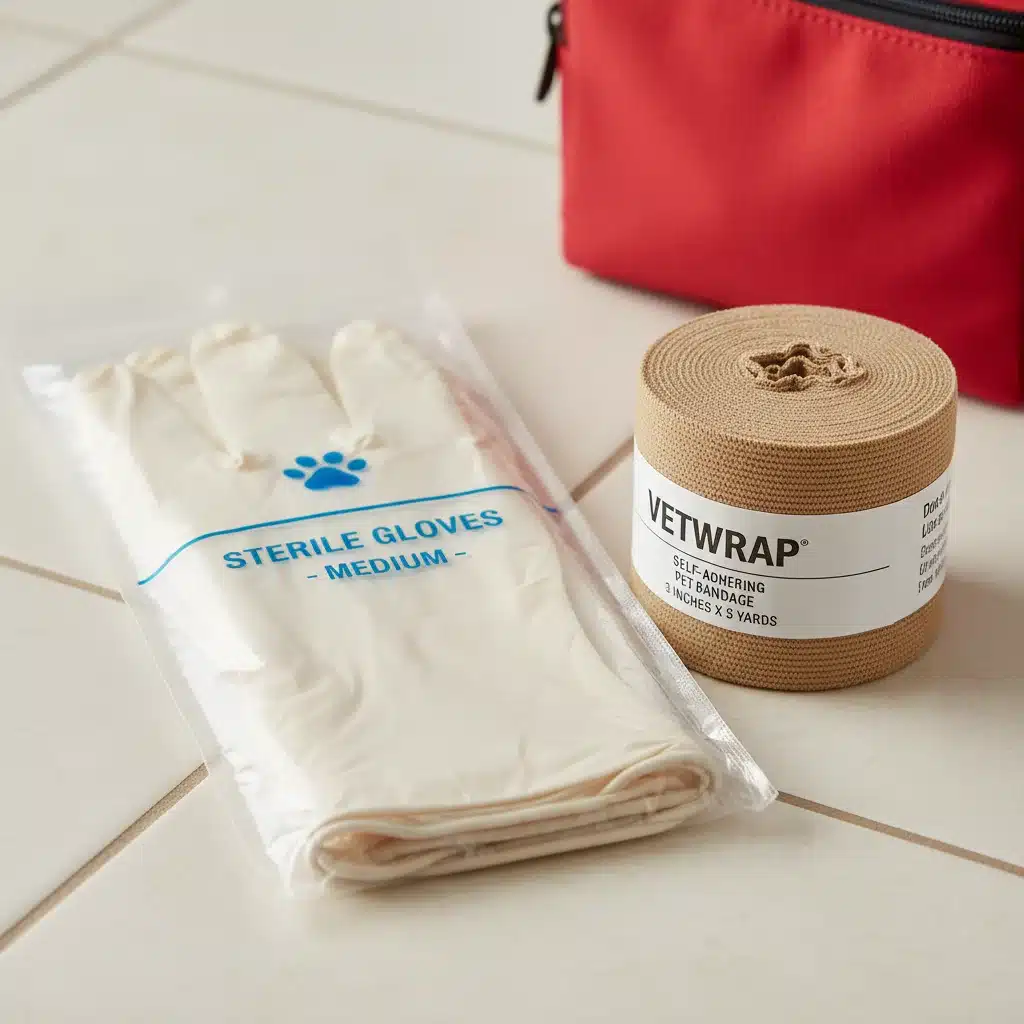
Disposable gloves are critical for both your safety and your pet’s. They protect you from potential zoonotic diseases (diseases transferable from animals to humans) and protect your pet’s wound from bacteria on your hands. Always wear gloves when dealing with open wounds, bodily fluids, or administering medication.
Application Tips:
- Hygiene: Wear gloves when cleaning wounds, applying dressings, or handling any bodily fluids.
- Protection: Prevents the spread of infection between you and your pet.
Keep several pairs of latex-free disposable gloves in your DIY pet first aid kit to accommodate multiple uses or different individuals.
6. Pet-Safe Adhesive Tape: Securing Dressings
While Vet Wrap is excellent for many applications, sometimes a non-stick, hypoallergenic adhesive tape is needed to secure gauze or light dressings. Look for medical-grade tape designed for sensitive skin, as regular human tape can cause irritation or pull fur. Ensure it’s breathable to allow air circulation to the wound.
Application Tips:
- Securing: Use to hold gauze pads in place on areas where Vet Wrap might be too bulky or unnecessary.
- Light Dressings: Ideal for securing very light dressings or cotton balls.
Always test a small piece on your pet’s skin first if you’re unsure about their sensitivity. A good quality pet-safe tape is a valuable addition to your DIY pet first aid kit.
7. Digital Rectal Thermometer and Lubricant: Monitoring Body Temperature
A pet’s body temperature can be a key indicator of illness or distress. A digital rectal thermometer designed for pets (or a standard one you designate solely for pet use) is crucial. Lubricant (like petroleum jelly) makes the process more comfortable for your pet. Normal temperatures vary slightly by species, but generally, dogs and cats have a normal range of 100.0 to 102.5 degrees Fahrenheit (37.8 to 39.2 degrees Celsius).
Application Tips:
- Taking Temperature: Lubricate the thermometer, gently insert it about 1 inch into the rectum, and wait for the beep.
- Monitoring: Useful for tracking fever or hypothermia in sick or injured pets.
Knowing your pet’s normal temperature when they are healthy will help you identify abnormalities during an emergency. This is a vital diagnostic tool in your DIY pet first aid kit.
8. Eye Wash Solution: Flushing Irritants
Pets often get debris, dust, or even irritating chemicals in their eyes. A sterile saline eye wash solution (the same kind used for humans, without any added medications) can safely flush out irritants and soothe irritated eyes. Never use human eye drops that contain active ingredients unless specifically instructed by a vet.
Application Tips:
- Flushing: Gently open your pet’s eyelid and apply a steady stream of solution to flush out foreign material.
- Soothing: Can be used to soothe minor eye irritation.
If eye irritation persists or worsens after flushing, seek veterinary attention immediately. This simple item can prevent serious eye damage and is a must-have for any DIY pet first aid kit.
9. Cold Pack/Hot Pack: Managing Swelling and Warmth
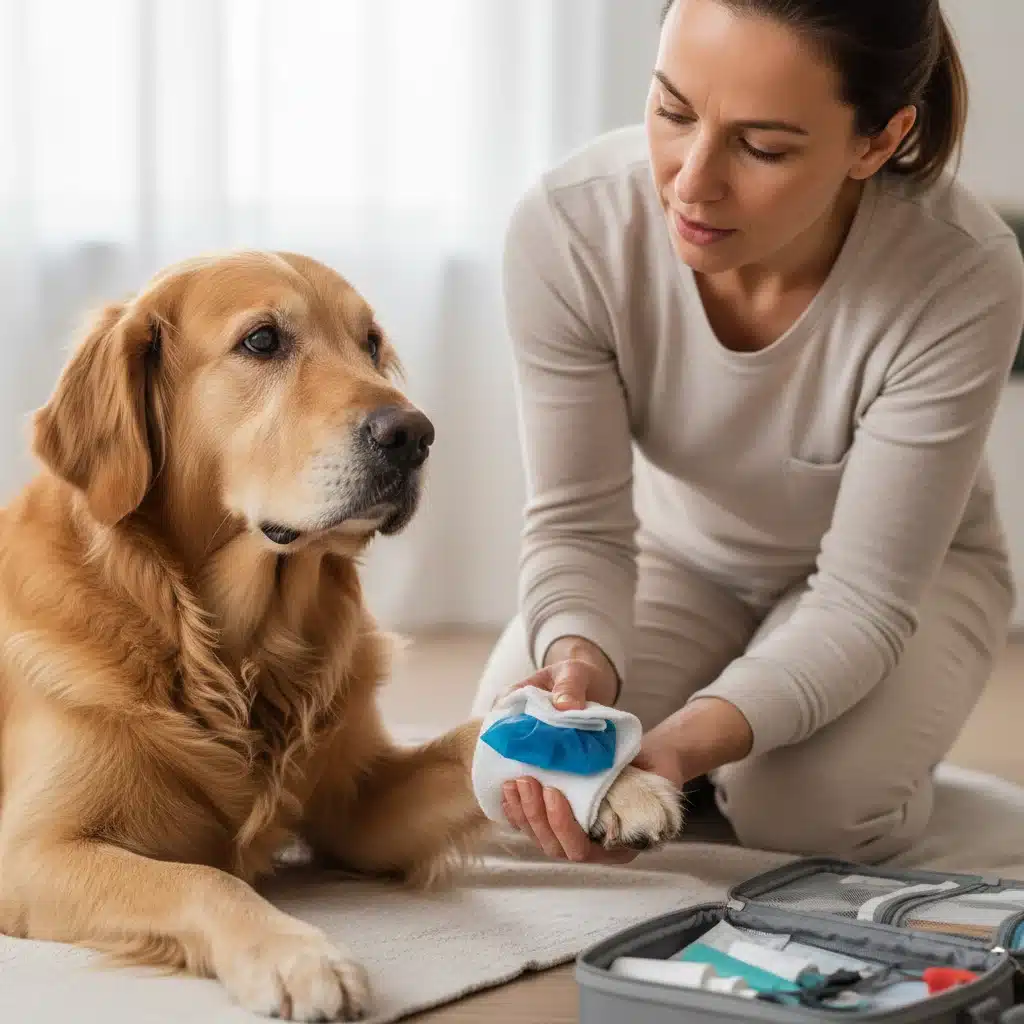
Instant cold packs can help reduce swelling and pain from sprains, bruises, or insect stings. Instant hot packs can provide warmth to a pet suffering from hypothermia or to soothe muscle aches. Ensure these are not applied directly to the skin; always wrap them in a cloth or towel.
Application Tips:
- Cold Pack: Apply for 10-15 minutes at a time, wrapped in a cloth, to reduce swelling and pain.
- Hot Pack: Use for similar durations, wrapped, to provide warmth or comfort.
Always monitor your pet closely when using hot or cold packs to prevent thermal injury. These versatile items provide comfort and aid healing in your DIY pet first aid kit.
10. Emergency Contact Information and Pet Records: Essential Information at Your Fingertips
This isn’t a physical item in the traditional sense, but it’s arguably the most critical component of your DIY pet first aid kit. A laminated card or a waterproof bag containing essential contact information and a summary of your pet’s medical history can be invaluable in an emergency. This should include:
- Your Veterinarian’s Contact Information: Name, clinic address, and phone number.
- Emergency Vet Clinic Contact Information: For after-hours care.
- Poison Control Hotline: ASPCA Animal Poison Control Center (1-888-426-4435) and Pet Poison Helpline (1-855-764-7661). Note that fees may apply for these services.
- Your Pet’s Basic Information: Name, breed, age, weight, microchip number.
- Medical History Summary: Any known allergies, current medications (and dosages), chronic conditions, and vaccination status.
- Your Contact Information: Including an emergency contact if you are unavailable.
Having this information readily accessible saves precious time during a crisis, allowing you to quickly relay vital details to veterinary professionals. It’s the ultimate practical solution for any DIY pet first aid scenario.
Additional Considerations for Your DIY Pet First Aid Kit
While the 10 items listed above form the core of a robust DIY pet first aid kit, there are several other items you might consider adding based on your pet’s specific needs, your location, and potential risks:
- Muzzle: Even the gentlest pet can bite when in pain or fear. A muzzle can protect you and veterinary staff during examination or treatment. Ensure it’s a comfortable, well-fitting muzzle that allows your pet to breathe easily.
- Pet Carrier or Leash: Essential for safe transport to the vet.
- Clean Towels or Blankets: For warmth, comfort, or to help control bleeding.
- Syringe (without needle): For administering liquid medications or flushing wounds.
- Activated Charcoal: For certain types of poisoning, but only under direct veterinary guidance. This is a very specific item and should not be used without professional advice.
- Sugar Source (e.g., Karo Syrup): For diabetic pets experiencing hypoglycemia, or for very small, weak animals, but again, consult your vet first.
- Styptic Powder: To stop bleeding from nail trims that are cut too short.
- Petroleum Jelly: Useful as a lubricant or to protect minor skin irritations.
- Flashlight: For examining wounds in low light conditions.
- Flea Comb: For removing fleas or examining skin.
- Saline Solution (for flushing wounds): Different from eye wash, this is for general wound irrigation.
- Emergency Blanket: For shock or hypothermia.
Remember, the goal of a DIY pet first aid kit is to provide immediate, temporary care. It is never a substitute for professional veterinary attention. Always contact your veterinarian or an emergency veterinary clinic as soon as possible after administering first aid.
Assembling and Maintaining Your DIY Pet First Aid Kit
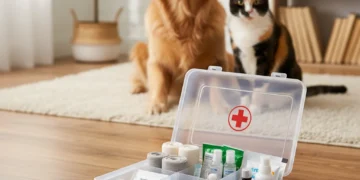
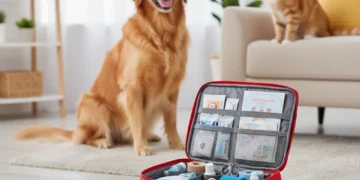
Once you’ve gathered all the essential items for your DIY pet first aid kit, proper assembly and maintenance are key. Choose a sturdy, waterproof container that is easy to carry and clearly labeled. A tackle box, a small backpack, or a plastic storage bin with compartments works well. Store your kit in an easily accessible location, both at home and in your vehicle, especially if you travel frequently with your pet.
Maintenance Checklist:
- Regular Checks: At least every six months, review the contents of your kit.
- Expiration Dates: Check expiration dates on all medications and sterile items. Replace anything that has expired.
- Replenish Used Items: If you’ve used any items, replace them immediately.
- Update Information: Ensure all emergency contact information and pet records are current.
- Practice: Familiarize yourself with how to use each item. Consider taking a pet first aid course offered by organizations like the American Red Cross.
By regularly maintaining your DIY pet first aid kit, you ensure that it will be ready and effective when you need it most. This proactive approach to pet care reflects a deep commitment to your companion’s health and safety.
Understanding When to Seek Professional Veterinary Care
While a DIY pet first aid kit empowers you to handle minor issues and stabilize emergencies, it’s crucial to understand its limitations. First aid is a temporary measure. Always seek professional veterinary care for:
- Serious Wounds: Deep cuts, puncture wounds, or wounds that won’t stop bleeding.
- Fractures or Severe Lameness: Any suspected broken bones or inability to bear weight.
- Severe Allergic Reactions: Swelling of the face, difficulty breathing, or collapse.
- Poisoning: If you suspect your pet has ingested a toxic substance.
- Difficulty Breathing: Any labored breathing, choking, or persistent coughing.
- Loss of Consciousness or Seizures: Immediate veterinary attention is required.
- Persistent Vomiting or Diarrhea: Especially if accompanied by lethargy, weakness, or blood.
- Eye Injuries: Any trauma to the eye, persistent redness, or discharge.
- Changes in Behavior or Disorientation: Sudden aggression, extreme lethargy, or confusion.
When in doubt, always err on the side of caution and contact your veterinarian. They can provide guidance over the phone and advise whether an immediate visit is necessary. Your DIY pet first aid kit is designed to support, not replace, their expert care.
Conclusion: Empowering U.S. Pet Owners for a Safer Future by March 2026
Building a comprehensive DIY pet first aid kit is a fundamental step towards responsible pet ownership in the United States. By gathering these 10 essential items – sterile gauze, self-adhering bandage, antiseptic wipes, blunt-tipped scissors and tweezers, disposable gloves, pet-safe adhesive tape, a digital rectal thermometer, eye wash solution, cold/hot packs, and crucial emergency contact information – you are equipping yourself with the practical solutions needed to respond effectively to a wide range of pet emergencies. This preparedness not only offers immediate relief to your beloved companion but also provides you with invaluable peace of mind.
Remember, the best defense is a good offense. Proactive measures, such as creating and regularly maintaining your DIY pet first aid kit, coupled with a basic understanding of pet first aid techniques, empower you to be your pet’s first line of defense. As we move towards March 2026, let’s collectively commit to elevating the standard of pet care by ensuring every U.S. pet owner is fully prepared for any unforeseen circumstances. Your pet relies on you for their safety and well-being, and a well-stocked first aid kit is a testament to that unwavering bond. Be prepared, be confident, and provide the best possible care for your cherished animal companion.