Essential Pet First Aid Kits 2026: 7 Must-Have Items for U.S. Pet Owners
As responsible pet owners across the U.S., we strive to provide the best possible care for our furry, feathered, or scaled companions. This commitment extends beyond daily walks and nutritious meals; it encompasses being prepared for the unexpected. Just like with human family members, emergencies can strike our pets at any moment, from a minor cut on a paw during a hike to a sudden allergic reaction. Having a well-stocked Pet First Aid Kit is not just a recommendation; it’s an absolute necessity. It can make all the difference in providing immediate relief, preventing further complications, and potentially saving your pet’s life while you seek professional veterinary care.
The year 2026 brings with it advancements in pet care products and a renewed emphasis on proactive pet health management. This comprehensive guide will walk you through the seven absolutely essential items every U.S. pet owner should have in their Pet First Aid Kit. We’ll delve into why each item is crucial, how to use it effectively, and what to consider when assembling or updating your kit. By the end of this article, you’ll be empowered with the knowledge and resources to create a robust Pet First Aid Kit, ensuring you’re always ready to act swiftly and confidently in a pet emergency.
Why Every U.S. Pet Owner Needs a Pet First Aid Kit
The thought of your pet in distress is unsettling, but being prepared can significantly reduce anxiety and improve outcomes. A Pet First Aid Kit serves as your immediate response tool, offering critical support before you can reach a veterinarian. Consider these scenarios:
- Minor Injuries: A small cut from a sharp object on the ground, a thorn embedded in a paw, or a scrape from rough play. These might not warrant an immediate emergency vet visit but require prompt cleaning and dressing to prevent infection.
- Allergic Reactions: Bee stings or contact with irritants can cause swelling, itching, or difficulty breathing. Timely administration of an antihistamine (under veterinary guidance) can be life-saving.
- Gastrointestinal Upsets: Vomiting or diarrhea can lead to dehydration. Electrolyte solutions or activated charcoal (again, with vet approval) can help stabilize your pet.
- Temperature Extremes: Heatstroke or hypothermia requires immediate action to regulate body temperature. A thermometer and appropriate cooling or warming supplies are vital.
- Unexpected Accidents: Car accidents, falls, or encounters with wildlife can lead to severe injuries. Basic bandaging and wound care can stabilize your pet for transport.
Beyond these specific instances, having a Pet First Aid Kit demonstrates responsible pet ownership. It shows you’ve considered your pet’s well-being in every possible scenario. The peace of mind that comes with knowing you’re equipped to handle minor incidents or provide crucial initial care for major ones is invaluable.
The 7 Must-Have Items for Your 2026 Pet First Aid Kit
1. Essential Wound Care Supplies
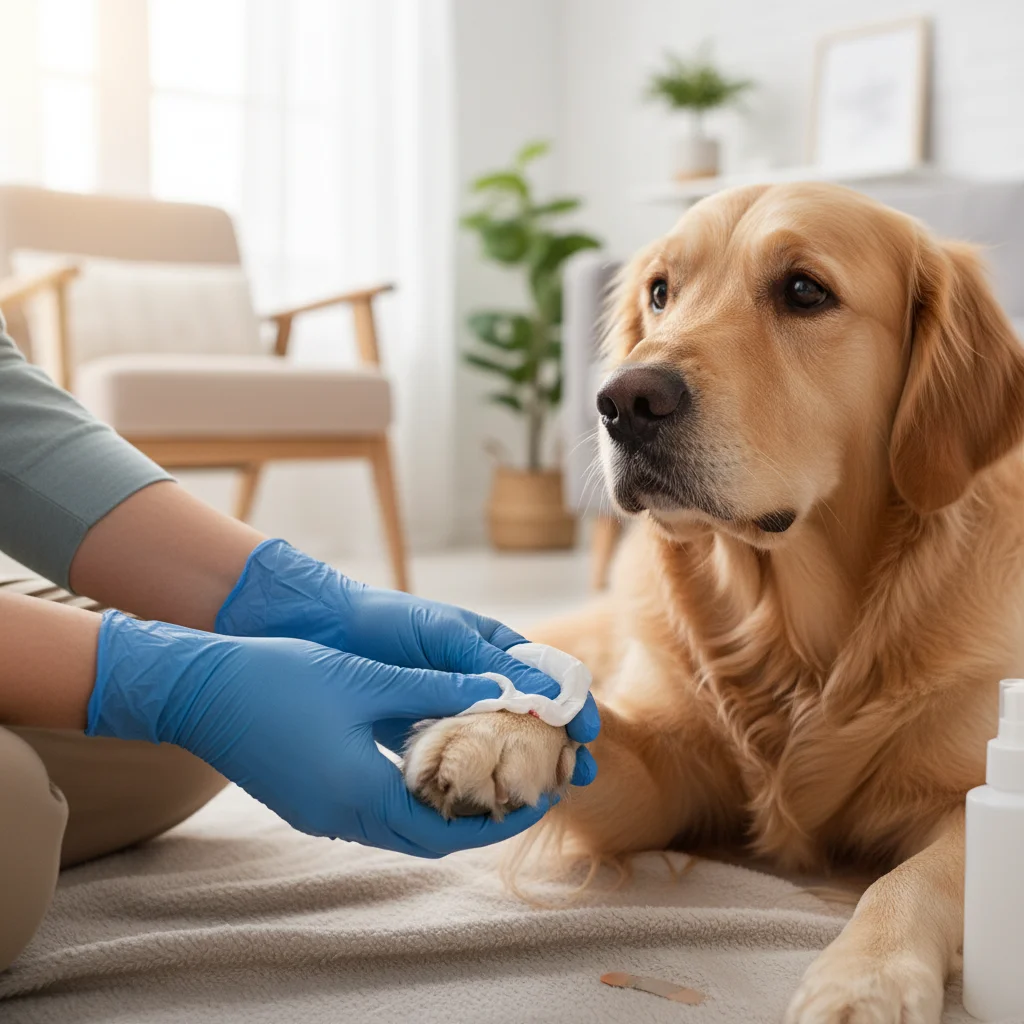
Wounds are among the most common pet injuries. From minor scrapes to deeper cuts, proper cleaning and dressing are paramount to prevent infection and promote healing. Your Pet First Aid Kit should include:
- Antiseptic Wipes or Solution: Products like chlorhexidine or povidone-iodine are excellent for cleaning wounds. Always dilute as instructed or use pre-moistened wipes. Avoid alcohol or hydrogen peroxide, as they can damage tissue.
- Sterile Gauze Pads and Rolls: For covering wounds, absorbing exudate, and providing compression. Have various sizes.
- Adhesive Tape (Pet-Friendly): Specifically designed for pets, this tape won’t stick to fur and is easier to remove. Self-adhering bandages (Vet Wrap) are also excellent for securing dressings.
- Blunt-Tip Scissors: For cutting gauze, tape, or safely trimming fur around a wound.
- Disposable Gloves: To maintain hygiene and prevent contamination when treating wounds.
Why it’s essential: Prompt wound care minimizes the risk of infection, reduces pain, and allows for a cleaner assessment by a veterinarian if further treatment is needed. Knowing how to properly clean and bandage a wound is a fundamental skill for any pet owner. This section emphasizes the core components for a robust Pet First Aid Kit, ensuring you’re ready for common injuries.
2. Pet-Specific Thermometer and Lubricant
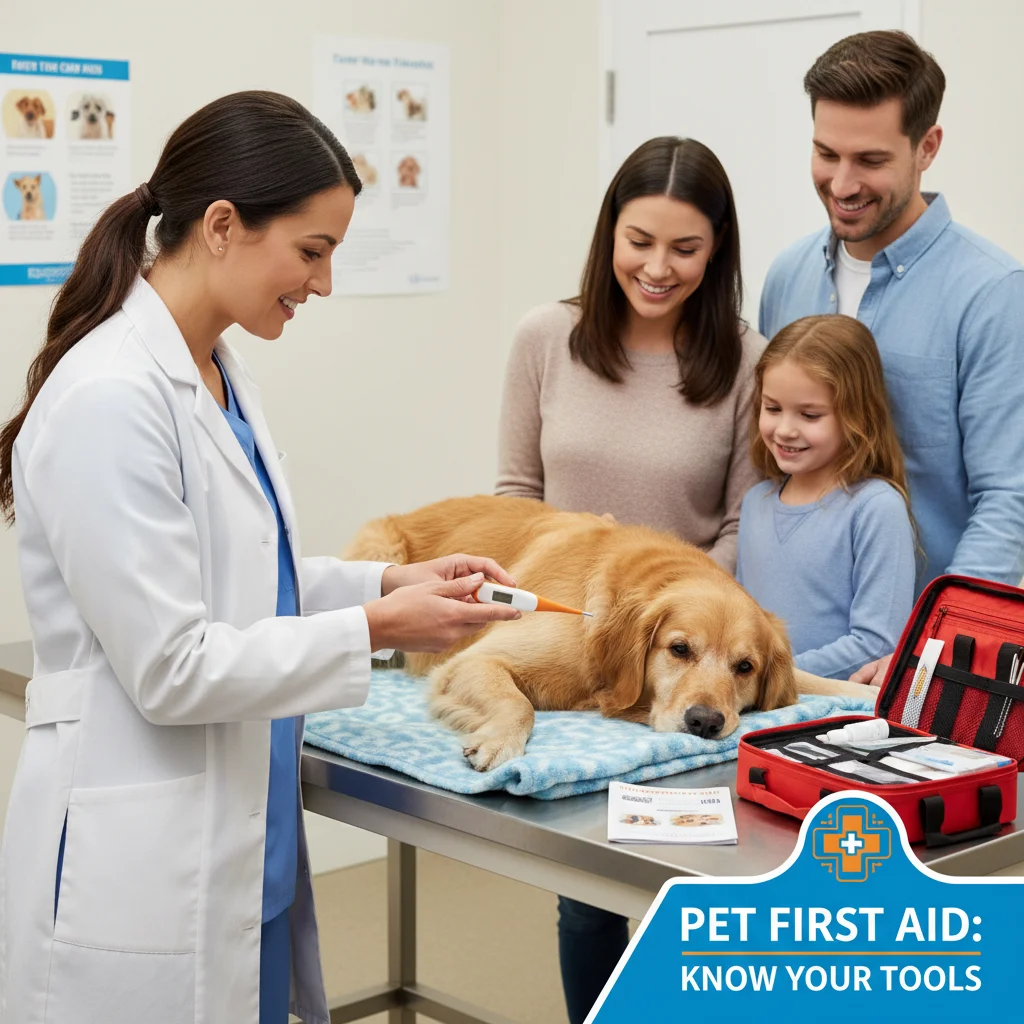
A pet’s body temperature is a vital indicator of their health. A fever or hypothermia can signal serious underlying issues. A digital rectal thermometer is the most accurate for pets.
- Digital Rectal Thermometer: Choose one designed for pets or a standard digital thermometer with a flexible tip.
- Petroleum Jelly or Water-Based Lubricant: To ease insertion and make the process more comfortable for your pet.
How to use: Lubricate the tip of the thermometer. Gently insert it into your pet’s rectum about one inch for dogs and half an inch for cats. Hold it in place until it beeps. Normal temperature ranges for dogs and cats are typically between 100°F and 102.5°F (37.8°C and 39.2°C). Always consult your vet if your pet’s temperature is outside this range. Having this in your Pet First Aid Kit allows you to provide crucial information to your veterinarian over the phone.
3. Medications and Supplements (Vet-Approved)
While you should never administer medication without veterinary guidance, having certain items on hand can be beneficial in an emergency. Always discuss these with your vet before including them in your Pet First Aid Kit.
- Antihistamine (e.g., Diphenhydramine/Benadryl): For allergic reactions (insect stings, environmental allergens). Your vet will advise on the correct dosage for your pet’s weight.
- Activated Charcoal: Can be used to absorb certain toxins if your pet has ingested something harmful. Crucially, only administer under direct veterinary instruction, as it’s not suitable for all poisons and can be harmful if used incorrectly.
- Electrolyte Solution: For pets experiencing vomiting or diarrhea to help prevent dehydration.
- Prescribed Medications: If your pet has a chronic condition (e.g., epilepsy, diabetes), ensure you have an emergency supply of their regular medications.
Important Note: Never give human medications to pets without explicit veterinary approval, as many are toxic. Always have your vet’s contact information readily available to confirm dosages and suitability. This element of your Pet First Aid Kit requires careful consideration and professional advice.
4. Tools for Minor Extractions and Examination
Sometimes, foreign objects can become lodged in your pet’s fur, paws, or even mouth. Having the right tools can help you safely remove them.
- Tweezers (Fine-Tipped): For removing splinters, ticks, or small foreign objects.
- Tick Remover Tool: Specifically designed to safely extract ticks without leaving the head embedded.
- Magnifying Glass: To help you see small foreign objects or inspect minor injuries more closely.
- Small Flashlight or Headlamp: Essential for examining your pet in low light conditions or looking into ears and mouths.
Safety first: Always approach these tasks calmly. If an object is deeply embedded, or your pet is in pain, do not attempt removal yourself; seek veterinary assistance. These tools enhance the versatility of the Pet First Aid Kit for common outdoor hazards.
5. Emergency Contact Information and Pet Records
In a stressful emergency, remembering crucial phone numbers and pet details can be challenging. Keep this information readily accessible in your Pet First Aid Kit:
- Your Veterinarian’s Phone Number and Address: Include after-hours emergency numbers.
- Nearest Emergency Veterinary Clinic: Name, address, and phone number.
- Pet Poison Control Hotline: ASPCA Animal Poison Control Center (888-426-4435) or Pet Poison Helpline (855-764-7661). Be aware that these services usually charge a fee.
- Your Pet’s Medical Records: A brief summary of vaccinations, known allergies, current medications, and any pre-existing conditions.
- Proof of Ownership/Microchip Information: In case your pet gets lost during an emergency.
Pro Tip: Laminate this information or keep it in a waterproof bag within your Pet First Aid Kit. This ensures vital information is protected and immediately available when seconds count.
6. Restraint and Muzzling Tools
Even the most docile pet can become anxious or aggressive when injured or in pain. Protecting yourself from bites is crucial for both your safety and your ability to help your pet.
- Muzzle (Basket or Soft Fabric): Have one that fits your pet comfortably. Muzzling an injured pet can prevent bites and allow you to administer first aid more safely.
- Leash and Collar/Harness: For securing your pet and safe transport.
- Towel or Blanket: Can be used to gently wrap smaller pets to provide comfort and some restraint. For larger dogs, a blanket can serve as an improvised stretcher.
Important: Never muzzle a pet that is vomiting, having difficulty breathing, or has a head injury. Practice putting on the muzzle when your pet is calm so they are accustomed to it. This is a critical, often overlooked, component of an effective Pet First Aid Kit.
7. Hydration and Nutritional Support
In some emergencies, especially those involving travel or prolonged waiting times, ensuring your pet stays hydrated and has some caloric intake can be important.
- Bottled Water: A small, sealed bottle of fresh water.
- Collapsible Water Bowl: For easy hydration on the go.
- Small Amount of Non-Perishable Pet Food or Treats: Can be used to calm your pet, provide energy, or administer medication (if appropriate).
- Oral Syringe (without needle): For administering water or liquid medications if your pet is unwilling to drink from a bowl.
Why it’s essential: Dehydration can quickly worsen a pet’s condition. Having these items in your Pet First Aid Kit ensures you can support your pet’s basic needs during a crisis, especially if you’re away from home or facing delays in veterinary care.
Assembling and Maintaining Your Pet First Aid Kit
Choosing the Right Container
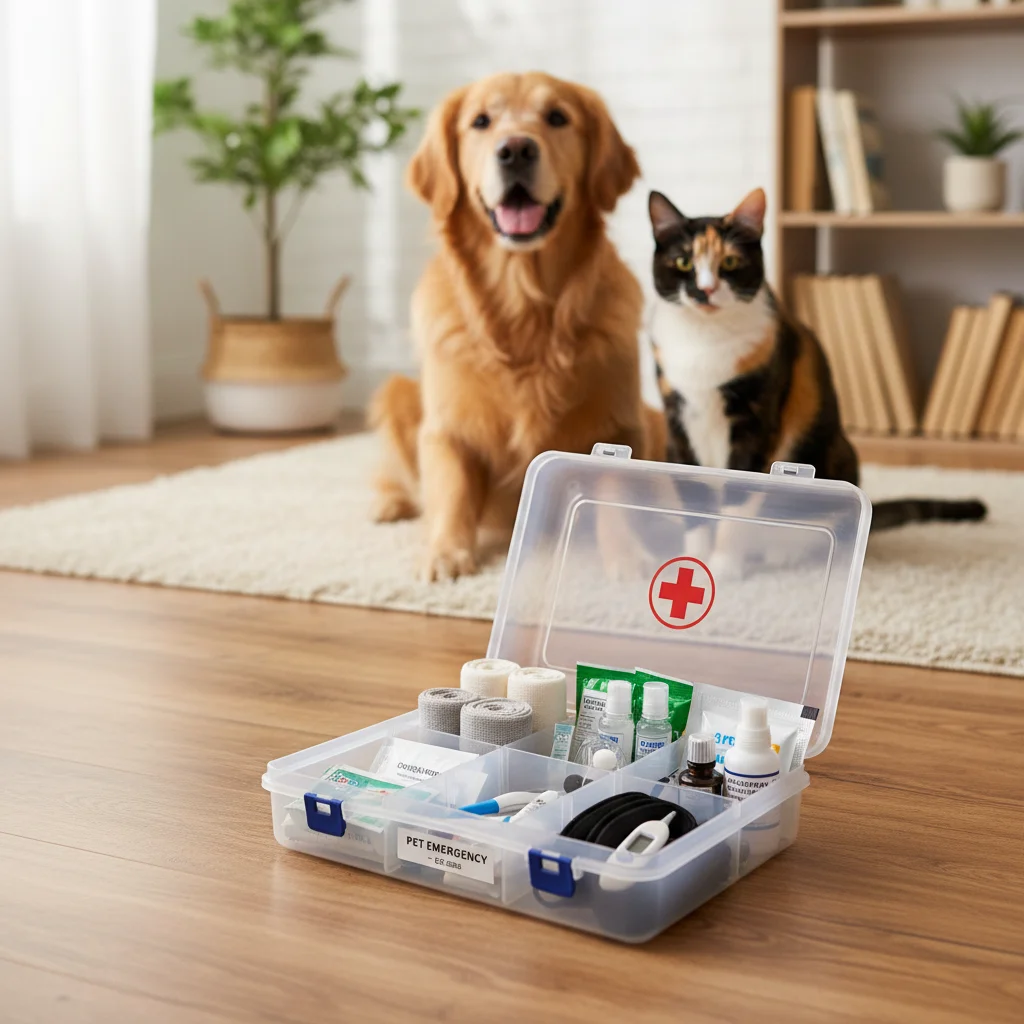
Your Pet First Aid Kit needs a durable, waterproof, and easily identifiable container. A tackle box, a sturdy plastic storage bin, or a dedicated first aid bag works well. Ensure it’s large enough to hold all items without being overly cumbersome. Label it clearly as “Pet First Aid.”
Regular Checks and Replenishment
A Pet First Aid Kit is only useful if its contents are up-to-date and in good condition. Make it a habit to:
- Check Expiration Dates: Medications, antiseptic solutions, and even some sterile supplies have expiration dates. Replace them proactively.
- Restock Used Items: After every use, immediately restock any items consumed or damaged.
- Seasonal Review: Review your kit contents at least twice a year (e.g., spring and fall) to ensure it’s still appropriate for potential seasonal hazards (e.g., insect repellents for summer, paw balm for winter).
- Update Contact Info: Ensure all emergency contact numbers and pet records are current.
Storage Location
Keep your Pet First Aid Kit in an easily accessible location at home, away from extreme temperatures. Consider having a smaller, portable version for your car, especially if you travel frequently with your pet. For hikers or campers, a backpack-friendly version is a must.
Beyond the Kit: Pet First Aid Training and Prevention
Having the physical items in a Pet First Aid Kit is crucial, but knowing how to use them effectively is equally important. Consider taking a pet first aid and CPR course. Many organizations, such as the American Red Cross, offer these invaluable classes. These courses teach you:
- How to recognize signs of illness or injury.
- Basic life support techniques (CPR).
- Wound management and bandaging.
- How to handle choking incidents.
- Safe transport of an injured pet.
Prevention is always better than cure. While a Pet First Aid Kit is for emergencies, proactive measures can reduce the likelihood of needing it:
- Regular Veterinary Check-ups: Essential for early detection and prevention of health issues.
- Pet-Proof Your Home: Secure hazardous substances, remove small objects that could be swallowed, and block access to dangerous areas.
- Supervised Outdoor Time: Keep an eye on your pet to prevent encounters with wildlife, toxic plants, or sharp objects.
- Proper Nutrition and Exercise: A healthy pet is more resilient.
Conclusion: Prioritizing Your Pet’s Safety with a Robust Pet First Aid Kit
In conclusion, assembling and maintaining an essential Pet First Aid Kit is a fundamental responsibility for every U.S. pet owner in 2026. This isn’t merely about having a collection of medical supplies; it’s about investing in your pet’s safety, well-being, and your peace of mind. By including the seven must-have items discussed – from wound care supplies and a pet-specific thermometer to emergency contact information and restraint tools – you are empowering yourself to act decisively and effectively when an unexpected situation arises.
Remember, a Pet First Aid Kit is your immediate line of defense, providing critical support until professional veterinary care can be accessed. Regular reviews of your kit, coupled with ongoing education in pet first aid, will ensure you are always prepared for whatever challenges come your way. Your beloved companion relies on you for their protection and care. By prioritizing a comprehensive Pet First Aid Kit, you are reaffirming your commitment to their health and happiness, ensuring they lead a long, safe, and joyful life by your side.