Decoding Your Dog’s Daily Body Language: Insider Knowledge to Strengthen Your Bond in 2026
Decoding Your Dog’s Daily Body Language: Insider Knowledge to Strengthen Your Bond in 2026
As devoted dog owners, we often marvel at the profound connection we share with our canine companions. They seem to understand our moods, anticipate our commands, and offer unconditional love. Yet, how much do we truly understand them? Dogs, lacking the ability to speak our language, communicate through a complex and nuanced system of gestures, postures, and vocalizations. This intricate system is what we refer to as dog body language. Mastering the art of interpreting these non-verbal cues is not just a fascinating endeavor; it’s an essential skill for any owner aiming to build a deeper, more harmonious, and truly understanding relationship with their furry friend.
In 2026, with the increasing integration of pets into our daily lives, the importance of understanding our dogs has never been greater. Misinterpretations of dog body language can lead to stress, behavioral issues, and even dangerous situations for both dogs and humans. This comprehensive guide will take you on a journey into the fascinating world of canine communication, providing you with the insider knowledge you need to decode your dog’s daily signals, strengthen your bond, and ensure a happier, healthier life together.
From the subtle twitch of an ear to the full-body shake, every movement your dog makes tells a story. Are they happy, anxious, fearful, or playful? The answers are often right in front of you, if only you know how to look. Let’s embark on this enlightening exploration of dog body language, transforming you from a casual observer into a fluent interpreter of your dog’s unspoken words.
The Foundations of Dog Communication: Why Body Language Matters
Dogs are masters of non-verbal communication. Long before domestication, their ancestors relied heavily on visual cues and olfactory signals to interact within their packs and navigate their environment. While selective breeding has altered their appearance and some behaviors, the fundamental mechanisms of their communication remain deeply ingrained. Understanding dog body language is crucial for several key reasons:
- Preventing Misunderstandings: What we perceive as a friendly greeting, another dog might interpret as a threat. Learning to read your dog’s signals helps you intervene before a situation escalates, whether it’s with other dogs, people, or even children.
- Enhancing Training: A dog’s body language provides invaluable feedback during training sessions. Are they confused, engaged, stressed, or enthusiastic? Recognizing these signs allows you to adjust your approach, making training more effective and positive.
- Strengthening Your Bond: When you consistently respond appropriately to your dog’s cues, you build trust and reinforce your connection. Your dog learns that you understand and respect their feelings, leading to a more secure and loving relationship.
- Identifying Health Issues: Changes in a dog’s posture, gait, or facial expressions can sometimes be early indicators of pain, discomfort, or illness. A keen eye for body language can prompt earlier veterinary intervention.
- Promoting Welfare: A dog whose signals are understood is a happier dog. They experience less stress, fear, and frustration when their human companions can accurately interpret their needs and emotions.
Think of dog body language as a universal canine dialect. By learning this dialect, you open up a new avenue of communication, transforming your relationship from mere coexistence to true partnership.
The Head: A Window to Your Dog’s Mind
Your dog’s head, with its intricate array of muscles and sensory organs, is a primary communication hub. Paying close attention to these features can reveal a wealth of information about their emotional state.
Eyes: The Soul’s Reflection
- Soft, Relaxed Eyes: Often accompanied by a relaxed brow and blinking, this indicates a calm, friendly, and trusting dog. They are comfortable in their environment.
- Hard Stare/Direct Eye Contact: Can be a sign of challenge, dominance, or aggression, especially if combined with a tense body. However, a soft, prolonged gaze with a beloved owner can be a sign of affection. Context is key!
- “Whale Eye” (Sclera Showing): When the whites of the eyes are visible, especially at the sides, it typically signals stress, fear, or anxiety. The dog might be feeling threatened and looking for an escape route.
- Dilated Pupils: Can indicate fear, excitement, or arousal.
- Squinting: May suggest pain or discomfort, or sometimes submission.
Ears: Direction and Emotion
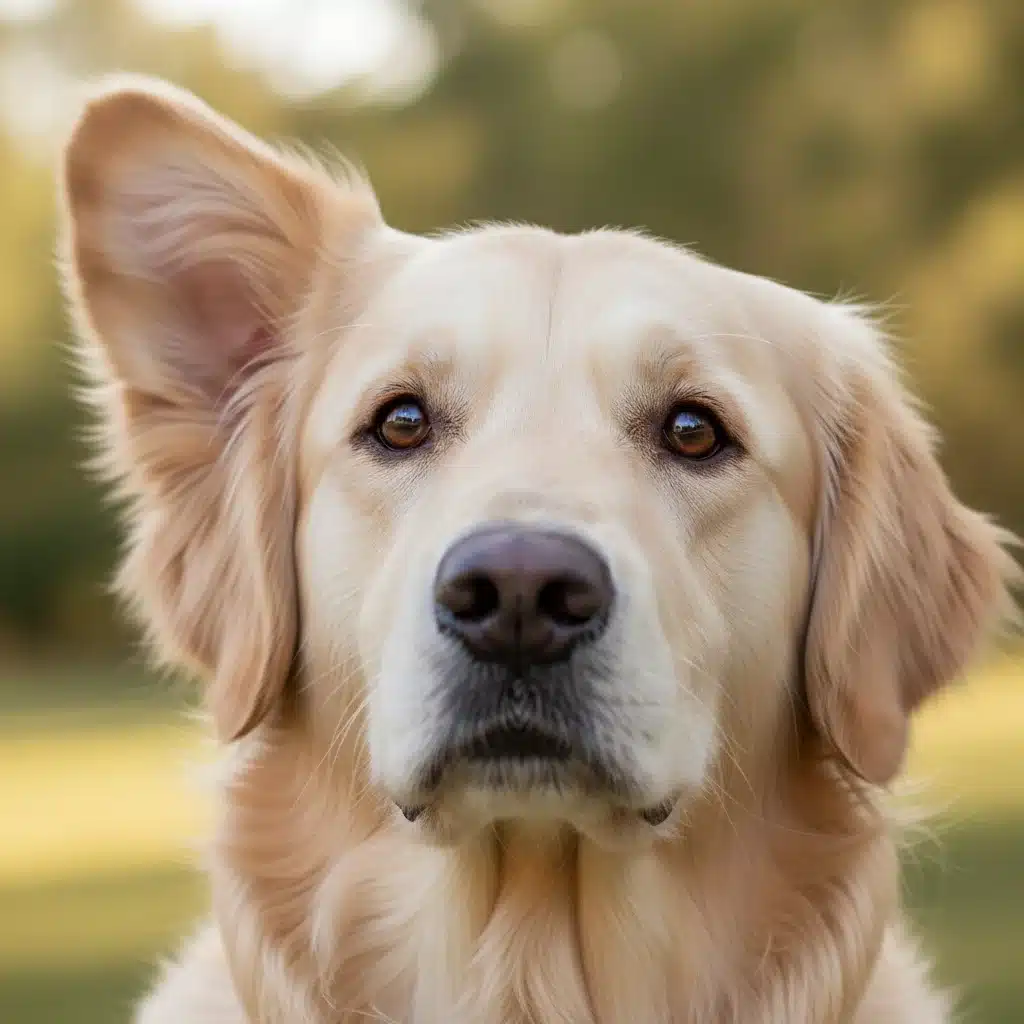
The position of your dog’s ears, regardless of their natural shape (pricked, floppy, or semi-pricked), is a vital component of dog body language:
- Relaxed Ears: Held naturally, neither flattened nor fully erect. The dog is calm and attentive.
- Forward/Perked Ears: Indicates alertness, interest, and focus. The dog is paying attention to something specific.
- Flattened/Pasted Back Ears: A clear sign of fear, anxiety, or submission. The dog is trying to appear smaller and less threatening.
- Swiveling Ears: The dog is actively listening and trying to pinpoint the source of a sound.
Mouth: More Than Just a Smile
The mouth provides crucial clues about a dog’s comfort level and intentions:
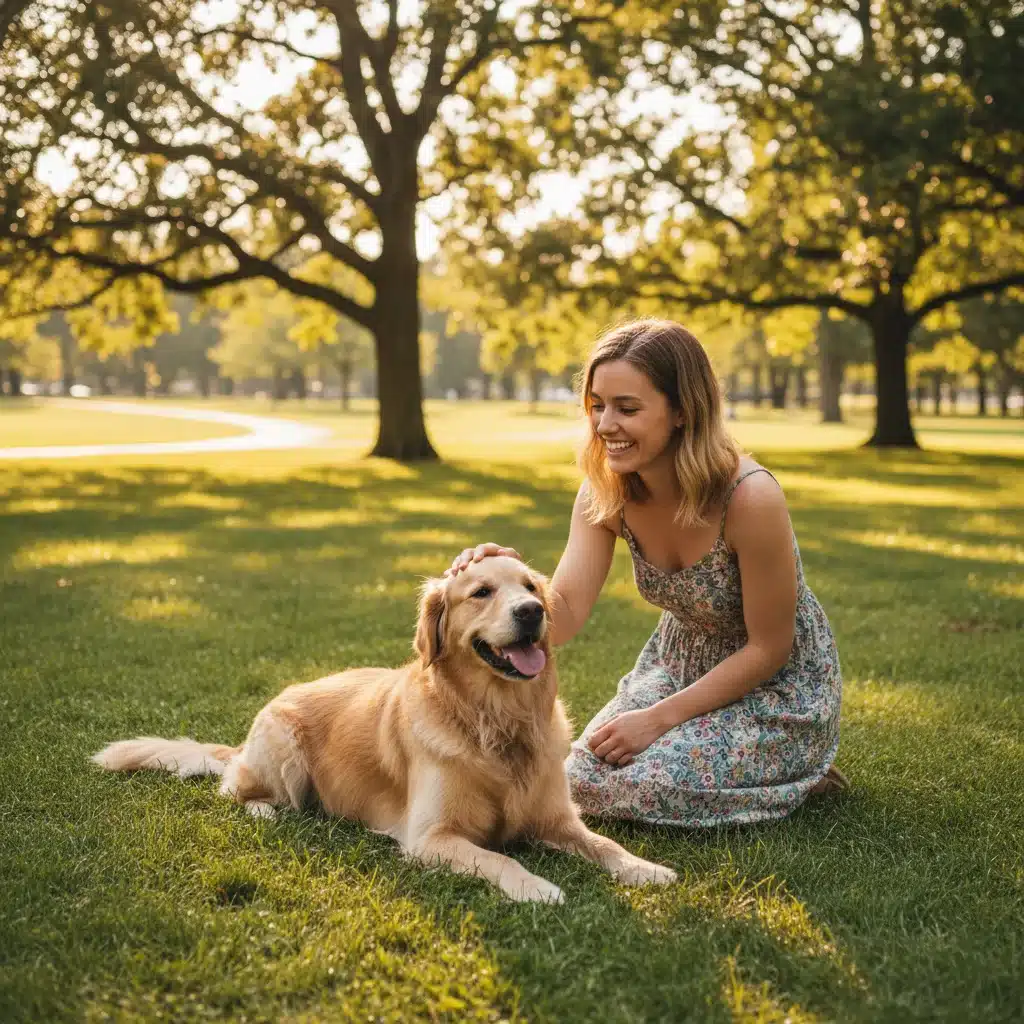
- Relaxed, Slightly Open Mouth: Often seen with a relaxed body, this indicates a happy, comfortable dog. They might be panting lightly if warm or excited.
- Closed Mouth, Tense Lips: Can signal stress, discomfort, or a precursor to aggression. The dog is holding tension.
- Lip Licking: A common calming signal, indicating stress, anxiety, or appeasement. It can also be a response to food, but in other contexts, it’s a sign of discomfort.
- Yawning: While it can mean tiredness, yawning is also a significant calming signal, often used to de-escalate tension or show discomfort.
- Growling: A clear warning signal. Never punish a growl, as it’s your dog’s way of saying they are uncomfortable and need space. Punishing it teaches them to bite without warning.
- Showing Teeth (Snarl): A direct threat. The lips are usually pulled back vertically to expose the canines. This is a serious warning.
- Submissive Grin/Smile: Some dogs exhibit a ‘submissive grin’ where they pull back their lips horizontally to show their front teeth, often accompanied by a low body posture and tail wag. This is an appeasement gesture, not aggression.
The Body: A Canvas of Canine Emotion
Beyond the head, your dog’s entire body acts as a canvas for their emotions. Understanding these full-body signals is vital for interpreting dog body language accurately.
Overall Posture: The Big Picture
- Relaxed Posture: Weight evenly distributed, soft muscle tone, head held naturally. The dog is comfortable and content.
- Stiff/Tense Posture: Weight shifted forward or backward, muscles visibly taut, often with a raised head and rigid stance. This indicates alertness, fear, or a potential threat.
- Low/Crouched Posture: The dog tries to make itself smaller, often with a tucked tail and flattened ears. This is a strong indicator of fear, anxiety, or submission.
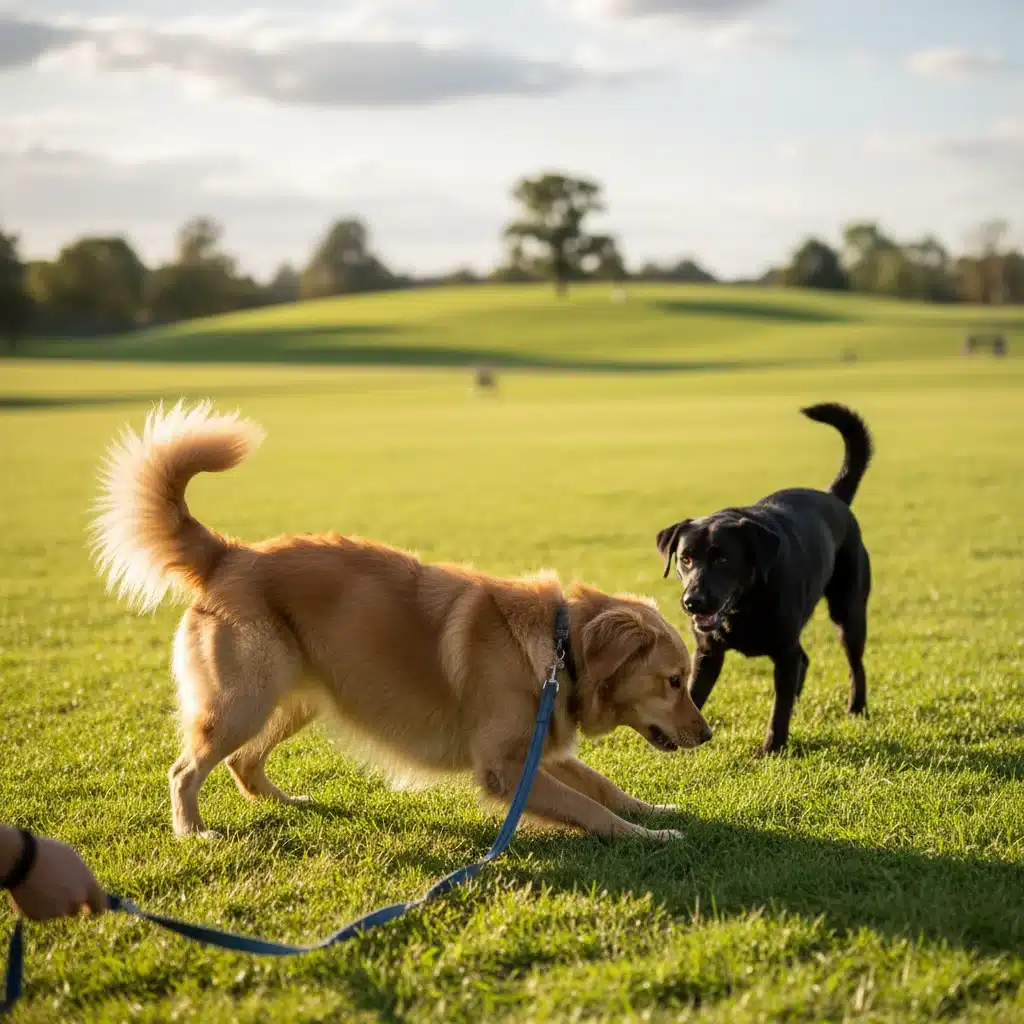
- Play Bow: Front end lowered, rear end up, often with a wagging tail. An unmistakable invitation to play.
- Rolling Over (Belly Up): Can be a sign of extreme submission or a request for a belly rub if the dog is relaxed and soft. Context is crucial. If the dog is tense, avoids eye contact, or has a stiff tail, it’s likely fear-based submission.
Tail: The Waving Flag of Feelings
Perhaps the most iconic aspect of dog body language, the tail’s position and movement are often misunderstood. It’s not just about a wag; it’s about the height, speed, and breadth of the wag.
- Neutral/Relaxed Tail: Held at its natural resting position, which varies by breed. Indicates a calm and content dog.
- High, Stiff Tail: Often signals alertness, arousal, or even aggression. The higher and stiffer the tail, the more assertive or dominant the dog feels.
- Low, Tucked Tail: A clear sign of fear, anxiety, or submission. The dog is trying to hide or protect its vulnerable areas.
- Slow, Gentle Wag: A relaxed, friendly greeting or a sign of slight uncertainty.
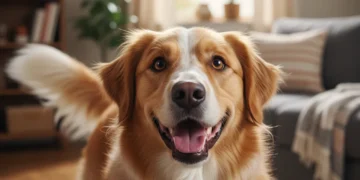
- Broad, Loose Wag: A happy, excited, and friendly dog. The entire body often wags along with it.
- Fast, Short Wag (often high): Can indicate excitement, but also anxiety or internal conflict. Often seen when a dog is unsure how to react.
- “Helicopter” Wag: A broad, circular wag often seen when a dog is extremely happy and friendly.
It’s important to remember that a wagging tail doesn’t always mean a friendly dog. A high, stiff, fast wag can precede a bite, as it indicates high arousal and potential aggression.
Piloerection (Raised Hackles): A Warning Sign
When the hair along a dog’s spine (from neck to tail) stands on end, it’s called piloerection or ‘raised hackles’. This is an involuntary reaction, much like goosebumps in humans, and signals arousal. It can mean fear, excitement, anger, or uncertainty. It’s a warning sign that the dog is feeling threatened or highly stimulated, but it doesn’t automatically mean aggression. It simply means the dog is on high alert and you should proceed with caution.
Vocalizations: The Sounds of Dog Communication
While this guide focuses primarily on dog body language, it’s impossible to ignore the role of vocalizations. They often accompany and reinforce body language signals.
- Barks: Can convey a wide range of emotions depending on pitch, frequency, and context. A high-pitched, rapid bark might be excitement, while a low, slow bark could be a warning.
- Growls: A clear warning that the dog feels threatened or is guarding resources. Always respect a growl.
- Whimpers/Whines: Often signals need, pain, anxiety, or attention-seeking.
- Howls: Can be a form of communication over distance, a response to certain sounds, or an expression of loneliness.
- Yelps: Usually indicates sudden pain or fear.
Calming Signals: The Language of De-escalation
Norwegian dog trainer Turid Rugaas coined the term “calming signals” to describe a set of subtle behaviors dogs use to communicate peaceful intentions, de-escalate tension, and show discomfort. Recognizing these is paramount for understanding dog body language.
- Lip Licking: As mentioned, a quick flick of the tongue over the nose or lips, especially when no food is present, often signals stress or an attempt to calm a situation.
- Yawning: In contexts other than tiredness, yawning can indicate stress or an attempt to calm themselves or others.
- Head Turns: A dog might turn its head away from a perceived threat or intense gaze, signaling “I mean no harm.”
- Body Turns/Curving: Approaching another dog or person in an arc rather than a direct line is a polite, non-threatening greeting.
- Sniffing the Ground: Can be a displacement behavior, used to avoid interaction or show disinterest in a tense situation.
- Soft Eyes/Blinking: A sign of relaxation and appeasement.
- Freezing/Stillness: Can be a sign of extreme fear or uncertainty, where the dog is trying to assess the situation before reacting.
- Shaking Off: Like shaking off water, dogs often do this after a stressful encounter or a period of tension to release stress.
By understanding these calming signals, you can respond in kind, helping your dog feel more secure and understood.
Context is King: Putting It All Together
Interpreting dog body language is rarely about a single signal. It’s about observing the entire dog in its environment. A wagging tail alone doesn’t mean happiness; combine it with a stiff body, dilated pupils, and a direct stare, and it tells a very different story.
Consider the following:
- Environment: Is your dog in a familiar, safe place or a new, potentially overwhelming one?
- Other Animals/People Present: Who is your dog interacting with, and what are their behaviors?
- Recent Events: Has something just happened that might have caused excitement, fear, or stress?
- Breed Specifics: While general principles apply, some breeds have unique physical characteristics (e.g., naturally curled tails, wrinkled faces) that can make interpretation more challenging. Learn your breed’s nuances.
Common Misinterpretations and How to Avoid Them
Even with good intentions, owners can sometimes misread their dog’s signals. Here are a few common pitfalls:
- The “Happy” Tail Wag: As discussed, a wagging tail is not always a sign of friendliness. Always look at the entire body.
- The “Smiling” Dog: Some dogs pull back their lips in a submissive grin, which can look like a human smile but is actually an appeasement gesture, not necessarily happiness in our sense.
- The “Guilty” Look: When you come home to a mess and your dog looks away, flattens ears, or tucks its tail, it’s not guilt. It’s often a response to your angry tone or body language, an attempt to appease you because they sense your displeasure. Dogs don’t feel guilt in the human sense.
- The “Dominant” Dog: Many behaviors labeled as ‘dominance’ are actually fear, anxiety, or resource guarding issues. True dominance is rare and complex, and often misunderstood.
- The “Stubborn” Dog: A dog that isn’t obeying might not be stubborn; they could be confused, stressed, in pain, or simply not understanding what you’re asking.
By being aware of these common mistakes, you can approach your dog’s behavior with a more informed and empathetic perspective, truly decoding their dog body language.
Practical Tips for Becoming a Canine Communication Expert
Ready to become a fluent speaker of dog body language? Here are some actionable steps:
- Observe, Observe, Observe: Spend dedicated time simply watching your dog. Watch them when they’re relaxed, when they’re playing, when they’re interacting with other dogs or people. Note every subtle movement.
- Film Your Dog: Sometimes a video can reveal details you miss in real-time. Replay interactions, especially those that confuse you.
- Learn Your Dog’s Baselines: Every dog is an individual. Understand what your dog’s ‘normal’ relaxed posture, tail position, and facial expressions look like. This makes it easier to spot deviations.
- Study Other Dogs: Watch videos of dog interactions online, attend dog parks (observing from a distance), or watch professional trainers work.
- Read Reputable Resources: Books by experts like Turid Rugaas, Patricia McConnell, and Brenda Aloff offer deep insights into canine communication.
- Consult a Professional: If you’re struggling to understand your dog’s behavior or they’re exhibiting concerning signals, consult a certified professional dog trainer or a veterinary behaviorist.
- Respond Appropriately: Once you’ve identified a signal, respond thoughtfully. If your dog shows fear, create space. If they show playfulness, engage in appropriate play. If they show stress, remove the stressor.
- Teach Children: If you have children, teach them how to read dog body language and how to interact safely and respectfully with dogs.
The Future of Dog-Human Communication in 2026
As we move further into the 21st century, advancements in technology and our understanding of animal behavior continue to evolve. While we may not have universal dog-to-human translators just yet, the emphasis on empathetic and informed pet ownership is growing. Wearable tech for dogs, for instance, is becoming more sophisticated, offering insights into activity levels, sleep patterns, and even heart rates, which can indirectly inform us about their comfort and stress levels. However, no gadget can replace the power of direct, observational understanding of dog body language.
The trend in 2026 is towards a more holistic approach to pet care, where mental well-being is considered as important as physical health. This means a greater focus on enrichment, stress reduction, and, crucially, effective communication. Owners are increasingly seeking out resources to better understand their dogs, moving away from outdated, punitive training methods towards positive reinforcement and relationship-based approaches. This shift inherently requires a deeper appreciation for and understanding of dog body language.
Conclusion: A Lifetime of Learning and Love
Mastering dog body language is not a one-time achievement; it’s a continuous journey of observation, learning, and connection. Every dog is an individual, and their communication style may evolve over time and in different situations. By committing to understanding these subtle cues, you are not just decoding signals; you are building a bridge of trust and mutual respect with your canine companion.
Embrace the challenge and the joy of learning your dog’s unique dialect. The rewards are immense: a dog that feels truly understood, a stronger, more resilient bond, and a lifetime of shared happiness. So, take a moment today to truly observe your dog. What are their eyes telling you? What story is their tail wagging? By listening with your eyes and your heart, you will unlock a deeper level of companionship that transcends words, making 2026 and beyond a truly remarkable time for you and your beloved furry family member.