Socializing Your Rescue Dog: A 4-Step Plan for Confidence by Fall 2026
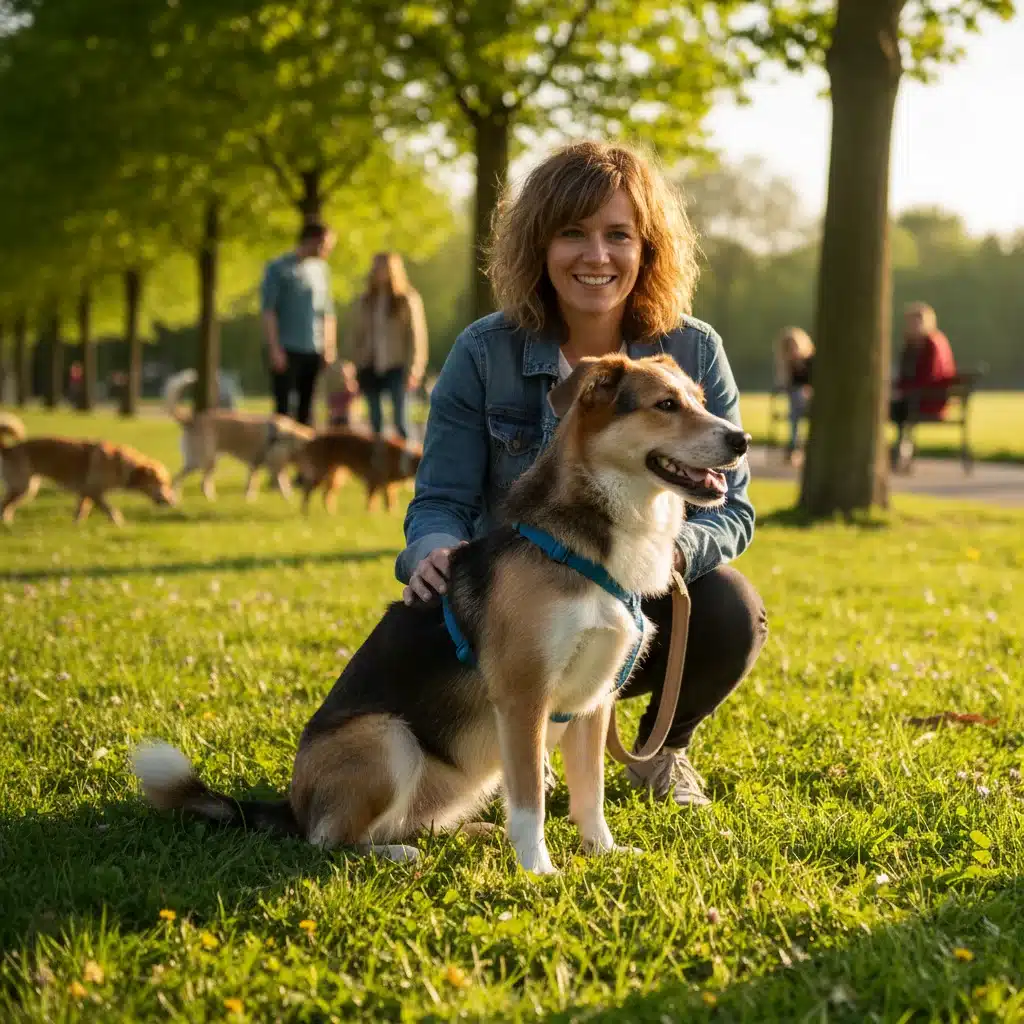
Bringing a rescue dog into your home is a profoundly rewarding experience, but it often comes with unique challenges. Many rescue dogs have unknown pasts, which can lead to anxiety, fear, or reactivity in new environments and around new people or animals. One of the most crucial aspects of helping your new companion thrive is effective rescue dog socialization. Our goal? To equip you with a comprehensive 4-step plan to build your rescue dog’s confidence and ensure they are well-adjusted and happily socialized by Fall 2026. This isn’t just about exposing your dog to new things; it’s about creating positive, confidence-building experiences that foster trust and reduce fear. By following this structured approach, you’ll lay the groundwork for a lifetime of happy interactions for your beloved pet.
Understanding the Unique Needs of Your Rescue Dog
Before diving into any socialization plan, it’s vital to understand that rescue dogs often have different needs than puppies raised in predictable environments. Their past experiences, whether neglect, abuse, or simply a lack of early socialization, can shape their current behavior. Some rescue dogs might be fearful of strangers, other dogs, loud noises, or even specific objects. Others might exhibit resource guarding or separation anxiety. Acknowledging these potential issues is the first step towards successful rescue dog socialization.
It’s crucial to adopt a patient and empathetic approach. Your rescue dog isn’t being ‘stubborn’ or ‘naughty’; they are reacting based on their past experiences and current emotional state. Pushing them too quickly can exacerbate fears and set back progress. Instead, focus on building a strong foundation of trust and security within your home. This means establishing a predictable routine, providing a safe den-like space, and using positive reinforcement exclusively. Avoid punishment, as it can severely damage the fragile trust you’re trying to build with a dog that may already be wary.
Observing your dog’s body language is paramount. Are their ears back? Is their tail tucked? Are they lip-licking, yawning excessively, or turning their head away? These are all signs of stress or discomfort. Learning to read these signals will tell you when to push a little further and, more importantly, when to back off and give your dog space. Remember, every dog is an individual, and their journey through rescue dog socialization will be unique.
Step 1: Establishing a Secure Foundation at Home (Now – Spring 2024)
The first and most critical step in successful rescue dog socialization isn’t about going out into the world; it’s about creating a safe haven within your home. A dog that feels secure and loved at home will be far more confident when encountering new experiences outside. This phase should ideally span the first few weeks to months after adoption, depending on your dog’s individual needs and history.
Building Trust and Routine
Consistent Routine: Dogs thrive on predictability. Establish a consistent schedule for feeding, potty breaks, walks, and playtime. This routine helps reduce anxiety and builds a sense of security. Knowing what to expect allows your dog to relax and feel more in control of their environment.
Safe Space: Provide your dog with a designated safe space where they can retreat and feel undisturbed. This could be a crate, a dog bed in a quiet corner, or a separate room. Teach family members, especially children, to respect this space and not bother the dog when they are there. This sanctuary is vital for managing stress and preventing overwhelm during the rescue dog socialization process.
Positive Reinforcement: Use only positive reinforcement methods for training and interaction. Reward desired behaviors with treats, praise, and gentle petting. This builds a positive association with you and strengthens your bond. Avoid any harsh corrections or punishment, as these can easily re-traumatize a rescue dog and erode trust.
Gentle Exposure within the Home
Once your dog seems comfortable in their immediate home environment, you can begin very gentle, controlled exposures to new stimuli within the safety of your house. This is a crucial early stage of rescue dog socialization.
New Sounds: Play soft, unfamiliar sounds at a low volume, gradually increasing it if your dog remains calm. This could include recordings of city noises, children playing, or other animals. Pair these sounds with high-value treats to create positive associations.
Different Textures: Introduce your dog to various floor textures – a rug, a smooth tile, a mat – inside the house. Reward curiosity and calm exploration. This helps desensitize them to new sensations under their paws.
Family Members: If you have a multi-person household, ensure each family member interacts positively and predictably with the dog. Encourage calm, gentle interactions and ensure everyone understands the dog’s body language. Gradually introduce new people, one at a time, in a controlled, low-stress manner, always allowing the dog to approach on their terms.
This foundational stage is not to be rushed. The more secure and confident your dog feels within their primary environment, the better equipped they will be to handle the broader world. Aim to have your dog consistently comfortable and exhibiting relaxed body language in your home before moving to the next step, ideally by late Spring 2024.
Step 2: Controlled Outdoor Exploration and Desensitization (Spring – Summer 2024)
Once your rescue dog has established a strong sense of security at home, it’s time to gently expand their world. This phase of rescue dog socialization focuses on controlled exposure to external environments, slowly increasing their comfort level with sights, sounds, and smells outside your immediate property.
Short, Positive Outings
Leash Training and Equipment: Ensure your dog is comfortable with their leash and harness. A well-fitting harness (front-clip can be helpful for pulling) can provide better control and comfort. Practice walking calmly in your yard or quiet street before venturing further. The goal is a loose-leash walk, not a hurried drag.
Quiet Neighborhood Walks: Start with very short walks in quiet areas during off-peak hours. The objective is not distance, but positive exposure. Allow your dog to sniff and explore at their own pace. Reward calm behavior and ignore any mild anxieties, unless they escalate significantly. If your dog shows signs of fear (tail tucked, trying to bolt, excessive panting), immediately remove them from the situation and try again later in an even quieter spot. Gradually increase the duration and exposure to different but still quiet areas.
Car Rides: Introduce short, positive car rides. Start with just sitting in the car with treats, then short drives around the block, always ending with a positive experience (like a treat or a favorite toy). This prepares them for vet visits or trips to new walking locations, an essential part of rescue dog socialization.
Desensitization to Environmental Stimuli
This stage also involves deliberate desensitization, where you help your dog become less reactive to common stimuli by gradually exposing them in a positive way.
Distant Observations: Find a bench or quiet spot where you and your dog can observe the world from a distance. Watch people, cars, bikes, and other dogs from afar. The key is distance – far enough away that your dog notices but doesn’t react negatively. Reward calm observation with high-value treats. As your dog becomes more comfortable, you can very slowly decrease the distance.
Sound Desensitization: Continue to work on sounds in real-world scenarios. If a loud truck passes by, pair the sound with a treat. The goal is to change the dog’s emotional response from fear to anticipation of something good. This is a continuous process throughout their rescue dog socialization journey.
Different Surfaces: On walks, expose your dog to different surfaces like grass, concrete, gravel, and even small puddles (if they don’t mind water). Make these experiences positive with encouragement and treats.
Patience is paramount during this phase. Never force your dog into a situation they are clearly uncomfortable with. The aim is to build positive associations, not create traumatic ones. By the end of Summer 2024, your dog should be able to calmly navigate short walks in moderately busy areas and observe various stimuli from a comfortable distance without significant distress.
Step 3: Introducing Controlled Social Interactions (Fall 2024 – Spring 2025)
With a solid foundation of home security and positive outdoor exposure, your rescue dog is now ready for the next crucial step in rescue dog socialization: controlled interactions with other dogs and people. This phase requires careful planning and supervision to ensure every experience is positive and confidence-building.
One-on-One Dog Introductions
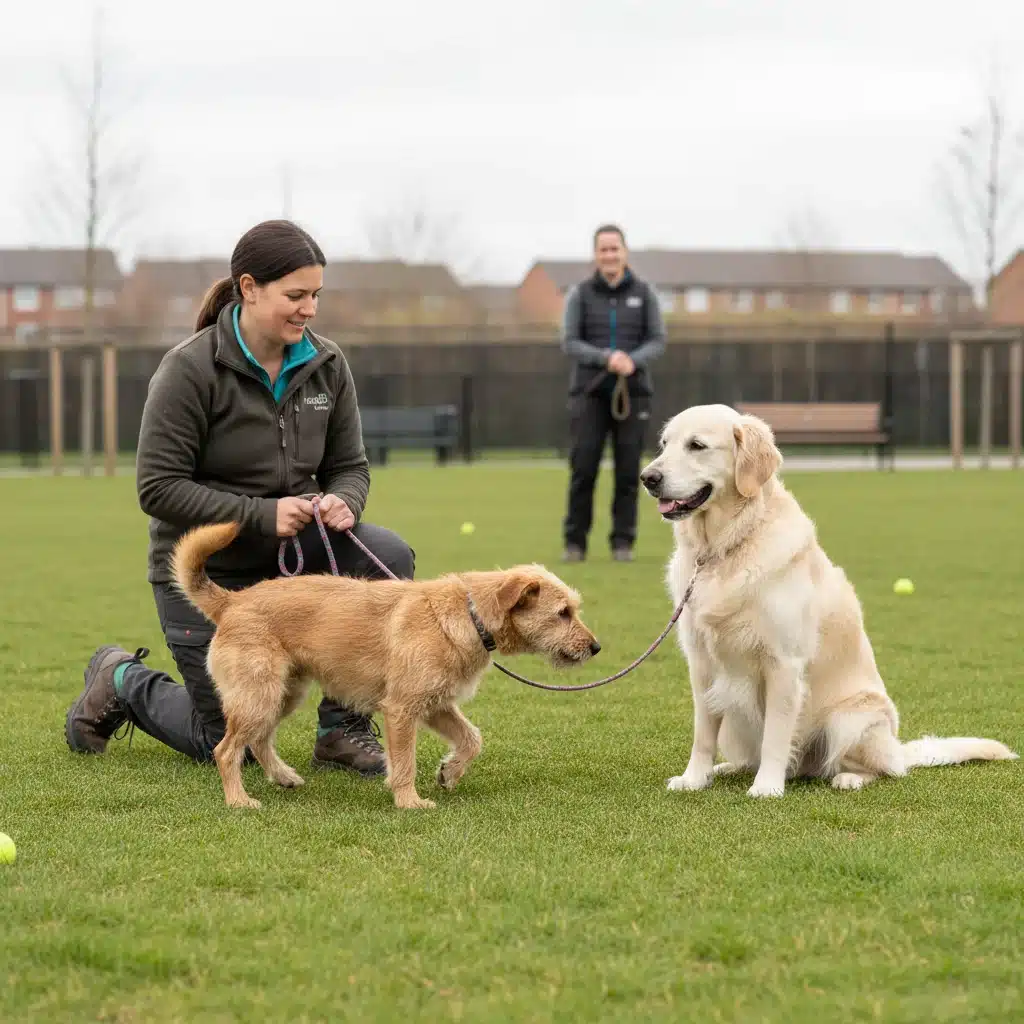
Select a Calm, Well-Socialized Dog: The success of initial dog-to-dog interactions heavily relies on the temperament of the other dog. Choose a friend’s or family member’s dog that is known to be calm, friendly, and tolerant of other dogs, especially those who might be shy or nervous. Avoid boisterous or overly playful dogs for initial introductions.
Neutral Territory: Arrange the first meeting in a neutral, open space, like a quiet park or a large fenced yard, not in either dog’s territory. Both dogs should be on leashes, handled by separate people. Start with parallel walking at a distance where both dogs are comfortable, gradually decreasing the distance if both remain relaxed.
Short, Positive Sniffs: Allow brief, supervised nose-to-tail sniffs. Watch body language closely. If either dog shows signs of stress (stiff body, growling, excessive lip-licking, whale eye), gently separate them and increase the distance. Keep interactions short and always end on a positive note, even if it’s just a calm sniff. Reward calm behavior from both dogs with praise and treats.
Supervised Play: Once comfortable with brief greetings, you can gradually allow short periods of supervised off-leash play in a secure area, if appropriate. Continue to monitor body language and intervene if play becomes too rough or one dog becomes overwhelmed. The goal is to build positive associations with other dogs, making this a cornerstone of effective rescue dog socialization.
Meeting New People
Controlled Introductions: Just like with dogs, introduce your rescue dog to new people one at a time, in a controlled environment. Ask friends or family members to approach calmly, without making direct eye contact or sudden movements. Have them offer a treat from an open palm, allowing the dog to approach them if they choose. Do not allow people to force interactions or crowd your dog.
Positive Associations: Ensure every interaction with a new person is positive. If your dog is fearful, simply having a new person in the same room, ignoring your dog, and occasionally dropping treats on the floor can be a great way to build positive associations without direct pressure. This helps your dog learn that new people can be a source of good things, an integral part of rescue dog socialization.
Different Types of People: Gradually expose your dog to different types of people – men, women, children (if they are calm and understand dog etiquette), people with hats, people with glasses, etc. Always ensure these interactions are brief, positive, and on your dog’s terms. Never allow children to run up to or overwhelm a rescue dog. Educate them on proper dog etiquette.
This phase is critical for teaching your dog that the world contains friendly individuals, both canine and human. By the end of Spring 2025, your rescue dog should be able to calmly greet a select few familiar dogs and people, showing signs of enjoyment in these interactions rather than fear.
Step 4: Expanding Horizons and Maintaining Progress (Summer 2025 – Fall 2026)
Once your rescue dog has successfully navigated controlled social interactions, it’s time to broaden their social circle and experience a wider variety of environments. This final phase of rescue dog socialization is about generalization and maintenance, ensuring their newly found confidence is robust and adaptable.
Exploring New Environments
Dog-Friendly Establishments: Gradually introduce your dog to dog-friendly places like outdoor patios of cafes, pet stores, or hardware stores (if allowed). Start during off-peak hours when there are fewer people and less commotion. The goal is for your dog to calmly observe and be comfortable in these varied settings, associating them with positive experiences (treats, praise, quiet time with you).
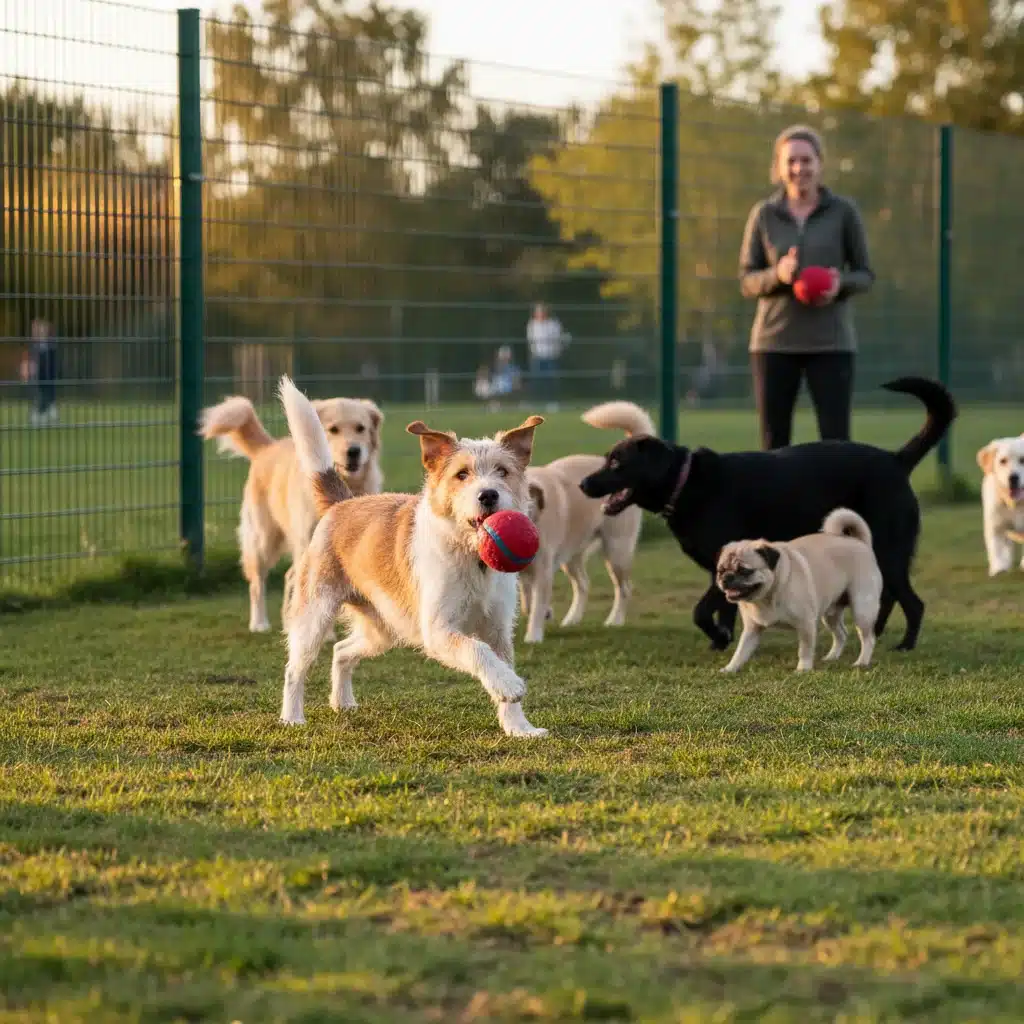
Low-Key Dog Parks (with caution): If your dog has consistently shown positive and appropriate play with other dogs, you might consider very brief, supervised visits to a low-key dog park during quiet times. Observe carefully. If your dog becomes overwhelmed or shows any signs of aggression or intense fear, it’s best to leave immediately. Not all dogs enjoy dog parks, and that’s perfectly okay. It’s about finding what works for your individual dog and their comfort level, ensuring every experience contributes positively to their rescue dog socialization.
Nature Trails and Beaches: Explore different natural environments. The varied sights, sounds, and smells can be enriching without the intensity of urban settings. Ensure your dog is comfortable with these new textures and stimuli. These outings provide mental stimulation and a chance to bond with you in a relaxed setting.
Continuing Socialization and Maintenance
Regular Playdates: Continue to arrange regular playdates with known, friendly dogs. Consistent positive interactions reinforce good social skills and maintain confidence. These relationships are invaluable for your dog’s ongoing rescue dog socialization.
Group Classes or Workshops: Consider enrolling in advanced obedience classes, agility, or canine good citizen courses. These provide structured social opportunities, mental stimulation, and further strengthen the bond between you and your dog. The controlled environment of a class can be excellent for dogs still building confidence around others.
Varying Your Walks: Don’t always stick to the same route. Explore different neighborhoods, parks, and trails. This continued exposure to novel sights and sounds helps maintain your dog’s adaptability and prevents them from becoming overly fixated on one environment. Always remember to make these new experiences positive with treats and praise.
Monitoring and Adjustment: Socialization is an ongoing process throughout a dog’s life. Continue to monitor your dog’s body language and behavior. If they regress or show signs of stress, don’t hesitate to step back to an earlier, more comfortable stage. It’s better to reinforce positive experiences than to push them into uncomfortable situations. Every dog has good days and bad days, and being attuned to their needs is key to long-term success in rescue dog socialization.
By Fall 2026, with consistent effort and positive reinforcement through these four steps, your rescue dog should be a much more confident, well-adjusted, and happily socialized member of your family, capable of navigating a variety of social situations with grace and comfort.
Common Challenges and How to Overcome Them in Rescue Dog Socialization
Even with the best-laid plans, the journey of rescue dog socialization can present its share of hurdles. Being prepared for common challenges and knowing how to address them can make a significant difference in your dog’s progress and your peace of mind.
Fear and Anxiety
Challenge: Your dog freezes, trembles, tries to hide, or becomes reactive (barking, lunging) when faced with new situations, people, or other dogs.
Solution: This is a sign you’ve pushed too far, too fast. Immediately increase distance from the trigger or remove your dog from the situation. Go back to a previous step where your dog was comfortable. Use desensitization and counter-conditioning: expose your dog to the trigger at a distance where they notice it but don’t react, and then immediately reward them with high-value treats. The goal is to change their emotional response from fear to positive anticipation. Consider consulting with a certified professional dog trainer or veterinary behaviorist if fear is severe or persistent.
Reactivity
Challenge: Your dog barks, growls, or lunges at other dogs or people on leash.
Solution: Leash reactivity is often rooted in fear or frustration. It’s crucial to manage the environment to prevent your dog from practicing the reactive behavior. Avoid situations where they are likely to react. Work on ‘look at that’ (LAT) game: when your dog sees a trigger, mark the moment (with a clicker or verbal marker) and immediately reward them. This teaches them to look at the trigger and then look to you for a reward, breaking the reactive cycle. Parallel walking at a significant distance from other dogs, as described in Step 3, is also very effective. Never punish reactivity, as it will only increase fear and potentially aggression.
Lack of Interest in Other Dogs
Challenge: Your dog seems uninterested in other dogs, preferring to ignore them or stay close to you.
Solution: Not all dogs are social butterflies, and that’s okay! True rescue dog socialization isn’t about forcing friendships but about ensuring your dog is comfortable and calm in the presence of others. If your dog prefers human company or solitary play, respect that. Continue with controlled, brief introductions to calm dogs, but don’t force prolonged interactions. Focus on positive reinforcement for calm behavior around other dogs, even if it’s just peaceful coexistence. Some dogs are simply ‘dog-neutral,’ and that’s a perfectly acceptable outcome.
Resource Guarding
Challenge: Your dog growls, snaps, or freezes when someone approaches their food, toys, or resting spot.
Solution: Resource guarding requires careful management and specific training. Never challenge a guarding dog directly. Instead, practice ‘trade’ games: approach your dog when they have a valuable item, toss an even higher-value treat near them, and then quietly take the guarded item while they eat the treat. Return the item if appropriate. The goal is to teach them that human approach means good things happen, not that their valuable item will be taken away. For severe cases, professional help is strongly recommended, as this can be a safety issue.
Regression
Challenge: Your dog suddenly seems to go backward in their socialization progress.
Solution: Regression can happen due to a scary experience, a change in routine, or simply an ‘off day.’ Don’t panic. Re-evaluate what might have caused the setback. Go back to an earlier step in the rescue dog socialization plan where your dog was consistently successful. Rebuild confidence from there, perhaps even more slowly than before. Sometimes, a period of reduced exposure and increased comfort at home is all that’s needed to reset. Patience and consistency are your greatest allies here.
Addressing these challenges proactively and with a positive, understanding mindset will significantly contribute to your rescue dog’s overall success in becoming a confident and well-adjusted companion. Remember, every challenge is an opportunity to learn more about your dog and strengthen your bond.
The Long-Term Benefits of Effective Rescue Dog Socialization
The commitment you make to your rescue dog’s socialization goes far beyond simply having a ‘well-behaved’ pet. The long-term benefits are profound, impacting both your dog’s quality of life and your relationship with them. By Fall 2026, with diligent application of this 4-step plan, you’ll witness a remarkable transformation in your companion.
A Happier, Healthier Dog
A well-socialized dog is generally a happier dog. They experience less fear and anxiety when encountering new situations, which contributes to overall better mental and physical health. Chronic stress can lead to various health issues, so reducing it through effective rescue dog socialization is a gift of well-being. They’ll be more resilient, adaptable, and able to enjoy a wider range of activities, from walks in bustling parks to relaxed visits with friends.
Strengthened Bond and Trust
Working through the socialization process together builds an incredibly strong bond between you and your dog. Each positive experience, each moment of overcoming a fear, deepens their trust in you as their guide and protector. They learn to rely on you for safety and reassurance, fostering a partnership built on mutual respect and understanding. This bond is the bedrock of a fulfilling relationship with your pet.
Increased Safety and Manageability
A dog that is comfortable with various stimuli is less likely to react negatively in unexpected situations. This translates to increased safety for your dog, other animals, and people. A socialized dog is less likely to bite out of fear, run away due to panic, or cause disruptions in public. They are more manageable in various settings, making vet visits, grooming appointments, and even simple walks much less stressful for everyone involved. This is a critical outcome of successful rescue dog socialization.
More Opportunities for Enrichment
When your dog is confident and well-adjusted, a whole new world of opportunities opens up for them. You can explore new hiking trails, enjoy dog-friendly cafes, participate in canine sports, or even volunteer in therapy dog programs (if appropriate for their temperament). These enriching experiences provide mental stimulation, physical exercise, and further enhance your dog’s happiness and engagement with the world.
A Positive Ambassador for Rescue Dogs
Finally, a well-socialized rescue dog becomes a wonderful ambassador for pet adoption. Their transformation from a potentially fearful or anxious animal to a confident, joyful companion can inspire others to open their homes to rescue animals. You’ll be demonstrating the incredible potential within every rescue dog and the power of patience, love, and effective rescue dog socialization.
By investing your time and effort into this 4-step plan, you’re not just training a dog; you’re transforming a life. The journey to Fall 2026 will be filled with small victories and perhaps a few setbacks, but the ultimate reward of a confident, happy, and well-socialized rescue dog is immeasurable. Embrace the process, celebrate every success, and look forward to a future filled with joy and companionship with your amazing rescue.