Socializing Your Adult Dog: 90% Public Behavior Improvement in 2 Months
Socializing Your Adult Dog: Achieving 90% Improvement in Public Behavior within 2 Months
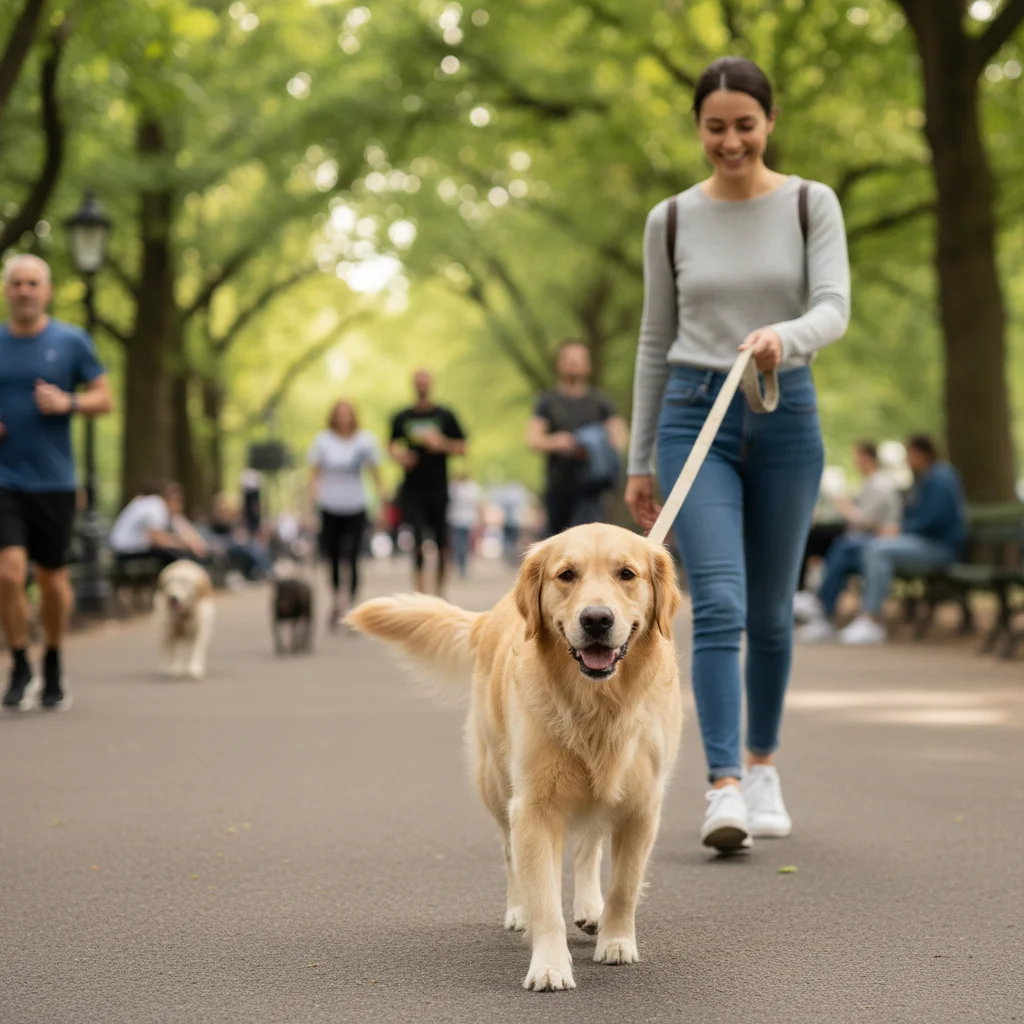
Many dog owners believe that socialization is primarily for puppies, a critical developmental window that, once missed, cannot be regained. While it’s true that early exposure is invaluable, the idea that an adult dog cannot be socialized or improve their public behavior is a misconception. In fact, with the right approach, patience, and consistency, you can achieve a remarkable 90% improvement in your adult dog’s public behavior within just two months. This comprehensive guide will walk you through the strategies, techniques, and commitment required to transform your furry friend into a confident, well-adjusted companion in any public setting. We’ll focus on adult dog socialization, offering actionable steps to make a real difference.
Understanding Adult Dog Socialization: Why It Matters
Socialization for an adult dog isn’t about turning them into a social butterfly who loves every dog and person they meet. Instead, it’s about teaching them to be calm, confident, and neutral in the presence of various stimuli – people, other dogs, sounds, sights, and environments. A well-socialized adult dog is less likely to react with fear, aggression, or over-excitement, making public outings enjoyable for both of you. The goal is to build resilience and positive associations with the outside world.
Common Challenges with Adult Dogs
Adult dogs often come with a history, whether it’s a lack of early socialization, negative experiences, or simply developing habits that make public interactions difficult. These challenges can manifest as:
- Reactivity: Barking, lunging, or growling at other dogs, people, or moving objects.
- Fear/Anxiety: Hiding, trembling, trying to escape, or excessive panting in new environments.
- Over-excitement: Jumping, pulling on the leash, or excessive vocalization when encountering new stimuli.
- Lack of Focus: Difficulty paying attention to their owner in distracting environments.
Addressing these issues requires a structured approach that prioritizes safety, positive experiences, and gradual exposure. Our focus on adult dog socialization will tackle these head-on.
The 2-Month Blueprint: A Phased Approach to Adult Dog Socialization
Our 2-month plan is divided into distinct phases, each building upon the last. Remember, consistency is key, and every dog learns at their own pace. Be prepared to adjust the timeline based on your dog’s individual needs and progress.
Phase 1: Foundation Building & Desensitization (Weeks 1-2)
The first two weeks are crucial for establishing a strong foundation of trust and basic obedience, and for beginning the process of desensitization in a controlled manner.
1. Strengthening Your Bond & Basic Obedience Refresh
Before tackling the outside world, ensure your dog has a solid understanding of basic commands in a low-distraction environment. This includes "sit," "stay," "come," "leave it," and "look at me." These commands will be your lifeline in distracting public settings.
- Daily Training Sessions: Short, frequent sessions (5-10 minutes, 3-4 times a day) are more effective than one long session.
- Positive Reinforcement: Use high-value treats, praise, and toys to reward desired behaviors. Avoid punishment, as it can worsen fear and anxiety.
- "Look at Me" Command: This is paramount. Teach your dog to make eye contact on cue, even with minor distractions. This command helps redirect their attention away from triggers.
2. Identifying Triggers & Baseline Assessment
Observe your dog’s reactions in different public scenarios (from a safe distance). What specifically causes them to react? Other dogs? Children? Skateboarders? Loud noises? Understanding their triggers will help you create a targeted socialization plan.
- Keep a Journal: Document where, when, and how your dog reacts. Note their body language (e.g., stiff tail, lowered head, excessive sniffing).
- Assess Reactivity Level: Is it mild (a slight pull, a quick bark) or severe (lunging, growling, prolonged barking)? This will determine the starting point for your exposure exercises.
3. Controlled Exposure & "Threshold Training"
This is where desensitization begins. The goal is to expose your dog to their triggers at a distance where they acknowledge the trigger but don’t react negatively. This is their "threshold."
- Find the Right Distance: Start far enough away from the trigger (e.g., another dog across the street, a person sitting on a bench) that your dog notices it but remains calm and can still take treats.
- Positive Association: As soon as your dog notices the trigger and remains calm, immediately reward them with high-value treats and praise. The moment they look at the trigger, then look back at you, is a "check-in" – reward heavily!
- Short Sessions: Keep these sessions brief (5-10 minutes) and always end on a positive note, before your dog becomes overwhelmed or reacts.
- Gradual Reduction of Distance: Over several sessions, very slowly decrease the distance to the trigger, only if your dog remains below their threshold. If they react, you’ve moved too quickly; increase the distance again.
Phase 2: Structured Encounters & Environmental Enrichment (Weeks 3-4)
Once your dog is comfortable with controlled exposure at a distance, it’s time to introduce more structured interactions and broaden their environmental experiences.
1. "Parallel Walks" with a Calm Dog
If your dog is reactive to other dogs, parallel walks are an excellent way to introduce them to canine company without direct pressure.
- Find a "Helper Dog": Enlist a friend with a calm, well-socialized dog who isn’t reactive.
- Maintain Distance: Start by walking parallel to the helper dog at a significant distance where your dog is comfortable.
- Gradually Close the Gap: Over multiple sessions, slowly decrease the distance between the two dogs, always rewarding calm behavior. The goal isn’t interaction, but calm co-existence.
- No Direct Greetings (Yet): Avoid nose-to-nose greetings until your dog is consistently calm and showing positive body language at close proximity.
2. Desensitization to Various Environments
Expand your dog’s world by visiting different types of public places, always starting at off-peak hours or when they are less crowded.
- Quiet Parks: Start with parks during quiet times.
- Pet-Friendly Stores: Many hardware or pet supply stores allow dogs. These offer a controlled indoor environment with new sights, sounds, and smells.
- Outdoor Cafes (from a distance): Practice sitting calmly near a cafe patio, observing people and sounds from a safe distance.
Remember to keep sessions short and positive. Your adult dog socialization efforts will benefit greatly from this variety.
3. Introduction to Different People
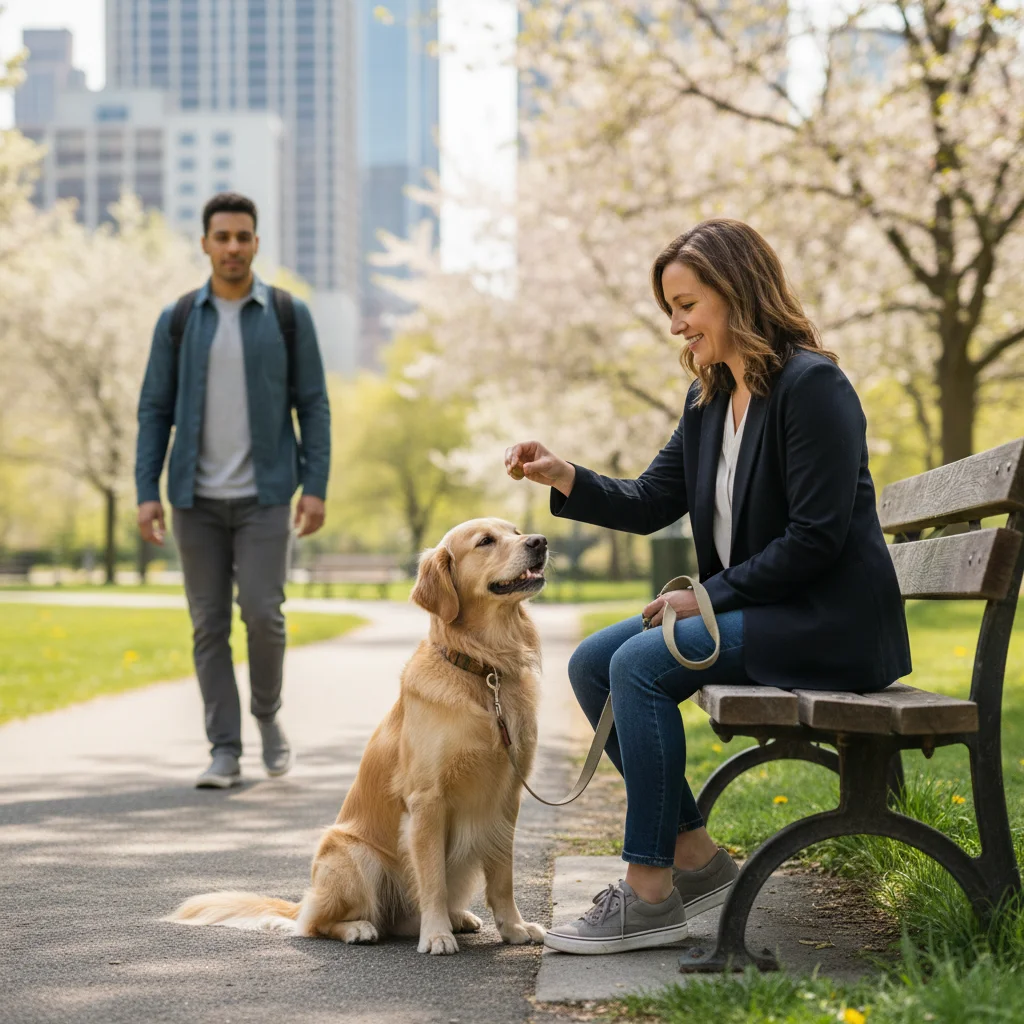
Not all people look or move the same. Introduce your dog to people of different ages, genders, and appearances (e.g., someone wearing a hat, someone with a stroller, someone using a cane).
- Controlled Introductions: Ask friendly strangers to toss treats towards your dog (not directly at them) as they pass by, or to calmly stand a few feet away while you reward your dog for being relaxed.
- Avoid Forcing Interaction: Never force your dog to interact with a person if they are uncomfortable. Respect their space.
Phase 3: Building Confidence & Generalization (Weeks 5-6)
In this phase, we focus on solidifying positive behaviors and ensuring your dog can generalize their calm demeanor to a wider range of situations.
1. "Engage-Disengage" Game
This game is excellent for reactive dogs. When your dog sees a trigger, mark the moment they notice it (e.g., with a clicker or "yes!"), then reward them when they disengage and look back at you. This teaches them that seeing a trigger predicts good things (treats) and that they don’t need to react.
- Consistency: Play this game every time you encounter a trigger.
- High-Value Rewards: Use treats your dog absolutely loves to make the positive association strong.
2. Group Classes or Supervised Playdates (if appropriate)
If your dog has made significant progress with parallel walks and is showing relaxed body language around other dogs, consider enrolling in a well-structured "reactive dog" class or organizing highly supervised playdates with known, calm dogs.
- Professional Guidance: A certified professional dog trainer can provide invaluable guidance and ensure safety in group settings.
- Careful Selection: Choose playmates carefully. A bad experience can set your training back significantly.
3. Increasing Distractions & Duration
Gradually introduce more distractions during your outings. Visit places during slightly busier times, or practice commands in areas with more ambient noise. Slowly increase the duration of your public excursions.
- Proofing Commands: Practice "sit," "stay," and "look at me" in increasingly distracting environments.
- Short & Sweet: Even as you increase duration, still aim for success. If your dog starts to get overwhelmed, it’s time to go home.
Phase 4: Advanced Socialization & Maintenance (Weeks 7-8)
By now, you should be seeing significant improvements. This phase focuses on refining your dog’s skills and maintaining their progress.
1. "Real-World" Scenarios
Start applying your training to more realistic public scenarios:
- Walking past dogs on narrow sidewalks: Practice staying calm and focused on you.
- Sitting calmly at outdoor events: Attend a quiet market or outdoor concert from a distance.
- Meeting new people casually: Allow brief, calm interactions with people who approach appropriately.
Continue to reward calm and appropriate behavior consistently. This sustained effort in adult dog socialization is crucial.
2. "Pattern Games" for Predictability
Games like "Up and Down" or "1-2-3 Pattern Game" can help dogs predict what will happen next, reducing anxiety and increasing focus on you in distracting environments.
- "Up and Down": Reward your dog for looking at a trigger, then looking back at you. Repeat until they automatically look at you after seeing the trigger.
- "1-2-3 Pattern Game": Reward your dog for "1" (looking at you), "2" (looking at you), "3" (looking at you), then "treat." Introduce a distraction (e.g., a person walking by) on the "2" or "3" count, still rewarding if they maintain focus.
3. Continued Enrichment & Mental Stimulation
A well-exercised and mentally stimulated dog is generally a calmer, more trainable dog. Incorporate puzzle toys, scent work, and varied exercise into their daily routine.
- Scent Work: Hide treats around the house or yard for your dog to find. This is mentally tiring and confidence-building.
- New Experiences: Continue to explore new, calm environments. Even a new walking route can be mentally stimulating.
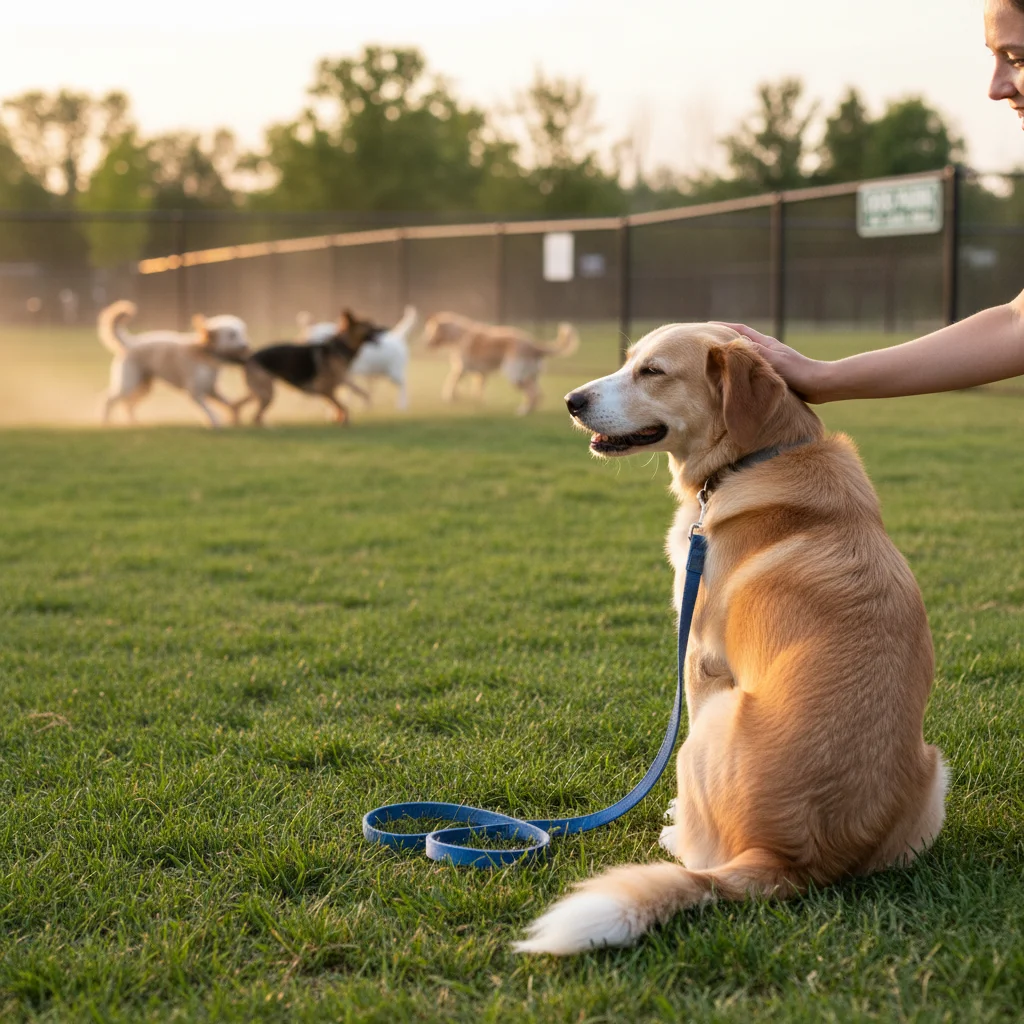
Key Principles for Success in Adult Dog Socialization
Achieving a 90% improvement in two months is an ambitious but attainable goal. Here are the underlying principles that will drive your success:
Patience & Realistic Expectations
There will be good days and bad days. Some dogs take longer than others. Celebrate small victories and don’t get discouraged by setbacks. Remember, you’re reshaping years of learned behavior. The 90% improvement is a significant shift, not necessarily perfection in every single scenario.
Consistency is Non-Negotiable
Sporadic training yields sporadic results. Daily, even short, training sessions and consistent application of the techniques are vital. Everyone in the household needs to be on the same page.
Positive Reinforcement Only
Punishment, yelling, or harsh corrections will only increase your dog’s anxiety and fear, potentially exacerbating the very behaviors you’re trying to fix. Focus on rewarding what you want to see.
Observe Your Dog’s Body Language
Your dog is constantly communicating. Learn to read their signals of stress (lip licking, yawning, whale eye, stiff body, tucked tail, excessive sniffing) and comfort (loose body, relaxed mouth, wagging tail). If they’re showing signs of stress, you’ve gone too far too fast.
Advocacy for Your Dog
You are your dog’s advocate. Don’t be afraid to create space, politely ask people not to approach, or remove your dog from an overwhelming situation. Protecting their positive experiences is paramount.
Seek Professional Guidance When Needed
If your dog’s reactivity or anxiety is severe, or if you’re struggling to make progress, don’t hesitate to consult a certified professional dog trainer (CPDT-KA) or a veterinary behaviorist (DACVB). They can provide tailored advice and support.
The Long-Term Benefits of Adult Dog Socialization
Investing these two months into your adult dog’s socialization will yield lifelong benefits:
- Reduced Stress: For both you and your dog. Public outings become enjoyable rather than anxiety-inducing.
- Increased Confidence: A dog who understands the world around them is a more confident and resilient dog.
- Stronger Bond: Working together through challenges strengthens the relationship between you and your dog.
- Greater Freedom: You’ll be able to take your dog to more places and include them in more activities.
- Improved Safety: A dog that can remain calm and focused in distracting environments is less likely to get into dangerous situations.
Troubleshooting Common Issues During Adult Dog Socialization
Even with the best plan, you might encounter bumps in the road. Here are some common issues and how to address them:
"My dog isn’t interested in treats in public."
This usually means the environment is too distracting or your dog is over threshold. Go back to a quieter environment or increase the distance from triggers. Also, ensure you’re using truly high-value treats (e.g., cooked chicken, cheese, hot dogs) – kibble often won’t cut it in distracting environments.
"My dog barks at everything."
This is often a sign of reactivity or over-excitement. Revisit threshold training. Start at a greater distance from triggers, reward heavily for calm observation, and practice the "look at me" and "engage-disengage" games extensively. Consider a "privacy wrap" for their leash or harness to signal "no greetings" to others.
"My dog pulls constantly on the leash."
Leash pulling is a common issue. Work on loose-leash walking in low-distraction environments first. Use a front-clip harness or head halter for better control. Reward frequently for a loose leash. When encountering triggers, redirect attention with "look at me" and reward for walking calmly past.
"My dog is scared of new people."
Focus on positive, hands-off interactions. Ask people to ignore your dog, toss treats, or simply be present without making eye contact or approaching directly. Build positive associations with people from a distance before attempting any closer interaction. Never force your dog to be petted.
"We had a bad experience, and now we’re back to square one."
Don’t despair! Setbacks happen. Acknowledge the experience, but don’t dwell on it. Go back to basics: lower the criteria, increase distance from triggers, and rebuild confidence with easy successes. One bad experience doesn’t erase all your hard work.
Conclusion: A Happier, More Harmonious Life Together
Socializing an adult dog is a journey, not a destination. While our 2-month plan aims for a 90% improvement, continued practice and positive experiences are essential for maintaining and building upon that success. By committing to this process, you’re not just training your dog; you’re enriching their life, strengthening your bond, and opening up a world of shared adventures. Imagine the joy of taking your confident, calm companion to the park, a pet-friendly cafe, or on a hiking trail, knowing they can handle whatever comes their way. This is the profound impact of dedicated adult dog socialization.
Embrace the challenge, celebrate every small victory, and enjoy the incredible transformation you’ll witness in your adult dog. A well-socialized dog is a happier dog, and a happier dog makes for a happier owner. Start your journey today!