Essential Pet First-Aid Kits for 2026: A Step-by-Step Guide to Assembling Your Emergency Supplies
Essential Pet First-Aid Kits for 2026: A Step-by-Step Guide to Assembling Your Emergency Supplies
As pet parents, we strive to provide the best care for our beloved companions. This includes ensuring their safety and well-being in all circumstances, especially during unexpected emergencies. Just as you would have a first-aid kit for your human family members, an essential pet first-aid kit is a non-negotiable item for any responsible pet owner. Whether it’s a minor cut, an allergic reaction, or something more serious, having the right supplies on hand can make a critical difference in those crucial moments before you can reach a veterinarian.
The year 2026 brings with it new advancements and considerations in pet care, and your emergency preparedness should reflect these. This comprehensive guide will walk you through everything you need to know about assembling and maintaining an up-to-date and effective pet first-aid kit. We’ll cover the ‘why,’ the ‘what,’ and the ‘how,’ ensuring you’re fully equipped to handle a range of common pet emergencies. From basic supplies to advanced considerations, and even tips for using your kit, this article is designed to empower you with the knowledge and tools to protect your furry, feathered, or scaled friends.
Why Every Pet Owner Needs an Essential Pet First-Aid Kit
The importance of a well-stocked pet first-aid kit cannot be overstated. Accidents and illnesses can strike at any time, often when veterinary care is not immediately accessible, such as during evenings, weekends, holidays, or while traveling. In these situations, your ability to administer immediate first aid can alleviate pain, prevent further injury, and even save your pet’s life. Think of it as a bridge between the incident and professional veterinary care.
A properly assembled kit allows you to address common issues like:
- Minor Wounds: Cuts, scrapes, and punctures can become infected if not cleaned and dressed promptly.
- Allergic Reactions: Insect stings or exposure to allergens can cause swelling and discomfort, sometimes leading to more severe reactions.
- Sprains and Strains: While not a substitute for vet care, temporary immobilization can prevent further damage.
- Digestive Issues: Mild upset stomachs or ingestion of non-toxic but irritating substances.
- Temperature Regulation: Overheating or hypothermia can be life-threatening if not addressed quickly.
Beyond immediate physical relief, having a pet first-aid kit also provides peace of mind. Knowing you are prepared can reduce panic during stressful situations, allowing you to think more clearly and act more effectively. It’s an investment in your pet’s safety and your own readiness as a responsible caregiver.
The Foundation: What to Include in Your Pet First-Aid Kit (2026 Edition)
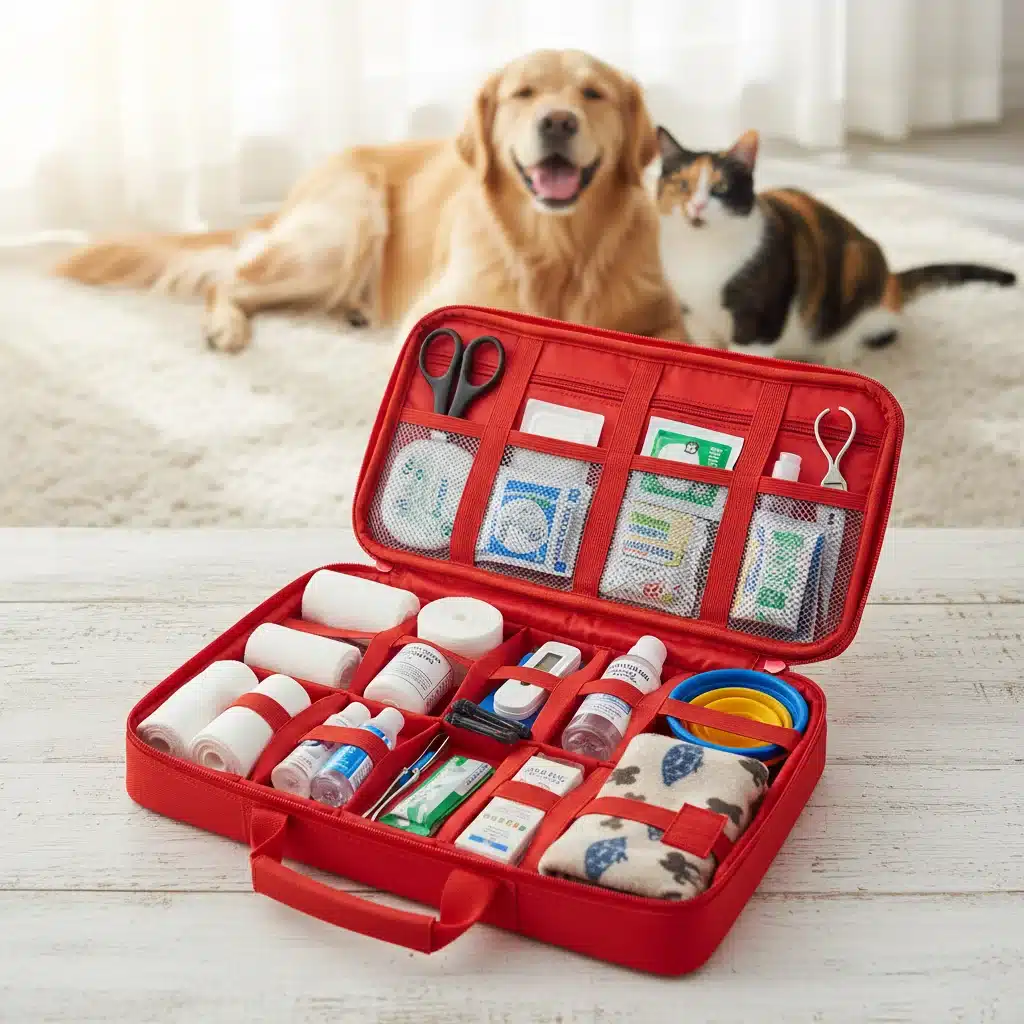
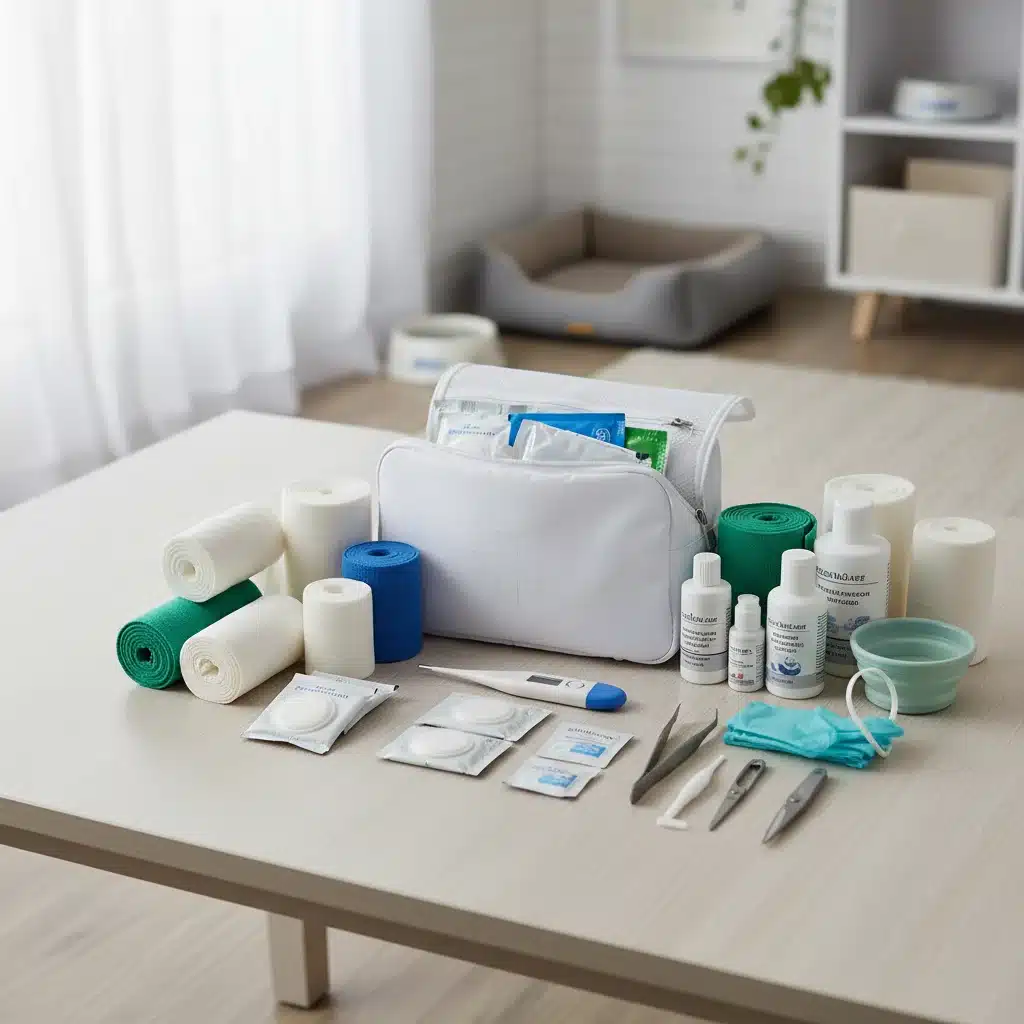
Building an essential pet first-aid kit requires careful consideration of what supplies are truly beneficial and safe for pets. While many items might seem similar to human first-aid kits, there are crucial differences. Always consult your veterinarian for specific recommendations tailored to your pet’s breed, age, and health conditions. Here’s a comprehensive list of what to include, categorized for easy assembly:
Basic Medical Supplies & Tools
- Sterile Gauze Pads and Rolls: For covering wounds, absorbing blood, and creating makeshift bandages. Opt for non-stick pads where possible.
- Adhesive Tape: Pet-safe adhesive tape or self-adhering veterinary wrap (Vetrap). Avoid human-grade medical tape if it pulls fur.
- Antiseptic Wipes/Solution: Povidone-iodine (diluted) or chlorhexidine solution are generally safe for pets to clean wounds. Hydrogen peroxide is often discouraged as it can damage healthy tissue; consult your vet.
- Blunt-Ended Scissors: For cutting gauze, tape, or carefully trimming fur around a wound.
- Tweezers: To remove splinters, ticks, or other foreign objects.
- Digital Rectal Thermometer: Pet-specific thermometers are readily available. Normal temperature for dogs and cats is typically between 100-102.5°F (37.8-39.2°C).
- Disposable Gloves: To maintain hygiene and prevent contamination when treating wounds.
- Non-Latex Tourniquet or Elastic Bandage: For controlling severe bleeding (use only with proper knowledge and caution, or under vet guidance).
- Eye Wash Solution: Sterile saline solution for flushing irritants out of eyes.
- Ear Cleaner: Vet-approved solution for cleaning ears, especially if your pet is prone to ear infections.
- Triple Antibiotic Ointment (without pain relief): A small amount can be used on minor cuts, but ensure it does NOT contain pain relievers like Neosporin, which can be toxic if licked.
Medications & Preventatives (Consult Your Vet First!)
Crucial Note: Always discuss these medications with your veterinarian before adding them to your pet first-aid kit. Dosage and suitability vary greatly by species, breed, and individual pet health.
- Activated Charcoal: Used to absorb certain toxins if your pet has ingested something harmful. Only administer under direct veterinary guidance.
- Diphenhydramine (Benadryl): For allergic reactions (e.g., insect stings). Dosage is weight-dependent and must be prescribed by a vet. Ensure it’s the plain diphenhydramine, not combination cold/allergy meds.
- Prescription Medications: If your pet has a chronic condition, ensure you have an emergency supply of their regular medications.
- Styptic Powder/Pencil: To stop bleeding from minor cuts, especially nail trims that are too short.
- Probiotic Supplement: For digestive upset, often recommended by vets.
- Anti-diarrhea medication: Only use vet-approved options and dosages.
Comfort & Restraint Items
- Muzzle: Even the most docile pet can bite when in pain or fear. A muzzle is essential for your safety and to allow you to administer aid. Ensure it fits properly.
- Conical Collar (E-collar/Cone of Shame): To prevent your pet from licking or chewing at wounds or bandages.
- Clean Towels/Small Blankets: For warmth, cushioning, or to create a makeshift stretcher.
- Leash and Collar/Harness: To safely restrain or transport your pet.
- Carrier: For safe transport, especially for smaller pets or cats.
Documentation & Information
- Veterinary Contact Information: Your primary vet, emergency vet clinic, and poison control hotlines (e.g., Pet Poison Helpline, ASPCA Animal Poison Control).
- Pet’s Medical Records: A brief summary of vaccination history, current medications, allergies, and any chronic conditions.
- Photo of Your Pet: For identification if they get lost during an emergency.
- Flashlight with Extra Batteries: For examining wounds or navigating in low light.
- Permanent Marker and Small Notebook: To record symptoms, times of medication, and other important observations.
Assembling Your Pet First-Aid Kit: Step-by-Step
Now that you know what to include, let’s put it all together. A well-organized pet first-aid kit is just as important as the contents themselves.
1. Choose the Right Container
Select a sturdy, waterproof, and easily identifiable container. A tackle box, a plastic storage bin with a secure lid, or a dedicated first-aid bag are excellent choices. Ensure it’s large enough to hold all items without crushing them and has compartments for organization.
2. Organize and Label
Categorize your supplies. You might use smaller zip-top bags within the main container for different types of items (e.g., ‘Wound Care,’ ‘Medications,’ ‘Tools’). Label everything clearly, especially medications, with their names, dosages, and expiration dates. This saves precious time in an emergency.
3. Add Essential Contact Information
Print out a list of emergency contacts and tape it inside the lid or keep it in a prominent pocket. Include:
- Your veterinarian’s name and phone number.
- The nearest 24-hour emergency veterinary clinic’s name, address, and phone number.
- Pet Poison Helpline: 855-764-7661 (USA)
- ASPCA Animal Poison Control Center: 888-426-4435 (USA)
4. Include Your Pet’s Specific Information
A laminated card or a durable sheet with your pet’s name, breed, age, known medical conditions, allergies, and current medications (with dosages) is invaluable. If someone else needs to help your pet, this information is critical.
5. Keep it Accessible and Portable
Store your pet first-aid kit in a location that’s easy to access but out of reach of curious pets and small children. Consider having a smaller, portable version for your car or travel bag if you frequently take your pet on adventures.
Maintaining Your Pet First-Aid Kit for 2026 and Beyond
A pet first-aid kit is not a ‘set it and forget it’ item. Regular maintenance is key to ensuring its effectiveness when you need it most.
Regular Checks
Set a reminder to check your kit at least every six months. Go through each item and:
- Check Expiration Dates: Discard and replace any expired medications or sterile supplies.
- Replenish Used Items: If you’ve used anything, replace it immediately.
- Inspect Condition: Ensure bandages aren’t brittle, tapes are still sticky, and tools are clean and functional.
- Update Information: Verify all contact numbers are current.
Staying Informed
Veterinary medicine is constantly evolving. Stay updated on best practices for pet first aid. Consider taking a pet first-aid and CPR course offered by local animal shelters, veterinary clinics, or organizations like the Red Cross. This hands-on training can significantly boost your confidence and competence in an emergency.
Tailoring to Your Pet’s Needs
As your pet ages or if their health status changes, your pet first-aid kit might need adjustments. For example, a senior pet might need specific joint support or different pain management options (always vet-prescribed). A pet with allergies might require an EpiPen (again, vet-prescribed and instructed).
When to Use Your Pet First-Aid Kit vs. When to Go Straight to the Vet
Understanding the distinction between situations where your pet first-aid kit can provide temporary relief and those requiring immediate professional veterinary attention is crucial. The kit is designed for initial stabilization and minor issues, not as a replacement for a vet.
Situations for First Aid (Followed by Vet Visit if Necessary):
- Minor Cuts/Scrapes: Clean the wound, apply antiseptic, and bandage. Observe for infection.
- Insect Stings (mild reaction): Remove stinger if visible, apply a cold compress, and monitor for swelling. Administer vet-prescribed antihistamines if advised.
- Paw Pad Injuries: Clean, bandage, and prevent licking.
- Vomiting/Diarrhea (mild, isolated incident): Monitor for dehydration. Offer small amounts of water. If it persists or is severe, seek vet care.
- Limiting Movement for Suspected Sprain/Strain: Gently support the injured limb.
Situations Requiring Immediate Veterinary Attention (Go Straight to Vet):
- Severe Bleeding: Any bleeding that won’t stop with direct pressure after a few minutes.
- Difficulty Breathing: Gasping, choking, persistent coughing, blue gums.
- Collapse or Unconsciousness: Any loss of consciousness.
- Seizures: Especially if it’s the first time or they are prolonged.
- Suspected Fractures: Obvious deformity, inability to bear weight, severe pain.
- Poison Ingestion: If you suspect your pet has ingested a toxic substance, call poison control and your vet immediately. Do NOT induce vomiting without professional guidance.
- Severe Allergic Reactions: Rapid swelling of the face/throat, hives, difficulty breathing.
- Eye Injuries: Any trauma to the eye.
- Bloat (Gastric Dilatation-Volvulus): Distended abdomen, retching without vomiting, restlessness (common in large, deep-chested dogs). This is a life-threatening emergency.
- Heatstroke: Excessive panting, lethargy, drooling, vomiting, wobbly gait, collapse.
When in doubt, always err on the side of caution and contact your veterinarian or an emergency animal hospital. It’s better to be safe than sorry.
Advanced Considerations for Your Pet First-Aid Kit
Beyond the basics, some pet owners might consider adding more specialized items to their pet first-aid kit, especially if they live in remote areas, travel extensively with their pets, or have pets with specific health needs. These items should almost always be included only after consultation and training from your veterinarian.
- Splinting Materials: For temporary stabilization of suspected fractures. Requires proper training to avoid causing further injury.
- Glucose Paste/Syrup: For diabetic pets experiencing a hypoglycemic episode.
- Syringes/Oral Droppers: For administering liquid medications or forcing water intake.
- Pet-Specific CPR Barrier Mask: If you are trained in pet CPR.
- Water Purification Tablets: For outdoor adventures where clean water might be scarce.
- Emergency Blanket: For shock or hypothermia.
- Pet-Safe Sunscreen/Paw Wax: For specific environmental conditions.
Training and Preparedness: Beyond the Kit
Having a well-stocked pet first-aid kit is only half the battle. Your ability to effectively use its contents is equally important. Investing time in learning basic pet first aid and CPR can be invaluable.
Pet First Aid Courses
Many organizations offer pet first aid and CPR certification courses. These programs teach you how to:
- Recognize common pet emergencies.
- Perform basic life support (CPR).
- Control bleeding.
- Treat shock.
- Handle fractures and sprains.
- Administer medications safely.
- Transport an injured pet.
Look for courses offered by the American Red Cross, local humane societies, or veterinary technician schools. Hands-on practice with mannequins or trained animals can significantly improve your confidence and response time.
Practice and Familiarization
Regularly review the contents of your kit and familiarize yourself with how to use each item. Practice wrapping bandages on a stuffed animal or a calm pet (gently!). Knowing where everything is and how to use it under stress will make a huge difference.
Emergency Plan
Develop a family emergency plan that includes your pets. This should cover:
- Designated meeting points if you need to evacuate.
- Who is responsible for grabbing the pet first-aid kit and pet carrier.
- Alternative caregivers if you are unable to care for your pet.
- A list of pet-friendly hotels or shelters in case of evacuation.
Common Pet Emergencies and How Your Kit Helps
Let’s delve into a few common scenarios where your pet first-aid kit will be your best friend.
Cuts and Lacerations
Scenario: Your dog steps on a piece of glass during a walk, resulting in a bleeding cut on their paw pad.
Kit Response:
- Muzzle your dog to prevent accidental bites due to pain.
- Control bleeding by applying direct pressure with a sterile gauze pad. If bleeding is severe, use a tourniquet above the wound as a last resort, but loosen every 15 minutes.
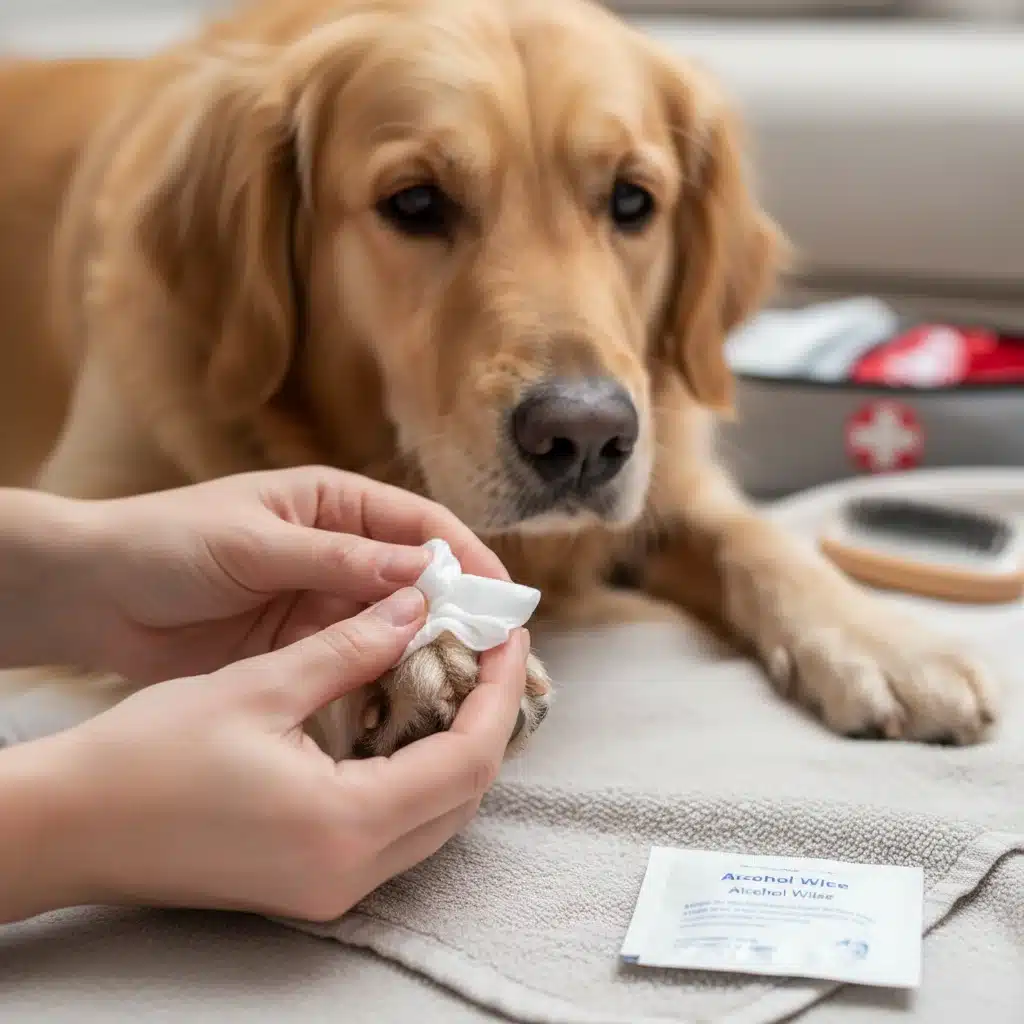
- Clean the wound gently with antiseptic wipes or diluted chlorhexidine solution. Use tweezers to remove any debris.
- Apply triple antibiotic ointment (without pain relievers).
- Bandage the paw securely with a non-stick pad, gauze roll, and then self-adhering wrap. Ensure it’s snug but not too tight.
- Contact your vet for advice on further treatment, potential stitches, and pain management.
Allergic Reactions (Mild)
Scenario: Your cat is stung by a bee and develops mild facial swelling and hives.
Kit Response:
- Remove the stinger if visible, using the edge of a credit card or tweezers (avoid squeezing the venom sac).
- Apply a cold compress to the swollen area to reduce inflammation.
- Administer vet-prescribed diphenhydramine (Benadryl) at the correct dosage.
- Monitor your cat closely for any worsening symptoms like difficulty breathing or widespread swelling, which would warrant immediate veterinary attention.
Heatstroke
Scenario: Your dog becomes overheated during a hot day, showing excessive panting, lethargy, and a wobbly gait.
Kit Response:
- Immediately move your dog to a cooler environment.
- Apply cool (not ice-cold) water to their fur, especially on the belly, armpits, and groin. Use towels soaked in cool water.
- Offer small amounts of water to drink if they are conscious and able to swallow.
- Take their temperature with the rectal thermometer. If it’s above 104°F (40°C), continue cooling until it drops to 103°F (39.4°C), then stop to avoid hypothermia.
- Transport to the nearest emergency vet immediately, even if symptoms improve, as secondary complications can arise.
Conclusion: Peace of Mind Through Preparedness
Assembling an essential pet first-aid kit is one of the most proactive steps you can take to ensure the health and safety of your beloved pet. It’s not just a collection of items; it’s a symbol of your commitment to their well-being and a critical tool that can provide immediate relief and potentially save a life during an emergency. By following this step-by-step guide for 2026, you will be well-equipped to handle unforeseen circumstances with confidence and competence.
Remember to regularly check and update your kit, consult with your veterinarian for personalized advice, and consider taking a pet first aid course. Being prepared doesn’t mean you expect the worst, but it does mean you’re ready for anything. Give your pet the gift of preparedness – it’s an investment that truly pays off in peace of mind and, most importantly, in their continued health and happiness.