Raw Pet Food Safety: 5 Essential Protocols for 2026
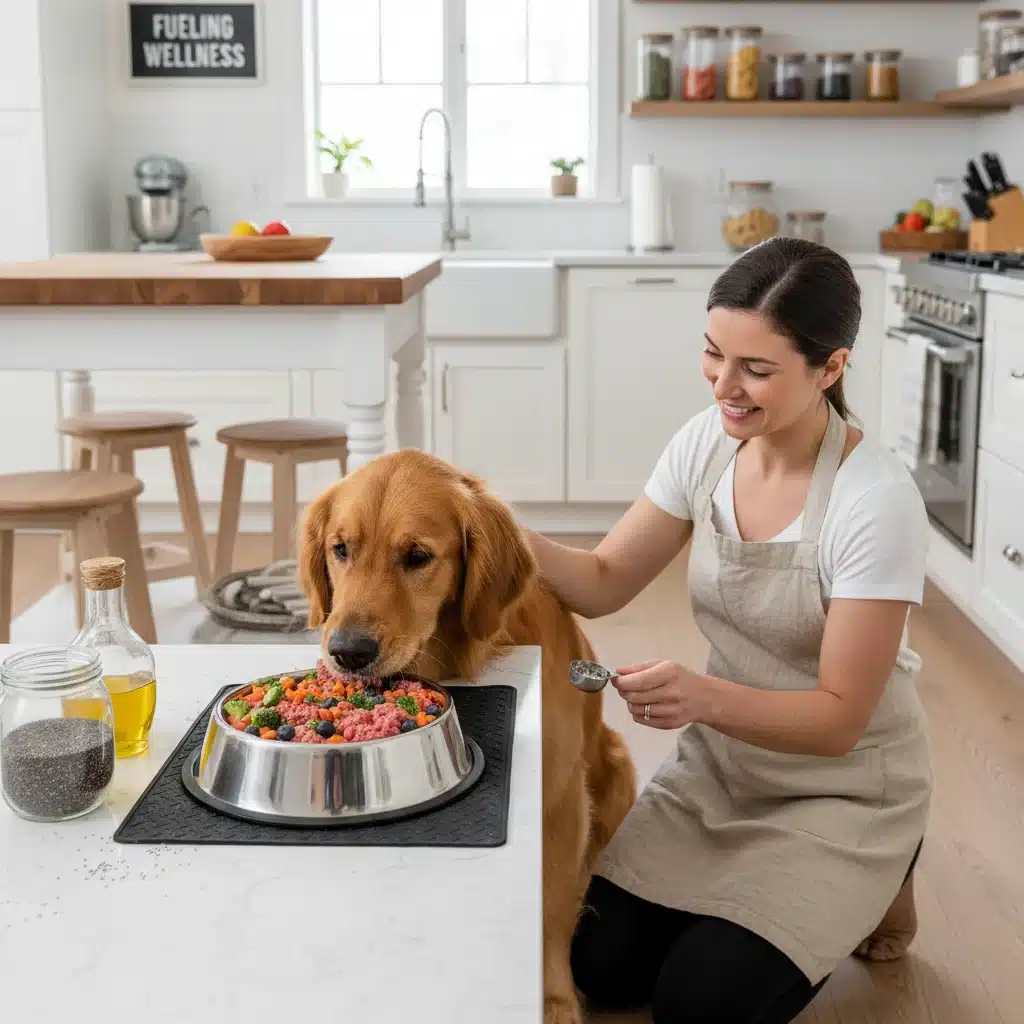
In recent years, the popularity of raw pet food diets has surged, driven by a growing number of pet owners seeking what they believe to be a more natural and biologically appropriate way to nourish their beloved companions. Advocates often point to benefits such as shinier coats, improved dental health, increased energy levels, and better digestion. However, feeding raw also comes with a unique set of challenges, primarily concerning safety. As we navigate 2026, understanding and implementing stringent safety protocols for raw pet food safety is not just recommended, it’s absolutely critical.
The allure of a raw diet, often mirroring what a wild ancestor might consume, is strong. It promises a return to nature, bypassing the processing and artificial ingredients found in many commercial kibbles. Yet, this natural approach, while potentially beneficial, carries inherent risks. Raw meat, regardless of its source, can harbor bacteria like Salmonella, E. coli, Listeria, and other pathogens that can pose a threat not only to pets but also to humans through cross-contamination. This is why a comprehensive understanding of raw pet food safety protocols is non-negotiable for any pet owner considering or currently feeding a raw diet.
This article will delve into five critical safety protocols that every pet owner must follow in 2026 to ensure the health and well-being of their pets and their households. These protocols cover the entire journey of raw pet food, from its initial sourcing to its final consumption and beyond. By adhering to these guidelines, you can significantly mitigate the risks associated with raw feeding and maximize the potential benefits for your furry family members.
Protocol 1: Impeccable Sourcing and Quality Assurance for Raw Pet Food Safety
The foundation of raw pet food safety begins long before the food ever reaches your home: it starts with sourcing. The quality and safety of the raw ingredients are paramount, as they directly impact the potential for pathogen contamination and nutritional balance. Choosing reputable suppliers is not merely a suggestion; it’s a critical first line of defense.
Understanding Your Supplier: Transparency is Key
When selecting a raw pet food supplier, whether it’s a commercial brand or a local butcher, transparency should be your guiding principle. A trustworthy supplier will be open about where their ingredients come from, how they are processed, and what safety measures they have in place. Don’t hesitate to ask questions:
- Source of Meat: Is the meat human-grade? Is it from animals raised without hormones or antibiotics? Are the farms known for ethical practices?
- Processing Standards: How is the meat handled and prepared? Are there strict hygiene protocols in place at their facility? Do they follow HACCP (Hazard Analysis and Critical Control Points) principles, even if not legally required for pet food?
- Testing Protocols: Does the supplier conduct regular pathogen testing (e.g., for Salmonella, E. coli, Listeria) on their products? Can they provide certificates of analysis? This is a crucial indicator of their commitment to raw pet food safety.
- Ingredient List: A clear, concise, and complete ingredient list is essential. Avoid products with vague descriptions or unnecessary additives.
The Role of Human-Grade Ingredients
While not strictly necessary for all raw pet food, opting for human-grade ingredients often provides an added layer of assurance. Human-grade means the ingredients meet the same standards for processing, handling, and storage as food destined for human consumption. This typically implies higher quality control and reduced risk of contamination compared to feed-grade ingredients, which may have lower regulatory standards.
Avoiding Contamination at the Source
Even with reputable suppliers, understanding the potential for contamination is vital. For example, some raw pet foods utilize whole carcasses or parts that include digestive tracts, which naturally harbor bacteria. While this can be part of a ‘whole prey’ philosophy, it significantly increases the risk of bacterial load. Discuss with your supplier how they minimize this risk, such as immediate evisceration or specific handling techniques.
Freeze-Drying and High-Pressure Processing (HPP)
Some commercial raw pet food brands employ additional safety measures like freeze-drying or High-Pressure Processing (HPP). Freeze-drying removes moisture, inhibiting bacterial growth, while HPP uses intense pressure to kill pathogens without heat, preserving the raw state of the food. While these methods can increase the cost, they offer enhanced raw pet food safety, especially for those concerned about handling raw meat.
Protocol 2: Meticulous Handling and Preparation to Prevent Cross-Contamination
Once you’ve sourced your raw pet food, the next critical step in ensuring raw pet food safety lies in how you handle and prepare it in your home. Cross-contamination is a significant concern, as pathogens from raw meat can easily spread to other surfaces, utensils, and even human food, posing health risks to both pets and people.
Dedicated Utensils and Surfaces
The golden rule for raw pet food preparation is segregation. Designate specific cutting boards, knives, bowls, and storage containers solely for your pet’s raw food. These items should never be used for preparing human food. Using color-coded equipment can help enforce this separation visually.
- Cutting Boards: Opt for non-porous surfaces like plastic or glass, which are easier to sanitize than wood.
- Bowls: Use stainless steel, ceramic, or glass bowls for feeding, as they are less likely to harbor bacteria and are easy to clean.
- Utensils: Keep a separate set of spoons, spatulas, or tongs for scooping and mixing raw food.
Strict Hygiene Practices
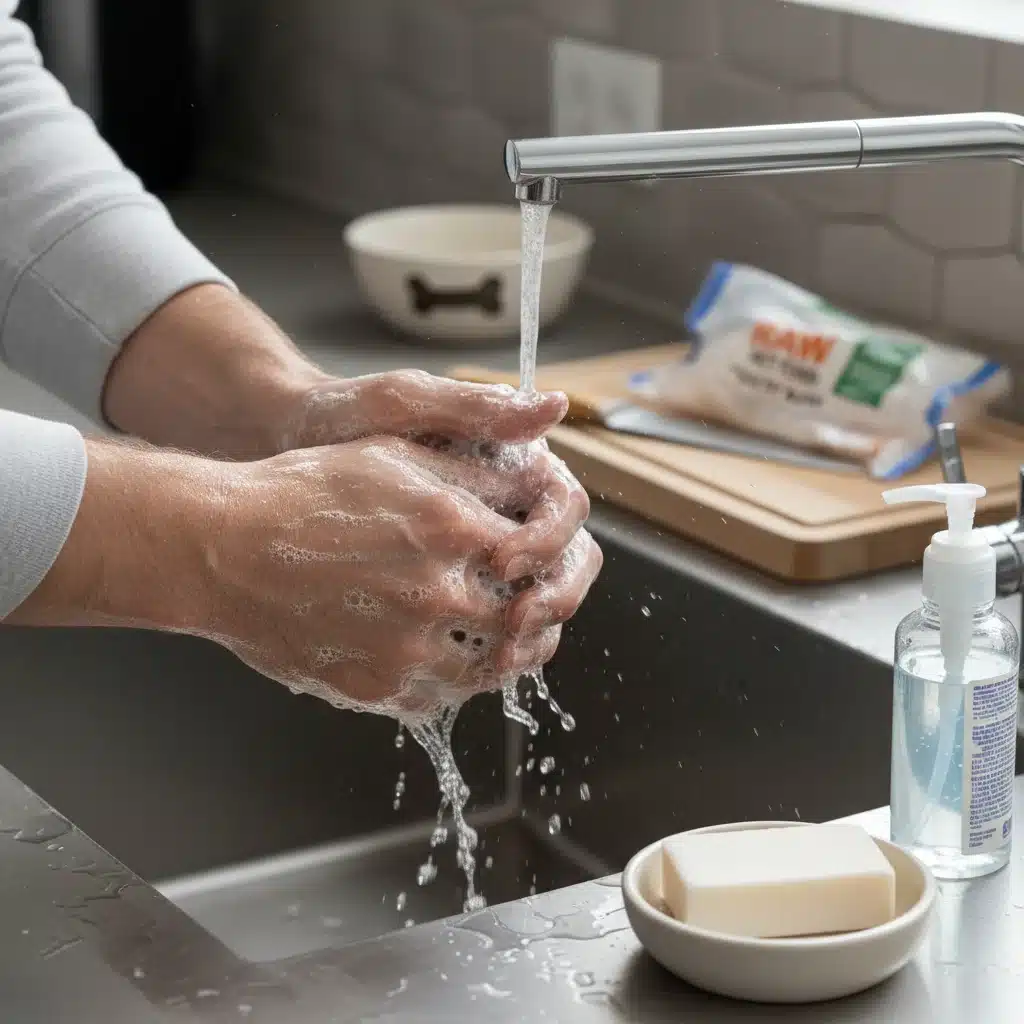
Personal hygiene is paramount. Always wash your hands thoroughly with soap and warm water for at least 20 seconds before and after handling raw pet food. This includes after touching packaging, bowls, or any surfaces that may have come into contact with the food. Consider wearing disposable gloves if you have cuts or open wounds on your hands, or simply for an extra layer of protection.
Sanitation of Preparation Areas
Immediately after preparing raw pet food, thoroughly clean and sanitize all surfaces that came into contact with it. This includes countertops, sinks, and any utensils used. A solution of one tablespoon of unscented bleach per gallon of water, or a commercial kitchen sanitizer, can be effective. Allow surfaces to air dry or use clean paper towels.
Avoiding the ‘Raw Meat Juice’ Problem
Raw meat juices are a prime vehicle for bacterial spread. Be extremely careful to prevent these juices from dripping onto other foods, utensils, or surfaces. Thaw raw food in a designated container on the lowest shelf of your refrigerator to prevent drips onto other items. Never thaw raw meat on the countertop at room temperature.
Safe Feeding Practices
When feeding your pet, place their bowl in an area that is easy to clean, such as a tiled floor or a designated feeding mat. Do not allow your pet to roam freely with raw food in their mouth or to eat from surfaces where human food is prepared or consumed. Supervise feeding to ensure they consume their meal within a reasonable time and clean up any uneaten food promptly.
Protocol 3: Optimal Storage and Thawing Techniques for Raw Pet Food Safety
Proper storage and thawing are crucial components of raw pet food safety, directly influencing the growth of bacteria and the overall integrity of the food. Incorrect methods can quickly turn a beneficial meal into a hazardous one.
Freezing for Preservation
Raw pet food should always be stored frozen until ready to use. Freezing inhibits bacterial growth, maintaining the safety and freshness of the product. Upon purchase, transfer raw food directly to your freezer. Ensure your freezer maintains a temperature of 0°F (-18°C) or colder.
Safe Thawing Practices
Thawing raw pet food requires careful attention to prevent bacterial proliferation. Never thaw raw meat at room temperature, as this allows bacteria to multiply rapidly on the outer layers while the inside remains frozen. The safest methods for thawing include:
- Refrigerator Thawing: This is the preferred method. Transfer the frozen raw food to the lowest shelf of your refrigerator, placed in a sealed, designated container to catch any drips. Allow ample time for thawing; larger portions may take 24-48 hours. Once thawed, raw food should be consumed within 24-48 hours, depending on the specific product and manufacturer’s recommendations.
- Cold Water Thawing: For quicker thawing, place the raw food (still in its leak-proof packaging) in a bowl of cold water. Change the water every 30 minutes to keep it cold. This method is faster but requires constant attention. Food thawed this way should be fed immediately.
- Microwave Thawing (Not Recommended): While technically possible, microwave thawing is generally not recommended for raw pet food. Microwaves can partially cook the food, creating ‘hot spots’ where bacteria can thrive, and altering the raw nature of the diet. If used, the food must be fed immediately.
Storage of Thawed Raw Pet Food
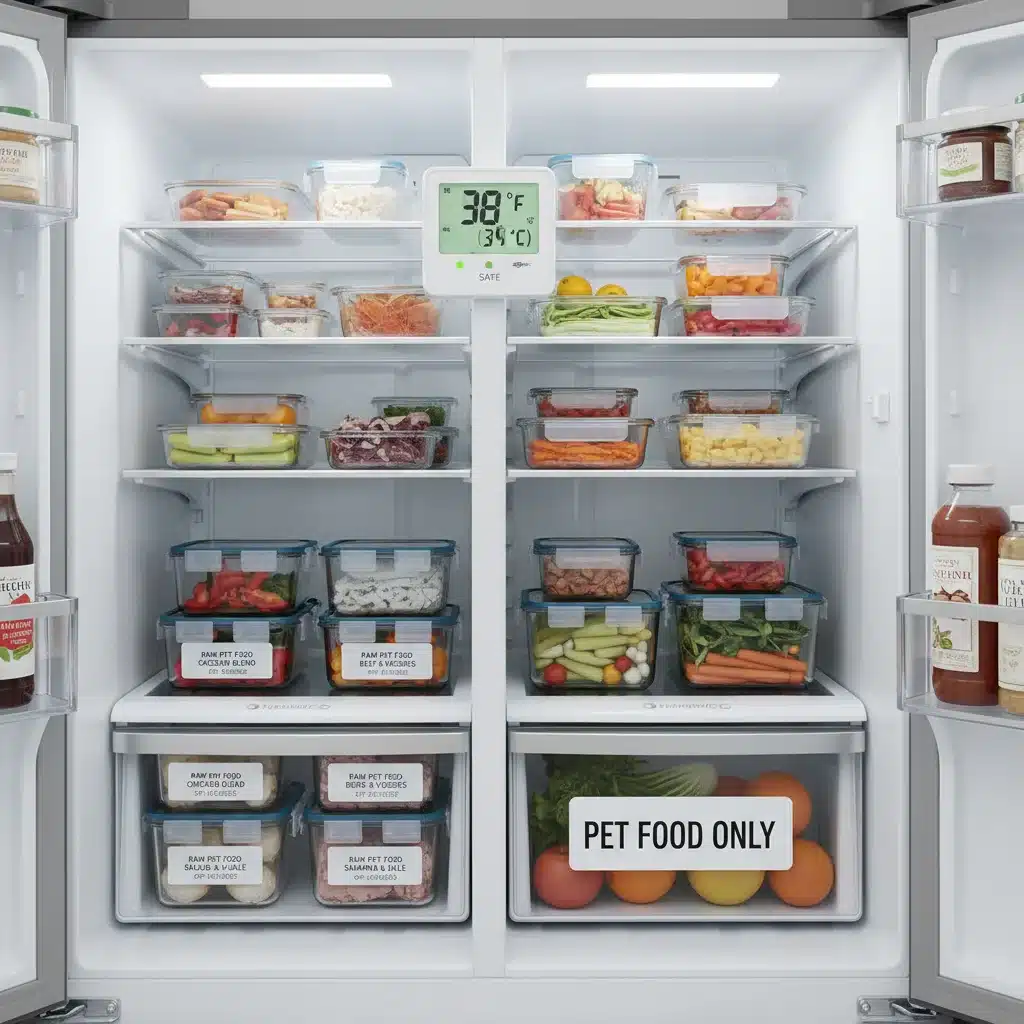
Once thawed, raw pet food should be treated like any other perishable raw meat. Keep it refrigerated at 40°F (4°C) or below and feed it within the recommended timeframe (typically 1-2 days). Do not refreeze thawed raw food unless it has been cooked, which defeats the purpose of a raw diet. Always store thawed raw pet food in airtight, dedicated containers, separated from human food to prevent cross-contamination.
Portioning for Convenience and Safety
Consider portioning raw food into daily meal sizes before freezing. This minimizes the need to thaw large quantities, reducing waste and the risk of spoilage. Use sealable bags or small containers for individual portions. This practice also makes daily feeding more convenient and helps maintain consistent raw pet food safety.
Protocol 4: Rigorous Cleaning and Sanitation Post-Feeding
The safety chain doesn’t end once your pet finishes their meal. Post-feeding cleaning and sanitation are just as crucial as preparation in maintaining raw pet food safety and preventing the spread of pathogens throughout your home. This protocol protects not only your pet but also every human and animal in the household.
Immediate Cleanup of Bowls and Feeding Areas
As soon as your pet finishes eating, remove their bowl. Do not leave empty bowls sitting out, as residual raw meat particles and juices can attract pests and become breeding grounds for bacteria. The feeding area should also be cleaned immediately.
Washing Pet Bowls
Pet bowls that have contained raw food require thorough cleaning. They should be washed separately from human dishes. Use hot, soapy water and scrub vigorously to remove all food residue. Alternatively, bowls can be run through a dishwasher on a hot cycle, which provides effective sanitation. For deeper cleaning, especially if using plastic bowls that can scratch and harbor bacteria, a dilute bleach solution (1 tablespoon bleach per gallon of water) can be used for soaking, followed by a thorough rinse.
Sanitizing Feeding Surfaces
The area where your pet eats – whether it’s a specific spot on the kitchen floor, a feeding mat, or a designated corner – must be cleaned and sanitized regularly. Use a disinfectant spray or a bleach solution to wipe down these surfaces. Pay attention to any splashes or crumbs that may have escaped the bowl. If you use a feeding mat, it should be washed or sanitized after each use.
Cleaning Your Pet
Some pets can be messy eaters, leaving raw food residue on their muzzles, paws, or fur. While you don’t need to bathe them after every meal, it’s wise to wipe their face and paws with a pet-safe wipe or a damp cloth, especially if they are prone to licking themselves or others. This minimizes the risk of transferring bacteria from their fur to surfaces or people.
Managing Pet Waste
Pets on raw diets may have different stool consistency, and their waste can potentially contain higher levels of pathogens. Always pick up pet waste immediately, especially in public areas, and dispose of it properly in sealed bags. Wash your hands thoroughly after handling pet waste. If your pet has an accident indoors, clean the area with a pet-safe enzymatic cleaner and then sanitize the surface.
Protocol 5: Health Monitoring and Veterinary Consultation
Even with the most stringent raw pet food safety protocols, continuous monitoring of your pet’s health and regular consultation with your veterinarian are indispensable. This proactive approach ensures that any potential issues are identified early and addressed effectively.
Observing Your Pet’s Health
Become familiar with your pet’s normal behavior, appetite, energy levels, and stool consistency. Any significant changes could be an indicator of a health issue, potentially related to their diet. Watch out for:
- Digestive Upset: Persistent vomiting, diarrhea, or constipation.
- Lethargy: Unusual tiredness or lack of energy.
- Changes in Appetite: Sudden refusal to eat or excessive hunger.
- Weight Loss or Gain: Unexplained fluctuations.
- Dental Issues: While raw diets can improve dental health, monitor for any tooth fractures from bones or unusual wear.
Keep a log if you notice any recurring symptoms, as this information will be valuable for your veterinarian.
Regular Veterinary Check-ups
Routine veterinary visits are essential for all pets, but they become even more critical for those on raw diets. Inform your veterinarian that your pet is on a raw diet. This allows them to provide tailored advice, monitor for specific deficiencies or excesses, and conduct appropriate diagnostic tests if needed. Your vet can also offer guidance on proper nutritional balance, which is often a complex aspect of raw feeding.
Communicating with Your Vet About Raw Feeding
Be open and honest with your veterinarian about your choice to feed a raw diet. While some vets may express concerns due to the risks, a good veterinarian will work with you to ensure your pet’s health. They can help you develop a nutritionally complete and balanced raw diet plan, recommend supplements if necessary, and advise on pathogen testing for your pet if symptoms arise.
Testing for Pathogens
If your pet exhibits symptoms of gastrointestinal illness, your veterinarian may recommend testing their stool for common pathogens like Salmonella or E. coli. While a positive test doesn’t always mean your pet is sick (some pets can be asymptomatic carriers), it’s important information for managing their health and preventing human exposure.
Understanding the Risks to Vulnerable Populations
It’s important to acknowledge that raw pet food can pose risks to certain vulnerable populations within a household, including young children, elderly individuals, pregnant women, and immunocompromised individuals. These groups are more susceptible to infections from foodborne pathogens. If you live with such individuals, consider if a raw diet is the best choice, or implement exceptionally strict hygiene protocols to minimize any risk of transmission.
The Future of Raw Pet Food Safety in 2026 and Beyond
As we look to the future, the landscape of raw pet food continues to evolve. Advances in food processing technologies, stricter regulatory oversight, and greater consumer demand for transparency are all contributing to a safer environment for raw feeding. However, personal responsibility remains the cornerstone of raw pet food safety.
Technological Advancements
New technologies like advanced pathogen testing, improved packaging that minimizes oxygen exposure, and innovative preservation methods are continuously being developed. These advancements aim to reduce the inherent risks associated with raw meat while preserving its nutritional integrity. Staying informed about these developments can help you make more informed choices about the raw products you select for your pet.
Regulatory Landscape
The regulatory environment for pet food, including raw diets, is becoming more scrutinized. While standards may vary by region, there’s a growing push for clearer labeling, mandatory pathogen testing for commercial products, and better enforcement of manufacturing hygiene. Supporting brands that voluntarily exceed minimum regulatory requirements is a good practice.
Education and Community
The most powerful tool in enhancing raw pet food safety is education. Pet owners who are well-informed about the risks and how to mitigate them are better equipped to provide a safe and healthy diet. Joining reputable online communities, attending webinars, and consulting with experienced raw feeders can provide valuable insights and support. However, always cross-reference information with veterinary advice and scientific consensus.
The Holistic Approach to Pet Health
Finally, remember that diet is just one component of your pet’s overall health. A truly holistic approach includes regular exercise, mental stimulation, preventative veterinary care, and a loving home environment. A raw diet, when executed safely and responsibly, can contribute positively to this holistic picture, but it should never be seen as a standalone solution or an excuse to neglect other aspects of pet care.
Conclusion: Embracing Raw Feeding with Confidence and Caution
Feeding a raw diet to your pet can be a rewarding experience, potentially offering numerous health benefits that many pet owners swear by. However, this dietary choice comes with a significant responsibility to uphold the highest standards of raw pet food safety. The five protocols outlined – impeccable sourcing, meticulous handling, optimal storage, rigorous cleaning, and continuous health monitoring – are not merely suggestions but essential practices for any pet owner committed to providing a raw diet safely in 2026 and beyond.
By diligently applying these principles, you not only protect your pet from potential pathogens but also safeguard the health of your entire household. The commitment to raw pet food safety is an ongoing journey that requires vigilance, education, and a strong partnership with your veterinarian. With careful planning and consistent adherence to these safety measures, you can confidently offer your pet a raw diet, maximizing its potential benefits while minimizing its inherent risks, ensuring a long, healthy, and vibrant life for your cherished companion.