Pet Emergency Preparedness: Your Essential US Guide
As devoted pet owners in the United States, we often consider our furry, feathered, or scaled companions as integral members of our families. Their well-being is paramount, and ensuring their safety, especially during unexpected crises, is a responsibility we embrace wholeheartedly. This comprehensive guide on pet emergency preparedness is designed to equip you with the knowledge, tools, and strategies necessary to protect your beloved pets when emergencies strike. From natural disasters to sudden medical incidents, being prepared can make all the difference, potentially saving your pet’s life and minimizing stress for everyone involved.
The unpredictable nature of emergencies, be it a severe storm, a house fire, or a sudden illness, underscores the critical need for proactive planning. Many pet owners find themselves scrambling during a crisis, often realizing too late that they lack essential supplies or a clear action plan for their pets. This article aims to fill that gap, providing a step-by-step approach to creating a robust pet emergency preparedness strategy tailored for US households. We’ll delve into everything from assembling a crucial pet first-aid kit to understanding common pet emergencies and developing an evacuation plan that includes your animal companions.
Understanding the specific risks in your region of the US is also a vital component of effective pet emergency preparedness. Whether you live in a hurricane-prone area, an earthquake zone, or a region susceptible to wildfires, tailoring your plan to these local threats can significantly enhance its effectiveness. Moreover, we’ll discuss the importance of microchipping, maintaining up-to-date identification, and establishing a network of trusted contacts who can assist with your pets if you are unable to. By the end of this guide, you will have a clear roadmap to ensure your pets are as ready as you are for any unforeseen event.
The Foundation of Pet Emergency Preparedness: Creating a Comprehensive Pet First-Aid Kit
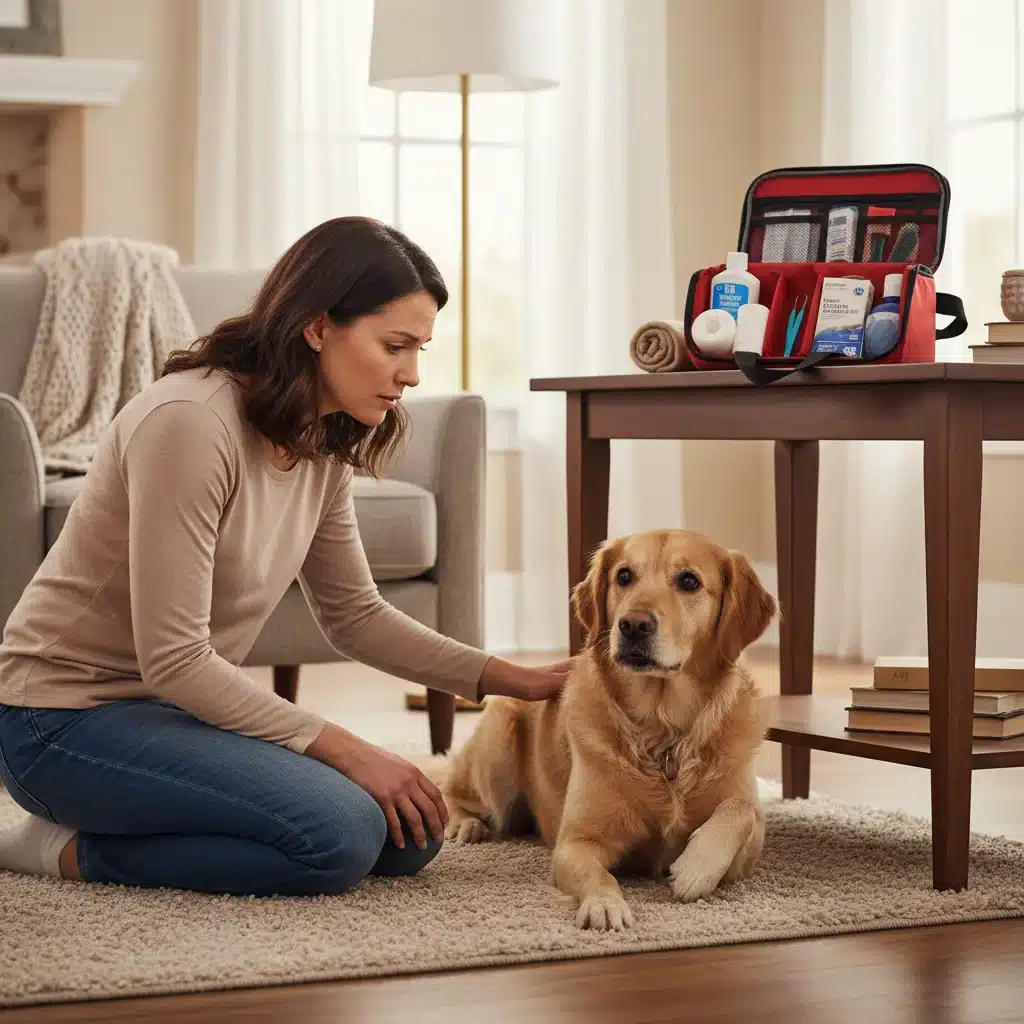
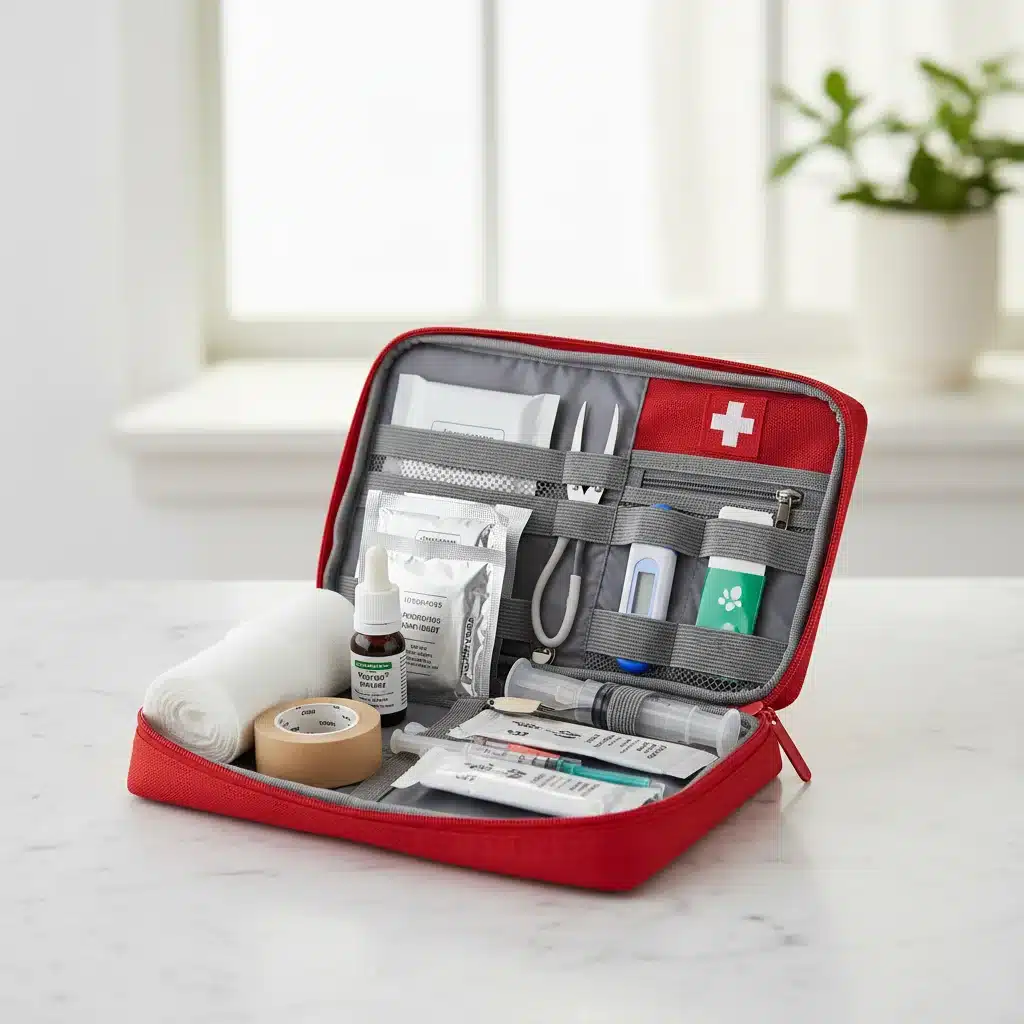
One of the most immediate and impactful steps in pet emergency preparedness is assembling a dedicated pet first-aid kit. This isn’t just a collection of random items; it’s a carefully curated selection of supplies that can address minor injuries, stabilize a pet before professional veterinary care, and provide comfort during stressful situations. Think of it as a miniature veterinary clinic, ready to deploy at a moment’s notice. The contents of your kit should be regularly checked and replenished, ensuring all medications are within their expiry dates and supplies are clean and intact.
Essential Items for Your Pet First-Aid Kit:
- Veterinary Contact Information: Keep your primary vet’s number, as well as the number for a 24-hour emergency veterinary clinic, clearly visible. Consider adding the ASPCA Animal Poison Control Center (1-888-426-4435) or Pet Poison Helpline (1-855-764-7661) to your contacts.
- Gauze Pads and Rolls: For wrapping wounds, stopping bleeding, and providing support.
- Adhesive Tape: Pet-safe adhesive tape to secure bandages without sticking to fur.
- Antiseptic Wipes/Solution: Povidone-iodine or chlorhexidine wipes to clean wounds (avoid alcohol, which can sting).
- Non-Stick Bandages: To cover wounds and prevent infection.
- Cotton Balls/Swabs: For applying antiseptics or cleaning small areas.
- Blunt-Tip Scissors: For cutting gauze or tape without injuring your pet.
- Tweezers: For removing splinters, ticks, or foreign objects.
- Digital Rectal Thermometer: Pet-specific for taking temperature (normal range 100-102.5°F or 37.8-39.2°C).
- Pet-Safe Pain Reliever: Only administer under veterinary guidance.
- Hydrogen Peroxide (3% solution): To induce vomiting in certain poisoning cases, but ONLY under strict veterinary instruction.
- Activated Charcoal: To absorb toxins, again, ONLY under veterinary guidance.
- Disposable Gloves: To maintain hygiene when treating wounds.
- Clean Towels/Blankets: For warmth, comfort, or as a makeshift stretcher.
- Leash and Collar/Harness: An extra set, especially if you need to evacuate quickly.
- Muzzle: Even the gentlest pet can bite when in pain or fear. A muzzle can protect you while you administer aid. Ensure it’s breathable.
- Flashlight: For examining wounds in low light conditions.
- Pet-Specific Saline Solution: For flushing eyes or wounds.
- Emergency Blanket: To help maintain body temperature.
Remember, while a first-aid kit is crucial for pet emergency preparedness, it’s not a substitute for professional veterinary care. It’s designed to provide immediate relief and stabilization until you can reach a veterinarian.
Recognizing Common Pet Emergencies and Knowing When to Act
Effective pet emergency preparedness also involves understanding what constitutes an emergency and being able to recognize the signs. Early recognition and prompt action can significantly improve your pet’s outcome. While every situation is unique, some common emergencies demand immediate veterinary attention.
Signs of a Pet Emergency:
- Difficulty Breathing: Rapid, labored, or noisy breathing, gasping, or blue-tinged gums.
- Severe Bleeding: Any bleeding that doesn’t stop with direct pressure within a few minutes, or large amounts of blood.
- Loss of Consciousness/Collapse: Sudden weakness, inability to stand, or unresponsiveness.
- Seizures: Uncontrolled muscle spasms, foaming at the mouth, or loss of awareness.
- Severe Vomiting or Diarrhea: Especially if persistent, contains blood, or is accompanied by lethargy.
- Suspected Poisoning: Ingestion of toxic substances (e.g., chocolate, antifreeze, medications, certain plants). Look for signs like excessive drooling, tremors, vomiting, or hyperactivity.
- Trauma: Falls, car accidents, animal fights, or any injury that causes limping, pain, or visible wounds.
- Bloated Abdomen: Especially in deep-chested dogs, this could indicate Gastric Dilatation-Volvulus (GDV), a life-threatening condition.
- Inability to Urinate or Defecate: Can indicate blockages, especially in male cats.
- Extreme Pain: Whimpering, reluctance to move, aggression when touched, or unusual posture.
- Eye Injuries: Redness, swelling, discharge, squinting, or visible foreign objects.
- Heatstroke: Excessive panting, lethargy, drooling, vomiting, or collapse, especially in hot weather.
- Hypothermia: Shivering, lethargy, weakness, shallow breathing, especially in cold weather.
If you observe any of these symptoms, contact your veterinarian or an emergency clinic immediately. Describe the situation calmly and clearly, and follow their instructions. Time is often of the essence in these critical moments, making your knowledge of pet emergency preparedness invaluable.
Developing a Pet-Inclusive Emergency Plan for Disasters
Beyond immediate medical crises, larger-scale emergencies and natural disasters require a robust pet emergency preparedness plan. The US experiences a range of natural disasters, from hurricanes and floods to wildfires and earthquakes. Integrating your pets into your family’s disaster plan is not just an option; it’s a necessity for their survival and your peace of mind.
Key Components of a Disaster Pet Plan:
- Identification is Key:
- Microchip: Ensure your pet is microchipped and that your contact information is up-to-date with the microchip registry. This is often the best way to reunite with a lost pet after a disaster.
- Collar Tags: Your pet should always wear a collar with current identification tags, including your name, phone number, and address. Consider adding a tag with an emergency contact who lives out of your immediate area.
- Photos: Keep recent photos of your pet, both alone and with you, to prove ownership if separated. Include unique markings.
- Emergency Pet Supplies Kit (Go-Bag): This differs from a first-aid kit and should be easily accessible for quick evacuation.
- Food and Water: At least a 3-7 day supply of pet food (in airtight, waterproof containers) and bottled water. Include portable food and water bowls.
- Medications: A 7-day supply of any prescription medications your pet needs, along with dosage instructions and a copy of their medical records.
- Medical Records: Copies of vaccination records, medical history, and proof of ownership in a waterproof bag.
- Leash, Collar, and Harness: An extra set, even if your pet normally wears them.
- Pet Carrier/Crate: A sturdy, appropriately sized carrier for each pet, clearly labeled with their name and your contact information. Familiarize your pet with the carrier beforehand.
- Sanitation: Litter and litter box for cats, poop bags for dogs, and cleaning supplies.
- Comfort Items: A favorite toy, blanket, or bed to reduce stress.
- Photos: Current photos of your pet, both with you and alone, for identification purposes.
- Designate a Safe Place for Evacuation:
- Pet-Friendly Hotels: Research hotels outside your immediate area that accept pets. Websites like PetsWelcome.com or BringFido.com can be helpful.
- Friends/Family: Identify friends or relatives who live in a different region and are willing to shelter your pets.
- Boarding Facilities/Veterinarians: Some facilities offer emergency boarding. Have their contact information readily available.
- Emergency Shelters: Be aware that not all human emergency shelters accept pets due to health and safety regulations. Research local pet-friendly shelters in advance.
- Practice Your Plan: Just like fire drills, practice evacuating with your pets. Get them used to their carriers and car rides.
- Emergency Contact Network: Establish a network of trusted neighbors, friends, or family members who can check on your pets if you’re not home during an emergency. Ensure they have access to your home and know where your pet’s emergency supplies are located.
- Pet Rescue Stickers: Place a visible sticker on your front door or window indicating that pets are inside. Specify the types and number of pets.
By diligently preparing these elements, you significantly enhance your pet emergency preparedness, ensuring that your pets are considered and cared for during chaotic times.
Addressing Specific Pet Emergency Scenarios
While a general plan is essential, understanding how to react to specific types of emergencies can further strengthen your pet emergency preparedness. Let’s explore a few common scenarios.
House Fires:
House fires are devastating and can happen quickly. Your pet emergency preparedness for fires should include:
- Smoke Detectors: Ensure working smoke detectors on every level of your home.
- Escape Routes: Plan and practice escape routes with your family, including how to get your pets out.
- Pet Rescue Alert Stickers: Place stickers on windows indicating pets are inside, specifying the number and type of animals. Firefighters are trained to look for these.
- Crates/Carriers: Keep carriers easily accessible for quick evacuation.
- Designated Meeting Spot: Have a family meeting point outside, where pets can also be brought.
Natural Disasters (Hurricanes, Floods, Earthquakes, Wildfires):
These events often require evacuation. Your pet emergency preparedness plan here is paramount:
- Stay Informed: Monitor local weather and emergency alerts.
- Evacuate Early: If an evacuation order is issued, leave immediately with your pets. Do not wait.
- Go-Bag Ready: Have your pet’s emergency go-bag packed and easily accessible.
- Secure Transportation: Use carriers for cats and small dogs; larger dogs should be leashed and secured in a vehicle.
- Temporary Shelter: Know where you can go with your pets (pet-friendly hotels, friends, family, designated pet shelters).
- Never Leave Pets Behind: The decision to leave a pet behind in a disaster can have tragic consequences.
Lost Pet Situations:
Even with the best pet emergency preparedness, pets can get lost. If your pet goes missing:
- Act Quickly: The sooner you start searching, the better your chances.
- Contact Shelters/Rescues: Call local animal shelters, humane societies, and rescue organizations immediately. Visit them in person if possible.
- Microchip/Tags: Ensure your pet’s microchip is registered and contact information is current. Check collar tags.
- Social Media: Post on local lost pet groups, neighborhood forums, and your personal social media.
- Post Flyers: Create clear, concise flyers with a photo and your contact information.
- Alert Vets: Notify veterinary clinics in your area.

Maintaining Your Pet Emergency Preparedness Plan
A pet emergency preparedness plan isn’t a one-and-done task. It requires ongoing maintenance and review to remain effective. Life changes, and so do circumstances, making it crucial to revisit your plan periodically.
Regular Review and Updates:
- Annual Review: Set a reminder to review your entire plan at least once a year. This could coincide with a pet’s annual vet check-up or a specific date like the start of hurricane season.
- Update Contact Information: Ensure all phone numbers, addresses, and emergency contacts are current. This includes your own information registered with microchip companies.
- Check Supplies: Inspect your first-aid kit and go-bag. Replace expired medications, rotate pet food and water, and ensure all items are in good condition. Check batteries in flashlights.
- Pet’s Health Changes: If your pet develops a new medical condition, requires new medication, or undergoes surgery, update their medical records and adjust your kit accordingly.
- Familiarize New Family Members: If a new person joins your household or a new pet is adopted, ensure they are integrated into the emergency plan and understand their role.
- Practice Drills: Occasionally, run through a quick evacuation drill with your pets. This keeps them accustomed to carriers and can reveal any weaknesses in your plan.
- Stay Informed: Keep abreast of local emergency services guidelines and recommendations for pet owners. These can sometimes change.
The Emotional Aspect of Pet Emergency Preparedness
Beyond the practical steps, pet emergency preparedness also touches upon the emotional well-being of both pets and owners. Emergencies are inherently stressful, and our pets can sense our anxiety. A well-rehearsed plan can significantly reduce stress levels for everyone involved.
Managing Stress During Emergencies:
- Calm Demeanor: Pets often mirror their owners’ emotions. Maintaining a calm and reassuring demeanor, even in stressful situations, can help keep your pet calmer.
- Comfort Items: Include familiar toys, blankets, or even a piece of your clothing in their emergency kit. These familiar scents and objects can provide comfort.
- Routine (as much as possible): During an emergency, maintaining some semblance of your pet’s routine (feeding times, walks if safe) can provide a sense of normalcy.
- Physical Contact: If appropriate and safe, provide reassurance through petting and gentle words.
- Professional Help: If your pet exhibits prolonged anxiety or behavioral changes after an emergency, consult your veterinarian. They may recommend strategies or even medications to help.
Remember, your preparation isn’t just about physical safety; it’s also about preserving the emotional bond you share with your pet during challenging times. A robust pet emergency preparedness plan is a testament to that bond.
Legal and Community Aspects of Pet Emergency Preparedness in the US
In the United States, there have been significant advancements in recognizing the importance of pets in emergency planning, largely spurred by lessons learned from events like Hurricane Katrina. The Pets Evacuation and Transportation Standards (PETS) Act of 2006 mandates that states and local governments seeking FEMA assistance must include pets and service animals in their emergency preparedness plans.
What This Means for You:
- Local Resources: Check with your local emergency management agency, animal control, or humane society for specific pet-inclusive disaster plans and resources in your area. They may offer pet-friendly shelters, emergency fostering programs, or special instructions.
- Service Animals: Service animals have specific legal protections under the Americans with Disabilities Act (ADA) and are generally permitted in all public places, including emergency shelters, where pets might not be. Ensure you have documentation for your service animal readily available.
- Advocacy: Support local and national initiatives that promote better pet emergency preparedness policies. Your voice can help ensure more comprehensive and inclusive plans are developed.
Conclusion: Prioritizing Pet Emergency Preparedness for Peace of Mind
Ultimately, pet emergency preparedness is an ongoing commitment, a critical aspect of responsible pet ownership. It requires foresight, planning, and a willingness to adapt. By taking the time to assemble a comprehensive first-aid kit, recognize emergency signs, develop a robust disaster plan, and regularly review your strategies, you are not just preparing for the worst; you are actively investing in the safety, health, and well-being of your beloved animal companions.
The peace of mind that comes from knowing you’ve done everything possible to protect your pets is immeasurable. In a world where the unexpected can happen at any moment, being prepared ensures that your pets remain a source of joy and comfort, rather than an additional source of stress during a crisis. Start your pet emergency preparedness journey today, and empower yourself with the confidence that you’re ready for whatever challenges may arise.
Remember, every minute counts in an emergency. Your proactive steps today can save a life tomorrow. Stay informed, stay prepared, and keep your pets safe.