Daily Pet Weight Check: Prevent Obesity in 2 Minutes
In the evolving landscape of pet care, one aspect often overlooked, yet profoundly critical, is the consistent monitoring of our beloved companions’ weight. The phrase ‘daily pet weight’ might sound excessive to some, but in an era where pet obesity is reaching epidemic proportions, a simple, consistent check can be the cornerstone of a long, healthy, and happy life for your furry friend. This comprehensive guide will delve into why a 2-minute daily pet weight check isn’t just a good idea for 2026 and beyond, but an essential practice that can prevent a myriad of health issues, save you significant veterinary costs, and ultimately, strengthen the bond you share with your pet.
The Silent Epidemic: Understanding Pet Obesity
Before we dive into the ‘how’ of daily pet weight monitoring, it’s crucial to understand the ‘why.’ Pet obesity is more than just a cosmetic concern; it’s a serious medical condition that significantly impacts your pet’s quality of life and longevity. Studies consistently show that a substantial percentage of pets worldwide are overweight or obese. This isn’t just due to overfeeding; it’s a complex interplay of diet, exercise, genetics, and even environmental factors.
An overweight pet faces an increased risk of developing a host of debilitating conditions, including:
- Diabetes Mellitus: Similar to humans, obese pets are far more prone to developing this chronic metabolic disorder.
- Arthritis and Joint Problems: Excess weight puts immense strain on joints, leading to pain, reduced mobility, and conditions like osteoarthritis.
- Heart Disease: Obesity can lead to increased blood pressure and strain on the cardiovascular system.
- Respiratory Issues: Overweight pets often struggle with breathing, especially in warmer weather or during exercise.
- Certain Cancers: Some studies suggest a link between obesity and an increased risk of specific types of cancer in pets.
- Reduced Life Expectancy: Perhaps the most sobering fact is that obese pets tend to live shorter lives compared to their healthy-weight counterparts.
- Decreased Quality of Life: Beyond specific diseases, overweight pets often have less energy, are less playful, and may experience discomfort daily.
Recognizing the severity of this issue is the first step towards prevention. And the simplest, most effective preventative measure begins with consistent attention to your pet’s body condition, starting with a daily pet weight assessment.
The Power of a 2-Minute Daily Pet Weight Check
The idea of a ‘daily pet weight’ check might seem daunting initially, but it’s remarkably simple and quick. We’re not suggesting you put your pet on a scale every single day for a precise numerical reading (though that can be part of it!). Instead, it’s about developing a habit of quick, consistent observation and tactile assessment that takes no more than a couple of minutes but yields invaluable insights into your pet’s health trajectory.
Why Daily?
While weekly or monthly checks are better than none, daily observation allows you to catch subtle changes early. A slight increase in weight over a few days, or a change in body condition that might not be noticeable over a longer period, can be flagged immediately. This early detection is crucial for intervening before a small weight gain turns into a significant obesity problem.
What Does a 2-Minute Check Involve?
Your daily pet weight check should encompass a few key components:
- Visual Assessment (The ‘Look’): Take a moment to simply look at your pet from above and from the side.
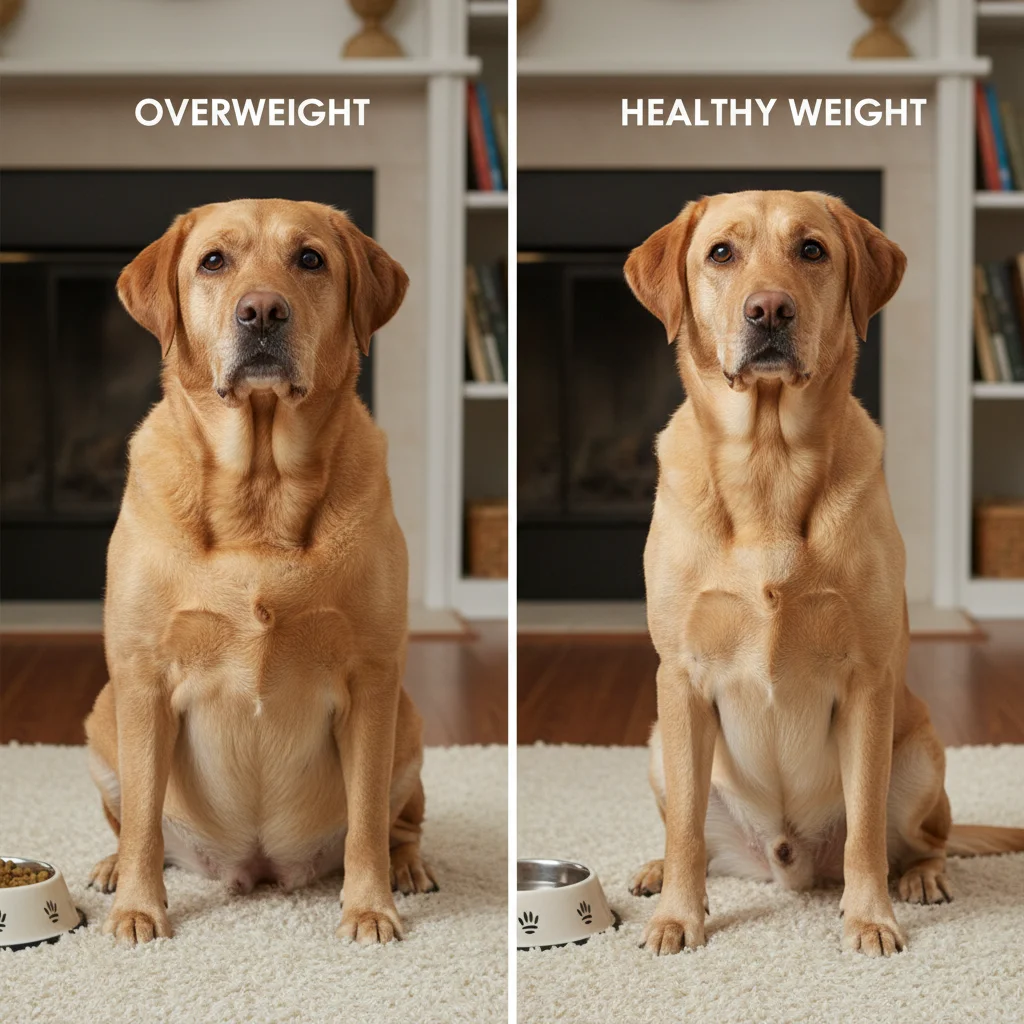
- From Above: Does your pet have a discernible waist? It should look like an hourglass figure, tapering in between the ribs and hips. If they look like a continuous oval, they might be gaining weight.
- From the Side: Is there an abdominal tuck? The abdomen should tuck up slightly behind the rib cage. If it sags or hangs, it could indicate excess fat.
- Tactile Assessment (The ‘Feel’): This is perhaps the most important part and takes mere seconds.
- Rib Check: Gently run your hands along your pet’s sides. You should be able to easily feel their ribs without pressing hard, much like feeling the back of your hand. If you have to press firmly to feel them, or can’t feel them at all, your pet is likely overweight. If the ribs are visibly prominent with no fat covering, they might be underweight.
- Spine and Hip Bones: Similarly, you should be able to feel the bones of their spine and hips with a thin layer of muscle and fat over them. They shouldn’t be sharply protruding or completely buried under fat.
- Energy and Activity Levels (The ‘Observe’): While not directly a weight check, changes in energy levels can be a secondary indicator. Is your pet less enthusiastic about walks? Are they sleeping more? These could be subtle signs of discomfort due to weight gain.
This entire process, once you get the hang of it, genuinely takes less than two minutes. It integrates seamlessly into your daily routine, perhaps during petting sessions, after a walk, or before meal times.
Tools and Techniques for Accurate Daily Pet Weight Monitoring
While the visual and tactile checks are excellent for daily qualitative assessment, quantitative data can also be very helpful. Here’s how to incorporate more precise measurements:
1. Digital Pet Scales
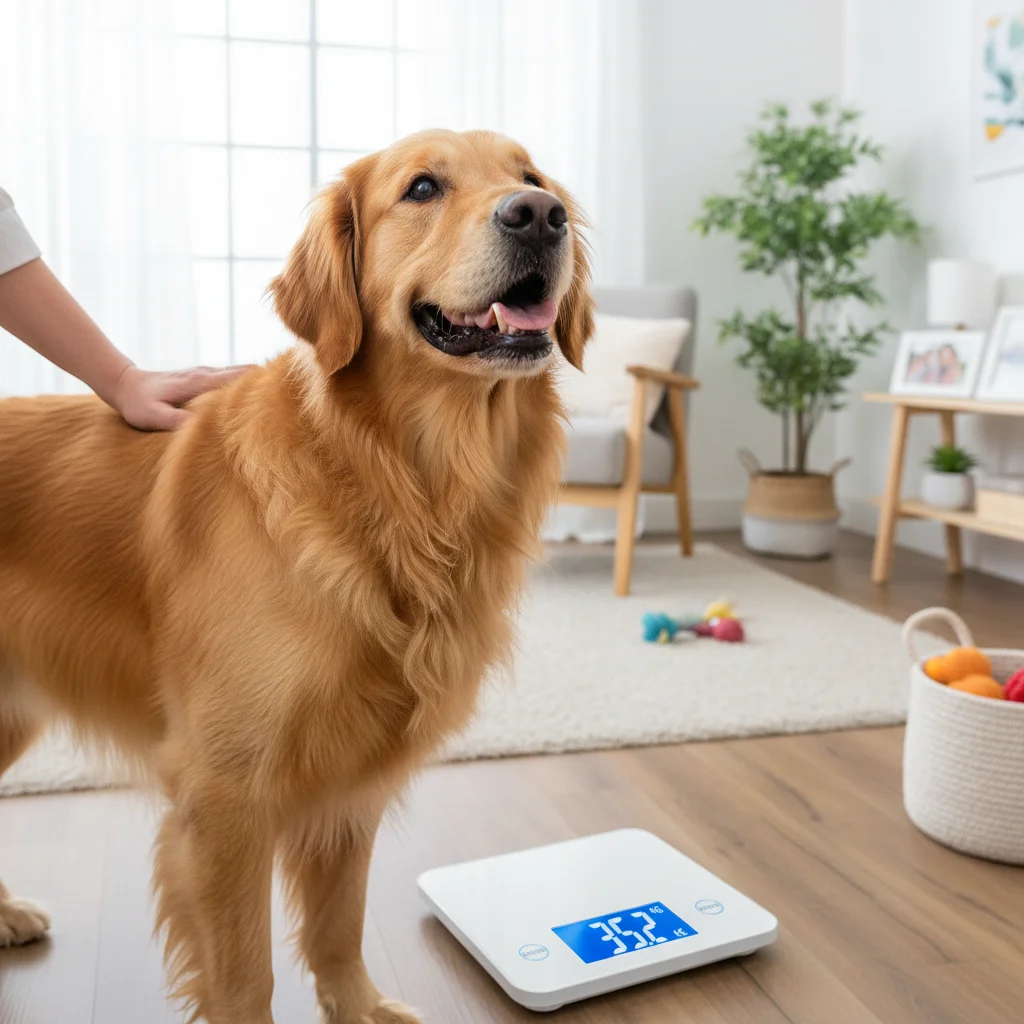
For small to medium-sized pets, investing in a digital pet scale can be incredibly beneficial. These scales are designed with larger platforms and often have a ‘hold’ function to get an accurate reading even if your pet wiggles. Regular (e.g., weekly or bi-weekly) weigh-ins can complement your daily tactile checks, providing concrete numbers to track progress or identify trends.
2. The ‘Weigh Yourself, Then Your Pet’ Method
For larger dogs, a standard bathroom scale can work. First, weigh yourself. Then, pick up your dog and weigh yourself again while holding them. Subtract your weight from the combined weight to get your dog’s weight. This method is effective but might not be suitable for very large or uncooperative dogs.
3. Body Condition Scoring (BCS)
Body Condition Scoring is a standardized, subjective assessment tool used by veterinarians, but easily learned by pet owners. It typically uses a 9-point scale (or sometimes a 5-point scale), where 1 is emaciated, 5 is ideal, and 9 is morbidly obese. Learning to assign a BCS to your pet is an excellent way to make your daily pet weight checks more objective. Many veterinary websites and pet food brands offer visual charts to help you understand the different scores.
4. Photo Log
Taking regular (e.g., monthly) photos of your pet from the side and top can provide a visual history of their body condition. Sometimes, changes are so gradual that you don’t notice them until you compare current photos with older ones. This is a simple, free, and highly effective way to track progress or identify concerns.
Establishing a Routine: Making Daily Pet Weight Checks a Habit
Consistency is key when it comes to daily pet weight monitoring. Here are some tips to integrate it seamlessly into your life:
- Associate with an Existing Routine: Link the check to an activity you already do daily. For example, while petting your dog after their morning walk, or while grooming your cat in the evening.
- Make it Positive: Always make the experience pleasant for your pet. Use praise, gentle words, and even a small, healthy treat afterwards. This prevents them from associating the check with anything negative.
- Keep it Brief: Remember, it’s a 2-minute check, not a full examination. Overdo it, and your pet might become resistant.
- Involve the Family: If multiple people care for the pet, ensure everyone is aware of the importance of the daily pet weight check and how to perform it.
- Track Your Findings: While a full log isn’t necessary daily, if you notice a significant change, make a note. For more precise tracking, especially if your pet is on a weight management plan, keep a simple journal or use a pet health app.
Beyond the Check: Proactive Steps for Weight Management
A daily pet weight check is a fantastic diagnostic tool, but it’s only truly effective if you act on what you discover. If your daily checks indicate your pet is gaining weight or is already overweight, here are the next proactive steps:
1. Consult Your Veterinarian
This is the most crucial step. Your vet can accurately assess your pet’s current weight and body condition, rule out any underlying medical conditions causing weight gain (e.g., hypothyroidism), and help you develop a tailored weight loss plan. They can recommend appropriate food, portion sizes, and exercise routines.
2. Re-evaluate Diet and Portions
- Measure Precisely: Stop ‘eyeballing’ food portions. Use a measuring cup or, even better, a kitchen scale to measure food accurately.
- Calorie Count: Discuss your pet’s ideal daily caloric intake with your vet. Remember that feeding guidelines on pet food bags are often generalized and may lead to overfeeding for less active pets.
- Quality Over Quantity: Opt for high-quality pet food formulated for weight management, if recommended by your vet. These often have a higher protein and fiber content to promote satiety with fewer calories.
- Limit Treats: Treats are often calorie bombs. If you must give treats, choose low-calorie options (e.g., small pieces of carrot, green beans, or specially formulated diet treats) and factor them into the daily caloric intake.
- Beware of Table Scraps: Human food can be high in calories, fat, and even toxic to pets. Avoid giving table scraps entirely.
3. Increase Exercise
Physical activity is vital for weight management and overall health. The type and amount of exercise will depend on your pet’s species, breed, age, and current health status. Always consult your vet before starting a new exercise regimen.
- Dogs: Regular walks, runs, fetch, swimming, and playing at a dog park are great options. Aim for at least 30-60 minutes of moderate activity daily, broken into multiple sessions.
- Cats: Engage them with interactive toys like laser pointers, feather wands, or puzzle feeders. Encourage vertical play with cat trees and shelves. Even a few 10-15 minute play sessions throughout the day can make a difference.
Remember to start slowly and gradually increase the intensity and duration of exercise to avoid injury, especially for pets new to activity or those who are significantly overweight.

The Long-Term Benefits of Consistent Daily Pet Weight Monitoring
Embracing the habit of a daily pet weight check is an investment in your pet’s future. The benefits extend far beyond just preventing obesity:
- Early Detection of Illness: Unexplained weight loss or gain can be an early indicator of various medical conditions, from dental disease to kidney problems or even cancer. Your daily checks can help you catch these issues sooner, leading to more effective treatment.
- Enhanced Bond: The act of gently touching and observing your pet daily fosters a deeper connection and understanding of their physical well-being.
- Improved Quality of Life: A pet at a healthy weight is more energetic, playful, comfortable, and generally happier. They can participate in more activities and enjoy life to the fullest.
- Reduced Veterinary Costs: Preventing obesity-related diseases often means fewer vet visits, less medication, and potentially avoiding expensive surgeries or long-term treatments.
- Increased Longevity: Numerous studies have shown that maintaining an ideal body weight can add years to a pet’s life.
Common Misconceptions About Pet Weight
It’s important to address some common misunderstandings that can hinder effective weight management:
- “My pet looks fine”: Many owners underestimate their pet’s weight because they are used to seeing overweight pets. What they perceive as ‘normal’ might actually be overweight.
- “It’s just puppy/kitten fat”: While young animals can have a bit of extra chub, it’s crucial not to let it become a habit. Establishing healthy eating and exercise patterns early is vital.
- “My pet is always hungry”: Pets are opportunistic eaters. Their begging doesn’t necessarily mean they are starving; it often means they enjoy food and the attention it brings. Sticking to controlled portions is essential.
- “Only older pets get fat”: Obesity can affect pets of all ages, though it is more common in middle-aged and older animals due to decreased metabolism and activity.
- “Exercise is enough”: While exercise is crucial, diet plays a much larger role in weight management. You cannot out-exercise a bad diet.
The Future of Pet Health: Proactive and Preventative Care
As we look towards 2026 and beyond, the emphasis in pet care is increasingly shifting towards proactive and preventative measures. Daily pet weight monitoring perfectly embodies this philosophy. It’s a simple, low-cost, high-impact practice that empowers you, the pet owner, to be an active participant in your pet’s health journey.
Imagine a world where pet obesity is no longer an epidemic, where pets live longer, healthier lives free from preventable diseases. This vision starts with small, consistent actions in every home. Your 2-minute daily pet weight check is not just a routine; it’s a commitment to your pet’s well-being, a testament to your love, and a powerful tool in ensuring they thrive for years to come.
Conclusion: Make the 2-Minute Daily Pet Weight Check Your New Standard
The health and happiness of our pets are paramount. By integrating a quick, 2-minute daily pet weight check into your routine, you gain an invaluable advantage in the fight against pet obesity and its associated health risks. This simple habit allows for early detection of weight fluctuations, enabling timely intervention and preventing minor issues from escalating into major health crises.
Remember the visual and tactile checks – the look and the feel – and consider supplementing with regular scale weigh-ins and Body Condition Scoring. If you notice any concerning changes, don’t hesitate to consult your veterinarian to tailor a diet and exercise plan. Your commitment to consistent daily pet weight monitoring is a profound act of love that will contribute significantly to your pet’s longevity, vitality, and overall quality of life. Start today, and give your furry family member the gift of a healthier tomorrow.