Mastering Aggressive Dog Behavior: Expert Strategies for Safer Pet Interactions
Mastering Aggressive Dog Behavior: Expert Strategies for Safer Pet Interactions
Understanding and effectively managing aggressive dog behavior is one of the most significant challenges and responsibilities for any dog owner. It’s a complex issue that can stem from a multitude of factors, and left unaddressed, it can lead to dangerous situations for both humans and other animals. This comprehensive guide aims to shed light on the intricacies of canine aggression, offering expert insights and actionable strategies to help you foster a safer, more harmonious environment for your pet and everyone around them.
Aggression in dogs is not a simple ‘bad’ trait; it’s often a communication tool, a symptom of underlying fear, anxiety, pain, or resource guarding. Recognizing the subtle signs and understanding the ‘why’ behind the growl, snap, or bite is the first crucial step towards effective intervention. Our goal is to equip you with the knowledge and tools to not only manage existing aggressive tendencies but also to prevent them from escalating, ensuring a happier and safer life for your beloved companion.
Understanding the Roots of Aggressive Dog Behavior
Before we can effectively address aggressive dog behavior, it’s vital to understand its origins. Canine aggression is rarely random; it almost always has a cause. Identifying this cause is paramount to developing an appropriate and effective management plan. Here are some of the most common reasons why a dog might display aggressive tendencies:
Fear-Based Aggression
One of the most prevalent forms of aggression, fear-based aggression occurs when a dog feels threatened or cornered. This can manifest as growling, snapping, or biting when approached by strangers, other dogs, or even familiar people in certain contexts. A dog might also react aggressively if it feels trapped or has no escape route. This type of aggression is often a defensive mechanism, a desperate attempt to create distance from a perceived threat. Owners need to be particularly observant of their dog’s body language – tucked tail, flattened ears, yawning, lip licking – which can all be early indicators of fear and discomfort before aggression escalates.
Territorial Aggression
Dogs are naturally territorial animals. They may become aggressive when strangers or other animals approach their perceived territory, which can include their home, yard, car, or even their owner. This type of aggression is often characterized by barking, lunging, and growling directed at intruders. It’s a protective instinct, but if left unchecked, it can become problematic and dangerous. Understanding your dog’s boundaries and managing their exposure to perceived threats within their territory is key.
Resource Guarding Aggression
Resource guarding involves a dog displaying aggressive behaviors to protect valuable items such as food, toys, sleeping spots, or even people from being taken away or approached by others. This can range from a subtle stiffening of the body and a low growl to outright snapping and biting. While a natural instinct, extreme resource guarding can be dangerous and requires careful management and training. Early intervention is crucial to prevent this behavior from becoming deeply ingrained.
Pain-Induced Aggression
A dog experiencing pain, discomfort, or illness may lash out aggressively, even at familiar individuals. This is often an instinctual reaction to protect themselves from further pain. If your dog suddenly exhibits aggressive behavior, especially if it’s out of character, a veterinary check-up is essential to rule out any underlying medical conditions. Arthritis, dental problems, injuries, or neurological issues can all contribute to changes in temperament.
Frustration-Induced Aggression
When a dog is highly aroused and prevented from reaching a desired object, person, or other dog, they may exhibit frustration-induced aggression. This is often seen on leash when a dog wants to greet another dog but is held back, leading to barking, lunging, and growling. This type of aggression can be particularly challenging as it often stems from a desire to interact, albeit inappropriately.
Redirected Aggression
Redirected aggression occurs when a dog is aroused or agitated by one stimulus but is unable to reach it, so they redirect their aggression towards another nearby target, often an innocent bystander or another pet. For example, two dogs barking aggressively at a dog outside a window might then turn and fight each other. This is a common and dangerous form of aggression.
Maternal Aggression
Female dogs with puppies can exhibit maternal aggression, fiercely protecting their offspring from perceived threats. This is a powerful instinct and usually subsides once the puppies are weaned and more independent. However, it’s important to respect this instinct and provide the mother dog with a safe, quiet space.
Dominance Aggression (Reconsidered)
While historically a popular explanation for aggression, the concept of ‘dominance aggression’ has been largely re-evaluated by modern canine behaviorists. Most aggressive behaviors previously attributed to a dog trying to be ‘dominant’ are now understood to be rooted in fear, anxiety, resource guarding, or a lack of clear communication and training. Focusing on ‘dominance’ can lead to confrontational training methods that often exacerbate fear and aggression. Instead, modern approaches emphasize building trust, providing clear guidance, and addressing the dog’s emotional state.
Early Warning Signs and Prevention of Aggressive Dog Behavior
Recognizing the subtle cues your dog gives before an aggressive outburst is crucial for prevention and intervention. Dogs rarely bite without warning; they communicate their discomfort and stress through a series of escalating signals. Learning to interpret these signals can help you de-escalate situations before they become dangerous.
Body Language Cues
- Subtle Signs: Yawning, lip licking, averting gaze, stiffening body, whale eye (showing the whites of the eyes), tail tucked low or stiffly wagging.
- Moderate Signs: Growling, snarling, showing teeth, snapping in the air, lunging without contact, raised hackles (piloerection).
- Severe Signs: Biting (with or without inhibition), holding on, repeated biting.
The key is to intervene at the earliest possible stage, when your dog is displaying subtle signs of discomfort. Ignoring these early warnings can teach your dog that they need to escalate their behavior to be understood.
Prevention Strategies
Preventing aggressive dog behavior often starts with proper socialization and training from a young age, but it’s never too late to implement these strategies:
- Early Socialization: Expose puppies to a wide variety of sights, sounds, people, and other friendly, vaccinated dogs in a positive and controlled manner. This helps them develop confidence and appropriate social skills.
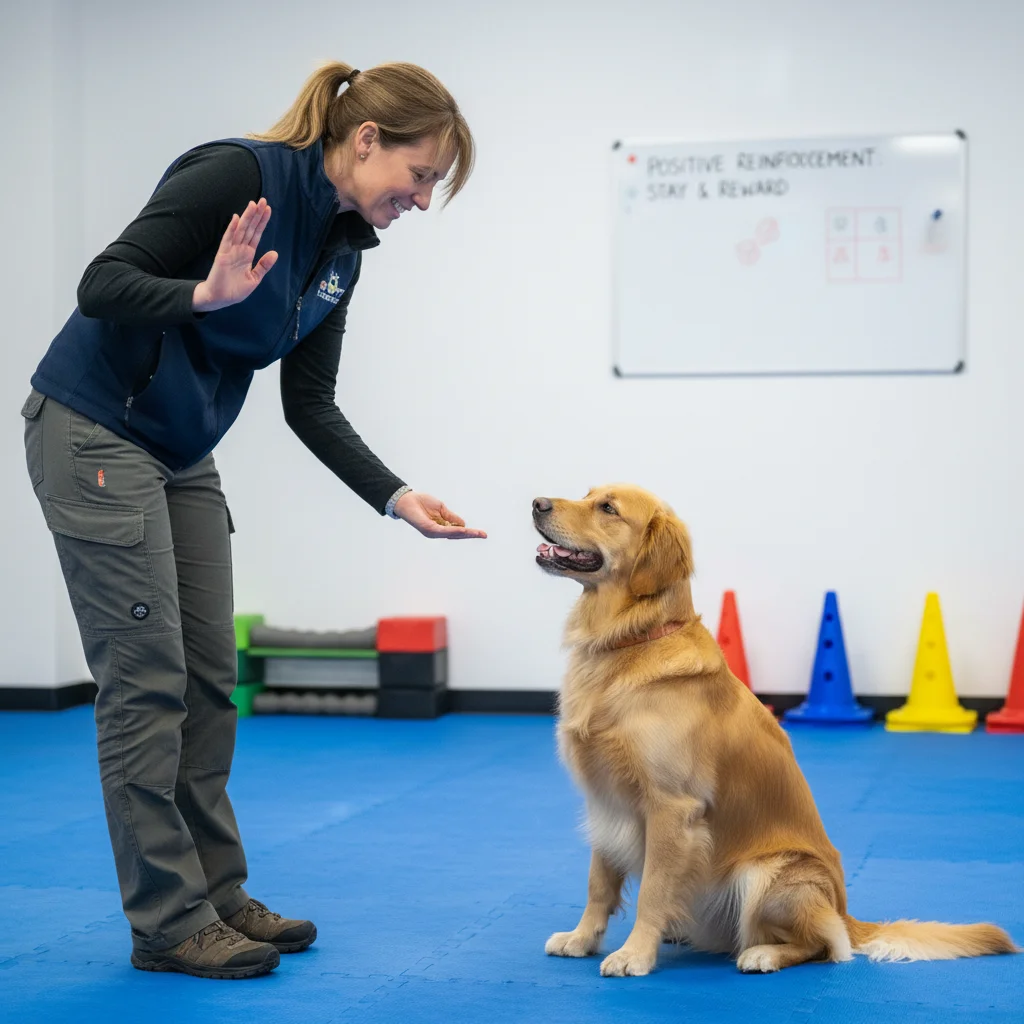
- Positive Reinforcement Training: Focus on rewarding desired behaviors rather than punishing unwanted ones. This builds a strong, trusting bond between you and your dog and makes them more receptive to learning.
- Clear Communication: Use consistent commands and body language. Dogs thrive on predictability and clear expectations.
- Safe Space: Provide your dog with a comfortable, secure ‘den’ where they can retreat and feel safe from perceived threats.
- Resource Management: For dogs prone to resource guarding, manage their environment to prevent triggers. This might mean feeding them separately, picking up high-value toys when guests are over, or teaching a ‘drop it’ command with positive reinforcement.
- Leash Training: Teach your dog to walk politely on a leash and respond to commands like ‘leave it’ or ‘look at me’ to redirect their attention from potential triggers.
- Exercise and Mental Stimulation: A tired dog is often a well-behaved dog. Ensure your dog gets adequate physical exercise and mental enrichment to prevent boredom and pent-up energy that can contribute to frustration.
- Supervised Interactions: Always supervise interactions between children and dogs, and between your dog and other pets. Teach children how to interact respectfully with dogs.
Effective Management and Training for Aggressive Dog Behavior
Once you’ve identified the type and triggers of your dog’s aggression, the next step is to implement effective management and training protocols. This often requires patience, consistency, and sometimes, professional guidance.
Seeking Professional Help
For any significant aggressive dog behavior, consulting with a certified professional dog trainer or a veterinary behaviorist is highly recommended. These experts can accurately diagnose the root cause of the aggression and develop a tailored behavior modification plan. They can also ensure that underlying medical issues are ruled out or addressed. Self-treating aggression can be dangerous and often exacerbates the problem.
Behavior Modification Techniques
- Desensitization and Counter-Conditioning (DS/CC): This is a cornerstone of aggression modification.
- Desensitization: Gradually exposing your dog to the trigger at a low intensity, below the threshold where they react aggressively. The goal is to get your dog used to the trigger without fear or aggression.
- Counter-Conditioning: Changing your dog’s emotional response to the trigger by associating it with something positive, like high-value treats or praise. For example, if your dog is aggressive towards strangers, you might start by having a stranger stand far away (where your dog doesn’t react) and giving your dog treats. Gradually, as your dog remains calm, the stranger can get closer.
- Management: This involves controlling the environment to prevent your dog from being exposed to triggers that cause aggression. While not a cure, management is crucial for safety and preventing rehearsal of aggressive behaviors. Examples include:
- Using a muzzle (properly introduced and conditioned) in high-risk situations.
- Avoiding known triggers (e.g., walking your dog at different times to avoid certain dogs or people).
- Using gates or crates to separate dogs or keep them away from visitors.
- Operant Conditioning (Positive Reinforcement): Training alternative, desirable behaviors that are incompatible with aggression. For instance, teaching your dog to ‘settle’ on a mat when guests arrive, or to ‘look at me’ instead of lunging at another dog. Rewarding calm and appropriate responses is key.
- Clicker Training: A powerful tool for precision in positive reinforcement, clicker training can help mark the exact moment your dog performs a desired behavior, making the learning process faster and clearer.
Safety Protocols When Dealing with Aggression
- Prioritize Safety: Always ensure the safety of people and other animals. This may mean using leashes, muzzles, crates, or separate rooms.
- Avoid Punishment: Punishing an aggressive dog, especially with physical corrections, can increase fear and make the aggression worse. It teaches the dog to suppress warnings, making bites more likely to occur without prior signals.
- Be Consistent: All members of the household must be consistent in their approach to managing and training the dog.
- Observe Body Language: Continuously monitor your dog’s body language for signs of stress or discomfort and intervene early.
- Don’t Force Interactions: Never force your dog into a situation where they feel uncomfortable or threatened. This can lead to a breakdown of trust and an escalation of aggression.
Living with and Beyond Aggressive Dog Behavior
Managing aggressive dog behavior is often a long-term commitment. It requires patience, understanding, and a willingness to adapt your lifestyle to meet your dog’s needs. The goal isn’t necessarily to ‘cure’ aggression entirely, but rather to manage it effectively so that your dog can live a happy, safe, and fulfilling life, and you can enjoy a peaceful relationship with them.
Building Trust and a Strong Bond
A strong, trusting relationship with your dog is the foundation for successful behavior modification. Spend quality time with your dog, engage in positive training sessions, and be their advocate. When your dog trusts that you will protect them from perceived threats, they are less likely to feel the need to resort to aggression.
Managing Expectations
Understand that progress may be slow and there might be setbacks. Celebrate small victories and don’t get discouraged by occasional regressions. Some dogs with severe aggression may always require careful management, and that’s okay. The aim is to improve their quality of life and reduce risks.
Enrichment and Exercise
Ensure your dog receives adequate physical exercise and mental stimulation. A dog with pent-up energy or boredom is more likely to engage in undesirable behaviors, including aggression. Puzzle toys, interactive games, scent work, and regular walks can significantly improve a dog’s overall well-being and reduce stress.
Ongoing Learning and Support
Stay informed about canine behavior and training techniques. Join supportive communities, attend workshops, and continue working with your professional trainer or behaviorist as needed. Dealing with aggressive dog behavior can be emotionally draining, so seeking support for yourself is also important.
When to Consider Euthanasia for Aggressive Dog Behavior
This is a difficult and heartbreaking topic, but it’s one that responsible pet owners must consider in extreme cases of aggressive dog behavior. Euthanasia is never an easy decision, and it should only be considered as a last resort when all other options have been exhausted, and the dog poses an unacceptable risk to human or animal safety. Factors to consider include:
- Severity and Frequency of Bites: Has the dog bitten, and how severe were the bites? Are they escalating in intensity or frequency?
- Predictability of Aggression: Is the aggression unpredictable and without clear triggers, making it impossible to manage safely?
- Response to Treatment: Has the dog undergone extensive behavior modification with a qualified professional, and shown no improvement or even worsened?
- Quality of Life for the Dog: Is the dog constantly stressed, anxious, or fearful, making their own life miserable despite intervention efforts?
- Risk to Others: Is there an unmanageable risk to family members (especially children, the elderly, or immunocompromised individuals), other pets, or the public?
- Owner’s Ability to Manage: Does the owner have the physical, financial, or emotional capacity to indefinitely manage a severely aggressive dog safely?
This decision should always be made in consultation with a veterinary behaviorist and your veterinarian, who can provide objective assessment and guidance based on the specific circumstances. It’s a compassionate choice made to prevent further harm and suffering, both for the dog and for potential victims.
Conclusion
Managing aggressive dog behavior is a journey that requires commitment, understanding, and often, professional help. By understanding the underlying causes, recognizing early warning signs, implementing effective prevention strategies, and engaging in positive, consistent behavior modification, you can significantly improve your dog’s behavior and enhance the safety and well-being of everyone in your household and community.
Remember, aggression is a complex issue, and there’s no magic bullet. However, with the right approach and a dedication to your dog’s welfare, you can help them become a calmer, more confident, and ultimately, a safer companion. Always prioritize safety, seek expert guidance, and never give up on the potential for positive change.