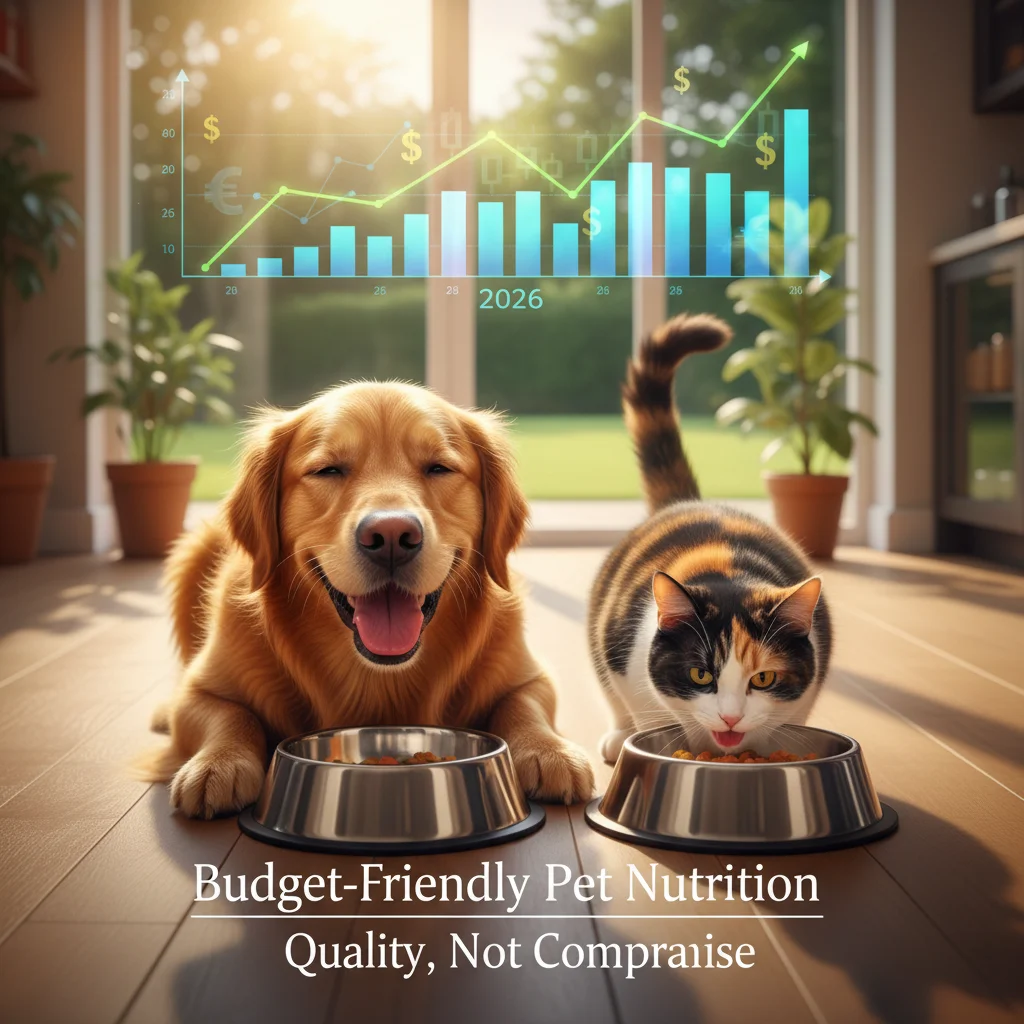
As pet parents, we all want the best for our furry, feathered, or scaled companions. Their health and happiness are paramount, and a significant part of that equation is their nutrition. However, with the ever-increasing cost of living, including pet supplies, finding ways to provide high-quality food without breaking the bank has become a pressing concern for many. The good news is that it’s entirely possible to achieve budget pet food solutions that maintain optimal nutritional standards. In fact, with the right strategies, you can realistically aim to cut your pet food costs by 10% or more in 2026 without compromising on their well-being.
This comprehensive guide delves into actionable strategies, expert insights, and practical tips to help you navigate the world of pet nutrition economically. We’ll explore everything from smart shopping habits and understanding ingredient labels to considering homemade options and leveraging loyalty programs. Our goal is to empower you with the knowledge and tools to make informed decisions that benefit both your pet’s health and your wallet.
The Rising Cost of Pet Ownership: A 2026 Perspective
Before we dive into solutions, it’s important to acknowledge the current landscape. The cost of pet ownership has been steadily climbing, and 2026 is projected to continue this trend. Factors such as inflation, supply chain disruptions, increased demand for specialized diets, and premium ingredients all contribute to higher prices at the checkout counter. Pet food, being a recurring and essential expense, often represents the largest portion of a pet parent’s annual budget after veterinary care.
Understanding these financial pressures is the first step toward effective cost management. It’s not about choosing the cheapest option, but about finding the most cost-effective solution that still meets your pet’s specific dietary needs. This guide will help you identify those opportunities.
Decoding Pet Food Labels: Your First Step to Smart Savings
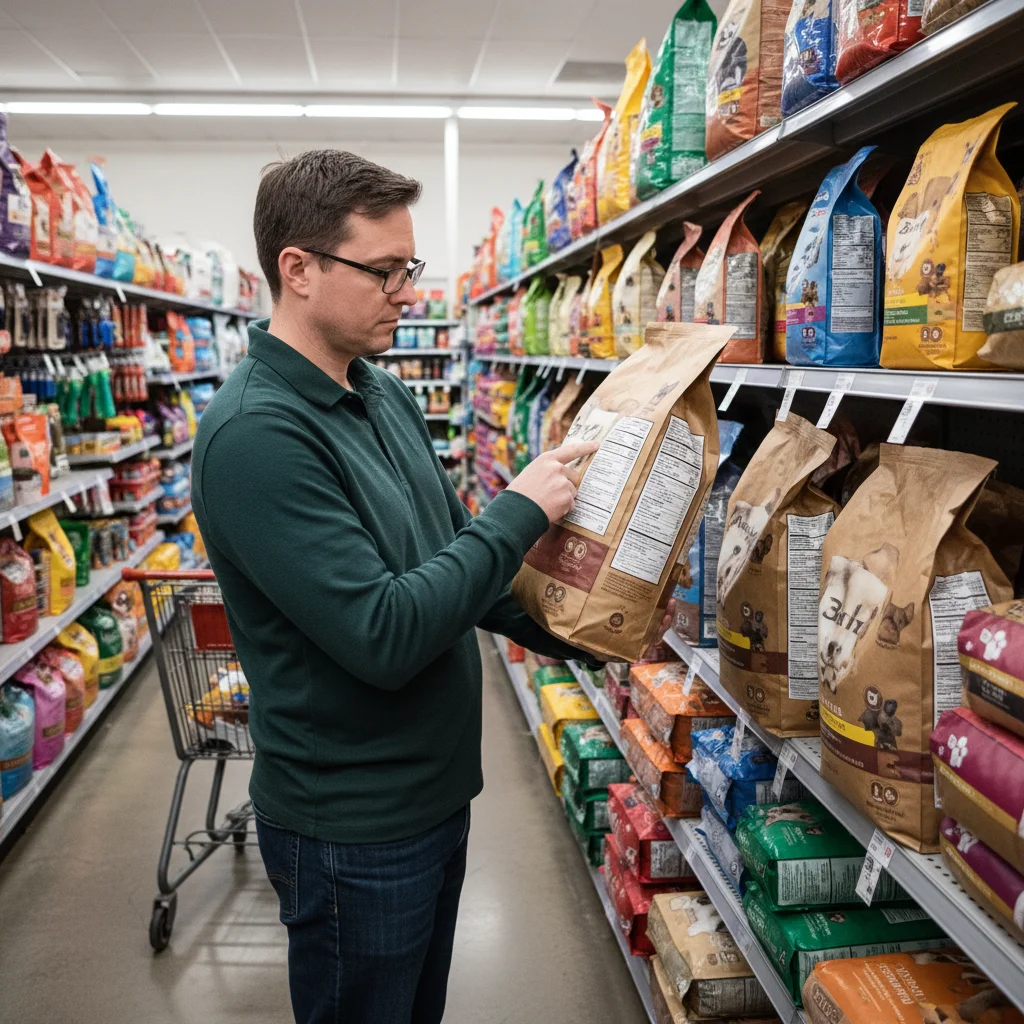
One of the most powerful tools in your budget pet food arsenal is the ability to critically read and understand pet food labels. Many expensive brands market themselves with buzzwords and appealing imagery, but a closer look at the ingredient list can reveal the true value. Knowing what to look for, and what to avoid, can save you money and ensure your pet gets the best.
Key Elements to Scrutinize:
- Ingredient List Order: Ingredients are listed by weight. The first few ingredients make up the bulk of the food. Look for whole protein sources (e.g., chicken, lamb, salmon) as the first one or two ingredients, not by-products or fillers.
- AAFCO Statement: The Association of American Feed Control Officials (AAFCO) establishes nutritional standards. Ensure the food states it meets AAFCO nutrient profiles for your pet’s life stage (e.g., “complete and balanced for adult maintenance” or “for all life stages”). This guarantees basic nutritional adequacy.
- Guaranteed Analysis: This section provides minimum percentages of crude protein and fat, and maximum percentages of crude fiber and moisture. While useful, it doesn’t tell the full story about ingredient quality or digestibility.
- Filler Ingredients: Ingredients like corn, wheat, and soy are often used as cheap fillers. While not inherently harmful to all pets, they offer less nutritional value than whole grains or vegetables and can sometimes be allergens. Choosing foods with fewer or no fillers can sometimes mean a higher quality product, even if the initial price per bag seems similar.
- By-Products: Not all by-products are bad. Organs like liver and heart can be highly nutritious. However, generic terms like “meat by-products” can be vague. If you’re unsure, opt for foods with clearly defined protein sources.
By becoming a label detective, you can often find lesser-known brands or store brands that offer comparable, if not superior, nutritional profiles to premium brands at a fraction of the cost. This is a fundamental strategy for achieving budget pet food without sacrificing quality.
Smart Shopping Strategies for Pet Food Savings
Beyond label reading, adopting savvy shopping habits can significantly reduce your pet food expenses. Think of it like grocery shopping for yourself – strategic planning pays off.
Buy in Bulk (Wisely):
Larger bags of pet food often come with a lower price per pound. If you have the storage space and your pet consumes food at a steady rate, buying in bulk can lead to substantial savings. However, be mindful of expiration dates and proper storage to prevent spoilage, which would negate any savings. Airtight containers are essential to keep food fresh and deter pests.
Look for Sales, Coupons, and Loyalty Programs:
Many pet supply stores and online retailers frequently offer discounts, promotions, and loyalty programs. Sign up for newsletters, follow your favorite brands on social media, and check coupon sites. Accumulating points or taking advantage of recurring sales can lead to significant long-term savings on your budget pet food.
Compare Prices Online and In-Store:
Don’t assume one retailer always has the best price. Use price comparison websites or simply check different online stores (e.g., Chewy, Amazon, Petco) against local brick-and-mortar stores. Factor in shipping costs if ordering online. Sometimes, local stores will price-match, so it never hurts to ask.
Consider Store Brands or Generic Options:
Just like with human food, many retailers now offer their own lines of pet food that are often manufactured by reputable companies but sold at a lower price point. These can be excellent budget pet food options, but always apply your label-reading skills to ensure they meet your pet’s nutritional needs.
Avoid Impulse Buys:
Those cute treats and toys near the checkout can quickly add up. Stick to your shopping list and only purchase what you need. If you do want to treat your pet, consider making homemade treats, which can be much cheaper and healthier.
The Role of Homemade Pet Food: A Cost-Effective Alternative?
For some pet owners, preparing homemade meals for their pets can be a highly effective way to manage costs and control ingredients. While it requires more time and effort, it offers unparalleled control over your pet’s diet. However, it’s crucial to approach homemade pet food with caution and expert guidance.
Benefits of Homemade Pet Food:
- Ingredient Control: You know exactly what goes into your pet’s bowl, avoiding fillers, artificial preservatives, and common allergens.
- Cost Savings: Often, buying raw ingredients in bulk or on sale can be cheaper than premium commercial foods, especially if you’re already cooking for yourself.
- Tailored Nutrition: You can customize meals to address specific health concerns, allergies, or dietary preferences under veterinary supervision.
Risks and Considerations:
- Nutritional Imbalance: This is the biggest risk. Without proper formulation, homemade diets can be deficient in essential vitamins, minerals, and amino acids, leading to serious health issues over time.
- Time Commitment: Preparing pet meals takes time for planning, shopping, and cooking.
- Food Safety: Proper handling and storage of raw meats and other ingredients are crucial to prevent bacterial contamination.
How to Approach Homemade Pet Food Safely:
- Consult a Veterinary Nutritionist: This is non-negotiable. A board-certified veterinary nutritionist can formulate a balanced recipe tailored to your pet’s specific needs (age, breed, activity level, health conditions). They can ensure your budget pet food diet is complete and balanced.
- Use Reliable Recipes: If a nutritionist isn’t feasible, seek out recipes from reputable sources like veterinary universities or established pet nutrition experts, not just random blogs.
- Consider Supplements: Even with a well-formulated recipe, certain supplements (e.g., calcium, specific vitamins) might be necessary to ensure complete nutrition.
- Batch Cooking: Prepare larger batches of food once or twice a week and freeze individual portions to save time.
While homemade pet food can be an excellent budget pet food strategy, it requires dedication and professional guidance to ensure your pet’s health isn’t compromised.
Optimizing Feeding Habits to Reduce Waste
It’s not just what you buy, but also how you feed your pet that impacts your budget. Reducing waste is a key component of cost savings.
Accurate Portions:
Overfeeding is a common problem that leads to both wasted food and pet obesity, which can incur significant veterinary costs down the line. Use a measuring cup or, even better, a kitchen scale to ensure you’re feeding your pet the exact recommended portion size based on their weight, age, and activity level. These guidelines are usually found on pet food packaging or can be provided by your vet.
Scheduled Feedings vs. Free Feeding:
For most pets, scheduled feedings (e.g., twice a day) are preferable to free feeding (leaving food out all day). Scheduled feedings allow you to monitor consumption, prevent overeating, and reduce the chances of food spoiling or attracting pests.
Proper Storage:
As mentioned, proper storage is vital. Store dry kibble in its original bag (to preserve nutrient content and oils) inside an airtight container in a cool, dry place. For wet food, refrigerate opened cans immediately and discard any uneaten portions after a few days. Preventing spoilage means less wasted food and more effective budget pet food management.
Monitor Your Pet’s Weight:
Regularly check your pet’s body condition score. If they are gaining weight, you might be overfeeding or need to adjust their diet. Maintaining a healthy weight is crucial for their longevity and can save you money on potential health issues.
Understanding Nutritional Needs by Life Stage and Breed
A one-size-fits-all approach to pet food is rarely the most effective or economical. A puppy has vastly different nutritional requirements than a senior dog, and a highly active working dog needs a different caloric intake than a sedentary house cat. Tailoring your pet’s diet to their specific needs is crucial for their health and can prevent unnecessary expenses on inappropriate foods.
Puppies/Kittens:
Require more calories, protein, and specific nutrients (like DHA for brain development) to support rapid growth. Feeding adult food to a puppy or kitten can lead to deficiencies, while feeding puppy/kitten food to an adult pet can lead to obesity.
Adult Pets:
Generally need food formulated for maintenance. Their caloric needs stabilize, and the focus shifts to maintaining muscle mass and overall health.
Senior Pets:
May benefit from foods with fewer calories (to prevent weight gain due to decreased activity), increased fiber, and supplements for joint health (e.g., glucosamine and chondroitin). Specialized senior formulas can support their aging bodies.
Breed-Specific Needs:
Some breeds have predispositions to certain health issues that can be managed with diet. For example, large breeds are prone to joint problems, and some small breeds can have dental issues. Consult your vet about any breed-specific dietary recommendations.
By understanding and meeting these specific nutritional requirements, you can avoid buying expensive specialty foods that aren’t necessary or, conversely, buying cheaper foods that are nutritionally inadequate. This targeted approach is a cornerstone of effective budget pet food planning.
DIY Pet Treats and Chews: Healthy & Economical
Treats are often an overlooked expense that can significantly add to your pet food budget. Making your own treats is a fantastic way to save money, control ingredients, and provide your pet with healthy, delicious rewards.
Simple Homemade Treat Ideas:
- Baked Sweet Potato Chews: Slice sweet potatoes thinly, bake at a low temperature until dehydrated and chewy.
- Frozen Broth Cubes: Freeze low-sodium chicken or beef broth in ice cube trays for a refreshing treat.
- Peanut Butter & Banana Bites: Mix natural peanut butter (xylitol-free!) with mashed banana, roll into small balls, and freeze.
- Oatmeal & Apple Cookies: Combine oats, unsweetened applesauce, and a little cinnamon, then bake.
- Vegetable Sticks: Carrots, green beans, and cucumber slices make excellent, low-calorie, and crunchy treats.
Safety Tips for Homemade Treats:
- Avoid Harmful Ingredients: Never use onions, garlic, chocolate, grapes, raisins, xylitol, or anything else known to be toxic to pets.
- Moderation: Even healthy treats should be given in moderation to avoid overfeeding.
- Storage: Store homemade treats properly in airtight containers or the freezer to maintain freshness.
Incorporating homemade treats into your routine is a simple yet effective way to manage your overall budget pet food expenses.

The Power of Prevention: How Vet Visits Save Money
While seemingly counterintuitive, regular veterinary check-ups are a crucial part of a long-term budget pet food strategy. Preventive care can help catch potential health issues early, preventing them from escalating into costly, chronic conditions that might require expensive prescription diets or medications.
Annual Check-ups:
Allow your vet to monitor your pet’s overall health, including weight, dental health, and any changes in appetite or activity levels. They can spot early signs of disease before they become severe.
Vaccinations and Parasite Prevention:
Keeping your pet up-to-date on vaccinations and protected against fleas, ticks, and heartworm is far cheaper than treating the diseases these parasites can cause.
Dietary Advice from Your Vet:
Your veterinarian is an invaluable resource for dietary advice. They can help you determine the best type of food for your pet’s specific needs, recommend appropriate portion sizes, and even suggest cost-effective alternatives if your pet has special dietary requirements. Don’t hesitate to discuss your budget concerns with them; they can offer guidance on maintaining quality nutrition within your financial constraints.
Investing in preventive care is an investment in your pet’s long-term health and, ultimately, your financial stability as a pet owner.
Navigating Pet Food Recalls and Ingredient Controversies
The pet food industry is dynamic, with new research, trends, and unfortunately, occasional recalls. Staying informed is key to making safe and economical choices. While a recall can be alarming, it also highlights the importance of choosing reputable brands and being prepared to switch if necessary.
Stay Informed:
Subscribe to pet food recall alerts from regulatory bodies (like the FDA in the US) or reputable pet news outlets. This allows you to react quickly if a food you use is affected.
Understand Ingredient Controversies:
There are ongoing debates about various ingredients (e.g., grain-free diets, exotic proteins). Do your research, consult your vet, and avoid getting swayed by marketing hype alone. Sometimes, simpler, more traditional formulations can be both healthier and more economical.
Flexibility is Key:
If your usual budget pet food brand becomes unavailable, too expensive, or subject to a recall, having a few alternative, nutritionally similar options in mind can prevent panic buying or resorting to unsuitable foods. Gradual transitions between foods are usually best for your pet’s digestive system.
Conclusion: Achieving Budget-Friendly Pet Nutrition in 2026
Providing high-quality nutrition for your beloved pet doesn’t have to be a financial burden. By implementing the strategies outlined in this guide – from becoming a discerning label reader and adopting smart shopping habits to considering homemade options and prioritizing preventive vet care – you can effectively manage your budget pet food expenses. Our aim was to show you how to cut costs by 10% or more in 2026 without ever compromising on the quality and nutritional value your pet deserves.
Remember, consistency and informed decision-making are your best allies. A healthy pet is a happy pet, and a happy pet owner is one who can provide that care without undue financial stress. Start applying these tips today, and watch your savings grow while your pet thrives!