Budget Pet Nutrition: Smart Sourcing & DIY Meal Prep for 2026
In 2026, the cost of living continues to rise, and for many pet owners, providing high-quality nutrition for their beloved companions can feel like a significant financial burden. However, ensuring your pet receives a balanced, nutritious diet doesn’t have to break the bank. With strategic planning, smart ingredient sourcing, and a foray into DIY meal preparation, you can achieve substantial savings – potentially up to 15% or more – without compromising on the health and well-being of your furry friends. This comprehensive guide will delve into actionable strategies for achieving optimal budget pet nutrition, empowering you to make informed choices for your pets and your wallet.
The Evolving Landscape of Pet Food Costs in 2026
The pet food industry, like many others, has seen its share of fluctuations. Supply chain issues, increased demand for premium ingredients, and global economic shifts have all contributed to escalating prices. For pet owners committed to providing the best, navigating these costs can be challenging. Understanding the factors driving these price increases is the first step toward finding effective solutions for budget pet nutrition.
Many commercial pet foods, even those marketed as ‘premium,’ can contain fillers, artificial additives, and ingredients of questionable origin. While convenient, the cost often doesn’t reflect the true nutritional value. By taking control of your pet’s diet, you gain transparency over ingredients and often discover that high-quality, whole foods are more affordable in the long run, especially when purchased strategically.
This guide isn’t about cutting corners on quality; it’s about optimizing your spending. We’ll explore how to leverage smart sourcing and DIY methods to ensure your pet receives superior nutrition for less. The goal is to make healthy eating sustainable for both your pet and your personal finances.
Understanding Your Pet’s Nutritional Needs: A Foundation for Budget Pet Nutrition
Before embarking on any DIY meal prep journey, it’s crucial to understand your pet’s specific nutritional requirements. These vary significantly based on species (dog or cat), age, breed, activity level, and any existing health conditions. Consulting with a veterinarian or a certified veterinary nutritionist is paramount to ensure you create a balanced diet that meets all their needs. A well-formulated diet is the cornerstone of good health and effective budget pet nutrition.
Dogs: Omnivores with Specific Requirements
Dogs are omnivores, meaning their diet can include a mix of meat, vegetables, fruits, and grains. Key nutrients for dogs include:
- Protein: Essential for muscle development and repair. Sources include lean meats (chicken, turkey, beef, lamb), fish, and eggs.
- Fats: Provide energy and support skin and coat health. Healthy fats can be found in fish oil, flaxseed oil, and certain meats.
- Carbohydrates: A primary energy source. Good sources include brown rice, oats, sweet potatoes, and quinoa.
- Vitamins and Minerals: Crucial for overall bodily functions. These come from a variety of fruits, vegetables, and sometimes require supplementation.
Cats: Obligate Carnivores
Cats are obligate carnivores, meaning they require a diet primarily composed of animal protein. Their bodies are not designed to efficiently process large amounts of plant-based materials. Key nutrients for cats include:
- High-Quality Animal Protein: Absolutely essential. Lean meats, poultry, and fish are ideal.
- Taurine: An amino acid vital for heart function and vision, found exclusively in animal tissues. Deficiency can lead to serious health issues.
- Specific Fatty Acids: Arachidonic acid, for example, is critical and found in animal fats.
- Limited Carbohydrates: While some carbs can be tolerated, their diet should be low in grains and starches.
Once you have a clear understanding of what your pet needs, you can begin to identify appropriate ingredients and build a cost-effective meal plan. This foundational knowledge is key to successful budget pet nutrition.
Smart Ingredient Sourcing: The Cornerstone of Saving 15%
The biggest impact on your pet food budget comes from where and how you source your ingredients. Thinking like a savvy shopper for your own groceries will directly translate to savings for your pets. This section will guide you through effective strategies for smart ingredient sourcing, directly contributing to your budget pet nutrition goals.
1. Buying in Bulk: Maximizing Savings
One of the most effective ways to reduce costs is to purchase ingredients in larger quantities. This applies to both fresh and shelf-stable items.
- Meats: Look for sales at your local butcher or grocery store. Often, buying a whole chicken or larger cuts of meat and portioning them at home is significantly cheaper than buying pre-cut portions. Consider purchasing less expensive cuts like chicken thighs, ground turkey, or beef heart, which are often rich in nutrients and flavor.
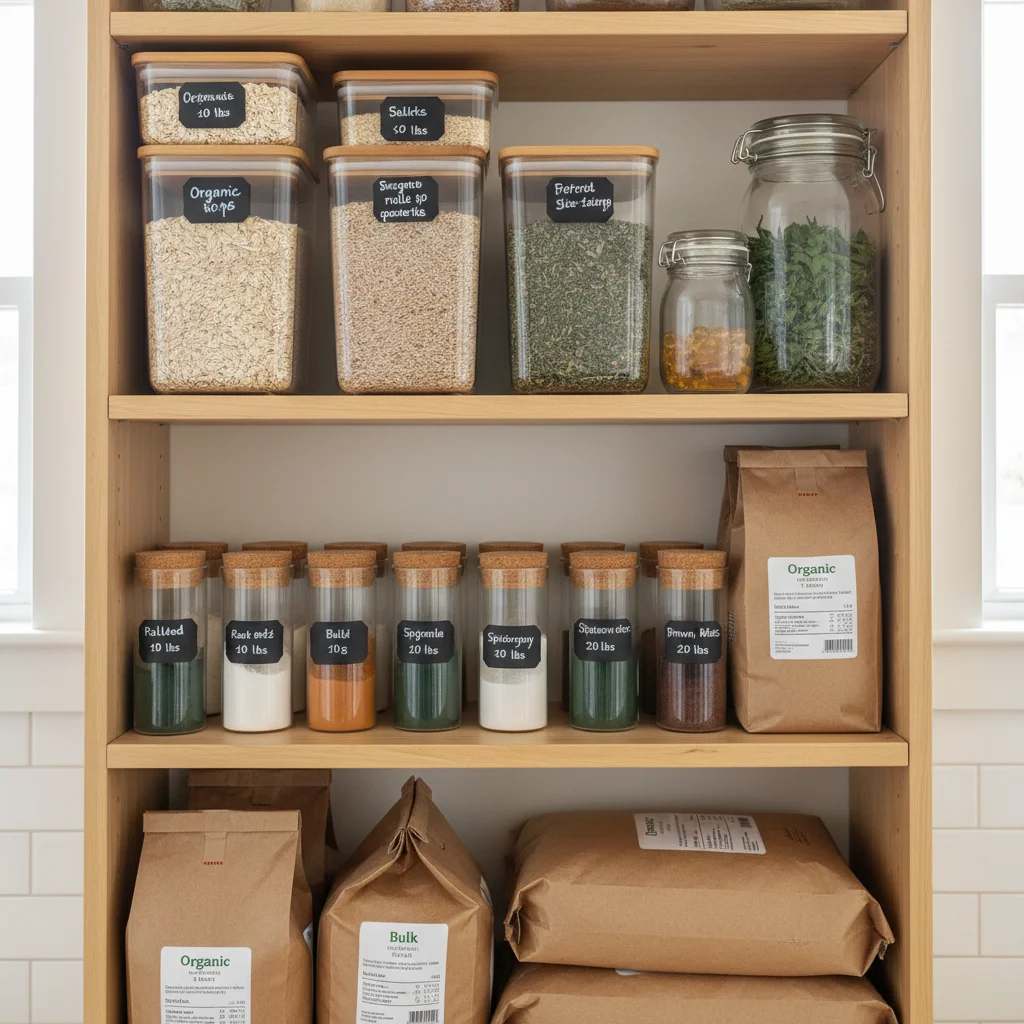
- Grains and Legumes: If your pet’s diet includes grains (for dogs) or certain legumes, buying large bags of brown rice, oats, or lentils from bulk bins or warehouse clubs can lead to substantial savings.
- Vegetables: Purchase seasonal vegetables in larger quantities. Root vegetables like carrots and sweet potatoes, and sturdy greens like kale, often have a longer shelf life and can be bought in bulk.
2. Leveraging Sales and Discounts
Keep an eye out for weekly flyers, online deals, and loyalty programs at your favorite stores. Many supermarkets offer significant discounts on items nearing their ‘best by’ date but still perfectly safe for consumption, especially for meats that you plan to cook immediately or freeze. Subscribing to newsletters from local farms or butchers can also alert you to special offers.
3. Exploring Local and Direct Sources
- Farmers’ Markets: Often a treasure trove for fresh, seasonal produce at competitive prices. You might also find local farmers selling less-desirable cuts of meat or organ meats at a fraction of the cost of supermarkets.
- Butchers: Develop a relationship with a local butcher. They can often provide off-cuts, bones (for broth), or organ meats (like liver, kidney, heart) at a lower price. These are highly nutritious additions to a pet’s diet.
- Community Supported Agriculture (CSA): Consider joining a CSA program for fresh, local vegetables. While primarily for human consumption, many items can be safely incorporated into your pet’s diet.
4. Discount Grocery Stores and ‘Ugly’ Produce
Stores specializing in discounted or slightly imperfect produce can be excellent sources for fruits and vegetables that are perfectly good for pet consumption but might not meet aesthetic standards for human sale. This is a fantastic way to practice sustainable and budget pet nutrition.
5. Growing Your Own (If Applicable)
If you have a garden, consider growing pet-friendly vegetables like carrots, zucchini, or sweet potatoes. This not only saves money but also ensures you’re providing the freshest, pesticide-free ingredients.
By combining these sourcing strategies, you can significantly reduce your expenditure on raw ingredients, setting the stage for substantial savings on your overall pet food bill. This proactive approach to ingredient procurement is fundamental to achieving effective budget pet nutrition.
DIY Meal Prep: Crafting Healthy, Affordable Pet Meals
Once you’ve mastered smart ingredient sourcing, the next step is to transform those raw materials into nutritious, delicious meals for your pets. DIY meal prep is where the real savings come to fruition, allowing you to control every aspect of your pet’s diet and ensure optimal budget pet nutrition.
1. Essential Tools and Equipment
You don’t need a gourmet kitchen, but a few basic tools will make meal prep much easier:
- Large Stock Pot: For cooking grains and some meats.
- Food Processor or Blender: To finely chop or puree vegetables and some meats, especially for pets with dental issues or for better nutrient absorption.
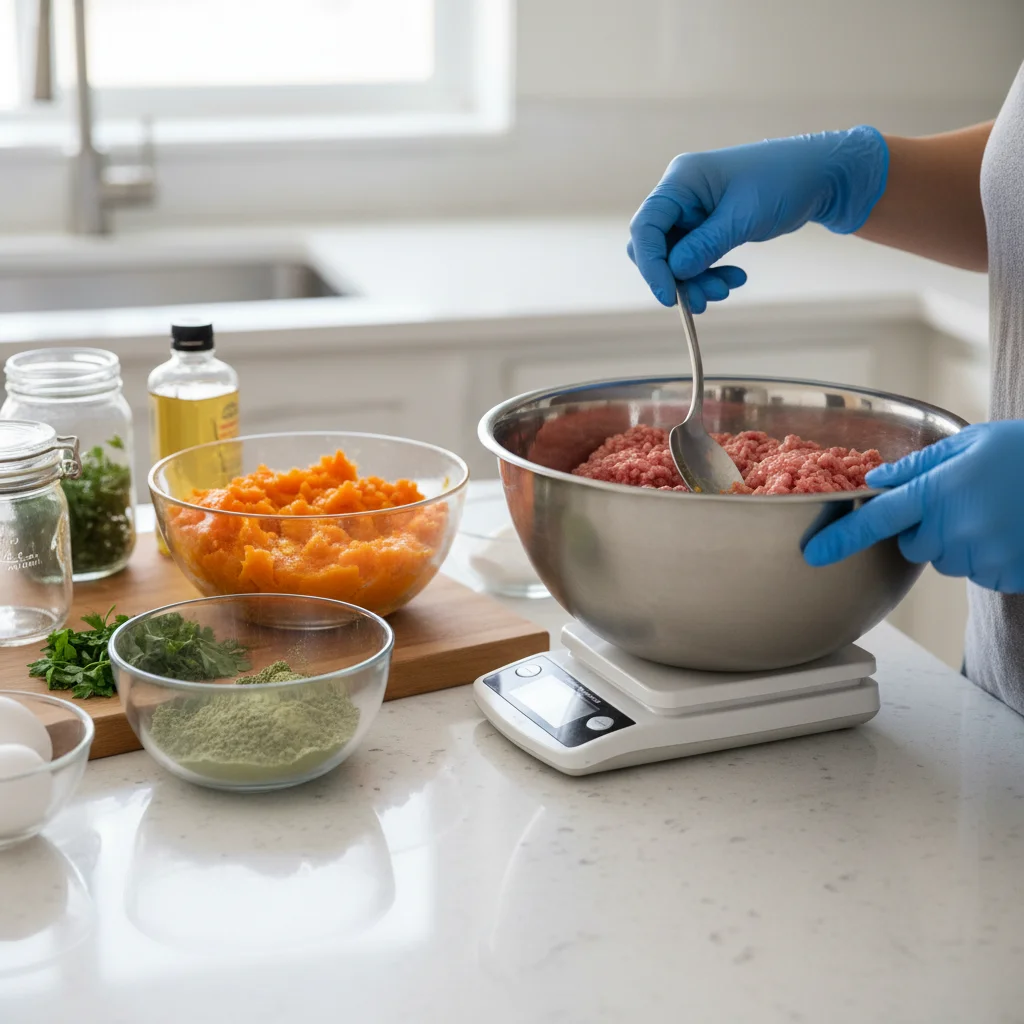
- Kitchen Scale: Essential for precise portioning and ensuring a balanced diet.
- Airtight Containers: For storing prepared meals in the refrigerator or freezer.
- Freezer Bags or Muffin Tins: For freezing individual portions.
2. Batch Cooking for Efficiency
The key to successful DIY pet food is batch cooking. Dedicate a few hours once or twice a week to prepare a larger quantity of food that can be portioned and stored. This saves time and energy in the long run.
- Cook Grains/Starches: Cook a large batch of brown rice, oats, or sweet potatoes.
- Prepare Proteins: Cook and shred or chop a large quantity of meat. You can boil, bake, or pan-fry (without oil or seasonings) lean meats.
- Chop/Puree Vegetables: Prepare a mix of pet-safe vegetables. Steaming or lightly cooking vegetables can make them easier for pets to digest.
3. Crafting Balanced Recipes (with Vet Guidance)
This is where your veterinarian’s input is invaluable. They can help you formulate recipes that meet your pet’s specific needs. A general DIY meal for dogs might include:
- 50% Cooked Protein: Lean chicken, turkey, beef, or fish.
- 25% Complex Carbohydrates: Brown rice, oats, sweet potato, quinoa.
- 25% Cooked Vegetables: Carrots, green beans, peas, spinach, pumpkin (avoid onions, garlic, grapes, raisins).
- Essential Fatty Acids: A small amount of fish oil or flaxseed oil.
- Supplements: A veterinarian-recommended multivitamin/mineral supplement to ensure all micronutrient needs are met, especially for cats.
For cats, the emphasis will be much heavier on animal protein, with very minimal carbohydrates and specific supplements like taurine being critical.
4. Portioning and Storage
Once your food is prepared and cooled, portion it out into individual daily servings. This prevents overfeeding and makes mealtime quick and easy.
- Refrigeration: Cooked pet food can typically be stored in airtight containers in the refrigerator for 3-4 days.
- Freezing: For longer storage, freeze individual portions. Muffin tins are excellent for freezing small, daily portions that can then be popped out and stored in freezer bags. This allows you to thaw only what you need. Properly frozen food can last for 2-3 months.
By embracing batch cooking and careful portioning, you streamline the process and ensure a consistent supply of healthy, homemade meals, reinforcing excellent budget pet nutrition practices.
Supplementation: Bridging Nutritional Gaps
Even with the most carefully chosen ingredients, homemade pet diets can sometimes lack certain essential vitamins and minerals, especially if not formulated by a professional. This is particularly true for cats, who have very specific and non-negotiable nutritional requirements.
Why Supplements are Important:
- Completeness: Ensures your pet receives all necessary micronutrients that might be missing or in insufficient quantities in whole food ingredients.
- Species-Specific Needs: Addresses unique requirements, such as taurine for cats or specific bone-building minerals for large breed puppies.
- Health Conditions: Can support pets with specific health issues, as recommended by a vet.
Choosing the Right Supplements:
Always consult your veterinarian before adding any supplements to your pet’s diet. They can recommend a high-quality, pet-specific multivitamin and mineral supplement that is appropriate for your pet’s age, species, and health status. Avoid human supplements unless specifically advised by your vet, as dosages and ingredients can be harmful to pets.
While supplements add to the cost, they are a crucial investment in your pet’s long-term health and prevent future, more expensive veterinary issues stemming from nutritional deficiencies. Consider them a vital component of holistic budget pet nutrition.
Beyond Food: Other Ways to Save on Pet Care
While focusing on budget pet nutrition, it’s also worth considering other areas where you can save on pet care without sacrificing quality. These supplementary strategies can further enhance your overall financial savings.
1. Preventative Care is Key
Regular veterinary check-ups, vaccinations, and parasite prevention are not expenses; they are investments. Preventing illnesses is always cheaper than treating them. Stay up-to-date with your pet’s health to avoid costly emergencies down the line.
2. DIY Grooming
Basic grooming like brushing, nail trims, and baths can often be done at home. Investing in a good brush, clippers, and pet-safe shampoo can save you significant money on professional grooming appointments.
3. Homemade Toys and Enrichment
Many pets are just as happy with a homemade toy made from old t-shirts or cardboard rolls as they are with expensive store-bought items. Rotate toys to keep them interesting and engaging. Enrichment doesn’t have to be costly; simple games and training sessions provide mental stimulation.
4. Training at Home
Basic obedience training can be done effectively at home using positive reinforcement techniques. There are many free online resources and videos available. A well-behaved pet is less likely to cause damage or get into situations that require costly interventions.
5. Pet Insurance Consideration
While an upfront cost, pet insurance can be a lifesaver in the event of an unexpected illness or injury, protecting you from crippling veterinary bills. Research different plans to find one that fits your budget and your pet’s needs.
By implementing a combination of these strategies, alongside your smart budget pet nutrition plan, you can create a financially sustainable and loving environment for your pet.
Case Study: A Month of Budget Pet Nutrition for a Medium-Sized Dog
Let’s illustrate how these strategies can translate into real savings. Consider a medium-sized dog (e.g., 40 lbs) requiring approximately 1500 calories per day. This is a hypothetical example to demonstrate the potential of budget pet nutrition.
Typical Commercial Diet Cost (Estimate):
- Premium Dry Kibble: $2.50 – $4.00 per pound.
- Daily intake: ~1.5 – 2 cups (approx. 0.75 – 1 lb).
- Monthly Cost: $56 – $120.
DIY Budget Pet Nutrition Cost (Estimate, leveraging bulk and sales):
- Protein (e.g., Chicken Thighs/Ground Turkey): Purchased on sale or in bulk, average $2.00 – $3.00 per pound. Daily need: 0.5 lbs = $1.00 – $1.50. Monthly: $30 – $45.
- Carbohydrates (e.g., Brown Rice/Oats): Purchased in bulk, average $0.50 – $1.00 per pound. Daily need: 0.25 lbs = $0.13 – $0.25. Monthly: $3.90 – $7.50.
- Vegetables (e.g., Carrots/Green Beans): Purchased in season/bulk, average $0.75 – $1.50 per pound. Daily need: 0.25 lbs = $0.19 – $0.38. Monthly: $5.70 – $11.40.
- Fish Oil/Supplements: $10 – $20 per month (depending on type and brand).
- Total Estimated Monthly DIY Cost: $49.60 – $83.90.
In this scenario, even at the higher end of the DIY estimate, you’re still potentially saving over 15% compared to premium commercial kibble, and often getting superior ingredient quality. At the lower end, savings could be much higher, easily exceeding 20-30%. This demonstrates the tangible financial impact of adopting smart budget pet nutrition practices.
Overcoming Challenges and Common Misconceptions
Embarking on a DIY pet food journey can seem daunting, and there are common challenges and misconceptions to address when aiming for optimal budget pet nutrition.
1. Time Commitment:
Misconception: DIY pet food takes too much time.
Reality: While initial setup and research take time, batch cooking significantly reduces daily effort. Think of it like meal prepping for yourself – a few hours once a week can cover all meals. The time investment pays off in both savings and pet health.
2. Nutritional Balance:
Misconception: It’s impossible to create a nutritionally complete diet at home.
Reality: It requires careful planning and, ideally, veterinary guidance. With the right ingredients and appropriate supplementation, a homemade diet can be superior to many commercial options. Never guess; always consult a professional.
3. Cost Effectiveness:
Misconception: Homemade food is always more expensive.
Reality: As demonstrated, smart sourcing and bulk buying can make homemade pet food significantly cheaper than premium commercial brands, especially when considering the quality of ingredients. The initial outlay for bulk items might be higher, but the per-serving cost is lower.
4. Safety and Hygiene:
Misconception: Handling raw meat for pets is unsafe.
Reality: Proper food hygiene is essential, just as it is when preparing human meals. Wash hands thoroughly, clean surfaces, and cook meats to appropriate temperatures. Store raw and cooked ingredients separately to prevent cross-contamination.
5. Picky Eaters:
Misconception: My pet won’t eat homemade food.
Reality: Transitioning gradually is key. Start by mixing a small amount of homemade food with their current diet and slowly increase the proportion. Experiment with different ingredients and textures to find what your pet enjoys. Patience is crucial.
Addressing these points head-on allows pet owners to confidently pursue a path of enhanced budget pet nutrition, leading to healthier pets and happier wallets.
The Long-Term Benefits of Budget Pet Nutrition
The immediate financial savings of 15% or more are a compelling reason to adopt smart sourcing and DIY meal prep for your pets. However, the benefits extend far beyond your bank account, offering significant long-term advantages for your pet’s health and your peace of mind.
1. Improved Health and Well-being:
By controlling ingredients, you eliminate fillers, artificial colors, preservatives, and potential allergens often found in commercial foods. This can lead to:
- Better Digestion: Fewer upset stomachs, improved stool quality.
- Healthier Skin and Coat: Shinier fur, reduced itching and dryness.
- Increased Energy Levels: Pets often show more vitality and enthusiasm.
- Weight Management: Easier to control calorie intake and prevent obesity.
- Reduced Allergy Symptoms: Many pets suffer from food allergies that can be mitigated with a controlled, limited-ingredient diet.
2. Deeper Bond with Your Pet:
The act of preparing meals for your pet, understanding their nutritional needs, and seeing them thrive on your efforts can strengthen the bond you share. It’s a tangible expression of your love and commitment to their well-being.
3. Peace of Mind:
Knowing exactly what goes into your pet’s food provides unparalleled peace of mind. You won’t worry about recalls, questionable ingredients, or hidden additives. This control is invaluable, especially in an era of increasing concerns about pet food safety.
4. Sustainable Practices:
Sourcing ingredients locally, buying in bulk, and reducing reliance on highly processed, packaged foods can also contribute to more sustainable consumption habits, aligning your pet care with broader environmental values.
5. Adaptability to Changing Needs:
As your pet ages or if their health needs change, a DIY diet can be easily adapted. You can adjust ingredients, textures, and nutrient profiles under veterinary guidance, something that is much harder to do with commercial foods.
Investing time and effort into budget pet nutrition through smart sourcing and DIY meal prep is an investment in your pet’s long, healthy, and happy life. It’s a sustainable approach that benefits everyone involved, proving that quality care doesn’t have to come with an exorbitant price tag.
Conclusion: A Healthier, Happier Pet and a Lighter Wallet in 2026
As we navigate 2026, the principles of smart financial management and optimal pet care converge in the realm of budget pet nutrition. This guide has provided a detailed roadmap to achieving significant savings, potentially 15% or more, on your pet’s food expenses without ever compromising on quality or nutritional integrity. By understanding your pet’s unique dietary needs, mastering the art of smart ingredient sourcing, and embracing the efficiency of DIY meal preparation, you gain control over one of your largest pet-related expenditures.
Remember, the journey to effective budget pet nutrition begins with informed choices. Consult with your veterinarian, research reputable sources for ingredients, and gradually transition your pet to a homemade diet. The initial effort will be richly rewarded with a healthier, more vibrant companion and a more sustainable budget for your household.
Embrace the power of homemade meals, the wisdom of bulk buying, and the satisfaction of knowing you are providing the absolute best for your furry family members, all while keeping your finances in check. Your pets deserve the best, and with these strategies, you can provide it without the financial strain.