Understanding Pet Appetite Changes: 7 Daily Observations That Signal Health Concerns
As devoted pet parents, we cherish every wag of a tail, every purr, and every playful pounce. Our pets are more than just animals; they are beloved family members who bring immeasurable joy and companionship into our lives. Part of being a responsible pet owner is being attuned to their subtle cues, especially when it comes to their health. One of the most telling indicators of a pet’s well-being is their appetite. Significant pet appetite changes can often be the first sign that something is amiss, a silent alarm bell signaling underlying health concerns.
It’s easy to overlook minor shifts in eating habits, especially in our busy lives. However, a keen eye and a proactive approach can make all the difference in catching potential health problems early, leading to more effective treatments and better outcomes for our furry friends. This comprehensive guide will delve into the critical area of pet appetite changes, offering insights into seven daily observations that should prompt you to pay closer attention and potentially seek veterinary advice.
We’ll explore not just what these changes look like, but also the potential reasons behind them, ranging from simple behavioral quirks to serious medical conditions. Understanding these nuances empowers you to be a more informed advocate for your pet’s health, ensuring they receive the care they need when they need it most. By the end of this article, you’ll be equipped with the knowledge to interpret your pet’s eating habits with greater confidence and recognize when those subtle shifts warrant a professional consultation. Let’s embark on this journey to better understand and protect our cherished companions.
The Importance of Monitoring Your Pet’s Eating Habits
For many pets, mealtime is the highlight of their day. A dog that enthusiastically devours its dinner or a cat that eagerly awaits its breakfast is a common and reassuring sight. This consistent eagerness is precisely why any deviation from the norm regarding pet appetite changes stands out as a significant marker of health. Our pets cannot articulate their discomfort or pain in words, but their behavior, particularly around food, often speaks volumes.
Monitoring your pet’s eating habits isn’t just about ensuring they consume enough calories; it’s about observing the entire ritual. Do they approach the bowl with their usual enthusiasm? Do they finish their meal, or do they leave food behind? Are they eating faster or slower than usual? These seemingly small details can provide crucial clues about their internal state. A sudden loss of appetite, for instance, could indicate anything from a temporary upset stomach to a more serious systemic illness like kidney disease or cancer. Conversely, a sudden increase in appetite could point towards conditions such as hyperthyroidism in cats or diabetes in both dogs and cats.
Establishing a baseline of your pet’s normal eating behavior is the first step. Pay attention to how much they eat, how quickly, and their general demeanor during meal times. This baseline will serve as your reference point for identifying any concerning pet appetite changes. Keeping a log, even a mental one, can be incredibly helpful. Knowing what’s normal for your pet allows you to quickly spot anomalies and react appropriately. Early detection of health issues often leads to more positive prognoses and less invasive treatments, saving both your pet from prolonged suffering and you from greater emotional and financial strain.
Beyond identifying illness, consistent monitoring also helps you understand your pet’s preferences and dietary needs. Some pets are picky eaters by nature, while others have robust appetites. Differentiating between a pet’s natural inclination and a genuine health concern requires careful observation and a deep understanding of your individual companion. Let’s explore the specific observations you should be making daily.
1. Sudden Loss of Appetite (Anorexia)
One of the most alarming pet appetite changes is a sudden and complete refusal to eat, medically known as anorexia. This isn’t just about being a little picky; it’s a complete disinterest in food, even their favorite treats. While a pet might skip a meal occasionally due to minor stress or an upset stomach, persistent anorexia for more than 24 hours, especially if accompanied by other symptoms, is a serious red flag.
Potential Causes: The reasons behind a sudden loss of appetite are vast and can range from mild to severe. Common culprits include:
- Gastrointestinal Issues: Vomiting, diarrhea, pancreatitis, or inflammatory bowel disease can all lead to nausea and a refusal to eat.
- Dental Problems: Painful teeth, gum disease, or oral injuries can make eating difficult and uncomfortable.
- Infections: Bacterial, viral, or parasitic infections can cause systemic illness and suppress appetite.
- Organ Disease: Kidney disease, liver disease, or heart failure often manifest with a decreased appetite as a primary symptom.
- Pain: Any source of pain, such as arthritis, injury, or abdominal discomfort, can make a pet reluctant to eat.
- Toxins or Foreign Bodies: Ingesting something harmful or an obstruction in the digestive tract can lead to acute anorexia.
- Stress or Anxiety: Major changes in routine, new environments, or separation anxiety can temporarily affect appetite.
- Cancer: Many forms of cancer can cause a general malaise and loss of appetite, particularly in advanced stages.
What to Observe: Note the duration of the anorexia, whether your pet is also drinking water, and if there are any other accompanying symptoms like lethargy, vomiting, diarrhea, fever, or changes in bathroom habits. Is your pet showing interest in food but then turning away, or are they completely ignoring it? These details are vital for your veterinarian.
When to Act: If your pet refuses to eat for more than 24 hours, or if anorexia is accompanied by vomiting, lethargy, or other concerning signs, seek veterinary attention immediately. Puppies and kittens, due to their smaller reserves, can deteriorate much faster and require more urgent care.
2. Decreased Appetite (Hyporexia)
Unlike complete anorexia, hyporexia refers to a noticeable reduction in the amount of food your pet consumes. They might still eat, but significantly less than usual, or they might be pickier, only eating certain parts of their meal. This is a common pet appetite change that can be more subtle but equally important to monitor.
Potential Causes: Hyporexia can stem from many of the same causes as anorexia, but often in a milder or earlier stage. It can also be influenced by:
- Aging: As pets get older, their metabolism slows down, and their energy requirements decrease, leading to a natural reduction in appetite. However, a sharp decline should still be investigated.
- Medication Side Effects: Some medications can cause nausea or reduce appetite as a side effect.
- Dietary Changes: Introducing a new food too quickly or a food that your pet simply doesn’t like can lead to them eating less.
- Environmental Factors: High temperatures can reduce a pet’s desire to eat, especially in breeds prone to overheating.
- Underlying Chronic Conditions: Early stages of kidney disease, liver disease, or diabetes might first present as a gradual decrease in appetite.
- Behavioral Issues: Stress, depression, or even competition with other pets in a multi-pet household can lead to a pet eating less.
What to Observe: Quantify the reduction. Is it half their usual portion, or just a few bites less? Does it happen consistently, or only with certain foods? Are they still enthusiastic at mealtime but just don’t finish? Look for other subtle changes in energy levels, water intake, or bathroom habits.
When to Act: If your pet consistently eats significantly less for more than a day or two, or if the decreased appetite is accompanied by other symptoms like weight loss, lethargy, or changes in thirst/urination, it’s time for a vet visit. Gradual, long-term hyporexia also warrants investigation, as it can indicate a chronic condition.
3. Increased Appetite (Polyphagia)
While often seen as a good sign, an unexplained and significant increase in appetite, known as polyphagia, is also a critical pet appetite change that demands attention. If your pet suddenly seems constantly hungry, begging for food, or even trying to steal food, despite eating their regular meals, it’s worth investigating.
Potential Causes: Polyphagia can be a symptom of several medical conditions:
- Hyperthyroidism (especially in cats): An overactive thyroid gland speeds up metabolism, causing increased hunger and often weight loss despite eating more.
- Diabetes Mellitus: The body cannot properly utilize glucose, leading to cells starving despite high blood sugar, prompting increased hunger. Often accompanied by increased thirst and urination.
- Exocrine Pancreatic Insufficiency (EPI): The pancreas doesn’t produce enough digestive enzymes, meaning food isn’t properly absorbed, leading to chronic hunger and weight loss.
- Cushing’s Disease (Hyperadrenocorticism): Excess cortisol production can lead to increased appetite, thirst, and a pot-bellied appearance.
- Malabsorption Syndromes: Various conditions where the intestines don’t absorb nutrients efficiently, leading to chronic hunger.
- Certain Medications: Steroids (like prednisone) are well-known for causing increased appetite.
- Parasites: A heavy parasitic load, especially intestinal worms, can sometimes lead to increased hunger as the parasites consume nutrients.
- Behavioral Issues: Boredom, anxiety, or learned behaviors (e.g., begging) can sometimes manifest as increased food-seeking, but usually without the associated weight loss or other medical symptoms.
What to Observe: Is your pet genuinely hungrier, or are they just begging more? Is there any associated weight gain or loss? Are they also drinking more water or urinating more frequently? Look for changes in their coat quality, energy levels, or stool consistency.
When to Act: Any persistent and unexplained increase in appetite, especially if accompanied by weight loss, increased thirst/urination, or changes in energy, warrants a veterinary examination. Early diagnosis of conditions like diabetes or hyperthyroidism is crucial for effective management.
4. Picky Eating or Food Aversion
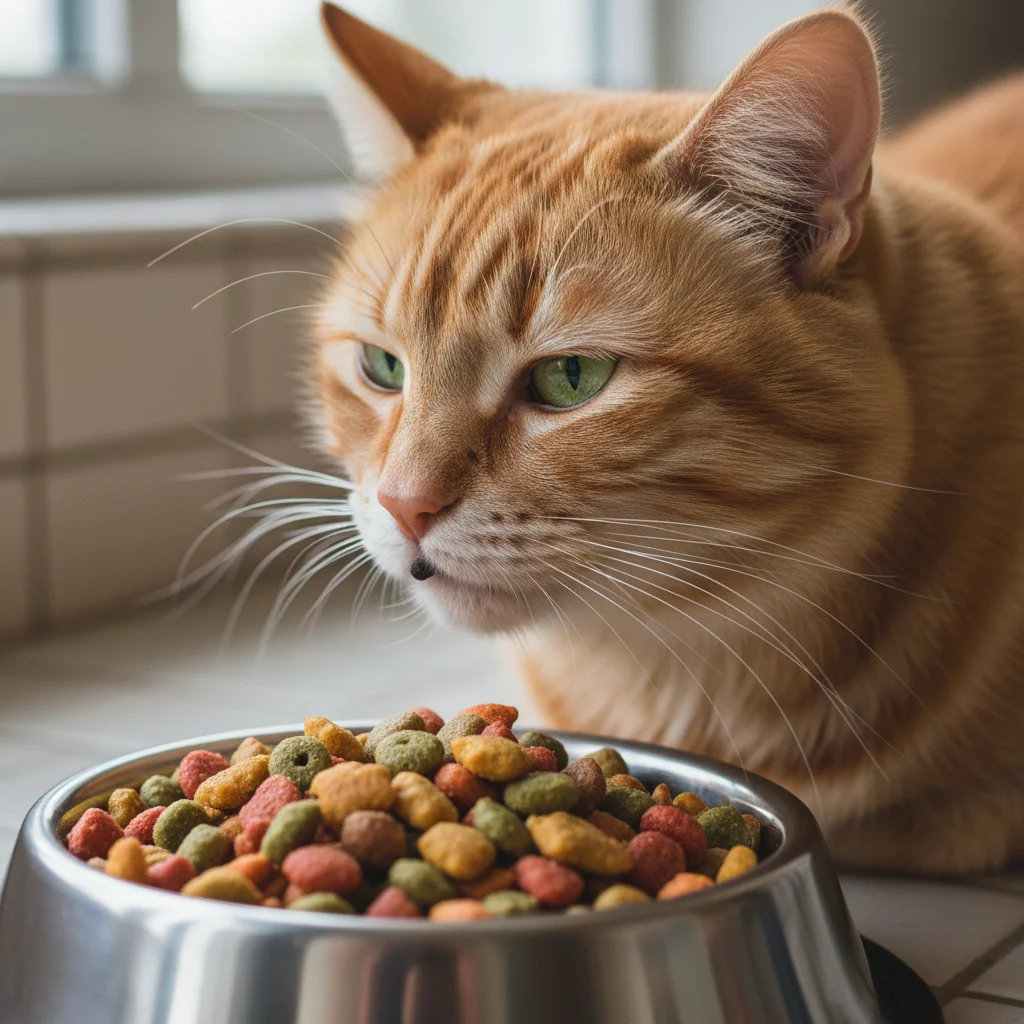
While some pets are naturally more discerning about their food, a sudden onset of picky eating or an aversion to previously loved foods can be a significant pet appetite change. This isn’t just about refusing a new brand; it’s about turning up their nose at their usual kibble or favorite treats.
Potential Causes:
- Nausea or Upset Stomach: Even if they don’t vomit, a feeling of nausea can make food unappealing.
- Dental Pain: As mentioned, oral pain can make chewing uncomfortable.
- Pain Elsewhere: If moving to the food bowl or bending down to eat is painful (e.g., due to arthritis in the neck or back), they might avoid eating.
- Food Intolerances or Allergies: Developing an intolerance to an ingredient can make them associate that food with discomfort.
- Stress or Anxiety: An anxious pet might not feel safe or comfortable eating.
- Early Stages of Illness: Many illnesses can begin with a subtle disinterest in food before progressing to full anorexia.
- Food Spoilage or Contamination: If the food itself is old, rancid, or has something in it that smells off to your pet, they will naturally avoid it.
What to Observe: Are they just picking out certain ingredients, or are they refusing the entire meal? Do they show interest in other foods (like human food or treats) but not their regular diet? Do they approach the bowl but then back away? Look for signs of discomfort when chewing or swallowing.
When to Act: If picky eating persists for more than a couple of days, leads to a significant reduction in overall food intake, or is accompanied by weight loss, lethargy, or other symptoms, a vet visit is warranted. If they suddenly refuse a food they’ve eaten happily for years, it’s a stronger indicator of a problem than if they’re just being finicky about a new brand.
5. Difficulty Eating or Swallowing (Dysphagia)
Beyond simply not wanting to eat, some pets exhibit difficulty with the physical act of eating or swallowing. This pet appetite change is often very noticeable and requires immediate attention.
Potential Causes:
- Oral Pain or Injury: Fractured teeth, gum disease, oral tumors, or foreign bodies (like a stick stuck in the roof of the mouth) can make chewing excruciating.
- Neurological Issues: Conditions affecting the nerves or muscles involved in chewing and swallowing can lead to dysphagia.
- Esophageal Problems: Megaesophagus (enlarged esophagus), strictures, or foreign bodies in the esophagus can prevent food from reaching the stomach.
- Throat Pain or Inflammation: Tonsillitis, pharyngitis, or laryngeal paralysis can make swallowing painful or difficult.
- Tumors: Growths in the mouth, throat, or esophagus can physically obstruct the passage of food.
What to Observe: Does your pet drop food from their mouth? Do they gag, choke, or cough during or after eating? Do they make repeated swallowing attempts? Is there excessive drooling? Do they paw at their mouth? Are they reluctant to open their mouth?
When to Act: Difficulty eating or swallowing is a serious symptom that requires immediate veterinary attention. Your pet could be at risk of aspiration pneumonia (inhaling food or water into the lungs) or severe malnutrition. Do not delay seeking professional help.
6. Changes in Eating Speed or Mannerisms
Subtle shifts in how your pet eats can also be indicative of pet appetite changes related to underlying issues. This includes eating much faster or much slower than usual, or adopting new, unusual postures while eating.
Potential Causes:
- Eating Faster (Bolting Food):
- Competition: In multi-pet households, a pet might eat faster if they feel they need to compete for food.
- Anxiety or Insecurity: Feeling anxious about their food supply.
- Underlying Hunger/Malabsorption: If a pet is genuinely starving due to a medical condition (like EPI or parasites), they might eat ravenously.
- Boredom: Some pets eat quickly out of habit or boredom.
- Eating Slower or Hesitantly:
- Pain: Dental pain, jaw pain, neck pain, or general body pain can make the act of eating uncomfortable and slow.
- Nausea: Feeling nauseous can lead to hesitant eating.
- Weakness or Lethargy: A sick pet may lack the energy to eat quickly.
- Cognitive Decline: Older pets with cognitive dysfunction might become disoriented or slower during meal times.
- Unusual Postures:
- Neck or Back Pain: A pet might lower their head unusually far, or refuse to bend down, preferring to eat from an elevated bowl.
- Abdominal Pain: They might stand awkwardly or lie down while eating to relieve pressure.
- Oral Pain: Chewing on one side of the mouth or dropping food.
What to Observe: Compare their current eating speed and posture to their usual habits. Is the change consistent? Is it accompanied by any sounds (whimpering, growling, gulping)?
When to Act: While some changes in eating speed might be behavioral (e.g., competition), if the change is sudden, persistent, or accompanied by any signs of pain, discomfort, or other illness, it warrants a vet check. Eating too fast can also lead to issues like bloat in dogs, so it’s good to address even behavioral rapid eating.
7. Changes in Water Intake Accompanying Appetite Changes
It’s crucial to remember that appetite and thirst are often linked. Observing pet appetite changes in conjunction with changes in water intake provides a more complete picture of your pet’s health. Any significant increase or decrease in drinking can be just as important as changes in food consumption.
Potential Causes of Increased Thirst (Polydipsia) with Appetite Changes:
- Diabetes Mellitus: Increased thirst and urination (polyuria) are classic signs, often accompanied by increased appetite (polyphagia) but sometimes weight loss.
- Kidney Disease: Impaired kidney function leads to increased water loss and compensatory thirst. Appetite often decreases in later stages.
- Cushing’s Disease: Increased thirst and urination are common, along with increased appetite.
- Hyperthyroidism (cats): Increased metabolism can lead to increased thirst, often with increased appetite and weight loss.
- Liver Disease: Can cause various symptoms, including changes in thirst and appetite.
- Dehydration: From vomiting, diarrhea, or heatstroke, leading to increased thirst. Appetite is usually suppressed.
- Certain Medications: Steroids can increase thirst significantly.
Potential Causes of Decreased Thirst (Adipsia/Hypodipsia) with Appetite Changes:
- Severe Nausea/Vomiting: A pet that feels very sick might refuse both food and water.
- Pain or Weakness: If it’s painful to move to the water bowl or if they are too weak, they might not drink.
- Neurological Issues: Conditions affecting the brain’s thirst regulation centers.
- Advanced Stages of Illness: In very sick or dying animals, both thirst and appetite often cease.
What to Observe: Keep track of how much water your pet typically drinks. Do you need to refill the bowl more or less often? Is their urine volume increasing or decreasing? Are they making more frequent trips to the water bowl?
When to Act: Any noticeable and sustained change in water intake, especially if combined with pet appetite changes or other symptoms, requires prompt veterinary evaluation. Dehydration can quickly become life-threatening, and increased thirst can be an early warning sign of serious systemic diseases.
When to Consult Your Veterinarian About Pet Appetite Changes
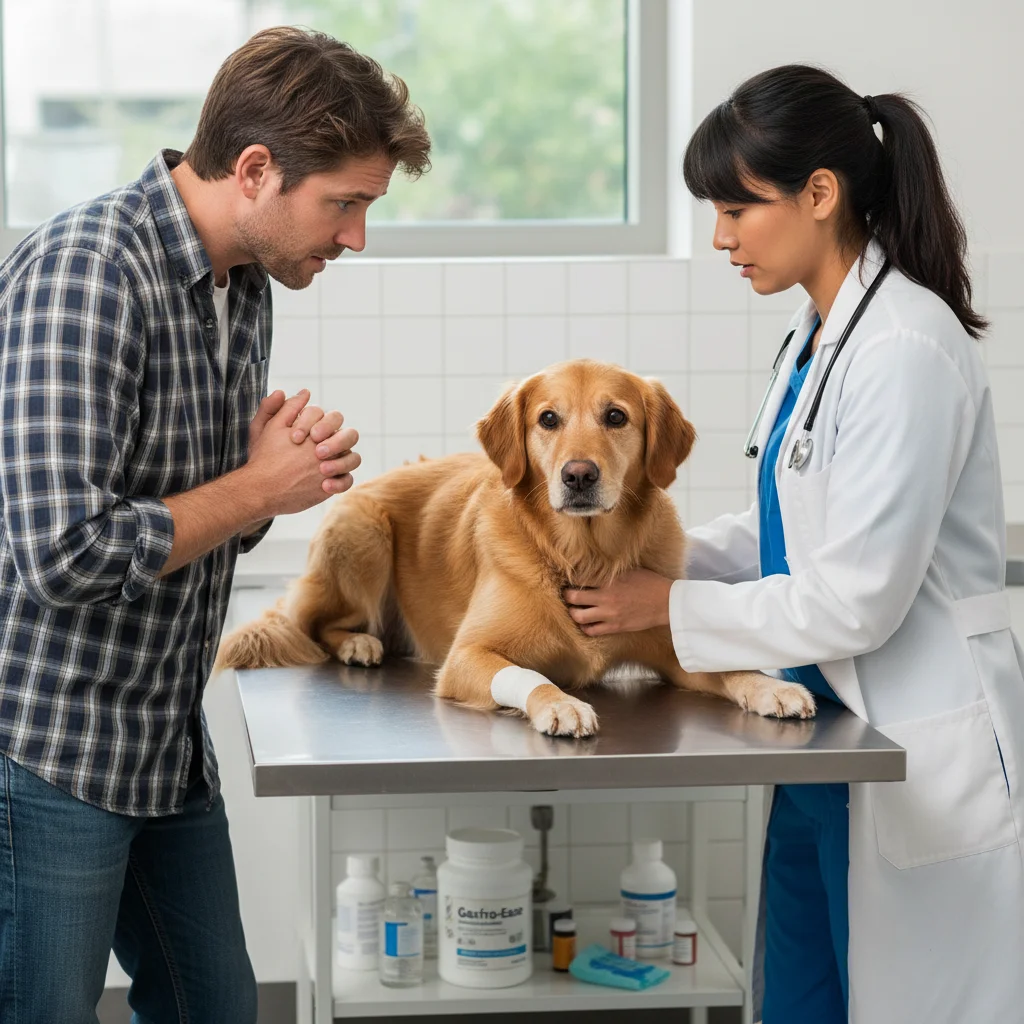
Recognizing these seven daily observations is the first, crucial step. The next, and arguably most important, is knowing when to act. While not every slight deviation from the norm requires an emergency vet visit, it’s always better to err on the side of caution when it comes to your pet’s health. Trust your instincts as a pet owner; you know your companion best.
Seek immediate veterinary attention if you observe:
- Complete refusal to eat for more than 24 hours (especially in puppies, kittens, or small breeds).
- Any difficulty eating or swallowing (gagging, choking, dropping food).
- Appetite changes accompanied by severe vomiting, persistent diarrhea, lethargy, difficulty breathing, or signs of pain.
- Sudden, unexplained weight loss or gain.
- Increased thirst and urination alongside appetite changes.
- Known ingestion of toxins or foreign objects.
Schedule a non-emergency veterinary visit if you observe:
- Decreased appetite lasting more than 2-3 days, even if your pet seems otherwise normal.
- Persistent picky eating or food aversion to their usual diet.
- Unexplained increase in appetite for several days, particularly if accompanied by weight loss or increased thirst.
- Consistent changes in eating speed or posture without other acute symptoms.
- Any subtle pet appetite changes that concern you and persist, even if they don’t fit the ’emergency’ criteria.
When you contact your vet, be prepared to provide as much detail as possible. This includes:
- When you first noticed the change.
- The specific nature of the appetite change (eating less, more, refusing certain foods, difficulty eating).
- Any other accompanying symptoms (vomiting, diarrhea, lethargy, coughing, sneezing, changes in water intake, urination, stool, behavior).
- Your pet’s normal diet and any recent changes to it.
- Any new medications or supplements your pet is taking.
- Any recent changes in your pet’s environment or routine.
This information will be invaluable to your veterinarian in narrowing down potential causes and formulating a diagnostic plan. Remember, early intervention is key to managing many pet health conditions effectively.
Preventative Measures and General Well-being
While some pet appetite changes are unavoidable due to illness, there are several things you can do as a pet owner to promote overall well-being and potentially prevent some issues:
- Provide a High-Quality Diet: Feed a nutritionally complete and balanced diet appropriate for your pet’s age, breed, and activity level. Consult your vet for recommendations.
- Maintain a Consistent Feeding Schedule: Regular meal times can help regulate your pet’s digestive system and make it easier to notice changes.
- Ensure Fresh Water is Always Available: Clean, fresh water is essential for all bodily functions.
- Regular Veterinary Check-ups: Annual or semi-annual check-ups allow your vet to catch potential issues early, often before noticeable symptoms like appetite changes appear.
- Good Oral Hygiene: Regular dental care, including brushing and professional cleanings, can prevent painful dental issues that lead to appetite loss.
- Manage Stress: Create a calm and predictable environment for your pet. Address any sources of anxiety.
- Monitor Weight: Keep track of your pet’s weight. Significant weight fluctuations often accompany appetite changes and can indicate underlying health problems.
- Limit Table Scraps and Treats: Excessive treats or human food can disrupt their regular appetite and lead to nutritional imbalances or digestive upset.
- Observe After Vaccinations or Medications: It’s common for pets to have a temporary decrease in appetite after vaccinations or when starting new medications. Monitor them closely.
By diligently observing your pet’s daily habits, including their appetite and water intake, you become their most important health advocate. Your attentiveness can be the difference between a minor concern and a major health crisis. Empower yourself with knowledge, trust your observations, and never hesitate to contact your veterinarian if you have any concerns about your beloved companion’s well-being.
Conclusion: Your Role in Recognizing Pet Appetite Changes
Our pets communicate their needs in myriad ways, and their eating habits are a powerful, often overlooked, form of expression. Understanding the nuances of pet appetite changes is not just about feeding them; it’s about interpreting a vital language that speaks volumes about their internal health. The seven daily observations we’ve discussed – sudden loss of appetite, decreased appetite, increased appetite, picky eating, difficulty eating, changes in eating speed, and correlated changes in water intake – serve as your essential guideposts in monitoring your pet’s well-being.
By being vigilant, consistent, and proactive in observing these aspects of your pet’s daily life, you transform from a mere owner into an active participant in their healthcare team. You become the first line of defense against illness, capable of spotting the subtle cues that might otherwise go unnoticed until a condition becomes more advanced. This early detection is paramount, as it frequently leads to more successful treatments, faster recoveries, and ultimately, a better quality of life for your furry family member.
Never underestimate the power of your intuition. If something about your pet’s eating seems ‘off,’ it probably is. Don’t hesitate to consult with your veterinarian. They are your partner in ensuring your pet lives a long, healthy, and happy life. By staying informed and engaged, you provide your cherished companion with the best possible care, reinforcing the unbreakable bond you share. Continue to observe, learn, and love, for in doing so, you safeguard the health and happiness of your most loyal friends.