Mastering Puppy Potty Training: 7-Day Positive Reinforcement Guide
Mastering Puppy Potty Training: Your 7-Day Positive Reinforcement Guide
Bringing a new puppy into your home is an exciting time, filled with joy, cuddles, and endless cuteness. However, it also comes with its challenges, and one of the most significant is puppy potty training. The thought of accidents on your carpets or furniture can be daunting, but with the right approach, you can navigate this phase successfully and quickly. This comprehensive guide will walk you through effective positive reinforcement techniques to housebreak your puppy in just seven days. Yes, you read that right – seven days! While every puppy is unique and learns at their own pace, a consistent and positive approach can yield remarkable results in a short amount of time.
Successful puppy potty training hinges on understanding your puppy’s natural instincts, creating a predictable routine, and using rewards to encourage desired behaviors. Forget harsh punishments or scolding; these methods can confuse your puppy, lead to anxiety, and ultimately prolong the training process. Instead, we’ll focus on positive reinforcement, which strengthens the bond between you and your puppy and makes learning a fun and rewarding experience for both of you.
By the end of this guide, you’ll have a clear, actionable plan to tackle puppy potty training with confidence. We’ll cover everything from establishing a schedule and choosing the right potty spot to recognizing your puppy’s signals and handling accidents gracefully. Get ready to embark on this rewarding journey and enjoy a well-behaved, house-trained companion!
Understanding Your Puppy’s Potty Habits: The Foundation of Successful Training
Before diving into specific techniques, it’s crucial to understand why puppies have accidents and what drives their potty habits. Puppies, especially young ones, have small bladders and less control over their bodily functions than adult dogs. They also don’t instinctively know where you want them to relieve themselves. Their natural instinct is to go where they feel safe and where their scent won’t attract predators – often away from their sleeping and eating areas. Your job is to guide this instinct towards an acceptable location.
Why Puppies Have Accidents:
- Small Bladders: A young puppy simply can’t hold it for very long. As a general rule, a puppy can hold their bladder for approximately one hour per month of age (e.g., a 3-month-old puppy can hold it for about 3 hours).
- Lack of Bladder Control: Their muscles are still developing, making it difficult to control urges.
- Unfamiliarity with Routine: They don’t yet understand your expectations or the designated potty spot.
- Excitement or Fear: Strong emotions can sometimes lead to accidents.
- Medical Issues: Rarely, an underlying health problem might be the cause. If accidents persist despite consistent training, consult your vet.
By recognizing these factors, you can approach puppy potty training with empathy and patience, understanding that accidents are part of the learning process, not acts of defiance. Your consistency and positive reinforcement will be the key to helping your puppy learn quickly.
Day 1-2: Establishing a Routine and Crate Training for Puppy Potty Training Success
The first two days are all about laying a solid foundation. This involves establishing a consistent schedule and introducing your puppy to crate training, which is an invaluable tool for puppy potty training.
The Importance of a Schedule:
Puppies thrive on routine. A predictable schedule helps them understand when and where they are expected to eliminate. Create a schedule that includes:
- First thing in the morning: Immediately take your puppy outside.
- After waking from naps: Puppies often need to go right after they wake up.
- After eating or drinking: Digestion stimulates bowel movements and urination.
- Before bedtime: A final trip outside to empty their bladder.
- Every 1-3 hours throughout the day: Adjust based on your puppy’s age.
- After playtime or exciting events: Excitement can trigger the need to go.
Stick to this schedule religiously. The more consistent you are, the faster your puppy will catch on.
Crate Training: Your Best Ally in Puppy Potty Training:
Crate training is one of the most effective methods for puppy potty training because dogs naturally don’t want to soil their sleeping area. A crate should be a safe, comfortable den for your puppy, not a punishment.
- Choose the Right Size: The crate should be just large enough for your puppy to stand up, turn around, and lie down comfortably. If it’s too big, they might use one end as a bathroom.
- Make it Positive: Introduce the crate gradually. Place treats and toys inside, and feed meals in the crate. Never force your puppy in or use it for punishment.
- Short Stays: Start with short periods in the crate and gradually increase the duration.
- Crate at Night: This is crucial for overnight puppy potty training. Your puppy will likely whine if they need to go out during the night. Take them out immediately, quietly, and return them to the crate afterward without much fuss.
Remember, the crate is a temporary tool. As your puppy gains bladder control and reliability, their time in the crate can decrease.
Day 3-4: Positive Reinforcement and Recognizing Signals
Now that you have a schedule and the crate in place, it’s time to focus on the core of positive reinforcement and learning to read your puppy’s cues.
The Power of Praise and Rewards:
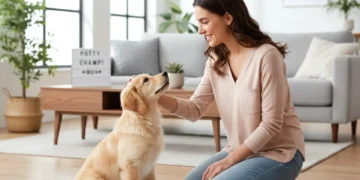
Positive reinforcement means rewarding behaviors you want to see repeated. When your puppy eliminates in the right spot, make a huge fuss!
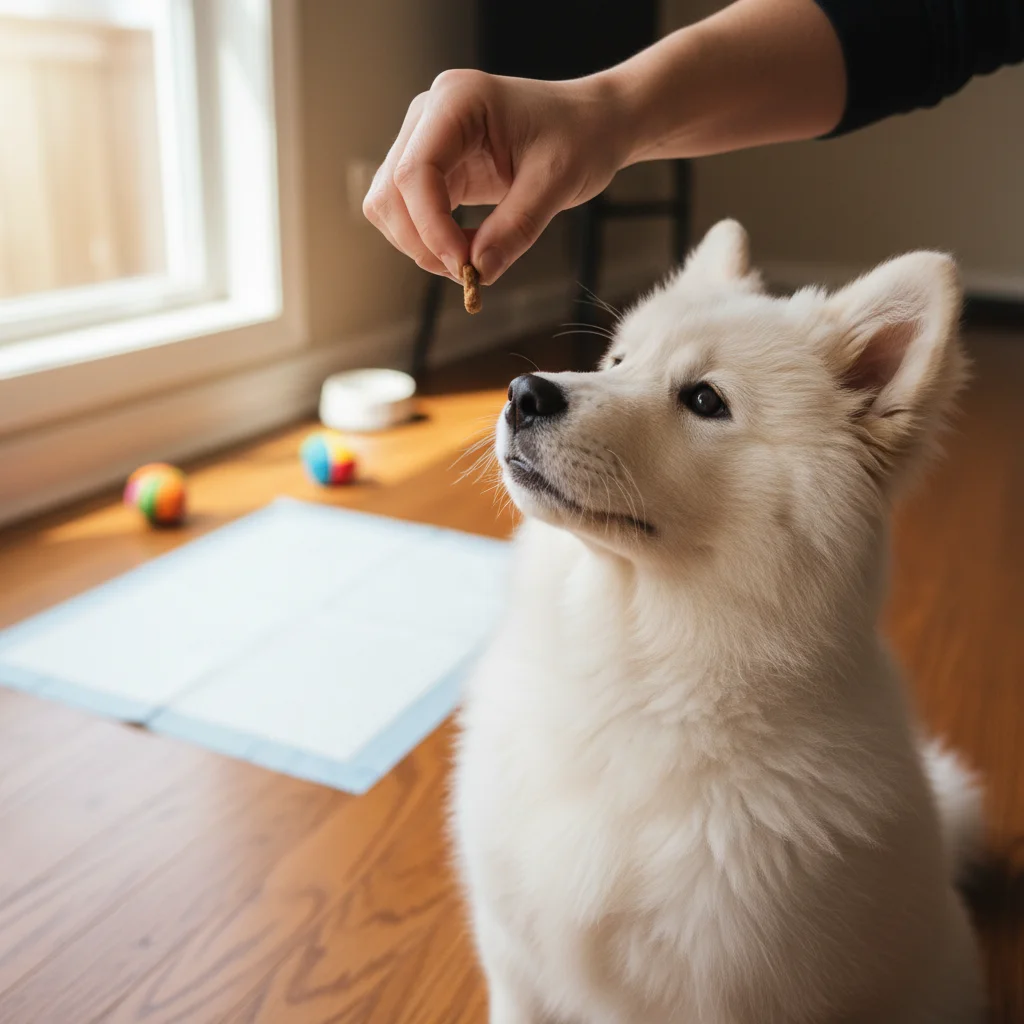
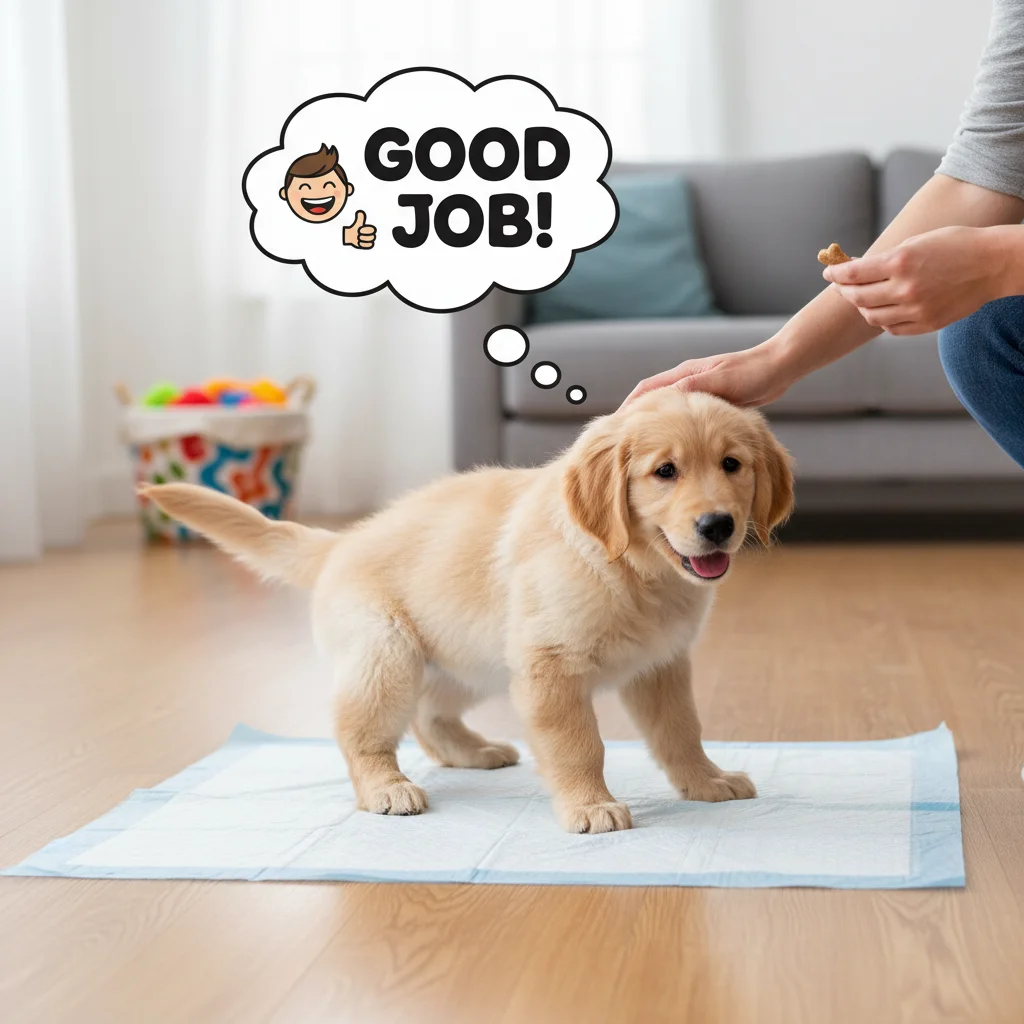
- Immediate Reward: As soon as your puppy finishes going potty outside (or on the pad), immediately offer enthusiastic praise (“Good potty!”), a high-value treat, and perhaps a quick play session. The timing is critical; the reward must happen within a few seconds of the desired behavior.
- High-Value Treats: Use treats your puppy absolutely loves, like small pieces of cooked chicken, cheese, or specialized training treats.
- Consistency is Key: Every single time your puppy goes in the right spot, they should be rewarded.
This positive association teaches your puppy that going potty in the designated area leads to good things, making them more likely to repeat the behavior.
Learning Your Puppy’s Potty Signals:
Puppies usually give subtle (and sometimes not so subtle) clues that they need to go. Learning to recognize these signals is vital for preventing accidents.
- Sniffing around: They might suddenly become very interested in sniffing the floor.
- Circling: Pacing or walking in circles.
- Whining or Barking: Some puppies will vocalize their need.
- Restlessness: Unable to settle down.
- Heading for the door: This is an ideal signal to look for!
- Squatting: The most obvious sign that an accident is imminent.
As soon as you see these signs, calmly and quickly take your puppy to their designated potty area. If they go, reward them heavily. If they don’t, bring them back inside and try again in 10-15 minutes, or put them back in their crate for a short period before trying again.
Day 5-6: Managing Accidents and Expanding Freedom
Even with the best intentions and consistent training, accidents will happen. How you handle them is crucial for effective puppy potty training.
Handling Accidents Gracefully:
- Don’t Punish: Never scold, rub your puppy’s nose in it, or use physical punishment. This only teaches your puppy to fear you and to hide their accidents, making puppy potty training much harder.
- Interrupt and Redirect: If you catch your puppy in the act indoors, clap your hands loudly (not to scare, but to interrupt), say “No!” firmly, and immediately pick them up and take them to their designated potty area. If they finish there, praise and reward.
- Clean Thoroughly: Use an enzymatic cleaner specifically designed to remove pet odors. Regular cleaners might mask the smell for humans, but your puppy’s strong sense of smell will still detect it, potentially encouraging them to go in the same spot again.
- Prevent Future Accidents: Reflect on why the accident happened. Did you miss a signal? Was it too long between potty breaks? Adjust your schedule and supervision accordingly.
Gradually Expanding Freedom:
As your puppy becomes more reliable with their puppy potty training, you can start to gradually increase their freedom in the house. However, this must be done strategically.
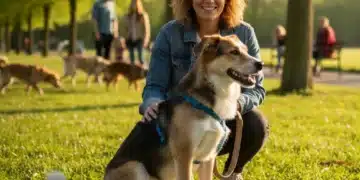
- Supervised Freedom: When your puppy is out of their crate, keep them on a leash attached to you, or keep them in the same room where you can constantly supervise them. This allows you to catch any pre-potty signals immediately.
- Baby Gates: Use baby gates to confine your puppy to a specific, easy-to-clean area (like the kitchen) when you can’t offer direct supervision but don’t want them in their crate.
- Increase Crate Time Gradually: If your puppy is consistently going potty outside and not having accidents in the house during supervised time, you can slowly increase the time they spend out of the crate, always returning to the crate or direct supervision if accidents occur.
The goal is to prevent accidents from happening in the first place, as every accident reinforces the wrong behavior. By managing their environment, you set your puppy up for success.
Day 7 and Beyond: Consistency is Key for Long-Term Success
By day seven, you should see significant progress in your puppy potty training efforts. Your puppy will likely be going outside more consistently and having fewer accidents. However, the journey doesn’t end here. Consistency remains paramount for long-term success.
Reinforce Good Habits:
- Continue the Routine: Maintain your established potty schedule. Even if your puppy seems reliable, a sudden change in routine can set them back.
- Keep Rewarding: While you might not need to give a high-value treat every single time, continue to offer enthusiastic verbal praise and affection for successful potty breaks.
- Teach a Potty Cue: You can introduce a verbal cue like “Go potty” or “Hurry up” while your puppy is eliminating. Over time, this cue can encourage them to go on command, which is incredibly useful for travel or quick trips outside.
Troubleshooting Common Puppy Potty Training Issues:
Even with the best efforts, you might encounter some bumps in the road. Here are common issues and how to address them:
- Regression: If your previously reliable puppy suddenly starts having accidents, consider possible causes. Has their routine changed? Are they experiencing stress? Could it be a medical issue? Rule out health problems first, then re-evaluate your training consistency.
- Submissive Urination: Some puppies pee when they get excited or nervous, especially when greeted. This is not a potty training issue but a behavioral one. Avoid making a big fuss when you arrive home; greet them calmly once they’ve settled.
- Marking: If your puppy is older and starting to mark (especially males), neutering can often help. Continued vigilance and thorough cleaning are also important.
- Separation Anxiety: Accidents that only occur when you leave your puppy alone might be a sign of separation anxiety. This requires a different training approach focused on building confidence and reducing anxiety.
Beyond the 7 Days: Advanced Tips for a Fully House-Trained Puppy
While the initial 7 days focus on establishing fundamental puppy potty training habits, true mastery comes with continued effort and some advanced strategies. Here’s how to ensure your puppy remains reliably house-trained for life.
Gradual Transition to Outdoor Potty Only:
If you’ve been using potty pads, the next step is to transition your puppy to exclusively going outside. This should be a gradual process:
- Move the Pad: Slowly move the potty pad closer to the door over several days.
- Place Outside: Once the pad is right by the door, move it just outside.
- Reduce Pad Size: Gradually cut the pad into smaller pieces, encouraging your puppy to associate the outdoor area with potty time, even without the full pad.
- Eliminate the Pad: Eventually, remove the pad entirely.
Always reward heavily for outdoor success during this transition.
Teaching a Bell to Ring for Potty Breaks:
Many owners find success teaching their puppy to ring a bell to signal their need to go out. This empowers your puppy to communicate with you.
- Hang Bells: Place a set of bells on the doorknob of the door you use to take your puppy outside.
- Cue and Ring: Every time you take your puppy out, gently take their paw and touch it to the bells, saying “Ring the bell!” or “Potty bells!” Then immediately take them outside.
- Reward: When they go potty outside, praise and reward them.
- Puppy Initiates: Soon, your puppy will start to paw at the bells themselves to get your attention. Reward this behavior immediately by taking them out.
Maintaining a Clean Environment:
A clean home is vital for successful puppy potty training. Any lingering scent of previous accidents can attract your puppy back to that spot.
- Enzymatic Cleaners are Non-Negotiable: As mentioned, these cleaners break down the organic matter in urine and feces, eliminating the odor at a molecular level, undetectable even by a puppy’s keen nose.
- Regular Cleaning: Even if you don’t see an accident, regularly clean areas where your puppy spends a lot of time, especially during the initial training phase.
Supervision and Management as Preventative Measures:
Even after 7 days and beyond, good management prevents relapses. Always consider your puppy’s age and bladder capacity.
- When in Doubt, Take Them Out: If you’re unsure if your puppy needs to go, or if it’s been a while, just take them out. It’s always better to be safe than sorry.
- Confinement When Unsupervised: If you have to leave your puppy alone for an extended period, ensure they are in their crate or a safe, confined, and easy-to-clean area with access to a potty pad if necessary.
- Monitor New Environments: When visiting new places or people’s homes, keep your puppy on a leash and watch them closely. Take them out more frequently than usual.
Common Misconceptions and What to Avoid During Puppy Potty Training
Many well-meaning owners fall into common traps that can hinder puppy potty training progress. Avoiding these pitfalls will make your journey smoother.
Punishment Does Not Work:
This cannot be stressed enough. Punishing your puppy for accidents only teaches them:
- To fear you: Your puppy will associate your presence with negative experiences.
- To hide their accidents: They might start going potty in hidden corners, behind furniture, or when you’re not around, making it harder to catch and correct the behavior.
- To hold it inside: This can lead to health problems and anxiety.
Focus solely on rewarding the desired behavior. The absence of a reward for an indoor accident is enough of a consequence.
Assuming Your Puppy Knows:
Just because your puppy had one successful potty break outside doesn’t mean they’ve fully grasped the concept. Repetition and consistency are key. Every successful trip outside reinforces the lesson.
Giving Too Much Freedom Too Soon:
This is a common mistake. A puppy given free rein of the house before being reliably house-trained is a puppy destined for accidents. Earned freedom is the goal; start small and expand gradually based on consistent success.
Not Cleaning Accidents Properly:
As mentioned, using standard household cleaners won’t eliminate the enzymatic scent of urine, which acts as a beacon for your puppy to return to the same spot. Invest in a good quality enzymatic cleaner.
Inconsistency in Schedule:
A fluctuating schedule sends mixed signals to your puppy. Try to maintain a consistent feeding, watering, and potty break schedule, especially during the initial training phase.
Conclusion: A Clean Home and a Happy Puppy Through Positive Reinforcement
Puppy potty training can feel like a monumental task, but by implementing these positive reinforcement techniques consistently over seven days, you’ll be well on your way to a fully house-trained puppy. Remember, patience, consistency, and positive reinforcement are your most powerful tools. Celebrate every success, learn from every accident, and always maintain a loving and understanding approach.
Your puppy is eager to please and wants to learn. By providing clear guidance, a predictable routine, and abundant rewards for good behavior, you’re not just teaching them where to go potty; you’re building a foundation of trust and communication that will strengthen your bond for years to come. Enjoy this journey with your furry companion, and soon you’ll be enjoying a clean home and the joy of a well-behaved puppy who understands exactly where to do their business!