Mastering Pet Potty Training: A 2-Week Blueprint for 2026 Success
Mastering Pet Potty Training: A 2-Week Blueprint for 2026 Success
Welcome to the ultimate guide for achieving full pet potty training success in just two weeks! As pet parents, we all dream of a clean, accident-free home, and with the right approach, this dream is entirely achievable. This 2026 blueprint combines the latest understanding in animal behavior with practical, easy-to-implement strategies to make your pet potty training journey smooth and effective. Whether you have a new puppy, an adopted adult dog, or even a feline friend needing some guidance, the principles of consistency, positive reinforcement, and patience are your best allies.
Potty training can seem daunting, filled with anxieties about accidents and regressions. However, by breaking down the process into manageable steps and understanding your pet’s natural instincts, you can foster a positive learning environment. Our focus will be on daily consistency, establishing a routine, and effectively communicating your expectations to your furry companion. Get ready to transform your pet’s habits and enjoy a harmonious home life!
Understanding the Basics of Pet Potty Training
Before diving into the two-week schedule, it’s crucial to understand the foundational principles that underpin all successful pet potty training. These aren’t just tips; they are the bedrock upon which your pet’s understanding and success will be built.
1. Consistency is Key
This cannot be stressed enough. Pets thrive on routine and predictability. Inconsistent schedules or mixed signals will only confuse your pet and prolong the training process. Every member of the household must be on the same page, using the same commands, rewards, and potty spots. Daily consistency is the single most important factor in rapid pet potty training.
2. Positive Reinforcement
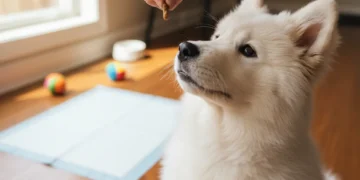
Never punish your pet for accidents. Punishment can lead to fear, anxiety, and a pet that learns to hide its accidents, making training significantly harder. Instead, focus on rewarding desired behavior. When your pet eliminates in the correct spot, offer immediate praise, a high-value treat, or a favorite toy. This creates a strong positive association with going potty in the right place.
3. Supervision and Confinement
During the initial stages of pet potty training, constant supervision is essential. When you can’t actively watch your pet, they should be confined to a safe, small area like a crate, a playpen, or a single pet-proofed room. This prevents accidents from happening in undesired locations and teaches your pet to hold it until they are taken to the appropriate spot. Pets generally do not like to soil their sleeping or eating areas.
4. Establishing a Routine
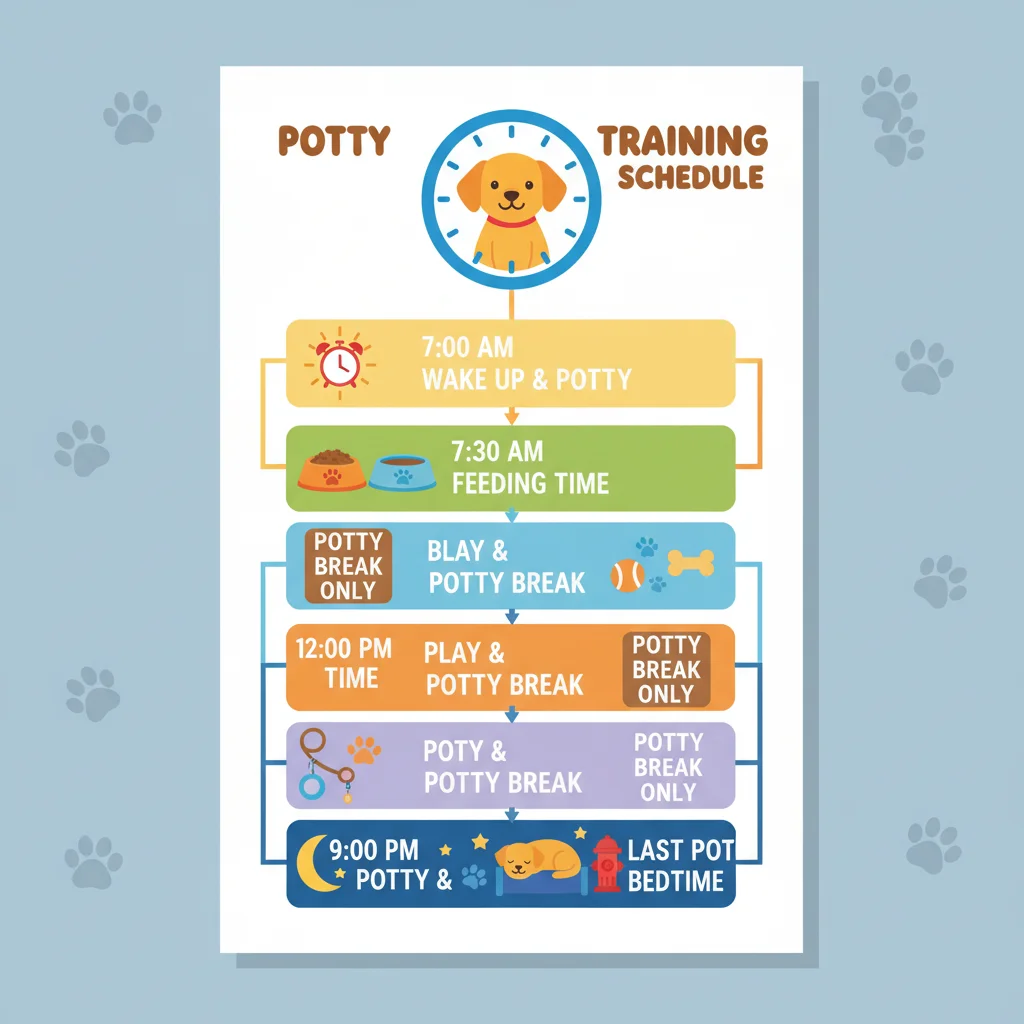
Pets, especially puppies and kittens, have predictable bodily functions. By establishing a strict routine for feeding, waking, playing, and sleeping, you can anticipate when your pet will need to go potty. This routine will be the backbone of our two-week blueprint for effective pet potty training.
5. Choosing the Right Potty Spot
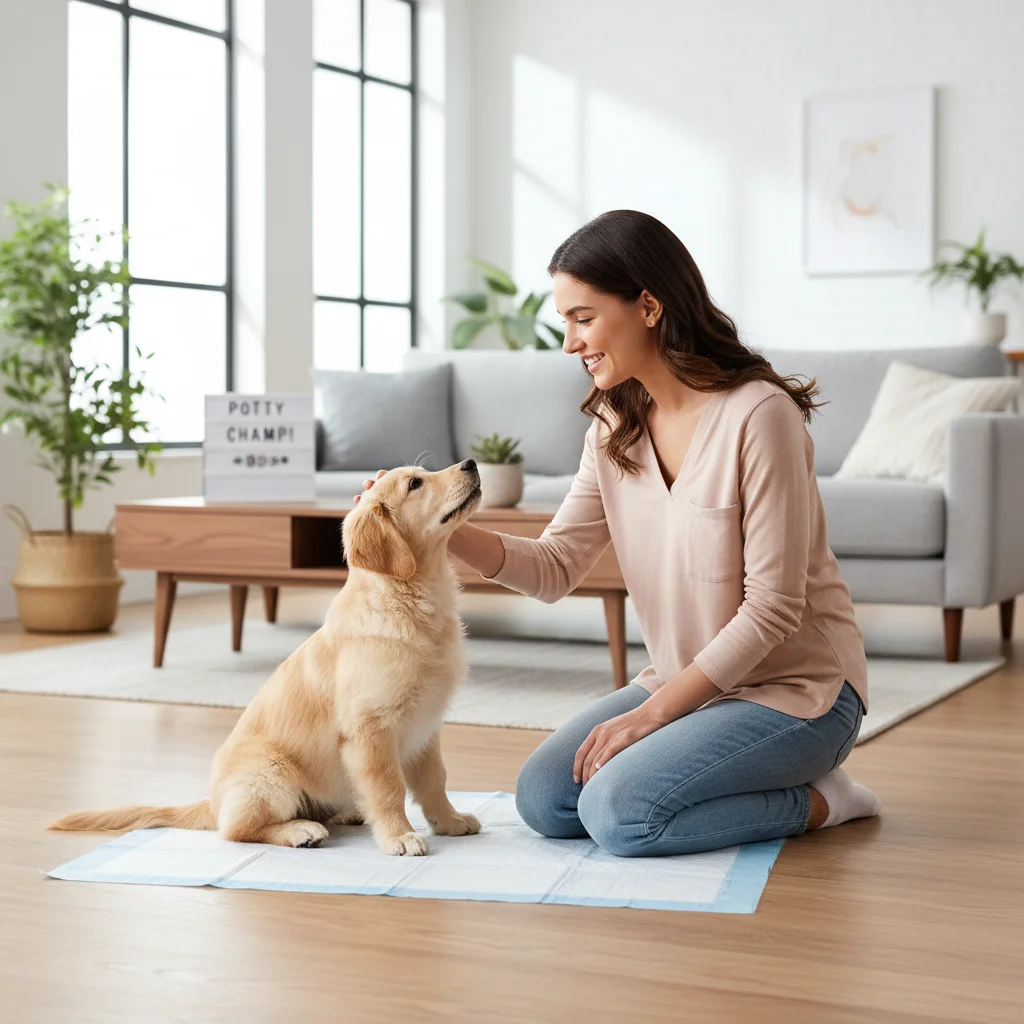
Whether you’re training your pet to go outside or use an indoor potty pad, choose a consistent location. If outside, pick a specific area in your yard. If inside, select a quiet, accessible spot for the potty pad or litter box. Consistency in location helps your pet associate that specific spot with elimination.
The 2-Week Pet Potty Training Blueprint: Daily Breakdown
This blueprint is designed for intensity and rapid learning. Adherence to this schedule, even on weekends, is crucial for success. Remember, every pet is an individual, so be prepared to adjust slightly based on your pet’s needs and learning pace, but always maintain the core principles of consistency and positive reinforcement for your pet potty training efforts.
Week 1: Foundation and Routine Establishment
Day 1-2: Initial Acclimation and Potty Spot Introduction
- Morning (First thing): Immediately take your pet to their designated potty spot upon waking. Use a consistent phrase like “Go potty!” or “Outside!” Wait patiently. When they go, praise enthusiastically and offer a treat.
- After Meals: Within 5-15 minutes after every meal, take your pet to the potty spot. Digestion stimulates elimination.
- After Naps/Play: Any time your pet wakes up or finishes a play session, it’s a good time for a potty break.
- Before Bed: Always take your pet to the potty spot right before their last sleep for the night.
- Interval Potty Breaks: For puppies, this might mean every 1-2 hours. For adult dogs, it could be every 3-4 hours. Observe your pet for signs they need to go (sniffing, circling, whining).
- Confinement: When not actively supervising, confine your pet.
- Accidents: If an accident happens, clean it thoroughly with an enzymatic cleaner to eliminate odors that might attract your pet back to the same spot. No scolding!
Day 3-4: Reinforcing the Schedule and Supervision
- Strict Adherence: Continue the schedule from Day 1-2 with increased vigilance. The more consistent you are, the faster your pet will learn.
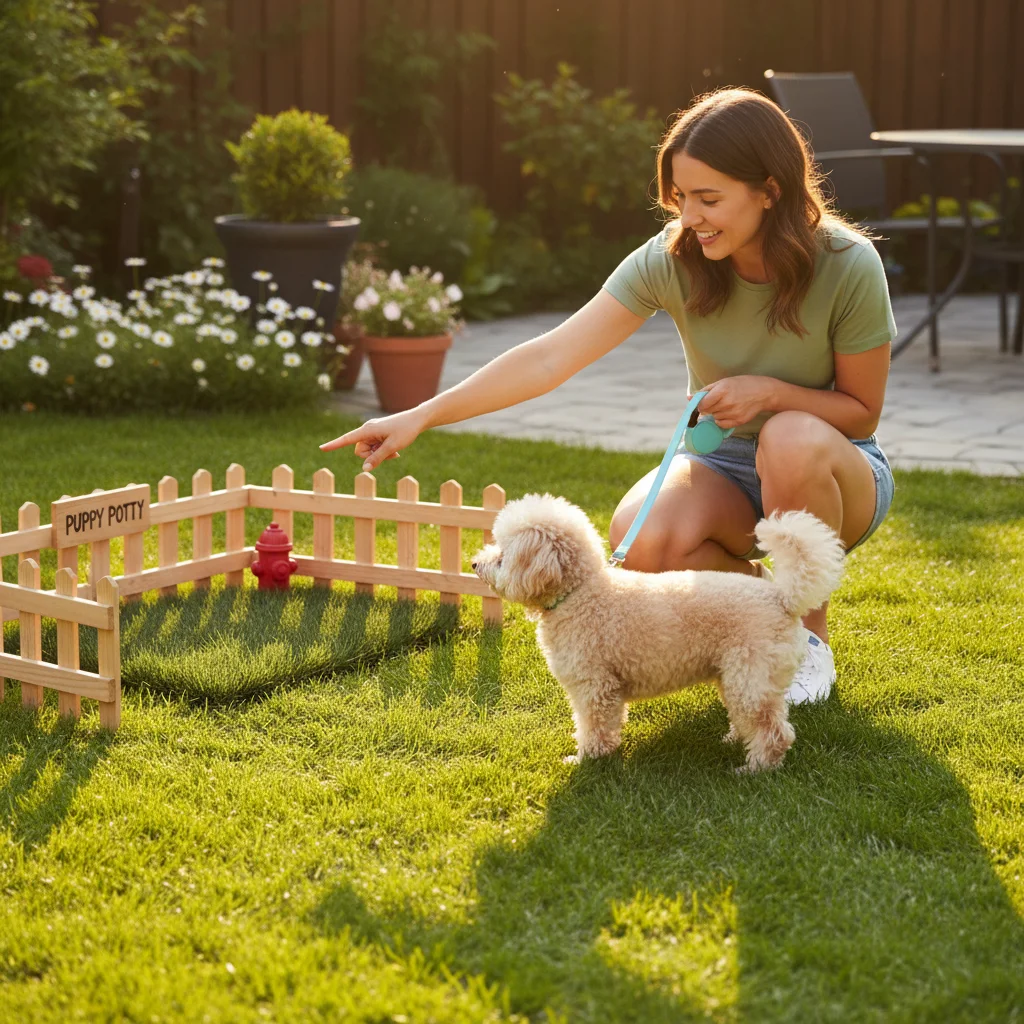
- Leash Potty Breaks: Even if you have a fenced yard, consider taking your pet out on a leash for potty breaks. This helps them focus on the task at hand rather than getting distracted by play. It also reinforces that potty time is a specific activity, not just general outdoor time.
- Extended Supervision: Try to extend periods of active supervision, allowing your pet more freedom in a pet-proofed area while you’re present. This helps identify their pre-potty signals.
- Reward Variety: Start varying your rewards slightly – sometimes a treat, sometimes a quick game, sometimes just enthusiastic praise. This keeps your pet engaged and motivated during pet potty training.
Day 5-7: Expanding Freedom and Solidifying Habits
- Gradual Freedom: If your pet has been consistently going potty in the right spot and hasn’t had accidents during supervised times, gradually allow them more freedom in larger areas of the house, but always under supervision.
- Nighttime Routine: Ensure the last potty break before bed is effective. If your pet is a puppy, set an alarm for a middle-of-the-night potty break, gradually extending the time between breaks.
- Anticipating Needs: By now, you should be getting better at anticipating when your pet needs to go. Look for subtle cues like restlessness, sniffing, or heading towards a specific door.
- Consistency Across Family: Reiterate the importance of consistency with all family members. Everyone must follow the same rules for successful pet potty training.
Week 2: Advanced Training and Troubleshooting
Day 8-10: Testing Boundaries and Preventing Regressions
- Increased Time Between Breaks: Gradually increase the time between scheduled potty breaks, but always err on the side of caution. If your pet has an accident, you’ve pushed them too far too quickly.
- Door Bells/Signals: If you want your pet to signal when they need to go out, start introducing a bell hung on the door. Every time you take them out, gently tap their paw to the bell, then open the door. Soon, they’ll associate the bell with going outside. This is a great addition to your pet potty training regimen.
- Addressing Issues: If accidents are still occurring, re-evaluate your supervision, confinement, and frequency of potty breaks. Are you being consistent enough? Is the potty spot appealing?
- Outdoor Distractions: If training outside, minimize distractions. Keep potty breaks focused and efficient.
Day 11-12: Independent Pottying and Reinforcement
- Independent Elimination: Your pet should now be reliably going to their designated potty spot. Continue to reward them, perhaps with less intensity but still consistently.
- Observational Learning: Allow your pet supervised access to more areas of the house. Watch for any signs of discomfort or pre-potty behavior.
- Proofing: Try to introduce new situations. Can your pet hold it when guests are over? Can they signal when you’re busy? This helps generalize their pet potty training.
Day 13-14: Solidifying Independence and Long-Term Strategies
- Almost There: By the end of two weeks, your pet should be largely house-trained. Accidents should be rare and usually due to an oversight on your part (e.g., forgetting a scheduled break).
- Continued Routine: Maintain the established routine. While you can relax a bit, sudden changes can lead to setbacks.
- Long-Term Consistency: Even after your pet is fully trained, occasional rewards for outdoor pottying can help reinforce the behavior.
- Recognize Your Success: Celebrate your hard work and your pet’s amazing progress! You’ve successfully completed the intensive phase of pet potty training.
Common Pet Potty Training Challenges and Solutions
Even with the best blueprint, challenges can arise. Here are some common issues and how to address them effectively during your pet potty training journey:
1. Accidents Inside
- Solution: This is often a sign that your pet is getting too much freedom too soon, or your potty breaks aren’t frequent enough. Increase supervision, reduce the area your pet has access to, and take them out more often. Re-evaluate your feeding schedule as well.
2. Pet Won’t Go Potty Outside
- Solution: Some pets are easily distracted outdoors. Take them to a quiet, designated spot. Keep potty breaks strictly business – no playing until they’ve done their business. If they still don’t go, bring them inside and immediately confine them for 10-15 minutes, then try again. Repeat until successful.
3. Submissive or Excitement Urination
- Solution: This isn’t a training issue but a behavioral one. For submissive urination, avoid towering over your pet or making direct eye contact. Greet them calmly. For excitement urination, keep greetings low-key until your pet has calmed down. Take them out to potty before guests arrive or before exciting events.
4. Marking Behavior
- Solution: Common in intact males, but can happen with females too. Neutering/spaying often helps. Thoroughly clean marked areas with enzymatic cleaners. Increase outdoor potty breaks and supervise closely indoors. If it’s a new behavior, consult your vet to rule out medical issues.
5. Regression in Potty Training
- Solution: A sudden change in your pet’s potty habits warrants a vet visit first to rule out medical conditions like UTIs. If medically cleared, it’s usually a sign that consistency has slipped. Go back to basics: increased supervision, more frequent potty breaks, and a stricter routine.
Essential Tools for Successful Pet Potty Training
Having the right equipment can make your pet potty training journey much smoother:
- Crate: An invaluable tool for confinement and teaching bladder control. Ensure it’s appropriately sized – just enough room to stand up, turn around, and lie down, but not so large that they can potty in one corner and sleep in another.
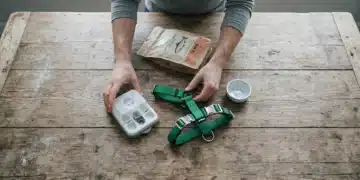
- Leash and Collar/Harness: For safe and controlled outdoor potty breaks.
- High-Value Treats: Small, soft, and irresistible treats for immediate rewards.
- Enzymatic Cleaner: Absolutely essential for cleaning accidents. Regular cleaners might mask the smell for humans but not for pets, who will be drawn back to the same spot.
- Potty Pads (Optional): Useful for puppies, small breeds, or apartment living, but be mindful of transitioning away from them if your goal is outdoor-only pottying.
- Poop Bags: Always be a responsible pet owner and clean up after your pet.
- Pet-Friendly Gate or Playpen: For supervised confinement in larger areas.
Beyond Two Weeks: Maintaining Pet Potty Training Success
While the intensive two-week blueprint aims for rapid results, pet potty training is an ongoing process of reinforcement and habit formation. Even after your pet is reliably trained, there are steps you can take to ensure long-term success:
1. Stick to the Routine (Mostly)
While you don’t need to be as rigid as in the first two weeks, maintaining a generally consistent feeding and potty schedule helps your pet thrive. Sudden, drastic changes can disrupt their internal clock.
2. Continue Praising Good Behavior
Even an adult, fully trained pet appreciates a kind word or a pat on the head when they go potty in the right place. It reinforces that they’re doing a good job.
3. Be Aware of Changes
Any sudden increase in accidents or changes in potty habits should be a signal to consult your veterinarian. It could indicate a medical issue that needs attention.
4. Travel and New Environments
When traveling or introducing your pet to a new environment, revert to a more structured potty schedule initially. New places can be confusing or stimulating, leading to temporary setbacks. Show them their new designated potty spot immediately.
5. Patience and Understanding
Remember that pets are living beings, and occasional accidents can happen. Approach these moments with patience and understanding, and simply reinforce the training. Your bond with your pet is strengthened through positive interactions, even during challenging times.
Conclusion: Your Path to a Potty-Trained Pet in 2026
Achieving full pet potty training success in just two weeks is an ambitious but entirely attainable goal with this 2026 blueprint. The core principles of consistency, positive reinforcement, and a well-structured routine are your most powerful tools. By dedicating yourself to this intensive two-week plan, you will not only teach your pet where to go but also build a stronger, more trusting relationship based on clear communication and mutual respect.
Say goodbye to frustrating accidents and hello to a cleaner, happier home. Your commitment now will pay dividends in years of stress-free companionship with your well-behaved furry family member. Start your pet potty training journey today, and by the end of two weeks, you’ll be celebrating a major milestone with your beloved pet!