Housetraining Your New Puppy in Under 2 Weeks: A 2026 Guide to Success (PRACTICAL SOLUTIONS)
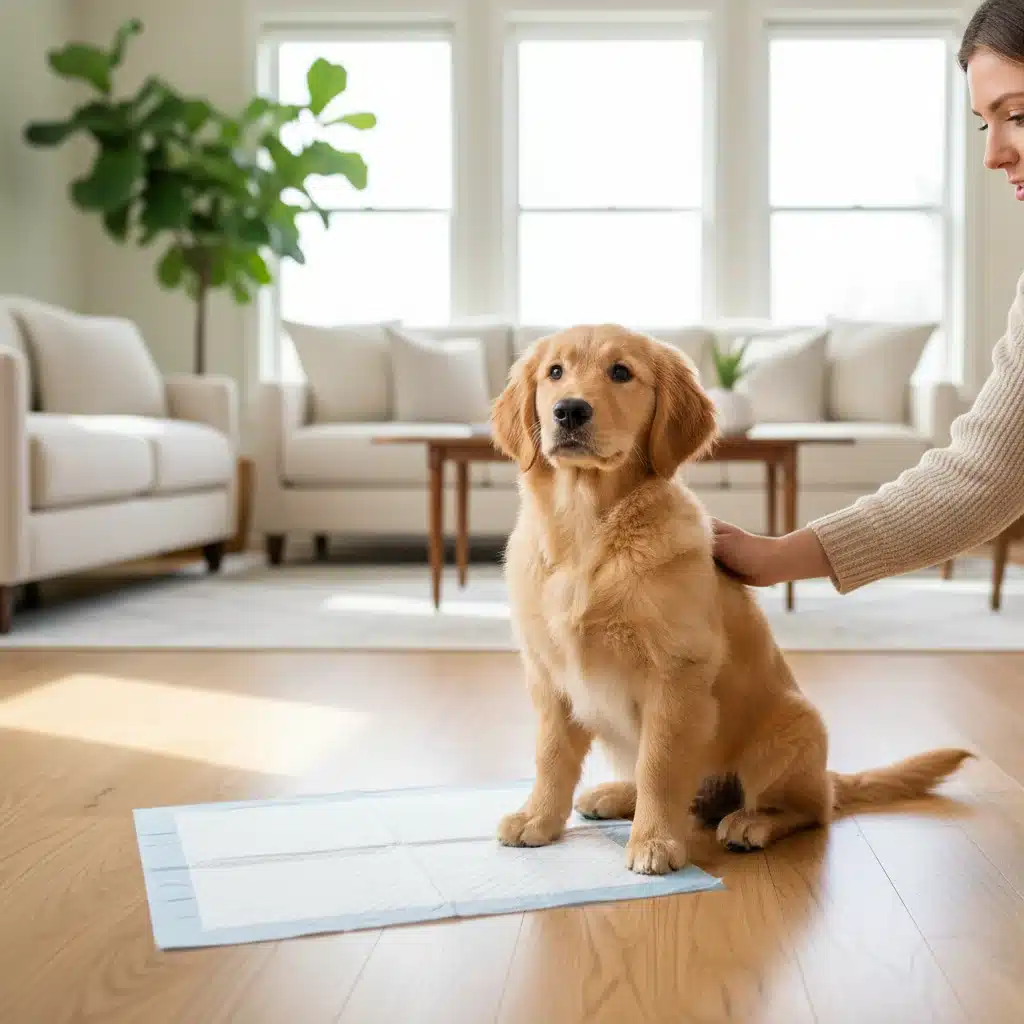
Housetraining Your New Puppy in Under 2 Weeks: A 2026 Guide to Success (PRACTICAL SOLUTIONS)
Bringing a new puppy home is an incredibly exciting experience. Their playful antics, soft fur, and unconditional love can brighten any day. However, along with the joy comes the significant responsibility of teaching them the ropes of living in a human household. One of the most critical, and often challenging, aspects of this is successful housetraining. The good news? With the right approach, consistency, and a bit of patience, you can master puppy housetraining in under two weeks. This comprehensive 2026 guide is designed to provide you with practical solutions and a clear roadmap to achieve this goal.
Many new puppy owners feel overwhelmed by accidents, but remember, your puppy isn’t doing it to spite you. They simply haven’t learned where the appropriate place to relieve themselves is yet. Their bladders are small, their control is limited, and their instinct is to go when they need to go. Our job as responsible pet parents is to guide them gently and effectively. This guide will delve into the core principles of effective puppy housetraining, offering actionable advice to ensure a clean and happy home for both you and your furry friend.
Understanding Puppy Physiology and Behavior
Before diving into specific techniques, it’s crucial to understand why puppies have accidents and how their bodies work. This foundational knowledge will help you approach puppy housetraining guide with empathy and effectiveness.
- Small Bladders: Puppies, especially those under 16 weeks, have very small bladders and limited control over them. They can’t “hold it” for long periods. A general rule of thumb is that a puppy can hold their bladder for approximately one hour per month of age, plus one hour. So, a two-month-old puppy can hold it for about three hours. This means frequent potty breaks are non-negotiable.
- Instinct to Keep Den Clean: Dogs are naturally den animals. In the wild, they wouldn’t soil their den. We can leverage this instinct through crate training, which we’ll discuss later. A crate becomes their ‘den,’ and they will naturally try to avoid soiling it.
- Lack of Communication: Your puppy doesn’t know how to tell you they need to go out yet. It’s up to us to anticipate their needs and teach them a reliable signal.
- Learning by Association: Puppies learn through positive reinforcement and association. If they are consistently rewarded for going in the right spot, they will quickly learn that’s where they should go.
The Golden Rules of Puppy Housetraining
These principles form the backbone of any successful puppy housetraining guide. Adhere to them diligently for the best results.
1. Consistency is Key
This cannot be stressed enough. Every member of the household must be on the same page regarding schedules, commands, and rewards. Inconsistency will only confuse your puppy and prolong the training process. Establish a routine and stick to it.
2. Supervision, Supervision, Supervision
When your puppy is not confined (in a crate or playpen), they should be under your direct supervision. This means they are either on a leash with you, in the same room, or tethered to you. This allows you to interrupt accidents before they happen and rush them outside.
3. Positive Reinforcement
Never punish your puppy for an accident. Punishment can make them fearful of you and may lead them to hide their accidents, making training much harder. Instead, lavish praise and treats when they go in the designated spot. Make it a party!
4. Establish a Potty Spot
Choose a specific area in your yard or designated outdoor space for your puppy to relieve themselves. Always take them to this spot. The scent of previous eliminations will encourage them to go there again.
5. Clean Accidents Thoroughly
Use an enzymatic cleaner to clean up any indoor accidents. Regular household cleaners might remove the stain for you, but they often leave behind odors that only a dog can detect, encouraging them to go in that same spot again.
The Step-by-Step Puppy Housetraining Guide in Under 2 Weeks
Let’s break down the practical steps to achieve fast puppy housetraining success.
Step 1: The Potty Schedule – Your New Best Friend
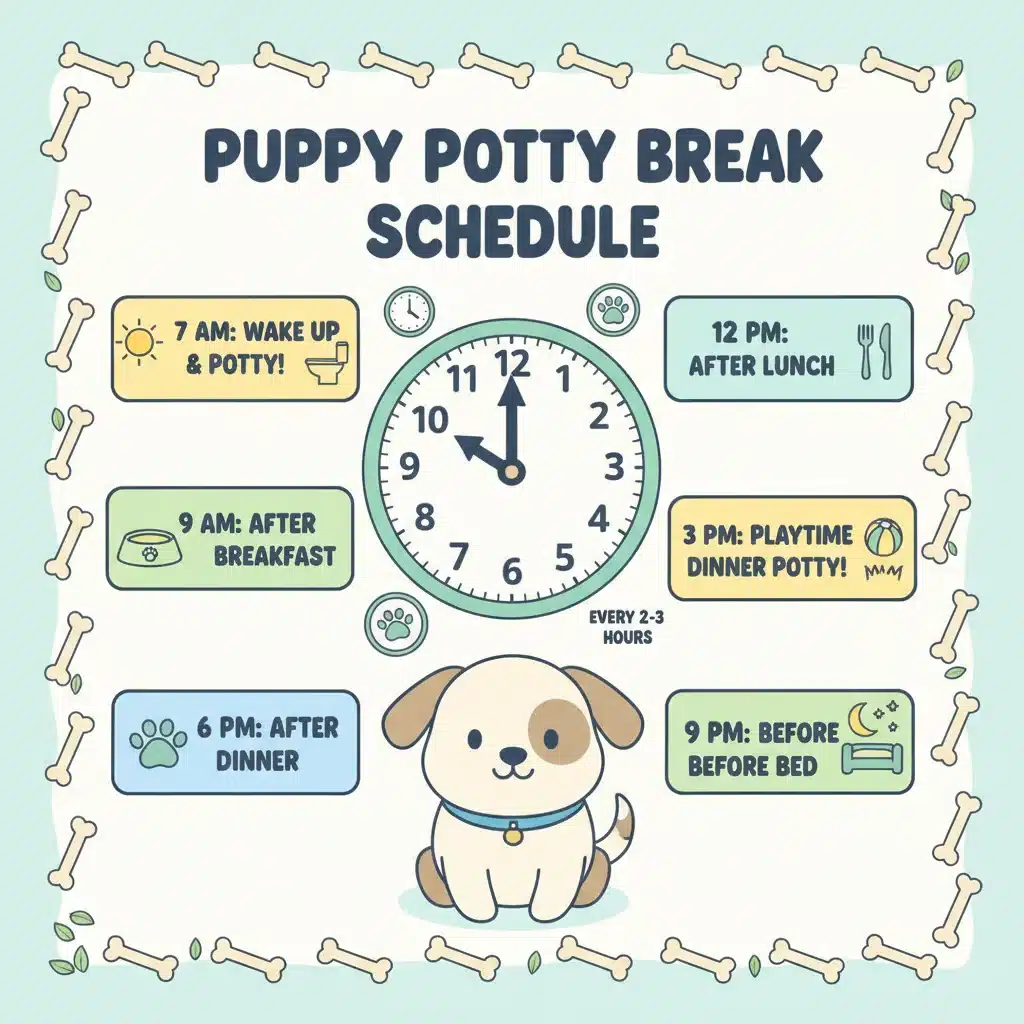
A predictable schedule is the single most important tool in your puppy housetraining guide arsenal. Puppies thrive on routine. Here’s a sample schedule, but remember to adjust it based on your puppy’s age, breed, and individual needs:
- First Thing in the Morning: Immediately upon waking up, carry or quickly walk your puppy to their designated potty spot.
- After Each Meal: Within 5-15 minutes after eating or drinking, take them out. Digestion stimulates elimination.
- After Naps/Playtime: Excitement and activity can stimulate the bladder and bowels. Take them out after every nap and vigorous play session.
- Before Bedtime: This is a crucial last trip out before settling down for the night.
- Every 1-3 Hours During the Day: Depending on their age, take them out proactively at regular intervals. Set a timer if you need to!
- During the Night (for young puppies): For very young puppies, you might need to wake up once or twice during the night for a quick potty break.
Step 2: Crate Training – The Ultimate Housetraining Tool
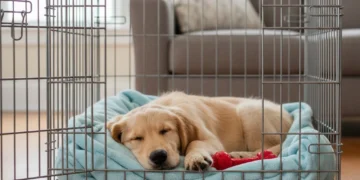
Crate training is not cruel; it’s a highly effective and humane puppy housetraining guide strategy when done correctly. As mentioned, dogs naturally avoid soiling their den. A properly sized crate leverages this instinct.
- Choosing the Right Crate: The crate should be just large enough for your puppy to stand up, turn around, and lie down comfortably. If it’s too large, they might use one end as a bathroom and the other as a bed. Many crates come with dividers to adjust the size as your puppy grows.
- Making the Crate Positive: Never use the crate as punishment. Make it a safe, comfortable place. Put soft bedding, a favorite toy, and occasionally a treat or a Kong filled with peanut butter inside.
- Crate Schedule: Your puppy should spend time in their crate when you can’t actively supervise them (e.g., when you’re busy, showering, or sleeping). Remember the “one hour per month of age” rule for how long they can stay in the crate. Always take them out to potty immediately before and after crate time.
Step 3: Leash Trips and Potty Cues
Every trip outside for potty should be a structured event, especially in the early stages of your puppy housetraining guide journey.
- Leash On: Always take your puppy out on a leash, even in a fenced yard. This helps you guide them to the designated spot and prevents them from getting distracted by play.
- Potty Command: As soon as you get to the spot, use a consistent potty command like “Go Potty,” “Hurry Up,” or “Do Your Business.” Repeat it softly as they sniff around.
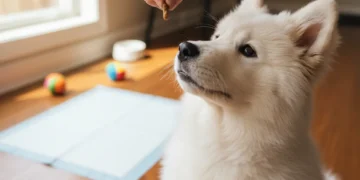
- Reward Immediately: The absolute moment your puppy finishes eliminating, offer enthusiastic praise (“Good Potty!”) and a high-value treat. The timing is critical – the reward must happen within 1-2 seconds of them finishing so they associate the treat with the act of going in the right place.
- No Play Until After: Until they’ve gone potty, keep it strictly business. Once they’ve done their business and been rewarded, you can then engage in a short play session in the yard as an additional reward. This teaches them that going potty quickly leads to more fun.
Step 4: Handling Accidents
Accidents will happen. It’s part of the puppy housetraining guide process. How you react is crucial.
- Catch Them in the Act: If you catch your puppy squatting indoors, immediately interrupt them with a sharp clap or an “Ah-ah!” Then, quickly pick them up (if small enough) or leash them and rush them to their designated outdoor spot. If they finish outside, praise and reward.
- If You Find an Accident: If you discover an accident after the fact, simply clean it up thoroughly with an enzymatic cleaner. Do not scold your puppy. They won’t understand why they’re being punished, especially if minutes or hours have passed since the event. Punishment after the fact is ineffective and can damage your bond.
Step 5: Overnight Training and Management
Nighttime can be a challenge for puppy housetraining guide, but with proper management, it’s manageable.
- Last Potty Break: Ensure the very last thing you do before bed is take your puppy out for a potty break.
- Crate by Your Bed: For young puppies, keep their crate in your bedroom or close by. This allows you to hear them if they stir or whine in the middle of the night, signaling they need to go out.
- Middle-of-the-Night Breaks: If your puppy is very young (8-12 weeks), you may need to set an alarm to take them out once or twice during the night. Keep these trips strictly business – no play, minimal interaction. Take them out, let them potty, and immediately put them back in the crate. As they get older, you can gradually extend the time between these breaks.
- Limit Water Before Bed: Stop giving water about 2-3 hours before their final bedtime potty break.
Advanced Tips for a Speedy Housetraining Process
Beyond the basics, these strategies can further accelerate your puppy housetraining guide success.
Utilizing a Playpen or Gated Area
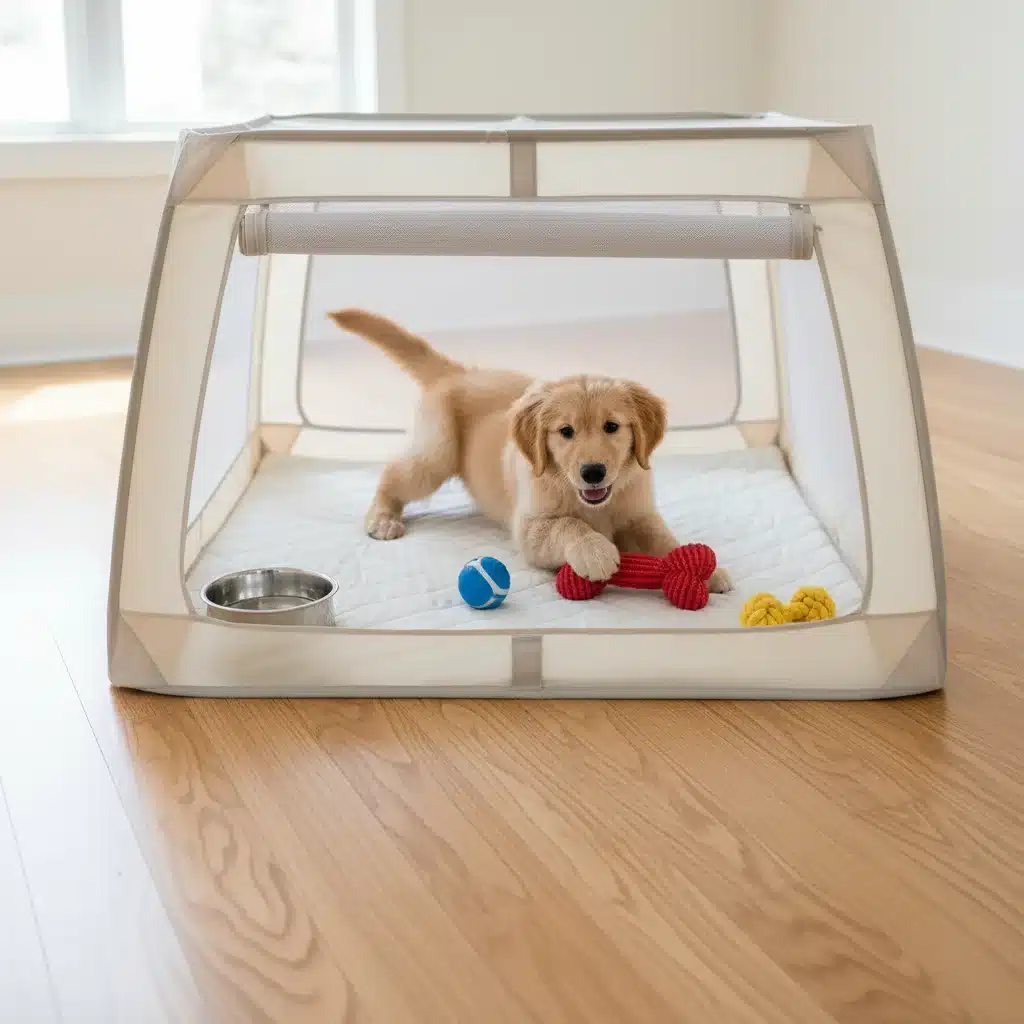
When you can’t actively supervise your puppy but they don’t need to be in their crate, a playpen or a gated-off, puppy-proofed area is invaluable. This confines them to a smaller, safe space, reducing the likelihood of accidents in unsupervised areas and making cleanup easier if an accident does occur. Ensure it has a bed, water, and some toys.
Bells on the Door
Many owners find success by hanging bells on the door their puppy uses to go outside. Gently teach your puppy to nose or paw the bells before you open the door to let them out. Soon, they will learn to ring the bells themselves to signal their need to go.
Journaling Potty Habits
For the first few days, keep a log of when your puppy eats, drinks, naps, and, most importantly, when they go potty (both urine and feces). This will help you identify their individual patterns and predict when they will need to go out, making your schedule even more effective.
Dealing with Submissive or Excitement Urination
Some puppies may urinate when they are overly excited (e.g., when you come home) or when they are submissive (e.g., if you scold them). This is different from a housetraining accident. For excitement urination, keep greetings calm and low-key until they are older and have better bladder control. For submissive urination, avoid harsh tones or intimidating body language.
What if My Puppy Eats Their Poop (Coprophagia)?
This is a common, albeit unpleasant, behavior in puppies. While often harmless, it can interfere with housetraining as they are essentially ‘cleaning up’ their own messes. The best approach is immediate supervision and prompt cleanup of all eliminations. Taking them out on a leash ensures you can pick up their waste right away, preventing them from eating it. Consult your vet if it becomes a persistent issue, as sometimes it can be linked to nutritional deficiencies or anxiety.
Common Housetraining Mistakes to Avoid
Being aware of these pitfalls can save you time and frustration in your puppy housetraining guide journey.
- Punishing Accidents: As mentioned, this is counterproductive. It teaches fear, not proper elimination.
- Not Enough Potty Breaks: Underestimating how frequently a young puppy needs to go out is a recipe for disaster.
- Giving Too Much Freedom Too Soon: Your puppy hasn’t earned full run of the house until they are reliably housetrained.
- Inconsistent Routine: Varying schedules or commands confuses your puppy.
- Not Cleaning Accidents Thoroughly: Lingering odors invite repeat offenses.
- Leaving Water Out All Night (for young puppies): While access to water is important, limiting it before bed can help prevent nighttime accidents in very young puppies.
- Not Rewarding Properly: The reward must be high-value (something they truly love) and given immediately after the act.
When to Seek Professional Help
Most puppies can be housetrained successfully using the methods outlined in this puppy housetraining guide. However, if you’re struggling despite consistent effort, or if your puppy suddenly starts having accidents after being reliably housetrained, it’s wise to consult a professional.
- Veterinarian: A sudden change in housetraining habits can sometimes indicate an underlying medical issue, such as a urinary tract infection (UTI), kidney problems, or other health concerns. Always rule out medical causes first.
- Professional Dog Trainer/Behaviorist: If medical issues are ruled out, a certified professional dog trainer or veterinary behaviorist can provide personalized guidance, assess your specific situation, and offer tailored strategies.
The Two-Week Goal: Realistic Expectations
Can you truly housetrain a puppy in under two weeks? For many, yes! The “under two weeks” goal is achievable for puppies who are 8-12 weeks old, have no underlying medical conditions, and whose owners are highly committed to following a strict, consistent routine. For some puppies, especially those from challenging backgrounds or with slower learning curves, it might take a bit longer. The key is to celebrate small victories and remain patient and consistent. Every day without an accident is a step closer to a fully housetrained dog.
Conclusion: A Clean Home and a Happy Puppy
Housetraining your new puppy doesn’t have to be a daunting task. By understanding your puppy’s natural instincts, implementing a consistent schedule, utilizing crate training, and employing positive reinforcement, you can guide your furry companion to become a reliably housetrained member of your family. This 2026 puppy housetraining guide provides all the practical solutions you need to succeed. Remember, patience, consistency, and a loving approach are your greatest assets. Soon, those early days of frequent potty breaks will be a distant memory, replaced by the joy of a clean home and a well-adjusted, happy puppy.
Embrace the process, celebrate every success, and enjoy the incredible bond you’re building with your new best friend. Happy training!