Expert Tips: 7 Ways to Spot a Reputable Pet Breeder in the U.S. in 2026 to Avoid Scams (INSIDER KNOWLEDGE)

Expert Tips: 7 Ways to Spot a Reputable Pet Breeder in the U.S. in 2026 to Avoid Scams (INSIDER KNOWLEDGE)
Bringing a new pet into your home is an exciting journey, one filled with anticipation and joy. However, the path to finding your perfect furry, feathered, or scaled companion can sometimes be fraught with challenges, especially when it comes to identifying a reputable pet breeder. In today’s digital age, with countless online listings and a booming pet market, distinguishing between an ethical breeder and a scammer or a puppy mill operator has become more critical than ever. This comprehensive guide, updated for 2026, will equip you with insider knowledge and seven essential tips to confidently spot a reputable pet breeder in the U.S., ensuring you make a responsible choice for your family and your new pet.
The decision to acquire a pet is a significant one, carrying with it a commitment to care, love, and financial responsibility for many years. Opting for a pet from a reputable pet breeder not only supports ethical animal husbandry but also significantly increases the likelihood of bringing home a healthy, well-socialized animal free from genetic predispositions to certain diseases or behavioral issues. Conversely, falling victim to a scam or inadvertently supporting an irresponsible breeder can lead to heartbreaking consequences, including sick pets, exorbitant veterinary bills, and emotional distress. Therefore, understanding how to identify a truly reputable pet breeder is paramount.
Our goal is to empower you with the knowledge to navigate the pet acquisition landscape with confidence. We’ll delve into the specific characteristics that define a reputable pet breeder, from their transparency and commitment to animal welfare to their involvement in breed-specific organizations and their post-adoption support. By the end of this article, you’ll be well-prepared to ask the right questions, observe the crucial details, and ultimately make an informed decision that benefits both you and your future companion. Let’s embark on this journey to discover the hallmarks of a truly reputable pet breeder.
1. Transparency and Open Communication: The Cornerstone of a Reputable Pet Breeder
One of the most telling signs of a reputable pet breeder is their willingness to communicate openly and transparently. This isn’t just about answering your questions; it’s about proactively providing information and being an open book regarding their breeding practices, the health of their animals, and their facility. A breeder who operates with integrity has nothing to hide and welcomes scrutiny.
What to Look For:
- Detailed Information: A reputable pet breeder will offer comprehensive details about the parents of the litter, including their health clearances, pedigrees, and temperaments. They should be able to articulate why they chose a particular pairing and what qualities they aim to produce in the offspring.
- Open Dialogue: Expect a reputable pet breeder to ask you as many questions as you ask them. They want to ensure their animals are going to good homes and that you are prepared for the responsibilities of pet ownership. This two-way interview process is a positive indicator.
- Facility Visits (Virtual or In-Person): In 2026, while in-person visits remain ideal, many reputable pet breeders are also adept at providing virtual tours of their facilities, especially if distance is a factor. They should allow you to see where the animals are raised, meet the parents, and observe the living conditions. Be wary of breeders who refuse visits or insist on meeting in a neutral location like a parking lot or a public park. This is a significant red flag, often indicative of a puppy mill or an irresponsible operation.
- Honesty About Challenges: No breeding program is perfect. A reputable pet breeder will be honest about any challenges they’ve faced, such as a litter with a minor health issue or a particular temperament trait in a bloodline. Their transparency builds trust.
- Availability for Follow-Up: The communication shouldn’t end once you’ve taken your pet home. A reputable pet breeder will be available for follow-up questions and support throughout your pet’s life.
Remember, a breeder who is evasive, pressuring, or unwilling to share information is likely not a reputable pet breeder. Your instincts are a powerful tool here; if something feels off, it probably is.
2. Health Clearances and Veterinary Care: Prioritizing Well-being
The health of their animals should be the top priority for any reputable pet breeder. This goes far beyond just appearing healthy; it involves rigorous health testing, proper veterinary care, and a deep understanding of breed-specific health concerns. This is where a significant difference lies between a backyard breeder and a reputable pet breeder.
Key Indicators:
- Genetic Health Testing: For most purebred animals, there are known genetic conditions prevalent in certain breeds (e.g., hip and elbow dysplasia in large dogs, certain heart conditions in cats, eye diseases in many breeds). A reputable pet breeder will perform comprehensive genetic health screenings on their breeding animals *before* breeding them. They should be able to provide documentation of these clearances from recognized registries or veterinary specialists (e.g., OFA, PennHIP, CERF).
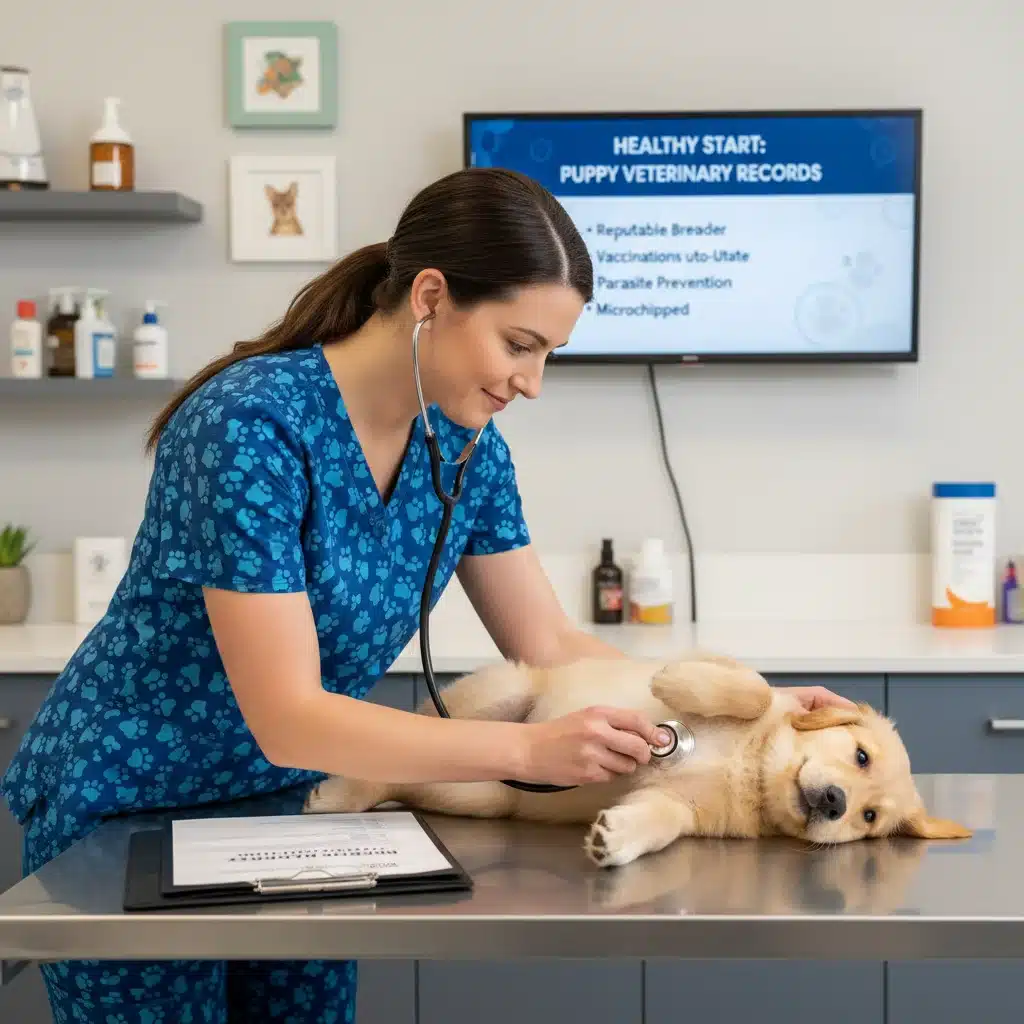
- Veterinary Records: Expect to see up-to-date veterinary records for the puppies/kittens/etc., including vaccination schedules, deworming, and initial health checks. A reputable pet breeder will ensure their animals receive age-appropriate veterinary care.
- Health Guarantee/Contract: A strong indicator of a reputable pet breeder is a written health guarantee or contract. This document typically outlines the breeder’s responsibility for genetic health issues that may arise within a certain timeframe after purchase. It shows their confidence in the health of their animals and their commitment to standing by their breeding program. Be wary of guarantees that are overly restrictive or short-lived.
- No Early Separation: A reputable pet breeder will never allow puppies or kittens to leave their mother before they are developmentally ready, typically around 8-12 weeks of age, depending on the species and breed. Early separation can lead to significant behavioral and health problems.
- Appropriate Living Conditions: While visiting, observe the general health and cleanliness of all animals. Are they well-fed, hydrated, and free from visible signs of illness or neglect? Are their living quarters clean and spacious? A reputable pet breeder maintains excellent hygiene and provides a stimulating environment.
3. Socialization and Environment: Nurturing Well-Adjusted Pets
A reputable pet breeder understands that early socialization is just as crucial as genetic health for developing a well-adjusted pet. The environment in which an animal is raised during its formative weeks significantly impacts its temperament and ability to adapt to a new home.
What to Observe:
- Exposure to Various Stimuli: Puppies and kittens from a reputable pet breeder should be exposed to a variety of sights, sounds, and experiences from a young age. This includes household noises, different surfaces, gentle handling by various people, and interaction with other well-socialized animals.
- Interaction with People: The animals should appear comfortable and happy around people, not shy or fearful. A reputable pet breeder spends time interacting with each individual animal, fostering positive human-animal bonds.
- Clean and Stimulating Environment: The living area should be clean, safe, and provide appropriate enrichment. This means toys, comfortable bedding, and space for exploration. Overcrowded or unsanitary conditions are hallmarks of irresponsible breeding.
- Mother’s Temperament: Observe the mother’s behavior. A calm, friendly, and well-adjusted mother is a good indication that the offspring will inherit similar traits and have a positive role model. If the mother is fearful or aggressive, it’s a red flag.
- Individual Attention: A reputable pet breeder typically has a manageable number of animals, allowing them to provide individual attention and care to each one. Breeders with numerous litters or a wide variety of breeds might be prioritizing quantity over quality.
The first few weeks of an animal’s life are critical for developing its personality. A reputable pet breeder invests time and effort into this crucial developmental stage, laying the groundwork for a confident and happy companion.
4. Specialization and Breed Knowledge: Expertise in Their Chosen Field
A true reputable pet breeder is passionate and knowledgeable about the specific breed(s) they work with. They are not simply producing animals; they are dedicated to preserving and improving the breed standards.
Signs of Specialization:
- Focus on One or Two Breeds: Most reputable pet breeders specialize in one, or perhaps two, complementary breeds. Breeders who offer a wide array of different breeds are often operating on a larger, less personal scale, which can compromise individual animal care and breed integrity.
- In-depth Breed Knowledge: They should be able to discuss the breed’s history, temperament, common health issues, grooming needs, exercise requirements, and suitability for various lifestyles. They are a walking encyclopedia for their chosen breed.
- Involvement in Breed Clubs/Activities: Many reputable pet breeders are active members of national or local breed clubs, participate in dog shows, obedience trials, or other breed-specific events. This demonstrates their commitment to the breed and their desire to contribute positively to its future.
- Mentorship and Education: A reputable pet breeder often serves as a mentor to new owners, providing guidance and education throughout the pet’s life. They are invested in the long-term success of their animals in their new homes.
- Ethical Breeding Goals: Their breeding goals should be clearly articulated and focused on producing healthy, well-tempered animals that conform to breed standards, not simply on making a profit.
This deep understanding and commitment to a specific breed is a hallmark of a truly reputable pet breeder, setting them apart from those who merely view animals as commodities.
5. Contracts and Guarantees: Protecting Both Parties
A formal contract and comprehensive guarantees are standard practice for a reputable pet breeder. These documents protect both the buyer and the breeder and outline the responsibilities of each party.
What to Expect in a Contract:
- Health Guarantee: As mentioned, this is crucial. It should cover genetic health issues and specify the terms for returning the animal or receiving compensation if a covered condition arises.
- Spay/Neuter Clause: Many reputable pet breeders require companion animals to be spayed or neutered by a certain age to prevent irresponsible breeding. They may sell animals with limited registration (meaning offspring cannot be registered) unless specific breeding rights are purchased.
- Return Policy: A reputable pet breeder will always take back an animal if the new owner can no longer care for it, regardless of the reason or the animal’s age. This demonstrates their lifelong commitment to the animals they produce. They do not want their animals ending up in shelters.
- Vaccination and Deworming Records: These should be provided in writing.
- Feeding and Care Instructions: Detailed instructions on how to care for your new pet, including diet recommendations, exercise needs, and training tips, are often included.
- Microchipping Information: Many reputable pet breeders microchip their animals before they go to new homes and register the chip in the new owner’s name.
- Clear Terms and Conditions: The contract should be easy to understand and clearly outline all terms and conditions of the sale.
Never agree to purchase an animal without a written contract. This document is your protection and a testament to the breeder’s professionalism and ethical standards. A reputable pet breeder will be happy to review and explain all aspects of their contract.

6. References and Reputation: What Others Say
A strong reputation and positive references are invaluable indicators of a reputable pet breeder. Word-of-mouth and testimonials from previous buyers can offer significant insight into a breeder’s practices and ethics.
How to Vet a Breeder’s Reputation:
- Ask for References: A reputable pet breeder should be able to provide contact information for previous buyers who are willing to share their experiences. Don’t hesitate to contact these references and ask detailed questions about their experience with the breeder and the health and temperament of their pet.
- Veterinarian References: Ask for the contact information of their veterinarian. A reputable pet breeder will have a strong, long-standing relationship with a local vet who can attest to their commitment to animal health and welfare.
- Online Reviews and Forums: While online reviews should be taken with a grain of salt, they can offer clues. Look for consistent positive feedback on breed-specific forums, social media groups, and review sites. Be wary of breeders with numerous negative reviews or a complete lack of online presence, which can sometimes indicate an attempt to avoid scrutiny.
- Breed Club Recommendations: National and local breed clubs often maintain lists of reputable pet breeders who adhere to their ethical guidelines. These lists are an excellent starting point for your search.
- Personal Referrals: If you know someone with a well-adjusted, healthy pet from a specific breeder, that’s often the best kind of referral.
A reputable pet breeder builds their business on trust and positive experiences. Their reputation precedes them, and they should be proud to share it.
7. The Application Process and Waiting Lists: A Sign of Demand and Care
Finally, the process of acquiring a pet from a reputable pet breeder is rarely instantaneous. Ethical breeders often have an application process and may have waiting lists, which are positive signs of their commitment and the demand for their well-bred animals.
What an Application Process Tells You:
- Thorough Vetting: A reputable pet breeder wants to ensure their animals go to suitable, loving, and responsible homes. An application process allows them to vet potential buyers, understand their living situation, experience with pets, and expectations.
- Waiting Lists: High-quality, ethically bred animals are in demand. It is common for reputable pet breeders to have waiting lists, sometimes extending for months or even a year. While this requires patience, it’s a strong indicator that the breeder is not over-breeding and is prioritizing quality over quantity.
- No Pressure to Buy Immediately: A reputable pet breeder will never pressure you into making a quick decision or demand immediate payment. They understand that choosing a pet is a significant commitment and should allow you ample time to consider.
- Educational Resources: During the waiting period, a reputable pet breeder may provide educational resources, reading materials, or advice to help prepare you for your new pet.
- Matching Personalities: Good breeders often try to match the personality of the individual animal with the lifestyle and experience of the prospective owner, rather than simply selling on a first-come, first-served basis.
Be extremely wary of any breeder who has animals immediately available with no questions asked, or who pushes for immediate payment without a proper vetting process. This is a common tactic of puppy mills and scammers.
Red Flags to Watch Out For
While the above tips highlight what to look for in a reputable pet breeder, it’s equally important to recognize the warning signs of an irresponsible breeder or a scam:
- No Health Clearances: Lack of documentation for genetic health testing on breeding parents.
- Multiple Breeds/Always Available: A breeder offering many different breeds or always having puppies/kittens available suggests a commercial operation rather than a dedicated, ethical program.
- Meeting in Public Places: Refusal to allow visits to their home or facility.
- High-Pressure Sales Tactics: Rushing you to make a decision or demanding full payment upfront without a contract.
- Unusually Low Prices: While price isn’t the sole indicator, extremely low prices for purebred animals can be a red flag, often indicating corners were cut on health care or breeding practices.
- No Contract or Guarantee: A breeder unwilling to provide a written contract or health guarantee.
- Lack of Breed Knowledge: Inability to answer detailed questions about the breed’s specific needs or temperament.
- Unsanitary Conditions: Animals living in dirty, overcrowded, or neglected environments.
- Pets Shipped Without Meeting: While some reputable breeders do ship, be extra cautious if they insist on shipping without allowing any prior interaction or visit, especially if they refuse video calls.
- Payment via Untraceable Methods: Insisting on cash, wire transfers, or gift cards.
Conclusion: Your Journey to a Healthy, Happy Pet Starts Here
Finding a reputable pet breeder in the U.S. in 2026 requires diligence, patience, and a keen eye for detail. By following these seven expert tips, you can significantly increase your chances of finding an ethical breeder who prioritizes the health, temperament, and well-being of their animals above all else. Remember, a reputable pet breeder is a partner in your pet’s journey, offering support and guidance for years to come. Do your homework, ask the tough questions, and trust your instincts. Your future companion deserves nothing less than the best start in life, and an ethical breeder is the cornerstone of that foundation. Armed with this insider knowledge, you are now well-prepared to make an informed and responsible decision, ensuring a lifetime of joy with your new beloved pet.