Understanding 2026’s Smart Pet Door Technology: Security Features and Installation Tips for Homeowners
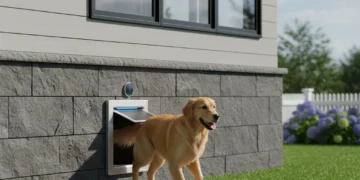
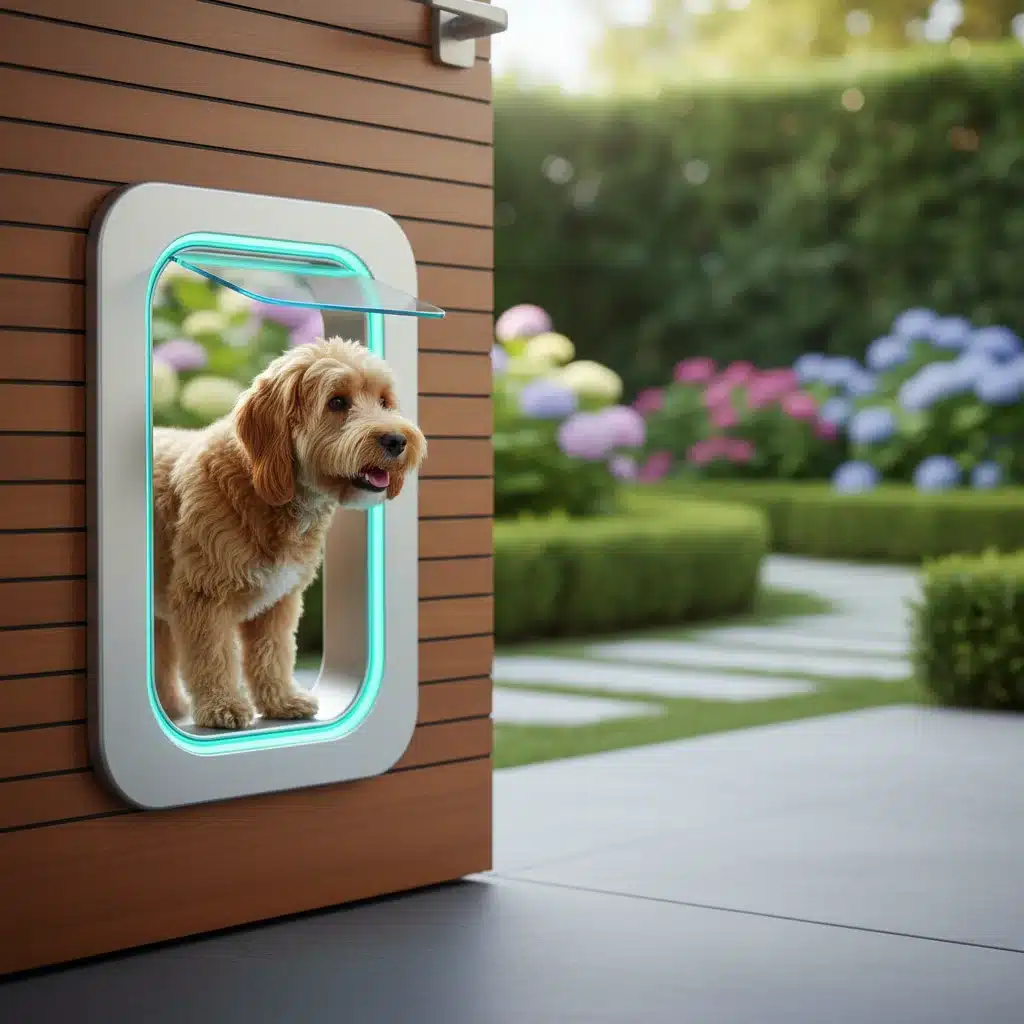
As we step further into the 21st century, the integration of technology into our daily lives becomes increasingly seamless. For pet owners, this means a new era of convenience, safety, and peace of mind, particularly with the advent of advanced smart pet door technology. The year 2026 marks a significant leap forward in this domain, offering solutions that are not just about letting your pet in and out, but about creating a truly connected and secure home environment.
Gone are the days of basic, flappy pet doors that could compromise your home’s security and insulation. Today’s smart pet door systems are sophisticated devices, often incorporating artificial intelligence, biometric recognition, and robust security protocols. This comprehensive guide will delve into the cutting-edge features of 2026’s smart pet door technology, explore their enhanced security capabilities, and provide essential installation tips for homeowners looking to upgrade their pet’s access.
The Evolution of the Smart Pet Door: What’s New in 2026?
The journey from a simple opening to a high-tech portal has been remarkable. Early versions of automated pet doors used magnetic keys or RFID tags, which were revolutionary at the time. However, 2026’s smart pet door takes this concept to an entirely new level, offering unparalleled control and intelligence. These doors are designed not just for convenience but also for integration into a broader smart home ecosystem.
Key Innovations Driving Smart Pet Door Technology
- Advanced Pet Recognition: Moving beyond simple RFID, many 2026 models feature facial recognition or advanced collar-tag scanning that can differentiate between multiple pets, allowing customized access schedules for each. Some even incorporate microchip scanning for an extra layer of identification.
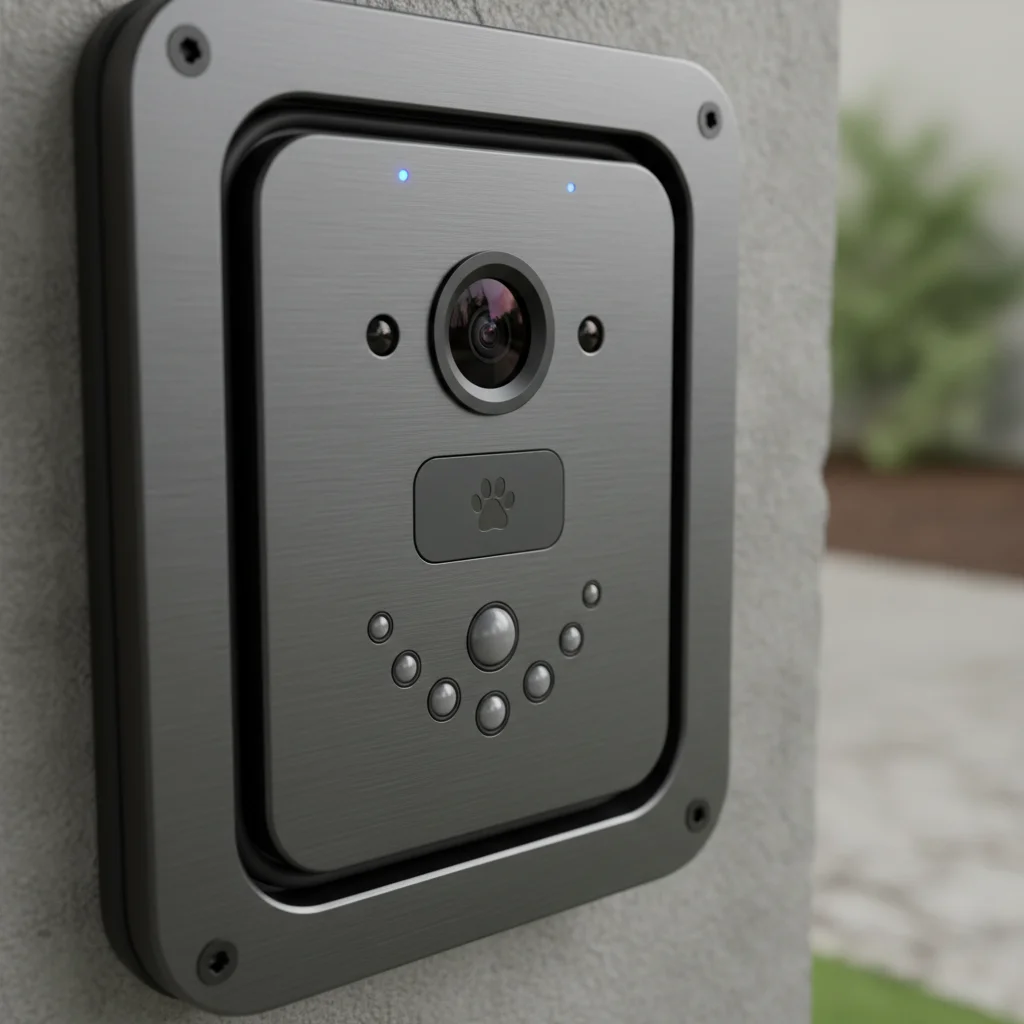
- Enhanced Security Protocols: With embedded cameras, motion sensors, and even anti-intruder mechanisms, these doors are designed to be impenetrable to unwanted guests, both human and animal. We’ll delve deeper into security features shortly.
- Weather Sealing and Insulation: Modern smart pet door designs prioritize energy efficiency. Advanced weather stripping, insulated flaps, and even multi-panel systems ensure that your home’s climate control remains unaffected, saving you money on utility bills.
- Smartphone Integration and Remote Control: Nearly all 2026 smart pet door systems offer seamless integration with smartphone apps. This allows owners to remotely lock/unlock the door, monitor pet activity, receive notifications, and even view live video feeds.
- Activity Tracking and Health Monitoring: Some high-end models can track how often your pet uses the door, how long they stay outside, and even integrate with smart collars to monitor activity levels, providing valuable insights into your pet’s health and habits.
- Voice Assistant Compatibility: For ultimate hands-free control, many new doors are compatible with popular voice assistants like Amazon Alexa or Google Assistant, allowing you to manage access with simple voice commands.
Unpacking the Security Features of a 2026 Smart Pet Door
Security is paramount for any homeowner, and a traditional pet door has always been a potential vulnerability. However, the 2026 generation of smart pet door technology addresses these concerns head-on, offering multi-layered security features that often surpass those of standard entry doors.
Deterring Unwanted Guests: Human and Animal
- Biometric and Advanced RFID Recognition: The core of smart pet door security lies in its ability to accurately identify your pet. Facial recognition, often backed by AI, ensures that only your registered pets can use the door. Similarly, encrypted RFID tags or microchip readers prevent unauthorized animals from gaining entry. Some systems can even distinguish between a pet leaving and a pet entering, adding another layer of control.
- Two-Way Cameras and Motion Sensors: Integrated cameras, often with night vision capabilities, provide a live feed of who or what is approaching or using the door. Motion sensors can trigger alerts if an unknown presence is detected, allowing you to intervene or simply monitor the situation from afar.
- Reinforced Construction and Locking Mechanisms: Unlike flimsy conventional pet doors, 2026 smart pet door models are built with durable, impact-resistant materials. They often feature multi-point locking systems that engage automatically when the door is not in use, making forced entry incredibly difficult.
- Anti-Intruder Barriers: Some advanced doors incorporate physical barriers that deploy if an unauthorized attempt to force the door open is detected. These could include internal locking pins or reinforced panels that slide into place.
- Alarm Integration: Many smart pet door systems can be integrated with your existing home security alarm system. Any unauthorized entry attempt or suspicious activity can trigger the main alarm, alerting you and security services.
- Remote Monitoring and Control: The ability to remotely lock or unlock the door, view live video, and receive instant notifications on your smartphone means you are always in control, no matter where you are. If you see an unfamiliar animal trying to get in, you can remotely secure the door.
These features collectively transform the smart pet door from a potential weak point into a robust component of your overall home security strategy. The peace of mind that comes from knowing your home is secure, and your pets are safe, is invaluable.
Choosing the Right Smart Pet Door for Your Home
With the array of options available in 2026, selecting the perfect smart pet door requires careful consideration of your specific needs, your pet’s size and habits, and your home’s structure. Here are some factors to weigh:
Pet Size and Type
The most fundamental consideration is the size of your pet. Smart pet doors come in various dimensions, from small openings suitable for cats and toy breeds to large ones accommodating big dogs. Ensure the opening is comfortable for your pet to pass through without strain. Also, consider if you have multiple pets of different sizes, as some doors offer adjustable access or support multiple pet profiles.
Installation Location
Where do you plan to install the door? Common locations include:
- Exterior Doors: A popular choice, but requires careful measurement and cutting into an existing door.
- Walls: Offers more flexibility in placement and can be less disruptive to an existing door. Requires more extensive construction work.
- Sliding Glass Doors/Patio Doors: Special inserts are available that integrate with your sliding door frame, providing a convenient solution without permanent alterations to the door itself.
- Windows: Less common, but some custom solutions exist for window installation.
Each location has its own challenges and benefits, impacting the type of smart pet door system you’ll need.
Connectivity and Smart Home Integration
Consider how the smart pet door will fit into your existing smart home ecosystem. Does it use Wi-Fi, Bluetooth, or a proprietary hub? Is it compatible with your preferred voice assistant or other smart devices (e.g., smart lights, security cameras)? Seamless integration enhances convenience and functionality.
Power Source
Most smart pet doors require power. Options include:
- AC Power: Provides a continuous power supply, but requires an outlet nearby.
- Battery Power: Offers flexibility in placement but requires periodic battery replacement or recharging. Look for models with long battery life and low-battery indicators.
- Solar Power: Some advanced outdoor models may incorporate small solar panels for supplemental charging, ideal for off-grid installations.
Durability and Weather Resistance
Since the door will be exposed to the elements, choose a model built with weather-resistant and durable materials. Look for features like UV protection, waterproof seals, and robust construction that can withstand varying temperatures and heavy use by your pet.
Budget
Smart pet doors vary significantly in price, depending on their features and complexity. Establish a budget, but remember that investing in a higher-quality, more secure door can save you money and headaches in the long run.
Essential Installation Tips for Your Smart Pet Door
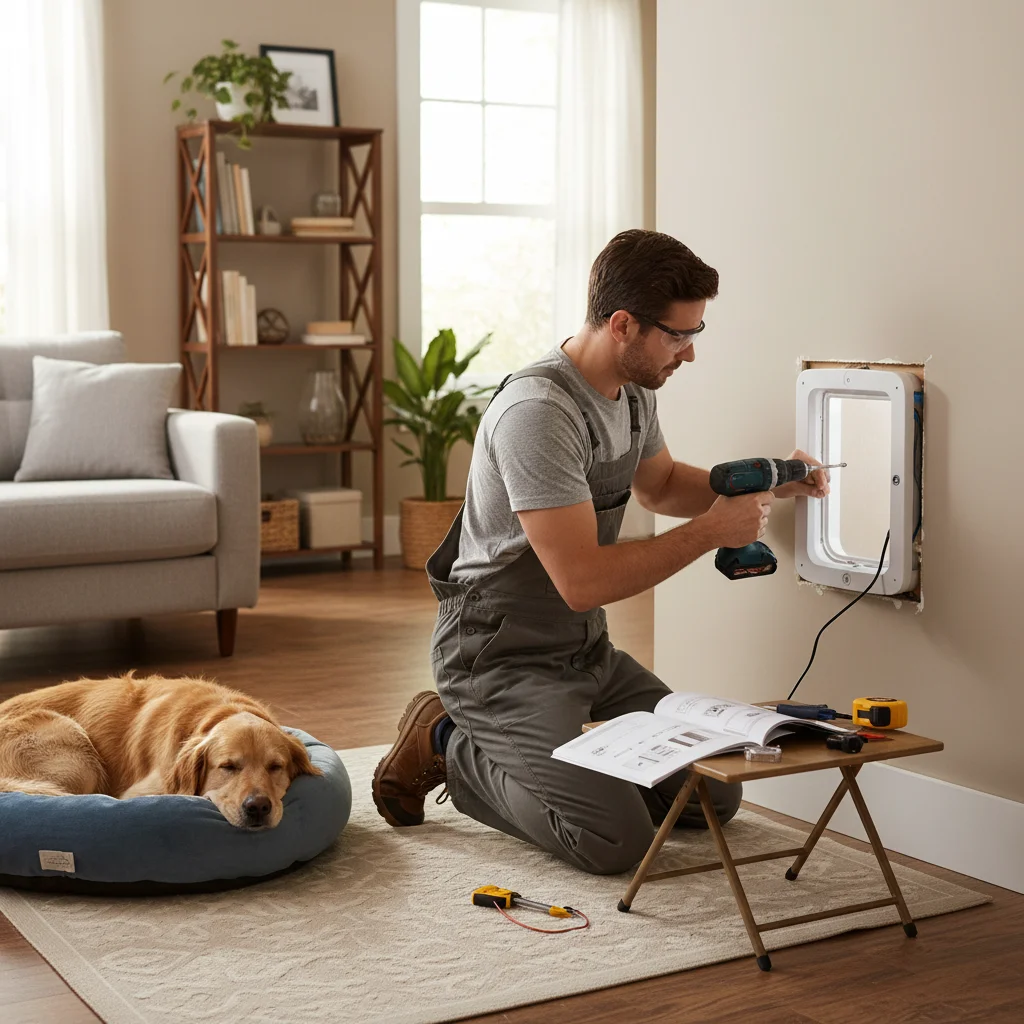
Installing a smart pet door, especially one integrated into a wall or a main door, can be a significant home improvement project. While some handy homeowners might tackle it themselves, professional installation is often recommended for optimal security, weather sealing, and aesthetic integration. However, if you choose the DIY route, here are crucial tips to ensure a successful installation.
1. Read the Manual Thoroughly
This cannot be stressed enough. Every smart pet door model is different. The manufacturer’s instructions will provide specific guidance on measurements, tools, wiring (if applicable), and setup. Do not skip this step.
2. Gather the Right Tools
Depending on the installation type (door, wall, or sliding glass insert), you’ll need a variety of tools. Common necessities include:
- Measuring tape and level
- Pencil or marker
- Jigsaw or reciprocating saw (for wood/metal doors or walls)
- Drill with appropriate bits
- Screwdrivers
- Caulking gun and weather-resistant sealant
- Safety glasses and gloves
- Stud finder (for wall installations)
3. Precise Measurement is Key
Measure, measure, and measure again! Incorrect measurements can lead to security gaps, poor insulation, and a door that doesn’t fit properly. Pay close attention to:
- Pet Height: The top of the opening should be slightly above your pet’s shoulder, and the bottom should be just above their belly.
- Door/Wall Thickness: Ensure the smart pet door tunnel depth matches your door or wall thickness. Extension tunnels might be needed for thicker walls.
- Placement: Consider the door’s swing, proximity to electrical outlets (if hardwired), and any structural elements within the wall.
4. Prepare the Opening
For Door Installation:
- Remove the door from its hinges if possible for easier cutting.
- Tape the cutting line to prevent splintering and mark the cut-out template precisely.
- Drill pilot holes in the corners before using a saw.
- Sand any rough edges.
For Wall Installation:
- Use a stud finder to locate studs and avoid cutting into electrical wires or plumbing.
- You will likely need to frame out the opening with lumber to provide structural support and a surface for mounting the door.
- Consider the exterior finish and how the door frame will integrate aesthetically.
5. Ensure Proper Sealing and Insulation
A poorly sealed smart pet door can negate its energy-saving benefits. Use high-quality, weather-resistant sealant around all edges of the frame, both inside and out. Check for any drafts after installation and address them promptly. Proper insulation is crucial for maintaining your home’s energy efficiency.
6. Calibrate and Configure
Once physically installed, the technological setup begins. This typically involves:
- Connecting the door to power.
- Pairing it with your home Wi-Fi network.
- Downloading the companion smartphone app.
- Registering your pets (e.g., scanning RFID tags, teaching facial recognition).
- Setting access schedules and security preferences.
- Testing all features thoroughly.
7. Pet Training
Even the smartest door needs a smart pet to use it. Be prepared to train your pet to use the new door. Start by propping it open, then gradually introduce the flap. Use treats and positive reinforcement to make the experience positive. Some smart pet doors even have a training mode to assist with this.
The Future is Now: Integrating Your Smart Pet Door into Your Smart Home Ecosystem
The true power of a 2026 smart pet door comes alive when it’s integrated into a broader smart home ecosystem. Imagine scenarios where your pet’s outdoor access is synchronized with other home automation routines:
- Automated Lighting: When your pet exits the door at night, outdoor lights can automatically illuminate, providing visibility and deterring potential intruders.
- Climate Control: If your pet is detected outside for an extended period during extreme weather, your smart thermostat could adjust settings to ensure optimal indoor comfort upon their return.
- Security System Integration: As mentioned, direct integration with your home security system provides an extra layer of protection, with the pet door acting as another monitored entry point.
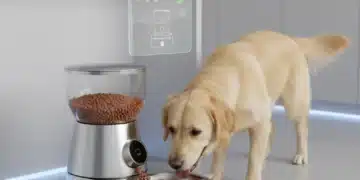
- Smart Feeders and Waterers: Link your pet’s outdoor activity with their feeding schedule. For instance, if your pet hasn’t been outside for their usual morning routine, the smart feeder might remind you or adjust its dispensing time.
- Remote Monitoring and Alerts: Beyond just knowing when your pet goes in or out, you can receive alerts if they try to use the door during restricted hours, or if an unfamiliar animal is detected near the entrance.
This level of integration transforms the smart pet door from a standalone gadget into an indispensable part of your intelligent home, enhancing both convenience and security.
Maintaining Your Smart Pet Door for Longevity and Performance
Like any advanced piece of technology, a smart pet door requires regular maintenance to ensure its longevity and optimal performance. Neglecting maintenance can lead to decreased security, energy inefficiency, and potential malfunctions.
Routine Cleaning
- Flap and Frame: Regularly clean the pet door flap and frame to remove dirt, grime, and pet hair. Use a mild soap and water solution. A dirty flap can hinder its movement and compromise the seal.
- Sensors and Cameras: Gently wipe down any optical sensors or camera lenses with a soft, lint-free cloth. Dust or smudges can impair their ability to recognize your pet or detect motion accurately.
Check for Wear and Tear
- Seals and Gaskets: Inspect the weather seals and gaskets around the flap and frame periodically. Over time, these can degrade, leading to drafts. Replace them if they appear cracked, brittle, or compressed.
- Moving Parts: If your door has motorized components, ensure they move smoothly. Lubricate any hinges or tracks according to the manufacturer’s recommendations.
- Physical Damage: Check the entire door for any cracks, chips, or signs of damage that could compromise its structural integrity or security.
Software and Firmware Updates
Most smart pet door systems receive periodic software and firmware updates. These updates often include security patches, bug fixes, and new features. Ensure your device is always running the latest version by checking the companion app regularly or enabling automatic updates.
Power Source Check
- Battery-Powered Doors: Monitor battery levels through the app and replace or recharge batteries as soon as a low-battery alert is received. Keep spare batteries on hand.
- AC-Powered Doors: Ensure the power cord is securely plugged in and free from damage. Check circuit breakers if the door unexpectedly loses power.
Pet Recognition System Calibration
If your door uses facial recognition or RFID, occasionally re-calibrate the system or re-scan your pet’s tags to ensure accurate identification. This is particularly important if your pet’s appearance changes (e.g., grooming, weight changes) or if tags become worn.
Addressing Common Concerns: Myths vs. Reality
Despite the advancements, some common misconceptions about smart pet door technology persist. Let’s clarify a few:
- Myth: Smart pet doors are easy to break into.
Reality: Modern 2026 smart pet doors are designed with robust security features, including reinforced materials, multi-point locking, and advanced recognition systems. They are significantly more secure than traditional pet flaps. - Myth: They are too complicated to install and use.
Reality: While installation can be more involved than a basic pet door, manufacturers provide detailed instructions, and professional installation is an option. User interfaces for apps are typically intuitive and user-friendly. - Myth: They are unreliable and prone to glitches.
Reality: While no technology is 100% foolproof, reputable brands invest heavily in reliable hardware and software. Regular maintenance and firmware updates further enhance reliability. - Myth: Only for tech-savvy individuals.
Reality: The goal of smart home technology is to make life easier for everyone. Many features are automated, and controls are designed to be accessible, even for those less familiar with technology. - Myth: They are only for large homes.
Reality: Smart pet doors are beneficial for homes of all sizes, offering convenience and security regardless of your living space.
Conclusion: Embracing the Future of Pet Care with Smart Pet Door Technology
The 2026 landscape of smart pet door technology offers an exciting blend of convenience, security, and integration that was once the stuff of science fiction. For homeowners, this means a significant upgrade in how pets access the outdoors, ensuring their safety while maintaining the integrity and energy efficiency of the home. From advanced pet recognition and robust security protocols to seamless smart home integration and remote control, these devices are designed to simplify your life and enhance your peace of mind.
While the initial investment and installation might require some effort, the long-term benefits in terms of security, convenience, and energy savings make a smart pet door a worthwhile addition to any modern pet-loving household. By carefully considering your needs, choosing the right model, and following proper installation and maintenance guidelines, you can provide your furry friends with the freedom they desire, all while keeping your home smart, safe, and secure.
Embrace the future of pet care and discover how a 2026 smart pet door can transform your home and your relationship with your beloved companions.