Mastering Multi-Pet Resource Guarding: 6 Expert Tips for a Peaceful 2026
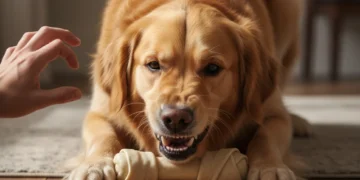
Welcome to 2026! If you’re a proud owner of a multi-pet household, you know the joys and challenges that come with it. One of the most significant challenges, and often a source of stress and conflict, is multi-pet resource guarding. This behavior, where one pet shows defensive behaviors to prevent others from accessing a valued item – be it food, toys, a favorite sleeping spot, or even human attention – can quickly disrupt the peace and safety of your home. But fear not! With the right strategies and a proactive approach, you can transform your multi-pet environment into a haven of harmony and mutual respect. This comprehensive guide, informed by insider knowledge and expert insights, will equip you with six essential tips to effectively manage and prevent resource guarding, ensuring a peaceful 2026 and beyond for all your beloved companions.
Understanding resource guarding is the first step towards addressing it. It’s not about your pet being ‘mean’ or ‘dominant’ in the traditional sense; rather, it’s an instinctive behavior driven by a perceived threat to a valuable resource. In a multi-pet setting, this instinct can be amplified, leading to growling, snapping, swatting, or even full-blown altercations. Our goal is to minimize these triggers and teach your pets that resources are abundant and accessible without conflict. Let’s dive into the strategies that will help you achieve this.
Tip 1: Implement Strict Resource Separation and Abundance
One of the most foundational and effective strategies for preventing and managing multi-pet resource guarding is to ensure that all high-value resources are separated and perceived as abundant. This might seem simple, but it’s often overlooked. The core principle here is to remove the need for competition. If every pet knows they have their own, secure access to what they need, the impulse to guard diminishes significantly.
Individual Feeding Stations
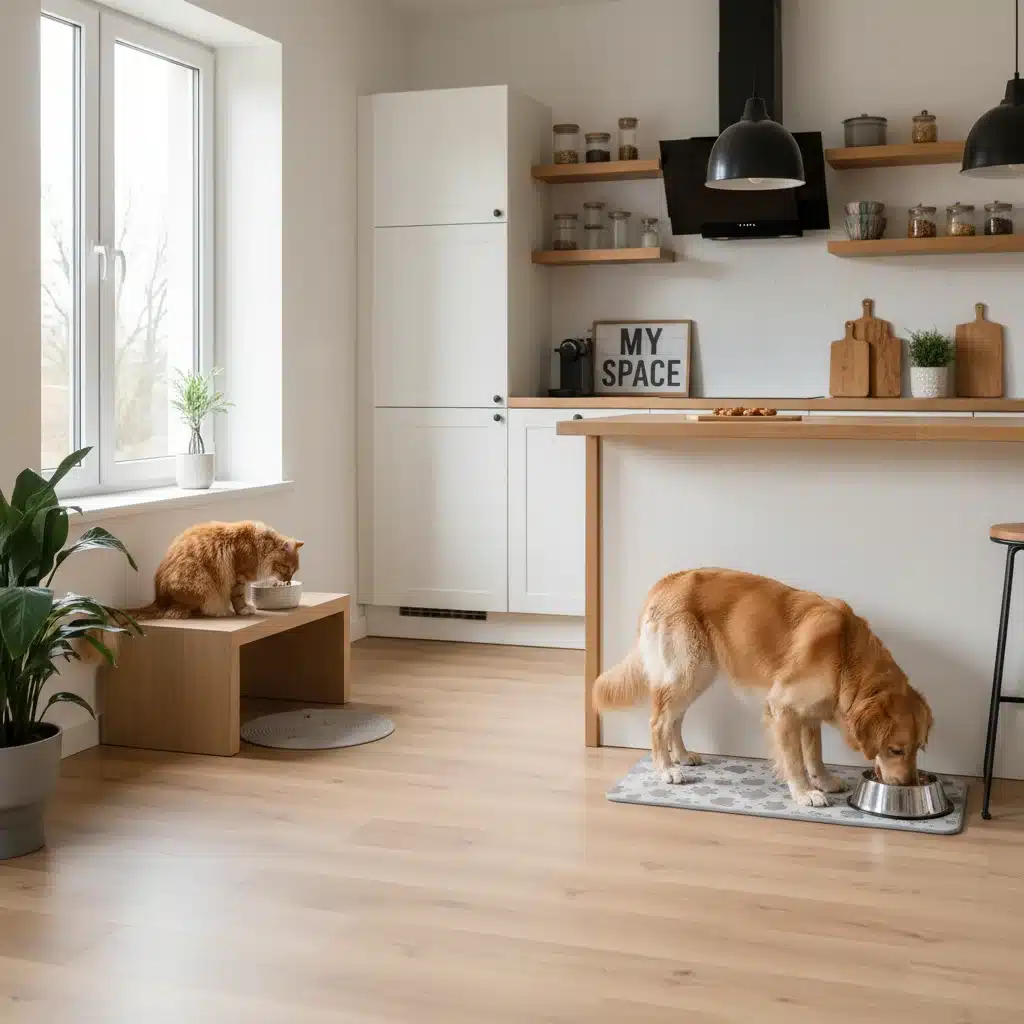
Food is perhaps the most common trigger for resource guarding. In a multi-pet home, feeding all animals in the same room or even within sight of each other can create immense stress. The solution? Separate feeding stations. This means each pet gets their own designated area, ideally in different rooms or behind closed doors. For example, your dog might eat in the kitchen, your cat in the laundry room, and another dog in a crate in the living room. This ensures privacy and eliminates the visual trigger of another pet approaching their food. Use sturdy, non-slip bowls that won’t easily be tipped over, adding to the sense of security. If space is an issue, consider using barriers like baby gates or feeding pets at different times. The key is that each pet can eat their meal without feeling rushed, threatened, or observed by another animal.
Abundant and Distributed Toys
Toys are another common guarded resource. Instead of having one or two coveted toys that all pets fight over, provide a plethora of options. Distribute toys liberally throughout your home, ensuring there are always more than enough for every pet. Rotate toys regularly to keep them novel and interesting. For pets with strong guarding tendencies, avoid leaving out highly valued toys unsupervised. Instead, use them during supervised play sessions and put them away afterward. If one pet has a particular favorite toy, consider buying duplicates for other pets, or ensuring that the favored toy is always associated with positive, solitary play time. The goal is to create an environment where no single toy becomes a flashpoint for conflict due to scarcity.
Designated Resting and Sleeping Areas
Comfortable resting spots are highly valued. Each pet should have at least one, if not several, designated resting places that are solely their own. This could be a dog bed, a cat tree, a crate, or a specific blanket on the sofa. These areas should be placed in low-traffic zones where the pet feels secure and unthreatened. For instance, a cat tree near a window provides both comfort and entertainment without being easily encroached upon by a dog. Crates, when properly introduced and positively associated, can serve as excellent safe havens for dogs. The idea is to give each animal a ‘personal bubble’ where they can relax without the constant vigilance required to guard their space from another pet. This strategy is crucial for reducing overall stress levels in a multi-pet resource guarding scenario.
Tip 2: Implement a ‘No-Trade’ Policy and Positive Reinforcement
Once you’ve established resource separation and abundance, the next critical step in managing multi-pet resource guarding is to implement a ‘no-trade’ policy combined with consistent positive reinforcement. This approach focuses on teaching your pets that approaching a valuable resource doesn’t mean it will be taken away, and that good behavior around resources leads to even better outcomes.
The ‘No-Trade’ Policy
For pets prone to guarding, the act of a human approaching their resource can be as triggering as another animal. To mitigate this, establish a ‘no-trade’ policy. This means you generally don’t take items directly from your pet, especially high-value ones, unless absolutely necessary for safety. Instead, focus on building trust. If you need to retrieve an item, use a positive exchange: offer an even higher-value treat or toy to entice them to voluntarily drop or move away from the guarded item. For instance, if your dog is guarding a chew toy, don’t just grab it. Instead, toss a delicious piece of chicken a few feet away. When they go for the chicken, you can then safely pick up the toy. This teaches them that your approach means ‘more good things are coming,’ not ‘my stuff is being stolen.’
Positive Reinforcement for Calmness
Actively reward your pets for calm behavior around resources. This means whenever your pets are in proximity to a resource (e.g., another pet’s food bowl, a shared toy basket) and are exhibiting relaxed body language – no staring, no tensing, no growling – immediately reward them with a high-value treat. The timing is crucial; you want to reinforce the exact moment of calm coexistence. Start with very brief exposures and gradually increase the duration and proximity as your pets become more comfortable. For example, if your dog tends to guard their bed, reward them when another pet walks calmly past it without incident. This counter-conditions their emotional response to the presence of other pets near their resources, transforming potential triggers into opportunities for positive associations. This technique is especially powerful in addressing underlying anxieties related to multi-pet resource guarding.
Tip 3: Supervised Interactions and Management of Triggers
Even with the best preventative measures, some level of supervision and active management of triggers will always be necessary in a multi-pet home, especially when dealing with established multi-pet resource guarding behaviors. This tip focuses on being present and proactive to prevent incidents before they escalate.
Constant Supervision During High-Risk Times
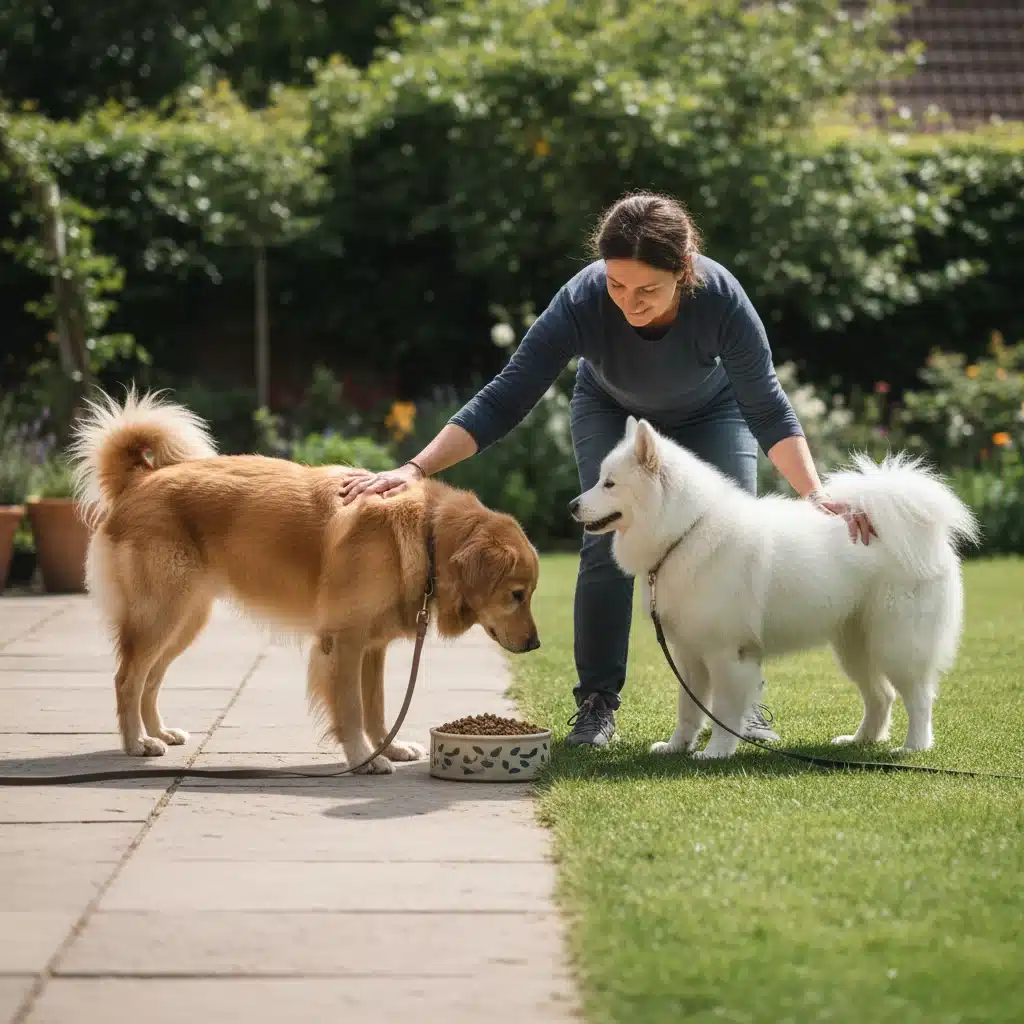
Identify the times and situations when resource guarding is most likely to occur. These typically include mealtimes, chew time, play sessions with high-value toys, or when a specific pet is receiving attention. During these periods, maintain constant supervision. This doesn’t mean hovering and making your pets anxious, but rather being observant and ready to intervene calmly and effectively. Use your presence to set a calm tone. If you see signs of tension – a hard stare, stiff body language, growling, or a pet physically blocking another – intervene immediately before the situation escal escalates. This might involve redirecting one pet, calling them away, or physically separating them with a verbal cue or a gentle leash guidance. The goal is to prevent the practice of guarding, as every successful guarding incident reinforces the behavior.
Strategic Use of Barriers and Crates
When you cannot actively supervise, strategic management tools become indispensable. Crates, baby gates, and closed doors are your best friends in a multi-pet home. Use them to create physical barriers between pets when resources are present or when you need to leave them unsupervised. For instance, if your dogs enjoy chew toys but one guards them, ensure they are crated separately with their own chew toy when you leave the house or cannot watch them. Similarly, use baby gates to separate areas where high-value items are kept, or to give a pet a break from constant interaction. This isn’t about punishment; it’s about setting up your pets for success by preventing opportunities for conflict. Consistency in using these barriers helps your pets understand boundaries and reduces the overall stress associated with potential resource competition, making multi-pet resource guarding less likely to occur.
Tip 4: Desensitization and Counter-Conditioning
For more ingrained multi-pet resource guarding, desensitization and counter-conditioning are powerful behavioral modification techniques. These methods aim to change your pet’s emotional response to the presence of other pets near their valued items, turning a negative association into a positive one.
Gradual Exposure to Triggers
Desensitization involves gradually exposing your pet to the trigger (e.g., another pet approaching their food) at a level where they remain calm and comfortable. Start with a very low-intensity scenario. For example, have one pet eating their food in a separate room, and the other pet is at a distance where they can barely perceive the eating pet, but show no signs of tension. Reward the calm pet. Over many, many sessions, slowly decrease the distance or increase the visibility, always ensuring the guarding pet remains relaxed. If any signs of tension appear, you’ve gone too far, and you need to retreat to an easier step. This process requires immense patience and keen observation of your pets’ body language. The goal is to slowly build their tolerance without ever pushing them into a reactive state.
Creating Positive Associations
Counter-conditioning goes hand-in-hand with desensitization. As you gradually expose your pet to the trigger, you simultaneously create a positive association with it. This means pairing the presence of another pet near a resource with something highly desirable for the guarding pet. For example, if your dog guards their chew toy, have another pet visible at a safe distance. The moment the other pet appears, give your guarding dog an extremely high-value treat (like boiled chicken or cheese). The other pet then moves away. Repeat this many times. The guarding dog learns that the appearance of the other pet predicts something wonderful for them. Eventually, the sight of the other pet becomes a predictor of good things, reducing the perceived threat and thus the need to guard. This technique is particularly effective in addressing the emotional root of multi-pet resource guarding.
Tip 5: Teach ‘Leave It’ and ‘Drop It’ Commands
Having reliable ‘Leave It’ and ‘Drop It’ commands in your training arsenal is invaluable for managing multi-pet resource guarding. These commands provide you with a safe and effective way to interrupt potential guarding situations and redirect your pet’s focus without direct confrontation.
The ‘Leave It’ Command
‘Leave It’ teaches your pet to ignore an item, even a highly desirable one, when cued. This is incredibly useful if you see one pet approaching another’s guarded resource, or if a valuable item has fallen into a potentially contentious area. To teach ‘Leave It,’ start with a low-value treat in your hand. Show it to your pet, then close your hand. Say ‘Leave It.’ When your pet stops trying to get the treat in your hand, reward them with a higher-value treat from your other hand. Gradually progress to leaving the treat on the floor, then to having another pet in the vicinity (at a safe distance). The key is to make ‘Leave It’ a strong, reliable command that your pet understands means ‘ignore that, and something better is coming from me.’ This empowers you to prevent conflicts before they start, especially in scenarios involving multi-pet resource guarding.
The ‘Drop It’ Command
‘Drop It’ teaches your pet to release an item they currently have in their mouth. This is crucial if a pet has snatched a guarded item or is actively guarding something. To teach ‘Drop It,’ offer your pet a lower-value toy. Once they have it, present a high-value treat or a more exciting toy. As they open their mouth to take the better item, say ‘Drop It.’ As soon as they release the first item, reward them with the high-value item. Practice this repeatedly, always making the exchange positive and rewarding. Never chase your pet or try to pry an item from their mouth, as this can exacerbate guarding behaviors. A well-trained ‘Drop It’ command ensures you can safely remove a contested item and de-escalate a potential resource guarding incident without creating further tension in your multi-pet home.
Tip 6: Seek Professional Guidance (Insider Knowledge)
While the above tips provide a strong foundation, some cases of multi-pet resource guarding are more complex or deeply ingrained and may require the expertise of a professional. This is where insider knowledge becomes paramount – knowing when to call in the cavalry can make all the difference.
When to Consult a Certified Professional Dog Trainer or Veterinary Behaviorist
It’s crucial to recognize the limits of DIY solutions. If you’re observing frequent or intense guarding behaviors, if there have been injuries to pets or humans, or if your efforts to implement these strategies aren’t yielding positive results, it’s time to seek professional help. A Certified Professional Dog Trainer (CPDT) with experience in multi-pet households and resource guarding can provide tailored advice, observe your specific dynamics, and guide you through advanced modification protocols. For severe cases, or if you suspect an underlying medical condition contributing to behavioral changes, a Veterinary Behaviorist (DACVB) is the most appropriate expert. They are veterinarians who have specialized in animal behavior and can prescribe medication if necessary, alongside behavioral modification plans. Don’t view seeking professional help as a failure; view it as a responsible and proactive step towards ensuring the safety and well-being of all your pets.
The Value of an External Perspective
An experienced professional brings an objective and trained eye to your situation. They can identify subtle body language cues you might be missing, pinpoint specific triggers unique to your home, and suggest management strategies you haven’t considered. They can also help you develop a realistic timeline for behavioral change and provide ongoing support and adjustments to your plan. Often, pet owners become so accustomed to their pets’ behaviors that they might inadvertently reinforce guarding without realizing it. A professional can help break these cycles and implement new, positive ones. Investing in professional guidance is an investment in the long-term peace and safety of your multi-pet family, transforming your understanding and approach to multi-pet resource guarding.
Conclusion: A Harmonious Multi-Pet Home in 2026 and Beyond
Navigating the complexities of multi-pet resource guarding requires patience, consistency, and a deep understanding of animal behavior. By implementing strict resource separation and abundance, establishing a ‘no-trade’ policy, reinforcing calm behavior, actively supervising interactions, and strategically using barriers, you create an environment where competition is minimized, and trust is maximized. Desensitization and counter-conditioning offer powerful tools for reshaping emotional responses, while reliable ‘Leave It’ and ‘Drop It’ commands provide essential control in challenging moments. And remember, recognizing when to seek professional guidance is a sign of responsible pet ownership, ensuring that even the most ingrained guarding behaviors can be addressed safely and effectively.
Your journey to a peaceful multi-pet home is an ongoing one, but with these six expert tips, you are well-equipped to foster a harmonious environment where all your companions can thrive. Make 2026 the year you master multi-pet resource guarding, enjoying the profound rewards of a happy, safe, and integrated animal family. Embrace these strategies, stay observant, and celebrate every small victory on the path to a stress-free household for everyone.