Puppy Nipping Correction: A Comprehensive 2-Week Guide
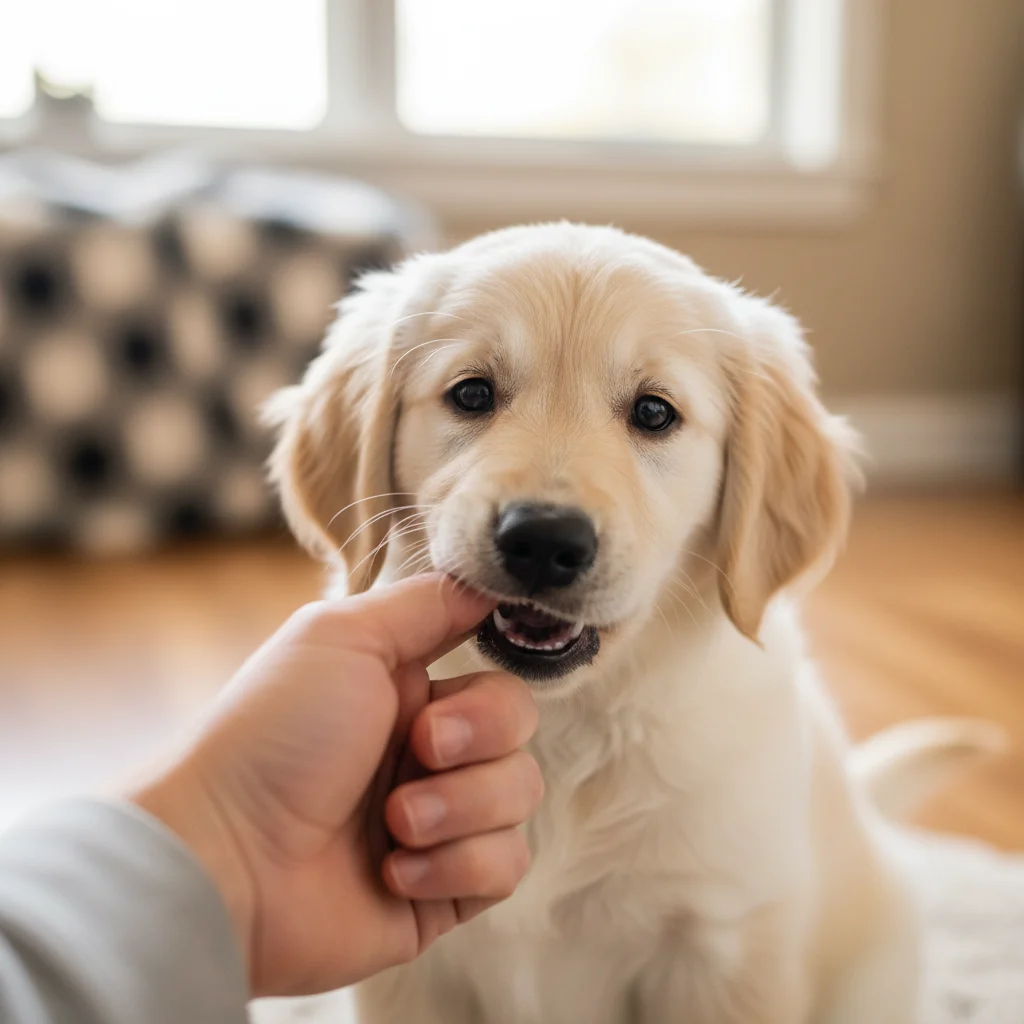
Puppy Nipping Correction: A Comprehensive 2-Week Guide
Bringing a new puppy into your home is an exciting and joyous experience. Their playful antics, soft fur, and boundless energy can fill your life with happiness. However, alongside the cuddles and games, many new puppy owners encounter a common, yet often frustrating, behavior: puppy nipping. This guide is designed to provide you with a comprehensive, step-by-step 2-week plan for effective puppy nipping correction, helping you understand why it happens and how to gently but firmly guide your furry friend towards more appropriate behaviors. By the end of this guide, you’ll have a clear roadmap to a happier, less ‘mouthy’ puppy.
Understanding Puppy Nipping: Why Do They Do It?
Before diving into puppy nipping correction techniques, it’s crucial to understand the root causes of this behavior. Puppies don’t nip out of malice; it’s a natural and essential part of their development. Here’s why:
Exploration and Learning
Just like human babies explore the world with their hands and mouths, puppies use their mouths to investigate their surroundings. Everything new goes into their mouth – your fingers, furniture, toys, and even your clothes. This is how they gather information about textures, shapes, and the consequences of their bites.
Play Behavior
In a litter, puppies play-bite each other. This is how they learn bite inhibition – the ability to control the force of their bite. When one puppy bites another too hard, the bitten puppy will yelp and stop playing. This teaches the biter that hard bites end the fun, and they learn to moderate their bite strength. When a puppy comes to your home, they often try to replicate this play with you.
Teething
Between 3 and 7 months of age, puppies go through a teething phase. Their gums can be sore and itchy, and chewing on things provides relief. Your hands and feet can become attractive targets for their aching gums.
Attention Seeking
Sometimes, puppies nip to get your attention. If nipping results in you looking at them, talking to them (even if it’s scolding), or pushing them away, they might perceive this as a form of attention, reinforcing the behavior.
Overstimulation or Fatigue
An overtired or overstimulated puppy can become cranky and resort to nipping. Much like a toddler having a meltdown, a puppy might nip more when they are overwhelmed or need a nap.
The Goal of Puppy Nipping Correction: Bite Inhibition
The primary goal of puppy nipping correction isn’t to stop your puppy from ever putting their mouth on you. Instead, it’s about teaching them bite inhibition. This means teaching them that human skin is sensitive and that they should use a very soft mouth, if they use it at all. A dog with good bite inhibition is much safer, even if they are startled or scared and instinctively snap. They will know to inhibit the force of their bite, preventing serious injury.
The 2-Week Puppy Nipping Correction Plan
This plan is structured over two weeks, allowing for consistent application of techniques and gradual progress. Remember, consistency is key!
Week 1: Establishing Boundaries and Teaching Bite Inhibition
Day 1-3: The ‘Ouch!’ and Disengagement Method
This method directly mimics how puppies learn bite inhibition from their littermates.
- Exaggerated ‘Ouch!’: When your puppy nips you, let out a high-pitched, exaggerated ‘Ouch!’ or ‘Yelp!’ This should be loud enough to startle them, but not so loud that it scares them.
- Immediate Disengagement: As soon as you yelp, immediately withdraw your hand or body part from their mouth and turn away. Cross your arms and ignore them for 10-20 seconds. This signals that play stops when they bite too hard.
- Reinforce Calmness: If your puppy settles down during the disengagement period, you can re-engage with them. If they immediately nip again, repeat the ‘Ouch!’ and disengagement.
- Short Play Sessions: Keep play sessions short, especially in the beginning. End on a positive note before your puppy gets overstimulated.
Key Focus: Teaching your puppy that hard bites result in the immediate cessation of interaction. The goal is for them to learn that biting too hard makes the fun stop.
Day 4-7: Redirection and Chew Toy Reinforcement
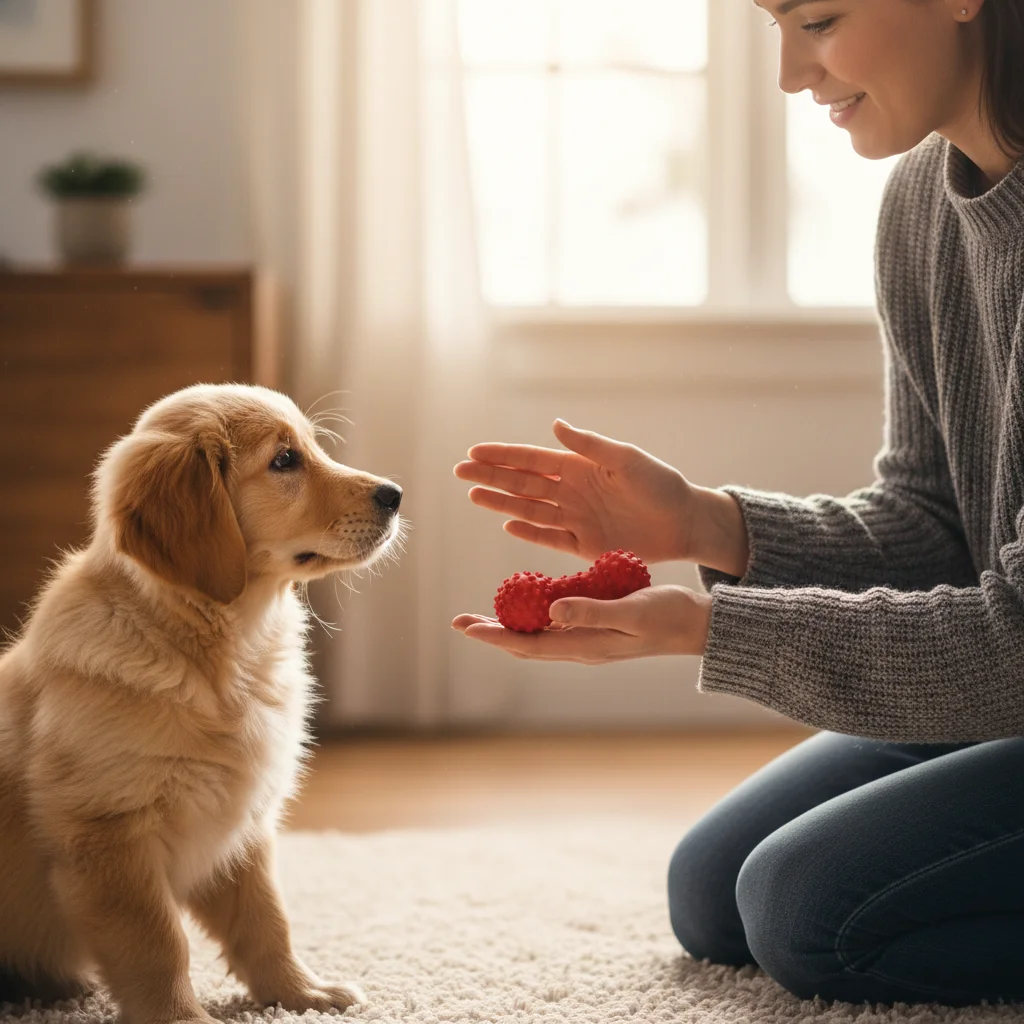
As your puppy starts to understand the ‘Ouch!’ signal, it’s time to introduce redirection. This teaches them what they can chew on.
- Always Have a Toy Ready: Keep a variety of appropriate chew toys readily available during play sessions.
- Pre-emptive Redirection: If you anticipate your puppy is about to nip (e.g., they’re getting mouthy, their eyes are fixed on your hand), immediately offer them a toy. Engage them with the toy, making it more appealing than your hand.
- Redirect After a Soft Nip: If they nip your hand softly, still give a mild ‘Ouch!’ (or just a short, sharp ‘Ah-ah!’) and then immediately offer a toy. Praise them enthusiastically when they take the toy.
- Chew Toy Variety: Offer different textures and types of toys (e.g., rubber, rope, plush) to keep their interest. Rotating toys can also help prevent boredom.
- Supervised Chewing: Always supervise your puppy when they have a chew toy, especially new ones, to ensure it’s safe and doesn’t pose a choking hazard.
Key Focus: Guiding your puppy to appropriate chew items and reinforcing that chewing on toys is rewarding, while chewing on you is not.
Week 2: Advanced Nipping Correction and Consistency
Day 8-10: The ‘Time-Out’ Method for Persistent Nipping
For puppies who are particularly persistent or don’t respond well to simple disengagement, a short ‘time-out’ can be very effective.
- Prepare a Safe Space: Identify a safe, puppy-proofed area (e.g., a playpen, a crate, or a small room) where your puppy can be placed for a brief time-out. This should not be used as punishment for other behaviors, only for nipping.
- Immediate Time-Out: If your puppy nips too hard, or if they ignore your ‘Ouch!’ and redirection attempts, calmly and immediately place them in their designated time-out space.
- Short Duration: The time-out should be very short – 30 seconds to 1 minute. The goal is to interrupt the behavior, not to punish them for a long period.
- Release and Re-engage: Once the time-out is over, release your puppy. If they immediately go back to nipping, repeat the time-out. The key is for them to associate nipping with the immediate loss of your company and play.
Key Focus: Teaching your puppy that persistent or hard nipping leads to a complete cessation of interaction and removal from the fun environment.
Day 11-14: Generalization and Managing Overstimulation
By now, your puppy should be showing significant improvement in their bite inhibition. This phase focuses on generalizing these lessons and preventing nipping before it starts.
- Recognize Overstimulation: Learn to identify signs that your puppy is becoming overstimulated or overtired (e.g., frantic play, zoomies, increased nipping, excessive barking). When you see these signs, it’s time for a break.
- Enforced Naps: Puppies need a lot of sleep. If your puppy is getting mouthy and overexcited, it might be time for an enforced nap in their crate or quiet space. A well-rested puppy is less likely to nip.
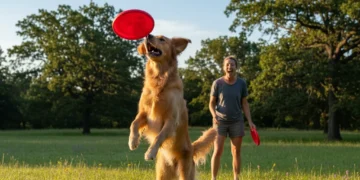
- Structured Play: Incorporate more structured play that involves toys rather than your hands. Tug-of-war (with rules, like ‘drop it’ on command), fetch, and puzzle toys are excellent options.
- Consistent Family Approach: Ensure everyone in the household is using the same puppy nipping correction methods. Inconsistency will confuse your puppy and slow down progress.
- Positive Reinforcement for Calmness: Lavishly praise and reward your puppy for calm behavior, especially when they are playing gently with toys or relaxing near you without nipping.
Key Focus: Consolidating learned behaviors, preventing nipping by managing environmental factors, and reinforcing calm, appropriate interactions.
Common Challenges and Troubleshooting in Puppy Nipping Correction
My Puppy Nips Even Harder After ‘Ouch!’
Some puppies might get more excited or think you’re playing when you yelp. If this happens, skip the ‘Ouch!’ and immediately go to disengagement or a short time-out. The goal is to make the consequence unpleasant (loss of interaction), not to escalate the play.
My Puppy Jumps and Nips at My Clothes/Feet
This often happens when walking. Stop moving immediately when they nip or jump. Stand still, turn your back, or even step over a baby gate to create a barrier. Only resume walking when they are calm. You can also try walking with a favorite toy in hand to redirect their attention.
My Puppy Gets ‘Zoomies’ and Nips Excessively
Zoomies (sudden bursts of energy) often precede or accompany excessive nipping. This is a sign of overstimulation or pent-up energy. Try to preempt these by ensuring your puppy gets enough structured exercise and mental stimulation throughout the day. When zoomies strike, try to redirect them to a safe, enclosed area where they can run it out, or initiate a short, enforced nap.
It Feels Like I’m Always Saying ‘No’ or ‘Ouch!’
If you find yourself constantly correcting, it might be a sign that your puppy isn’t getting enough appropriate outlets for their energy or chewing needs. Review their daily schedule: are they getting enough exercise, mental stimulation (puzzle toys, short training sessions), and opportunities to chew on appropriate items? Also, ensure they are getting enough sleep. Over-tired puppies are often the nippy ones.
Consistency with Everyone
This cannot be stressed enough. Every family member, every visitor, and anyone interacting with the puppy must follow the same rules. If one person allows nipping, it sends mixed signals and undermines your efforts. Hold a family meeting to ensure everyone is on the same page regarding puppy nipping correction.
Beyond the 2 Weeks: Continuing Good Habits
While this 2-week plan provides a solid foundation for puppy nipping correction, training is an ongoing process. Here’s how to maintain progress:
Continue Socialization
Safe and supervised interactions with other vaccinated, well-behaved dogs can further enhance your puppy’s bite inhibition. Other dogs will correct your puppy more effectively than you ever could if they nip too hard.
Enroll in Puppy Classes
Puppy classes offer a structured environment for socialization, basic obedience, and professional guidance on common puppy behaviors, including nipping. A good trainer can provide personalized advice.
Provide Ample Chew Opportunities
Always have a variety of appropriate chew toys available. Rotate them to keep things interesting. This helps satisfy their natural urge to chew on acceptable items.
Positive Reinforcement for Calmness
Never underestimate the power of rewarding good behavior. When your puppy is playing gently, chewing on a toy, or simply relaxing calmly, offer praise, gentle petting, or a small treat. This reinforces the behaviors you want to see more of.
Teach Impulse Control
Games like ‘leave it’ and ‘drop it’ are invaluable for teaching your puppy impulse control. These commands can be very useful in situations where they might be tempted to nip or grab something they shouldn’t.
When to Seek Professional Help
Most puppy nipping issues can be resolved with consistent training using the methods outlined in this guide. However, there are instances when professional help might be beneficial:
- Aggressive Biting: If your puppy’s nipping seems to be escalating into genuinely aggressive biting (growling, snapping with intent to harm, not just play), seek immediate professional help from a certified professional dog trainer or a veterinary behaviorist. This is distinct from typical puppy nipping.
- No Progress: If, despite consistent effort over several weeks, you see no improvement in your puppy’s nipping, a professional can observe your puppy’s behavior in person and offer tailored advice.
- Overwhelmed Owner: If you feel overwhelmed or frustrated by the nipping, don’t hesitate to reach out for support. A professional can provide guidance and renewed confidence.
Conclusion: Patience and Consistency are Your Best Tools
Puppy nipping correction is a journey that requires patience, understanding, and above all, consistency. Your puppy is learning how to navigate the human world, and they rely on you to guide them. By implementing the techniques in this 2-week guide – the ‘Ouch!’ method, immediate disengagement, redirection to toys, and short time-outs – you’ll be well on your way to teaching your puppy appropriate bite inhibition.
Remember that every puppy is an individual. Some will learn faster than others. Celebrate small victories, stay positive, and continue to reinforce good behavior. With dedication, your playful, nippy puppy will grow into a well-mannered, gentle adult dog, making your bond even stronger and your home a more peaceful place for everyone. Happy training!