Mastering Canine Manners: A 4-Week Impulse Control Program for Dogs
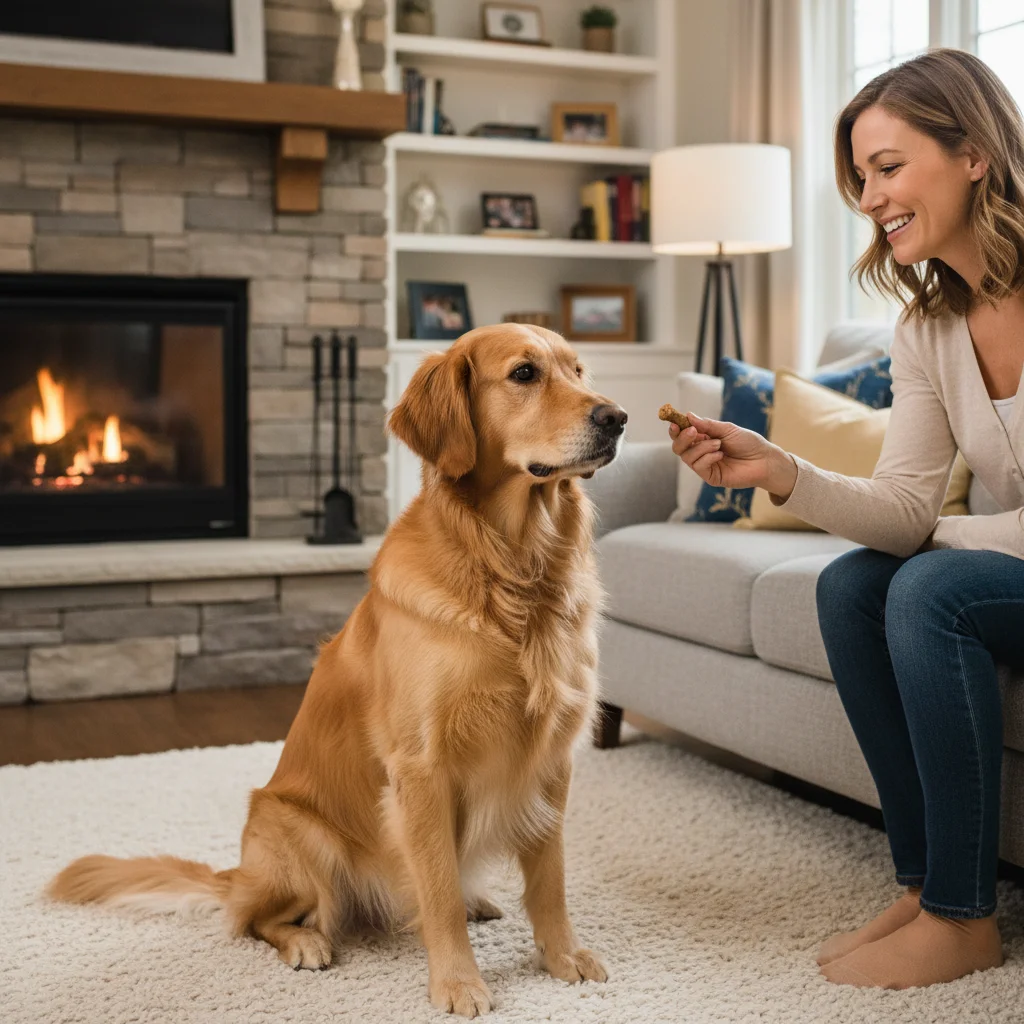
As pet parents, we all dream of a well-behaved canine companion who listens to our commands, refrains from jumping on guests, and walks politely on a leash. However, the reality often involves a dog whose enthusiasm sometimes outweighs their manners. This is where dog impulse control comes into play. Teaching your dog to manage their impulses is fundamental to a harmonious household and a stronger bond between you and your furry friend. This comprehensive 4-week program is designed to guide you through the process, transforming your dog’s behavior and fostering a calmer, more obedient companion.
Understanding Dog Impulse Control: Why It Matters
Before diving into the training, it’s crucial to understand what dog impulse control truly means. Impulse control refers to a dog’s ability to resist immediate gratification and instead choose a more appropriate, delayed behavior. Think about it: a dog that barks incessantly at the doorbell, jumps excitedly on visitors, or pulls furiously on the leash is simply acting on instinct without self-regulation. These behaviors, while often driven by excitement or curiosity, can be frustrating for owners and sometimes even dangerous. A dog with good impulse control, on the other hand, can wait patiently, resist temptations, and respond thoughtfully to cues, creating a much more pleasant and predictable experience for everyone.
The Benefits of Teaching Dog Impulse Control
The advantages of a dog with strong impulse control extend far beyond just good manners. Here are some key benefits:
- Improved Safety: A dog that can control its impulses is less likely to bolt into traffic, chase after wildlife, or react aggressively in stressful situations.
- Enhanced Socialization: Dogs with good impulse control are more pleasant to be around, both for humans and other animals, leading to more positive social interactions.
- Reduced Stress for Owners: Less jumping, barking, and pulling means a more relaxed and enjoyable life for you.
- Stronger Bond: Training builds trust and communication, deepening the relationship between you and your dog.
- Better Learning Ability: Impulse control is a foundational skill that makes all other training easier and more effective.
- Greater Freedom: A well-behaved dog can accompany you to more places and enjoy a wider range of activities.
This 4-week program will systematically address various aspects of dog impulse control, building on foundational skills week by week. Consistency, patience, and positive reinforcement are your greatest allies in this journey.
Week 1: Laying the Foundation – Basic Obedience and Focus
The first week focuses on establishing a strong foundation of basic obedience and teaching your dog to focus on you, even amidst distractions. These are the building blocks for all future impulse control exercises.
Essential Commands to Master:
- "Sit": This is often the first command taught and is invaluable for impulse control. It teaches your dog to stop and wait.
- "Stay": Crucial for teaching patience and self-control. Start with short durations and gradually increase distance and time.
- "Come" (Recall): A reliable recall is vital for safety and for redirecting your dog’s attention away from temptations.
- "Look at Me" / "Watch Me": This command teaches your dog to make eye contact with you, shifting their focus away from distractions and onto you.
Training Techniques for Week 1:
- Lure and Reward: Use a treat to guide your dog into the desired position (e.g., "sit") and reward immediately when they comply.
- Short, Frequent Sessions: Keep training sessions brief (5-10 minutes) and positive, several times a day. This prevents boredom and keeps your dog engaged.
- Minimize Distractions: Start training in a quiet environment before gradually introducing more challenging settings.
- High-Value Rewards: Use treats your dog absolutely loves to make training more motivating.
- Clear Communication: Use consistent verbal cues and hand signals.
Exercises for Developing Focus:
- The "Watch Me" Game: Hold a treat near your nose, say "Watch Me," and reward your dog the instant they make eye contact. Gradually increase the duration of eye contact before rewarding. This is a cornerstone for dog impulse control.
- Hand Targeting: Teach your dog to touch their nose to your open palm. This is a great way to redirect their attention and can be used for various purposes.
By the end of Week 1, your dog should reliably respond to "sit," "stay" (for a few seconds), "come" in a low-distraction environment, and understand "watch me." This solid groundwork will make the upcoming weeks much smoother.
Week 2: Mastering "Leave It" and "Wait"
Building on the foundation of Week 1, this week introduces two incredibly powerful impulse control commands: "Leave It" and "Wait." These commands are essential for preventing your dog from grabbing undesirable items, rushing through doorways, or snatching food.
The "Leave It" Command:
The "Leave It" command teaches your dog to ignore tempting objects. This is vital for safety (e.g., dropped medication, toxic food) and for polite behavior.
How to Teach "Leave It":
- Start with a Low-Value Treat: Place a treat on the floor and cover it with your hand. When your dog tries to get it, say "Leave It."
- Reward for Disengagement: The moment your dog looks away from the treat or stops trying to get it, even for a second, immediately reward them with a different, higher-value treat from your other hand.
- Gradually Remove Your Hand: Once your dog understands to disengage when your hand is covering the treat, slowly lift your hand. If they try to grab it, cover it again and repeat "Leave It." Reward for looking away.
- Increase Distraction: Progress to placing the treat on the floor uncovered, then to more tempting items, and finally to real-world scenarios (e.g., dropped food during dinner).
The "Wait" Command:
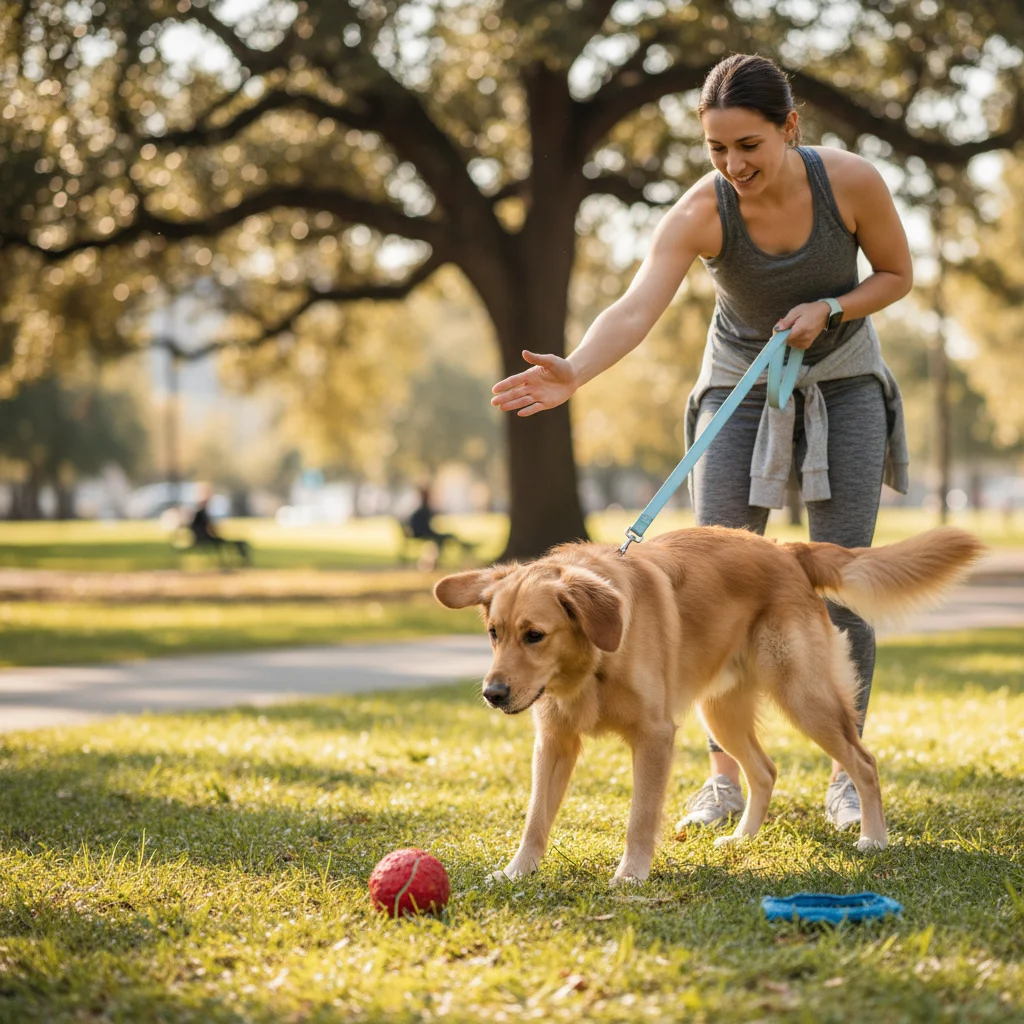
While "Stay" means holding a position, "Wait" is more about pausing before proceeding. It’s incredibly useful for preventing rushing through doors, bolting out of the car, or diving into food bowls.
How to Teach "Wait":
- At the Doorway: Approach a door with your dog on a leash. As you reach the door, say "Wait." If your dog tries to go through, close the door slightly or step in front of them.
- Reward for Pausing: The instant your dog pauses, even for a second, praise and reward. Then, give a release cue (e.g., "Okay!") and allow them to go through.
- Mealtime "Wait": Place your dog’s food bowl down, say "Wait." If they go for it, pick it up. Only put it down and give the release cue when they wait patiently.
- Car Exit "Wait": Practice this before letting your dog jump out of the car. Open the door slightly, say "Wait," and reward for pausing.
Practice these commands daily in various settings. Remember, consistency is key to solidifying dog impulse control.
Week 3: Managing Excitement and Frustration
This week focuses on applying impulse control in situations where your dog’s excitement or frustration typically takes over. We’ll tackle common problem behaviors like jumping, barking, and leash pulling.
Addressing Jumping:
Jumping on people is often an attention-seeking behavior. The key is to teach your dog that four paws on the floor get attention, while jumping gets ignored.
Training for No Jumping:
- Ignore the Jump: When your dog jumps, turn your back, cross your arms, and completely ignore them. No eye contact, no verbal cues.
- Reward for Calm: The moment your dog’s four paws are on the floor, turn around, praise, and give a treat. You can also ask for a "sit" and then reward.
- Practice with Guests: Ask friends and family to help. Have them follow the same protocol: ignore jumping, reward calm.
- Leash Management: When greeting people, keep your dog on a leash. If they jump, gently guide them away or step on the leash to prevent jumping, then reward for keeping all four paws on the ground.
Controlling Excessive Barking:
Barking can be triggered by many things: boredom, alarm, attention-seeking, or frustration. Identifying the trigger is the first step.
Training for Less Barking:
- "Speak" and "Quiet" Commands: Teach your dog to "speak" on command, then immediately follow with "quiet" and reward for stopping the barking. This gives you control over the behavior.
- Address the Trigger: If barking is due to external stimuli (e.g., doorbell, people walking by), use desensitization and counter-conditioning. Expose your dog to the trigger at a low intensity and reward for remaining calm.
- Redirection: When your dog starts barking inappropriately, redirect their attention with a "watch me" or "sit" command, then reward.
- Management: Reduce exposure to triggers if necessary (e.g., use opaque window film, provide mental stimulation to reduce boredom).
Polite Leash Walking (No Pulling):
Leash pulling is a common impulse control issue. Your dog wants to get somewhere fast, and they pull to achieve it.
Training for Loose-Leash Walking:
- Stop-and-Go Method: Every time your dog pulls on the leash, stop walking. Only resume walking when the leash slackens. This teaches them that pulling gets them nowhere.
- Change Direction: If your dog pulls, abruptly change direction. This forces them to pay attention to you and prevents them from leading.
- Reward for Slack Leash: Frequently reward your dog when the leash is loose, even for a few steps. This reinforces the desired behavior.
- Equipment Check: Consider using a front-clip harness or a head halter if pulling is severe, but always pair it with positive reinforcement training.
These exercises require patience and consistency. Remember, you’re reshaping ingrained behaviors, which takes time and repetition to build strong dog impulse control.
Week 4: Advanced Impulse Control and Real-World Application
In the final week, we’ll take your dog’s impulse control to the next level by increasing distractions and applying learned skills in more challenging, real-world environments. This is where your hard work truly pays off.
Increasing Distractions Systematically:
Once your dog is reliable in a low-distraction environment, gradually introduce more challenging scenarios:
- Vary Locations: Practice "sit," "stay," "leave it," and "wait" in different rooms of your house, then in your yard, then at a quiet park, and eventually in busier public places.
- Introduce People: Practice commands with a friend walking by, then with multiple people, then with children.
- Introduce Other Dogs: Start with a calm, familiar dog at a distance, gradually decreasing the distance as your dog maintains focus on you.
- Use Tempting Objects: Practice "leave it" with dropped food, toys, or other enticing items.
Advanced Impulse Control Exercises:
The "Place" Command:
Teaching your dog to go to their "place" (a mat, bed, or crate) and stay there until released is an excellent way to manage excited greetings, meal prep, or simply provide a calm space for your dog. It’s a powerful tool for dog impulse control.
- Lure to Place: Lure your dog onto their designated "place" with a treat. As they step onto it, say "Place."
- Reward and Release: Once they are on their place, reward them. Start with immediate rewards, then gradually extend the time they stay on the place before releasing them with a cue like "Okay!"
- Increase Duration and Distraction: Practice "place" while you move around, while people enter the room, or even while you’re eating dinner.
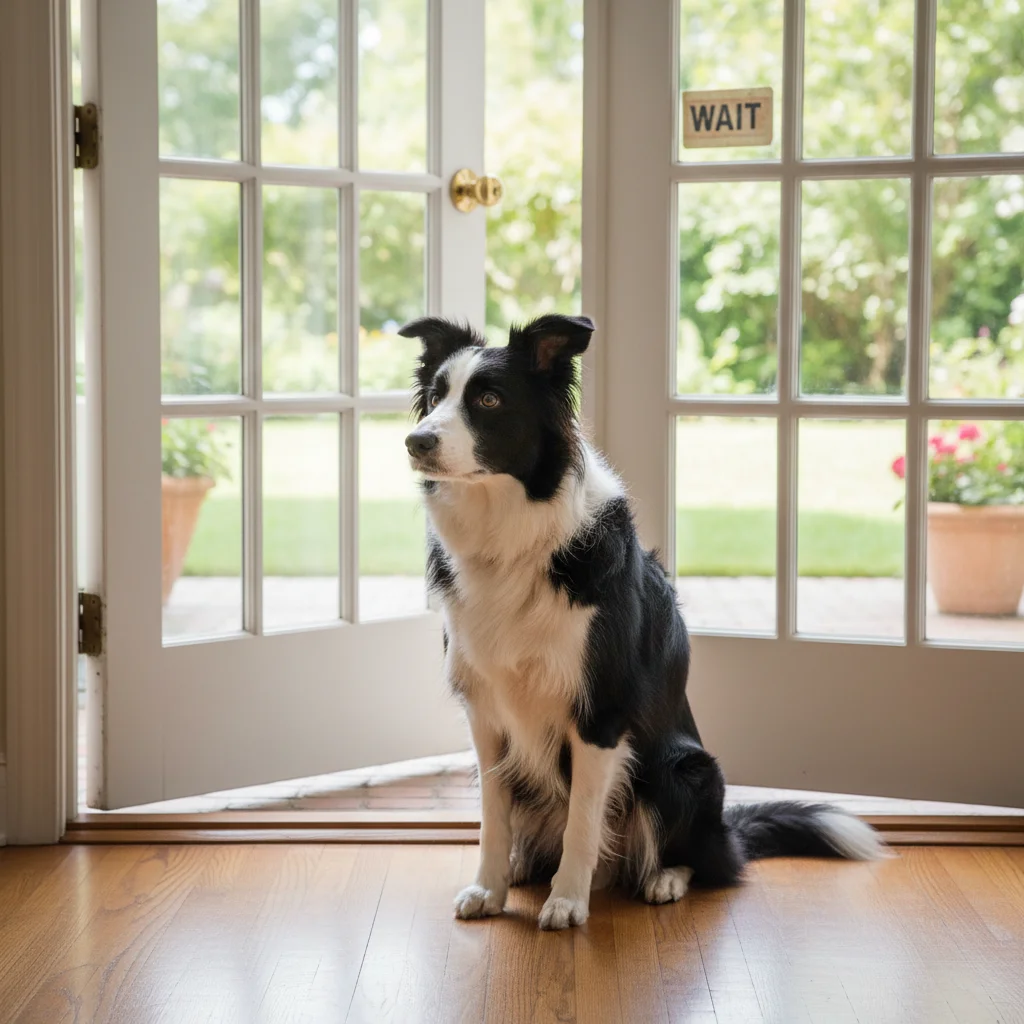
Gate/Door Threshold Manners:
Reinforce the "wait" command at all thresholds (doors, gates, car doors) to prevent bolting. Your dog should only pass through once given a release cue.
Interactive Games for Impulse Control:
- "It’s Your Choice" Game: Hold a treat in your closed hand. Your dog will likely sniff, lick, or paw at your hand. Ignore these behaviors. The moment they back away or look away, open your hand and say "Take It." This teaches them that calm waiting leads to the reward.
- Tug with Rules: Tug-of-war is great for bonding, but with rules, it’s also great for impulse control. Teach "take it" and "drop it." If your dog’s teeth touch your skin, the game immediately ends. This teaches them to control their mouths.
- Fetch with a "Stay": Have your dog "stay" while you throw the ball, then release them to fetch. This builds anticipation and teaches them to wait for permission.
Maintaining and Generalizing Impulse Control:
Training doesn’t end after 4 weeks. Impulse control is an ongoing process. Continue to practice commands regularly, introduce new challenges, and always reward desired behaviors. The goal is for your dog to generalize these skills, meaning they can apply them in any situation, not just during formal training sessions.
Common Challenges and Troubleshooting in Dog Impulse Control Training
Even with the best intentions and a structured program, you might encounter bumps along the road. Understanding common challenges and how to troubleshoot them can make your dog impulse control journey more successful.
Lack of Motivation:
- Problem: Your dog seems uninterested in training or rewards.
- Solution: Experiment with different types of high-value treats (e.g., small pieces of cheese, cooked chicken, hot dogs). Some dogs are more motivated by toys or praise. Ensure your dog isn’t too full before training. Keep sessions short and fun.
Inconsistency:
- Problem: Your dog performs well sometimes but not others, or only with one family member.
- Solution: Consistency is paramount. Everyone in the household must use the same commands, hand signals, and rules. If you allow jumping sometimes but not others, your dog will be confused. Practice regularly, even just for a few minutes each day.
Too Many Distractions Too Soon:
- Problem: Your dog gets overwhelmed and can’t focus in distracting environments.
- Solution: Go back to basics. Practice in a quieter environment where your dog can succeed. Gradually introduce distractions, increasing them one at a time and only when your dog is consistently successful at the current level.
Frustration from the Dog:
- Problem: Your dog whines, barks, or tries to escape when asked to "wait" or "stay."
- Solution: This often means the task is too difficult. Shorten the duration, reduce distractions, or make the reward more immediate. End on a positive note with an easy success. Never punish frustration; instead, adjust your training approach.
Owner Frustration:
- Problem: You’re feeling discouraged or angry when your dog isn’t responding.
- Solution: Take a break! Training should be a positive experience for both of you. If you’re feeling frustrated, your dog will pick up on it. Step away, clear your head, and try again later. Remember that progress isn’t always linear. Celebrate small victories.
Regression:
- Problem: Your dog seems to forget previously learned commands.
- Solution: Regression can happen due to new environments, stress, or simply not practicing enough. Revisit the basics, practice in low-distraction settings, and gradually build back up. It’s often a temporary setback.
Jumping on Guests Persists:
- Problem: Despite training, your dog still jumps on visitors.
- Solution: Enlist the help of your guests. Explain your training plan and ask them to ignore jumping and only greet your dog when all four paws are on the floor. You can also put your dog on a leash when guests arrive and practice "sit" or "place."
Leash Pulling Continues:
- Problem: Your dog still pulls on walks.
- Solution: Re-evaluate your equipment (front-clip harness or head halter can help manage pulling while you train). Be absolutely consistent with the "stop-and-go" or "change direction" method. Make sure you’re rewarding frequently for a loose leash. Consider increasing the duration and intensity of pre-walk exercise to burn off excess energy.
Remember, every dog is an individual, and some will learn faster than others. The key is patience, positive reinforcement, and a willingness to adapt your methods. Don’t be afraid to seek guidance from a certified professional dog trainer if you’re struggling with specific issues.
The Role of Exercise and Mental Stimulation in Impulse Control
While structured training is vital, it’s only one piece of the puzzle when it comes to effective dog impulse control. A dog that is under-exercised or mentally bored is far more likely to exhibit undesirable behaviors driven by pent-up energy and a lack of constructive outlets. Integrating appropriate physical exercise and mental stimulation into your dog’s daily routine can significantly enhance their ability to control impulses.
Physical Exercise: Burning Off Excess Energy
Just like humans, dogs need to move their bodies. The amount and type of exercise will vary greatly depending on your dog’s breed, age, and health. However, a general rule of thumb is that a tired dog is a good dog.
- Daily Walks: Beyond just potty breaks, aim for structured walks where your dog can explore safely and engage with their environment. For dogs prone to pulling, longer walks can help them burn off enough energy to focus better on loose-leash training.
- Running and Fetch: For high-energy breeds, activities like running, jogging, or extended games of fetch can be excellent outlets. These activities allow them to expend significant physical energy, making them calmer and more receptive to training indoors.
- Dog Parks or Playdates: If your dog is social, supervised play with other dogs can be a fantastic way to burn energy and practice social manners (which also involve impulse control!).
- Swimming: A low-impact, full-body workout that many dogs enjoy, especially during warmer months.
When a dog has had sufficient physical activity, they are less likely to jump on furniture, bark out of boredom, or have restless energy that makes impulse control difficult.
Mental Stimulation: Engaging the Brain
Many owners overlook the importance of mental exercise, but it’s just as crucial as physical exercise, especially for intelligent breeds. Mental stimulation tires a dog out in a different way, satisfying their natural instincts and reducing the likelihood of destructive or attention-seeking behaviors.
- Puzzle Toys and Snuffle Mats: These toys require your dog to use their brain to figure out how to get treats. They are excellent for independent play and can keep your dog engaged for extended periods, teaching patience and problem-solving skills.
- Interactive Feeders: Instead of simply putting food in a bowl, use a slow feeder or a KONG filled with treats. This makes mealtime a mental exercise, slowing down eating and providing a challenge.
- Scent Work/Nose Games: Dogs have an incredible sense of smell. Hide treats around the house or yard and encourage your dog to find them. This engages their natural foraging instincts and is incredibly enriching.
- Chew Toys: Providing appropriate chew toys can satisfy a dog’s natural urge to chew, preventing them from destroying household items. Chewing can also be a calming activity.
- Learning New Tricks: Beyond basic obedience, teaching your dog fun tricks like "shake a paw," "roll over," or "play dead" provides mental enrichment and reinforces your bond. It also keeps their brain active and engaged.
- Observation Walks: Instead of just power-walking, allow your dog time to sniff and explore during walks. The mental engagement from processing all the scents can be just as tiring as physical exertion.
A dog whose mind is regularly stimulated is less likely to seek out inappropriate ways to entertain themselves, making your dog impulse control training more effective. By combining structured training with plenty of physical and mental exercise, you’re setting your dog up for success and fostering a truly well-rounded, well-behaved companion.
Conclusion: A Lifetime of Good Manners Through Impulse Control
Embarking on a 4-week dog impulse control program is more than just teaching commands; it’s about fostering a deeper understanding between you and your canine companion. By diligently following this structured approach, you’ll witness a remarkable transformation in your dog’s behavior, moving from impulsive reactions to thoughtful responses. Remember, consistency is your most powerful tool, and every small success builds towards a more well-behaved, confident, and happier dog.
The journey to excellent dog impulse control is ongoing. Continue to practice the learned skills, introduce new challenges, and always reinforce positive choices. The benefits extend beyond just a calmer household; you’ll enjoy safer outings, more relaxed social interactions, and a much stronger, more fulfilling bond with your furry friend. Celebrate your progress, stay patient through setbacks, and enjoy the incredible rewards of having a dog who truly understands the art of self-control. Your dedication will pave the way for a lifetime of good manners and joyful companionship.