Pet Waste Management 2026: Eco-Friendly & Odor Control

The world of pet ownership is constantly evolving, and with it, the responsibility we bear for our beloved companions. As we look towards 2026, one area seeing significant innovation is pet waste solutions. Gone are the days when simply scooping and tossing was enough. Today, pet owners, communities, and environmental advocates are demanding more sustainable, hygienic, and efficient ways to manage pet waste. This comprehensive guide will delve into the latest trends, technologies, and eco-friendly options shaping pet waste management, with a keen focus on effective odor control strategies.
The Latest in Pet Waste Management Solutions for 2026: Eco-Friendly Options and Odor Control Strategies
Pet ownership brings immense joy, but it also comes with significant responsibilities. One of the most common, yet often overlooked, aspects of pet care is waste management. As urban populations grow and environmental consciousness rises, the demand for innovative, sustainable, and effective pet waste solutions has never been higher. The year 2026 promises a landscape rich with advancements designed to make this task easier, cleaner, and more environmentally friendly. From biodegradable bags to smart composting systems, the future of pet waste management is here, and it’s greener than ever.
The impact of pet waste on public health and the environment is substantial. Untreated pet waste can contaminate water sources with harmful bacteria and parasites, contributing to algal blooms and posing risks to human and animal health. Traditional disposal methods, often involving plastic bags sent to landfills, exacerbate plastic pollution and contribute to greenhouse gas emissions. Recognizing these challenges, innovators are developing cutting-edge pet waste solutions that address both the immediate need for cleanliness and the long-term goal of environmental sustainability.
The Environmental Imperative: Why Eco-Friendly Pet Waste Solutions Matter
The push for eco-friendly pet waste solutions is driven by a growing understanding of our ecological footprint. Every year, millions of tons of pet waste are generated globally, much of it ending up in landfills, encased in non-biodegradable plastic. This not only takes up valuable landfill space but also prevents the organic matter from decomposing naturally, leading to methane gas production – a potent greenhouse gas.
Biodegradable and Compostable Bags: A New Standard
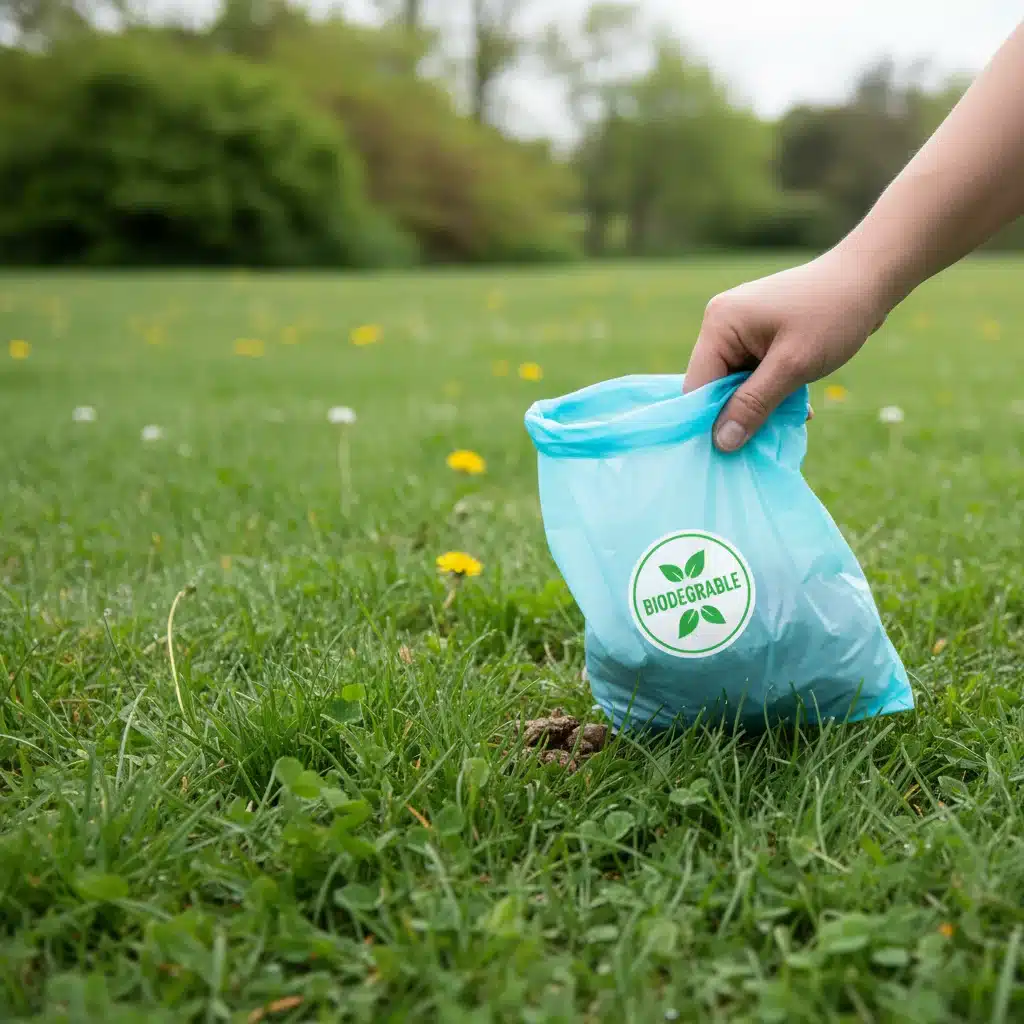
One of the most immediate and impactful shifts in pet waste management is the widespread adoption of biodegradable and compostable waste bags. Unlike traditional plastic bags that can take hundreds of years to break down, these alternatives are designed to decompose much faster, returning to the earth without leaving harmful residues. By 2026, expect to see an even greater variety of these bags, made from plant-based materials like cornstarch or sugarcane, becoming the industry standard. The key distinction lies between ‘biodegradable’ and ‘compostable’: while both break down, compostable bags require specific conditions (like those found in industrial composting facilities) to fully decompose, whereas biodegradable bags break down more generally, though often still requiring microbial activity. Consumers are becoming more educated on these differences, opting for certified compostable options where infrastructure supports them.
Flushing Systems and Septic Safe Options
For some households, flushing pet waste directly down the toilet seems like an appealing solution. However, this is only viable if the waste is free of harmful bacteria that could overwhelm water treatment plants and if the toilet paper or bags used are specifically designed to be septic-safe. The market for flushable pet waste bags is expanding, offering materials that dissolve quickly and safely. It’s crucial for pet owners to verify that their local wastewater treatment facilities can handle pet waste before adopting this method, as not all systems are equipped for it.
Community Composting and Digester Programs
A significant trend for 2026 is the expansion of community-level pet waste solutions. Cities and towns are increasingly investing in specialized composting facilities or anaerobic digesters that can process pet waste safely and efficiently. These facilities convert waste into nutrient-rich compost or biogas, offering a truly circular solution. Pet owners can drop off their waste at designated collection points, contributing to a broader environmental effort. This approach not only diverts waste from landfills but also creates valuable resources. Public-private partnerships are crucial in developing the infrastructure necessary for these programs to thrive, involving local governments, waste management companies, and pet product manufacturers.
Conquering the Stink: Advanced Odor Control Strategies
Beyond environmental concerns, one of the most immediate challenges of pet waste is its odor. Unpleasant smells are not only off-putting but can also attract pests and create an unsanitary environment. The latest pet waste solutions for 2026 incorporate sophisticated odor control technologies, ensuring homes and public spaces remain fresh and clean.
Smart Litter Boxes and Self-Cleaning Systems
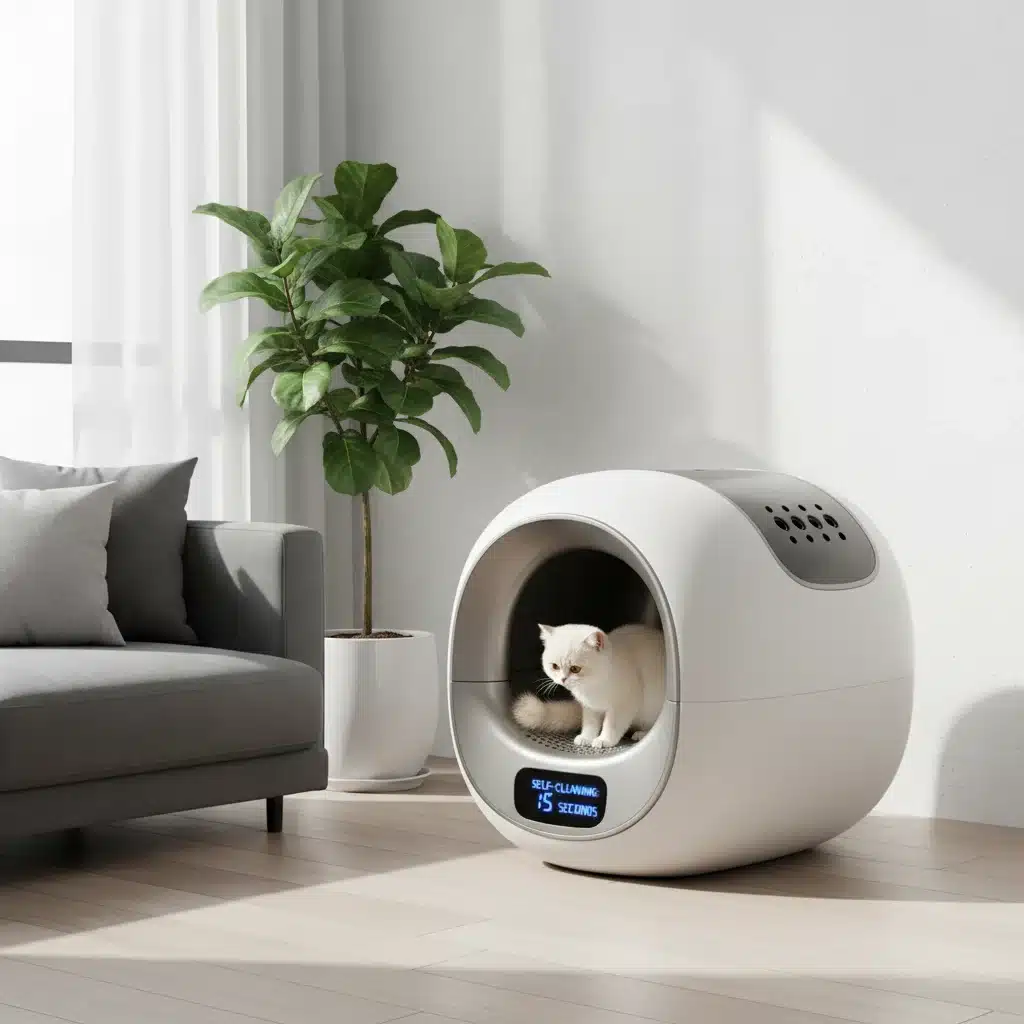
For cat owners, smart litter boxes are revolutionizing indoor waste management. These high-tech devices often feature automatic raking systems, enclosed waste compartments, and integrated odor filters. By 2026, expect even more advanced models with enhanced sensor technology, real-time waste monitoring, and improved filtration systems using activated carbon, zeolite, or even UV light to neutralize odors and bacteria. Some systems connect to smartphone apps, alerting owners when the waste receptacle needs emptying or when litter levels is low, ensuring optimal hygiene and minimal odor.
Specialized Waste Bins and Disposal Units
Outdoor pet waste disposal is also getting an upgrade. New generation waste bins are designed with airtight seals, activated carbon filters, and even small solar-powered ventilation systems to prevent odors from escaping. Some models incorporate enzymatic treatments that break down odor-causing compounds at the source. For individual households, compact, odor-locking disposal systems are gaining popularity, offering a convenient and hygienic way to store waste between trash collection days. These units often use multi-layer bags or cartridges that trap smells effectively.
Enzymatic Cleaners and Odor Neutralizers
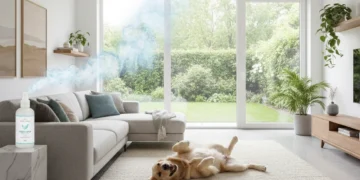
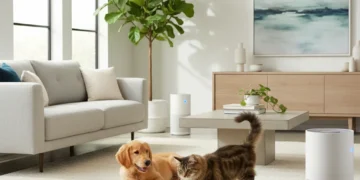
Accidents happen, and when they do, powerful odor neutralizers are essential. The market for enzymatic cleaners is booming, offering solutions that don’t just mask odors but break down the organic matter causing them. These products are increasingly formulated with natural, pet-safe ingredients, avoiding harsh chemicals that could irritate pets or humans. Sprays, powders, and even air purifiers specifically designed to tackle pet odors are becoming more sophisticated, using bio-enzymes to digest odor molecules. Some innovative products even incorporate probiotics to create a microenvironment that inhibits odor-producing bacteria.
Innovative Technologies Shaping Pet Waste Management
Technology is playing a pivotal role in transforming how we approach pet waste. From smart devices to advanced materials, these innovations are making pet waste management more convenient, efficient, and environmentally sound.
Pet Waste Composting Systems for Homes
For environmentally conscious homeowners with gardens, specialized pet waste composting systems are becoming a viable option. These systems are distinct from regular composters, as pet waste requires specific conditions (higher temperatures, specific bacterial cultures) to break down safely and prevent the spread of pathogens. By 2026, expect more user-friendly and efficient home composting units that can handle pet waste, turning it into non-edible garden compost. These systems often utilize a digester design, burying the waste underground where natural processes, aided by specific additives, facilitate decomposition.
Smart Pet Waste Stations in Public Spaces
Public parks and dog runs are benefiting from smart waste stations. These intelligent bins can compact waste, monitor fill levels, and even alert waste management services when they need emptying, optimizing collection routes and reducing overflowing bins. Some advanced units may even incorporate solar-powered UV sanitizers or internal air filtration systems to combat odors. These smart stations are part of a larger trend towards smart city infrastructure, where technology helps manage public resources more effectively.
GPS Trackers and Waste Collection Services
While not directly managing the waste itself, GPS trackers for pets are indirectly contributing to better waste management. By knowing a pet’s exact location, owners can be more diligent about waste collection. Furthermore, in some urban areas, specialized pet waste collection services are emerging, offering subscription-based pick-up for busy pet owners. These services often use their own eco-friendly bags and transport waste to specialized processing facilities, providing a premium, convenient pet waste solution.
The Role of Education and Community Engagement
Even with the most advanced pet waste solutions, human behavior remains a critical factor. Education and community engagement are paramount to ensuring these innovations are effectively utilized and that responsible pet ownership practices are upheld.
Promoting Awareness of Environmental Impact
Campaigns highlighting the environmental and health impacts of improper pet waste disposal are essential. Informing pet owners about the dangers of bacterial contamination in water sources, the benefits of composting, and the importance of using eco-friendly products can drive significant behavioral change. This includes clear signage in parks, educational materials from veterinary clinics, and social media campaigns.
Incentivizing Responsible Disposal
Some communities are exploring incentive programs, such as discounts on pet licenses for owners who participate in community composting programs or public recognition for neighborhoods with high compliance rates. Gamification through apps that track responsible waste disposal could also emerge as a fun way to encourage participation.
Accessible Infrastructure for Eco-Friendly Options
The success of eco-friendly pet waste solutions hinges on accessible infrastructure. This means having enough public compostable waste bins, clear instructions on how to use them, and readily available biodegradable bags in stores. Local governments and businesses have a crucial role to play in providing these resources and making sustainable choices the easiest choices for pet owners.
Challenges and Future Outlook for Pet Waste Solutions
While the future of pet waste solutions looks promising, several challenges remain. The cost of advanced technologies and eco-friendly materials can be higher than traditional options, posing a barrier to widespread adoption. Furthermore, developing the necessary infrastructure for large-scale composting and digestion of pet waste requires significant investment and coordination.
Cost-Effectiveness and Accessibility
For eco-friendly solutions to become truly ubiquitous, they must be affordable and accessible to all pet owners. Innovations in manufacturing processes and economies of scale are expected to drive down costs by 2026, making sustainable options more competitive with conventional ones. Government subsidies or tax incentives for businesses that produce eco-friendly pet products or for communities that invest in waste processing infrastructure could also accelerate adoption.
Standardization and Certification
The terms ‘biodegradable’ and ‘compostable’ can sometimes be misleading. By 2026, there will likely be a greater emphasis on standardized certification processes for pet waste products, providing consumers with clear, reliable information about the environmental claims of products. This will help build trust and ensure that products truly deliver on their eco-friendly promises.
Behavioral Change and Public Adoption
Ultimately, the success of any new pet waste solution depends on pet owners embracing and consistently using them. Continued education, community support, and the sheer convenience of new products will be key to fostering widespread adoption. The integration of pet waste management into broader smart home and smart city ecosystems will make responsible disposal more seamless and intuitive.
Conclusion: A Cleaner, Greener Future for Pet Waste
The landscape of pet ownership is continually evolving, and with it, our understanding of responsible pet care. As we look ahead to 2026, the advancements in pet waste solutions are not just about convenience; they are about creating a healthier planet for everyone. From highly effective odor control technologies to truly biodegradable and compostable products, the tools are now available to manage pet waste in a way that is both hygienic and environmentally sound.
Embracing these innovations requires a collective effort from pet owners, product manufacturers, and local governments. By choosing eco-friendly options, supporting community initiatives, and staying informed about the latest technologies, we can all contribute to a cleaner, greener future. The shift towards sustainable pet waste solutions is not just a trend; it’s a fundamental change in how we care for our pets and our planet, ensuring that the joy of pet ownership doesn’t come at an environmental cost.
The journey towards optimal pet waste management is ongoing, but with the innovations emerging by 2026, we are well on our way to a future where pet waste is no longer a problem, but a manageable part of sustainable living. Let’s commit to making responsible choices, leveraging these new solutions, and fostering communities where both pets and people can thrive in a clean and healthy environment.