Ultimate Guide to Pet Car Seat Covers 2026: Durability, Washability, & Fit
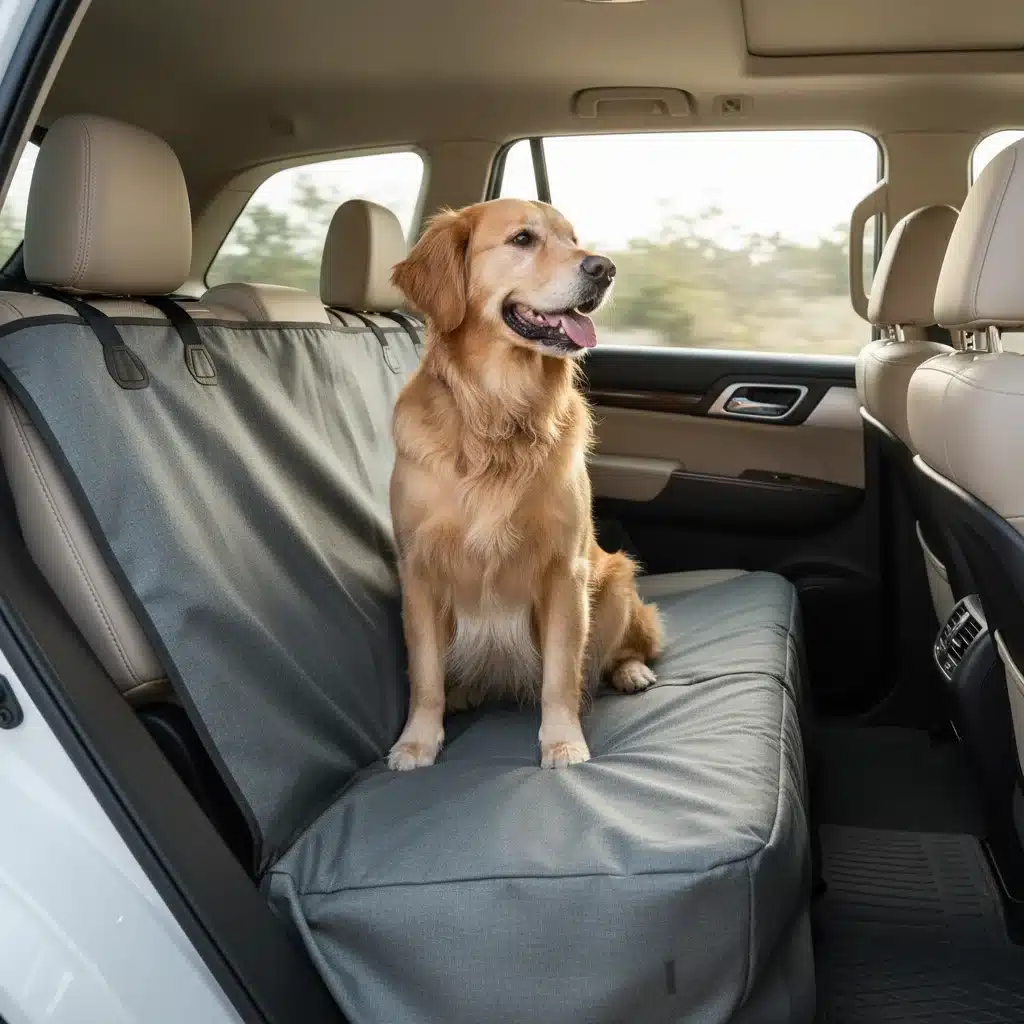
The Ultimate Guide to Selecting the Best Pet Car Seat Covers in 2026: Durability, Washability, and Vehicle Compatibility
As pet owners, our furry companions are more than just animals; they are cherished members of our families. And just like any family member, we want them to be safe and comfortable, especially when traveling. However, car rides with pets often come with their own set of challenges: muddy paws, shedding fur, accidental spills, and even scratches on upholstery. This is where the importance of the best pet car seat covers becomes undeniable. In 2026, the market offers an incredible array of options, making the selection process both exciting and potentially overwhelming. This comprehensive guide is designed to navigate you through the essential considerations, ensuring you choose a pet car seat cover that meets your specific needs for durability, washability, and perfect vehicle compatibility.
Investing in a high-quality pet car seat cover isn’t just about keeping your car clean; it’s about protecting your investment, enhancing your pet’s travel experience, and even contributing to their safety by providing a stable, non-slip surface. With advancements in materials and design, today’s pet car seat covers are more robust, easier to clean, and more versatile than ever before. Let’s delve into the crucial factors that will help you make the smartest choice for your vehicle and your beloved pet.
Why Pet Car Seat Covers Are an Absolute Necessity for Pet Owners
Before we dive into the specifics of choosing the best pet car seat covers, it’s worth reiterating why they are an indispensable accessory for any pet-owning driver. The benefits extend far beyond mere aesthetics:
- Upholstery Protection: The most obvious benefit. Pet seat covers shield your car seats from fur, dirt, mud, dander, slobber, and scratches from claws. This is especially critical for leather seats, which can be easily damaged.
- Odor Control: Pet odors can permeate car upholstery over time. A good seat cover acts as a barrier, trapping odors and making them easier to clean or wash away, rather than letting them sink into your car’s fabric.
- Spill and Accident Prevention: Accidents happen, especially with puppies, older pets, or during long journeys. Waterproof or water-resistant covers prevent liquids from soaking into your seats, saving you from costly cleaning or permanent stains.
- Enhanced Pet Comfort: Many covers offer a soft, comfortable surface for your pet, making car rides more enjoyable. Some even have padding for extra cushioning.
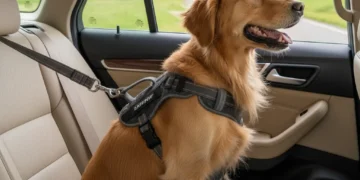
- Improved Pet Safety: A non-slip surface prevents your pet from sliding around during sudden stops or turns, reducing anxiety and the risk of injury. Some covers also come with seat belt openings to secure a pet harness, further enhancing safety.
- Resale Value: Keeping your car’s interior in pristine condition can significantly impact its resale value. A well-maintained interior, free from pet-related wear and tear, is a huge plus for potential buyers.
- Ease of Cleaning: Instead of spending hours vacuuming and scrubbing your car seats, you can simply remove and clean the cover. Many are machine washable, making maintenance a breeze.
Considering these advantages, it’s clear that a pet car seat cover is not a luxury, but a practical and wise investment for any pet parent.
Key Factors to Consider When Choosing the Best Pet Car Seat Covers in 2026
The market for pet car seat covers has evolved significantly. To find the best pet car seat covers for your needs in 2026, focus on these critical factors:
1. Durability: Built to Last
Durability is paramount. Your pet car seat cover will be subjected to claws, dirt, fur, and potentially chewing. A flimsy cover will quickly wear out, defeating its purpose. Look for materials and construction that promise longevity.
- Material Strength: High-denier fabrics like 600D Oxford fabric or even higher (e.g., 900D, 1200D) are excellent choices. These materials are known for their tear resistance, puncture resistance, and overall robustness. Some premium options might even incorporate ballistic nylon or reinforced canvas.
- Reinforced Stitching: Check for double or triple stitching, especially at stress points like seams, strap attachments, and zipper areas. This prevents fraying and ensures the cover holds up to repeated use and washing.
- Anti-Scratch Properties: While no fabric is entirely scratch-proof against determined claws, thicker, tightly woven materials offer better resistance. Some manufacturers specifically highlight anti-scratch coatings or treatments.
- UV Resistance: If your car is often parked in the sun, UV-resistant materials will prevent the cover from fading and degrading over time, maintaining its appearance and structural integrity.
2. Washability and Ease of Cleaning: Convenience is Key
Let’s face it: pets are messy. The easier your car seat cover is to clean, the more likely you are to keep it clean, and thus, your car. Washability is a non-negotiable feature for the best pet car seat covers.
- Machine Washable: This is the gold standard. Most quality covers will be machine washable, often on a gentle cycle with cold water. Always check the manufacturer’s care instructions.
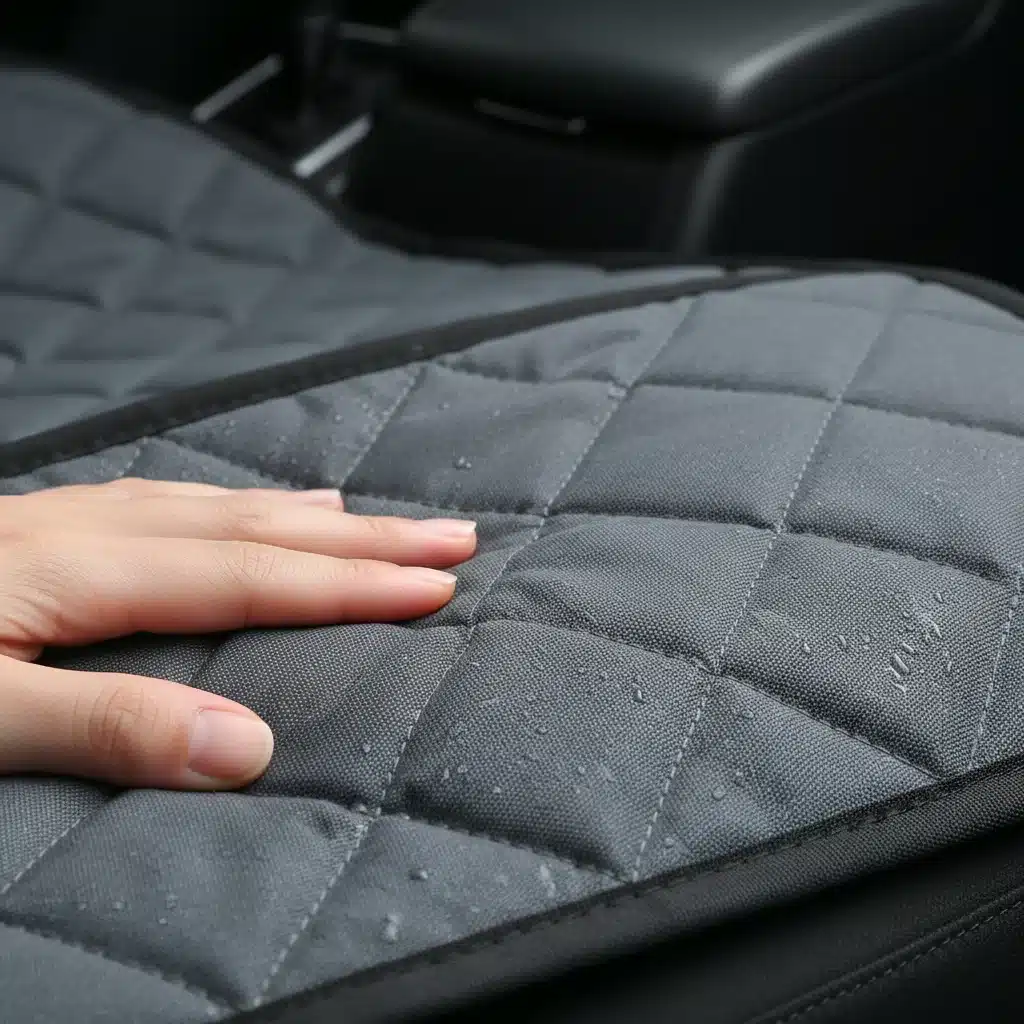
- Spot Cleaning: For minor spills or dirt, the ability to quickly wipe down the surface with a damp cloth is a huge advantage. Look for smooth, non-porous surfaces.
- Quick-Drying Materials: Covers made from synthetic materials like polyester often dry quickly, allowing you to put them back in your car sooner.
- Hair and Dirt Repellency: Some fabrics are designed to repel pet hair, making it easier to vacuum or brush off before washing. This is a significant time-saver.
- Removable Components: If a cover has multiple pieces, ensure they are all easy to detach and clean.
3. Vehicle Compatibility and Fit: A Snug and Secure Setup
A pet car seat cover is only effective if it fits your vehicle properly. A poorly fitting cover can slide around, exposing your seats and potentially making your pet uncomfortable or unsafe. The best pet car seat covers come in various styles and sizes to accommodate different vehicles.
- Measure Your Seats: Before purchasing, measure the width and length of your back seat (or front seat, if that’s where your pet rides). Compare these measurements to the product dimensions.
- Types of Covers:
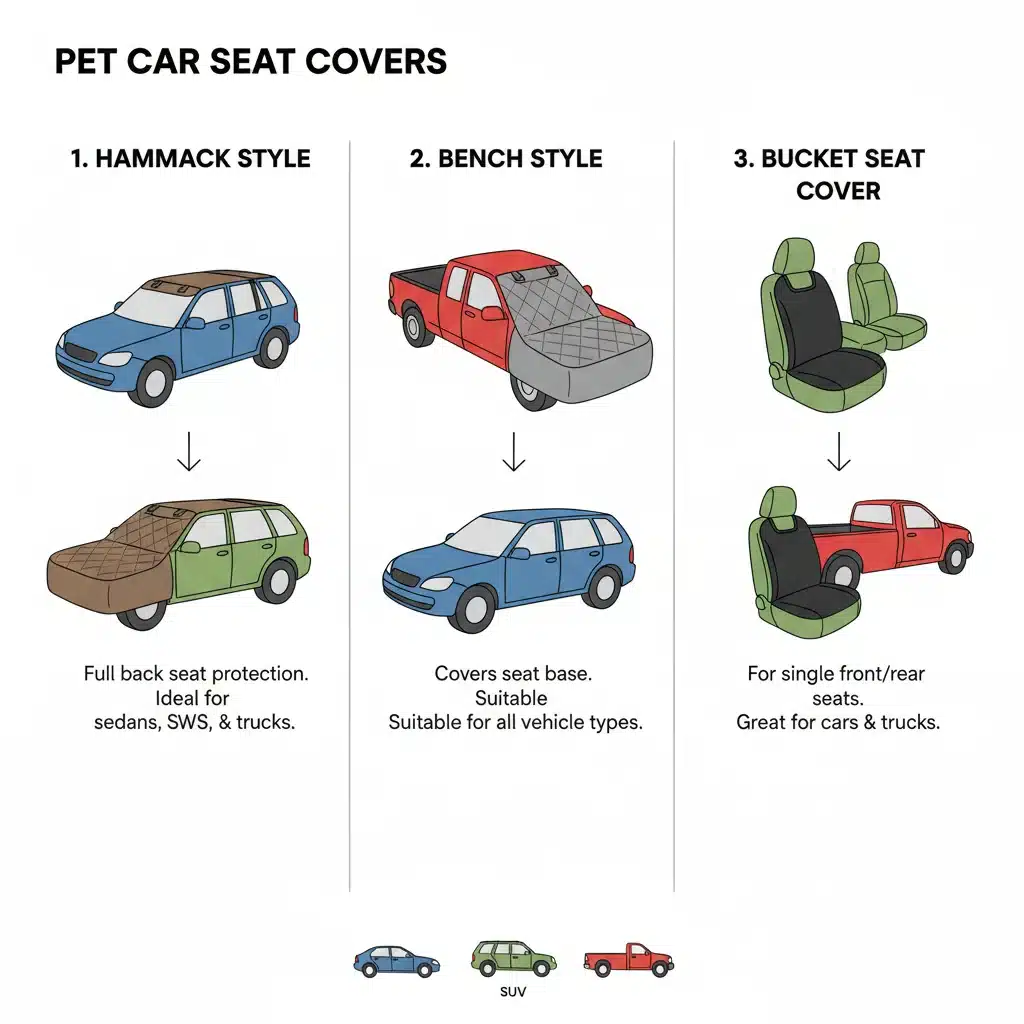
- Hammock Style: The most popular choice for back seats. It attaches to both the front and rear headrests, creating a barrier that prevents your pet from falling into the footwell and keeps them contained in the back. This style also provides excellent protection for the back of the front seats.
- Bench Style: A simpler cover that lays flat across the back seat, securing with straps around the headrests. Good for pets who are comfortable and don’t need a barrier.
- Bucket Seat Covers: Designed for individual front or rear bucket seats, these are ideal for smaller pets or for protecting a single seat.
- Cargo Liner: For SUVs, hatchbacks, or wagons, a cargo liner protects the entire cargo area, perfect for larger dogs or multiple pets.
- Door Protectors: Often overlooked, these attach to car doors to prevent scratches and slobber marks when your pet looks out the window.
- Attachment Mechanisms: Look for secure attachment points. These typically include:
- Adjustable Headrest Straps: Essential for a snug fit.
- Seat Anchors: These are tubes or flaps that push into the crease between the seat back and cushion, holding the cover firmly in place.
- Elastic Straps/Bands: Around the seat corners for a tighter fit.
- Non-Slip Backing: Rubberized or silicone backing prevents the cover from sliding on leather or slick upholstery.
- Velcro/Zipper Openings: For seatbelt buckles, allowing you to still use seatbelts or secure a pet harness.
- Split Bench Compatibility: If your vehicle has a 60/40 or 50/50 split-fold rear seat, look for covers with zippers or Velcro openings that allow you to utilize the split feature without removing the entire cover.
4. Waterproof vs. Water-Resistant: Understanding the Difference
While often used interchangeably, there’s a crucial distinction:
- Water-Resistant: The fabric can repel water to some extent, but a significant spill or prolonged exposure will eventually soak through. It’s good for minor dampness or quick cleanups.
- Waterproof: Provides a complete barrier against liquids. This is achieved through a waterproof membrane (like TPU or PVC) laminated onto the fabric or a highly water-impermeable coating. For ultimate protection against accidents, vomit, or large spills, waterproof is the superior choice. The best pet car seat covers will often feature a multi-layer design with a dedicated waterproof layer.
5. Comfort and Safety Features for Your Pet
Beyond protecting your car, the cover should also enhance your pet’s travel experience and safety.
- Non-Slip Surface: As mentioned, this is crucial for stability during movement.
- Padding/Cushioning: Some covers offer a quilted or padded surface for extra comfort, especially beneficial for older pets or long journeys.
- Breathability: While waterproof, ensure the fabric isn’t overly stifling, especially in warmer climates. Some covers incorporate breathable mesh sections.
- Visibility: For hammock covers, some designs include a mesh window in the middle, allowing your pet to see the front seats and reducing anxiety.
- Seatbelt Openings: Essential for using a pet safety harness and seatbelt attachment. Ensure these openings are well-sealed (e.g., with Velcro flaps) to maintain the cover’s protective qualities.
- Side Flaps: These are extensions that protect the sides of your car seats and the door sills when your pet jumps in and out.
- Storage Pockets: Convenient for storing leashes, toys, treats, or waste bags.
Top Materials Used in the Best Pet Car Seat Covers
Understanding the common materials will help you discern quality and suitability:
- Oxford Fabric (Polyester): This is perhaps the most common and versatile material. Available in various deniers (e.g., 600D, 900D, 1200D), it’s known for its durability, tear resistance, and often comes with a PVC or TPU coating for waterproofing. It’s relatively affordable and easy to clean.
- Neoprene: Often used in wetsuits, neoprene is naturally waterproof, durable, and provides good cushioning. It’s excellent for heavy-duty use but can be pricier.
- Canvas: A heavy-duty cotton fabric. It’s very durable and breathable, but typically not waterproof on its own unless treated or coated. It can also be heavier and take longer to dry.
- Nylon: Similar to polyester, nylon is strong, abrasion-resistant, and can be treated for water resistance. Ballistic nylon is an extremely tough variant.
- Faux Leather/Vinyl: Offers a sleek look and is usually easy to wipe clean and waterproof. However, it can be less breathable and prone to cracking over time if not high quality.
- Quilted Cotton/Polyester Blends: Often used for the top layer for comfort, usually with a waterproof backing. These offer a softer feel for your pet.
Installation and Maintenance Tips for Your Pet Car Seat Cover
Even the best pet car seat covers require proper installation and maintenance to perform optimally and last longer.
Installation:
- Read Instructions: Always start by reading the manufacturer’s instructions. Each cover might have unique attachment points.
- Clean Your Seats First: Install the cover on clean, dry seats to prevent trapping dirt or moisture underneath.
- Secure All Straps: Ensure all headrest straps, seat anchors, and elastic bands are securely fastened and tightened for a snug fit.
- Test for Slippage: Once installed, gently push and pull on the cover to ensure it doesn’t slide excessively.
- Check Seatbelt Access: Make sure the seatbelt openings are aligned and accessible if you plan to use a pet harness.
Maintenance:
- Regular Shaking/Vacuuming: Shake out loose fur and dirt regularly, or use a handheld vacuum. This prevents buildup and makes deep cleaning less frequent.
- Spot Clean Promptly: Address spills and stains immediately with a damp cloth and mild soap.
- Follow Washing Instructions: Adhere strictly to the manufacturer’s washing guidelines (machine wash cold, gentle cycle, air dry, etc.). High heat can damage waterproof coatings and fabric integrity.
- Air Dry: Most covers should be air-dried to preserve their waterproof layer and prevent shrinkage or damage to the backing. Avoid direct sunlight for prolonged periods if not UV-resistant.
- Inspect for Wear: Periodically check for any tears, fraying, or damage to the waterproof layer. Early detection can prevent larger issues.
Advanced Features and Innovations in 2026 Pet Car Seat Covers
As we look to 2026, manufacturers are continually innovating to offer more functional and user-friendly products. Here are some advanced features you might find in the best pet car seat covers:
- Integrated Safety Harness Attachments: Some covers now feature built-in, reinforced loops or clips designed specifically for attaching a pet safety harness, providing a more integrated safety solution.
- Temperature Regulation: Covers with breathable mesh panels or materials designed to dissipate heat can keep pets cooler in warm weather, while some might offer mild insulation for colder climates.
- Modular Designs: Covers that can easily convert between hammock, bench, or even cargo liner styles, offering greater versatility for different travel scenarios or vehicle types.
- Quick-Release Buckles: For even faster installation and removal, making it easier to switch between pet and human passengers.
- Eco-Friendly Materials: A growing trend towards sustainable and recycled materials, appealing to environmentally conscious consumers.
- Anti-Bacterial/Odor-Resistant Treatments: Fabrics treated to inhibit bacterial growth and reduce odors, keeping your car fresher for longer.
- Built-in Storage Pockets with Zippers: More secure and organized storage for pet essentials.
Choosing the Right Size and Style for Your Pet and Vehicle
It’s not just about finding the best pet car seat covers in terms of quality; it’s also about finding the perfect match for your specific situation. Consider:
- Pet Size and Breed: A small dog might do well with a bucket seat cover or a smaller bench cover. A large dog, especially one that sheds a lot or gets carsick, will benefit most from a full hammock-style cover with side flaps and superior waterproofing. Multiple pets will likely require a full bench cover or cargo liner.
- Vehicle Type:
- Sedans: Hammock or bench covers are ideal for the back seat.
- SUVs/Trucks: Hammock covers, bench covers, or full cargo liners for the spacious rear area.
- Minivans: Often benefit from full-coverage solutions that can adapt to multiple rows of seating.
- Frequency of Travel: If you travel with your pet daily, invest in a highly durable and easily washable cover. For occasional trips, a simpler, less robust option might suffice.
- Pet’s Behavior: Does your pet chew? Dig? Get anxious and scratch? Choose materials that can withstand these behaviors. Does your pet shed excessively? Look for hair-repellent fabrics.
Final Thoughts: Protecting Your Investment and Cherishing Your Companion
Selecting the best pet car seat covers for 2026 is a decision that impacts both your vehicle’s longevity and your pet’s comfort and safety. By focusing on durability, washability, and vehicle compatibility, you can confidently choose a product that offers peace of mind for years to come. Remember to measure your car seats, understand the different material properties, and prioritize features that align with your pet’s needs and your lifestyle.
A well-chosen pet car seat cover transforms car rides from a potential chore into a joyful experience, allowing you to create lasting memories with your furry friend without worrying about the mess. Drive safe, and enjoy the journey with your beloved companion!