Top Crash-Tested Pet Car Harnesses 2026: Ultimate Guide for Safe Road Trips
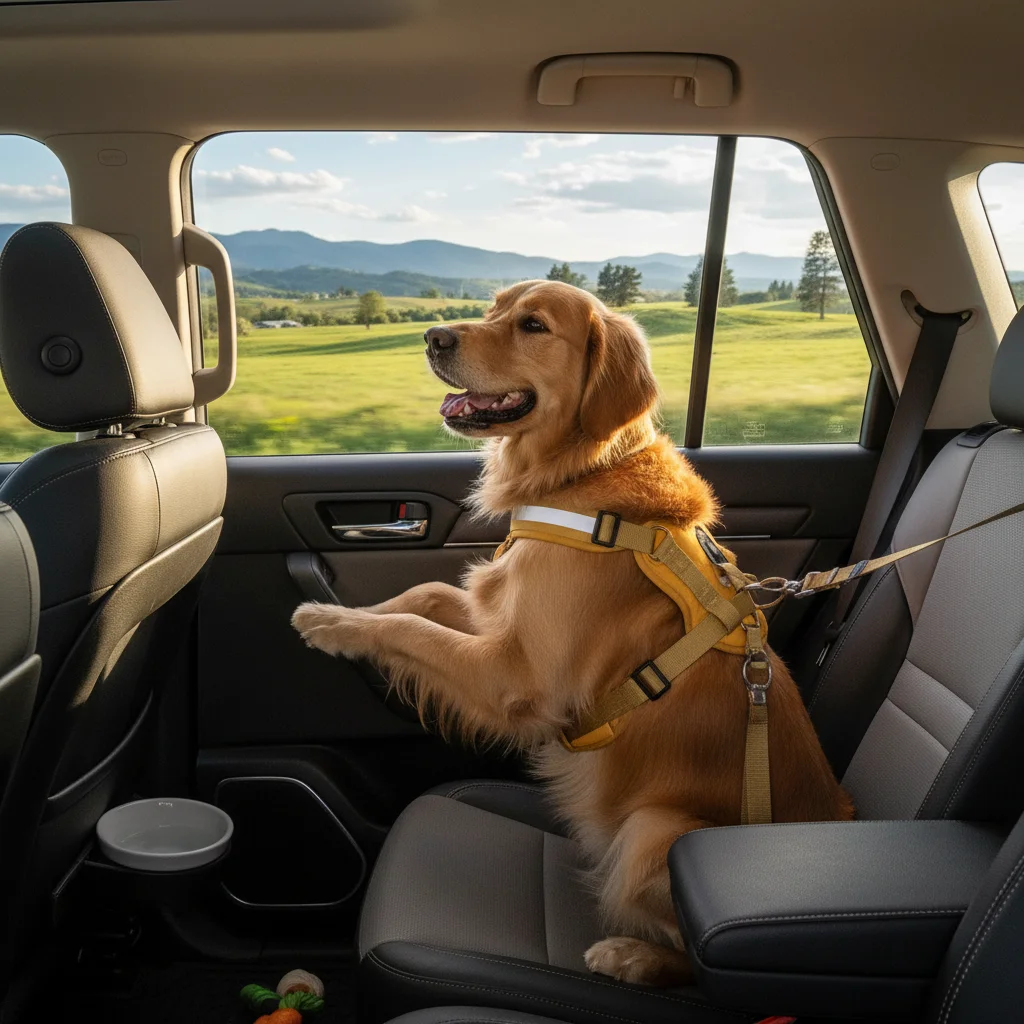
Top Crash-Tested Pet Car Harnesses 2026: Ultimate Guide for Safe Road Trips
As pet parents, the safety of our furry companions is paramount, especially when traveling. With more families including their pets in road trip adventures across the U.S., the demand for reliable and effective pet car harnesses has soared. Gone are the days when an unsecured pet was a common sight in a moving vehicle. Today, understanding the risks and choosing the right safety equipment is crucial. This comprehensive guide will delve into the world of Pet Car Harnesses, focusing on crash-tested options available in 2026, to help you make an informed decision for your next journey.
The landscape of pet travel safety has evolved significantly. What was once considered an accessory is now recognized as a vital safety device. An unrestrained pet can become a dangerous projectile in the event of a sudden stop or collision, posing a severe risk to themselves and all human occupants. Beyond accident scenarios, a loose pet can also distract the driver, leading to preventable incidents. This is where high-quality, crash-tested Pet Car Harnesses come into play, offering peace of mind and protection.
In this article, we will explore why crash-tested harnesses are superior, what to look for when purchasing one, and review some of the leading models for 2026. Our goal is to equip you with all the necessary information to ensure your beloved pet travels as safely and comfortably as possible, turning every road trip into a joyful and secure experience.
The Non-Negotiable Need for Crash-Tested Pet Car Harnesses
When it comes to securing your pet in a vehicle, not all harnesses are created equal. The term ‘crash-tested’ is not just a marketing buzzword; it signifies that a product has undergone rigorous testing to meet specific safety standards, often similar to those for child safety seats. These tests simulate real-world collision forces, ensuring the harness can withstand impact and protect your pet from severe injury.
Why ‘Crash-Tested’ Matters
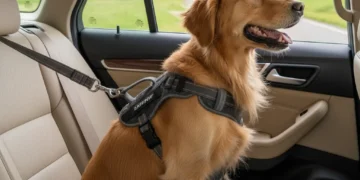
- Protection in Collisions: In a crash, an unsecured pet can be thrown forward with tremendous force. A crash-tested harness is designed to absorb and distribute this force, preventing the pet from becoming a projectile and minimizing injury to both the pet and human passengers.
- Driver Distraction Prevention: A restless or curious pet can easily distract a driver. A properly fitted Pet Car Harnesses keeps your pet secure in their seat, allowing the driver to focus on the road.
- Legal Requirements: In some U.S. states and countries, it is legally required to restrain pets in vehicles. While specific crash-test certifications might not be mandated everywhere, choosing a tested harness demonstrates due diligence in pet safety.
- Comfort and Security: Beyond safety, a good harness provides a sense of security for your pet. They can feel more stable and less anxious during travel, especially on long journeys.
Understanding Crash Test Standards
The primary standard for crash-tested Pet Car Harnesses in the U.S. is often set by the Center for Pet Safety (CPS). The CPS is a non-profit organization that independently evaluates pet travel products using scientific and repeatable testing methodologies. Products that pass their certification program are labeled as ‘CPS Certified.’ When looking for a harness, a CPS certification is a strong indicator of its safety and effectiveness.
These tests typically involve using weighted pet dummies in various crash scenarios, measuring the integrity of the harness, the restraint of the pet dummy, and the potential for injury. Products that fail to meet these stringent requirements are not certified, highlighting the importance of looking for this specific designation.
Key Features to Look for in 2026 Pet Car Harnesses
With an array of options on the market, selecting the best Pet Car Harnesses can be daunting. Here are the essential features to prioritize when making your choice for 2026:
1. Crash Test Certification
As emphasized, this is paramount. Look for certifications from reputable organizations like the Center for Pet Safety (CPS). This ensures the harness has been independently verified to perform under crash conditions.
2. Proper Fit and Sizing
A harness is only effective if it fits correctly. Measure your pet’s chest girth and neck circumference accurately and consult the manufacturer’s sizing chart. A harness that is too loose can allow too much movement, while one that is too tight can cause discomfort or chafing. Adjustable straps are a must for a snug and secure fit.
3. Durable Materials and Construction
High-quality materials like ballistic nylon, strong webbing, and robust metal hardware are crucial. Check for reinforced stitching and sturdy buckles. The materials should be able to withstand significant force without tearing or breaking.
4. Comfort and Padding
While safety is key, comfort ensures your pet will tolerate wearing the harness. Look for designs with ample padding, especially around the chest and neck areas, to prevent chafing and discomfort during long rides. Breathable materials can also help regulate temperature.
5. Ease of Use and Installation
The harness should be relatively easy to put on your pet and secure in the car. Some harnesses integrate directly with the vehicle’s seat belt system, while others require a separate tether. Consider your vehicle’s setup and your pet’s temperament when evaluating ease of use.
6. Versatility (Optional but Recommended)
Some Pet Car Harnesses double as walking harnesses, offering convenience. While this can be a nice bonus, ensure its primary function as a car safety device isn’t compromised. The best car harnesses are often designed specifically for car travel.
7. Reflective Elements
While not directly related to car crash safety, reflective elements can be beneficial if you need to take your pet out of the car in low-light conditions, adding an extra layer of visibility.
Top Crash-Tested Pet Car Harnesses for U.S. Road Trips in 2026: Reviews
Here’s a look at some of the leading crash-tested Pet Car Harnesses that are highly rated for 2026, based on their safety certifications, features, and user feedback. Remember to always double-check current certifications and product specifications before purchasing.
1. Sleepypod Clickit Sport Harness
The Sleepypod Clickit Sport is consistently ranked as one of the safest pet car harnesses on the market, holding a 5-star crash test rating from the Center for Pet Safety. It’s designed to work like a car seatbelt for pets, securing them across their chest and hips to minimize forward motion in a collision.
- Key Features: Three-point design for optimal restraint, ballistic nylon construction, automotive-grade seatbelt webbing, padded vest for comfort.
- Pros: Excellent crash test performance, highly durable, reduces pet excursion significantly, can be used as a walking harness.
- Cons: Can be a bit bulky, some pets may need time to adjust to the fit, higher price point.
- Ideal for: Pet owners prioritizing the absolute highest safety standards for all sizes of dogs.
2. Kurgo Enhanced Strength Tru-Fit Smart Harness
Kurgo is another reputable brand known for its commitment to pet travel safety. The Enhanced Strength Tru-Fit Smart Harness has been crash-tested and certified by the CPS for dogs up to 75 pounds. It’s a popular choice due to its balance of safety, comfort, and affordability.
- Key Features: All-steel nested buckles, durable all-metal hardware, padded chest plate, includes a seatbelt tether.
- Pros: CPS certified, strong construction, comfortable for most dogs, versatile for walking and car travel, more budget-friendly than some premium options.
- Cons: May not be suitable for very large dogs over 75 lbs, some users report the tether length can allow too much movement.
- Ideal for: Medium to large dogs, owners looking for a reliable and versatile harness without breaking the bank.
3. Ruffwear Load Up Harness
Ruffwear is renowned for its outdoor gear for dogs, and their Load Up Harness extends that quality to car safety. While not CPS certified in the same way as Sleepypod, it has undergone rigorous testing at a certified facility and is designed to keep pets secure and stable during travel.
- Key Features: All-metal hardware, strength-rated components, adjustable straps for a custom fit, designed to integrate with vehicle seatbelts.
- Pros: Durable and robust, designed for serious adventurers, comfortable for extended wear, minimizes pet movement effectively.
- Cons: Higher price point, not explicitly CPS certified (though rigorously tested), might be overkill for casual travelers.
- Ideal for: Active dogs and owners who frequently travel and demand robust, high-performance gear.
4. EzyDog Drive Car Harness
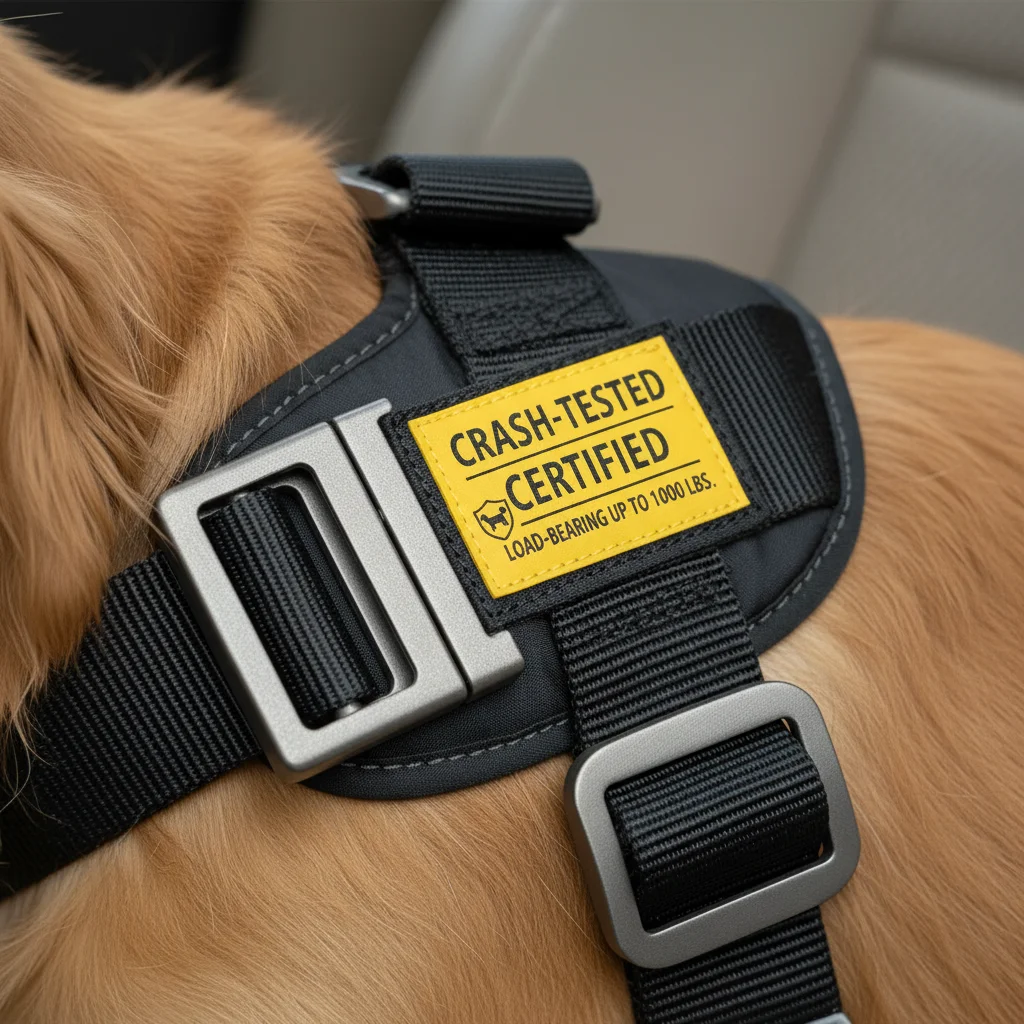
The EzyDog Drive Car Harness is another strong contender, crash-tested and certified by the CPS. It’s designed to be simple to use while providing maximum safety and comfort for your pet. Its ergonomic design ensures a snug fit without restricting movement too much.
- Key Features: Mag-Lok Instant Fit closure system, cross-chest strap for impact distribution, comfortable and breathable padding, attaches directly to seatbelt.
- Pros: CPS certified, easy to put on and take off, strong and durable, good for various dog sizes.
- Cons: Can be pricier, some dogs might find the chest plate restrictive initially.
- Ideal for: Owners seeking a balance of easy use, comfort, and certified safety.
Beyond the Harness: Complete Pet Travel Safety Tips
While a crash-tested Pet Car Harnesses is the cornerstone of safe pet travel, it’s part of a larger picture. Here are additional tips to ensure your furry friend has a safe and enjoyable road trip:
1. Proper Introduction and Training
Introduce the harness gradually. Let your pet wear it for short periods around the house before trying it in the car. Reward positive behavior with treats and praise. This helps them associate the harness and car with positive experiences.
2. Secure Placement in the Vehicle
Always secure your pet in the back seat. The front passenger seat airbags can be dangerous for pets, even those in harnesses. The back seat is generally the safest location in a collision.
3. Hydration and Potty Breaks
Plan frequent stops for water, potty breaks, and a chance to stretch their legs. Dehydration can be a serious issue, and regular breaks help reduce anxiety and discomfort for your pet.
4. Never Leave Pets Unattended
Even with windows cracked, a car’s interior temperature can rise rapidly, leading to heatstroke. Never leave your pet alone in a parked car, especially on warm days.
5. Pack a Pet Travel Kit
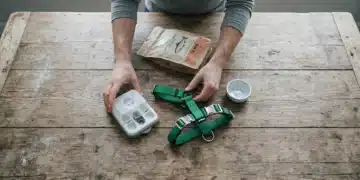
Include essentials like food, water, bowls, medications, a first-aid kit, favorite toys, blankets, and waste bags. Having familiar items can help reduce stress.
6. Microchip and ID Tags
Ensure your pet has up-to-date ID tags on their collar and is microchipped with current contact information. This is crucial in case they get lost during your travels.
7. Consider Pet Anxiety Solutions
If your pet suffers from travel anxiety, consult your veterinarian. They might recommend calming treats, pheromone sprays, or prescription medication to make the journey less stressful.
8. Avoid Feeding Immediately Before Travel
To prevent car sickness, avoid feeding your pet a large meal right before hitting the road. A light snack a few hours prior is usually fine.
The Future of Pet Car Safety: What to Expect in 2026 and Beyond
The pet safety industry is continuously innovating, driven by consumer demand and advancements in materials science and engineering. For 2026 and the years to come, we can anticipate several exciting developments in Pet Car Harnesses:
Smarter Harnesses
Expect to see more integration of smart technology. This could include harnesses with embedded sensors to monitor a pet’s heart rate or temperature, alerting owners to stress or overheating. GPS tracking could also become a standard feature, providing an extra layer of security in case a pet gets loose.
Enhanced Materials
Research into lighter, stronger, and more breathable materials will likely lead to harnesses that offer even greater protection without sacrificing comfort. Innovations in impact-absorbing fabrics and foams could further improve crash performance.
Customization and Ergonomics
As our understanding of animal anatomy and biomechanics grows, harnesses will become even more tailored to specific breeds and body types. Custom-fit options, perhaps even 3D-printed components, could become more accessible, ensuring an unparalleled level of safety and comfort.
Stricter and More Uniform Testing Standards
While organizations like the CPS have made great strides, there’s a growing call for standardized, government-mandated crash testing for pet products. This could lead to clearer labeling and easier identification of truly safe products for consumers, making the choice of Pet Car Harnesses simpler and more reliable.
Integrated Vehicle Safety Systems
Automakers might begin to incorporate pet-specific safety features directly into vehicle designs. This could include dedicated pet restraint points, reinforced pet zones, or even integrated harness systems that work seamlessly with the car’s existing safety mechanisms.
These advancements promise an even safer future for our traveling companions, making every journey a worry-free experience for pet owners.
Common Misconceptions About Pet Car Safety
Despite increased awareness, several myths and misconceptions persist regarding pet safety in vehicles. Addressing these is crucial for ensuring optimal protection:
Myth 1: Small Pets Are Safe on Your Lap
Reality: This is incredibly dangerous. Even a small pet can become a lethal projectile in a collision, injuring themselves and potentially the driver or other passengers. Airbags can also be fatal for a pet on a lap.
Myth 2: Crates Are Always Safer Than Harnesses
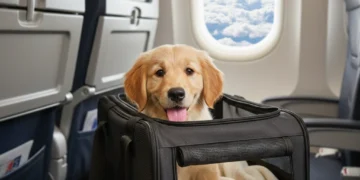
Reality: While some crates offer good protection, not all are crash-tested. An unsecured or poorly constructed crate can break apart or become a projectile. Only crash-tested crates or carriers, properly secured to the vehicle, offer comparable safety to crash-tested Pet Car Harnesses.
Myth 3: Tying a Leash to the Seatbelt is Sufficient
Reality: Never use a regular leash to restrain your pet in the car. Leashes are not designed to withstand crash forces and can cause severe neck or spinal injuries to your pet in a sudden stop or collision. Only use dedicated, crash-tested tethers that come with or are designed for car harnesses.
Myth 4: Pets Enjoy Riding with Their Heads Out the Window
Reality: While it might seem cute, allowing your pet to stick their head out the window exposes them to potential hazards like flying debris, insects, or even being thrown from the vehicle if the driver swerves suddenly. It can also lead to ear, eye, or respiratory infections.
Myth 5: Any Harness Will Do
Reality: As this article emphasizes, the ‘crash-tested’ distinction is vital. A regular walking harness is not built to absorb impact forces and will likely fail in a collision, offering little to no protection in a car accident. Always choose a harness specifically designed and tested for car safety.
Conclusion: Prioritizing Your Pet’s Safety on Every Journey
The joy of sharing U.S. road trips with our pets is immeasurable, but it comes with the responsibility of ensuring their safety. Investing in a high-quality, crash-tested Pet Car Harnesses is not just an expense; it’s an investment in your pet’s well-being and the safety of everyone in the vehicle. As we move through 2026 and beyond, the options for safe pet travel continue to improve, making it easier than ever to protect our beloved companions.
By understanding the importance of crash testing, knowing what features to look for, and choosing from reputable brands, you can embark on every adventure with confidence. Remember to combine the right harness with responsible travel practices, including proper introduction, regular breaks, and never leaving your pet unattended. Your furry friend deserves the same level of safety and care as any other family member, and with the right Pet Car Harnesses, you can provide just that, making every mile a safe and happy one.
Make pet safety a priority, and enjoy countless memorable road trips with your best friend by your side, securely and comfortably restrained.