
Navigating the Grain-Free Pet Food Debate: A 2026 Data-Driven Perspective for US Owners
As devoted pet parents, we constantly strive to provide the best for our furry companions. This often leads us down a rabbit hole of research, particularly when it comes to their diet. Among the most discussed and often debated topics in pet nutrition is grain-free pet food. What began as a niche trend has evolved into a significant segment of the pet food market, yet it remains shrouded in controversy and misinformation. For US pet owners in 2026, understanding the nuances of grain-free diets is more crucial than ever.
This comprehensive guide aims to cut through the noise, offering a data-driven perspective on grain-free pet food. We’ll explore the origins of the trend, delve into the scientific research, address the concerns raised by regulatory bodies, and ultimately help you make an informed decision for your dog or cat. Our goal is to empower you with the knowledge to navigate this complex landscape, ensuring your pet receives the optimal nutrition for a long, healthy, and happy life.
The Rise of Grain-Free Pet Food: A Historical Context
The concept of grain-free pet food gained significant traction in the early 2000s, largely fueled by the idea that domesticated dogs and cats, being descendants of wolves and wild felines, should consume diets that mimic their ancestral carnivorous eating habits. Proponents argued that grains were unnatural fillers, difficult for pets to digest, and a common source of allergies. This narrative resonated strongly with pet owners seeking more ‘natural’ or ‘biologically appropriate’ diets for their animals.
Initially, the market responded with a surge of products replacing traditional grains like corn, wheat, and soy with alternative carbohydrate sources such as peas, lentils, chickpeas, and potatoes. These ingredients were often marketed as superior, lower-glycemic, and more nutrient-dense. Pet owners reported anecdotal improvements in their pets’ coats, energy levels, and digestive health, further solidifying the trend. The marketing often highlighted the absence of ‘undesirable’ ingredients, playing into a broader human trend towards gluten-free and paleo diets.
However, as with many rapidly growing trends, the scientific community began to scrutinize the claims and potential long-term effects. The convenience and appeal of a simple ‘grain-free equals healthy’ message started to unravel as veterinarians and researchers observed emerging health concerns, particularly in certain breeds of dogs. This led to a significant shift in the conversation surrounding grain-free pet food, moving from uncritical acceptance to cautious investigation.
Understanding the Science: Grains vs. Legumes in Pet Nutrition
To truly understand the grain-free pet food debate, it’s essential to differentiate between grains and the alternative carbohydrate sources used in their place. Grains, such as corn, wheat, rice, and barley, have been staples in pet food for decades. They provide essential carbohydrates for energy, fiber for digestive health, and a range of vitamins and minerals. While some pets can indeed have sensitivities or allergies to specific grains, true grain allergies are relatively uncommon compared to protein allergies.
In grain-free pet food, grains are typically replaced with legumes (peas, lentils, chickpeas) and tubers (potatoes, sweet potatoes). These ingredients also provide carbohydrates, fiber, and some protein. The crucial distinction, however, lies not just in their classification but in their biochemical composition and how they are processed within the pet’s body. The argument against grains often centered on their perceived ‘filler’ status, but quality grains offer nutritional value.
The scientific understanding of canine and feline digestion has also evolved. While dogs are often considered facultative carnivores (meaning they can thrive on a mixed diet), and cats are obligate carnivores, both have evolved to digest carbohydrates to varying degrees. The digestive systems of domesticated dogs, in particular, have adapted over thousands of years to efficiently process starches, a key component of grains, thanks to an increased number of amylase genes compared to their wolf ancestors.
The DCM Connection: A Major Turning Point in Grain-Free Pet Food Research
The most significant development in the grain-free pet food discussion came with the emergence of reports linking certain diets to Dilated Cardiomyopathy (DCM) in dogs. DCM is a serious heart condition that leads to an enlarged heart, weakening its ability to pump blood effectively, and can ultimately be fatal. Historically, DCM was primarily associated with genetic predispositions in specific large and giant breeds, such as Doberman Pinschers, Great Danes, and Irish Wolfhounds.
However, starting in 2018, the U.S. Food and Drug Administration (FDA) began investigating an increasing number of DCM cases reported in breeds not typically predisposed to the condition, as well as in breeds with known genetic susceptibility but without a family history of the disease. A common factor identified in many of these atypical DCM cases was a diet heavy in peas, lentils, other legume seeds, or potatoes as primary ingredients, often found in grain-free pet food formulations. This led the FDA to issue public alerts and launch a comprehensive investigation into the potential link between ’boutique,’ ‘exotic ingredient,’ and ‘grain-free’ (BEG) diets and canine DCM.
The prevailing hypothesis, though still under active research as of 2026, centers on a potential taurine deficiency or impaired taurine metabolism. Taurine is an amino acid vital for heart health. While most dogs can synthesize taurine from other amino acids (methionine and cysteine), some breeds or individuals may require dietary taurine. The high inclusion of legumes and potatoes in certain grain-free pet food diets might interfere with taurine synthesis or absorption, or simply dilute the overall protein quality, leading to lower levels of methionine and cysteine. It’s important to note that not all dogs on these diets develop DCM, suggesting a complex interplay of diet, genetics, and individual metabolism.
Current Data and Research (2026 Perspective)
As of 2026, research into the link between grain-free pet food and DCM continues. While the FDA’s initial investigations identified a correlation, establishing a definitive causal link has proven complex. Several studies have been published, and others are ongoing, attempting to unravel the precise mechanisms at play. Key findings and observations include:
- Taurine Levels: Many dogs diagnosed with diet-associated DCM (DACM) have low plasma or whole blood taurine levels. Supplementation with taurine, along with a diet change, has shown to reverse or improve cardiac function in some, but not all, affected dogs.
- Ingredient Composition: Diets implicated in DACM often list peas, lentils, chickpeas, or potatoes as one of the top five ingredients. The specific combination and proportion of these ingredients, rather than just the absence of grains, appear to be a critical factor.
- Protein Source and Quality: Some theories suggest that novel protein sources or lower-quality protein in some grain-free pet food might contribute to suboptimal amino acid profiles, impacting taurine synthesis.
- Genetic Predisposition: While DACM affects non-predisposed breeds, research also suggests that certain breeds might have a heightened sensitivity or metabolic pathway that makes them more vulnerable to the dietary factors implicated.
- Manufacturing Processes: The way ingredients are processed (e.g., extrusion, cooking temperatures) can also affect nutrient availability and digestibility, which is another area of ongoing investigation.
It’s crucial to emphasize that not all grain-free pet food is inherently ‘bad,’ nor are all grain-inclusive diets inherently ‘good.’ The focus has shifted from simply the presence or absence of grains to the overall nutritional balance, ingredient quality, and the research and development behind the specific formulation. Reputable pet food manufacturers are actively engaged in research and reformulating products based on evolving scientific understanding.
Beyond DCM: Other Considerations for Grain-Free Diets
While DCM has dominated the conversation, there are other factors to consider when evaluating grain-free pet food:
Digestibility and Nutrient Absorption
Some pets genuinely thrive on grain-free diets, experiencing improved digestion or fewer allergic reactions. However, this is often due to the removal of a specific allergen (which might not be a grain) or a better overall quality of ingredients in a particular formula, rather than the absence of grains itself. The digestibility of legumes and tubers can vary, and high levels may sometimes lead to gastrointestinal upset in sensitive individuals.
Allergies and Sensitivities
True food allergies in pets are most commonly to protein sources (e.g., beef, chicken, dairy, lamb, fish, soy, wheat). While wheat is a grain, it is the protein in wheat, not the carbohydrate, that typically triggers an allergic response. If your pet has a diagnosed grain allergy, then a grain-free pet food is appropriate. However, simply removing grains without a specific diagnosis might not address the underlying issue and could potentially introduce other dietary imbalances.
Cost Implications
Grain-free pet food often comes at a higher price point than conventional grain-inclusive options. Pet owners must weigh the perceived benefits against the financial cost, especially when scientific evidence for universal superiority is lacking and potential risks are present.
Regulatory Landscape and Industry Standards
The pet food industry is regulated by the FDA and state feed control officials, with guidance from the Association of American Feed Control Officials (AAFCO). AAFCO establishes nutritional profiles for pet foods to ensure they are complete and balanced. While a diet can be formulated to meet AAFCO standards and still be grain-free, the ongoing DCM investigation has prompted AAFCO and the FDA to encourage greater transparency and scientific rigor in pet food formulation and research.
Making an Informed Decision for US Pet Owners in 2026
Given the complexities, how should US pet owners approach grain-free pet food in 2026? Here’s a data-driven approach to making the best choice for your pet:
Consult Your Veterinarian
This is the most critical step. Your veterinarian knows your pet’s individual health history, breed predispositions, and any existing medical conditions. They can provide personalized advice based on the latest scientific research and your pet’s specific needs. Do not make significant dietary changes without professional guidance.
Prioritize Reputable Brands and Veterinary Nutritionists
Look for pet food brands that employ board-certified veterinary nutritionists and conduct extensive research, including feeding trials. These companies are more likely to formulate diets based on sound scientific principles rather than marketing trends. Brands that invest in research and quality control are generally a safer bet, whether their products are grain-free or grain-inclusive.
Scrutinize Ingredient Lists Carefully
If considering a grain-free pet food, pay close attention to the first five ingredients. If peas, lentils, chickpeas, or potatoes are among the top few ingredients, especially in large quantities, discuss this with your veterinarian. Look for a balance of protein, fat, and carbohydrates from diverse sources.
Consider the ‘BEG’ Diet Concerns
Be aware of the ‘Boutique, Exotic Ingredient, Grain-Free’ (BEG) diet concerns raised by the FDA. While ‘grain-free’ is one component, the broader concern often relates to diets using novel proteins (exotic meats) and boutique formulations that may not have undergone rigorous testing or extensive nutritional analysis by qualified experts.
Monitor Your Pet’s Health
Regardless of the diet you choose, regularly monitor your pet for any changes in appetite, energy levels, coat condition, stool quality, or behavior. If your pet is on a grain-free pet food and exhibits any signs of lethargy, weakness, coughing, or difficulty breathing, seek veterinary attention immediately, as these could be signs of cardiac issues.
Understand Your Pet’s Specific Needs
Some pets, due to specific allergies or medical conditions, may genuinely benefit from a carefully formulated grain-free diet. For example, if your pet has a diagnosed grain allergy, a grain-free diet is a medical necessity. However, for the vast majority of healthy pets, there is no inherent nutritional advantage to a grain-free diet over a well-formulated grain-inclusive one.
The Future of Pet Nutrition: A Balanced Perspective
The ongoing dialogue surrounding grain-free pet food highlights the dynamic nature of pet nutrition science. What we consider ‘best’ for our pets is constantly evolving as new research emerges. For US pet owners in 2026, the key takeaway is to move beyond marketing hype and focus on evidence-based decisions.
The goal should be to provide a complete and balanced diet that meets your individual pet’s needs, formulated by experts, and supported by robust research. Whether that diet is grain-free or grain-inclusive is secondary to its overall nutritional adequacy, safety, and the reputation of the manufacturer.
The conversation around grain-free pet food has, in many ways, been beneficial. It has prompted pet food manufacturers to innovate, increased consumer awareness about ingredient sourcing, and spurred critical scientific inquiry into pet nutrition. As pet owners, our responsibility is to stay informed, ask critical questions, and partner with our veterinarians to ensure our beloved animals receive the best possible care, starting with what’s in their bowl.
Ultimately, the decision to choose grain-free pet food should be a thoughtful one, made in consultation with a veterinary professional, and based on a thorough understanding of the available data, rather than simply following a trend. Your pet’s health and longevity depend on it.
Frequently Asked Questions About Grain-Free Pet Food
1. Is grain-free pet food better for all dogs and cats?
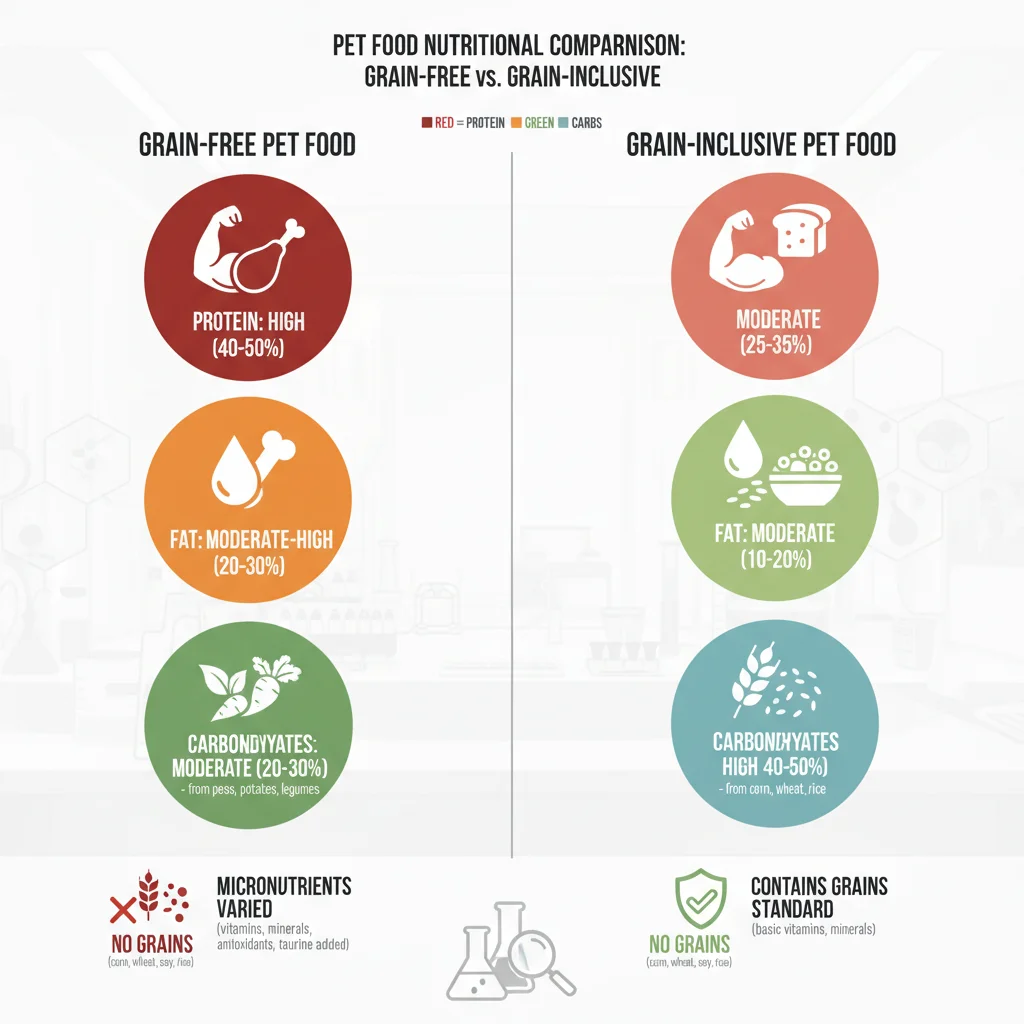
No, grain-free pet food is not universally better for all pets. For the vast majority of healthy dogs and cats, there is no scientific evidence to suggest that a grain-free diet offers superior nutritional benefits over a well-formulated grain-inclusive diet. It may be appropriate for pets with specific, diagnosed grain allergies, but this is rare.
2. What are the potential risks associated with grain-free pet food?
The primary concern, as highlighted by the FDA, is a potential link to Dilated Cardiomyopathy (DCM) in dogs. This is thought to be related to the high inclusion of legumes (peas, lentils, chickpeas) and potatoes as primary carbohydrate sources, which may interfere with taurine metabolism or lead to other nutritional imbalances. Other potential risks include gastrointestinal upset in sensitive pets and higher cost without proven benefits.
3. How do I know if my pet has a grain allergy?
True grain allergies in pets are relatively uncommon, with protein allergies being far more prevalent (e.g., to chicken, beef, dairy). Symptoms of a food allergy can include skin issues (itching, redness, ear infections), gastrointestinal upset (vomiting, diarrhea), or respiratory problems. Diagnosis typically involves an elimination diet trial under veterinary supervision. Do not assume a grain allergy without a professional diagnosis.
4. What ingredients should I look for or avoid in grain-free pet food?
When considering grain-free pet food, be cautious of diets where peas, lentils, chickpeas, or potatoes are listed as the first few ingredients, especially if they make up a significant portion of the formula. Prioritize diets with high-quality animal protein as the primary ingredient. Always ensure the food meets AAFCO nutritional standards for your pet’s life stage.
5. Can I switch my pet to a grain-free diet without consulting a vet?
It is strongly advised against switching your pet to a grain-free pet food without first consulting your veterinarian. They can assess your pet’s individual health needs, discuss the potential risks and benefits, and recommend a diet that is safe and nutritionally appropriate. Unsupervised dietary changes can lead to nutritional deficiencies or exacerbate existing health issues.
6. What is the FDA’s current stance on grain-free pet food and DCM?
As of 2026, the FDA continues to investigate the potential link between certain ’boutique, exotic ingredient, and grain-free’ (BEG) diets and Dilated Cardiomyopathy (DCM) in dogs. While a direct causal link has not been definitively established for all cases, a strong correlation has been observed. The FDA advises pet owners to consult their veterinarians about diet choices, particularly regarding BEG diets, and encourages reporting any suspected cases of diet-associated DCM.
7. Are there any benefits to feeding my pet a grain-inclusive diet?
Yes, well-formulated grain-inclusive diets provide essential carbohydrates for energy, fiber for digestive health, and a range of vitamins and minerals. Many reputable pet food brands have a long history of producing safe and nutritionally complete grain-inclusive diets that support optimal pet health. For most pets, a balanced grain-inclusive diet is a perfectly healthy and safe choice.