AAFCO 2026 Guidelines: Ensuring Pet Nutritional Adequacy
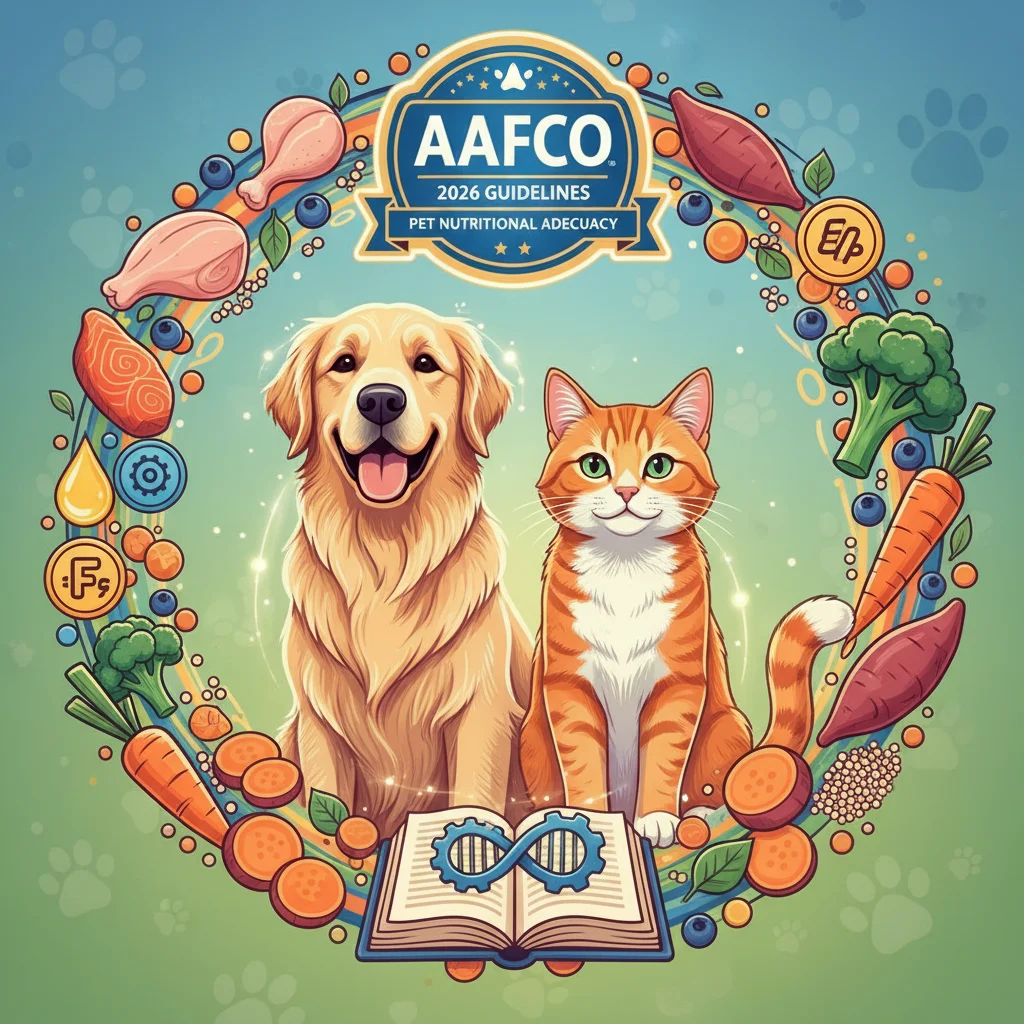
Understanding AAFCO Standards: What the 2026 Guidelines Mean for Your Pet’s Nutritional Adequacy (RECENT UPDATES)
As devoted pet parents, we constantly strive to provide the best for our furry, feathered, or scaled companions. This commitment extends profoundly to their diet, recognizing that proper nutrition is the cornerstone of a long, healthy, and happy life. In the complex world of pet food, navigating labels, ingredients, and claims can often feel like deciphering an ancient scroll. This is where the Association of American Feed Control Officials (AAFCO) plays an indispensable role. AAFCO is not a regulatory body in the same vein as the FDA, but rather an organization that establishes model feed laws, regulations, and policies for animal feed, including pet food. Their guidelines are adopted by individual states, effectively setting the standards for what constitutes a nutritionally complete and balanced pet food product.
The pet food landscape is dynamic, constantly evolving with new scientific discoveries, ingredient innovations, and a growing understanding of animal physiology. To reflect this progress and ensure that pet food continues to meet the highest standards of nutritional adequacy, AAFCO periodically updates its guidelines. The year 2026 marks a significant milestone, as new AAFCO 2026 guidelines are set to come into effect, promising to bring substantial changes to how pet food is formulated, labeled, and ultimately perceived by consumers. Understanding these forthcoming AAFCO 2026 guidelines is not just for industry insiders; it’s crucial for every pet owner who wants to make informed decisions about their pet’s diet.
This comprehensive guide will delve deep into the upcoming AAFCO 2026 guidelines. We will explore the motivations behind these changes, highlight the key areas of revision, and discuss the profound implications for both pet food manufacturers and, most importantly, for your beloved pets. From nutrient profiles to ingredient definitions and labeling requirements, we’ll break down the complexities to provide you with a clear understanding of what to expect and how to ensure your pet continues to receive optimal nutrition in the years to come.
The Role of AAFCO in Pet Nutrition
Before we dive into the specifics of the AAFCO 2026 guidelines, it’s essential to grasp the fundamental role AAFCO plays in the pet food industry. AAFCO is a voluntary membership association of local, state, and federal agencies charged by law to regulate the sale and distribution of animal feeds and animal drug remedies. While AAFCO itself does not have regulatory authority, its model regulations and definitions are largely adopted by state regulatory agencies, making them the de facto standards that pet food manufacturers must adhere to.
The primary goal of AAFCO is to ensure that animal feeds, including pet food, are safe, effective, and truthfully labeled. They achieve this through several key mechanisms:
- Developing Ingredient Definitions: AAFCO provides official definitions for various ingredients used in pet food, ensuring consistency and preventing misleading labeling.
- Establishing Nutritional Adequacy Standards: AAFCO sets minimum and maximum levels for essential nutrients (proteins, fats, vitamins, minerals, etc.) that pet foods must contain to be considered ‘complete and balanced’ for specific life stages (e.g., growth, adult maintenance, gestation/lactation).
- Creating Labeling Regulations: AAFCO dictates what information must appear on pet food labels, including the guaranteed analysis, ingredient list, feeding directions, and the nutritional adequacy statement.
- Providing Model Regulations: These model regulations serve as a template for state feed control officials to adopt into their state laws.
When you see an AAFCO statement on a pet food label, such as "[Product Name] is formulated to meet the nutritional levels established by the AAFCO Dog Food Nutrient Profiles for All Life Stages," it signifies that the manufacturer has adhered to these standards. This statement is a critical indicator of a food’s ability to provide complete and balanced nutrition for a pet.
Why the AAFCO 2026 Guidelines Are Necessary
The decision to update AAFCO guidelines is not taken lightly. It’s a meticulous process driven by scientific advancements, evolving understanding of pet health, and practical considerations within the pet food industry. Several factors contribute to the necessity of the AAFCO 2026 guidelines:
- Advancements in Nutritional Science: Our understanding of canine and feline nutrition is constantly expanding. New research sheds light on specific nutrient requirements, bioavailability, the role of prebiotics and probiotics, and the impact of various ingredients on long-term health. The AAFCO 2026 guidelines aim to incorporate these latest scientific findings to ensure optimal pet health.
- Emerging Ingredients and Technologies: The pet food industry is innovative, with new ingredients (e.g., novel proteins, functional ingredients) and processing technologies continually being developed. AAFCO must evaluate and define these new components to ensure their safety and efficacy, and to provide guidance on their appropriate use.
- Consumer Demands and Trends: Pet owners are increasingly scrutinizing pet food labels and demanding greater transparency, sustainability, and specific dietary options (e.g., grain-free, limited ingredient, fresh food). While AAFCO doesn’t regulate marketing claims, its guidelines influence the factual basis for such claims.
- Addressing Past Challenges and Gaps: Reviews of existing guidelines often reveal areas that could be improved or clarified. This could involve more precise nutrient definitions, better methods for substantiating nutritional claims, or addressing specific health concerns that have emerged over time.
- Harmonization and Consistency: AAFCO continually works to harmonize its standards with international guidelines where appropriate, and to ensure consistency across different states, simplifying compliance for manufacturers and clarity for consumers.
The AAFCO 2026 guidelines represent a proactive step to ensure that pet food standards remain robust, scientifically sound, and capable of supporting the health and well-being of pets in an ever-changing world.
Key Changes Expected in the AAFCO 2026 Guidelines
While the final specific details are still being refined and communicated, several key areas are anticipated to see significant revisions within the AAFCO 2026 guidelines. These changes are expected to impact various aspects of pet food production and labeling.
1. Updated Nutrient Profiles
One of the most impactful changes in the AAFCO 2026 guidelines will likely involve updates to the Dog and Cat Food Nutrient Profiles. These profiles define the minimum and, in some cases, maximum levels of essential nutrients required for different life stages. Potential updates could include:
- Revised Levels for Existing Nutrients: Based on new research, the recommended levels for certain vitamins, minerals, amino acids, or fatty acids might be adjusted. This could mean slightly higher or lower minimums, or new maximums to prevent toxicity.
- Inclusion of New Nutrients: As scientific understanding progresses, certain compounds previously not considered "essential" might be recognized as vital for specific physiological functions or health benefits. The AAFCO 2026 guidelines could introduce new required nutrients to the profiles.
- Refinements for Specific Life Stages: There might be more nuanced requirements for specific life stages, such as large breed puppies, senior pets, or pets with certain health conditions, ensuring their unique nutritional needs are met more precisely.
These nutrient profile updates are critical as they directly dictate the formulation of "complete and balanced" pet foods. Manufacturers will need to reformulate products and conduct new analyses to ensure compliance.
2. Enhanced Ingredient Definitions and Quality Standards
The AAFCO 2026 guidelines are also expected to bring greater clarity and potentially stricter standards for ingredient definitions. This could manifest as:
- More Specific Ingredient Categories: Refinements to existing categories or the creation of new ones to better classify ingredients, reducing ambiguity.
- Quality and Sourcing Transparency: While AAFCO doesn’t typically regulate ingredient sourcing, there may be new discussions or recommendations around definitions that implicitly encourage higher quality or more transparent sourcing practices.
- Regulation of Novel Ingredients: As mentioned, new ingredients are constantly emerging. The AAFCO 2026 guidelines will likely establish clear protocols for evaluating and defining these novel ingredients to ensure their safety and nutritional contribution.
3. Labeling and Communication Improvements
Clarity on pet food labels is paramount for consumers. The AAFCO 2026 guidelines are anticipated to introduce changes aimed at improving how nutritional information is presented and understood:
- Clarified Nutritional Adequacy Statements: The wording and placement of the "complete and balanced" statement might be revised to be more informative and less prone to misinterpretation.
- Standardization of Terms: Efforts to standardize terms related to nutritional claims, ensuring that phrases like "human-grade" or "natural" are used consistently and accurately, if they are addressed within AAFCO’s scope.
- Improved Guaranteed Analysis Presentation: While the guaranteed analysis (GA) provides crucial information, its format can sometimes be confusing. The AAFCO 2026 guidelines might propose changes to make the GA more accessible and easier for consumers to interpret.
4. Focus on Palatability and Digestibility Testing
While not strictly a nutritional adequacy factor, palatability (how appealing a food is to a pet) and digestibility (how well nutrients are absorbed) are crucial for a food’s practical effectiveness. The AAFCO 2026 guidelines might place a renewed emphasis on these areas, potentially:
- Recommendations for Palatability Trials: Encouraging or providing guidelines for how palatability should be tested and communicated.
- Digestibility Standards: While complex to standardize, there could be discussions or recommendations for demonstrating a food’s digestibility, which directly impacts nutrient uptake.
These anticipated changes underscore AAFCO’s commitment to continuous improvement in pet food standards, ensuring that pets receive not just adequate, but optimal nutrition.
Implications for Pet Food Manufacturers
The AAFCO 2026 guidelines will necessitate significant adjustments for pet food manufacturers. Compliance will require substantial investment in research, development, and operational changes.
1. Product Reformulation and Testing
Manufacturers will need to review their entire product portfolio against the new nutrient profiles. This could involve:
- Reformulating Existing Products: Adjusting ingredient ratios, adding new supplements, or changing processing methods to meet revised nutrient minimums or maximums.
- Extensive Nutritional Analysis: Conducting new laboratory analyses on reformulated products to verify compliance with the AAFCO 2026 guidelines.
- Feeding Trials: For products making "complete and balanced" claims based on feeding trials, these trials might need to be repeated or modified to align with any updated AAFCO protocols.
2. Labeling Updates and Compliance
Every product label will need to be updated to reflect any changes in ingredient definitions, guaranteed analysis presentation, or nutritional adequacy statements. This is a massive undertaking involving design, printing, and inventory management. Ensuring that all marketing materials and websites also align with the new labeling standards will be crucial.
3. Supply Chain Adjustments
Changes in ingredient definitions or quality standards might require manufacturers to re-evaluate their sourcing. They may need to find new suppliers, negotiate new contracts, or work with existing suppliers to meet the updated requirements of the AAFCO 2026 guidelines.
4. Increased Costs and Potential Price Adjustments
The cumulative effect of reformulation, testing, labeling, and supply chain adjustments will inevitably lead to increased operational costs for manufacturers. These costs may, in turn, be reflected in the retail price of pet food. Manufacturers will need to balance compliance with maintaining competitive pricing.
5. Innovation and Differentiation
While challenging, the AAFCO 2026 guidelines also present an opportunity for manufacturers to innovate and differentiate. Those who proactively embrace the new standards and communicate their commitment to superior nutrition can strengthen their brand reputation and consumer trust.
What the AAFCO 2026 Guidelines Mean for Pet Owners
For pet owners, the AAFCO 2026 guidelines are ultimately a positive development, designed to enhance the nutritional quality and transparency of the food we feed our pets. However, it also requires us to be informed and vigilant consumers.
1. Greater Assurance of Nutritional Adequacy
The primary benefit is an even stronger assurance that products labeled as "complete and balanced" truly provide all the necessary nutrients for your pet’s specific life stage. The updated nutrient profiles will be based on the latest science, aiming for optimal health outcomes.
2. Potential for Improved Pet Health
By raising the bar for nutritional standards, the AAFCO 2026 guidelines have the potential to contribute to better overall health, vitality, and longevity for pets. This could mean fewer diet-related health issues and more robust immune systems.
3. Need for Label Scrutiny and Education
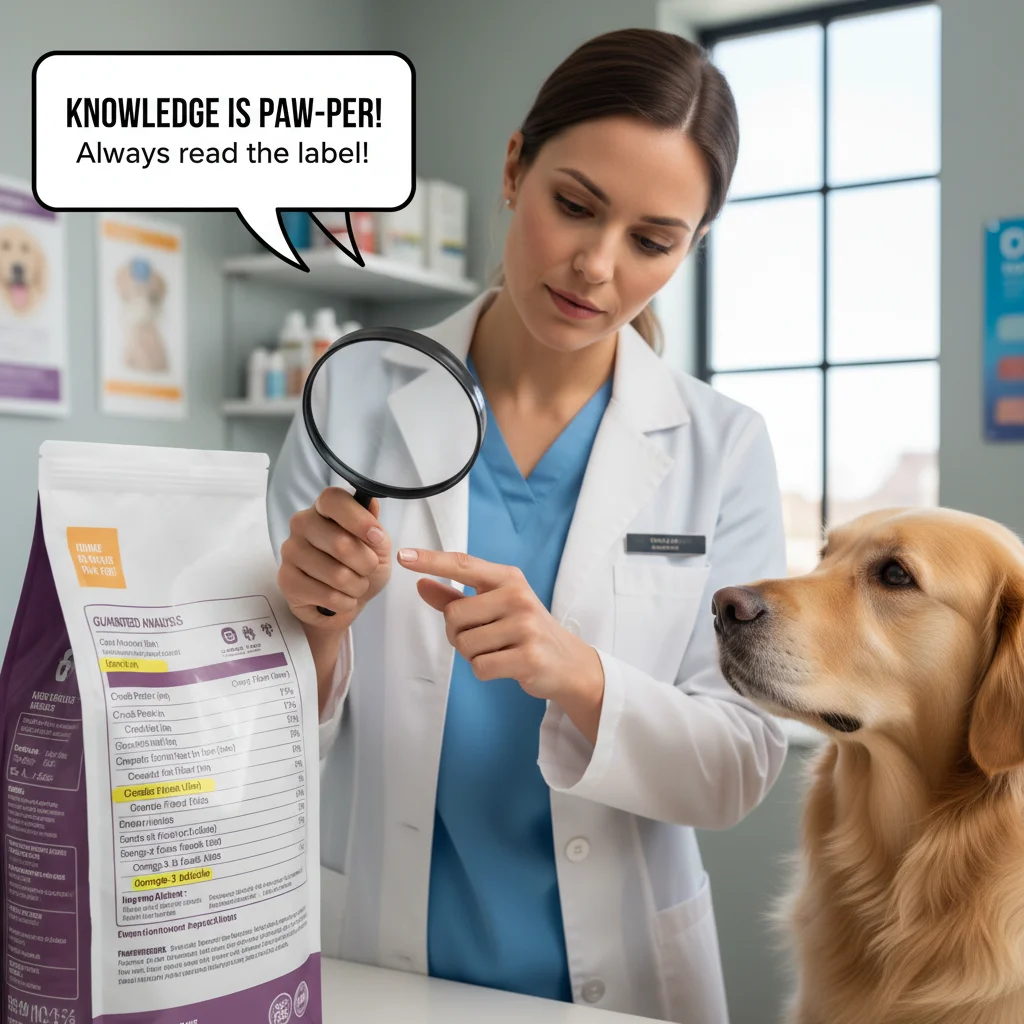
While labels will be updated, it remains crucial for pet owners to understand what they are reading. Familiarize yourself with the key components of a pet food label, especially the nutritional adequacy statement and guaranteed analysis. Don’t hesitate to research ingredients and understand their purpose.
4. Possible Price Changes
As mentioned, the increased costs for manufacturers might lead to slight price increases for some pet food products. It’s important to view this as an investment in your pet’s health and to prioritize quality over the absolute lowest price.
5. Opportunities for Informed Choice
The AAFCO 2026 guidelines, by fostering greater clarity, empower pet owners to make more informed choices. You’ll be better equipped to compare products and select those that best align with your pet’s needs and your personal preferences, backed by robust scientific standards.
How to Prepare for the AAFCO 2026 Guidelines
As a pet owner, you can take several proactive steps to prepare for and benefit from the AAFCO 2026 guidelines:
- Stay Informed: Follow reputable pet health news sources, veterinary organizations, and AAFCO’s official communications to stay updated on the specific changes as they are finalized and implemented.
- Consult Your Veterinarian: Your veterinarian is your best resource for personalized nutritional advice. Discuss the upcoming changes with them and ask how they might impact your pet’s current diet, especially if your pet has specific health conditions.
- Understand Pet Food Labels: Take the time now to learn how to read and interpret pet food labels effectively. Understand what the "guaranteed analysis" means and how to identify the nutritional adequacy statement.
- Prioritize Quality: While cost is a factor, prioritize pet foods from reputable manufacturers who demonstrate a commitment to research, quality ingredients, and adherence to AAFCO standards.
- Be Patient with Manufacturers: The transition period will be complex for manufacturers. Expect to see new labels and potentially new formulations gradually appear on shelves.
The AAFCO 2026 guidelines are not a sudden revolution but a continuous evolution, built on decades of scientific understanding and a shared commitment to animal welfare. By being informed and proactive, you can ensure your pet continues to thrive under these enhanced standards.
The Broader Impact: Beyond Nutritional Adequacy
While the core focus of the AAFCO 2026 guidelines is nutritional adequacy, their ripple effect extends to other critical aspects of the pet food industry and pet ownership.
1. Increased Trust and Transparency
By continuously refining standards, AAFCO helps build greater trust between consumers and pet food manufacturers. The clearer and more scientifically backed the guidelines, the more confidence pet owners can have in the products they purchase. Enhanced transparency in labeling, as facilitated by AAFCO, allows for better informed decisions, reducing confusion and skepticism.
2. Driving Innovation and Research
The necessity for manufacturers to comply with new AAFCO 2026 guidelines often spurs further innovation. Companies invest more in research and development to create formulations that meet or exceed the new standards, leading to a more diverse and scientifically advanced range of pet food products on the market. This competitive drive ultimately benefits pets.
3. Supporting Regulatory Consistency
AAFCO’s model regulations are crucial for maintaining consistency across state lines in the U.S. Without these unified guidelines, manufacturers would face a patchwork of different rules, making compliance incredibly difficult and potentially leading to varying product quality depending on the region. The AAFCO 2026 guidelines reinforce this framework, promoting a level playing field and consistent quality nationwide.
4. Educating the Pet-Owning Public
Each update to AAFCO standards provides an opportunity for public education. Discussions around the AAFCO 2026 guidelines will inevitably highlight the importance of proper pet nutrition, the science behind pet food formulation, and the role of regulatory bodies (or quasi-regulatory bodies like AAFCO) in safeguarding pet health. This increased awareness empowers pet owners to be more discerning and advocate for their pets’ nutritional needs.
5. Global Influence
While AAFCO is primarily a U.S.-based organization, its rigorous standards and scientific approach often influence pet food regulations and best practices globally. The AAFCO 2026 guidelines could therefore have an impact beyond American borders, contributing to higher standards in international pet food markets.
Addressing Common Concerns and Misconceptions
With any significant change, especially concerning something as vital as pet food, questions and sometimes misconceptions can arise. Let’s address a few common points related to the AAFCO 2026 guidelines.
Concern: Will my pet’s current food suddenly become "bad"?
Reality: No. The implementation of AAFCO 2026 guidelines is a gradual process. Foods currently on the market that meet existing AAFCO standards are still considered nutritionally adequate. Manufacturers will have a transition period to reformulate and re-label. The new guidelines aim to improve upon existing standards, not invalidate past ones. Think of it as an upgrade, not a recall.
Concern: Will all pet food become much more expensive?
Reality: There may be some price adjustments due to the costs of reformulation, testing, and new ingredients. However, the market is competitive, and manufacturers will strive to keep prices reasonable. The long-term benefits of improved nutrition for your pet’s health could offset any minor price increases by potentially reducing veterinary costs for diet-related issues.
Misconception: AAFCO is a government agency that "approves" pet food.
Reality: AAFCO is not a government regulatory agency. It is a voluntary association that sets model standards which state regulatory agencies then adopt. Pet food manufacturers self-certify that their products meet AAFCO’s nutrient profiles or have passed AAFCO-compliant feeding trials. The FDA also plays a role in regulating pet food safety, but AAFCO focuses on nutritional definitions and labeling.

Concern: Will "natural" or "organic" claims be affected?
Reality: AAFCO has specific definitions for terms like "natural" in pet food, which primarily relate to the origin of ingredients and minimal processing. "Organic" claims are regulated by the USDA. While the AAFCO 2026 guidelines might refine existing definitions, the core principles behind these claims are likely to remain distinct from general nutritional adequacy standards. Pet owners should still look for specific certifications for organic claims.
Misconception: If a food doesn’t have an AAFCO statement, it’s automatically bad.
Reality: Most commercially prepared pet foods in the U.S. will carry an AAFCO statement. However, some specialty diets, veterinary therapeutic diets, or raw food diets might not. For instance, a veterinary diet might be formulated for specific medical conditions and not aim for "all life stages" adequacy. Raw food diets often lack an AAFCO statement because their nutrient profiles can be highly variable and difficult to consistently meet standard AAFCO criteria without additional supplementation. In these cases, it’s even more critical to consult with a veterinarian or a board-certified veterinary nutritionist.
The Future of Pet Nutrition with AAFCO 2026 Guidelines
The AAFCO 2026 guidelines represent a forward-looking approach to pet nutrition. They underscore the commitment of the pet food industry, in collaboration with scientific experts, to continually improve the dietary standards for our animal companions. As pets become increasingly integrated into our families, the demand for high-quality, scientifically sound nutrition will only grow. These guidelines are a testament to that demand and the ongoing efforts to meet it.
Ultimately, the goal of the AAFCO 2026 guidelines is to ensure that every bag, can, or tray of pet food provides the optimal balance of nutrients to support your pet’s health, energy, and overall well-being. By staying informed, engaging with your veterinarian, and carefully scrutinizing pet food labels, you can confidently navigate these changes and continue to provide the best possible nutritional foundation for your beloved pet. The future of pet nutrition looks brighter and more scientifically robust than ever before, thanks in large part to the diligent work behind the AAFCO 2026 guidelines.