Raw Feeding Trends 2026: What US Pet Owners Need to Know
Raw Feeding Trends 2026: What US Pet Owners Need to Know
The world of pet nutrition is constantly evolving, and perhaps no segment has seen as much dynamic change and passionate debate as raw feeding. As we look ahead to 2026, US pet owners are increasingly seeking natural, species-appropriate diets for their beloved companions. This comprehensive guide delves into the anticipated raw feeding trends, offering insights, updates, and practical advice to help you navigate this complex yet rewarding approach to pet health.
For years, raw feeding has been embraced by a growing community of pet owners who believe in the ancestral diet philosophy – feeding pets as nature intended. This involves providing uncooked meat, organs, bones, and sometimes certain fruits and vegetables. The perceived benefits range from improved digestion and healthier coats to increased energy and better weight management. However, the journey into raw feeding is not without its considerations, particularly concerning safety, nutritional balance, and sourcing. Understanding the upcoming raw feeding trends is crucial for making informed decisions.
The Rise of Personalization in Raw Pet Diets
One of the most significant raw feeding trends we expect to see solidify by 2026 is the move towards highly personalized diets. Gone are the days of one-size-fits-all meal plans. Advances in veterinary science, genetic testing, and nutritional analysis are empowering pet owners and veterinarians to create bespoke raw diets tailored to an individual pet’s specific needs, breed, age, activity level, and any underlying health conditions.
This personalization extends beyond just calorie counts. We’re talking about diets formulated to address specific allergies, sensitivities, or organ support. For example, a senior dog with kidney issues might require a raw diet with carefully controlled phosphorus levels, while an active working dog might need a higher fat and protein content. Companies are emerging that offer DNA testing kits for pets, providing insights into their genetic predispositions for certain health conditions or nutrient requirements, which can then be used to fine-tune raw meal plans. This level of customization ensures optimal health outcomes and minimizes potential risks associated with unbalanced diets.
Enhanced Focus on Safety and Transparency
Safety has always been a paramount concern in the raw feeding community, primarily due to the potential for bacterial contamination. By 2026, expect to see even stricter regulations and greater emphasis on transparency from raw pet food manufacturers. Consumers are demanding to know exactly where ingredients come from, how they are processed, and what safety measures are in place.
Traceability will be a key differentiator. Brands that can demonstrate a farm-to-bowl approach, showing clear origins of their meats and produce, will gain significant trust. Advanced testing protocols for pathogens like Salmonella and E. coli will become standard, with companies voluntarily sharing their testing results more readily. Furthermore, innovations in packaging, such as individual portioning and improved freezing techniques, will help maintain product integrity and reduce the risk of contamination during handling. Education for pet owners on safe handling practices for raw food will also be more widely available and emphasized, ensuring that the benefits of raw feeding are realized without compromising safety.
The Evolution of Raw Food Formats: Beyond Chunks and Grinds
While traditional raw diets often involve feeding whole chunks of meat, bones, and organs, the market is diversifying to meet various owner preferences and pet needs. By 2026, expect to see a wider array of convenient and innovative raw food formats.
- Freeze-Dried and Dehydrated Raw: These options offer the nutritional benefits of raw food with the convenience of kibble. They are shelf-stable, lightweight, and easy to serve, making them ideal for travel or for owners who prefer less mess. Improvements in processing technology mean these products retain even more of their nutritional value.
- Gently Cooked Raw: For pets with sensitive stomachs or owners who are hesitant about fully raw diets, gently cooked options are gaining traction. These diets are lightly cooked at low temperatures to kill potential pathogens while preserving much of the nutritional integrity of the raw ingredients.
- Hybrid Diets: A growing number of pet owners are opting for a ‘hybrid’ approach, combining raw meals with high-quality kibble or other cooked foods. This trend acknowledges that not every owner can commit to a 100% raw diet, and even partial raw feeding can offer significant health benefits. Expect more guidance and products designed specifically for this flexible feeding style.

Sustainable and Ethical Sourcing: A Growing Priority
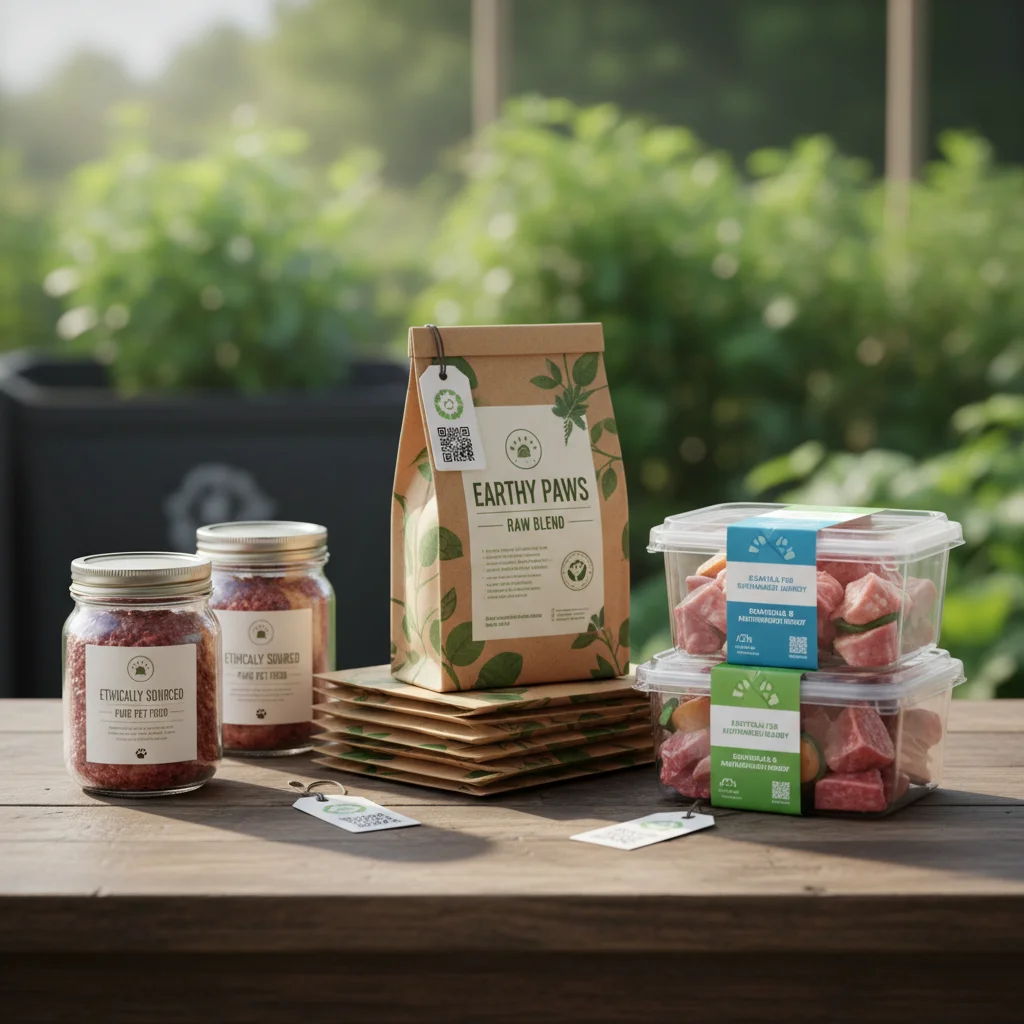
As consumer awareness around environmental impact and animal welfare increases, the demand for sustainably and ethically sourced raw pet food ingredients will skyrocket by 2026. Pet owners are no longer just looking at the ‘what’ but also the ‘how’ and ‘where’ of their pet’s food.
This means a preference for meats from pasture-raised, grass-fed animals, poultry raised without antibiotics or hormones, and wild-caught fish from sustainable fisheries. Local sourcing will also become a significant factor, reducing carbon footprints and supporting local economies. Brands that can demonstrate strong commitments to animal welfare, environmental stewardship, and fair labor practices throughout their supply chain will resonate deeply with consumers. Certifications for organic, free-range, and humane animal treatment will become more prevalent and influential in purchasing decisions. This shift reflects a broader societal trend towards conscious consumption, extending to our pets’ diets.
The Role of Technology and AI in Raw Feeding
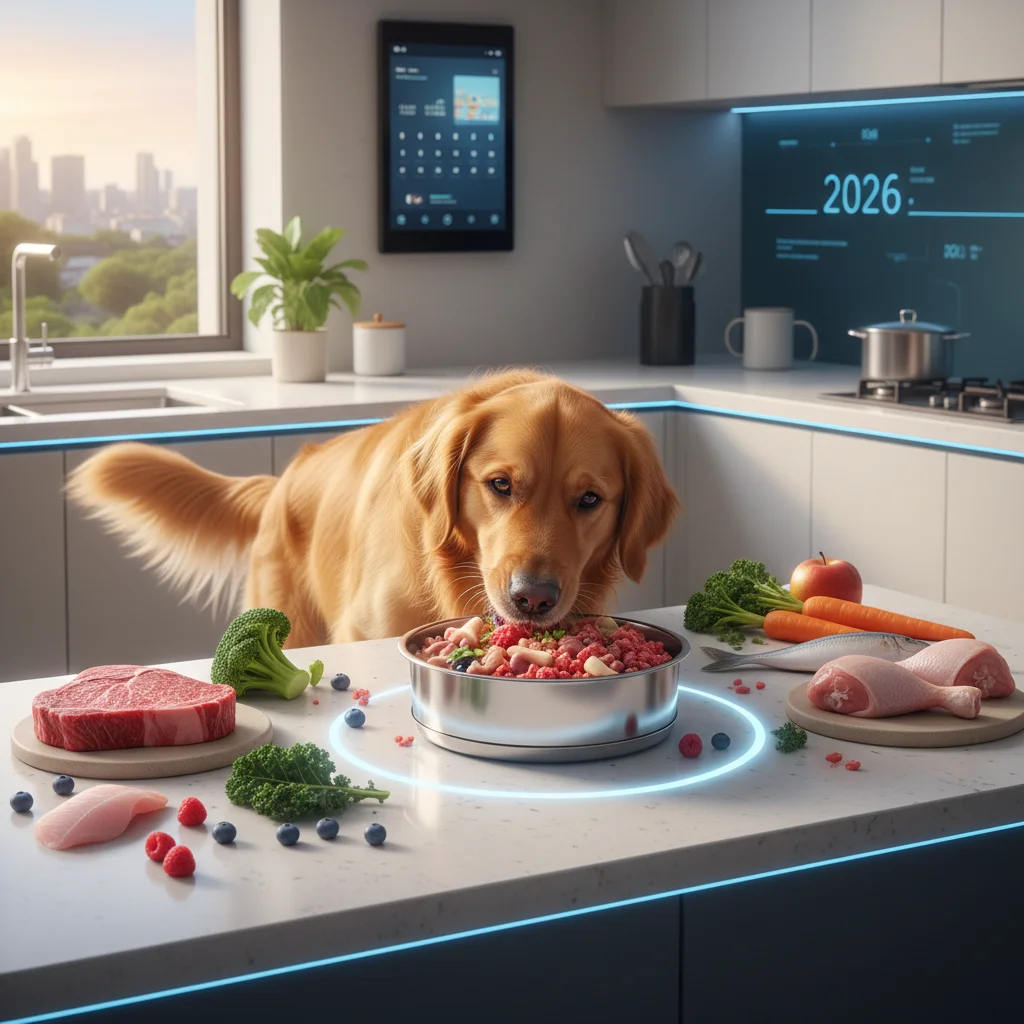
Technology is poised to play an increasingly vital role in supporting raw feeding practices. By 2026, expect to see AI-powered apps and smart devices that help pet owners manage their raw diets more effectively.
- Nutritional Calculators & Meal Planners: Advanced apps will be able to calculate precise nutrient ratios, track caloric intake, and suggest meal variations based on a pet’s individual profile, dietary needs, and even real-time activity levels monitored by wearable devices.
- Ingredient Sourcing & Recall Alerts: Apps could provide real-time information on ingredient availability, local suppliers, and instant alerts regarding product recalls, enhancing safety and convenience.
- Veterinary Telehealth & AI Diagnostics: AI will assist veterinarians in analyzing complex dietary data, identifying potential deficiencies or excesses, and recommending adjustments to raw diets. Telehealth services will make expert nutritional advice more accessible to raw feeders, regardless of geographical location.
These technological advancements will empower pet owners with more knowledge and tools, making raw feeding less daunting and more scientifically supported.
Addressing Common Concerns and Misconceptions
Despite its growing popularity, raw feeding still faces scrutiny and misconceptions. In 2026, the industry will focus more on addressing these concerns head-on through scientific research, education, and transparent communication.
- Bacterial Contamination: While a legitimate concern, proper handling and sourcing significantly mitigate this risk. The industry will emphasize strict hygiene standards for manufacturers and best practices for pet owners.
- Nutritional Imbalance: This is perhaps the most common criticism. However, with personalized diet plans, expert consultation, and advances in formulation, achieving a complete and balanced raw diet is more attainable than ever. The focus will be on educating owners about the importance of variety and appropriate ratios.
- Bone Feeding Risks: Concerns about choking or internal injury from bones are valid. Education on feeding appropriate raw, meaty bones (not cooked bones) and supervision during feeding will be key. Many commercial raw diets offer ground bone options to mitigate these risks.
- Cost: Raw feeding can be perceived as expensive. However, by 2026, more accessible options, bulk purchasing, and DIY guidance will help make it more affordable for a wider range of pet owners.
The goal is to move beyond anecdotal evidence and provide robust scientific backing and practical solutions to these long-standing debates, further cementing the legitimacy of raw feeding trends.
The Humanization of Pets and Its Impact on Raw Feeding
The trend of humanizing pets continues unabated, with many owners treating their animals like family members. This deep bond drives the desire to provide the best possible nutrition, often mirroring human health food trends. By 2026, this humanization will further fuel the adoption of raw feeding.
Pet owners are increasingly scrutinizing ingredient lists, avoiding artificial additives, fillers, and by-products in their own food, and naturally extending this philosophy to their pets’ diets. The perceived ‘naturalness’ and whole-food approach of raw feeding align perfectly with this humanization trend. We’ll see more boutique raw food brands catering to specific dietary philosophies (e.g., grain-free, organic, single-protein sources) that parallel human food markets. The emotional connection between pet and owner will continue to be a powerful motivator for exploring and investing in high-quality, biologically appropriate diets like raw food.
Regulatory Landscape and Industry Standards
As the raw pet food market matures, the regulatory landscape is expected to become more defined. While currently less regulated than traditional kibble, 2026 will likely see increased oversight from bodies like the FDA and AAFCO (Association of American Feed Control Officials) specifically for raw pet food products.
This doesn’t necessarily mean a suppression of raw feeding but rather a push for clearer labeling standards, mandatory pathogen testing, and guidelines for nutritional completeness. Manufacturers will need to adhere to more stringent quality control processes. This increased regulation, while potentially challenging for some smaller producers, will ultimately benefit consumers by ensuring higher safety standards and clearer information, building greater trust in the overall raw pet food industry. It will also help differentiate reputable brands from those with less rigorous practices, further shaping the raw feeding trends.
DIY Raw Feeding vs. Commercial Raw Pet Food
The debate between preparing raw meals at home (DIY) and purchasing commercially prepared raw pet food will continue, with both options evolving by 2026.
- DIY Raw Feeding: For those committed to DIY, more resources will become available. Online communities, specialized cookbooks, and even workshops taught by certified pet nutritionists will provide guidance on safe ingredient sourcing, balanced meal formulation, and appropriate supplementation. The emphasis will be on education to prevent nutritional deficiencies or excesses.
- Commercial Raw Pet Food: The convenience and guaranteed nutritional completeness of commercial raw diets will appeal to a broader audience. As mentioned, these products will offer greater variety in formats, improved safety protocols, and more transparent sourcing. Subscription services delivering customized raw meals directly to your door will become even more popular, simplifying the raw feeding process for busy pet owners.
Ultimately, the choice will depend on the owner’s comfort level, time commitment, and budget, with both avenues offering increasingly sophisticated solutions.
The Role of Veterinary Support and Education
Historically, many veterinarians have been cautious or even resistant to raw feeding, primarily due to concerns about safety and nutritional balance. However, this stance is gradually shifting. By 2026, more veterinary professionals will be educated in raw pet nutrition, offering informed and supportive guidance to their clients.
Veterinary schools are beginning to include more comprehensive nutrition courses, and continuing education programs for practicing vets are expanding to cover alternative diets, including raw. This means pet owners will find more veterinarians willing to discuss raw feeding, help formulate balanced diets, and monitor their pet’s health on a raw regimen. This increased professional support is critical for the safe and effective adoption of raw feeding trends, bridging the gap between holistic pet care and conventional veterinary medicine.
Innovative Ingredients and Supplements
The raw feeding landscape will also see an influx of innovative ingredients and targeted supplements designed to enhance the nutritional profile of raw diets. Expect to see:
- Novel Proteins: Beyond traditional chicken, beef, and turkey, exotic proteins like venison, rabbit, and even insect-based proteins will become more mainstream, offering alternatives for pets with allergies or simply for dietary variety.
- Superfoods: Ingredients rich in antioxidants, vitamins, and minerals, such as spirulina, various berries, and specific herbs, will be increasingly incorporated into raw formulations or offered as supplements.
- Targeted Supplements: Advances in nutraceuticals mean more precise supplements for joint health, gut health (probiotics, prebiotics), skin and coat health (omega fatty acids), and cognitive function will be available, specifically designed to complement raw diets.
- Fermented Foods: The benefits of fermented foods for gut health are well-known in human nutrition, and this trend is extending to pets. Fermented vegetables or kefirs will be incorporated into raw diets to support a healthy microbiome.
These innovations will make raw diets even more potent in supporting overall pet well-being.
Conclusion: Navigating the Future of Raw Feeding
The future of raw feeding in the US, as we look towards 2026, is characterized by personalization, enhanced safety, diverse formats, ethical sourcing, and technological integration. Pet owners are more educated and discerning than ever, driving demand for high-quality, transparent, and biologically appropriate diets for their animals. The evolving regulatory environment and increasing veterinary support will further legitimize and refine the industry, making raw feeding a more accessible and trusted option.
While the benefits of raw feeding are compelling, it’s crucial for pet owners to approach it with careful research, professional guidance, and a commitment to safety. Staying informed about these emerging raw feeding trends will empower you to make the best dietary choices for your furry family members, ensuring they thrive on a diet that truly nourishes them from the inside out. The journey into raw feeding is a commitment to optimal health, and with these anticipated developments, it’s set to become even more sophisticated and beneficial in the years to come.