Mastering Dog Training: Essential Commands for Every Canine Companion
Mastering Dog Training: Essential Commands for Every Canine Companion
Welcome, fellow dog enthusiasts! If you’ve ever dreamed of a perfectly behaved canine companion, one who listens intently and responds gracefully to your every word, you’re in the right place. Training your dog is not just about obedience; it’s about building a strong, trusting relationship and ensuring their safety and well-being. In this comprehensive guide, we’re diving deep into the world of dog training commands, focusing on the six essential cues that form the foundation of a well-mannered dog. By 2026, imagine having a dog that not only understands but eagerly executes these commands, making your life together more harmonious and enjoyable.
Why are these commands so crucial? Beyond the obvious benefit of a polite pet, these foundational commands – ‘sit,’ ‘stay,’ ‘come,’ ‘down,’ ‘leave it,’ and ‘heel’ – provide structure, mental stimulation, and a clear line of communication between you and your dog. They are vital for safety, preventing your dog from running into dangerous situations, and for fostering a respectful bond. Whether you have a playful puppy or an older dog new to your home, it’s never too late to start teaching or reinforcing these critical skills. Let’s embark on this rewarding journey together!
Before we delve into specific commands, let’s cover some universal principles that apply to all effective dog training:
The Golden Rules of Effective Dog Training Commands
Successful dog training commands rely on a few core principles. Adhering to these will significantly improve your results and make the process enjoyable for both you and your furry friend.
1. Positive Reinforcement is Key
Forget harsh corrections or punishment. Dogs learn best through positive reinforcement. This means rewarding desired behaviors with something your dog values – treats, praise, toys, or a quick game of fetch. When your dog associates an action with a positive outcome, they are far more likely to repeat it. Keep rewards high-value, especially in the initial stages of learning, and gradually transition to intermittent rewards as the behavior becomes consistent.
2. Consistency is Crucial
Every member of the household should use the same commands, hand signals, and training methods. Inconsistency can confuse your dog and slow down the learning process. Establish a routine and stick to it. Practice commands regularly, even for short periods, to reinforce learning.
3. Patience and Persistence
Learning takes time, and every dog learns at their own pace. There will be good days and challenging days. Don’t get discouraged if your dog doesn’t pick up a command immediately. Stay patient, break down complex behaviors into smaller steps, and celebrate every small success. Persistence will pay off!
4. Keep it Fun and Engaging
Training sessions should be enjoyable for your dog. If they view it as a chore, they’ll be less motivated to participate. Keep sessions short (5-10 minutes for puppies, slightly longer for adult dogs), especially at the beginning, and end on a positive note. Incorporate play and make it a bonding experience.
5. Timing is Everything
When you reward your dog, the timing of that reward is critical. The treat or praise should be given within 1-3 seconds of your dog performing the desired action. This immediate feedback helps your dog understand exactly what they did to earn the reward. Use a marker word like ‘yes!’ or a clicker to bridge the gap between the action and the reward.
6. Start in a Low-Distraction Environment
Begin training in a quiet, familiar place where your dog can focus solely on you. As they master the commands, gradually introduce more distractions. This process, known as ‘generalization,’ helps your dog understand that commands apply in all environments, not just in your living room.
The Six Essential Dog Training Commands
Now, let’s break down each of the six essential dog training commands, providing step-by-step instructions to guide you.
1. ‘Sit’: The Foundation of Control
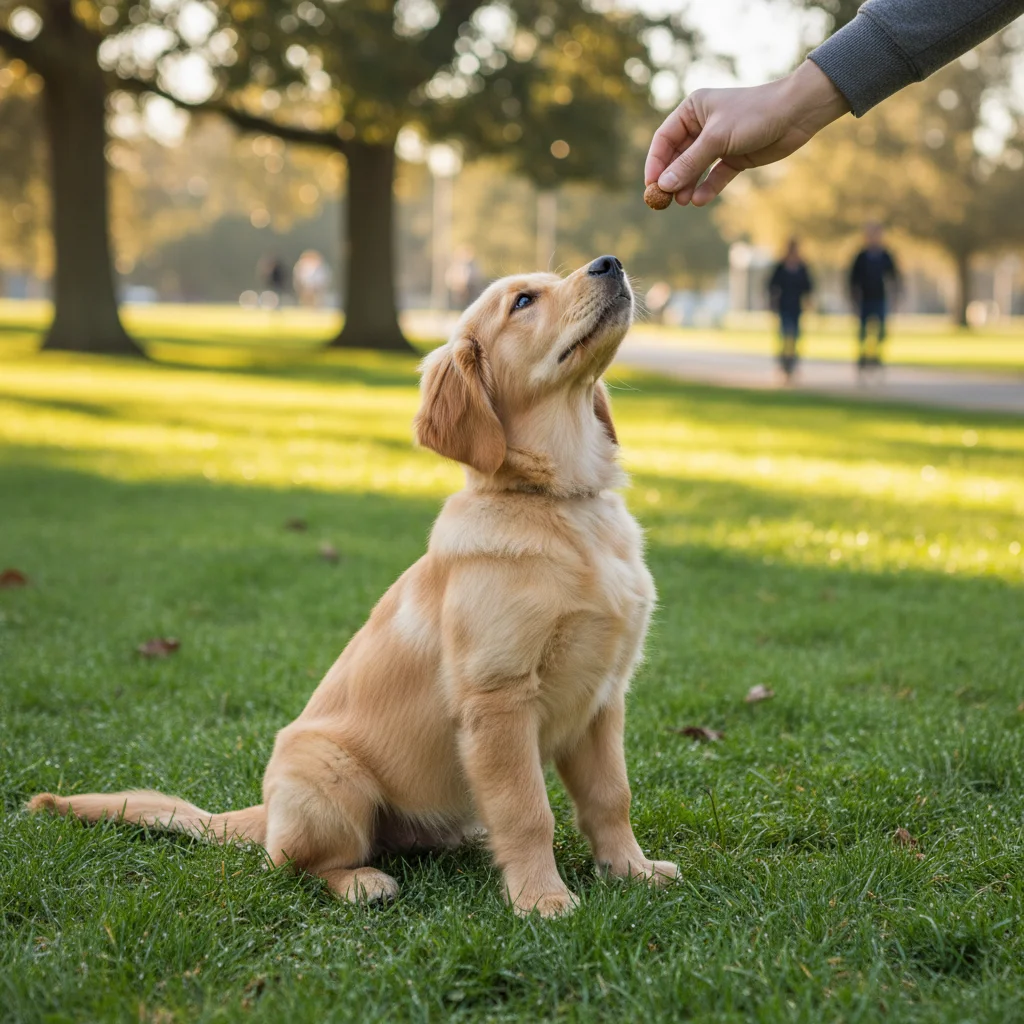
The ‘sit’ command is often the first command owners teach, and for good reason. It’s simple, effective, and forms the basis for many other behaviors. It’s excellent for polite greetings, waiting for food, or simply getting your dog to settle.
How to Teach ‘Sit’:
- Get Their Attention: Hold a high-value treat near your dog’s nose.
- Lure Them: Slowly move the treat in an arc over their head, towards their tail. As their nose follows the treat, their rear end will naturally lower into a sitting position.
- Mark and Reward: The moment their bottom touches the ground, say ‘Sit!’ (or ‘Yes!’) and immediately give them the treat and praise.
- Repeat: Practice this several times in short sessions.
- Fade the Lure: Once your dog consistently sits with the lure, start to make the hand motion smaller, eventually just using the verbal command and a subtle hand signal.
- Practice in Different Environments: Once mastered, practice in various locations and with different levels of distraction.
2. ‘Stay’: Building Self-Control
The ‘stay’ command teaches your dog self-control and patience. It’s invaluable for safety (e.g., preventing them from running out an open door) and for polite behavior in many situations.
How to Teach ‘Stay’:
- Start with ‘Sit’: Ask your dog to ‘Sit.’
- Introduce the Command: With your dog in a sit, hold your open palm towards them and say ‘Stay.’
- Take One Step Back: Take one small step away from your dog. If they remain in position, immediately return, say ‘Yes!’ and reward them.
- Increase Distance and Duration: Gradually increase the distance you step away and the duration your dog must ‘stay.’ Always return to your dog to reward them; don’t call them to you initially.
- Release Command: Introduce a release word like ‘Okay!’ or ‘Free!’ to signal that the ‘stay’ is over. This helps them understand when they can move.
- Troubleshooting: If your dog breaks the ‘stay,’ calmly lead them back to the original spot, ask them to ‘Sit,’ and start again with a shorter duration or distance.
3. ‘Come’: The Lifesaving Recall
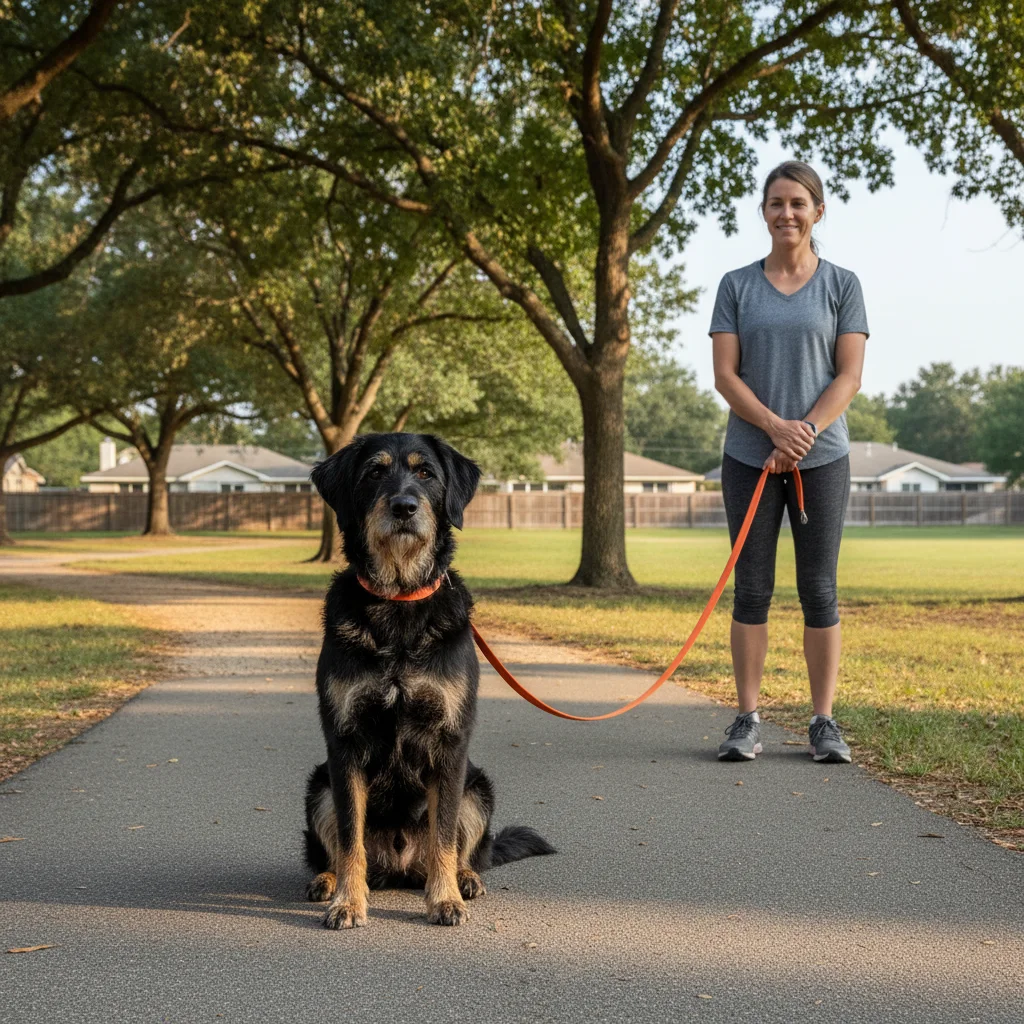
The ‘come’ command, or recall, is arguably one of the most important dog training commands for safety. A reliable recall can prevent your dog from getting lost, running into traffic, or engaging in unwanted interactions. It’s a command that should be practiced frequently and always kept positive.
How to Teach ‘Come’:
- Start Close: Begin in a quiet, enclosed area. Get down to your dog’s level and enthusiastically say ‘Come!’ (or their name followed by ‘Come!’).
- Reward Immediate Response: As your dog takes a step towards you, praise them. When they reach you, give them a high-value treat and lots of praise.
- Make it a Game: Don’t just call them when you need something. Call them for fun, reward them, and then release them to play again. This builds a positive association.
- Increase Distance and Distraction: Gradually increase the distance and introduce mild distractions. Practice in different rooms, then in the yard, and eventually in safe, open areas.
- Never Punish a Recall: If your dog eventually comes to you, even after a delay, always reward them. Never scold them for taking too long, as this will teach them that coming to you results in a negative experience.
- Use a Long Line: When practicing in open areas, use a long training line (15-30 feet). This allows you to gently guide them if they get distracted and ensures their safety.
4. ‘Down’: The Ultimate Calming Command
The ‘down’ command is excellent for settling your dog, especially in public places or when guests are over. It’s a submissive position that often helps dogs relax and can be very useful for managing hyperactivity.
How to Teach ‘Down’:
- Start from a ‘Sit’: Ask your dog to ‘Sit.’
- Lure Them Down: Hold a treat near your dog’s nose. Slowly move the treat straight down to the floor between their front paws, then slide it slightly away from them. This movement encourages them to lie down to reach the treat.
- Mark and Reward: The instant their elbows hit the floor, say ‘Down!’ (or ‘Yes!’) and give them the treat and praise.
- Repeat and Fade Lure: Practice repeatedly. Once they consistently lie down with the lure, start using a hand signal (e.g., pointing your finger to the floor) and eventually just the verbal command.
- Increase Duration: Once they understand the ‘down’ position, start adding a ‘stay’ component, similar to how you taught the ‘stay’ command.
- Troubleshooting: If your dog stands up instead of lying down, you might be moving the lure too far forward. Adjust the lure to go straight down and then slightly away.
5. ‘Leave It’: Preventing Trouble
The ‘leave it’ command is a crucial safety command that teaches your dog to ignore tempting objects, whether it’s a dropped pill, a piece of trash on the street, or another dog’s toy. It teaches impulse control and can literally be a lifesaver.
How to Teach ‘Leave It’:
- Start with Two Treats: Hold a less appealing treat in your closed fist. Show it to your dog.
- Say ‘Leave It’: When your dog tries to sniff, lick, or paw at your hand, say ‘Leave It.’ Keep your fist closed.
- Wait for Disengagement: The moment your dog backs away, looks away, or stops trying to get the treat, immediately open your other hand (which has a high-value treat) and reward them with that treat, saying ‘Yes!’
- Repeat: Practice this until your dog consistently disengages from the first treat after hearing ‘Leave It.’
- Increase Difficulty: Gradually increase the challenge. Place the ‘leave it’ treat on the floor and cover it with your hand. Then, remove your hand but be ready to cover it again if your dog tries to take it.
- Introduce Distractions: Practice with different objects, in different environments, and eventually with moving objects or things they truly desire.
- Always Reward for Leaving It: The reward should always be something better than what they are leaving, or at least a highly desirable treat or praise.

6. ‘Heel’: Walking Politely on Leash
The ‘heel’ command teaches your dog to walk politely by your side without pulling on the leash. This makes walks enjoyable for both of you and helps maintain control in busy or potentially distracting environments.
How to Teach ‘Heel’:
- Start in a Quiet Area: With your dog on a leash, hold a treat at your side, level with your dog’s nose, where you want them to ‘heel’ (typically your left side).
- Lure and Move: Take a step forward, saying ‘Heel!’ As your dog moves with you to get the treat, take another step.
- Mark and Reward: When your dog is walking nicely beside you, immediately mark the behavior (e.g., ‘Yes!’) and give them the treat.
- Short Bursts: Start with just a few steps, rewarding frequently. Gradually increase the number of steps before rewarding.
- Change Direction: Once they are consistently heeling in a straight line, introduce turns. Use the treat to guide them around corners with you.
- Fade the Lure: As they understand the concept, gradually reduce the reliance on the treat lure, eventually using only the verbal command and a subtle hand signal.
- Practice with Distractions: Once they are proficient, introduce mild distractions and gradually increase them.
- Loose Leash Walking vs. Formal Heel: It’s important to distinguish between a formal ‘heel’ (dog precisely at your side, focused on you) and loose leash walking (dog walking politely without pulling, but with more freedom to sniff). Both are valuable, but ‘heel’ is a more structured command.
Common Challenges and Troubleshooting for Dog Training Commands
Even with the best intentions, you might encounter some bumps in the road. Here are common challenges and how to address them:
Lack of Motivation
If your dog isn’t motivated, re-evaluate your rewards. Are they high-value enough? Try different treats, toys, or praise. Some dogs are more food motivated, others toy motivated. Find what truly excites your dog.
Distractions are Too High
If your dog is struggling, you might be asking too much too soon. Go back to a less distracting environment. Gradually reintroduce distractions in small increments. Remember, training is a progression.
Short Attention Span
Especially common in puppies or highly energetic dogs. Keep training sessions very short (2-5 minutes) and frequent. End on a positive note before they lose interest.
Frustration (Yours or Theirs)
If you or your dog are getting frustrated, take a break. End the session on an easy command they know well, reward them, and try again later. Training should be a positive experience for both of you.
Dog Isn’t Responding to Verbal Cues
Are you using consistent verbal cues? Are you pairing them with clear hand signals? Sometimes dogs learn visual cues faster than auditory ones. Ensure your cues are distinct and always pair them with the action.
Regression
It’s normal for dogs to occasionally regress, especially during adolescence or if there’s a change in routine. Don’t panic. Go back to basics, practice in a low-distraction environment, and reinforce heavily.
The Benefits of Mastering Dog Training Commands
Beyond the immediate goal of a well-behaved pet, mastering these dog training commands offers a wealth of benefits that enhance the lives of both you and your dog:
Enhanced Safety
A reliable recall (‘come’) can save your dog from countless dangers. ‘Leave it’ prevents them from ingesting harmful substances. ‘Stay’ keeps them safe from darting into traffic or through an open door. These commands are not just about manners; they are about protection.
Stronger Bond
Training sessions are opportunities for positive interaction and communication. As your dog learns to understand and trust your cues, your bond deepens. They learn to look to you for guidance, and you learn to better understand their needs and communication style.
Increased Confidence
For many dogs, especially those who are shy or anxious, learning commands can boost their confidence. Knowing what’s expected of them and successfully performing tasks gives them a sense of purpose and accomplishment. This confidence can extend to other areas of their life, making them more resilient.
Better Socialization
A well-trained dog is a welcome guest. When your dog responds to commands, they are more likely to be included in social outings, dog parks, and family gatherings. This exposure to different environments and people further enhances their social skills.
Mental Stimulation
Training isn’t just physical; it’s a mental workout. Dogs, especially intelligent breeds, thrive on mental challenges. Learning new commands and practicing old ones keeps their minds sharp and prevents boredom, which can often lead to destructive behaviors.
Problem Behavior Prevention and Management
Many common behavioral issues, such as jumping, excessive barking, or destructive chewing, can be mitigated or prevented through consistent training. For example, teaching ‘sit’ for greetings can prevent jumping. ‘Down’ can help calm an overexcited dog. Training provides you with tools to address and manage unwanted behaviors effectively.
Greater Freedom
Paradoxically, training provides your dog with more freedom. A dog with a reliable recall can enjoy off-leash walks in designated areas. A dog who ‘stays’ can relax while you briefly step away. The more control you have over your dog’s behavior, the more safe opportunities you can provide for them to explore and enjoy life.
Incorporating Training into Daily Life
Training shouldn’t be confined to specific sessions. The most successful dog owners integrate dog training commands into their daily routines. Here’s how:
- Mealtime Manners: Ask for a ‘sit’ or ‘down’ before placing down their food bowl. Make them ‘stay’ until you give a release command.
- Doorway Etiquette: Teach your dog to ‘sit’ or ‘stay’ before going through a door, preventing them from darting out.
- Greeting Guests: Have your dog ‘sit’ or ‘down’ when guests arrive, promoting polite greetings instead of jumping.
- Walks: Practice ‘heel’ and ‘leave it’ during walks. Reward them for loose-leash walking and ignoring distractions.
- Playtime: Incorporate commands into games. Ask for a ‘sit’ or ‘down’ before throwing a toy, or a ‘come’ during a game of fetch.
By consistently asking for these behaviors in real-life situations, you reinforce their importance and help your dog generalize the commands to various contexts. This is where true mastery of dog training commands shines.
When to Seek Professional Help
While this guide provides a solid foundation, some dogs may present unique challenges that warrant professional assistance. Consider consulting a certified professional dog trainer or veterinary behaviorist if:
- You’re struggling with specific behavioral issues that seem beyond your ability to manage (e.g., aggression, severe anxiety, excessive reactivity).
- Your dog is not responding to your training efforts despite consistent application of positive reinforcement.
- You need guidance on advanced obedience or specialized training (e.g., therapy dog work, agility).
- You have a new puppy and want to ensure they get the best possible start with early socialization and foundational training.
A good professional can offer personalized advice, identify underlying issues, and provide hands-on guidance to help you and your dog succeed.
Looking Ahead: Dog Training in 2026 and Beyond
As we look towards 2026, the landscape of dog training continues to evolve, with an increasing emphasis on positive, force-free methods and a deeper understanding of canine cognition and behavior. The foundational dog training commands we’ve discussed will remain timeless, serving as the bedrock for all other learning.
Technology also plays a growing role, with apps for tracking progress, online courses, and even smart devices designed to aid in training. However, no technology can replace the human-dog bond and the consistent, patient effort of an engaged owner. The future of dog training is bright, focused on enhancing communication, strengthening relationships, and ensuring our canine companions are happy, healthy, and well-adjusted members of our families.
Conclusion
Teaching your dog the six essential dog training commands – ‘sit,’ ‘stay,’ ‘come,’ ‘down,’ ‘leave it,’ and ‘heel’ – is one of the most valuable investments you can make in your relationship with your furry friend. It’s a journey that requires patience, consistency, and a positive attitude, but the rewards are immense. A well-trained dog is a joy to live with, a safer companion, and a testament to the strong bond you share.
Start today, celebrate every small victory, and remember that every interaction is a training opportunity. By following these guidelines and dedicating time to practice, you’ll be well on your way to having a confident, well-behaved, and cherished canine companion by 2026, ready to navigate the world by your side. Happy training!