Debunking 5 Common Pet Nutrition Myths in 2026: Expert Insights for Healthier Pets
In the ever-evolving landscape of pet care, few topics generate as much discussion, confusion, and passionate debate as pet nutrition. As responsible pet parents, we all want what’s best for our furry companions, striving to provide them with a diet that ensures optimal health, longevity, and happiness. However, navigating the vast sea of information, marketing claims, and well-meaning but often misinformed advice can be a daunting task. The year 2026 brings with it new research, trends, and unfortunately, a persistent collection of pet nutrition myths that continue to circulate, leading many to make less-than-ideal choices for their beloved animals.
This comprehensive guide aims to cut through the noise, offering expert insights to debunk five of the most common and pervasive pet nutrition myths. We’ll delve into the science, consult with veterinary professionals, and provide you with actionable, evidence-based information to help you make truly informed decisions about your pet’s diet. Forget the fads and the fear-mongering; it’s time to equip yourself with the knowledge to foster a healthier, happier life for your dog or cat.
From the allure of ‘grain-free’ diets to the debate over raw feeding, and from the perceived dangers of common ingredients to the truth about treats, we’re here to set the record straight. By the end of this article, you’ll not only understand why these myths are misleading but also how to identify reliable sources of information and implement a feeding strategy that truly benefits your pet’s unique needs. Let’s embark on this journey to unlock the secrets of superior pet nutrition together.
Myth #1: Grain-Free Diets Are Always Healthier for Pets
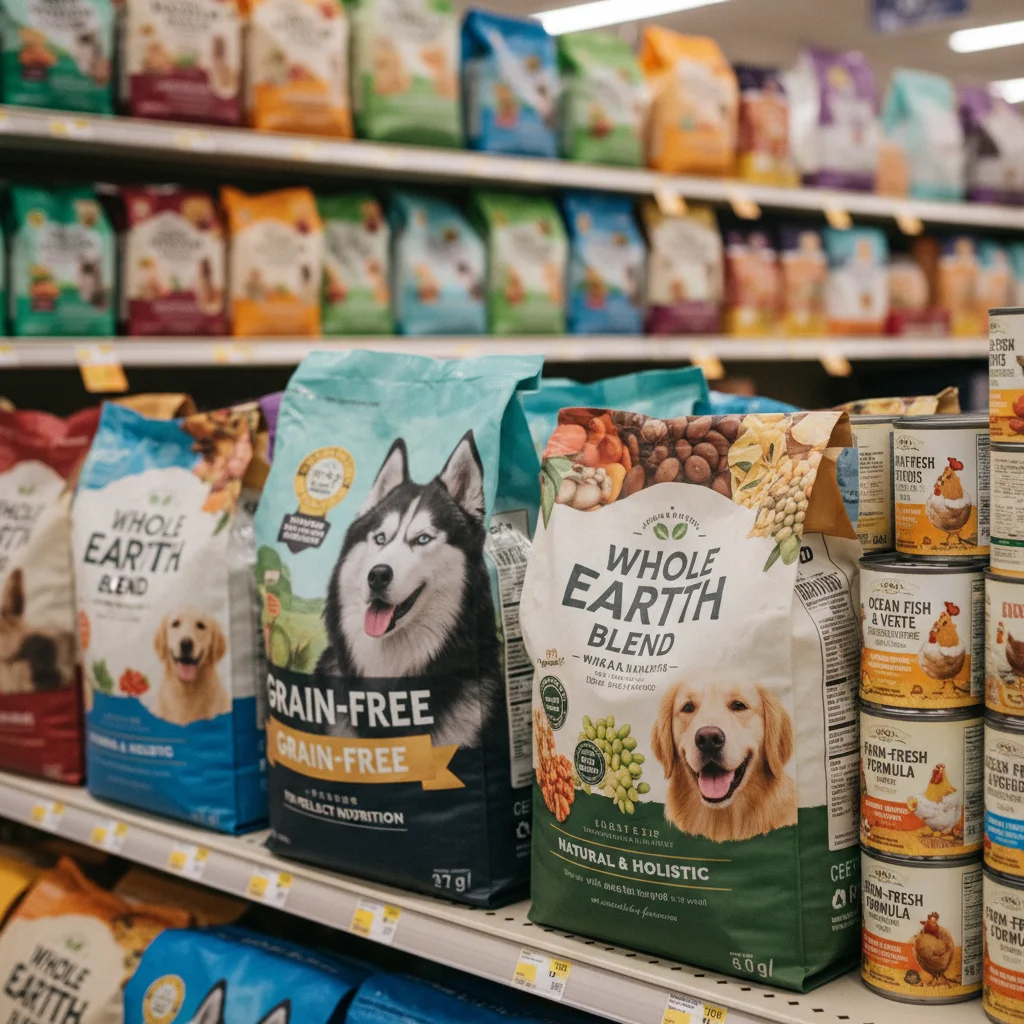
One of the most enduring and widespread pet nutrition myths in recent years revolves around grain-free diets. The marketing often suggests that grains are merely ‘fillers’ or even harmful allergens for pets, implying that grain-free options are inherently superior and more natural. This narrative has led countless pet owners to switch their animals to these diets, believing they are making a healthier choice. However, the reality is far more nuanced and, in some cases, concerning.
The Rise of the Grain-Free Trend
The popularity of grain-free diets for pets largely mirrors a similar trend in human nutrition, where grains have been demonized by various diet fads. This parallel marketing often plays on the idea that since wild ancestors of dogs and cats didn’t eat grains, our domesticated pets shouldn’t either. While it’s true that some pets can have grain sensitivities or allergies, these cases are relatively rare. The vast majority of pets can digest and utilize grains perfectly well.
The Truth About Grains in Pet Food
Grains such as corn, wheat, rice, and barley are not merely ‘fillers.’ They are valuable sources of carbohydrates, providing essential energy for your pet. They also contain fiber, which aids digestion, and a range of vitamins, minerals, and even protein. When properly processed, grains are highly digestible for most dogs and cats. In fact, many pet food formulations use grains as a crucial component of a balanced diet.
The DCM Connection: A Serious Concern
Perhaps the most significant concern regarding widespread grain-free diets emerged with reports linking them to Dilated Cardiomyopathy (DCM) in dogs. DCM is a serious heart condition that can lead to heart failure. The U.S. Food and Drug Administration (FDA) launched an investigation into these reports, noting a potential association between certain grain-free diets (particularly those rich in legumes like peas, lentils, and potatoes as primary ingredients) and atypical cases of DCM in breeds not genetically predisposed to the condition. While the exact mechanism is still being researched, taurine deficiency, often associated with these legume-heavy formulations, is a leading hypothesis.
It’s crucial to understand that not all grain-free diets are problematic, and not all pets on grain-free diets will develop DCM. However, this ongoing investigation highlights the danger of adopting dietary trends without solid scientific backing and veterinary guidance. Unless your veterinarian specifically diagnoses a grain allergy or sensitivity, there is no inherent health benefit to feeding a grain-free diet, and there could be potential risks.
Expert Recommendation
Always consult your veterinarian before making significant dietary changes. If you suspect your pet has a food allergy, a proper diagnostic workup is necessary to identify the specific allergen, which is far more likely to be a protein source (like chicken or beef) than a grain. A balanced diet containing appropriate grains is perfectly healthy for most pets.
Myth #2: Raw Food Diets Are Always Superior and More Natural
The allure of raw food diets, often referred to as Biologically Appropriate Raw Food (BARF) or ‘ancestral’ diets, is powerful. Proponents argue that feeding pets raw meat, bones, and organs mimics the diet of their wild ancestors, leading to superior health, shinier coats, cleaner teeth, and improved digestion. While the concept of a ‘natural’ diet is appealing, this is one of the pet nutrition myths that carries significant risks and lacks robust scientific evidence to support its broad claims of superiority.
The ‘Ancestral’ Argument
The primary argument for raw feeding is that dogs and cats evolved eating raw prey, and therefore, their digestive systems are best suited for unprocessed, uncooked foods. However, this argument often overlooks the significant evolutionary changes that have occurred over thousands of years of domestication. Domesticated dogs, in particular, have evolved to digest starches and carbohydrates much more efficiently than their wolf ancestors, a key adaptation that allowed them to thrive alongside humans.
Potential Risks and Concerns
The most significant concern with raw food diets is the risk of bacterial contamination. Raw meat can harbor dangerous pathogens such as Salmonella, E. coli, Listeria, and Campylobacter. These bacteria pose a risk not only to the pets consuming the food but also to the humans handling it, especially children, the elderly, and immunocompromised individuals. Cross-contamination in the kitchen is a serious public health concern. Numerous studies have confirmed the presence of these pathogens in commercially prepared and homemade raw pet foods.
Beyond bacterial risks, there are also nutritional concerns. Crafting a complete and balanced raw diet requires extensive knowledge of pet nutrition to ensure all essential vitamins, minerals, and macronutrients are present in the correct ratios. Without proper formulation, pets can suffer from nutritional deficiencies or excesses, leading to long-term health problems. For example, an imbalanced calcium-to-phosphorus ratio can cause severe skeletal issues, especially in growing puppies.
Finally, feeding raw bones, while often touted for dental health, carries risks of choking, fractured teeth, and internal injuries (e.g., perforations or obstructions in the digestive tract). Cooked bones are even more dangerous as they can splinter easily.
The Scientific Stance
Major veterinary organizations worldwide, including the American Veterinary Medical Association (AVMA) and the Canadian Veterinary Medical Association (CVMA), do not endorse raw feeding due to the significant health risks to both pets and humans. They emphasize that there is insufficient scientific evidence to support the claimed benefits of raw diets over commercially prepared, nutritionally complete and balanced cooked pet foods.
Expert Recommendation
While the desire to feed a ‘natural’ diet is understandable, the risks associated with raw feeding generally outweigh the unproven benefits. If you are considering a raw diet, it is imperative to consult with a board-certified veterinary nutritionist who can help you formulate a safe and nutritionally complete diet, and advise on stringent hygiene practices. For most pet owners, a high-quality, commercially prepared kibble or canned food that meets AAFCO (Association of American Feed Control Officials) standards is a much safer and more reliable option.
Myth #3: All Commercial Pet Foods Are Bad and Full of ‘Junk’
This is another pervasive pet nutrition myths that often leads pet owners down paths of unnecessary anxiety and potentially less balanced diets. The narrative suggests that commercial pet foods are uniformly low-quality, packed with harmful additives, and designed merely for profit rather than pet health. While it’s true that the pet food industry has its share of marketing ploys and varying quality levels, dismissing all commercial pet foods as ‘junk’ is a gross oversimplification and often inaccurate.
The Spectrum of Commercial Pet Foods
Just like human food, commercial pet food exists on a wide spectrum of quality. There are indeed budget brands that may use lower-quality ingredients and less rigorous quality control. However, there are also numerous reputable brands that invest heavily in research, development, and high-quality ingredients, formulated by veterinary nutritionists to meet the specific dietary needs of different life stages, breeds, and health conditions.
Understanding AAFCO Standards
In the United States, the Association of American Feed Control Officials (AAFCO) sets guidelines for pet food nutritional adequacy. When a pet food label states that it is ‘complete and balanced’ and meets AAFCO nutrient profiles for a specific life stage (e.g., ‘for growth,’ ‘for adult maintenance,’ or ‘for all life stages’), it means the product has been formulated to provide all the essential nutrients your pet needs in the correct proportions. These formulations are based on extensive scientific research into canine and feline nutritional requirements.
Ingredients: Quality vs. Perception
Many ‘junk food’ perceptions stem from misunderstandings about common ingredients. For example, ‘by-products’ are often viewed negatively, but they can be highly nutritious. Organ meats (like liver, kidney, and heart) are considered by-products but are rich in vitamins and minerals. Similarly, corn and wheat, often labeled as ‘fillers,’ are digestible carbohydrate sources that provide energy and fiber. The quality of these ingredients and how they are processed is more important than their mere presence on an ingredient list.
The Role of Veterinary Nutritionists
Many premium and therapeutic commercial pet foods are developed by board-certified veterinary nutritionists and undergo rigorous testing. These foods are designed to address specific health issues, such as kidney disease, diabetes, or allergies, and have been proven effective through clinical trials. Relying solely on anecdotal evidence or internet rumors to dismiss these scientifically formulated diets can be detrimental to a pet’s health.
Expert Recommendation
Instead of broadly condemning all commercial pet foods, learn to read labels critically and choose products from reputable manufacturers. Look for an AAFCO statement of nutritional adequacy. Consider brands that employ veterinary nutritionists, conduct feeding trials, and have stringent quality control. Your veterinarian is an excellent resource for recommending high-quality commercial pet foods that are appropriate for your pet’s age, activity level, and health status.
Myth #4: Dogs and Cats Can (and Should) Be Vegan/Vegetarian
The idea of extending human dietary choices, such as veganism or vegetarianism, to pets is a growing trend, fueled by ethical concerns about animal agriculture or perceived health benefits. However, this is one of the pet nutrition myths that can have serious health implications, particularly for cats, and requires careful consideration for dogs.
Cats: Obligate Carnivores
This is perhaps the most critical point: cats are obligate carnivores. This means their bodies are physiologically designed to derive essential nutrients primarily from animal tissue. They have specific nutritional requirements that cannot be met by plant-based diets alone without significant, often difficult, supplementation. Key nutrients like taurine, arachidonic acid, and preformed vitamin A are either absent or present in insufficient quantities in plant sources. Taurine deficiency, for instance, can lead to serious health issues, including blindness and dilated cardiomyopathy (DCM).
Attempting to feed a cat a vegan or vegetarian diet is extremely challenging and carries a high risk of severe nutritional deficiencies and health problems. It is generally not recommended by veterinary professionals.
Dogs: Omnivores with Carnivorous Tendencies
Dogs are more adaptable than cats; they are considered omnivores with carnivorous tendencies. Over thousands of years of co-evolution with humans, their digestive systems have adapted to process a wider range of foods, including carbohydrates and plant matter. This makes a well-formulated vegetarian diet theoretically possible for some dogs.
However, even for dogs, creating a nutritionally complete and balanced vegetarian or vegan diet is extremely difficult. It requires meticulous attention to detail to ensure adequate protein, essential amino acids (especially methionine, lysine, and tryptophan), vitamins (like B12, which is only naturally found in animal products), and minerals. Without expert guidance, dogs on these diets are at high risk of nutritional deficiencies.
Ethical Considerations vs. Biological Needs
While the ethical motivations behind feeding a vegan or vegetarian diet are understandable, it’s crucial to prioritize the biological needs and welfare of the pet. Forcing an animal into a diet that goes against its fundamental biological requirements can be considered a welfare issue. The responsibility of a pet owner includes providing a diet that supports optimal health, which, for most pets, includes animal-derived ingredients.
Expert Recommendation
For cats, a vegan or vegetarian diet is strongly discouraged due to their obligate carnivorous nature and the high risk of severe health problems. For dogs, while theoretically possible, it is extremely difficult to formulate a nutritionally complete and balanced vegetarian or vegan diet without the direct supervision of a board-certified veterinary nutritionist. If you are committed to exploring this option for your dog, professional guidance is absolutely essential to mitigate health risks.
Myth #5: Table Scraps Are Harmless Treats or Meal Boosters
The image of a loving pet owner slipping a morsel of food from their plate to their eager companion is a classic one. However, the belief that table scraps are harmless, or even beneficial, treats or meal boosters is one of the most common and potentially dangerous pet nutrition myths. While a tiny piece of plain, cooked chicken might not cause immediate harm, a regular diet of human food can lead to a host of health problems.
Nutritional Imbalance
The primary issue with feeding table scraps is that human food is formulated for human nutritional needs, not canine or feline ones. Our food often contains high levels of fat, salt, sugar, and spices that are inappropriate for pets. Regular consumption of these can disrupt the carefully balanced nutrition provided by a complete commercial pet food, leading to deficiencies or excesses of vital nutrients. For example, too much fat can cause pancreatitis, a painful and potentially life-threatening inflammation of the pancreas.
Toxic Ingredients
Many common human foods are toxic to pets. A short list of these includes:
- Chocolate: Contains theobromine, toxic to dogs and cats.
- Grapes and Raisins: Can cause acute kidney failure in dogs.
- Onions, Garlic, Chives: Can cause red blood cell damage (hemolytic anemia) in both dogs and cats.
- Xylitol: An artificial sweetener found in many sugar-free products (gum, candy, peanut butter) that can cause a rapid and severe drop in blood sugar and liver failure in dogs.
- Avocado: Contains persin, which can be toxic to some animals.
- Alcohol: Highly toxic, even in small amounts.
- Caffeine: Can cause heart palpitations, tremors, and seizures.
- Bones (cooked): Can splinter and cause choking or internal damage.
Even small amounts of these ingredients can be dangerous, and it’s often difficult to ensure table scraps are entirely free of them.
Weight Gain and Obesity
Human food is often calorie-dense. Regular feeding of table scraps significantly increases a pet’s daily caloric intake, leading to weight gain and obesity. Obesity in pets is a serious health issue, predisposing them to conditions like diabetes, arthritis, heart disease, and a shortened lifespan.
Behavioral Issues
Feeding table scraps can also lead to undesirable behavioral issues, such as begging, picky eating, and food guarding. Pets learn quickly that lingering around the dinner table can yield rewards, making meal times stressful for owners.
Expert Recommendation
It’s best to avoid feeding table scraps altogether. If you want to give your pet a treat, opt for species-appropriate, healthy alternatives like small pieces of plain, cooked lean meat (without seasoning), certain fruits (apples, blueberries, bananas in moderation), or vegetables (carrots, green beans). Always ensure these treats comprise no more than 10% of your pet’s daily caloric intake to prevent nutritional imbalances and weight gain. Consult your veterinarian for a list of safe human foods for pets.
Beyond the Myths: Principles of Optimal Pet Nutrition
Having debunked these common pet nutrition myths, let’s pivot to the foundational principles that truly guide optimal pet nutrition. Moving forward in 2026 and beyond, informed pet parents will focus on these key aspects to ensure their companions thrive.
1. Individualized Nutrition: Not One-Size-Fits-All
Just like humans, pets have individual needs. A growing puppy’s caloric and nutrient requirements differ vastly from an elderly, sedentary cat’s. Factors such as age, breed, size, activity level, existing health conditions (e.g., kidney disease, allergies, diabetes), and even environmental factors play a crucial role in determining the ideal diet. What works for one pet may not work for another. This is why generic advice, especially from unverified online sources, can be misleading. A personalized approach, guided by professional advice, is paramount.
2. The Importance of a Balanced Diet
A truly optimal diet provides all essential nutrients – proteins, fats, carbohydrates, vitamins, and minerals – in the correct proportions. This balance is critical for maintaining all bodily functions, from immune health and energy levels to coat quality and organ function. Deficiencies or excesses in any area can lead to health problems. Commercially prepared foods that meet AAFCO standards are formulated to provide this balance, often making them the safest and most convenient option for most pet owners.
3. Quality Ingredients and Digestibility
While the marketing terms can be confusing, focusing on the quality and digestibility of ingredients is key. High-quality protein sources, appropriate fats, and digestible carbohydrates contribute to better nutrient absorption and overall health. Reputable pet food manufacturers prioritize sourcing quality ingredients and employing processing methods that preserve nutrient integrity and enhance digestibility. Look for transparency from brands regarding their ingredient sourcing and manufacturing processes.
4. Regular Veterinary Consultations
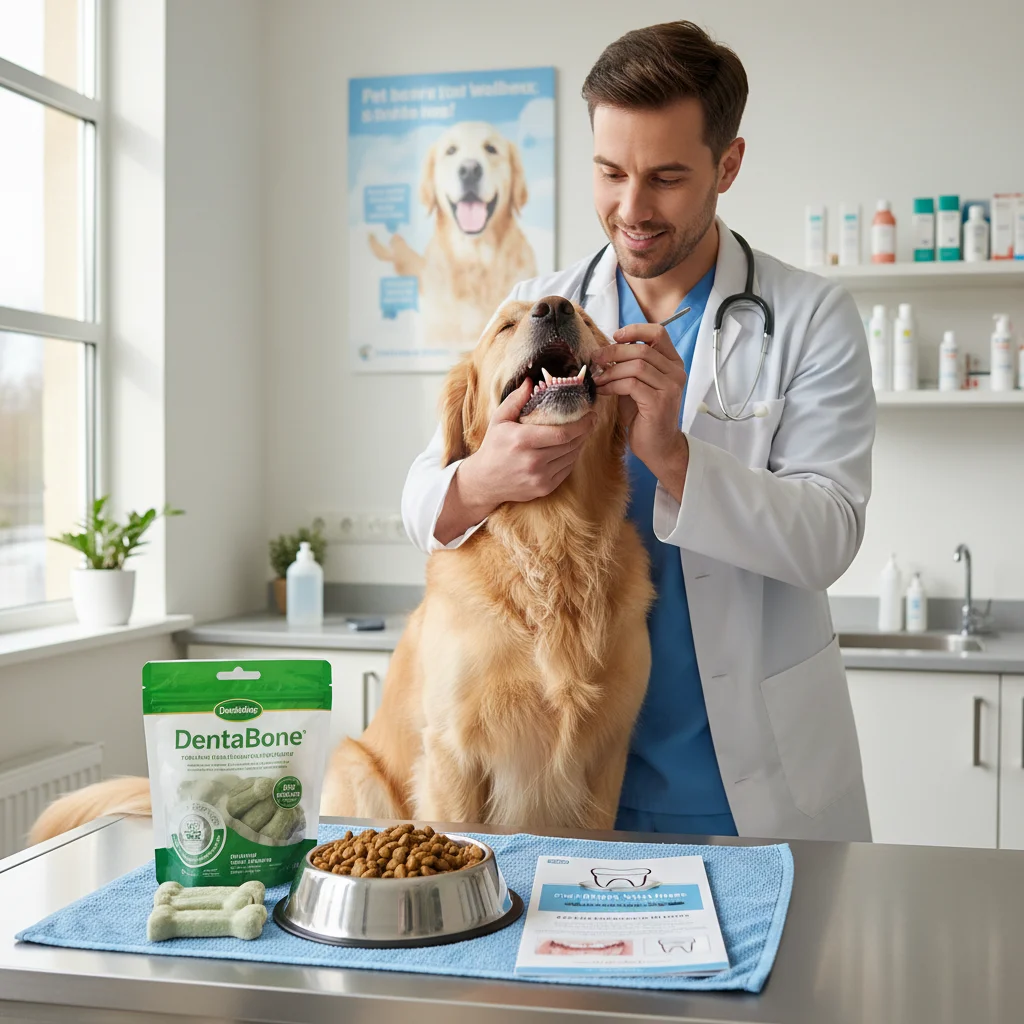
Your veterinarian is your most trusted partner in your pet’s health journey. Regular check-ups allow them to monitor your pet’s weight, body condition, and overall health. They can also provide tailored dietary recommendations based on your pet’s specific needs, diagnose and manage food allergies or sensitivities, and advise on therapeutic diets if necessary. Don’t hesitate to ask questions about diet during your annual visits or whenever you have concerns.
5. Hydration is Key
Often overlooked, adequate hydration is as crucial as food. Ensure your pet always has access to fresh, clean water. For cats, who often have a low thirst drive, incorporating wet food into their diet can significantly contribute to their hydration levels, which is particularly important for urinary tract health.
6. Mindful Treating and Portion Control
Treats can be a wonderful tool for training and bonding, but they must be given in moderation. Always consider treats as part of your pet’s total daily caloric intake. Overfeeding, even with healthy food, leads to obesity. Use measuring cups to portion out meals accurately according to the feeding guidelines on the food package and your veterinarian’s recommendations.
Conclusion: Empowering Pet Parents with Knowledge
The world of pet nutrition is dynamic, filled with innovations, new research, and unfortunately, persistent pet nutrition myths. As we navigate 2026 and look to the future, the most powerful tool a pet parent possesses is accurate, evidence-based knowledge. By debunking common misconceptions about grain-free diets, raw feeding, commercial pet foods, vegan options, and table scraps, we aim to empower you to make informed decisions that truly benefit your beloved companions.
Remember, the goal is not to chase fads or succumb to fear-based marketing, but to provide a complete, balanced, and appropriate diet that supports your pet’s unique physiological needs. Always prioritize consultation with your veterinarian or a board-certified veterinary nutritionist. They are the experts who can guide you through the complexities of pet nutrition, ensuring your furry family members receive the best possible care and enjoy long, healthy, and happy lives by your side. Your commitment to understanding and applying sound nutritional principles will be the cornerstone of their well-being.