Mastering Pet Allergy Management: 5 Home Adjustments for 20% Symptom Reduction by Spring 2026
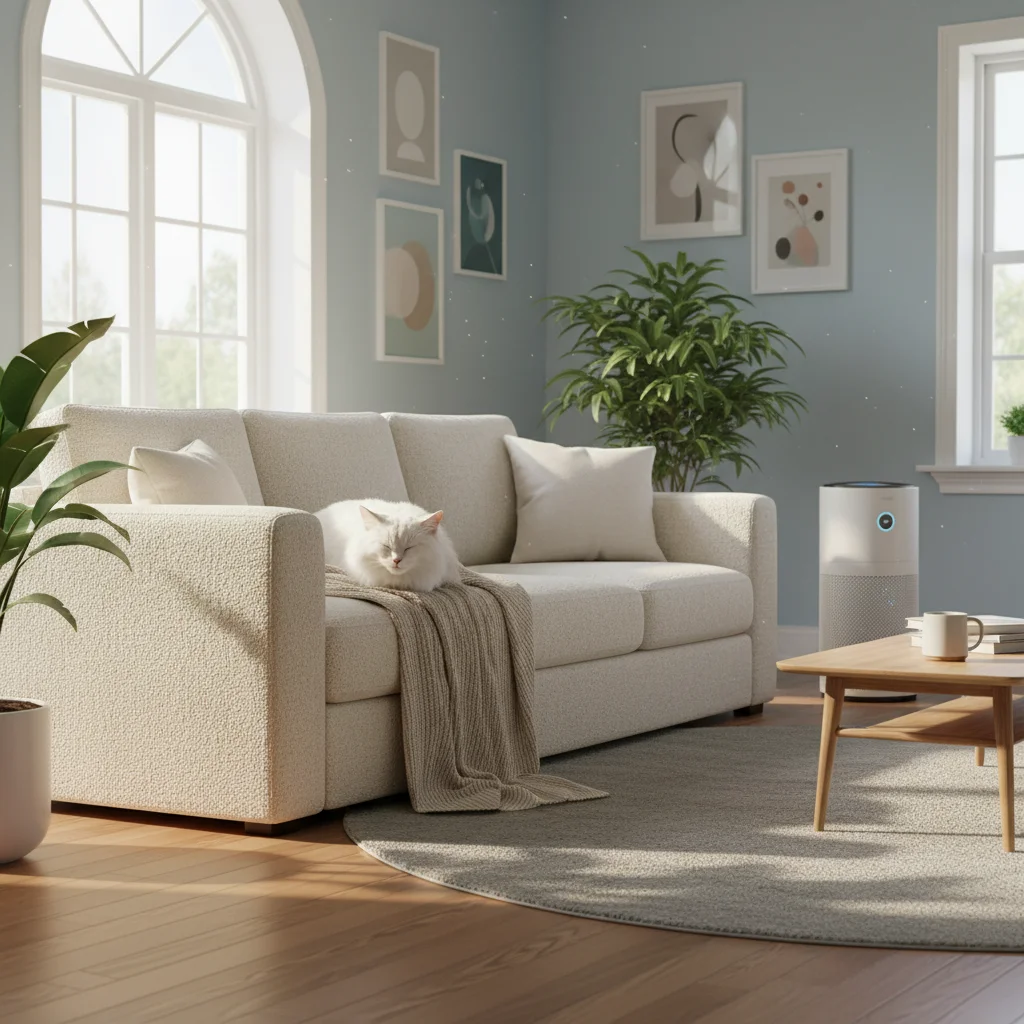
For millions of people worldwide, the joy of sharing their lives with a beloved pet is often accompanied by the persistent sniffles, itchy eyes, and sneezing fits of pet allergies. While the idea of rehoming a furry family member is unthinkable for many, living with constant allergic reactions can significantly diminish one’s quality of life. The good news is that effective pet allergy management is not only possible but achievable through a series of strategic home adjustments. Our goal with this comprehensive guide is to empower you with the knowledge and actionable steps to reduce your pet allergy symptoms by a remarkable 20% by Spring 2026, allowing you to breathe easier and enjoy your pets more fully.
Understanding the root cause of pet allergies is the first step toward effective management. It’s not the pet’s fur itself that triggers reactions, but rather proteins found in their dander (flakes of dead skin), saliva, and urine. These microscopic allergens become airborne, settle on surfaces, and can linger in your home for extended periods, even after the pet is no longer present. Therefore, an integrated approach that targets these allergens in your living environment is crucial for successful pet allergy management.
This article will delve into five key home adjustments, each designed to tackle pet allergens from different angles. From optimizing your cleaning routine to creating allergen-free zones, we’ll provide practical, evidence-based strategies that can make a tangible difference in your daily comfort. By consistently implementing these changes, you’ll not only alleviate symptoms but also foster a healthier, more harmonious home for both you and your cherished companions. Let’s embark on this journey to better breathing and improved well-being.
1. Implement a Rigorous and Targeted Cleaning Routine
One of the most effective strategies for pet allergy management is to significantly reduce the allergen load in your home through consistent and targeted cleaning. Pet dander, the primary culprit, is incredibly light and sticky, clinging to fabrics, carpets, and furniture. A superficial clean simply won’t cut it. To truly make a dent in your symptoms, you need a multi-faceted approach to cleaning.
Invest in a High-Efficiency Particulate Air (HEPA) Filter Vacuum Cleaner
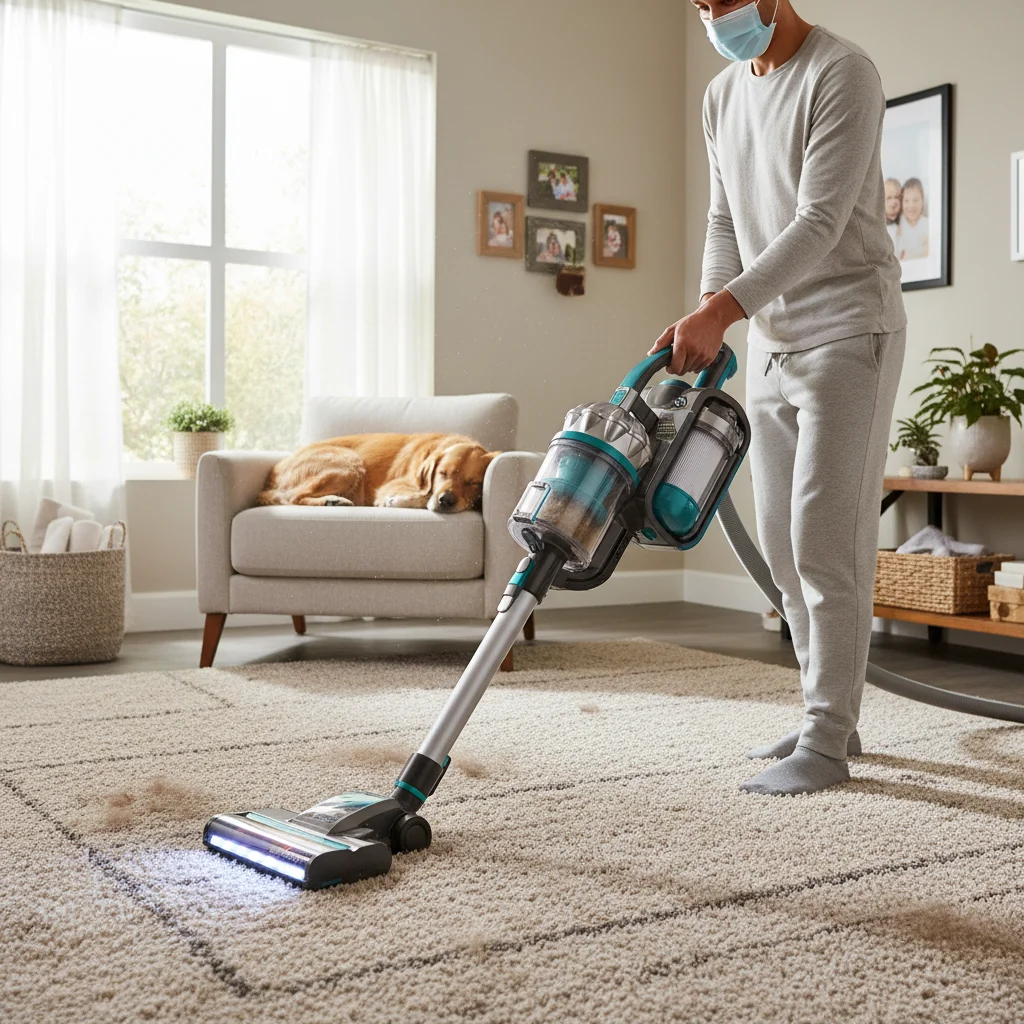
Standard vacuum cleaners often recirculate tiny allergen particles back into the air. A HEPA filter vacuum, however, is designed to trap these microscopic particles, preventing them from becoming airborne again. When vacuuming, pay special attention to carpets, rugs, upholstered furniture, and drapes. These are notorious allergen traps. Aim to vacuum at least twice a week, and consider daily vacuuming in high-traffic areas or where your pet spends most of its time. For hard floors, use a damp mop or cloth to pick up dander and dust, rather than sweeping, which can stir allergens into the air.
Wash Bedding and Pet Beds Frequently
Your bedding, and especially your pet’s bedding, can accumulate a significant amount of dander. Wash all bedding, including sheets, pillowcases, and duvet covers, in hot water (at least 130°F or 54°C) once a week. This temperature is crucial for killing dust mites and washing away pet allergens. Similarly, wash your pet’s bed covers and any washable pet toys weekly. If your pet sleeps on furniture, consider using washable throws or blankets that can be laundered regularly.
Dust with Damp Cloths and Mop Floors Regularly
Dry dusting simply pushes allergens around. Instead, use damp cloths or electrostatic dusters that effectively capture and hold dust and dander. Wipe down all hard surfaces, including shelves, tables, windowsills, and electronics, at least once a week. For hard floors, a regular damp mopping schedule will prevent allergen buildup. Remember to rinse your cleaning cloths thoroughly or use disposable ones to avoid spreading allergens.
Clean Walls and Ceilings Periodically
It might seem excessive, but pet dander can even settle on walls and ceilings. Periodically, gently wipe down painted walls with a damp cloth. For textured surfaces, a HEPA vacuum attachment can be used. This deeper cleaning can significantly contribute to overall allergen reduction and improve your pet allergy management efforts.
Consider Professional Carpet and Upholstery Cleaning
Even with regular vacuuming, carpets and upholstered furniture can harbor deep-seated allergens. Professional steam cleaning can effectively extract these allergens. Aim for professional cleaning once or twice a year, especially if you have severe allergies. If possible, consider replacing carpets with hard flooring, which is much easier to keep allergen-free.
2. Optimize Your Home’s Air Quality with Filtration Systems
Even the most meticulous cleaning won’t eliminate all airborne allergens. This is where air filtration systems become an indispensable tool in your pet allergy management arsenal. Improving your indoor air quality can drastically reduce the amount of dander, dust, and other irritants you inhale.
Utilize High-Efficiency Particulate Air (HEPA) Filters
The cornerstone of effective air filtration for allergy sufferers is the HEPA filter. These filters are capable of trapping 99.97% of airborne particles 0.3 microns in size, which includes pet dander, pollen, dust mites, and mold spores. There are two main ways to integrate HEPA filtration into your home:
a. Whole-House HEPA Filters for HVAC Systems
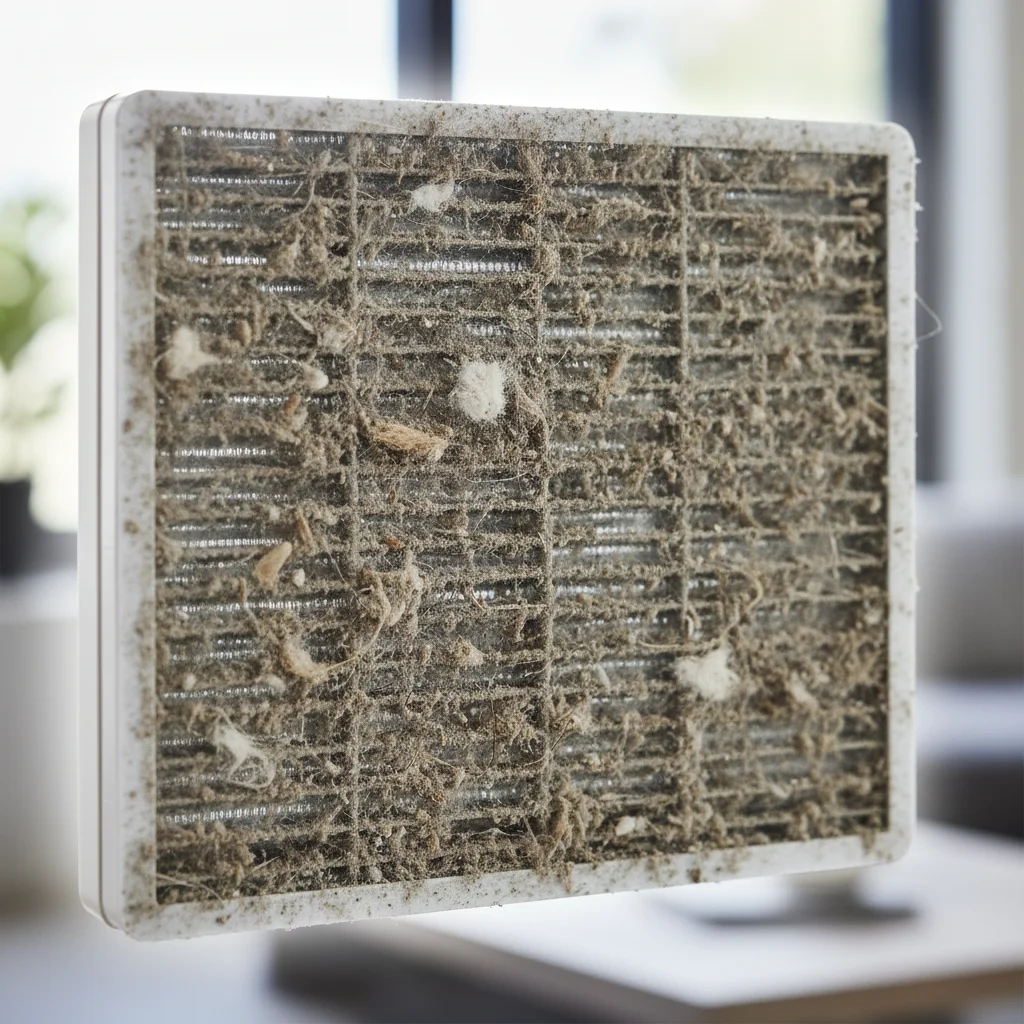
If you have a central heating and air conditioning system, upgrading to a high-quality HEPA filter for your HVAC unit can filter the air throughout your entire home. Look for filters with a MERV (Minimum Efficiency Reporting Value) rating of 11 or higher. The higher the MERV rating, the more efficient the filter is at trapping small particles. However, ensure your HVAC system can handle the increased airflow resistance of a higher MERV filter, as some older systems may struggle. Change these filters every 1-3 months, or as recommended by the manufacturer, especially during peak allergy seasons or if you have multiple pets.
b. Portable Room Air Purifiers with HEPA Filters
For targeted air purification, especially in bedrooms or living areas where you spend the most time, a portable HEPA air purifier is an excellent investment. Choose a unit with a CADR (Clean Air Delivery Rate) suitable for the size of the room it will be used in. Run these purifiers continuously, particularly in your bedroom, to create an allergen-reduced sleeping environment. Look for models that are quiet enough not to disturb your sleep. Some advanced models also include activated carbon filters, which can help remove pet odors and volatile organic compounds (VOCs).
Ensure Proper Ventilation
While air purifiers clean recirculated air, proper ventilation helps bring in fresh air and push out stale, allergen-laden air. Open windows for short periods when outdoor pollen counts are low, or use exhaust fans in bathrooms and kitchens. If you have an HRV (Heat Recovery Ventilator) or ERV (Energy Recovery Ventilator) system, ensure it’s functioning correctly and its filters are clean. These systems can bring in fresh air without significant heat loss or gain, making them ideal for year-round ventilation.
Avoid Ionizers and Ozone Generators
While some air purifiers use ionizers or ozone generators, it’s generally advisable for allergy sufferers to avoid them. Ionizers can produce ozone, a lung irritant, and while they may make particles settle, they don’t remove them from the environment. Ozone generators, specifically, produce ozone intentionally and can be harmful to respiratory health, potentially worsening allergy symptoms.
By combining rigorous cleaning with effective air filtration, you create a powerful defense against pet allergens, making your home a sanctuary where you can breathe more freely and significantly improve your pet allergy management.
3. Create Allergen-Free Zones Within Your Home
Even with the best cleaning and air filtration, it can be challenging to make your entire home completely allergen-free, especially with pets. Creating designated “allergen-free zones” is a highly effective strategy for pet allergy management, providing a sanctuary where you can retreat and minimize your exposure to dander.
The Bedroom: Your Primary Allergen-Free Sanctuary
The most critical area to designate as allergen-free is your bedroom. You spend roughly a third of your life sleeping, so minimizing allergen exposure during these hours can significantly reduce overall symptom severity. Here’s how to create an allergen-free bedroom:
a. Ban Pets from the Bedroom
This is arguably the most impactful step. While difficult for many pet owners, preventing your pet from entering your bedroom, especially your bed, will dramatically reduce the amount of dander in your sleeping environment. Keep the bedroom door closed at all times.
b. Encase Mattresses and Pillows
Use allergen-proof, zippered covers for your mattress and pillows. These covers act as a barrier, preventing dust mites and pet dander from accumulating within your bedding. Look for covers made from tightly woven fabrics that are specifically labeled as allergen-proof.
c. Wash Bedding Frequently and in Hot Water
As mentioned earlier, wash all sheets, pillowcases, and blankets weekly in hot water (at least 130°F or 54°C) to kill dust mites and remove pet allergens.
d. Minimize Fabric and Clutter
Rugs, heavy drapes, and excessive fabric upholstery can trap dander. Opt for hard flooring (wood, tile, or laminate) and blinds or washable curtains. Reduce clutter, as every item can collect dust and dander. Keep surfaces clear for easy cleaning.
e. Use a HEPA Air Purifier
Run a portable HEPA air purifier in your bedroom continuously to filter out any airborne allergens that might still be present.
Other Potential Allergen-Free Zones
Depending on the layout of your home and your lifestyle, you might consider extending the allergen-free concept to other areas:
a. Home Office or Dedicated Workspace
If you work from home, ensuring your office space is relatively allergen-free can provide relief during your working hours. Again, keep pets out and apply similar cleaning and filtration principles.
b. Specific Living Areas
While challenging in an open-concept home, if you have a separate living room or den, you might try to keep pets out of that specific area to offer another respite zone.
Establishing these allergen-free zones is a cornerstone of effective pet allergy management. It provides your body with a much-needed break from constant allergen exposure, allowing your immune system to calm down and potentially reducing the severity of your overall symptoms.
4. Regular Pet Grooming and Hygiene Practices
While the focus is often on the home environment, directly addressing your pet’s hygiene is a crucial, though sometimes overlooked, aspect of pet allergy management. Reducing the amount of dander and saliva on your pet before it spreads throughout your home can make a significant difference.
Bathing Your Pet Regularly
Frequent bathing can wash away accumulated dander and loose fur. For most dogs, bathing once a week or every two weeks with a pet-specific shampoo is generally safe and effective. Cats, notoriously less keen on baths, can sometimes be trained to tolerate them, or you can use pet-friendly wipes designed to remove dander. Consult your veterinarian about the appropriate bathing frequency and products for your specific pet, as over-bathing can dry out their skin and potentially worsen dander production.
Brushing Your Pet Frequently
Brushing your pet several times a week, or even daily, helps to remove loose fur and dander before it has a chance to shed and become airborne. The key is to do this in a way that minimizes allergen spread. Ideally, brush your pet outdoors to release dander into the open air rather than your home. If outdoor brushing isn’t feasible, do it in an easily cleaned area, such as a bathroom with a tiled floor, and immediately vacuum or wipe down the area afterward. Use a brush specifically designed for your pet’s coat type to maximize effectiveness.
Wiping Down Your Pet
Between baths, consider wiping your pet down daily with a damp cloth or specialized pet wipes. This can help remove surface dander and saliva proteins before they dry and become airborne. Pay particular attention to areas your pet frequently licks or where dander might accumulate.
Maintain Good Pet Dental Hygiene
While not directly related to dander, good dental hygiene reduces bacteria in your pet’s mouth, which can contribute to the protein load in their saliva. Regular dental care, including brushing your pet’s teeth or providing dental chews, can be a small but beneficial part of overall pet hygiene.
Consider Allergen-Reducing Pet Foods or Supplements
Some pet food manufacturers offer formulas designed to reduce pet allergens, often by modifying proteins in the pet’s saliva. While research on their effectiveness is ongoing, some anecdotal evidence suggests they might help. Discuss these options with your veterinarian to see if they are suitable for your pet.
By actively managing your pet’s hygiene, you’re not just keeping them clean; you’re proactively reducing the source of allergens in your home, making this a vital component of successful pet allergy management.
5. Modify Your Home Furnishings and Materials
The materials within your home play a significant role in how easily pet allergens can accumulate and linger. Thoughtful modifications to your furnishings can create an environment that is less hospitable to dander and easier to keep clean, greatly aiding your pet allergy management efforts.
Replace Carpeting with Hard Flooring
Carpets are notorious allergen traps. Their fibers can hold onto vast quantities of pet dander, dust mites, and other allergens, releasing them into the air with every step. Replacing wall-to-wall carpeting with hard surfaces like hardwood, laminate, tile, or vinyl is one of the most impactful changes you can make. These surfaces are easy to clean, preventing allergen buildup. If replacing all carpeting isn’t feasible, focus on high-traffic areas and, most importantly, your bedroom.
Choose Allergen-Friendly Window Treatments
Heavy drapes and fabric curtains are another magnet for pet dander. They are difficult to clean thoroughly and can become significant allergen reservoirs. Opt for washable curtains made of lightweight materials, or even better, switch to blinds or shades made of non-porous materials like wood, faux wood, or vinyl. These can be easily wiped down with a damp cloth to remove accumulated dander.
Select Easy-to-Clean Furniture
Upholstered furniture, especially pieces with plush fabrics, can trap dander deep within its fibers. When purchasing new furniture, consider options made of leather, faux leather, or wood. These materials are non-porous and can be easily wiped clean. If you have existing upholstered furniture, use washable slipcovers that can be laundered frequently. Alternatively, consider using washable throws that can be regularly cleaned.
Minimize Clutter and Open Shelving
Every decorative item, book, or knick-knack on an open shelf provides a surface for dust and dander to settle. Reducing clutter and opting for closed storage (cabinets, drawers) can significantly decrease the number of surfaces that need to be cleaned and the places allergens can hide. The less clutter you have, the easier and more effective your cleaning routine will be, directly supporting your pet allergy management strategy.
Washable Pet Beds and Toys
Ensure all your pet’s beds, blankets, and plush toys are easily washable. Regular washing in hot water is essential to remove dander and dust mites. If a pet bed isn’t washable, consider replacing it with one that is, or use washable covers. For pet toys, prioritize those made of materials that can be disinfected or machine washed.
By strategically modifying your home’s furnishings and materials, you’re not just making your home aesthetically pleasing; you’re actively creating an environment that is less conducive to allergen accumulation and much easier to maintain, ultimately leading to better pet allergy management.
Conclusion: A Healthier Home for You and Your Pet by Spring 2026
Living with pet allergies doesn’t have to mean sacrificing the companionship of your beloved animals. By implementing these five comprehensive home adjustments – a rigorous cleaning routine, optimized air filtration, creating allergen-free zones, regular pet grooming, and thoughtful modifications to home furnishings – you are taking proactive, powerful steps towards significantly reducing your pet allergy symptoms. Our target of a 20% reduction by Spring 2026 is an ambitious yet achievable goal, one that will profoundly improve your daily comfort and overall quality of life.
Remember, consistency is key. These aren’t one-time fixes but rather ongoing practices that become integral to your household routine. While some changes may require an initial investment of time or money, the long-term benefits of reduced sneezing, itching, and congestion are invaluable. Always consult with your allergist or healthcare provider for personalized advice and to discuss additional medical treatments if your symptoms persist or are severe.
Embrace these strategies, and you’ll not only create a healthier environment for yourself but also strengthen the bond with your pets, enjoying their presence without the constant burden of allergic reactions. Here’s to a future of clearer breathing and happier, sneeze-free moments with your furry family members!