Crate Training Success: A 3-Day Method for Stress-Free Adaptation
Crate Training Success: A 3-Day Method for Stress-Free Adaptation
Welcome, fellow dog enthusiasts! If you’ve ever embarked on the journey of dog ownership, you know that training is an essential component of building a harmonious relationship with your furry friend. Among the various training methods, 3-day crate training stands out as an incredibly effective and humane approach to teach your dog independence, house-training, and a sense of security. This comprehensive guide will walk you through everything you need to know to achieve 3-day crate training success, ensuring a stress-free adaptation for your beloved canine companion.
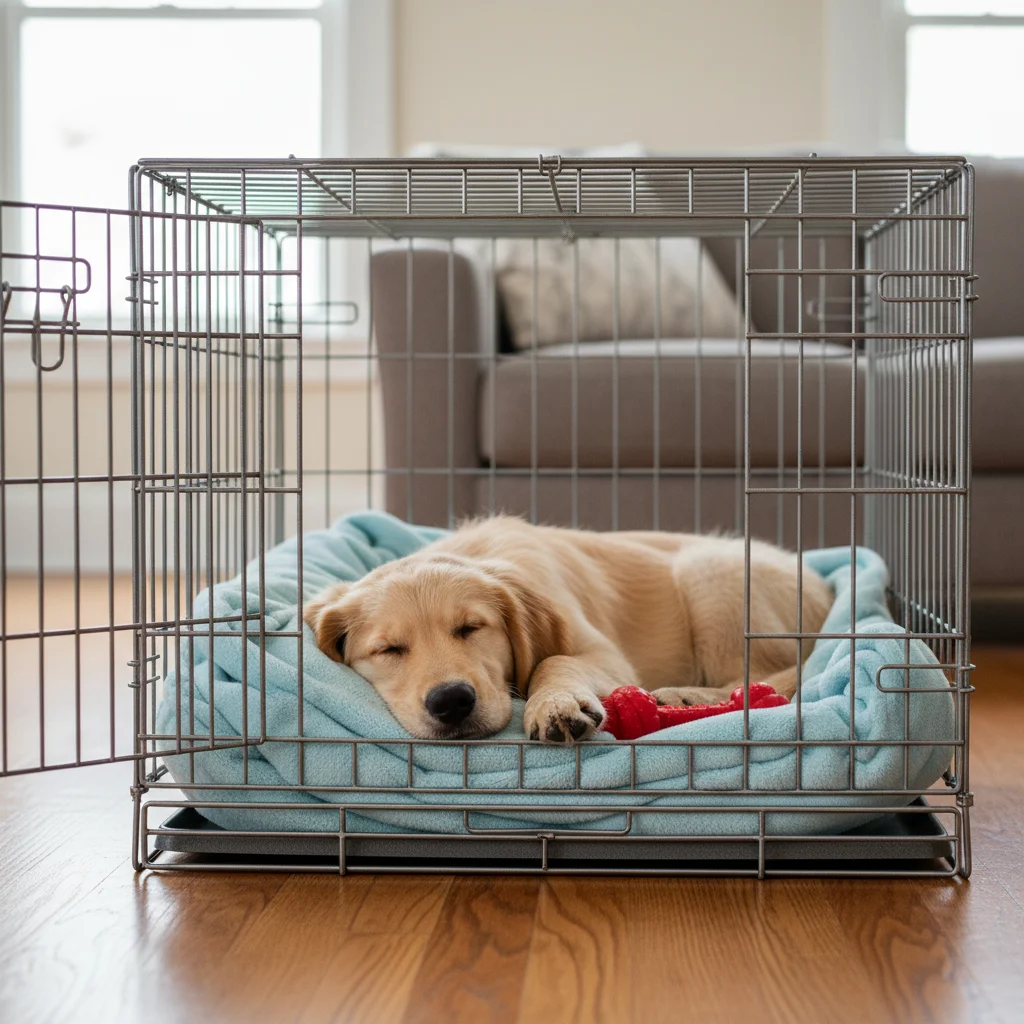
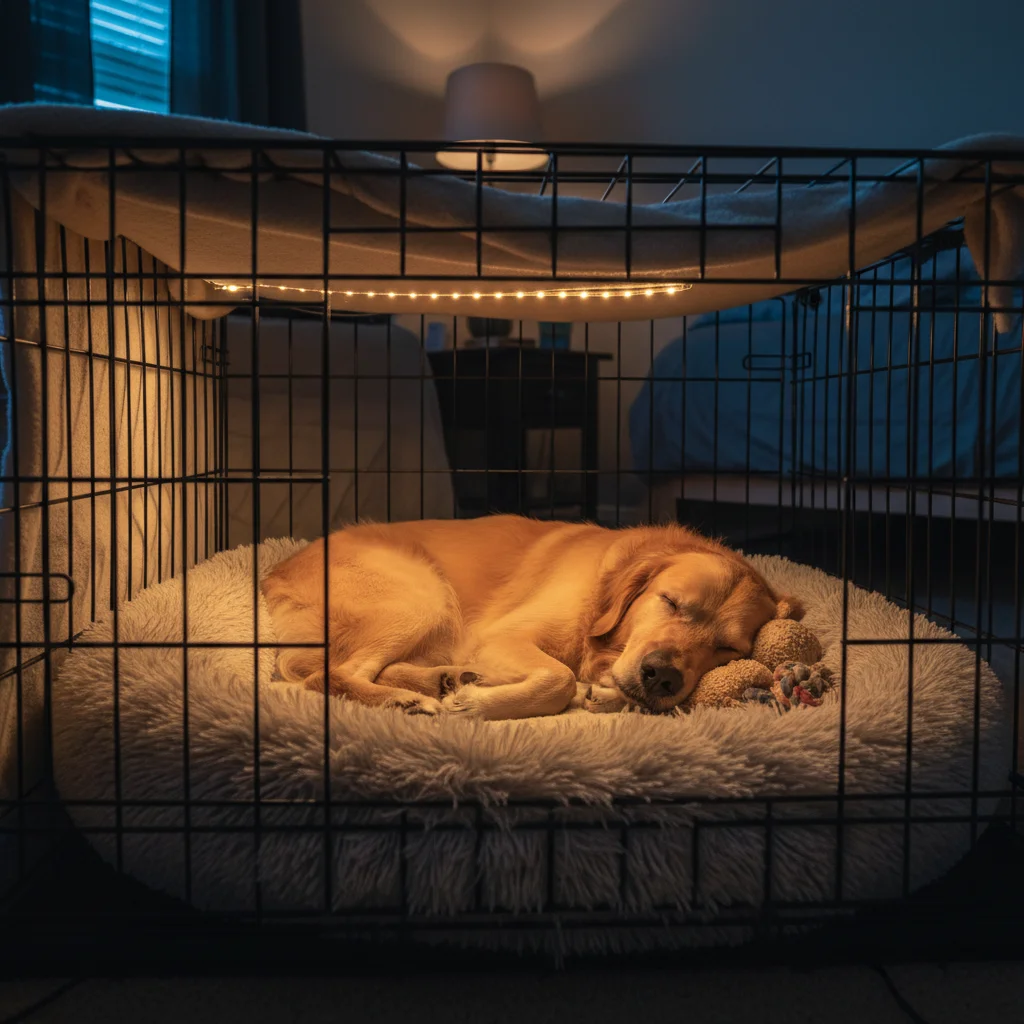
Crate training, when done correctly, is not about confinement; it’s about providing your dog with a safe, personal den – a space where they can feel secure, relax, and retreat when they need peace and quiet. It leverages a dog’s natural instinct to seek out a den-like environment. Imagine it as their personal bedroom. This method is particularly beneficial for puppies during house-training, as dogs are naturally inclined not to soil their sleeping areas. For adult dogs, it can help manage separation anxiety, provide a safe travel option, and even aid in recovery from injuries.
The idea of a 3-day crate training method might seem ambitious, but with consistency, patience, and the right techniques, it’s entirely achievable. This accelerated approach focuses on creating overwhelmingly positive associations with the crate from day one, gradually increasing the time spent inside, and building confidence in both you and your dog. We’ll break down the process into manageable steps, addressing common challenges and offering practical solutions to ensure your success.
Before we dive into the specifics of the 3-day crate training plan, let’s establish some foundational principles. Positive reinforcement is paramount. This means rewarding desired behaviors with treats, praise, and toys. Never use the crate as a punishment. Doing so will create negative associations, making the training process significantly harder, if not impossible. The goal is for your dog to view their crate as a sanctuary, not a prison.
Another crucial element is choosing the right crate. It should be just large enough for your dog to stand up, turn around, and lie down comfortably. If it’s too big, they might use one end as a potty area. If it’s too small, it will be uncomfortable and feel like punishment. Adjustable dividers are excellent for puppies, allowing the crate to grow with them. Material-wise, wire crates offer good ventilation and visibility, while plastic crates can feel more den-like and are often preferred for travel.
Location matters too. Place the crate in a central area of your home where your dog feels like part of the family, but also where they won’t be constantly disturbed. A living room or bedroom corner is often ideal. Ensure it’s away from direct sunlight, drafts, and high-traffic areas. Make it inviting with a soft bed, a favorite blanket, and a few safe chew toys. The more comfortable and appealing the crate is, the more likely your dog will embrace it as their personal haven.
Now, let’s prepare ourselves for the journey ahead. Gather all your supplies: high-value treats (small, soft, and irresistible), favorite toys, a comfortable bed for the crate, and a positive, patient attitude. Remember, your dog picks up on your emotions, so a calm and confident demeanor from you will greatly assist their adaptation. This 3-day crate training guide is designed to be flexible; some dogs may progress faster, others slower. Adjust the pace to your dog’s individual needs and comfort level. The ultimate goal is a happy, well-adjusted dog who loves their crate.
Day 1: Introduction and Positive Association
The first day of your 3-day crate training journey is all about making the crate a wonderful, non-threatening place. The key here is gentle introduction and building positive associations without any pressure. We want your dog to explore the crate voluntarily and associate it with good things.
Morning: The Grand Introduction
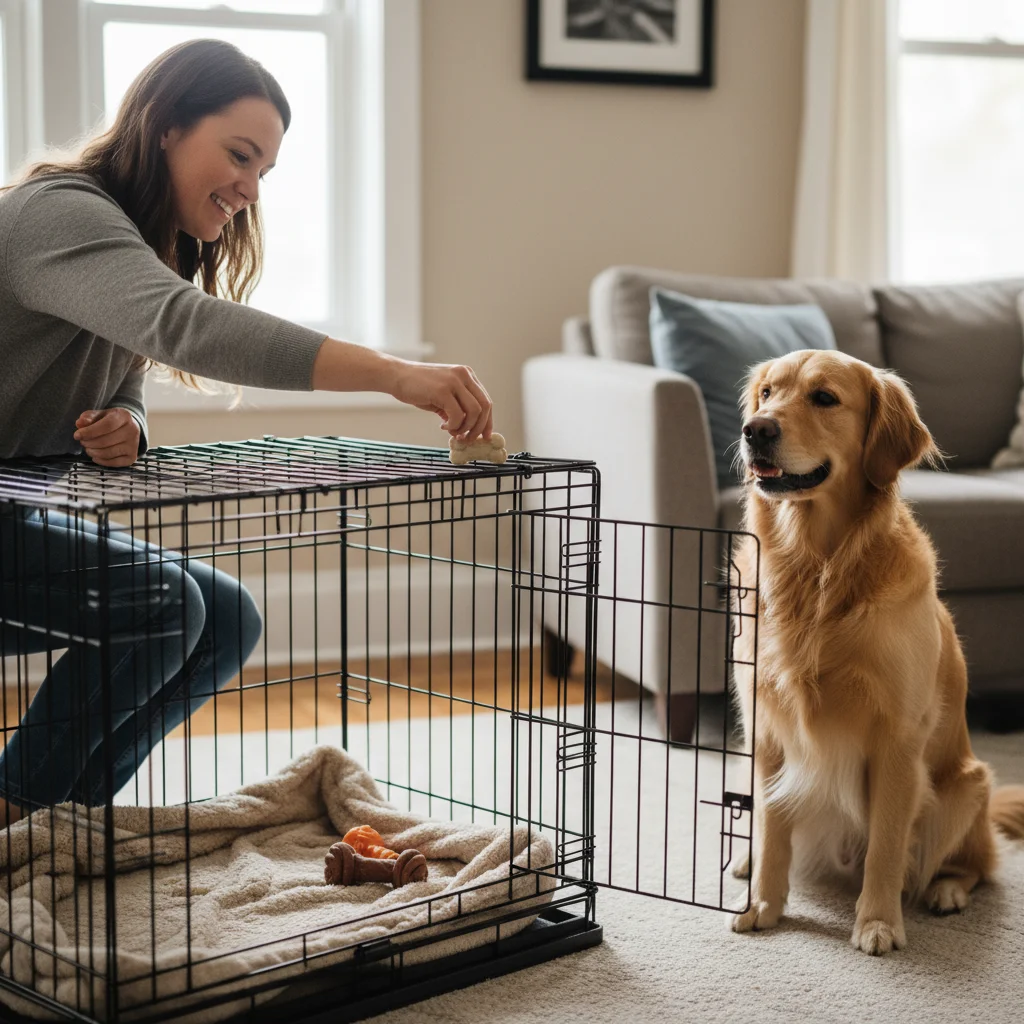
Start by placing the crate in its designated spot, door open. Don’t force your dog into it. Instead, make it an intriguing object. Sit near the crate with some high-value treats. Toss a few treats just inside the crate, encouraging your dog to poke their head in to retrieve them. Praise them enthusiastically when they do. Don’t close the door yet. Repeat this a few times, making it a fun game.
Next, toss treats further into the crate, so your dog has to step inside with all four paws. As they go in, say a positive phrase like “Crate!” or “Kennel!” in a cheerful tone. This helps them associate the word with the action. Once they’re inside, reward them, then let them come out freely. The goal is for them to enter and exit without fear.
You can also try placing a favorite toy or a chew bone inside the crate. If your dog goes in to retrieve it and stays to chew, that’s a huge win! Leave the door open. Supervise them closely, and if they finish their chew and want to come out, let them.
Afternoon: Short, Sweet Stays
Once your dog is comfortably entering the crate to get treats or toys, it’s time for very brief, supervised stays with the door closed. Lure your dog into the crate with a treat. As they enter, give them another treat. Close the door gently for just a few seconds. Give them another treat through the wire, praise them calmly, and then immediately open the door. The duration should be so short that your dog doesn’t even have a chance to feel anxious.
Repeat this several times, gradually increasing the duration by a few seconds each time. Always reward them when they are calm inside the crate and before you open the door. If your dog starts to whine or paw at the door, you’ve gone too fast. Open the door during a pause in their fussing (even a split second of quiet), so you’re not rewarding the whining. Then, shorten the next session. The aim is success, not struggle.
During these short stays, remain in the room, perhaps reading a book or watching TV. Your presence helps them feel secure. Keep the atmosphere light and positive. Remember, the first day is about building trust and positive associations with the crate, not about long periods of confinement.
Evening: Dinner in the Den
A fantastic way to build positive associations is to feed your dog their meals in the crate. Start by placing their food bowl just inside the crate, with the door open. As they eat, they’ll associate the crate with a highly rewarding experience. Once they are comfortable eating inside with the door open, try closing the door while they eat. Open it immediately after they finish.
As the evening progresses, you can try a few more short, supervised stays. Before bedtime, take your dog out for a potty break. Then, lead them to the crate, give them a high-value chew or a Kong filled with peanut butter (ensure it’s dog-safe!), and gently close the door. Sit near the crate for a bit, offering soft praise. This helps them settle down. For the first night, you might consider having the crate in your bedroom so your dog doesn’t feel isolated. This is particularly helpful for puppies.
If they whimper or cry, resist the urge to immediately let them out. Wait for a brief moment of quiet, then offer calm reassurance. If the crying persists and seems genuine (not just testing you), take them out for a quick potty break, then immediately put them back in the crate with minimal fuss. The goal is to teach them that fussing doesn’t get them out, but calm behavior does.
Day 2: Extending Stays and Building Independence
Day two of our 3-day crate training plan focuses on gradually increasing the duration of crate stays and introducing short periods of absence. We’re building on the positive foundation established on Day 1, reinforcing the idea that the crate is a safe and comfortable space, even when you’re not right there.
Morning: Longer Alone Time
Start the day with a potty break and some exercise. A tired dog is a good crated dog! Then, repeat the feeding in the crate routine. Once they’ve eaten, offer a puzzle toy or a long-lasting chew. Gently close the door. This time, instead of sitting right next to the crate, move to another part of the room. Stay within sight, but don’t interact with your dog. The idea is for them to learn to entertain themselves quietly in the crate.
Gradually increase the time you spend away from the immediate vicinity of the crate. Start by walking across the room, then out of sight for a few seconds. Return before your dog shows any signs of distress. Reward calm behavior. The key is to make your departures and returns uneventful. Avoid dramatic goodbyes or excited greetings.
Practice short absences throughout the morning. Leave the room for 1 minute, return, reward. Leave for 3 minutes, return, reward. Slowly build up the duration. If your dog starts to whine or bark, you’ve increased the time too quickly. Shorten the next session and try again. Always ensure they’ve had a potty break and some exercise before crating.
Afternoon: Crate During Nap Times
Dogs, especially puppies, sleep a lot. This is an excellent opportunity for 3-day crate training. After a period of play and a potty break, when your dog is naturally tired, encourage them into the crate with a treat and their comfy bed. Close the door gently. They are more likely to settle down and sleep in the crate if they are already sleepy.
During these nap times, you can leave the room for longer periods. Start with 15-30 minutes, then gradually extend it. Monitor your dog (perhaps with a pet camera if you’re out of sight) to ensure they are calm. If they wake up and start to fuss, wait for a quiet moment before letting them out for a potty break. Always make sure their bladders are empty before extended crate times.
Continue to offer treats and praise when they are quiet and settled in the crate. You want them to associate the crate with relaxation and peace. If you notice any signs of anxiety (excessive panting, drooling, frantic pawing), it’s a sign to slow down. Revisit shorter, more frequent sessions and ensure you’re providing enough positive reinforcement.
Evening: Crating for Longer Periods
By the evening of Day 2, your dog should be comfortable with short, supervised stays and some independent time in the crate during naps. Now, we’ll work towards longer periods. Before bedtime, ensure your dog has had plenty of exercise, a final potty break, and their last meal. Give them a special, long-lasting chew or a stuffed Kong in the crate.
Gently close the door. If you’ve been having the crate in your bedroom, continue to do so. If you plan to move it eventually, this transition should be gradual, perhaps moving it a few feet away each night. The goal for tonight is for your dog to sleep through the night in the crate. This might involve some initial whimpering, but remember the rule: wait for a moment of quiet before responding, and if you do respond, make it a quick potty break and back into the crate with minimal interaction.
Consistency is key. Every time you put your dog in the crate, it should be a positive experience. Avoid using the crate as a solution for unwanted behaviors like barking or destructive chewing; instead, address those issues with appropriate training and management outside the crate. The crate is their safe haven, not a timeout spot.
Day 3: Solidifying Crate Acceptance and Routine
Day three of your 3-day crate training is about solidifying the positive associations and integrating the crate into your dog’s daily routine. By now, your dog should be much more comfortable with the crate, and you should be seeing significant progress. This day focuses on consistency, extending independent time, and making the crate a natural part of their life.
Morning: Routine and Extended Absences
Begin the day with the established routine: potty break, exercise, then breakfast in the crate. After breakfast, provide a stimulating toy or chew, and close the crate door. Today, we’re aiming for longer periods of absence. If your dog has been doing well with 30-minute absences, try 45 minutes to an hour. Leave the house for a short errand, or go into another room where your dog can’t see or hear you.
The goal is for your dog to remain calm and quiet during these absences. When you return, don’t make a big fuss. Greet them calmly, let them out for a potty break, and then praise them for their good behavior. Avoid making a big deal out of your departure or return, as this can inadvertently create anxiety around being left alone.
Practice leaving and returning multiple times throughout the morning. Mix up the durations. Sometimes leave for 5 minutes, sometimes for 20. This prevents your dog from predicting your patterns and becoming anxious about longer absences. Always ensure they have had ample exercise and a potty break before crating.
Afternoon: Crate for Quiet Time
Continue to utilize the crate for your dog’s nap times and quiet periods. Instead of just sleeping, encourage them to simply relax in the crate. You can do this by giving them a favorite chew or a puzzle toy that keeps them occupied but calm. The crate should be a place where they can unwind, not just sleep.
If you work from home, try crating your dog for an hour or two during your workday, just as you would if you were leaving the house. This helps them get used to the routine of being crated while you’re busy. Remember to let them out for potty breaks at appropriate intervals. For puppies, this means every 2-4 hours, depending on their age and bladder control.
Observe your dog’s body language. Are they entering the crate willingly? Are they settling down quickly? Are they calm when you return? These are all indicators of successful 3-day crate training. If you see signs of stress, revisit the previous steps and shorten the duration of crate time. Patience and positive reinforcement are your best tools.
Evening: Consistent Nighttime Crating
By the end of Day 3, your dog should be comfortable spending the entire night in their crate. Maintain the routine of a final potty break, a chew or Kong in the crate, and a calm goodbye. If you started with the crate in your bedroom, you might consider moving it to its permanent location tonight if you plan for it to be elsewhere. Do this gradually – perhaps moving it just outside the bedroom door, then further away on subsequent nights.
Continue to ignore any whining or barking unless you suspect they genuinely need a potty break. A good rule of thumb is to take them out if they haven’t been out in several hours, but otherwise, resist giving attention to attention-seeking behaviors. Reward silence and calm. When they wake up in the morning, let them out immediately for a potty break and enthusiastic praise.
Remember that 3-day crate training is an intense introduction. The goal is to build a strong foundation. Even after these three days, continue to use the crate regularly, incorporating it into your dog’s daily routine. This reinforces the positive associations and prevents regression. The crate should always be available as a safe, comfortable retreat for your dog.
Troubleshooting Common Crate Training Challenges
Even with the best intentions and a solid plan, you might encounter some bumps in the road during your 3-day crate training journey. Here are some common challenges and how to address them:
Whining and Barking
This is perhaps the most common challenge. It’s crucial to distinguish between a genuine need (like a potty break) and attention-seeking behavior. If your dog has recently been out and exercised, it’s likely the latter. Resist the urge to let them out when they are whining. Doing so teaches them that whining gets them what they want. Wait for a brief pause in the noise, then calmly let them out, take them for a quick potty, and immediately return them to the crate with minimal fuss. If it’s attention-seeking, ignore it completely until they are quiet, then praise them when they settle.
Anxiety or Panic
Some dogs, especially those with past trauma or separation anxiety, might experience genuine panic in the crate (excessive drooling, frantic pawing, trying to break out). This is different from whining. If you observe these signs, stop the training immediately. You’ve moved too fast. Revert to much shorter, more positive sessions, focusing solely on building positive associations with the door open. Consider consulting a professional dog trainer or veterinary behaviorist for guidance, as severe anxiety requires a more specialized approach.
Potty Accidents in the Crate
If your dog is having accidents in the crate, it could be for a few reasons. First, the crate might be too large, allowing them to soil one end and sleep in the other. Use a divider to make it smaller. Second, they might not be getting enough potty breaks. Puppies and older dogs need to go out more frequently. Ensure their bladders are empty before crating. Third, it could be a sign of underlying medical issues, so a vet check-up might be warranted. Never punish your dog for an accident in the crate; it will only make them fear the crate.
Refusal to Enter the Crate
If your dog outright refuses to enter the crate, it means you need to go back to the very first steps of Day 1. Make the crate incredibly appealing. Place high-value treats and toys inside. Sit by the crate and make it a fun, no-pressure zone. Never force your dog in. Use luring with treats and praise for even the slightest interest in the crate. Slowly build up their confidence.
Regression
Sometimes, after initial success, dogs might regress. This can happen due to changes in routine, new stressors, or simply testing boundaries. If regression occurs, go back to basics. Re-establish the positive associations, shorten crate times, and slowly build back up. Consistency is always the answer.
Benefits of Successful Crate Training
Beyond the immediate goal of house-training, successful 3-day crate training offers a multitude of long-term benefits for both you and your dog:
- House-Training: As mentioned, dogs are reluctant to soil their sleeping area, making the crate an invaluable tool for teaching bladder and bowel control.
- Safety and Security: The crate provides a safe space for your dog when you can’t supervise them, preventing destructive chewing, accidental ingestion of dangerous items, or getting into trouble.
- Travel: A crate-trained dog is much easier to travel with, whether it’s a short car ride to the vet or a longer trip. They feel secure in their familiar den.
- Veterinary Visits & Grooming: If your dog needs to stay overnight at the vet or groomer, being comfortable in a crate will significantly reduce their stress.
- Emergency Preparedness: In the event of an emergency or evacuation, a dog comfortable in a crate can be transported and managed more easily.
- Management of Separation Anxiety: For some dogs, the crate can become a comforting den that helps them cope with being alone, though severe separation anxiety may require additional behavioral intervention.
- Peace of Mind for Owners: Knowing your dog is safe, comfortable, and out of trouble when you’re away or busy provides immense peace of mind.
Beyond the 3 Days: Maintaining Crate Training Success
While the 3-day crate training method provides a rapid and effective foundation, it’s crucial to understand that training is an ongoing process. To maintain your dog’s positive association with their crate, continue to incorporate it into their routine:
- Regular Use: Don’t just use the crate when you leave. Encourage your dog to nap, chew a toy, or have quiet time in their crate even when you’re home. This keeps it a positive, normal part of their day.
- Positive Reinforcement: Continue to offer treats, praise, and favorite toys when your dog willingly enters and settles in their crate.
- Comfort and Cleanliness: Always ensure the crate is comfortable, with a soft bed, and kept clean. A dirty or uncomfortable crate will quickly become a deterrent.
- Never as Punishment: Reiterate this golden rule: the crate is never for punishment. If your dog misbehaves, address the behavior directly; do not banish them to their crate.
- Exercise and Potty Breaks: Always ensure your dog is well-exercised and has had a potty break before extended crate time. A bored or uncomfortable dog is more likely to fuss.
- Gradual Changes: If you need to make changes to the crate’s location or your dog’s crating schedule, do so gradually to avoid causing stress.
Conclusion
The 3-day crate training method is a powerful tool for building a well-adjusted, confident, and house-trained dog. By focusing on positive reinforcement, gradual exposure, and consistency, you can transform the crate from an unfamiliar object into your dog’s cherished den. Remember that every dog is an individual, and while this guide provides a structured plan, flexibility and patience are your greatest assets.
Investing these three days into proper crate training will pay dividends throughout your dog’s life, providing them with a sense of security and giving you peace of mind. Embrace the process, celebrate the small victories, and enjoy the strong, trusting bond you’re building with your canine companion. Happy training!