Feline Nutritional Deficiencies: 2026 Deep Dive & Prevention
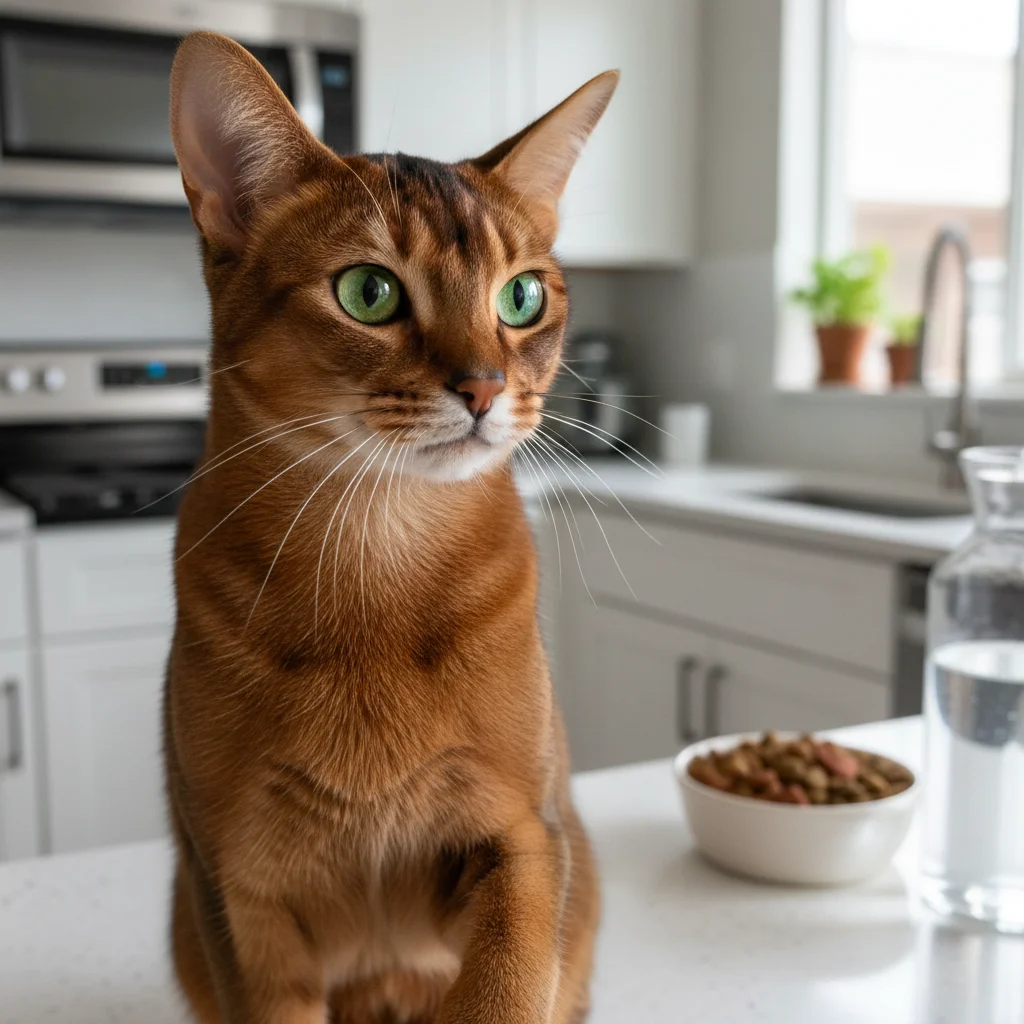
Is Your Cat’s Diet Causing Hidden Health Issues? A 2026 Deep Dive into Feline Nutritional Deficiencies
As devoted cat parents, we strive to provide our beloved felines with the best possible care, and at the heart of that care lies nutrition. Yet, despite our best intentions, many cats silently suffer from cat nutritional deficiencies that can lead to a cascade of hidden health issues. In 2026, with advancements in veterinary science and a deeper understanding of feline physiology, it’s more crucial than ever to scrutinize what goes into our cats’ bowls. This comprehensive guide will explore the often-overlooked world of feline nutritional deficiencies, helping you identify potential problems, understand their causes, and implement strategies to ensure your cat thrives.
The Silent Threat: Understanding Cat Nutritional Deficiencies
Cats are obligate carnivores, meaning their bodies are specifically designed to derive nutrients from animal-based proteins. Unlike omnivores, they have unique dietary requirements that, if not met, can lead to severe health consequences. A ‘complete and balanced’ label on cat food is a good starting point, but the reality can be far more complex. Factors like ingredient quality, processing methods, individual feline metabolism, and even storage can impact the actual nutrient availability and absorption. Recognizing the signs of cat nutritional deficiencies is the first step towards intervention and prevention.
Why Feline Nutrition is Unique
Cats require a high-protein, moderate-fat, and minimal-carbohydrate diet. Their bodies cannot efficiently synthesize certain essential nutrients, such as taurine, arachidonic acid, and vitamin A, which must be obtained directly from animal tissues. This fundamental difference sets them apart from most other domesticated animals and underscores the importance of a species-appropriate diet. When these specific needs are not met, the body begins to compensate, leading to subtle at first, then progressively more severe, health problems.
Common Cat Nutritional Deficiencies and Their Impact
Several key nutrients are frequently deficient in feline diets, often due to poor quality food, inappropriate homemade diets, or underlying health conditions affecting absorption. Understanding these common cat nutritional deficiencies is crucial for proactive care.
1. Taurine Deficiency
Taurine is an amino acid vital for normal heart muscle function, vision, and reproduction. Cats cannot synthesize sufficient taurine from other amino acids, making dietary intake essential. Historically, taurine deficiency was a widespread problem with early commercial cat foods, leading to serious health crises in feline populations. While modern commercial diets are typically supplemented, issues can still arise, particularly with unbalanced homemade diets or certain grain-heavy formulations that might reduce taurine bioavailability.
- Symptoms: Dilated cardiomyopathy (DCM), retinal degeneration leading to blindness, reproductive failure, and impaired immune function.
- Sources: Meat, poultry, fish (especially heart and liver).
2. Vitamin A Deficiency
Unlike humans and dogs, cats cannot convert beta-carotene into active vitamin A. They require pre-formed vitamin A (retinol) directly from animal sources. Vitamin A is crucial for vision, immune function, skin and coat health, and bone development.
- Symptoms: Night blindness, poor vision, dry skin and coat, reproductive issues, weakened immune system, and developmental problems in kittens.
- Sources: Liver, cod liver oil, egg yolks, and fortified cat foods.
3. Arachidonic Acid Deficiency
Arachidonic acid is an omega-6 fatty acid that cats cannot synthesize from other fatty acids. It plays a critical role in inflammation regulation, skin and coat health, blood clotting, and reproductive function.
- Symptoms: Poor coat quality, dry flaky skin, impaired wound healing, reproductive issues, and increased susceptibility to infections.
- Sources: Animal fats, poultry, and fish oils.
4. Vitamin B Complex Deficiencies (Thiamine, Niacin, Pyridoxine)
B vitamins are water-soluble and essential for numerous metabolic processes, including energy production, nerve function, and red blood cell formation. While less common in commercial diets, thiamine (B1) can be destroyed by heat processing or certain enzymes found in raw fish, and niacin (B3) cannot be synthesized from tryptophan in cats.
- Symptoms:
- Thiamine (B1): Neurological signs like ataxia, head tilt, seizures, anorexia, and weakness.
- Niacin (B3): Weight loss, diarrhea, oral lesions, and dermatitis.
- Pyridoxine (B6): Anemia, neurological issues, and poor growth.
- Sources: Meat, fish, poultry, and whole grains (though cats need less grain).
5. Vitamin D Deficiency
Vitamin D is crucial for calcium and phosphorus metabolism, bone health, and immune function. Cats, unlike humans, cannot synthesize sufficient vitamin D through sun exposure and must obtain it from their diet.
- Symptoms: Rickets in kittens, osteomalacia (softening of bones) in adult cats, muscle weakness, and potentially impaired immune response.
- Sources: Fatty fish, liver, egg yolks, and fortified foods.
6. Magnesium Deficiency
Magnesium is an essential mineral involved in over 300 enzymatic reactions, muscle and nerve function, and bone health. While rare, it can occur with certain medical conditions or highly processed diets.
- Symptoms: Muscle weakness, tremors, seizures, anorexia, and lethargy.
- Sources: Meat, fish, whole grains, and leafy greens.
Identifying the Signs: When to Suspect Cat Nutritional Deficiencies
The insidious nature of cat nutritional deficiencies means that symptoms can be subtle at first, often mimicking other health conditions. Early detection is key to preventing long-term damage. Pay close attention to changes in your cat’s behavior, appearance, and physical health.
Behavioral Changes
- Lethargy and Weakness: A noticeable decrease in energy, less playfulness, and increased sleeping.
- Appetite Changes: Anorexia (loss of appetite) or pica (eating non-food items).
- Irritability or Depression: Unexplained changes in mood or withdrawal.
Physical Symptoms
- Poor Coat Quality: Dry, dull, flaky skin, excessive shedding, or patchy hair loss.
- Weight Loss or Stunted Growth: Especially concerning in kittens.
- Digestive Issues: Chronic diarrhea, vomiting, or constipation.
- Dental Problems: Gingivitis, bad breath, or loose teeth.
- Eye Issues: Poor night vision, cloudy eyes, or discharge.
- Muscle Weakness or Ataxia: Difficulty walking, stumbling, or tremors.
- Impaired Immune Function: Frequent infections or slow wound healing.
- Reproductive Problems: Infertility or poor litter health.
Causes of Cat Nutritional Deficiencies in 2026
Understanding the root causes of cat nutritional deficiencies is vital for effective prevention and treatment. Several factors can contribute to these issues:
1. Inappropriate Commercial Diets
While many commercial cat foods claim to be ‘complete and balanced,’ the quality of ingredients and nutrient bioavailability can vary significantly. Diets high in plant-based proteins or excessive carbohydrates, or those with low-quality animal protein sources, may not provide the essential amino acids and fatty acids cats need. The processing of kibble, particularly high-heat extrusion, can also degrade certain heat-sensitive nutrients like B vitamins and taurine.
2. Unbalanced Homemade Diets
Feeding a homemade diet can be incredibly rewarding, but it’s fraught with risks if not formulated by a board-certified veterinary nutritionist. Simply feeding raw meat or a mix of human foods without precise supplementation will almost certainly lead to severe cat nutritional deficiencies over time. These diets often lack essential vitamins, minerals, and amino acids in the correct ratios.
3. Underlying Health Conditions
Certain medical conditions can impair a cat’s ability to digest food or absorb nutrients, even if the diet itself is adequate. These include:
- Gastrointestinal Diseases: Inflammatory Bowel Disease (IBD), pancreatitis, or chronic enteropathies can reduce nutrient absorption.
- Kidney Disease: Can affect vitamin D and B vitamin metabolism, and sometimes necessitates special diets that might be unbalanced if not carefully managed.
- Liver Disease: Impairs the metabolism of various nutrients, including fat-soluble vitamins.
- Dental Disease: Painful teeth can make eating difficult, leading to reduced food intake and potential deficiencies.
- Parasites: Internal parasites can compete for nutrients or damage the intestinal lining, leading to malabsorption.
4. Medications
Some medications can interfere with nutrient absorption or increase the body’s requirement for certain vitamins and minerals. Always discuss your cat’s diet and any supplements with your veterinarian if they are on long-term medication.
5. Age and Life Stage
Kittens, pregnant or lactating queens, and senior cats have different nutritional requirements. Diets not tailored to their specific life stage can lead to deficiencies or excesses. For example, kittens need higher protein and fat for growth, while senior cats may need more digestible protein and specific joint support.
Diagnosing Cat Nutritional Deficiencies: The Veterinary Approach
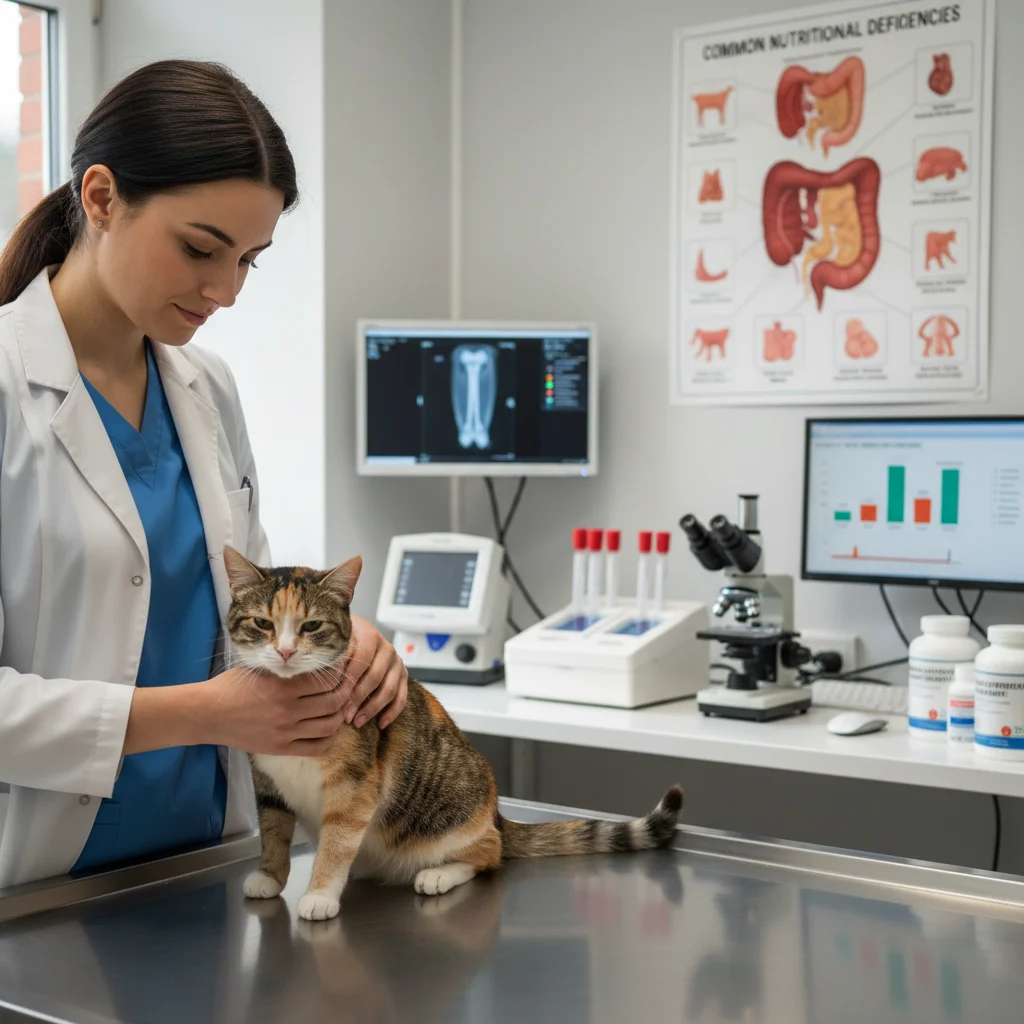
If you suspect your cat has a nutritional deficiency, a prompt visit to the veterinarian is essential. Diagnosis typically involves a multi-faceted approach:
1. Thorough History and Physical Examination
Your vet will ask about your cat’s diet (brand, type, any supplements, treats, and human food), appetite, energy levels, and any observed symptoms. A comprehensive physical exam will look for signs such as poor coat quality, muscle wasting, dental issues, and organ abnormalities.
2. Blood Tests
Blood work can reveal a great deal about a cat’s nutritional status. This may include:
- Complete Blood Count (CBC): To check for anemia (which can be a sign of iron, B vitamin, or protein deficiency) and infection.
- Biochemistry Panel: To assess organ function (liver, kidneys), electrolyte balance, and levels of key minerals like calcium, phosphorus, and magnesium. Specific tests for vitamin D can also be performed.
- Serum Taurine Levels: If dilated cardiomyopathy or retinal degeneration is suspected.
3. Urinalysis
Can provide insights into kidney function and electrolyte balance.
4. Fecal Analysis
To check for parasites or signs of maldigestion/malabsorption.
5. Imaging
X-rays or ultrasound may be used to assess bone density, heart size (in cases of suspected DCM), or the health of internal organs if underlying disease is suspected.
6. Dietary Analysis
In some complex cases, your veterinarian may recommend consulting with a board-certified veterinary nutritionist who can perform a detailed analysis of your cat’s current diet and formulate a therapeutic plan.
Preventing Cat Nutritional Deficiencies: A Proactive Approach
Prevention is always better than cure, especially when it comes to cat nutritional deficiencies. By making informed choices and working closely with your vet, you can significantly reduce the risk.
1. Choose High-Quality Commercial Cat Food
Look for foods that meet AAFCO (Association of American Feed Control Officials) nutritional standards for your cat’s life stage. Prioritize foods with real meat as the first few ingredients, limited fillers, and no artificial colors, flavors, or preservatives. Consider both wet and dry food options, as wet food provides crucial hydration.
- Read Labels Carefully: Understand the ingredient list and guaranteed analysis.
- Look for Reputable Brands: Companies that invest in research and quality control.
- Consider Wet Food: It typically has higher protein, lower carbohydrates, and provides essential moisture.
2. Avoid Unbalanced Homemade Diets
Unless you are working directly with a board-certified veterinary nutritionist, it’s best to stick to commercially prepared, complete, and balanced cat foods. If you are determined to feed a homemade diet, ensure it is meticulously formulated and regularly reviewed by an expert.
3. Supplement Wisely (and Only When Necessary)
Most high-quality commercial cat foods are formulated to be complete, so additional supplementation is usually unnecessary and can even be harmful if it leads to nutrient excesses. Only supplement under the guidance of your veterinarian, especially for specific cat nutritional deficiencies diagnosed through testing.
4. Regular Veterinary Check-ups
Annual or semi-annual vet visits are crucial for monitoring your cat’s overall health, catching early signs of disease, and discussing any dietary concerns. Your vet can recommend appropriate diets based on your cat’s age, breed, lifestyle, and health status.
5. Provide Fresh Water
Hydration is fundamental to overall health and nutrient absorption. Ensure your cat always has access to fresh, clean water. Consider a feline water fountain to encourage drinking.
6. Store Food Properly
Proper storage is essential to preserve nutrient integrity. Store dry kibble in an airtight container in a cool, dry place. Opened wet food should be refrigerated and used within 24-48 hours. Exposure to air, light, and heat can degrade vitamins and fats.

The Future of Feline Nutrition: Trends in 2026
The field of feline nutrition is constantly evolving. In 2026, we are seeing several key trends aimed at preventing cat nutritional deficiencies and promoting optimal health:
1. Personalized Nutrition
Advances in genetic testing and microbiome analysis are paving the way for highly personalized diets. These diets consider a cat’s individual genetic predispositions, activity level, and gut flora to formulate food that perfectly matches their unique needs, minimizing the risk of specific deficiencies.
2. Focus on Bioavailability
Manufacturers are increasingly focusing on the bioavailability of nutrients – how well the body can absorb and utilize them. This involves selecting higher-quality ingredients and optimizing processing methods to preserve nutrient integrity. Expect to see more emphasis on ‘digestibility’ and ‘nutrient absorption rates’ on food labels.
3. Novel Protein Sources
To address allergies and provide diverse nutrient profiles, novel protein sources like insect protein, venison, and rabbit are becoming more common. These can offer unique amino acid and fatty acid compositions that might be beneficial for certain cats.
4. Enhanced Probiotics and Prebiotics
The importance of a healthy gut microbiome for overall health and nutrient absorption is well-established. Cat foods are increasingly incorporating targeted probiotics and prebiotics to support gut health, which in turn can improve the absorption of essential vitamins and minerals.
5. Sustainable and Ethically Sourced Ingredients
Consumer demand for sustainable and ethically sourced ingredients is influencing the pet food industry. This not only benefits the environment but often correlates with higher quality, less processed ingredients, which can contribute to better nutrient profiles and fewer cat nutritional deficiencies.
Case Study: The Impact of a Balanced Diet
Consider Luna, a 7-year-old domestic shorthair who presented with a dull coat, chronic mild diarrhea, and intermittent lethargy. Her owner had been feeding a budget-friendly kibble high in corn and soy. After a veterinary consultation and blood tests, Luna was diagnosed with a mild B vitamin deficiency and suspected poor protein absorption. The vet recommended transitioning Luna to a high-quality, grain-free wet food with a primary ingredient of animal protein. Within three months, Luna’s coat regained its luster, her digestion improved significantly, and her energy levels soared. This case highlights how seemingly minor dietary adjustments can profoundly impact a cat’s health and well-being, directly addressing and reversing cat nutritional deficiencies.
Conclusion: Prioritizing Optimal Feline Nutrition
Understanding and preventing cat nutritional deficiencies is a cornerstone of responsible pet ownership. While the concept of ‘complete and balanced’ can be complex, arming yourself with knowledge about feline dietary needs, recognizing the signs of deficiency, and working closely with your veterinarian are your best tools. In 2026, with cutting-edge research and personalized nutrition on the horizon, we have more resources than ever to ensure our feline companions lead long, healthy, and vibrant lives, free from the hidden health issues caused by inadequate diets. Your cat’s health truly begins in their bowl.